Tag Archives: allegory in The Matrix

Revisions part 2 – Allegory, Symbolism, and Foreshadowing #writing

Allegory and symbolism are important tools in a writer’s toolbox. They are similar to each other but different and often misunderstood. The difference between them is in how they are presented.

  • An allegory is a narrative, a moral lesson in the form of a story, heavy with symbolism.
  • Symbolism is a literary device that uses one thing (an item, a theme, a visual reference, etc.) throughout the narrative to represent something else or to create an atmosphere and mood.
Using these tools in worldbuilding offers us a way to avoid clumsy info dumps to imply a particular atmosphere, underscoring a theme. We can increase the reader’s awareness of possible danger if that is our desire. It involves placing symbolism into the story’s visual environment.

Symbolism helps create mood and atmosphere with fewer words. When certain objects are part of the world, what the characters see, hear, and smell is subliminal to the reader. But these clues evoke an emotional response in the reader, encouraging them to stay with the story.
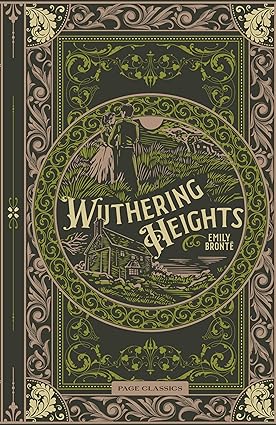
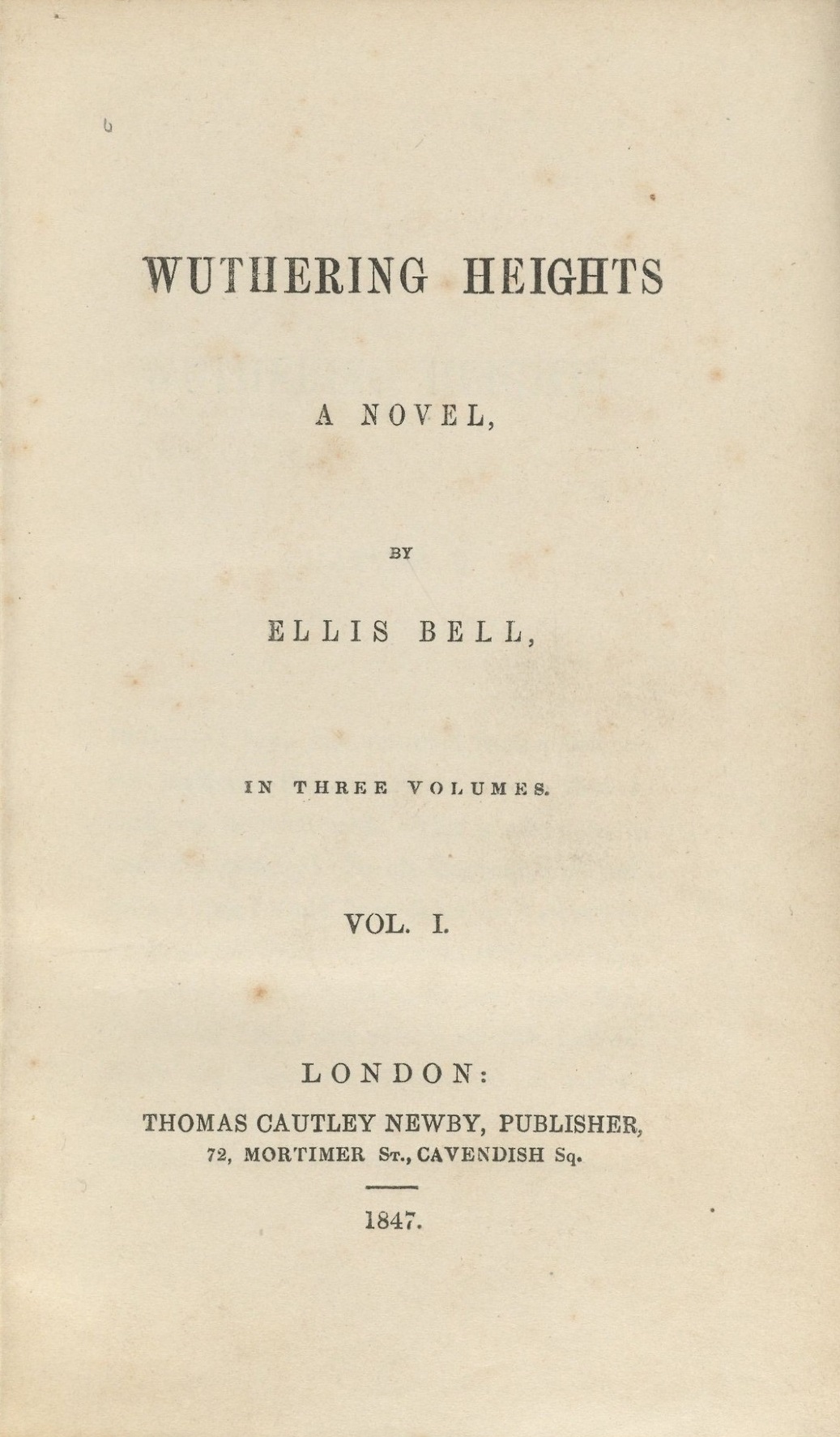
Take the classic Gothic novel Wuthering Heights. Interest in Emily Brontë’s work has never been greater, with a new movie based on the novel’s characters and setting.

The movie strays widely from the novel. The novel is a tragedy delving into deeply disturbed personalities more than it is a romance.

It’s not an allegory because it doesn’t explore a moral or symbolic meaning beyond its obvious story. Brontë’s symbolism in her world-building supports and underscores the themes of love, revenge, and social class.

The way Emily Brontë employed atmosphere in Wuthering Heights is stellar. I would love to achieve that level of world-building.

We can find allegories in nearly any written narrative because humans love making connections and often imagine them where none exist. While Wuthering Heights is not considered an allegory in the literary sense, it is heavily symbolic.

Spark Notes says:

The constant emphasis on landscape within the text of Wuthering Heights endows the setting with symbolic importance. This landscape is comprised primarily of moors: wide, wild expanses, high but somewhat soggy, and thus infertile. Moorland cannot be cultivated, and its uniformity makes navigation difficult. It features particularly waterlogged patches in which people could potentially drown. (This possibility is mentioned several times in Wuthering Heights.) Thus, the moors serve very well as symbols of the wild threat posed by nature. As the setting for the beginnings of Catherine and Heathcliff’s bond (the two play on the moors during childhood), the moorland transfers its symbolic associations onto the love affair.

The two large estates within the book create a pocket world of sorts, where little, if anything, lies beyond their existence. Thus, windows both literal and figurative serve to showcase what exists on the other side while still keeping the characters trapped. [1] Wuthering Heights: Symbols | SparkNotes

Symbolism on its own is a powerful tool. We can show more with fewer words. But while a tale may be heavily layered with symbolism, it might not be an allegory.

So, what is an allegory?
The storytelling in The Matrix series of movies is a brilliant example of an allegory. The Matrix was written by The Wachowskis. The narrative is an allegory for Plato’s Allegory of the Cave, a depiction of reality and illusion. The movies in the series employ heavy symbolism in both the setting and conversations to drive home the multilayered themes of humankind, machine, fate, and free will.

In The Matrix, reality and illusion are portrayed with layers of symbolism:

  • The names of the characters
  • The words used in conversations
  • The androgynous clothes they wear

Everything on the set or mentioned in conversations underscores those themes, including the lighting. Inside The Matrix, the world is bathed in a green light, as if through a green-tinted lens. In the real world, the lighting is harsher, unfiltered.

Everything that appears or is said onscreen in the movie is symbolic and supports one of the underlying concepts. When Morpheus later asks Neo to choose between a red pill and a blue pill, he essentially offers the choice between fate and free will.

We incorporate symbolism and allegory into the environment during worldbuilding to create mood and atmosphere.

These subliminal impressions affect our (the reader’s) mood and emotions, drawing us deeper into that world. These are separate but entwined forces, and they can create an emotion in the reader, such as a sense of foreboding, which is a subtler form of foreshadowing.

In real life, emotion is the experience of contrast, of transitioning from negative to positive emotional energy, and back again.

In a powerful story, symbolism, allegory, or both exist on the surface and in the subtext. Without the feelings and emotions the writer injects into the story, our characters do a zombie-like shuffle to the end, leaving the reader feeling robbed.

Setting is only a place. It is not atmosphere. Mood, atmosphere, and emotion are part of the inferential layer of a story.

How a setting is shown contributes to the atmosphere. Atmosphere is created as much by odors, scents, ambient sounds, and visuals as by the characters’ moods and emotions. Emily Brontë‘s moors and windows are subliminal background elements, but they are also foreshadowing. They convey information to the reader on a subconscious level, supporting the actions and conversations of her characters.
In my own work, I want to convey mood and atmosphere without resorting to an info dump. But what symbols can I place in the environment of my current work-in-progress to help build suspense? I need to create a list and add it to my outline as I go.

  • Side note: Just because I use a plan doesn’t mean you have to. It’s just how I work.

For me, themes are important, and a powerful theme inspires me to tell a story. A strong theme can offer suggestions and symbols when we imagine the world we are creating. I note these ideas in the outline, so I don’t lose track of them.

  • Another side note: Don’t be surprised if a casual reader doesn’t notice the symbolism you worked so hard on. They won’t see symbolism on a conscious level. However, it will reinforce the mood and atmosphere, keeping them reading.

Dedicated readers love work that holds up on closer examination, enjoying work with layers of depth, work they can read again and again and always find something new in it.
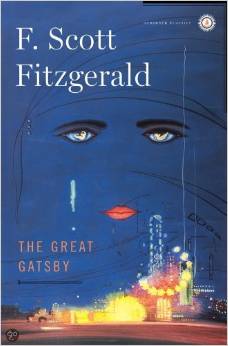
On the surface, the story and the characters who live it out are what make a book great. Deeper down, the allegories and symbolisms embedded in the narrative sink into the reader’s subconscious, stirring thoughts and raising ideas they might not otherwise have considered.

Previous in this series: Revisions, part 1: Shakespeare and the Art of Foreshadowing #writing | Life in the Realm of Fantasy


Credits and Attributions:

[1] Wuthering Heights: Symbols | SparkNotes Copyright ©2026SparkNotes LLC (accessed 08 February 2026). Fair Use.
3 Comments

Filed under writing

The Inferential Layer of the Word-Pond – Symbolism #amwriting

The Word-Pond is dark, and near the bottom the waters are murky. It’s hard to find your way, but knowing the theme gives us a diver’s guide-rope to hold onto.

We’ve identified the theme, but we need to strengthen it. We want to add depth to our narrative, but wonder how. This becomes easier when we remember that theme, mood, and atmosphere work closely together.

An important tool in our writer’s toolbox is Symbolism. It is an aspect of Story that helps create mood, atmosphere, and supports and strengthens the theme. When a little thought is applied to how you place it, symbolism becomes a subtle tool that speaks subliminally to the reader.

Intentionally placing symbolic objects in the setting influences the characters’ emotional mood. It represents the theme and will help reinforce the desired atmosphere without your having to resort to an info dump.

Words can have subtle meanings beyond the obvious, when used as allegories. Using allegory in the narrative offers images for the reading mind to see and understand.

So, what is an allegory? An allegory is an essential tool of the author who wants to convey important ideas with the least amount of words.

The storytelling in The Matrix series of movies is a brilliant example of employing heavy allegory in both the setting and conversations to drive home the multilayered theme of humankind, machine, fate, and free will. The theme is represented with heavy symbolism in:

  • The names of the characters,
  • The words used in conversations
  • The androgynous clothes they wear

Everything on the set or mentioned in conversation underscores those themes, including the lighting. Inside The Matrix, the world is bathed in a green light, as if through a green-tinted lens. In the real world, the lighting is harsher, unfiltered.

In the movie, everything that appears or is said onscreen is symbolic and supports one of the underlying concepts. When Morpheus later asks Neo to choose between a red pill and a blue pill, he essentially offers the choice between fate and free will.

Neo chooses the red pill—real life—and learns that free will can be unpleasant. Cypher regrets choosing the red pill and ultimately chooses to return to the Matrix.

The reader/viewer infers the mood and atmosphere by virtue of embedded symbolic clues, hints that also strengthen the theme.

One of my works-in-progress that is in its infancy is a contemporary novel. I want to convey a Gothic atmosphere in this piece and yet maintain the setting and time-frame of a novel set squarely in the  21st century. I can only do this through the use of allegory. I will have to approach writing a scene as it would be portrayed in a movie, keeping the symbolism in mind.

In this novel’s case, I have several character threads that converge in the large themes of trust and fidelity. It’s a multilayered piece, and each layer has its own sub-theme

  • Social responsibility.
  • Ethics and the lengths we will go to achieve a goal.
  • What constitutes family, nurture or nature?

Making good use of symbolism and allegory will be critical if I want to convey the mood and the atmosphere without resorting to an info dump.

Just to be clear, a plan is not always required because sometimes the flash of inspiration we begin with is a strong theme in itself.

If you are lucky, the theme develops as you write, and immediately, you see what it is. This strong theme will whisper suggestions and symbols to you as you create the world and the visual environment.

In my case, I need a plan fifty percent of the time.

Whatever the case, once you have identified the main theme, you can write the story in such a way that it is shown through:

  • Actions
  • Symbolic settings/places
  • Allegorical objects in the setting
  • Conversations

We try to picture conversations, clothing, settings, and wider environments as if they were scenes in a movie. As you do so, consider how you can insert small allegories and symbols to support your theme.

The casual reader doesn’t notice symbolism on a conscious level. However, dedicated readers will, and that is what will keep them reading. Dedicated readers love work that holds up on closer examination, enjoying work that has layers of depth.

Yet, for the casual reader, it is all there, making the imaginary surface look and feel real, solid, and concrete.


Credits and Attributions

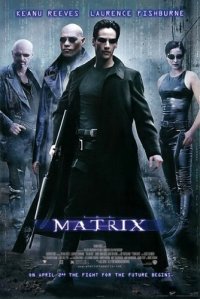
The Matrix movie poster, © 1999 Warner Bros. Entertainment Inc. (US, Canada, Bahamas and Bermuda); © 1999 Village Roadshow Films Limited. (All Other Territories) Fair Use

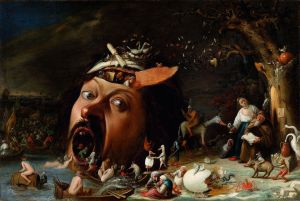
The Temptation of St Anthony, Joos van Craesbeeck ca. 1650 [Public domain], via Wikimedia Commons

Comments Off on The Inferential Layer of the Word-Pond – Symbolism #amwriting

Filed under writing

Theme, Allegory, and The Matrix #amwriting

One question I hear often when I am giving seminars is “How do I identify the theme of my story?”

Theme is what the story is about on a deeper level than what is seen on the surface. It’s the big meaning, a thread that is woven through the entire story, and often it’s a moral. Love, honor, family, redemption, and revenge are all common, underlying themes. Theme is an idea-thread that winds through the story and supports the plot.

A question was asked in an online group for writers “How do I emphasize my theme without bludgeoning my reader with it?”

Making good use of allegory can subtly underscore your themes to drive home your point without resorting to an info dump.

Using symbolism and allegory allows an author to pack the most information into the least amount of words, but it requires intention when you first begin creating the story arc. Words, phrases, and setting must be chosen, and the narrative’s prose must be purposefully crafted.

Whenever I talk about allegory, I like to use the movie, The Matrix, as my example: In this movie, you see lean dialogue, conversations that are spare and to the point. The symbolism continues in the way the setting is so sparsely portrayed, and even the characters’ names are symbolic. Allegory is built into their androgynous costumes, and in the screenwriters/authors’ choice of words used in every conversation. All these layers offer us an incredible amount of subliminal information about that world and what is really going on.

The themes are represented with heavy symbolism in the lighting used on the movie set:

>Inside The Matrix the world is bathed in a green light, as if through a green-tinted lens.

>In the real world, the lighting is harsher, unfiltered.

In the movie, everything that appears or is said onscreen is symbolic and supports one of the underlying concepts. When Morpheus later asks Neo to choose between a red pill and a blue pill, he essentially offers the choice between fate and free will.

>Neo chooses the red pill—real life—and learns that free will can be unpleasant. Cypher regrets choosing the red pill and ultimately chooses to return to the Matrix.

In one of my favorite scenes, when Neo answers the door and is invited to the party, he at first declines. But then he notices that Du Jour, the woman with Choi, bears a tattoo of a white rabbit. He remembers seeing the words: follow the white rabbit, on his computer. Curious and slightly fearful of what it all means, he changes his mind and goes to the party, setting a sequence of events in motion. The white rabbit tattoo is an allegorical reference to Alice in Wonderland, a subliminal clue that things are not what they seem.

In my stories, I try to picture conversations, clothing, settings, and wider environments as if they were scenes in a movie. This is where I consider how I could use allegory to support and underscore my theme. I’m not as adept at this as I hope to become, but I try to consider the books that really moved me as a reader. All were allegorical in some way.

When we are immersed in reading a story laden with allegory, many times we don’t notice the symbolism on a conscious level. But on closer examination it is all there, making what is imaginary into something real, solid, and concrete.

This is what I hope to achieve in my current work.


Credits and Attributions:

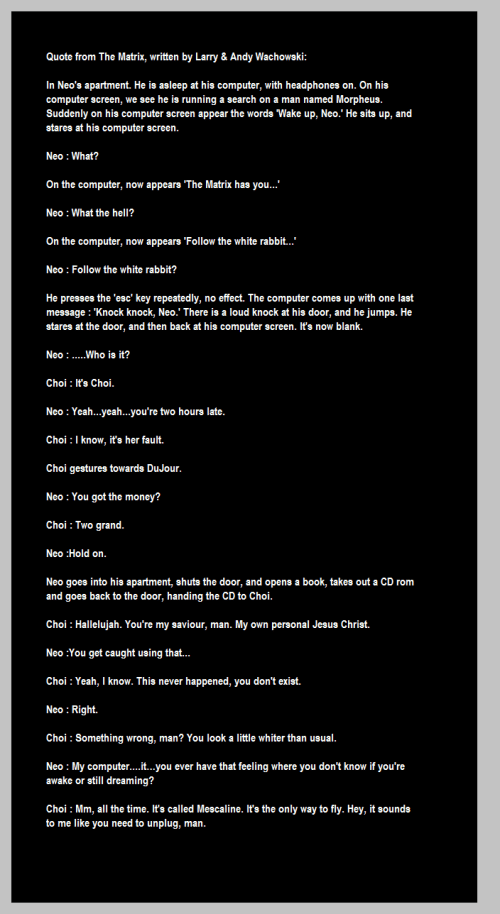
Quote from the Matrix, screenplay written by Larry and Andy Wachowski © 1999 Warner Bros. Pictures

3 Comments

Filed under writing

#amwriting: using allegory to underscore theme

the Matrix PosterGreat novels, like great movies, are built of many layers. Theme is what the story is about on a deeper level than what is seen on the surface. It’s the big meaning, and often it’s a moral. Love, honor, family, redemption, and revenge are all common, underlying themes.

Allegory is an essential tool of the author who wants to convey important ideas with the least amount of words. One of my works-in-progress is a contemporary novel. I need to convey a Gothic atmosphere in this piece and yet maintain the setting and time-frame of a novel set squarely in the  21st century. The way I am doing this is through the use of allegory. With symbolism in mind, I try to approach writing a scene as it would be portrayed in a movie. Each conversation is an event and must advance the story.

Consider this scene from one of my favorite movies of all time, The Matrix. The films of The Matrix trilogy pit man against machine in a clearly drawn battle, but they also reveal that the humans are more machine-like than they think, and that the machines possess human qualities as well. These are the obvious themes, but there are several underlying concepts going at the same time.

The movies in this series are famous for the action, and rightfully so.  But great choreographed martial arts sequences can’t convey the concepts the authors needed to express. The advancement of the plot hinges on dialogue. Dialogue drives the action and connects the fundamental ideas of the story through the intentional use of allegory. The authors never lost the way, because every aspect of that script is steeped in symbolism that directly points to the overall theme(s).

Quotes from the matrix


The conversation concerns a drug deal, but the overarching idea of the blurred line between humans and machines is never lost.

The key words are in the first line, written on Neo’s computer:

  1. The Matrix has you,
  2. the third line,follow the white rabbit,
  3. and in that very last line, telling Neo to unplug.

The obvious plot of The Matrix series of films details a questioning of what reality is and portrays Neo as the potential savior of the world, which has been enslaved by a virtual reality program. Dig slightly deeper, and you see that it is about escaping that program, at which point the audience sees that a larger theme is in play: fate vs. free will.

Even before that larger concept is made clear, the conversations that happen in the course of the film all advance that theme, even the minor interactions, from the first conversation to the last.

The storytelling in The Matrix movies is a brilliant example of employing heavy allegory in both the setting and conversations to drive home the motifs of man, machine, fate, and free will.

The themes are represented with heavy symbolism in the names of the characters, the words used in conversations, and even the androgynous clothes they wear. Everything on the set or mentioned in conversation underscores those themes, including the lighting. Inside The Matrix the world is bathed in a green light, as if through a green-tinted lens. In the real world, the lighting is harsher, unfiltered.

In the movie, everything that appears or is said onscreen is symbolic and supports one of the underlying concepts. When Morpheus later asks Neo to choose between a red pill and a blue pill, he essentially offers the choice between fate and free will.

Neo chooses the red pill—real life—and learns that free will can be unpleasant. Cypher regrets choosing the red pill and ultimately chooses to return to the Matrix.

The creators of the movie even used the lighting as an allegory showing that Neo’s world is filtered through something else: The Matrix.

The arc of the story is driven by

  1. who has the information,
  2. when they learned it, (and when the audience learns it)
  3. what they did on learning that information.

In our own work, if we don’t keep the arc of the story moving toward the final conclusion with each scene, we will lose our reader. To that end, we disseminate information in small increments, with the reader learning what she must know at the same time our protagonist does. Using symbolism and allegory is a way to get the most information out there in the least amount of words, but it requires intention on the part of the author. Words, phrases, and setting must be chosen and the narrative’s prose must be crafted.

Crafted prose does not mean flowery prose. If you reexamine the above excerpt from The Matrix, you see lean dialogue, spare and to the point. It is in the symbolism of the setting, their names, their attire, and the authors’ choice of words that we get the most information. When Neo answers the door and is invited to the party, he at first declines. But then he notices that Du Jour, the woman with Choi, bears a tattoo of a white rabbit. He remembers seeing the words: follow the white rabbit, on his computer. Curious and slightly fearful of what it all means, he changes his mind and goes to the party, setting a sequence of events in motion.

We build the overall arc of the story from scenes, each of which is a small arc, in the same way a gothic cathedral is constructed of many arches that all build toward the top.  The underlying arches strengthen the overall construction. Without arches, the cathedral wouldn’t remain standing for very long.

Theme is a thread that winds through the story and supports the plot. Using allegory and symbolism in the environment to subtly underscore your themes allows you to show more without resorting to info dumps.

Picture conversations, clothing, settings, and wider environments as if they were scenes in a movie, and consider how you can use allegory to support your story arc. When we are immersed in reading it, we don’t notice the heavy symbolism on a conscious level, but on closer examination it is all there, making the imaginary real, solid and concrete.

By using allegory and conversations to create many layers, we can build memorable stories that will stand out in the reader’s mind.

1 Comment

Filed under writing