
Every writer is different, with a unique approach to getting their work on paper. There is no one-size-fits-all method for taking a story from an idea, a “what if” moment, to a finished piece. Each of us has to find our own way.
 As an indie, my deadlines are self-imposed, so my production timelines aren’t as finite as a writer who is under contract. If I find myself at a real stopping point, a place where the plot isn’t moving forward, I stop forcing it.
I choose to stop forcing myself to write when the ideas have dried up. I set aside what isn’t working and relax by writing flash fiction and short stories. I have no deadlines, so I can return to a piece that is stuck when I’ve figured out how to get it back on track.
My goals are for me, not for anyone else. I choose to embrace a Zen writing life.
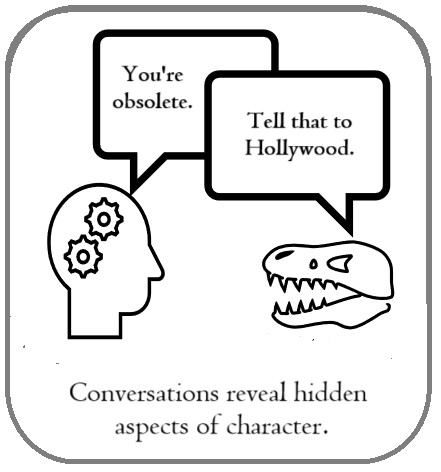
I’ll admit there is one drawback to this approach, but it’s not the end of the world. One book I began ten years ago feels as if it will never be finished, because I became stalled at the halfway point. Despite my best intentions in 2022, I never got back to it. I know how it has to end, because it is history and is canon in the Tower of Bones series. At this point, I haven’t decided the best way to arrive at that conclusion.
So, one goal for that novel during the rest of this year (2025) is:
 First, I will go back to the outline and begin the next phase. Looking at the original plan will help me get the book back on track again. Once I have the plot firmly in mind, I’ll finish writing the pivotal scenes, then tie them together with good transitions. That will complete the manuscript which should top out at 170,000 words.
After that, I will send it to my beta readers. Once I receive their recommendation, I can embark on my favorite part: revising the manuscript. It could take months, but this really is the stage of the process I enjoy most.
Once all that is done to my satisfaction, I will send the manuscript to Irene and have it professionally edited.
The last stage is a two-step process:
- I make the corrections Irene wants.
- Then, I hang on to a manuscript and let it sit unread for a while. A month or so later, I print out each chapter and go back through it with a yellow highlighter. At this point, I am proofreading it, looking for typos and cut/paste errors, and making corrections.
Then, if I am happy with it, I will have it professionally formatted for publication. I will also hire the cover out, as I no longer have the patience to deal with cover design.
The first hard-earned piece of wisdom that I have to share with you today is this: you must develop perseverance. You can write the greatest novel ever, but it won’t satisfy every reader. So write your stories for yourself and don’t stop trying.
The second bit is a little more challenging but is a continuation of the first point: Write something new every day, even if it is only one line. You develop better skills when you practice writing a few new words every day. Even if you only have ten minutes free, use them to write whatever enters your head, stream-of-consciousness. Maybe you should write a journal entry.
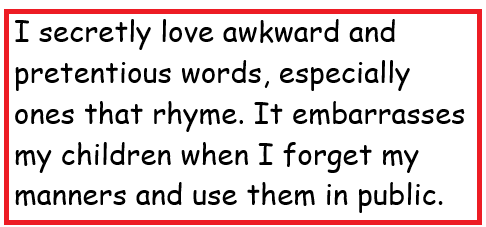 The third suggestion is fun and easy: learn the meaning of a new word every day. You don’t have to use it, but it never hurts to know new things. Authors should have a wide vocabulary.
The fourth thing: don’t sweat the small stuff when you are just laying down a first draft. I know it’s a cliché, but it is true. Lay the words down, passive phrasing and all, because the important thing is to get the story finished. Don’t share that first draft with anyone you can’t unconditionally trust, as it is yours and still in its infant stage.
The fifth thing to remember is this: every author begins as someone who wants to write but feels like an imposter. The authors who succeed in finishing a poem, a short story, or a novel are those who are brave enough to just do it.
Every author I know has struggled in their personal life. During the years I was raising my children, I had three failed marriages, worked three part-time jobs, and struggled to find time to write. Just when life was getting better financially, two of my children developed adult-onset epilepsy. However, that bad year was when I reconnected with the love of my life. That was the year life became better than good despite the hiccups and the dreaded “E” word.
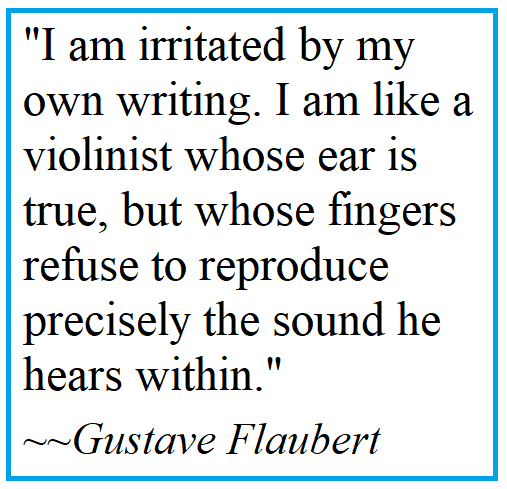 Now, twenty-two years later, my spouse is suffering from late-stage Parkinson’s, and I am no longer physically able to properly care for him. Still, I visit him every morning without fail, the high point of my day. And even though he is unable to reliably communicate his thoughts, he tells me he loves me. Things are different, but we are still who we always were.
The good things in life are still good, and I choose to focus on those. As time has gone on, I have learned not to panic when I get the dreaded phone call letting me know something bad has happened. Our five children are strong and have stepped into the roles Greg and I have had to step back from. We pull through the rough times as a family.
Everyone needs a creative outlet, whether it is painting, music, or gardening. Writing is how I make sense of the twists and turns of life. It helps me process the complications in a non-threatening way. My Zen approach to writing means I have the choice to write what I can and not feel guilty for the goals I don’t achieve.
- The story is the goal. Everything else is a bonus.
In real life, nothing is certain. Adversity in life forges strength and understanding of other people’s challenges. It enables us to create characters who aren’t perfect, but with secret backstories that make them more human, more relatable.
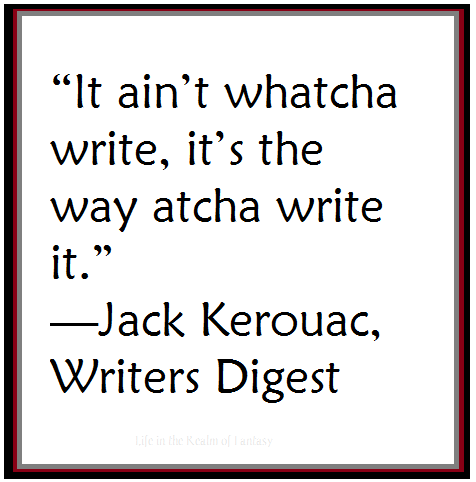 Storytelling is my art form, my creative outlet, the one thing I do for myself. I write the stories I want to read, and that is what every writer should do.
So, take ten minutes, and write as many new words as possible. Write a scene, write a 100-word microfiction, or write a haiku. Write these words just for you, a piece you don’t have to share with anyone unless you choose to.
Let go of the guilt. Enjoy the freedom of writing for the joy of it.
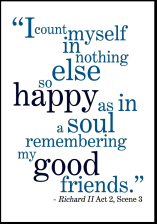 However, I can always write a blog post—which is how I keep my writing muscles in “fighting form.”
 I’m always learning. While I love to talk about writing craft, I am a far better editor than a writer. Free-lance editing is like being a hired gardener—with a bit of work, a trim here, pulling a few weeds there, you enable an author’s creative vision to become real.

 In real life, nothing is certain. Adversity in life forges strength and understanding of other people’s challenges. Having the opportunity to make daily notes in a journal, to write poetry, blog posts, short stories, or novels is a luxury—one I am grateful for.


 Life in the Realm of Fantasy