
Last week, we talked about self-editing a manuscript. I shared the process I use to get my work ready for my editor. Even though I go to all that trouble, Irene still finds many places that need attention.
 But why isn’t simply following the suggestions raised by beta readers enough? Why go to the trouble of the process as I described it last week AND still have it professionally edited?
First, we need to talk about apples and oranges. Both are fruit and yet they are very different from each other. Beta reading and editing are apples and oranges.
Beta reading is the first look at a manuscript by someone other than the author. I always look for a person who reads for pleasure and can express their thoughts about a story or novel. That person must read and enjoy the genre of that particular story. If they dislike sci-fi, they won’t have good insights to offer about your space opera.
I am fortunate to have excellent friends willing to do this for me. Last week, I received a short story back from two kind friends. Both had good insights as to why I have been unable to sell that story. Stephen and Ceri both provided me with thoughtful and spot-on suggestions.
The first reading by an unbiased eye gives me a view of my story’s overall strengths and weaknesses. The suggestions offered by my circle of friends enable me to make good revisions. My editor can focus on doing her job without being distracted by glaring issues that should have been caught early on.
If you agree to read a raw manuscript for another author, remember that it has NOT been edited.
- You are reading a first draft. Beta reading is not editing, so don’t overanalyze it. A thousand nit-picky comments at this early stage are not helpful because they clutter things up, obscuring the larger issues.
This manuscript is the child of the author’s soul. Phrase your comments positively, and never be abrupt or accusatory. As a beta reader, you are reading an unfinished project. You are trying to help an author take their manuscript in the direction that they have envisioned.
Why should a beta reader not simply shoot from the hip? I’ve heard some authors say “so-and-so needs to clean things up. He needs to develop a thicker skin,” etc. etc.
That is true, but an author’s ability to make good use of criticism develops gradually as they go out into the professional world.
Kindly worded criticism will help the author and won’t destroy their enjoyment of writing. But harsh criticism shows a lack of understanding on the part of the beta reader. It can generate resentment and a refusal to listen. The traumatized author might never advance beyond the beginning stage.
So, what significant issues must be addressed in the first stage of the revision process? If you are asked to beta read for a fellow author, ask yourself these questions about the overall manuscript:
 How does it open? Did the opening hook you? As you read, is there an arc to each scene that keeps you turning the page? Note the page numbers of the places that are confusing.
Setting: Does the setting feel real? Did the author create a sense of time, mood, and atmosphere? Is world-building an organic part of the story?
Characters: Did you understand who the point-of-view character was? Did you know what they were feeling? Were they likable? Did you identify with and care about them? Were there various character types, or did they all seem the same? Were their emotions and motivations clear and relatable?
Dialogue: Did the dialogue and internal narratives advance the plot, or were they opportunities for info dumps? Did the dialogues illuminate the conflict? Did they heighten the tension and add to the suspense? Were the conversations and thoughts distinct to each character, or did they all sound alike?
Plot: Do the characters face a struggle worth writing about? Does the action feel necessary to advance the story? Do the events feel logical, and were you able to suspend your disbelief?
Pacing: How did the momentum feel? Where did the plot bog down and get boring? Did the pacing keep you engaged?
Does the ending surprise and satisfy you? What do you think might happen next?
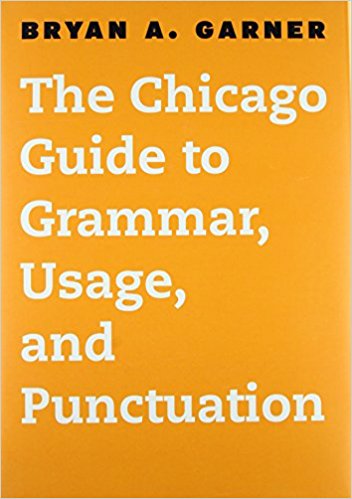 What about grammar and mechanics? At this point, you can make broad comments regarding grammar and industry practices. If the author’s work shows they don’t understand basic punctuation standards, suggest they look online for some free and easy articles on grammar. I highly recommend the Purdue OWL® – Purdue OWL® – Purdue University.
Or, if you feel up to it, offer to help them learn a few basics.
Most people have no idea just how difficult sharing your just-completed first draft with anyone is. For that reason, being the first reader of another author’s work is a privilege I don’t take lightly.
Now, we know that the beta reader makes general suggestions to help the author achieve their goals in the second draft.
So, what is editing?
Editing is a process that occurs in the final stage of revision.
The author has completed the manuscript, and it is as clean as they can get it. An editor hasn’t seen the manuscript before. They go over it line by line, pointing out areas that need attention.
- awkward phrasings,
- grammatical errors
- missing quotation marks. etc.
Many things may still need correcting. Sometimes, major structural issues will need to be addressed to improve the pacing. Straightening out all the kinks may take more than one trip through a manuscript.
The various branches of literature have requirements that are unique to them, so there are different kinds of editing.
For academic writing, editing involves carefully reviewing each sentence. Every grammatical error must be resolved, making words and sentences more straightforward, precise, and effective. Weak phrasings are strengthened, nonessential information is weeded out, and important points are clarified.
For novel writing, editing is a stage in which a writer and editor work together to improve a draft by ensuring style and grammatical usage are consistent. The editor does not try to change an author’s voice but does point out errors. If an author’s style breaks convention, the editor ensures that convention is broken consistently from page one to the end of the manuscript. At the same time, strict attention is paid to the overall story arc.
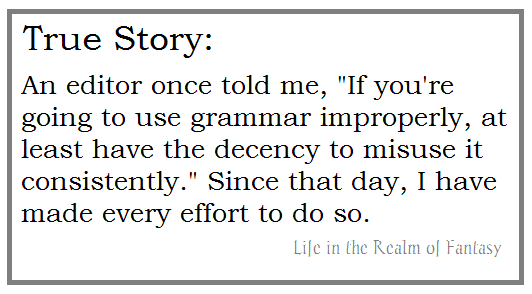 Editors know they are not the author. They will make suggestions, but ultimately, all changes must be approved and implemented by the author.
When you have made the revisions your first reader suggested and feel your book is ready, hire a local, well-recommended editor. You need someone you can work with, a person who wants to help you make your manuscript ready for publication.
You might wonder why you need an editor when you’ve already spent months fine-tuning it. The fact is, no matter how many times we go over our work, our eyes will skip over some things. We are too familiar with our work and see it as it should be, not as it is.
When a reader purchases your book, they won’t be familiar with it. Many readers are savvy and notice what we have overlooked.
On Friday of last week, I received my most recent work-in-progress back from Irene. She combed through all 100,000 words and left me with a treasure trove of suggestions.
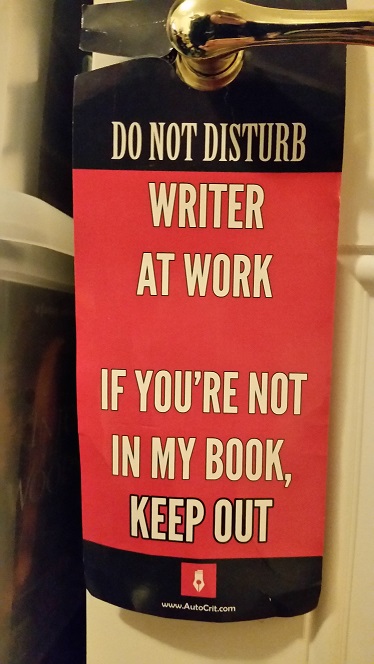 Yes, I am an editor, but I can’t identify what is wrong with my own work. My eye wants to skip the less obvious flaws. However, another person will notice and point out what is wrong.
So, between my above-mentioned short story and my forthcoming novel, I have some work ahead of me. But thanks to Stephen, Ceri, and Irene, I now know what needs to be done.
Best of all, it’s the kind of work I love.
Whether we write novels or short stories, we need to have an unbiased eye review it before submitting it to an agent or publication. It’s due diligence, part of the professional process.


 Life in the Realm of Fantasy