
We may all write novels or short stories or poetry, but every writer is different. We each have our own approach to getting our work on paper.
 I’m like everyone else. I have difficulty thinking creatively when life is too stressful. However, blog posts are more like technical writing, which is how I keep my writing mind working.
Over the years, I have developed a few tools for my writer’s toolbox. These are exercises that jar things loose, help me feel like writing when my well of creative energy is running low.
When the blender of life kicks into gear here at Casa del Jasperson, my ability to write goes out the window.
Nowadays, I stop forcing it.
I’m an indie and my deadlines are self-imposed. My timelines aren’t as finite as a writer who is under contract. I write every day no matter what, but rather than beating myself up over something I can’t deal with, I work on a different project. It might be a blog post or a short story. Sometimes, I take on an editing job.
I can always come back to the novel when inspiration returns.
Sometimes a project begins well but despite that great beginning, it goes unfinished.
 Maybe I have run out of ideas for that story, which led to me loosing enthusiasm. No matter what the intended length is, an unfinished project is something I can work on later.
As an indie, my goals are for me, not for anyone else. I choose to embrace a Zen writing life
One manuscript has sat unfinished for several years for a variety of reasons. The story was stalled at the halfway point, and I had only a vague idea of how it must end. This year I managed to write a synopsis of the final half of the story arc and that has become invaluable as an outline. Writing is now moving ahead as I had hoped.
Despite how much I love the stories that fall out of my head, my work doesn’t appeal to readers of action adventure. My stories are internal. The characters and the arc of their personal journeys are the central elements of their stories. While I love the action and the setting, those elements are only the frame within which the characters live and grow.
 In the old days, I didn’t understand that. I marketed it to the wrong audience. Readers of action and adventure aren’t interested in slower-paced work. Even worse, I rushed to publish my work when it wasn’t ready.
So, the first hard-earned snippet of wisdom I have to share today is this: Write your stories for yourself and don’t stop trying. We have to know our target market. One important thing I have come to accept is this: my work is written for a niche market of those few readers who seek out the kind of work that I do. I write what I want to read, and I am an odd duck when it comes to literature. So, I am writing for a smaller subset of readers and that will have to guide how I market my books.
The second piece of wisdom is a little more challenging but is a continuation of the first point: Write something new every day, even if it is only one line. Do it whether you are inspired or not because it is exercise. Just like yoga or martial arts, your aptitude for writing grows in strength and skill when you exercise it daily. Writing a blog post is my daily exercise. If you only have ten minutes free, use them to write whatever enters your head, stream-of-consciousness.
 The third thought is a fun thing: learn the meaning of a new word every day. You don’t have to use every word you know, but it never hurts to learn new things. Authors should have broad vocabularies. Today’s word was bumptious which means offensively self-assertive.
The fourth thing: is don’t worry about self-editing when you are laying down the first draft. I know it’s a cliché, but it is also a truism. Let the words fall out of your head, passive phrasing and all, because the important thing is to finish the story.
The fifth thing to remember is this: every author begins as someone who wants to write but feels like an imposter. The authors who succeed in finishing a poem, a short story, or a novel are those who are brave enough to just do it. They find the time to sit down and put their ideas on paper. And ninety times out of a hundred, they still feel like an imposter.
Finally, authors must overcome roadblocks in their personal life. My husband has late-stage Parkinson’s which makes life a little too interesting at times. Writing enables me to make sense of the twists and turns of our human experience.
It helps me process life’s complications in a non-threatening way.
In real life, nothing is certain. Adversity happens. Dealing with troubles forges strength and if you are a person blessed with empathy, it creates an understanding of other people’s challenges.
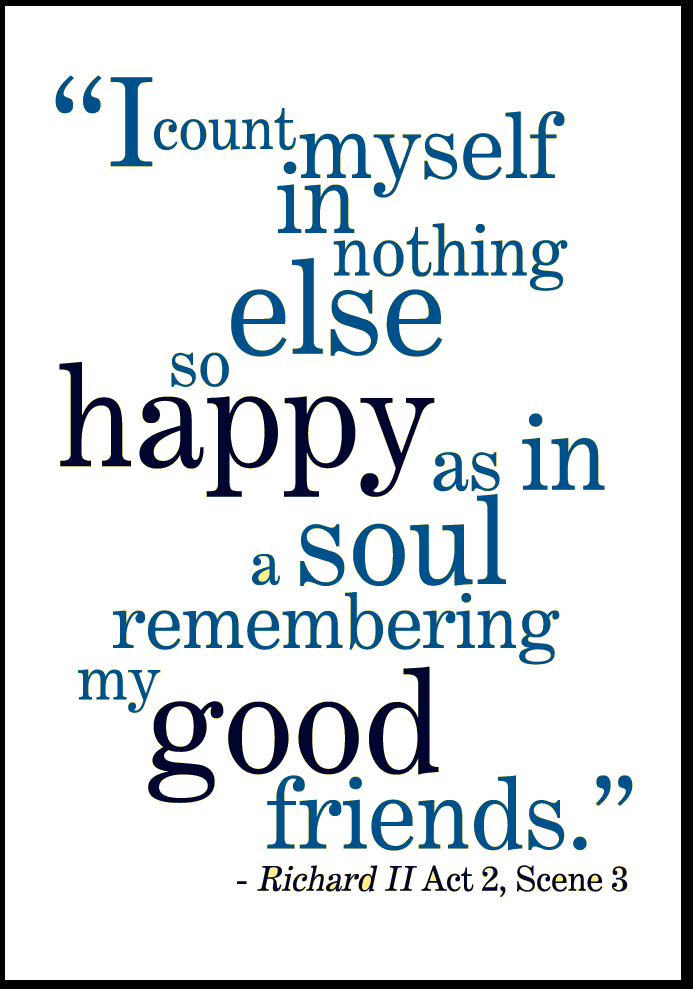 I am blessed. I can write whatever I am in the mood for. Having the time and opportunity to write is a luxury, one I didn’t have as a younger person raising children and holding down two jobs. I have a group of fellow writers that I can depend on for good advice, and for support when life is hard.
I don’t write to win awards, and I don’t earn a lot from my work. but I love what I do and don’t feel guilty about any arbitrary goals I don’t achieve.
I can relax and enjoy the act of creating something from idea to completion, but in my own time and at my own pace.
In this new year, I hope you find the time and inspiration to write whatever your dreams lead you to. I hope you have success at whatever your creative mind dreams up.
And I hope you have a Zen creative experience.


 Life in the Realm of Fantasy