
We have been working on plotting a novel for the last month in our series, Idea to Story. The previous installments are listed below, but at this point we have our two main characters, Val (Valentine), a lady knight, and the enemy, Kai Voss, court sorcerer. Both are regents for the sickly, underage king.
 I write fantasy, but every story is the same, no matter the set dressing: Protagonist A needs something desperately, and Antagonist B stands in their way. In this story, Valentine begins as our protagonist, and we are setting Kai up as the visible antagonist.
The plot as it stood last week: Twelve-year-old Edward has been steadily declining in health since the deaths of his parents. His bodyguards, led by Val, believe the court sorcerer has cursed him with a wasting illness. Edward’s other guardian, Kai, and his advisors believe Val is poisoning him.
Kai’s most trusted advisor is his older half-brother, Donovan Dove. Donovan is highly educated and an accomplished mage. However, his mother was a commoner and therefore not allowed to marry his father, so he has been relegated to supporting roles, such as tutoring his younger brother in all aspects of magic and the other gentlemanly arts as befits the heir to their father’s earldom. Their father appointed him as steward of their lands, so he is in charge of running the family estate while Kai is away from home doing his job of tending to the young king’s education.
Donovan is thirty-eight, exceptionally handsome and charming. He gambles well and rarely loses.
- His nouns are passion, desire, and deceit. His modifiers (adjectives) are suave, worldly, courtly, enigmatic, and devious.
- Donovan’s verbs are shape, create, mold, conceal, charm.
Donovan’s void is obsession and jealousy.
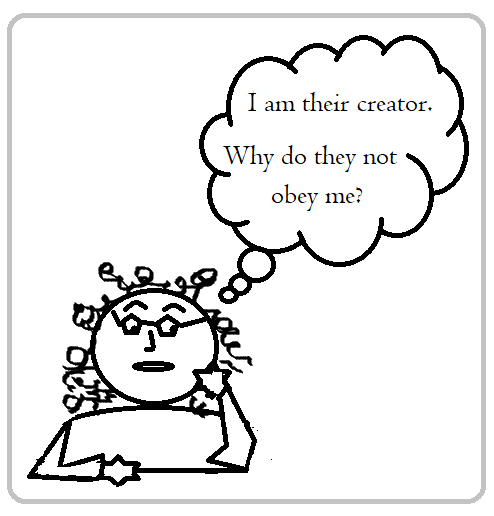 Our characters have told us what the plot is while we were creating them, by virtue of their personalities: their nouns, verbs, and voids. So, we’re going to allow them to continue telling us what the conflict is, and we will observe and create a framework, a series of guideposts to write to.
We will drop Val and Kai into the soup as soon as the main side characters are in place. We present them with a quest that appears to be the real one but is only a smoke screen concealing the true villain’s motives and allowing him to neatly get rid of them. This first quest gets the story moving and keeps the reader reading.
- Regardless of genre or plot, this is the place where the characters are set on the path to their destiny.
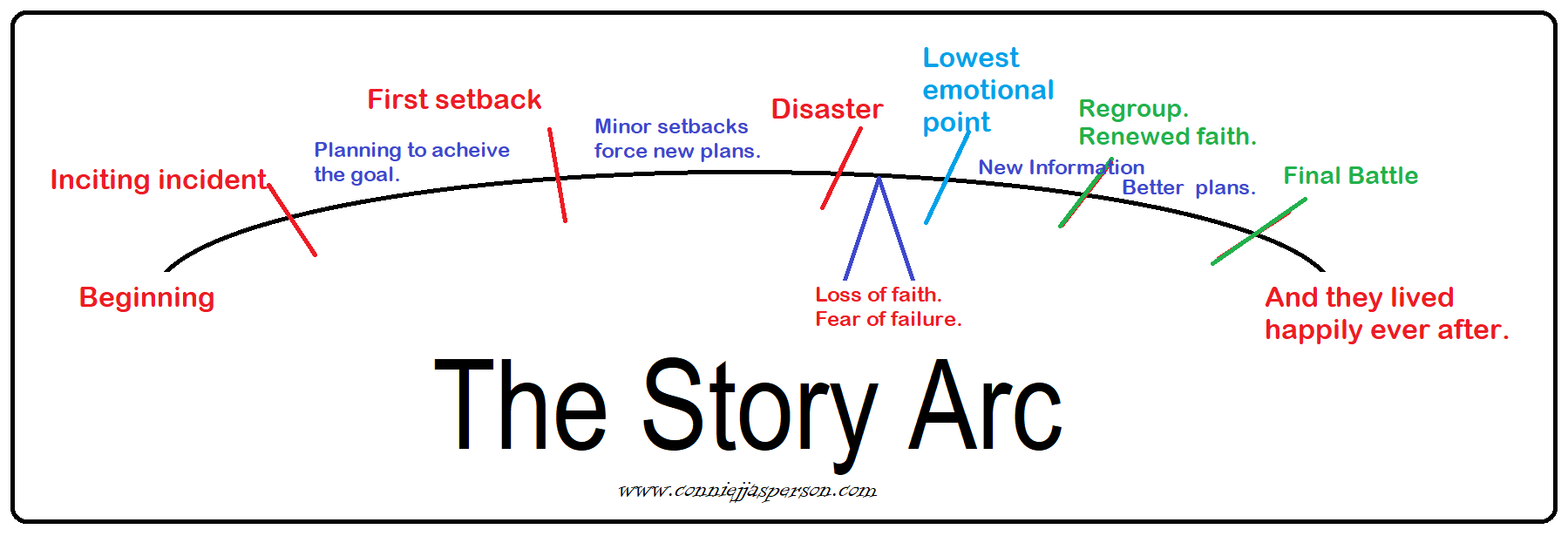
For this story, we will use a four-act plot arc, dividing the story into quarters. The first act ends with the inciting incident.
The inciting incident is where the protagonists first realize they’re blocked from achieving the desired goal. In this case, information has come to Val’s attention that someone highly trusted has cursed the young king with a wasting illness. She immediately suspects Kai and moves Edward to a safe place.
Kai has also received information from his most trusted source that Edward is being poisoned. His suspicions immediately fall on Val, whom he believes wishes to take the throne and rule as a warrior queen. When he discovers the king has been taken from the castle (kidnapped, as he believes), he rallies the soldiers loyal to him and mounts a search.
 A roadblock arises, as both characters believe the other intends to kill Edward. Val and her soldiers are very good at what they do. Kai attempts to find a way around them, leading to another crisis scene and a stalemate.
The second act ensues with more action leading to more trouble, rising to a pitch when the hidden adversary springs his trap.
- This is where personal weaknesses are exposed in our two main characters, offering the opportunity for growth.
The way I see this plot now, at the midpoint, both Valentine and Kai Voss are waking up in the dungeon and realizing they have been played by Donovan Dove.
Or, if they aren’t, they should be. After all, the struggle is the story.
Val immediately comprehends what just happened and finds a way to escape. Against her better judgement, she makes a spur of the moment decision to free Kai, who is still in shock. Only now is the mage discovering the magnitude of his brother’s betrayal.
This dungeon scene tells us what the plot needs to be from here onward, and what our true quest is: rescuing Edward before he dies from Donovan’s curse.
We must open each act with a strong scene, an arc of action that illuminates the characters, their wants and emotions. This allows the reader to learn things as the protagonist does. We have the chance to insert subtle clues regarding things the characters are not aware of, knowledge that will affect the plot.
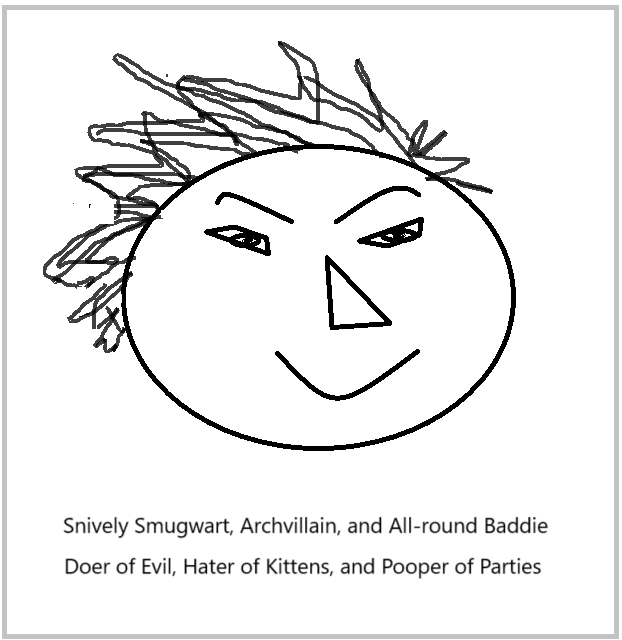 The hints we offer at the beginning and through the first half of the book are important. Foreshadowing piques the reader’s interest and makes them want to know how the book will end. However, we want to keep the real villain and the depth of his villainy secret until the moment Kai and Val stumble into his trap.
Only then will the small clues that all is not as it appears make sense.
I work best when I create a broad outline of the story arc as the characters reveal it to me. I also like to know how it will end so that I can write to that ending.
- What moral (or immoral) choice will our protagonists have to make in their attempt to achieve their objective?
- What happens at the first pinch point? How does the false information come to them?
- How does Donovan keep his true motives secret until he has Val and Kai where he wants them?
- How does Donovan dispose of the side characters who deliver the false information he has given them?
- At the midpoint how is the health and emotional condition of Val and Kai?
- How will Val and Kai set aside their animosity and learn to trust each other?
- What is Donovan’s plan now that he has custody of the king?
At the ¾ point, Val and Kai should have gathered some resources and rallied their companions. They should be preparing to rescue Edward and planning how to face Donovan for the final battle.
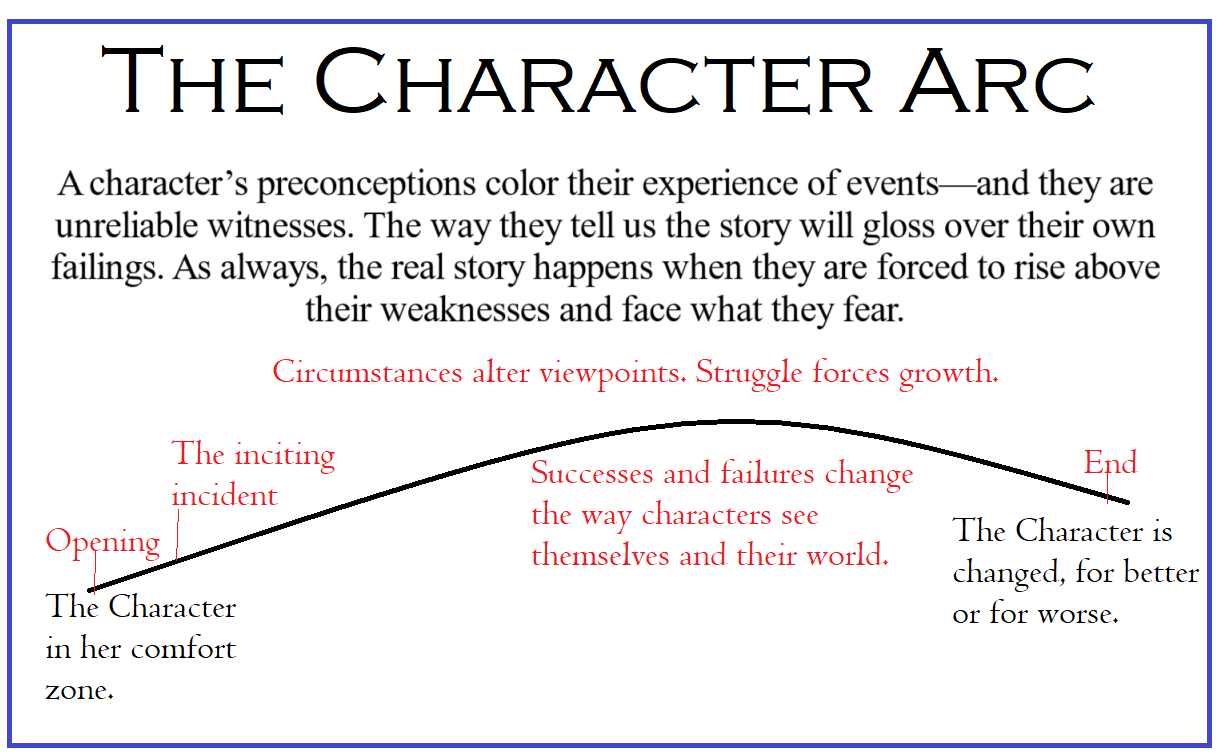 Subplots should be introduced after the inciting incident has taken place. If you introduce them too soon, they can distract the reader, making for a haphazard story arc. In my opinion, side quests work best if they are presented once the tone of the book and the main crisis has been established, and only if they are necessary to the completion of the final, overarching quest.
How long do you plan the book to be? Take that word count and divide it by 4. Place the culmination of your first major event at the ¼ mark. The following two quarters are the middle. If you have set your first half action up right and have an idea of how the story should end, the middle and the ending should fall into place like dominoes.
PREVIOUS IN THIS SERIES:
Idea to story part 2: thinking out loud #writing | Life in the Realm of Fantasy
Idea to story part 3: plotting out loud #writing | Life in the Realm of Fantasy
Idea to story part 4 – the roles of side characters #writing | Life in the Realm of Fantasy


I’mloving this series. It’s so helpful. Thank you.
LikeLiked by 1 person
Thank you, Vivienne! I’m having fun with it!
LikeLiked by 1 person
Pingback: Idea to Story part 6 – Plotting the End #writing | Life in the Realm of Fantasy
Pingback: Idea to story part 7 – Building the world #writing | Life in the Realm of Fantasy
Pingback: Idea to story part 8 – world-building and society #writing | Life in the Realm of Fantasy
Pingback: Idea to story part 9 – technology and world-building #writing | Life in the Realm of Fantasy