Category Archives: Literature

But what if they don’t like what I #amwriting

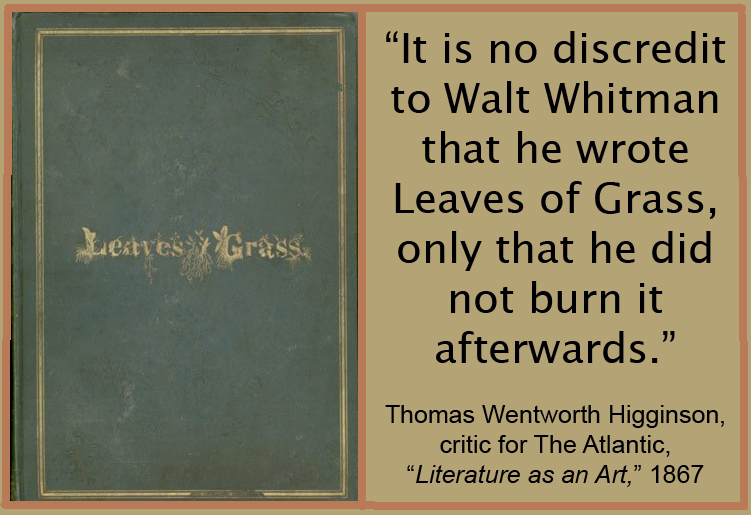
leaves of grass memeI’m just going to come out and say it–sometimes people don’t like what I write.

I know!  Who knew?

But it’s true, and I’ve the reviews to prove it. However, for every person who dislikes my work for one reason or another, someone else loves it, and they are the reader I am writing for.

If you focus your attention on reviews, good or bad, you risk losing your enjoyment of the craft. Writing is an extremely personal thing, and when a novel is completed we offer it to the public, who then airs their opinion on the quality (or lack thereof) of the fruit of our  labors. We are proud of our work when it is well received, and we are proud of it when it is ignored or disparaged.

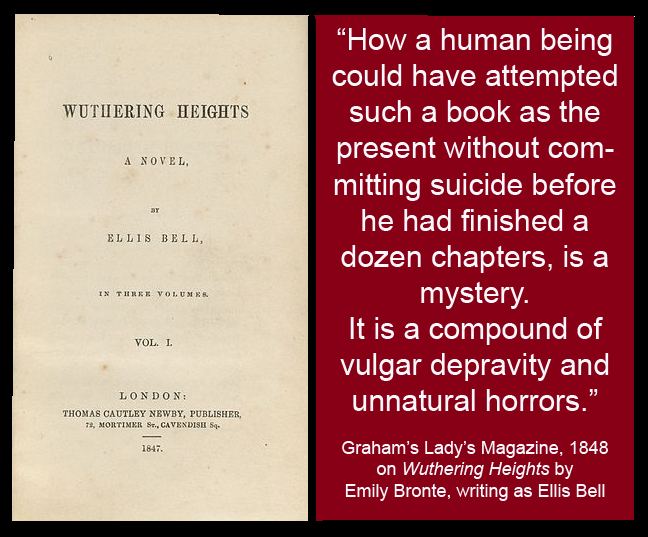
Wuthering_Heights,_1847I rarely look at my reviews because I have to concentrate on what I am currently writing, not on what I’ve already done. Every now and then a friend will post a good review by another reviewer on my personal Facebook page and I appreciate that sort of thoughtfulness.

But honestly, I don’t talk a lot about reviews on my personal page, good or bad. This is because I think my friends and family know what my job is and how selling my product works. I already bore them enough as it is with all my going here and there to hawk my books BS.

The minute we publish, whether through the traditional route or by going indie, we are putting ourselves and the thing we cherished most in the hands of the reading public.

At that point you must walk away from it emotionally.

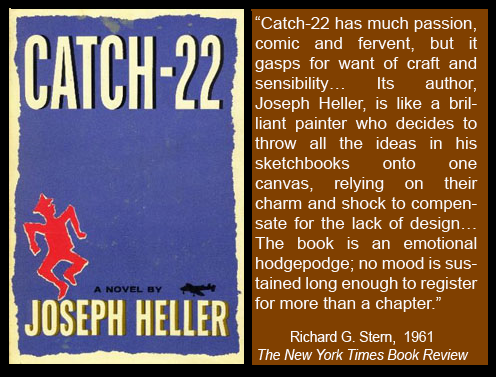
Catch22But while I do like having reviews, I want a variety of them. This shows the potential buyer that more people than just my friends are reading my books.  A mix of good and bad reviews is good because even the bad ones go a long way toward establishing credibility in the reading community. The reviews and numbers of stars will level out and in the end, the more reviews you have, the better for your book.

Most readers are smart. I don’t know about other people, but want to judge a book or product for myself, rather than be told what to think by a reviewer.  This is because most reviews on Amazon are not very enlightening, and alternatively, reviews bought in advance by publishers don’t impress me, good or bad.

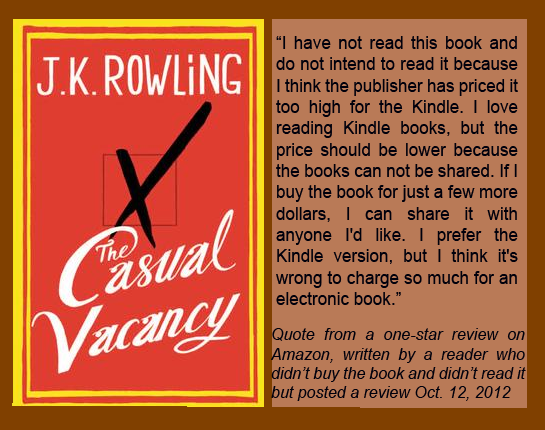
The_Casual_VacancyI make my own mind up when I read the book for myself. I enjoyed The Casual Vacancy by J.K. Rowling, even though a kajillion people couldn’t wait to take her down a notch. Read my review of that book here.

You won’t write anything worth reading if you only do it with the intention of getting glorious reviews. Write because you have something to say, and write what YOU want to read. Never publish anything less than your best work and ignore the reviews, good and bad.

Some of the best books ever written have received the worst reviews. Your book could be one of them, so don’t look at bad reviews as a measure of your worth as a writer. Ignore them and just keep on writing. You are writing because you love it and that is what you do.

Everything else is just fluff.

5 Comments

Filed under Literature, Publishing, Uncategorized, writer, writing

Elements of the story: identifying and crafting a strong theme

The Plaza After Rain, Paul Cornoyer PD|100 via Wikimedia Commons

The Plaza After Rain, Paul Cornoyer PD|100 via Wikimedia Commons

“Theme” is an idea or message that flows through a story from beginning to end. Theme is what readers think the work is about but it is also what the work itself says about the subject.

It is ephemeral in that theme is only an idea, but it is like the moon–it is there and the world is greatly affected by it through the pull of gravity: witness the tides.

In a given work the theme might never be mentioned outright, but the characters’ actions are motivated by it and the plot revolves around it. Here is a link to a list of 101 common themes in books.

How do you make something as hard to get a grip on as a theme central to your story? The theme was an idea about the plot, a notion you had about your story when you first began to write it, no matter what the setting you placed it in was, or whether the genre was fantasy, sci-fi, paranormal, or contemporary fiction.

Brothers in Arms, Bujold, coverPerhaps you are writing a tale where a group of people face heroic challenges in a war. On the surface this looks like it it is all about the action, but in reality it is is not. It is about relationships, the bonds of friendship, and the way the events of this war bind a group of soldiers together and also the way events test those bonds, perhaps breaking them. The theme of this tale is the way fighting a common enemy binds strangers from all walks of life together: creating brothers- and sisters-in-arms.

The way I look at it, the theme is as important as the main character. You spend as certain amount of time creating strong characters. Perhaps you are like me and make personnel files for each new character so you know who they are, how they think, and how they will react in a given situation. Or not, but you know your characters the minute the enter the story.

I try to identify my theme early on, and write a short paragraph to myself to remind me of what that central idea was so I stay on track. During the initial writing process I regularly refer back to that little note, to ensure I have not lost my way. I want to write in such a way that I emphasize and exploit that idea throughout the book or short-story.

Initially, when I first started writing full time, I was not always good at sticking to my original idea. At times the core themes became mushy, which, when you read these stories, takes away from the cohesiveness of what otherwise could have been good work. Theme is glue that binds your plot and characters.

The best way to get a grip on both identifying and solidifying the theme is to practice writing with a specific core theme in mind. Write a short story, just a piece of flash fiction. Make every paragraph represent some aspect of that central concept.

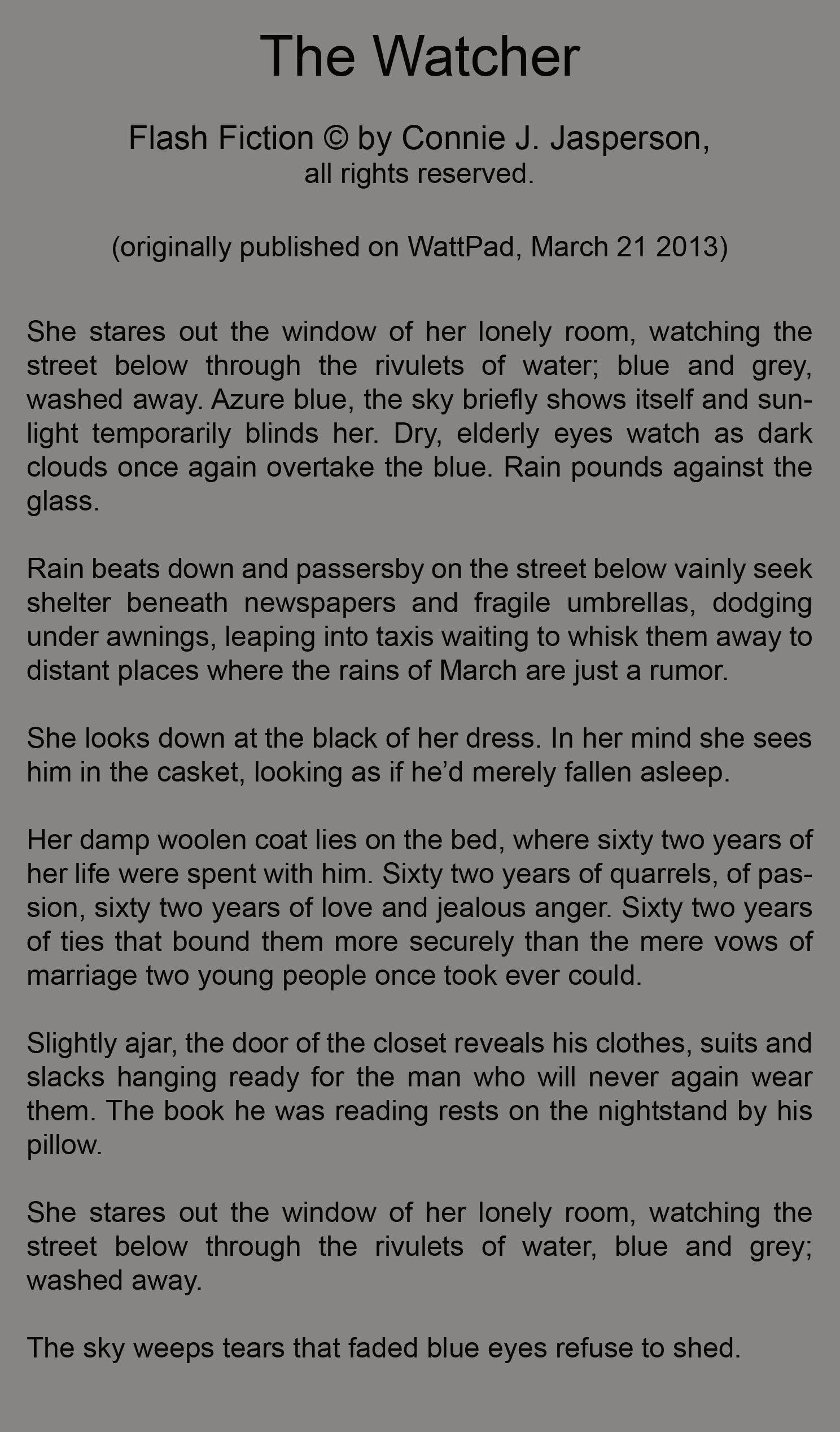
I tend to think of themes and then write stories set in fantasy worlds, but not always. Take this piece of Flash Fiction I wrote in 2013:

the watcher flash fiction

It is set in a contemporary environment with no fantasy elements. The idea came from the painting at the top of this post by Paul Cornoyer, and the action is minimal–an elderly woman staring out a window. But the theme is grief, and everything in these short paragraphs points to and represents her sense of loss.

How do you identify your theme? Sometimes it’s difficult, unless you start out with one in mind. Most of my books are based around the hero’s journey, and how the events my protagonists experience shape them. Alongside the theme of good vs evil are the sub-themes of brotherhood, and love of family.

These concepts are important to me on a personal level, and so they find their way into my writing. Ask yourself what is important to you? When you look for a book, what catches your interest?I am not talking genre here, I am speaking of the deeper story. When you look at it from a distance, what do all the stories you love best have in common?

  • Political thrillers: Set against the backdrop of a political power struggle. Political corruption, terrorism, and warfare are common themes.
  • Romance Novel: Two people as they develop romantic love for each other and work to build a relationship. Both the conflict and the climax of the novel are directly related to that core theme of developing a romantic relationship, although the novel can also contain subplots that do not specifically relate to the main characters’ romantic love.
  • Literary fiction focuses on the protagonist of the narrative, creating introspective, in-depth character studies of interesting, complex and developed characters. Action and setting are not the point here, although they must also be carefully developed in such a way they frame the character, and provide a visual perspective.
  • Science Fiction: realistic speculation about possible future events, based solidly on adequate knowledge of the real world, past and present, and on a thorough understanding of the nature and significance of the scientific method. Science and technology are a dominant theme, but based on current reality. Characters are still subject to sub-themes such as morality and love, but setting and science are the main themes.
  • Fantasy: Often set in alternate, medieval, or ancient worlds, common themes are good vs evil, hero’s journey, coming of age, morality, romantic love. Can also be set in urban settings with paranormal tropes.

the hobbit movie poster 2On the surface these types of books look widely different but all have one thing in common–they have protagonists and side-characters. These people will all have to deal with and react to the underlying theme of the book. Morality, love, coming of age–these ideas can be found in nearly every book on my shelves or in my Kindle.

In my mind, the genre and the setting in which these characters react to the wider concepts are just a backdrop. The world they are set in is the picture-frame, a backdrop against which the themes of the story play out, and characters are shaped by a force beyond their control–the author.

4 Comments

Filed under Literature, Publishing, writer, writing

My #beachreads: Tenth of December & The Husband’s Secret

For my vacation reading this year I had a bit of a split personality book-wise. I had packed George Saunders’ book of short-stories, Tenth of December, and while we were in Cannon Beach, my oldest daughter, Leah, and I went to the local book stores. She found a book by an Australian writer, Liane Moriarty, called The Husband’s Secret.

She liked it so much I had to make a Kindle purchase.

The two books are radically different. Tenth of December is literary science fiction. The Husband’s Secret is contemporary fiction. Both books are about the human condition, and both books are character driven.

Although they are widely different, they are windows into the human soul, and both authors had me thinking about their work long after I finished them. These reviews are now up on Goodreads ,  so my work there is done.

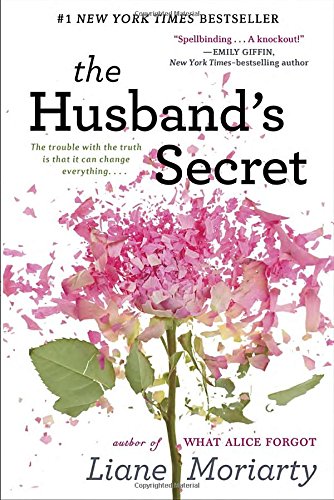
the husbands secretFirst up is The Husband’s Secret, by Liane Moriarty. Released in 2013 by Berkley, and Penguin in the US, this book is currently a #1 bestseller at Amazon, and Moriarty is listed in the top 100 authors there.

First the Blurb:

At the heart of The Husband’s Secret is a letter that’s not meant to be read

My darling Cecilia, if you’re reading this, then I’ve died. . .

Imagine that your husband wrote you a letter, to be opened after his death. Imagine, too, that the letter contains his deepest, darkest secret—something with the potential to destroy not just the life you built together, but the lives of others as well. Imagine, then, that you stumble across that letter while your husband is still very much alive. . . .

Cecilia Fitzpatrick has achieved it all—she’s an incredibly successful businesswoman, a pillar of her small community, and a devoted wife and mother. Her life is as orderly and spotless as her home. But that letter is about to change everything, and not just for her: Rachel and Tess barely know Cecilia—or each other—but they too are about to feel the earth-shattering repercussions of her husband’s secret.

My review: This book is about loss and grief in Sydney, Australia–but it could easily have been set in Seattle or London and it would still feel true. These women are people you feel you know, and while they are not always likable, they are always true to who they are.

Several characters in the book have secrets they hold on to that they eventually reveal. The concepts of guilt and betrayal loom large in this tale, driving it to the shocking conclusion. Ethics and morality shift and bend under the stress, and three good women do things they consider heinous, and each finds herself justifying her actions.

The Berlin Wall is referred to throughout the novel as Cecelia’s daughter, Esther, works on her school project. And in fact, we learn that Cecilia met John-Paul on the day the Wall finally came down. The Wall is symbolic of many things in this tale, as Tess also has a connection to it.

Rachel is pinched and afraid to love anyone but her grandson. Her son is devastated by the loss of his sister and hurt by his mother’s distance. No matter how he tries, he can’t get close to her.

These are complicated women, faced with an unbearable situation. Their actions and the final resolution is completely true to their characters. This is a slow-moving tale action-wise, but it literally tears through the emotional gamut. I give The Husband’s Secret four and half stars.

>>><<<

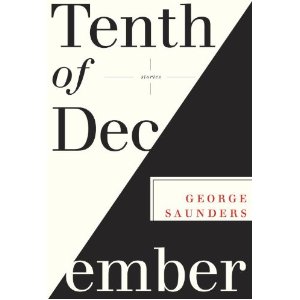
Tenth_of_DecemberNow we come to Tenth of December, by George Saunders, a book of short-stories, also first published as a book in 2013. I reviewed this book as an Audible book before, so you may have a feeling of déjà vu here!

First, the blurb:

In the taut opener, “Victory Lap,” a boy witnesses the attempted abduction of the girl next door and is faced with a harrowing choice: Does he ignore what he sees, or override years of smothering advice from his parents and act? In “Home,” a combat-damaged soldier moves back in with his mother and struggles to reconcile the world he left with the one to which he has returned. And in the title story, a stunning meditation on imagination, memory, and loss, a middle-aged cancer patient walks into the woods to commit suicide, only to encounter a troubled young boy who, over the course of a fateful morning, gives the dying man a final chance to recall who he really is. A hapless, deluded owner of an antiques store; two mothers struggling to do the right thing; a teenage girl whose idealism is challenged by a brutal brush with reality; a man tormented by a series of pharmaceutical experiments that force him to lust, to love, to kill—the unforgettable characters that populate the pages of Tenth of December are vividly and lovingly infused with Saunders’s signature blend of exuberant prose, deep humanity, and stylistic innovation.

Writing brilliantly and profoundly about class, sex, love, loss, work, despair, and war, Saunders cuts to the core of the contemporary experience. These stories take on the big questions and explore the fault lines of our own morality, delving into the questions of what makes us good and what makes us human.

Unsettling, insightful, and hilarious, the stories in Tenth of December—through their manic energy, their focus on what is redeemable in human beings, and their generosity of spirit—not only entertain and delight; they fulfill Chekhov’s dictum that art should “prepare us for tenderness.”

My Review:

Wow! For once, a book that has a blurb that really tells the truth. Saunders has the ability to get inside each of his characters’ heads, showing them sharply as unique individuals. They aren’t always nice, and certainly not always moral as I see morality, but Saunders portrays them with such vivid strokes that you feel as if you understand their reasoning.

For me, the most powerful tale in this collection of stunning tales was “Escape from Spiderhead.” This sci-fi tale has an almost Vonnegut-like flavor. It is a stark journey into the depths to which we humans are capable of sinking in the pursuit of knowledge for the sake of knowledge. Where does punishment end and inhumanity begin? This story lays bare concepts regarding our view of crime and punishment that are difficult, but which are important to consider. The scenario is exaggerated, as it is set in a future world, but it exposes the callous view society has in regard to criminals and what punishment they might deserve.

This was not my first trip through this book–the first time was as an Audible book, narrated by Saunders himself. He reads his work with passion and life–I loved hearing him read these tales. But reading them for myself was also a treat–I savored the written word the way he laid it down. I love authors who bend and twist words and phrases into works of art and that is what Saunders does.

>>><<<

While I was on vacation, I enjoyed two wonderful books written by authors who couldn’t be more different in their approaches to writing. They both write in ways far different from my own approach. Both authors have given me ideas for my own work, in the way they approached certain technical aspects of the craft.

Yes, I was on vacation, but I can’t just leave writing behind–you know me better than that. In between grandkids and the family, I managed short bursts of work on two short-stories and continued revisions on the third book in the Tower of Bones series. Bless my hubby–he tolerates and encourages my obsession with this writing life.

3 Comments

Filed under Books, Literature, Uncategorized, writer, writing

Essays–the vegan discusses Bacon and other meaty reads

consider the lobsterWe have talked a lot about fiction and writing novels as well as short stories. You might think that outside of journalism and blogging there isn’t much left for an author. But there is another area of writing that we’ve all heard of but don’t often think about. They are Essays.

Essays are not just that bane of every school child’s existence–essays are where some of the best works of western literature can be found.

We shall go to the fount of all knowledge, Wikipedia, and ask the holy guru “what is an essay”: “Essays have been defined as “prose composition with a focused subject of discussion” or a “long, systematic discourse”.

Well–that was distinctly un-enlightening.

In her introduction to The Best American Essays 1988, Annie Dillard claims that “The essay can do everything a poem can do, and everything a short story can do—everything but fake it.”

The word essay also means to attempt–and why this meaning is important will emerge later.

But let’s take a look at essays, starting with Sir Francis Bacon, renaissance author, courtier, and father of deductive reasoning. The life and works of this English essayist and statesman had a major impact in his day and still resonate in modern literature. Essayes: Religious Meditations. Places of Perswasion and Disswasion. Seene and Allowed (1597) was his first published book.

The 1999 edition of The Oxford Dictionary of Quotations includes  91 quotations from the Essays. No one gets that many quotes unless his work has struck a chord with centuries of readers.

  • “Knowledge itself is power.”
  • “Riches are a good handmaid, but the worst mistress”

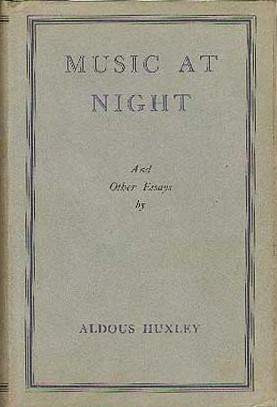
MusicAtNightAldous Huxley‘s book Jesting Pilate, an Intellectual Holiday had as its epigraph, “What is Truth? said jesting Pilate; and would not stay for an answer” quoted from Bacon’s essay “Of Truth”.  Huxley himself was a brilliant essayist and, according to Wikipedia, he defined essays in this way: “essays belong to a literary species whose extreme variability can be studied most effectively within a three-poled frame of reference”. These three poles (or worlds in which the essay may exist) are:

  • The personal and the autobiographical: The essayists that feel most comfortable in this pole “write fragments of reflective autobiography and look at the world through the keyhole of anecdote and description”.
  • The objective, the factual, and the concrete-particular: The essayists that write from this pole “do not speak directly of themselves, but turn their attention outward to some literary or scientific or political theme. Their art consists on setting forth, passing judgement upon, and drawing general conclusions from the relevant data”.
  • The abstract-universal: In this pole “we find those essayists who do their work in the world of high abstractions”, who are never personal and who seldom mention the particular facts of experience. (end quote)

Essays offer an author the opportunity to use prose to expound ideas and values. Michel de Montaigne (1533–1592) was the first author to describe his work as essays–by which he meant attempts. He used the term to characterize these short pieces as “attempts” to put his thoughts into writing. Montaigne’s essays grew out of his work that was then known as “commonplacing”:  published books that were essentially scrapbooks filled with items of every kind: medical recipes, quotes, letters, poems, tables of weights and measures, proverbs, prayers, legal formulas. Think of them as mini-encyclopedias.

Sir Francis Bacon and Aldous Huxley are two men whose works shaped modern literature and they did it though essays.

I highly recommend reading essays as a way to expand your imagination. Essays offer us ideas, philosophical, sociological, and ask us to examine our values.  This examination of the world through the eyes of essayists offers us many insights which will make their way into our own work in ways both seen and unseen, such as Huxley’s reference of Bacon’s work.

Some contemporary essayists I have read and who left an impression on me (some good, some bad) are:

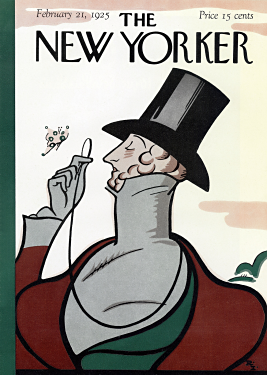
Original_New_Yorker_coverJohn McPhee, The Search for Marvin Gardens published in the September 9, 1972 issue of The New Yorker

Norman Mailer, Advertisements for Myself (published by G.P. Putnam’s Sons in 1959)

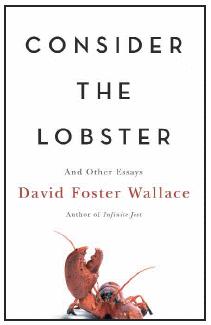
David Foster Wallace, “Consider the Lobster” (originally appeared in Gourmet, 2004)

George Saunders, “The Braindead MegaPhone” (Essays by George Saunders) (published by Riverhead, 2007)

Norman Mailer was definitely not my cup of tea, but he might be yours. Great writing is not always comfortable, but it always challenges your view of the world. I still didn’t like it.

Essays most frequently appear in magazines, so that is where to look for awesome contemporary work by today’s best-known authors of mainstream fiction–and much of it is sitting around in waiting-rooms the world over. If you fly Alaska Airlines (as I usually always do) take a look at that magazine they provide you with. You will find essays by authors like Scott Driscoll.

Essays are also frequently referred to as “Creative Non-Fiction” which sounds like an oxymoron–after all, when we are growing up “creative truthing” was called “lying.”  Get creative with your ideas and philosophies–put them in an essay.

Comments Off on Essays–the vegan discusses Bacon and other meaty reads

Filed under Humor, Literature, Publishing, Uncategorized, writer, writing

Is it damn fool, damnfool, or damned fool?

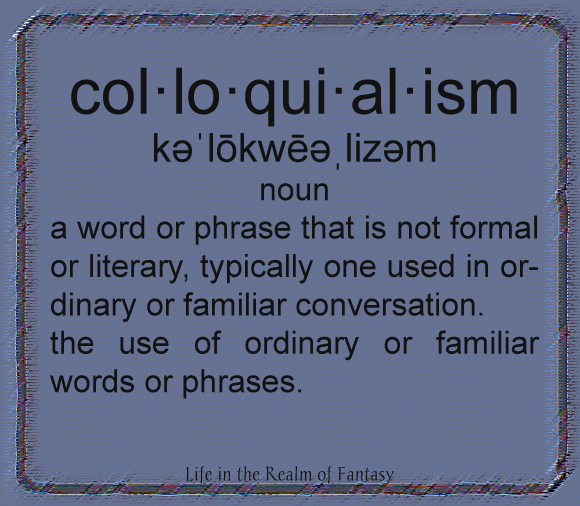
colloquialism memeOne of the more interesting things about being an editor is the amazing amount of time you spend stopping what you are doing and doing a little research. This is especially true if you are editing a piece that has a lot of colloquialisms in it.

Fortunately, some colloquialisms have made it into the Webster’s Dictionary, and the rest are out there on the internet somewhere.

Let’s consider the question of if we mean damn fool, damnfool, or damned fool:

According to the Urban Dictionary

  • A person who is extremely foolish. Their actions are not only irresponsible to themselves, but can possibly be harmful towards others.
  • If a guy tries and talk you out of using a condom, he is a damn fool. (You can’t make this stuff up–you have to go to the internet for it.)
  • Did you see that damned fool? He was swerving all over the road. (end quoted text)
And just for fun, lets see what Wiktionary has to say:
  • damn fool (adjective)
  • damnfool 
  1. (informal) Contemptibly foolish. (end quoted text)
He was a damned fool.

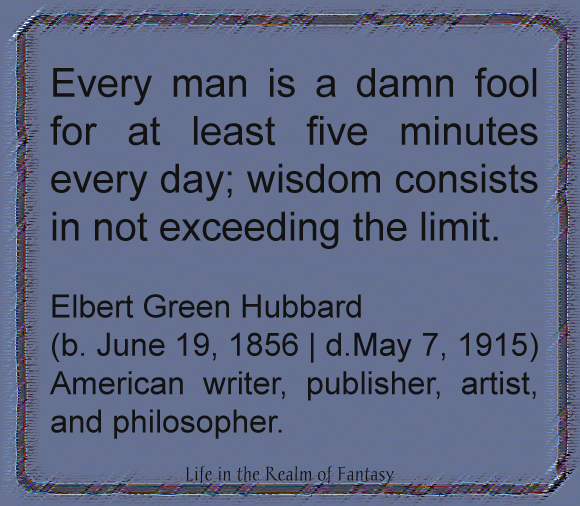
Ellbert Hubbard memeHow I see it:

  1. He was a damned fool. (I just cursed him to hell.)
  2. He was a damn fool. (He was contemptibly foolish)
  3. He did a damnfool thing. (He was contemptibly foolish and I will curse him to hell.)
Now this can be tricky if you are unsure which of these damnfool things the author meant, so this is where I insert a comment asking the author what kind of a damned fool she is writing about.
.
What other fun little “OMG I have to stop and look this up” things do I play with when I should be working?
  • I love looking up Pagan rituals, or indigenous peoples’ religious rituals.
  • I love anything to do with history, and exact dates.
  • Ooh! Ooh! Let me look it up on a map!
Yep–looking things up is part and parcel of the fun. I’m just not as keen on looking up where to properly place commas–the rules make my head hurt.
 .
So let’s talk commas and where to stick ’em, or better yet, where NOT to stick ’em. I found a wonderful website that has a handy-dandy list of comma don’ts phrased in simple language that did not make my eyes go numb: The Proper Care & Feeding of Commas
 .
chicago manual of styleImproperly installed commas can wreak havoc in a paragraph. This is because they are punctuation: “…the act or practice of inserting standardized marks or signs in written matter to clarify the meaning (of a sentence.)” (quoted from Google)
.
Commas are there to separate clauses and to make sentences understandable. Consistently used according to the accepted rules, commas make it so that every English-speaking reader understands what you have written. We don’t put them in to indicate to the reader where we pause or take a breatheveryone pauses and breathes differently and what makes sense to you will not make sense to someone else.
.
These are the same rules for everyone, which make our work understandable in Brisbane, Houston, London, Hong Kong or Seattle. But the rules in the Chicago Manual of Style (my go-to manual) are often ambiguously phrased and are hard to remember. SO, when checking on simple points, I love this website for a quick list of comma dos: Your Dictionary: Comma Rules
 .
Dialect and local sayings play a huge part in contemporary work–sometimes I get a piece that was written by a UK author.  Perhaps it is an Urban Fantasy and it will have all sorts of words I have never heard of: again, I go to Your Dictionary: Common UK Expressions. This  is also a problem with American dialects and local slangs–the internet is my friend! Texas-talk is “a whole nuther thang” and sometimes more difficult to follow than Cockney EnglishHowdy Get Rowdy
 .
It is an editor’s job to do a certain amount of research whenever a question arises in the manuscript to ensure his comments will help the author clarify ambiguous and hard-to-understand areas. Having fun surfing the internet looking up obscure and interesting facts is just one of the perks!
.
keep-calm-and-say-you-fool-you-damn-fool

2 Comments

Filed under Books, Fantasy, Humor, Literature, Publishing, Uncategorized, writer, writing

What did I just write? Labeling short fiction

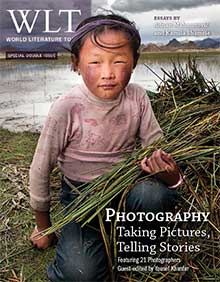
Cover_of_the_WLT_March_2013_issue

World Literature Today, March 2013 issue published bi-monthly at the University of Oklahoma

When you write a lot of different short stories, you really get to explore all aspects of your creative mind. You never know what will fall out of your head, so you find yourself writing in a wide variety of genres, things you never thought you would find interesting.

But they consume you and you can’t stop writing.

So now you have this wonderful backlog of short stories to enter in contests and submit to various publications–but now you find that this contest wants general fiction, and this one is fantasy. And this one is sci-fi only!

Dude–how do I know what tale to send to who?

If your work is nonfiction, it’s no problem, because your work is targeted to a magazine with a specific readership, so the sub-genre will be readily apparent and where you should submit it was likely clear the day you decided to write it.

Where this gets dicey is when you write short fiction with no specific contest or magazine in mind. When you sit down to write a short story with an open mind, random ideas flow and because you are working within the limits of 3000 to 7000 words, your stories are creative and stretch you. But they will be widely different from your normal work, and will not always be in a genre you can easily identify. You have all this work, but no idea where to submit it.
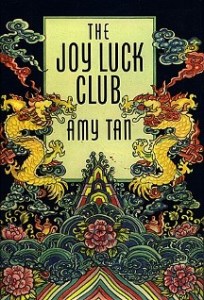
TheJoyLuckClubMainstream (general) fiction–Mainstream fiction is a general term publishers and booksellers use to describe works that may appeal to the broadest range of readers and have some likelihood of commercial success. Mainstream authors often blend genre fiction practices with techniques considered unique to literary fiction. It will be both plot- and character-driven, and may have a style of narrative that is not as lean as modern genre fiction, but is not too stylistic either. The prose of the novel will at times delve into a more literary vein than genre fiction, but the story will be driven by the events and action that force the characters to grow.

BelovedNovelLiterary Fiction–Literary fiction tends to be more adventurous with the narrative, with the style of the prose taking a prominent place. Stylistic writing and the exploration of themes and ideas form the substance of the piece. Writer’s Relief Author’s Submission Service defines literary fiction as “…fiction of ideas. While the story must be good, emphasis on action is not often as important as emphasis on the ideas, themes, and concerns of the book. Literary fiction tackles “big” issues that are often controversial, difficult, and complex.”  (end quoted text)

Science fiction–Wikipedia says:  “Science Fiction  is fiction dealing with imaginative content such as futuristic settings, futuristic science and technology, space travel, time travel, faster than light travel, parallel universes and extraterrestrial life.” BE WARNED: the internet is rife with purists and impurists in the sci-fi field, snobs and folks with their heads up their anachronisms. Anyway, if you use magic for any reason you are NOT writing any form of sci-fi.

Parafaith_war_coverHard Sci-fi is characterized by rigorous attention to accurate detail in the physics, chemistry, and astrophysics. Emphasis is placed on accurately depicting worlds that more advanced technology may make possible. Soft Sci-fi is characterized by works based on social sciences such as psychology, economics, political science,sociology, and anthropology.

Other main sub-genres of Sci-fi include: Space-operasCyberpunk, Time Travel, Steampunk, Alternate history, Military, Superhuman, Apocalyptic and Post-Apocalyptic.

The main thing to remember, is this–Science and Magic cannot coexist in the Genre of Science Fiction. The minute you add magic to the story, you have Fantasy.

Fantasy: Wikipedia says: “Fantasy is a genre of fiction that commonly uses magic and other supernatural phenomena as a primary plot element, theme, or setting. Many works within the genre take place in imaginary worlds where magic and magical creatures are common. Fantasy is generally distinguished from the genres of science fiction and horror by the expectation that it steers clear of scientific and macabre themes, respectively, though there is a great deal of overlap between the three, all of which are sub-genres of speculative fiction.” 

I’ll be truthful–fantasy has its share of snobs and damnfools when it comes to defining the sub-genres:

Lord Fouls BaneHigh fantasy–High fantasy is defined as fantasy fiction set in an alternative, fictional world, rather than the real, or “primary” world, with elves, fairies, dwarves, dragons, demons, magic or sorcery, wizards or magicians, constructed languages, quests, coming-of-age themes, and multi-volume narrative . Often the prose is more literary and the primary plot is slowed by many side quests. Think William Morris and J.R.R. Tolkien.

Epic Fantasy–These stories are often serious in tone and epic in scope, dealing with themes of grand struggle against supernatural, evil forces. Epic fantasy shares some typical characteristics of high fantasy includes fantastical elements such as elves, fairies, dwarves, dragons, demons, magic or sorcery, wizards or magicians, constructed languages, quests, coming-of-age themes, and multi-volume narratives. Tad Williams’s Memory Sorrow and Thorn is classic Epic Fantasy.

Paranormal Fantasy–Paranormal fantasy often focuses on romantic love and includes elements beyond the range of scientific explanation, blending together themes from all the speculative fiction genres. Think ghosts, vampires, and supernatural.

Urban Fantasy– can take place in historical, modern, or futuristic periods, and the settings may include fictional elements. The prerequisite is that they must be primarily set in a city.
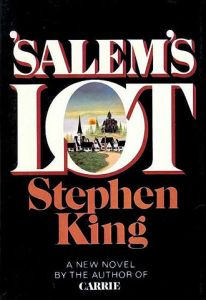
330px-SalemslothardcoverHorror–Wikipedia says “Horror fiction, horror literature and also horror fantasy are genres of literature, which are intended to, or have the capacity to frighten, scare, or startle their readers by inducing feelings of horror and terror. Literary historian J. A. Cuddon has defined the horror story as “a piece of fiction in prose of variable length… which shocks or even frightens the reader, or perhaps induces a feeling of repulsion or loathing.

Romance– Novels of this type of genre fiction place their primary focus on the relationship and romantic love between two people, and must have an “emotionally satisfying and optimistic ending.”

Now that you know what the genre of your story is, you can seek out magazines and contest looking for that sort of work. Choose carefully who you submit your work to, carefully follow their submission guidelines, and only submit the work you have that best fits what they publish.

Never submit anything that is not your best work, and do not assume they will edit it, because they won’t. And let’s be real–no one will even consider publishing work that is poorly written, sloppily formatted, and generally unreadable.

Comments Off on What did I just write? Labeling short fiction

Filed under Books, Literature, Publishing, writer, writing

Crafting the narrative: the potty-mouthed vicar

Portrait of Vsevolod Mikhailovich Garshin by Ilya Repin

Portrait of Vsevolod Mikhailovich Garshin by Ilya Repin PD|100 via Wikimedia Commons

Look at poor Vsevolod Mikhailovich Garshin. The artist immortalized him at the unfortunate moment he realized he was faced with a gazillion hours of searching for overused words in his manuscript–and all of them in Russian.

Heh heh.

I wrote a post on this subject three years ago, but it’s time to  dust it off and play with it again. Overused words can be fun if done right:

Mark Twain said, “Substitute “damn” every time you’re inclined to write “very”; your editor will delete it and the writing will be just as it should be.”

Well now, we could have some fun with that!

Think of how often some beginning authors use the word very in their work:

“We are doing very well, thank you,” replied the vicar. “The weather is very nice, and the food  is very good.” 

Let’s do as Twain suggests and see what happens:

“We are doing damn well, thank you,” replied the vicar. “The weather is damn nice and the food is damn good.”

That was fun. The word ‘damn’ leaps out at you, because you don’t really expect it. I personally enjoyed replacing ‘very’ with ‘damn.’  But, hilarious though it is to give the vicar potty-mouth, in reality it’s unnecessary. Simply eliminating ‘very’ and not replacing it with anything goes a long way toward improving it:

“We are doing well, thank you,” replied the vicar. “The weather is nice and the food is good.”

Some times we repeat certain words and phrases for emphasis. This article is not about using repetition when crafting narrative. Instead, we are thinking about words that are overused, and which we can often do without.

In our rough drafts we overuse certain words because we are flying along and they are easy–they say what we want and we can keep on moving.

But in the second draft, we must look for them. Let take the word ‘very.’

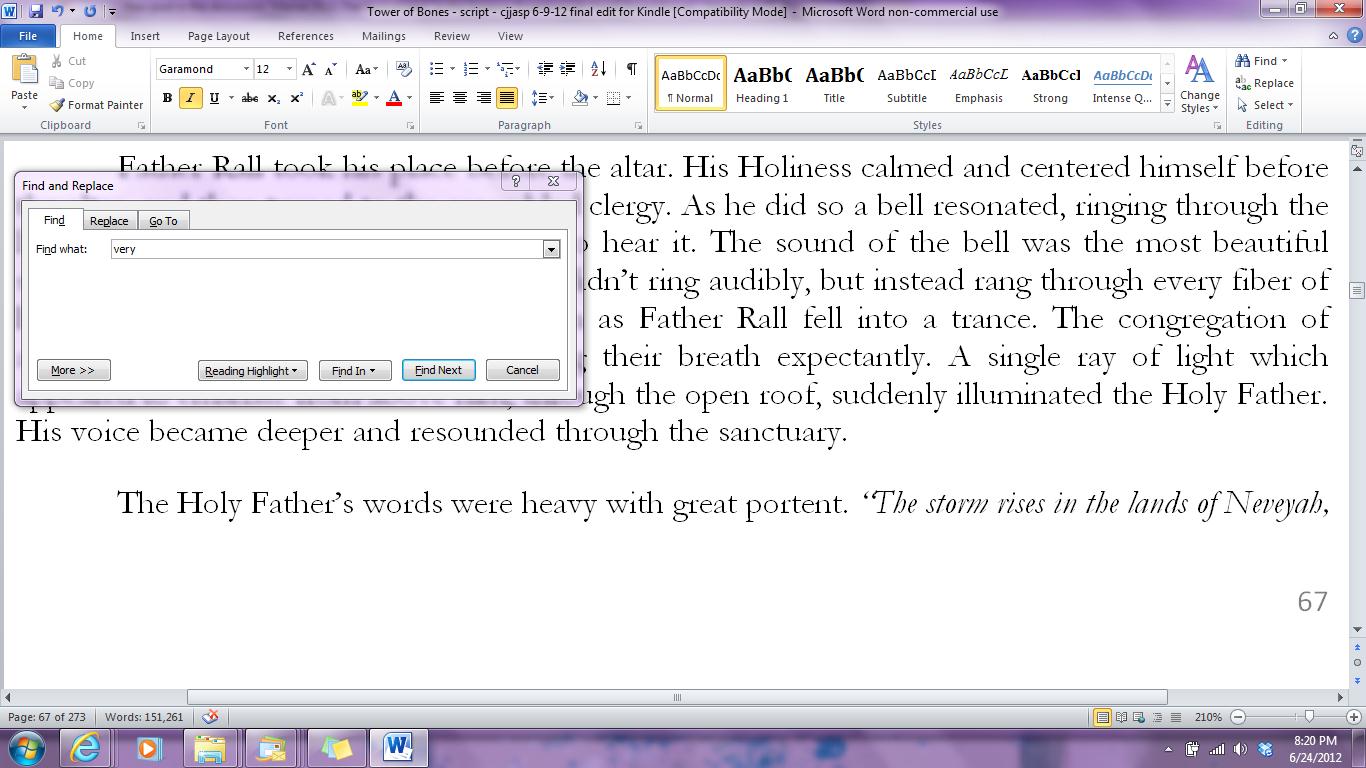
Once you are finished with your first draft, do what is called a global search – in Microsoft WORD you click on the ‘Home’ tab, and at the far right hand side click on ‘Find,’ OR press the ‘Ctrl’ key and the ‘F’ key at the same time.  This will open the ‘find and replace’ menu:

find graphics

In the ‘find and replace menu, type the word ‘very’ and click on ‘find next’.  The word ‘very’ will be highlighted in blue, and you can delete it.  I don’t recommend doing ‘replace all’ with any overused modifier, because you will create more problems than you can imagine!  Look at each individual instance of the word, and either delete it or change it to a stronger word.

Deleting them or changing to a stronger word will help you grow as writer.  You will begin to think about your sentences and stretch your vocabulary.

Next do the same with ‘that’ and ‘had.’ These are words  we all use too freely in our first draft, and until an editor pointed it out to me, I had no idea how they weakened my work. They are good words, used infrequently and only when another won’t do the job.

Here is a list of words that can appear with great frequency in your rough drafts, some of which are considered ‘tired.’ Some of these words can be made into contractions to eliminate wordiness. Some can be cut altogether, and some will need to stay. However, some of these words are ‘telling’ words, and we want to avoid that wherever possible. Look at each instance and make that decision.

  • about
  • am
  • are
  • bad
  • beautiful
  • big
  • could
  • did
  • fine
  • good
  • great
  • had
  • has
  • have
  • is
  • look
  • looked
  • nice
  • quite
  • seems
  • so
  • some
  • that
  • then
  • think
  • very
  • was
  • well
  • went

We all use these to excess in our rough draft, because we are laying the roadbed of the superhighway that is our book. The words we spew at this point are the framework we are going to build the true story around, the story that was in our heads, but that the rough draft doesn’t do justice to.

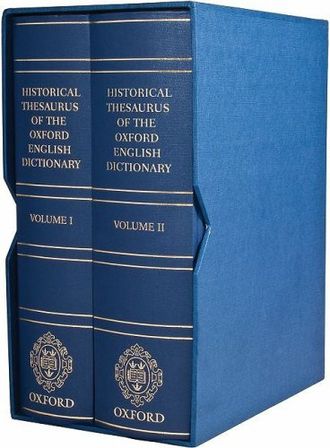
Historical_ThesaurusThis is where our thesaurus comes in handy. We need to express the thoughts our overused words evoke, but we don’t want to repeat them over and over. When a word seems to be cropping up with great frequency, try using the global search option. It will tell you how many instances of the word appears in your manuscript, and you might be surprised.

Highlight the word and right-click on it. A pop-up menu will appear. From that menu, choose ‘synonyms.’ Click on that, and a list of words with similar meanings will appear. If you need more than can be found in that list, click on ‘Thesaurus’ (at the bottom of the list) or google the word and add ‘synonyms’ to your search.

Consider my recent experience with gaped–a beta reader pointed out that I had my characters gaping at each other far too regularly. I had to go through it and have them stare, exchange glances, or simply look away. In several instances, I cut that sentence because it wasn’t really needed.

It can be difficult to see the words you have overused when it is your own work. But you can run your ms through a free, online  program like Word Count Tools and that will give you a heads up on how many times you have used each word.

2 Comments

Filed under Books, Literature, Publishing, Self Publishing, Uncategorized, writer, writing

But what about poetry?

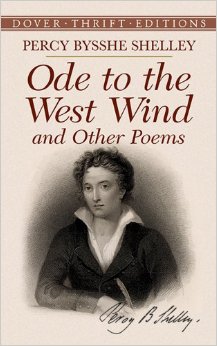
ode to the west wind-shelleyI love poetry because I love the many ways words can be manipulated on a blank page. To me, poetry is something beautiful and visually simple, a thing that looks like it should be uncomplicated. But nothing could be farther from the truth.

I guarrantee you, this post will not scratch the surface of why poetry is so much more than naughty limericks (which I do know a great many of and which are quite hilarious).

Bad poetry can be written by anyone, but writing great poetry takes a certain genius–I don’t consider myself a poet, although I do sometimes feel compelled to attempt poetry.

Poetry doesn’t always rhyme and it frequently involves complicated aesthetics that are both auditory and visual. This is because the reader may not always be reading the poem aloud, and so the visual art of the piece comes into play.

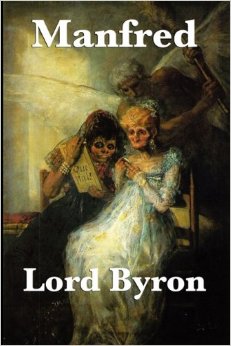
Sometimes, poetry is long, epic in actuality. Consider Manfred, by George Gordon, Lord Byron (From Wikipedia, the font of all knowledge): Manfred: A dramatic poem is a poem written in 1816–1817 by Lord Byron. It contains supernatural elements, in keeping with the popularity of the ghost story in England at the time. It is a typical example of a Romantic closet drama. (end quoted text)

Byron himself referred to his works as “closet dramas,” since they were intended more for the theater of the mind than the actual theater.

manfred-lord byronExcerpt from Act III, scene I of Manfred

There is a calm upon me–
Inexplicable stillness! which till now
Did not belong to what I knew of life.
If that I did not know philosophy
To be of all our vanities the motliest, 10
The merest word that ever fool’d the ear
From out the schoolman’s jargon, I should deem
The golden secret, the sought ‘Kalon,’ found,
And seated in my soul. It will not last,
But it is well to have known it, though but once.

And a “theater of the mind” is what Byron’s work sparks in me.

Words are bent and shaped by poets to evoke meanings, bent and formed into precise shapes. We novelists and writers’ of short fiction have the luxury of creating a long narrative. In poetry, space is intentionally limited by the author, forcing the the poet to write within narrow constraints. Thus, allegory, allusion, and indirection are common motifs in poetry.

Traditional forms have precise constraints: Sonnets are fourteen lines, following a set rhyme scheme and logical structure. Sonnets use iambic pentameter, which is characterized by the familiar “da dum da dum da dum da dum da dum” cadence of five sets of syllables.

Even in free verse, one must pay attention to the meter, the basic rhythmic structure  of a piece, the rhythm and cadence of the syllables. A clear example of this can be found in Walt Whitman’s poems, where he repeats certain phrases and uses commas to create both a rhythm and structure.

I love the poem,  When Lilacs Last in the Dooryard Bloom’d, written in free verse in 206 lines. Whitman used many of the literary techniques associated with the pastoral elegy. He composed it during the summer of 1865, a period of profound national mourning. The country was reeling in the aftermath of the assassination of President Abraham Lincoln, that occurred on April 14, 1865.

Despite the poem being an elegy to the fallen president, Whitman neither mentions Lincoln by name nor does he mention the circumstances of his death. Instead, Whitman used allegory–symbolic imagery:  the lilacs, a falling star in the western sky which was the planet Venus, and a shy bird, the hermit thrush. It is most definitely an elegy because he employed what scholars consider the traditional progression of the pastoral elegy: moving from grief toward an acceptance and knowledge of death.

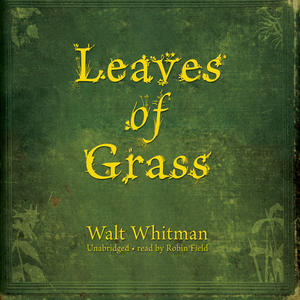
It is is a beautiful poem, and is one I often return to. Lines 18-22 of Whitman’s leaves of grass-whitman When Lilacs Last in the Dooryard Bloom’d:

In the swamp in secluded recesses,
A shy and hidden bird is warbling a song.

Solitary the thrush
The hermit withdrawn to himself, avoiding the settlements,
Sings by himself a song.

And how has poetry evolved into the 21st century? For one unique direction of evolution check out the works of Seattle poet, Bill Carty on Pinwheel

For more famous contemporary poets, check out 31 Contemporary Poets You Need to Read.

I have always been a fan of the classic masters: Dickinson, Browning, the Brontë sisters, Byron, Shelley, Frost, Whitman. Wordsworth, and my beloved Yeats, among many.  I was raised in a home with their works proudly displayed on the bookshelves in the living-room, massive tooled-leather volumes from Grolier, smelling of romance and ideas.

I didn’t always understand the works of the great poets, and I still don’t–but I love them.

I leave you with a rhyming poem, The Song of the old Mother by William Butler Yeats:

I rise in the dawn, and I kneel and blow
Till the seed of the fire flicker and glow;
And then I must scrub and bake and sweep
Till stars are beginning to blink and peep;
And the young lie long and dream in their bed
Of the matching of ribbons for bosom and head,
And their days go over in idleness,
And they sigh if the wind but lift a tress:
While I must work because I am old,
And the seed of the fire gets feeble and cold.

4 Comments

Filed under Books, Fantasy, History, Literature, Publishing, Self Publishing, Uncategorized, writer, writing

Why indies should write short stories

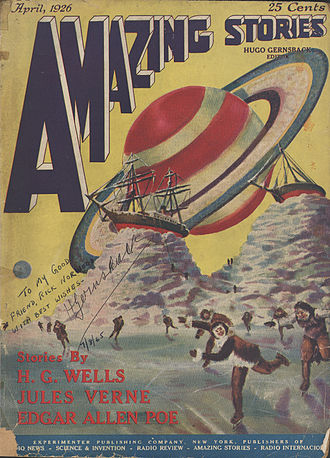
Amazing_Stories,_April_1926._Volume_1,_Number_1Some of the work that moved me most as a reader have been short stories. It is through writing short stories that people like Anne McCaffrey and Isaac Asimov first began to find acceptance in the publishing community.

Magazines focusing on speculative fiction were popular and at that time, there weren’t many authors writing in that genre. People didn’t have the internet, but they did have limited free time and short attention spans.

Magazines offered surprisingly high quality short fiction in lengths that fit into the busy lifestyle of the time.  My father subscribed to four magazines as did my mother. Magazines or books would arrive in our mailbox each week, as my parents were also members of the Science Fiction Book Club and the Double Day Book Club. This meant that besides the eight magazines, four new hard-cover books would arrive at our house every month.

Frequently, those books were anthologies of short stories.

Times have changed and so has the publishing industry. But writing short stories is still the way to get your foot in the door and not only gain visibility, but you will grow as a writer. Magazines are springing up all over the internet, and they are accepting submissions.

It is a good idea to begin putting together a collection of short pieces in a variety of genres and in as wide a range of topics as you can think of.  The following is a list of  on-line sci-fi/fantasy magazines, and many in every other genre are also accepting submissions:

Apex Magazine (submissions re-open in September)

Fantasy Scroll Magazine

Strange Horizons 

Challenger 

Space and Time Magazine 

Interzone 

Asimov’s Science Fiction 

The Magazine of Fantasy & Science Fiction

Analog Science Fiction and Fact

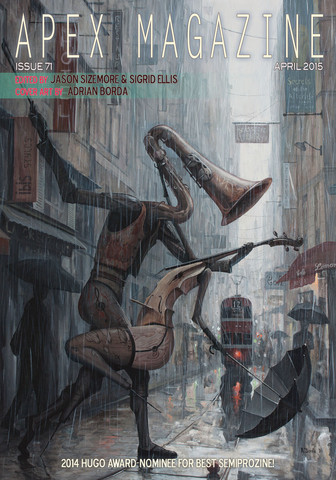
 ApexMag04_11b0889b-3b61-4c44-9a8d-9b2e89347e47_largeNow, I hear the Ghost of Rejections Past wailing in the background “But what if I get rejected?” Rejection happens. I could wallpaper the inside of an outhouse with them. Step back, take a good look at the story, and if you still think it is your best work, shop it to a different magazine. The ones I’ve listed are only the tip of the iceberg–there is opportunity out there for indies to gain both visibility and credibility by publishing short works through traditional routes.

The thing is, magazines are not the only reason you need a backlog of short stories–consider CONTESTS. Many are free and have reputable histories. The Write Life posted this article on 27 Free Writing Contests.

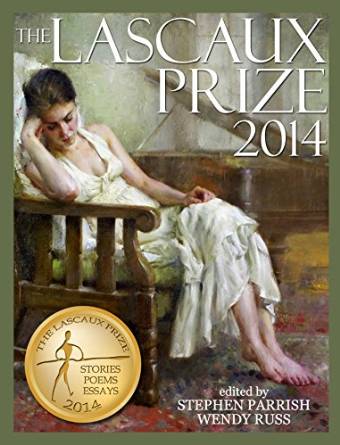
Not all contests are free, and not all contests are reputable. Exercise “due-diligence” here. I enter the Lasceaux Review contest every time a new one pops up, simply because it is highly reputable and is one of the most friendly to indies, and has a reasonable entry fee, usually $10.00.

lasceax prizeYes, that is cheap, and I know that entering contests can be far more expensive. I hear you asking if you must pay  to enter and you can’t be guaranteed a prize, why should you do it?

Writing chops. Because you must write to the parameters of the contest, you develop your writing muscles each time you exercise them. Being forced to work within the confines of an arbitrary external limit forces you to become more creative if you are (as I am) of a naturally rebellious nature.

You have to use common sense here. If you can’t afford it, don’t enter that contest. Find one you can afford and see what you have that fits their needs. Every contest has rules and limits for the work they want to see in their submissions.

Writing short stories gets you writing  more: more often, more widely on a wide range of topics, and more creatively using a variety of style. Using and building these writing-chops can only grow you as an author.

8 Comments

Filed under Books, Fantasy, Humor, Literature, Publishing, writer, writing

Epiphany, and the Writers’ Conference

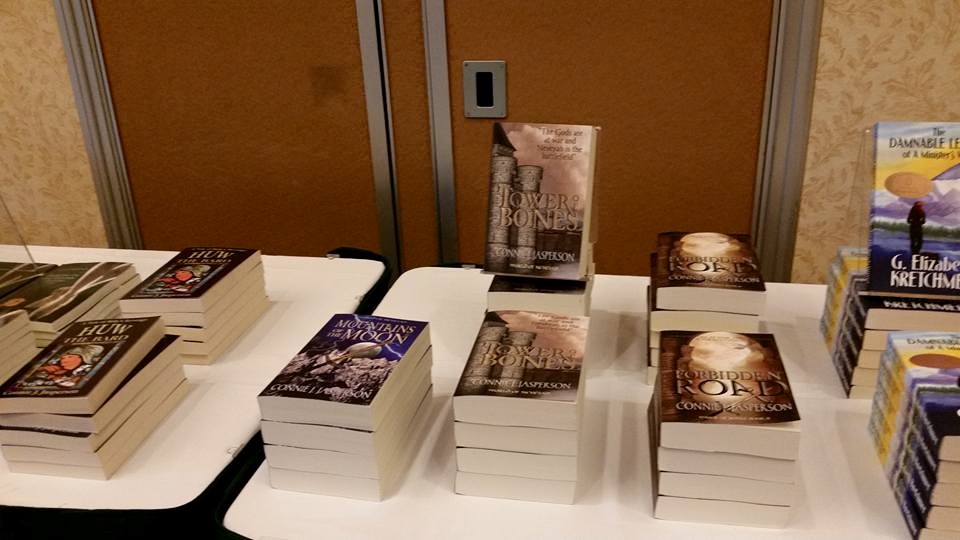
PNWA 2015 My Books in the Bookstore

Epiphany.

A sudden revelation.

A moment in time where suddenly you understand the why of a certain thing. For a writer this can mean the plot suddenly unthickens and we know what we need to do!

This often happens when I am in traffic and completely unable to put said revelation into practice, but hey, we go with what we have, right?

I had several such moments of glory while in Seattle at the PNWA 2015 Writers Conference this last week. Fortunately I was able to immediately put my chicken-scratched notes into a more readable form via the little Android tablet, and these flashes of knowledge will soon be causing some positive changes in my current works-in-progress.

Over the next few months a lot of what the speakers and teachers had to say will filter through my mind and into this blog, but first I need meditate on it until I know what their insights mean to me on a practical level.

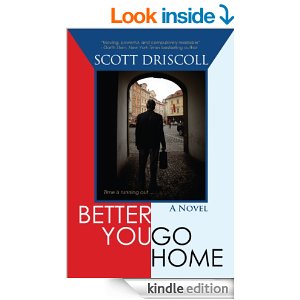
Better You Go Home Scott DriscollI attended two seminars offered by Scott Driscoll, who cuts right to the chase and explains his ideas clearly. One was on understanding your characters’ values and how the evolution of those core values fundamentally drives the story, and the other was on the inciting incident. Those two seminars dovetailed beautifully, and I had my first “I know what I need to do” moment after leaving the one on identifying and understanding the values (or ethics) your characters hold dear. If you ever get a chance to go to a seminar offered by him, I would recommend you do it.

Another speaker whose seminar really motivated me was offered by Bill Carty, on the intersection of ‘poetry and the everyday’ as a means for generating our own poems. (Yes, I have a dark side–I write poetry when no one is watching.)

I listened to my good friend, Janet Oakleyspeaking on a panel about bringing the past to life, when writing historical fiction. That too had an “ah hah!” moment.

Bharti Kirchner gave a seminar on the five essential elements of a short story, and she is an intriguing speaker. As you know, I am a strong proponent of writing short stories as exercise, to develop your writing chops, and I came away from that class knowing how to organize my thoughts so that a short story will remain short, and not accidentally turn into a novella or an epic trilogy.

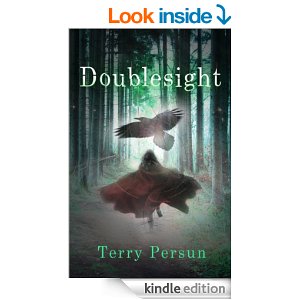
Doublesight--Terry PersunI wanted to attend the seminar on using language with intention that was offered by Terry Persun and his daughter, Nicole Persun, but I had a conflict and had to choose which class served a more immediate need, so I was unable to attend it. But all is not lost–I will be purchasing the download of that seminar. I had several wonderful conversations with Terry and he will be writing a guest post for this blog, perhaps on that subject.

Instead of that, I attended a class offered by Lindsay Schopfer on identifying the sub-genres of science fiction and fantasy so that when a book is published you can best identify your intended target audience. This is absolutely critical because when you go to publish, your publishing platform will always ask you what your “BISAC code” is. BISAC is an acronym for Book Industry Subject and Category subject headings, which are a mainstay in the industry and required for participation in many databases.

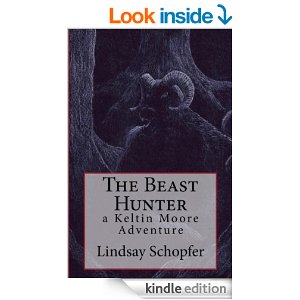
The Beast Hunter, Lindsay SchopferKnowing if you are writing Epic Fantasy or High Fantasy is critical when it comes to marketing your book to the proper audience, as die-hard readers of each sub-genre have strong feelings about what constitutes their favorite genre. Thus, there are certain tropes readers of those genres will expect, so proper labeling is critical if want your target audience to read your book.

Being able to immerse myself in learning the craft is absolutely wonderful, and I look forward to this conference every year. This year William Kenower  offered the final seminar of the event. Bill is an intriguing, energetic speaker who gets his listeners involved in what he teaching. His seminar on reconnecting with your confidence was quite appropriate for me, as I sometimes  listen to my inner critic and forget the joy I have in writing.

my sisters grave robert dugoniOther people spoke, Andre Dubus III and Robert Dugoni-two men with vastly different experiences and different styles of writing, and yet both had something to say that moved me in one way or another.  J.A. Jance, Nancy Kress , Elizabeth Boyle and Kevin O’Brien were on a panel that was fun to listen to.

If you are serious about writing, I highly recommend that you seek out and attend writing conferences. A great deal of good information can be found on the internet, but there is something about the networking and actually talking shop with the other authors that fires creativity and keeps the creativity flowing through the veins.

I suggest that you actively google writers’ conferences in your area, and see if you can find one that is affordable and offers sessions by respected authors in a wide variety of genres, and who are welcoming to authors who intend to go indie as well as those who hope to be traditionally published. It will be money well-spent.

An intriguing thing happened at this conference during the book signing event. A highly respected agent (who shall remain unnamed) stopped by my table and looked over my books. He picked up Tower of Bones, and leafed through it, checking out the cover and the graphics, and also the maps. Pausing, he asked if I was indie published, and I explained I was, through a publishing group, Myrddin Publishing. He then paid me the highest compliment ever–my books were “highly professional.”

That interaction proves how important it is to put your best work out there. When you do that, you can be proud to play on that not-so-level playing field.

2 Comments

Filed under Books, Humor, Literature, Publishing, writer, writing