Category Archives: Uncategorized

Madcap Moments of Literary Mayhem

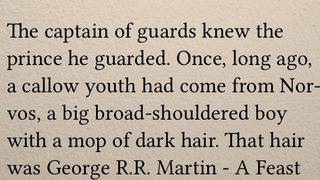
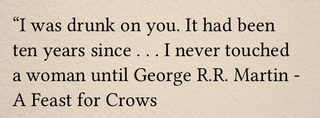
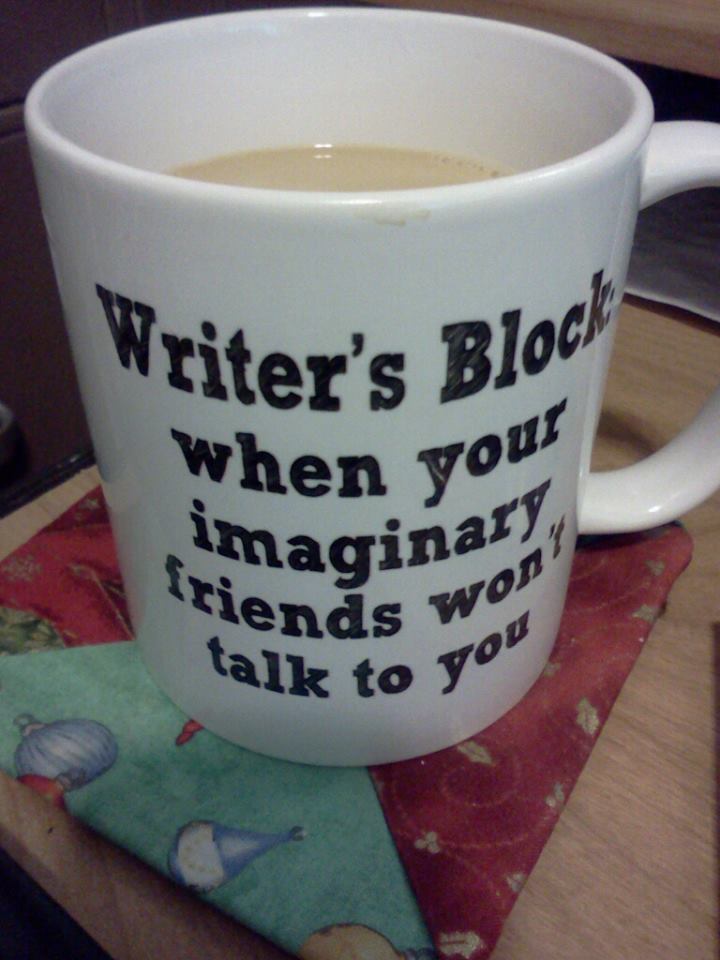
My Coffee Cup © cjjasp 2013This weekend I saw a hilarious post on Facebook, one pointing to an article at NYDaily.com that details the fatal-flaws in the eBook version of George R.R. Martin’s  book,  A Feast for Crows.

Now, I just want to say at the outset, the only book of his I’ve read was the book, A Game of Thrones. But that was a long time ago, when it first came out as a Science Fiction Book Club book of the month. I was not really that impressed with it. I found the book distinctly hard to follow, and nearly quit reading it several times.

But just because I don’t find his work to my taste does not mean I consider him to be a hack! On the contrary, Mr. Martin deserves every one of his many awards and good for him! This is a rough business, and I love it when people succeed as authors. There are many fine, popular authors out there whose books don’t ring my bells. My own work is certainly not to everyone’s taste, although I am sure it should be. (Insert Shameless Plug Here: buy my books, please.) (The buy-links are to the right, clearly labeled.) (Just sayin’.)

Needless to say, Mr. Martin’s publisher is one of the Big Boys (Bantam Books) and one would think  SOMEONE would have caught these wonderful bloopers.  The  author put his faith in the publisher, and the publisher let him down.

George R.R.Martin formatting issue 3 via book blog page views, margaret eby

***

George R.R.Martin formatting issue 1 via book blog page views, margaret eby

There is the remote possibility these moments of literary mayhem could have been caused by a last-minute global change to the manuscript. If so, it is a good example of why we should never click “Replace All” when we discover a particular word we need to change. Instead we should take the time to see each appearance of the word, and determine whether or not to make that change individually.

But in this case, I don’t think that is the problem. There doesn’t seem to be any pattern to the words the blooper replaces.  I think it is an OCR error (see number 5 below.)

George R.R.Martin bormatting issue 2 via book blog page views, margaret eby

***

George R.R.Martin bormatting issue 4 via book blog page views, margaret eby

What these images of the book from the NY Daily tell me is that formatting issues are common and are a hurdle the indie must overcome. If the big boys have problems with this, then formatting is a real skill set that we must develop, because we all compete on the same field, only we indies have fewer advantages.

There are a few simple ways we can avoid some of the more common issues:

1. Do not put extra empty spaces between your paragraphs. If it is a section break, make sure to put something there to indicate it:  ***  centered in the empty space will do the task of indicating the section break, and will not look ugly.

2. Make sure your page breaks are “hard” i.e. NOT made by repeatedly hitting the “enter” key. You must limit those empty spaces to less than three, preferably only one. Go to the ribbon at the top of your WORD page and use the “Insert” tab. With the cursor next to your chapter heading, click on “Insert Page Break”.

3. Do Not Use Drop Caps to begin your first paragraph, no matter how pretty they look in the print edition. They screw the heck out of eBook formatting, causing all the paragraph indents to go away, making the book nothing but a WALL of words.

4. Stick to standard serif fonts like Times New Roman, and make it a decent size, like 11 pt. Use NOTHING larger than 16 pt. and use that only for chapter headings.

5. Random inexplicable letter changes can be caused by Optical Character Recognition (OCR) errors when the uploader for Kindle or Smashwords converts the manuscript to PDF format. Converting it to PDF yourself first does not help, because the errors are hidden in the PDF. Thus you may find  all the “p”s converted to ‘bl’s. (people becomes bleople.)  I am not very knowledgeable about the WHY of this, but I have learned how to avoid it:

I always save my eBook ms in Rich Text Format (.rtf) and I NEVER upload a manuscript to eBook  format that contains headers or footers. Remove the headers and footer BEFORE you upload to Kindle, Nook or Smashwords. I think this is what happened to A Feast of Crows. Headers and footers use OCR elements and this confuses the uploader program. My theory is: someone at Bantam forgot to remove the header before it was uploaded. But I could be wrong– this whole formatting thing is magic after all, and magic is an iffy science at best.

6. Comb your eBook ms for extra spaces at the end of paragraphs and remove them. I’ve been told this will eliminate the random “Words     Spread     Across     The    Page”  problem.

7. DO NOT USE THE TAB key to indent your paragraphs!!!  DON’T DO IT!  Go to the ribbon at the top of the page and use the paragraph formatting option. Set the indent to 3 or 5 pt.  But 3 is the optimal for me as a frequent eBook reader.

The bottom line is this:  the indie must spend many long hours combing the ms for the random extra spaces, removing all the possible error producing elements before we upload it. THEN you must use the option Kindle and Nook both provide and spend more time seeing what the book actually looks like BEFORE you hit the publish button.

Unlike George R.R. Martin, you won’t be able to blame the big-name publisher if your book looks like the dog’s dinner when your friends buy their downloads. This is our curse. We indies only have ourselves to blame for our less than perfect efforts.

3 Comments

Filed under Adventure, Books, Fantasy, Literature, Uncategorized, Vegan, writer, writing

The Deconstruction of the Sekuatean Empire, take two

Sorry about the first attempt to reblog Stephen Swartz’s wonderful post on the proper way to think about your last words! Here is the proper working link:

The Deconstruction of the Sekuatean Empire

This time it will work!

Comments Off on The Deconstruction of the Sekuatean Empire, take two

Filed under Uncategorized

Stormy Weather

Amaranthus and Savvy at the needles by haystack rock cannon beach Haystack Rock Cannon Beach ©cjjasp 2012

Amaranthus and Savvy at the needles by haystack rock cannon beach Haystack Rock Cannon Beach ©cjjasp 2012

We are on holiday in Oregon, at a little town called Cannon Beach. This is a wonderful place, famous for the rock formations and caves, and the scenery was featured in the film, The Goonies.

Even in August, the northeastern Pacific Ocean on the Oregon Coast is cold and frequently cloudy and rainy. But when the sun shines, it is amazing.

Watching the storms roll in from the safety of the porch of the condo is nothing less than awesome. The beach is uncrowded, and Amaranthus and Savvy can play to their heart’s content, running wild the way cousins have always done since time began.

Amaranthus digs bunkers, and wades waist deep in Ecola Creek where it runs into the ocean. He rides his skim-board along the edge of the ocean like a pro, using his skate-boarding skills to the max. When he steps onto the porch, he is chilled to the bone, and his 6 foot tall, 14 year-old frame is shivering. His lips are blue from the cold, and he doesn’t even have to be told to take a shower–he’s a man now. He knows what to do.

Leah and Christy Cannon Beach 2012 © cjjasp 2012

Leah and Christy Cannon Beach 2012 © cjjasp 2012

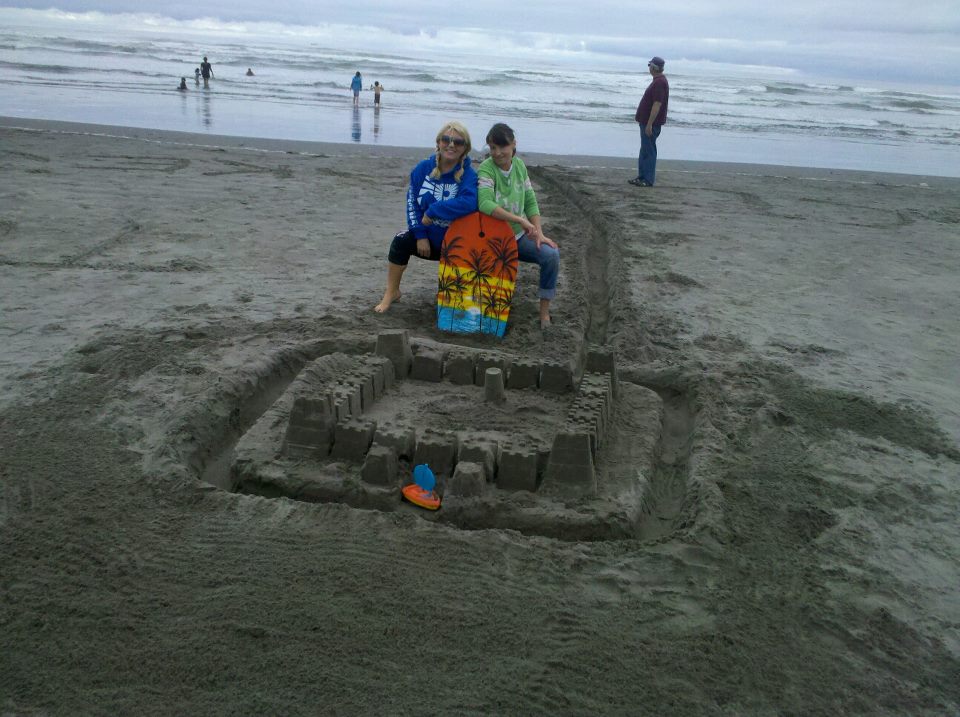
Savvy is bright-eyed and deeply interested in creating marvelous sculptures of sand, just like her mother, my daughter Christy and her Aunty Leah. All our children were keen sandcastle engineers! The girl also rides her skim-board and stays out until she is blue from the cold.

It’s a family tradition.

Savannah is 11 and she’s a girl, so she also doesn’t have to be told to warm up. She wants only to sit in the Jacuzzi when she finally has to abandon her sand castles.

Sandcastle Sam 2010

Sandcastle Sam 2010

Nephew Samuel is 16, and is fixated on riding his bike the length of the beach, from Rockaway Point to Ecola Creek as many times as he can fit into the vacation. He is also a sand castle excavator, bringing spades, a pick-axe and many other large implements for proper excavation. No matter how cold, blue and near death from hypothermia Sam is, he won’t take any advice on how to get warmed up, preferring to sit in a corner looking like death-warmed-over. Did I mention Sam is 16?

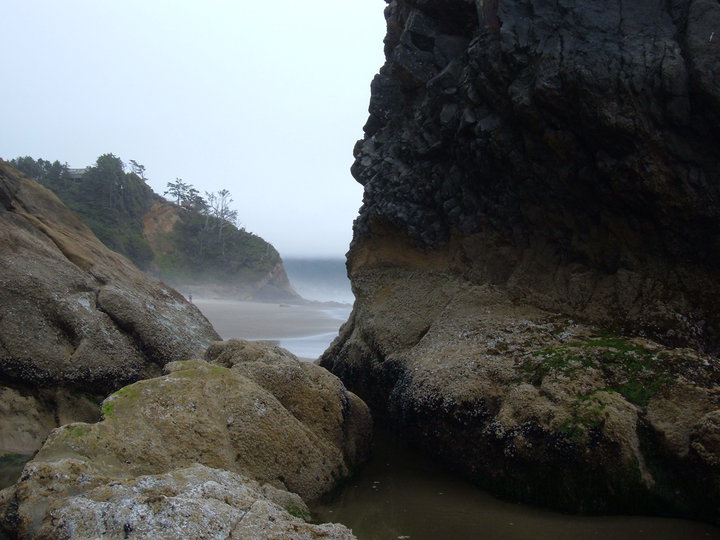
Rockaway Beach © cjjasp 2013

Rockaway Beach © cjjasp 2013

This year I’m here resting up, recovering from my surgery, and writing intense scenes for the revised version of Julian Lackland’s story. This is the perfect environment for me, and with everyone else checking out the caves on Rockaway Beach and trudging down to Haystack Rock, I have the perfect combination of peace, quiet and beautiful scenery to motivate me. Throughout the rest of the year I live for this week of writer’s paradise.

Local legend says Ursula K. Le Guin spends time writing here in Cannon Beach, which seems right since she lives in Portland, 1 hour and 45 minutes away. I know that this place inspires me more than any other place we go.

The Needles at Cannon Beach ©cjjasp 2013

The Needles at Cannon Beach ©cjjasp 2013

The weather is frequently awful, but we know it, and we plan for it. But there will be two days of glorious skies of a blue impossible to adequately describe.

The moods of the Pacific Ocean are anything but peaceful. It is a wild, beautiful thing, that is never the same two days running.  The waves crashing against the sea stacks and  the cries of the sea birds combine with the wind to clear my mind, and at last I am free to just write.

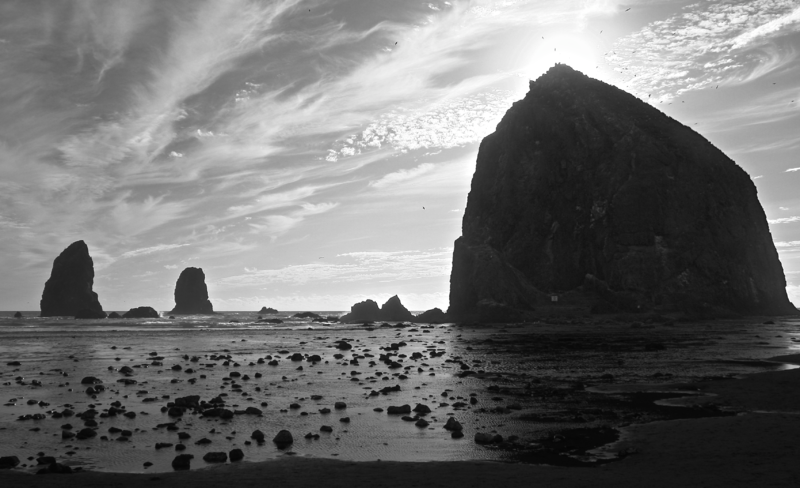
Haystack_rock_monochrome

7 Comments

Filed under Adventure, Books, Fantasy, Literature, Uncategorized, Vegan, writer, writing

It’s smart and clickable!

MH900314342As you know I have been working on the nuts-and-bolts end of the indie publishing business for a while now, but not really long in terms of my career. I only dove into this in 2011, and in the last two years of sometimes floundering I’ve picked up a few useful tricks.  One of the most useful in terms of a finished manuscript is how to create a table of contents for your eBook that is “clickable”, a Smart TOC.

When I read an e-book I really like it when I can easily navigate within the ms by using the hyperlinks embedded in the table of contents. This is a “Smart TOC” and is very easy to create when you are formatting your ms for publication.

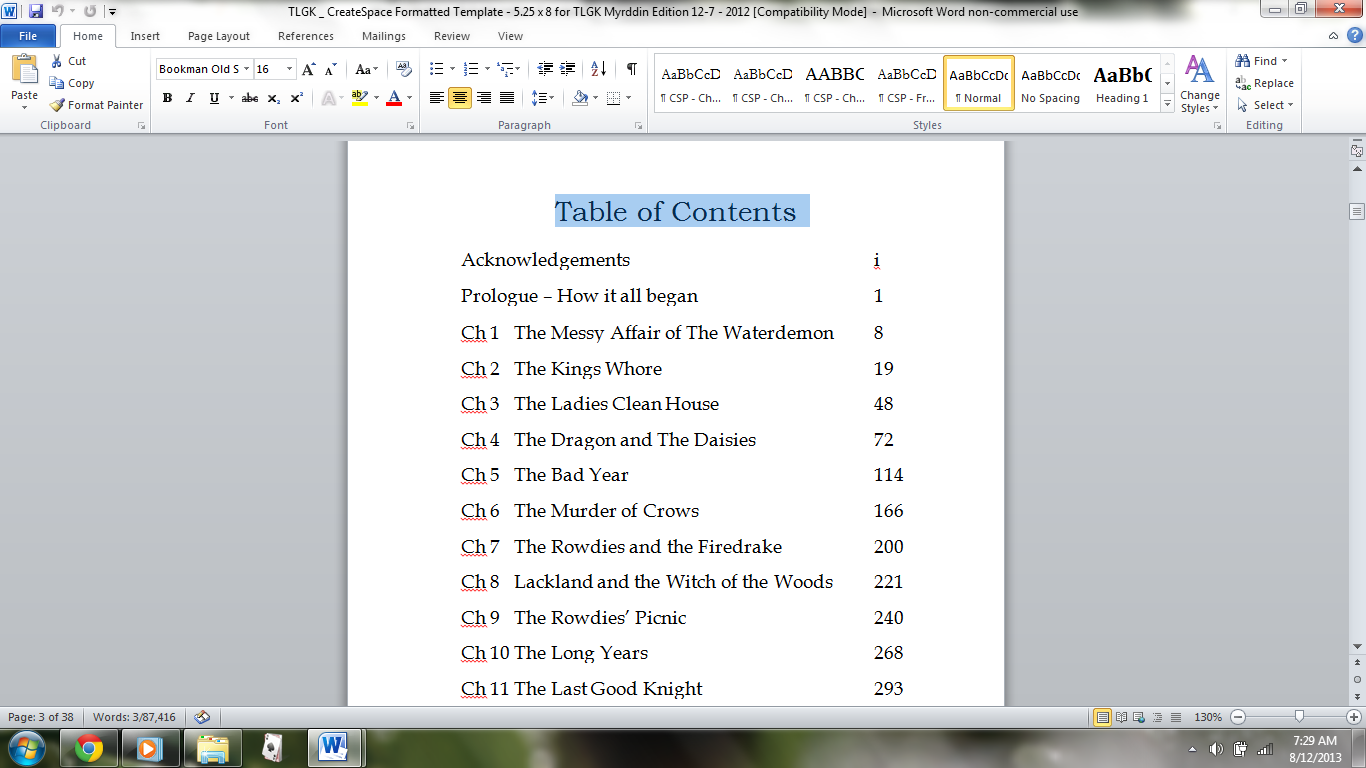
First make your table of contents. The one I am using for this is an old file for the original version of Billy’s Revenge, so ignore the page numbers. I didn’t know that page numbers are like prisoners—they just weigh you down! 
Your print manuscript will most likely not have a TOC as most novels don’t waste precious pages on such things. Technical manuals and textbooks must include a TOC, but every page you can do without when publishing your novel in paper form will keep the final cost down and make your paperback more affordable for your prospective reader. Very few people will pay $18.99 for a book by an unknown author.

prnt scrn SMART TOC 1

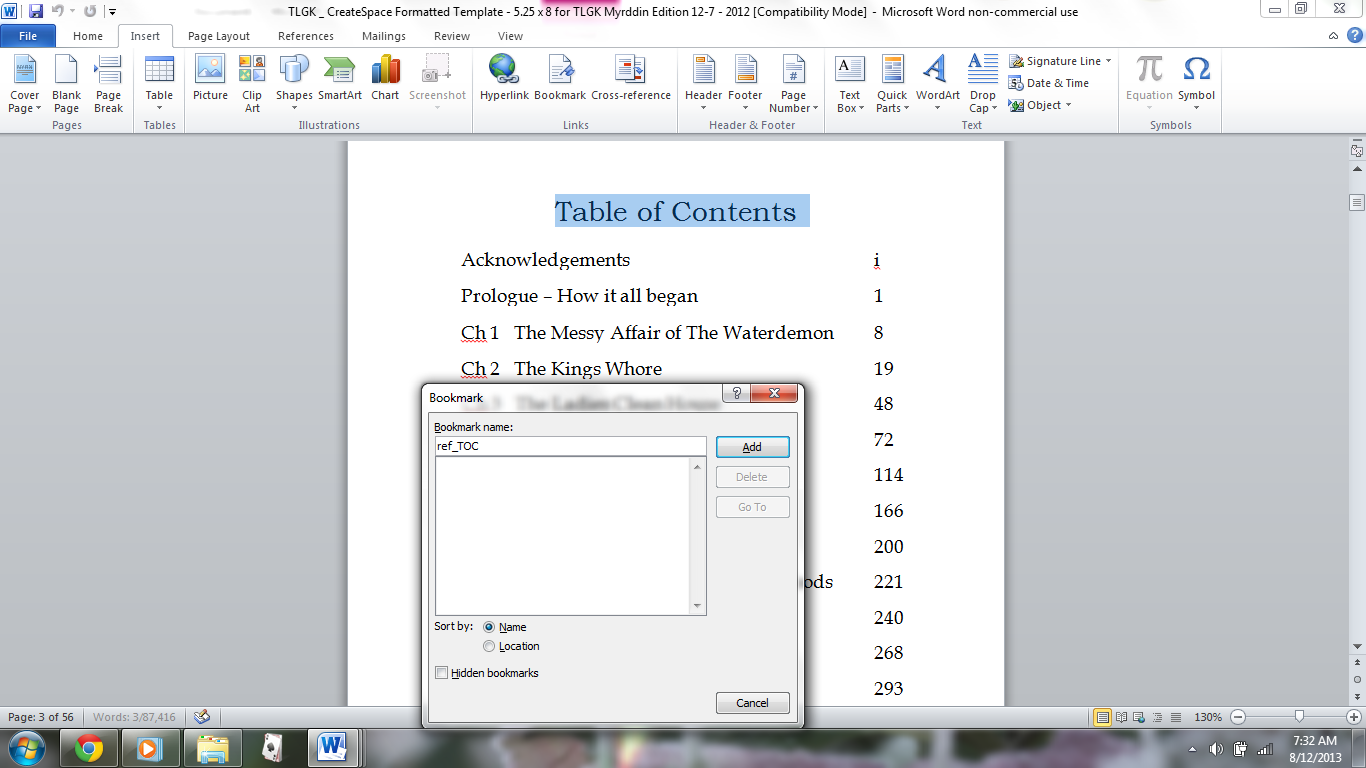
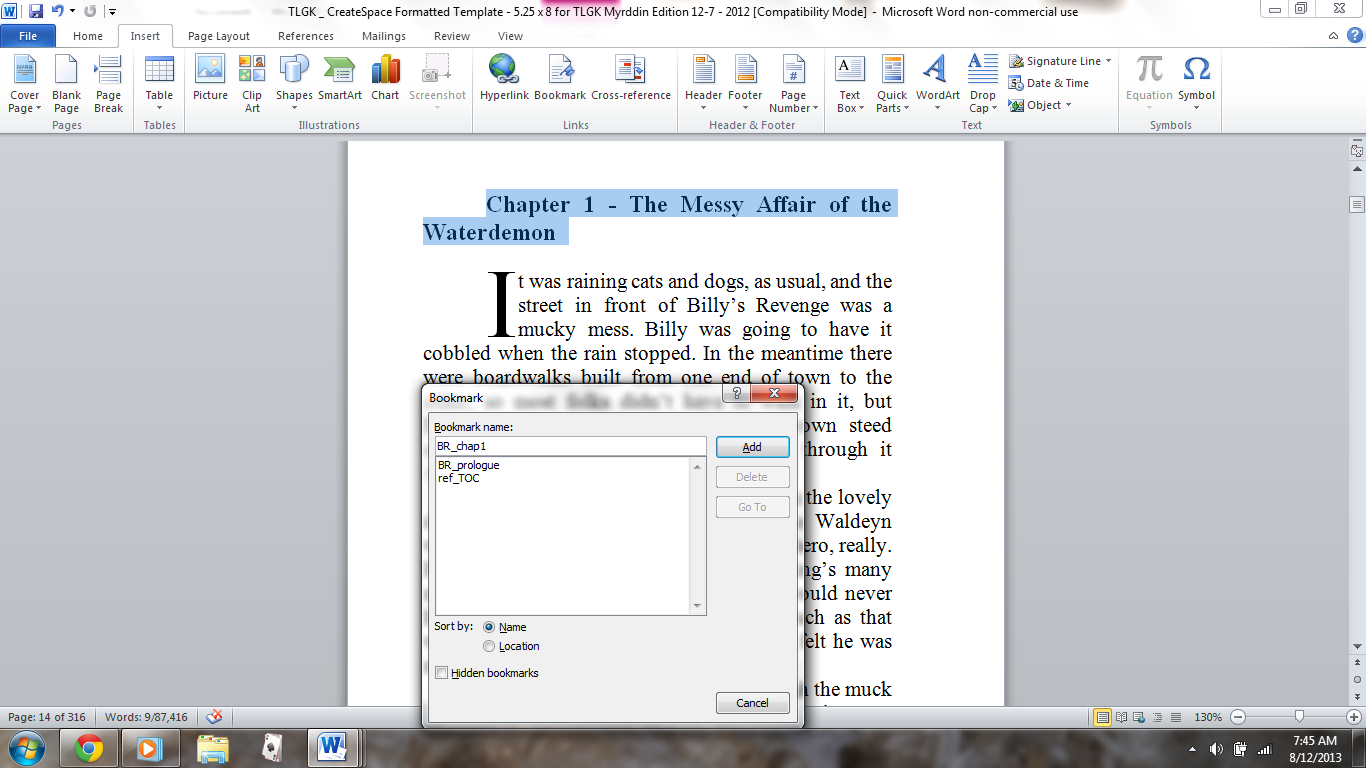
The first thing you want to do is create a bookmark.  First highlight the words  “Table of Contents” and then go to your ‘Insert’ tab.  Click on ‘Bookmark’ in that ribbon. Type in the words ref_TOC

Then click “Add”.  In every ms it is important to name the Table of Contents bookmark exactly that, including the underscore, because that’s what Smashwords looks for and it is simply a good practice to have a uniform system for naming files.  See the next picture for how it will look and ignore the page numbers:

prnt scrn SMART TOC 2

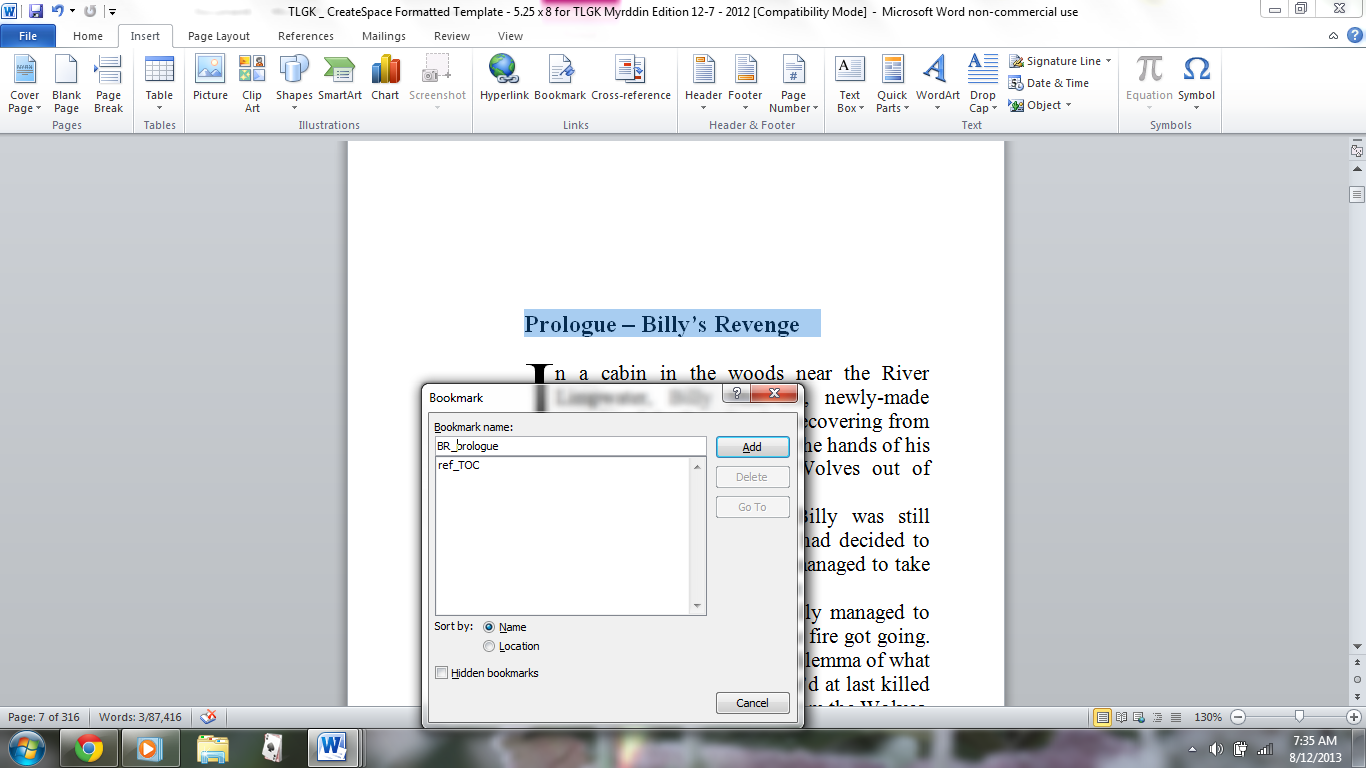
Now it’s time to bookmark  the prologue. Scroll down to your prologue and do it exactly the same way as you bookmarked the TOC, but for this ms let’s name it BR_prologue. You will name yours with your ms initials and the word prologue. If you have no prologue, skip this step.  See the picture below:

prnt scrn SMART TOC 3

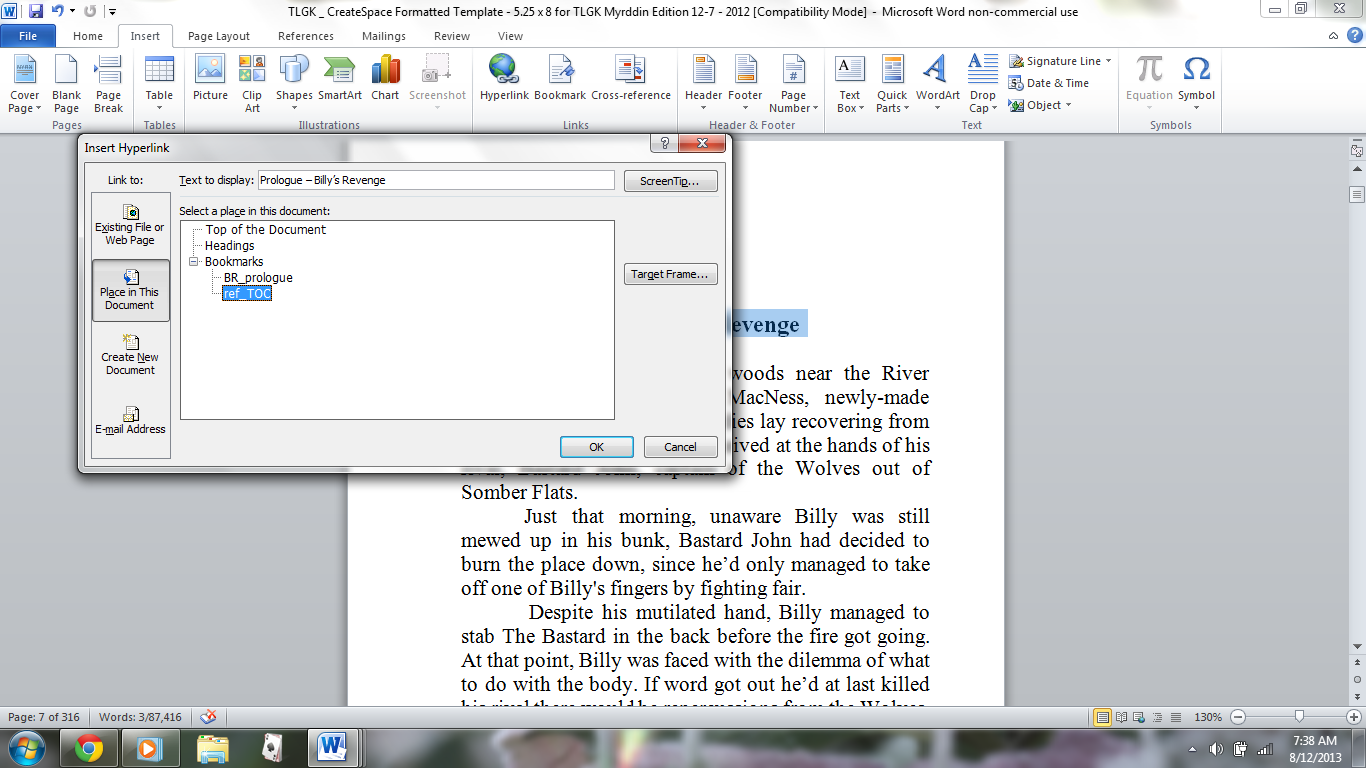
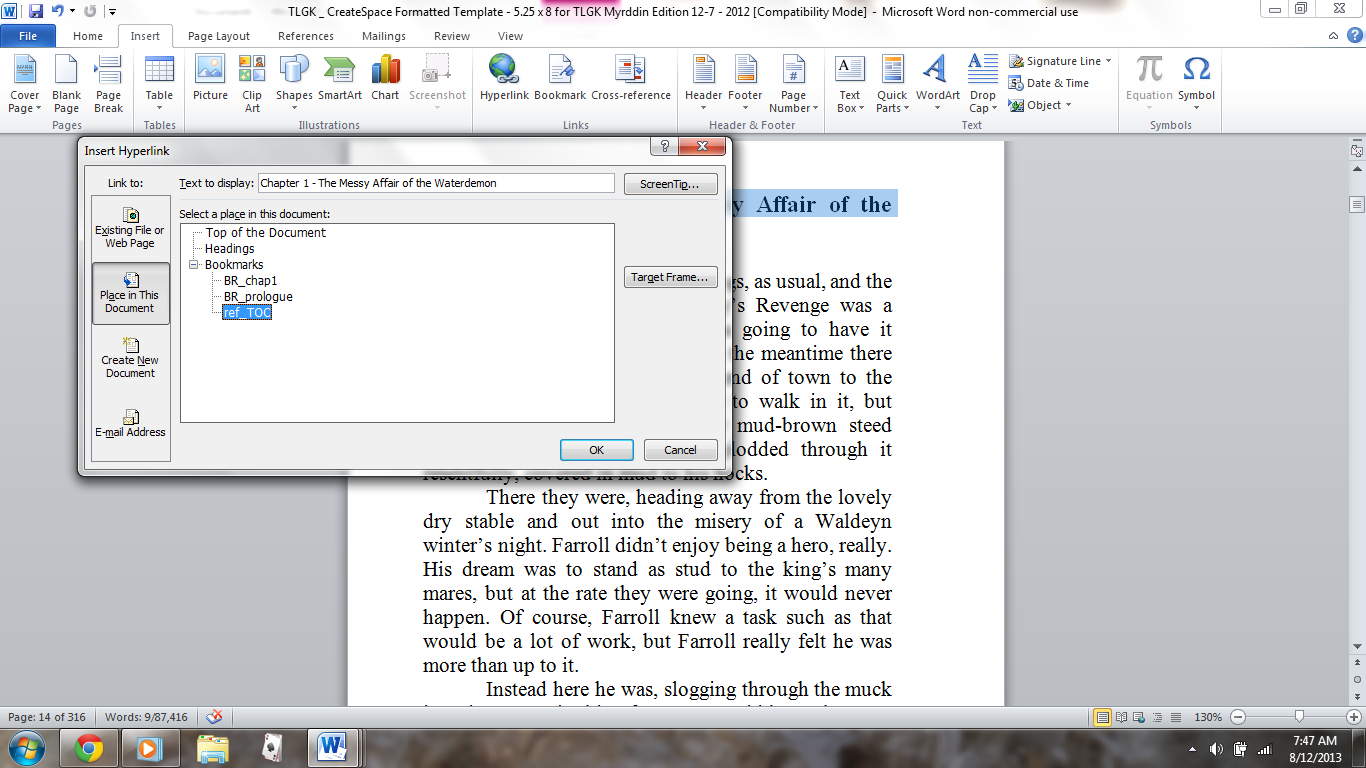
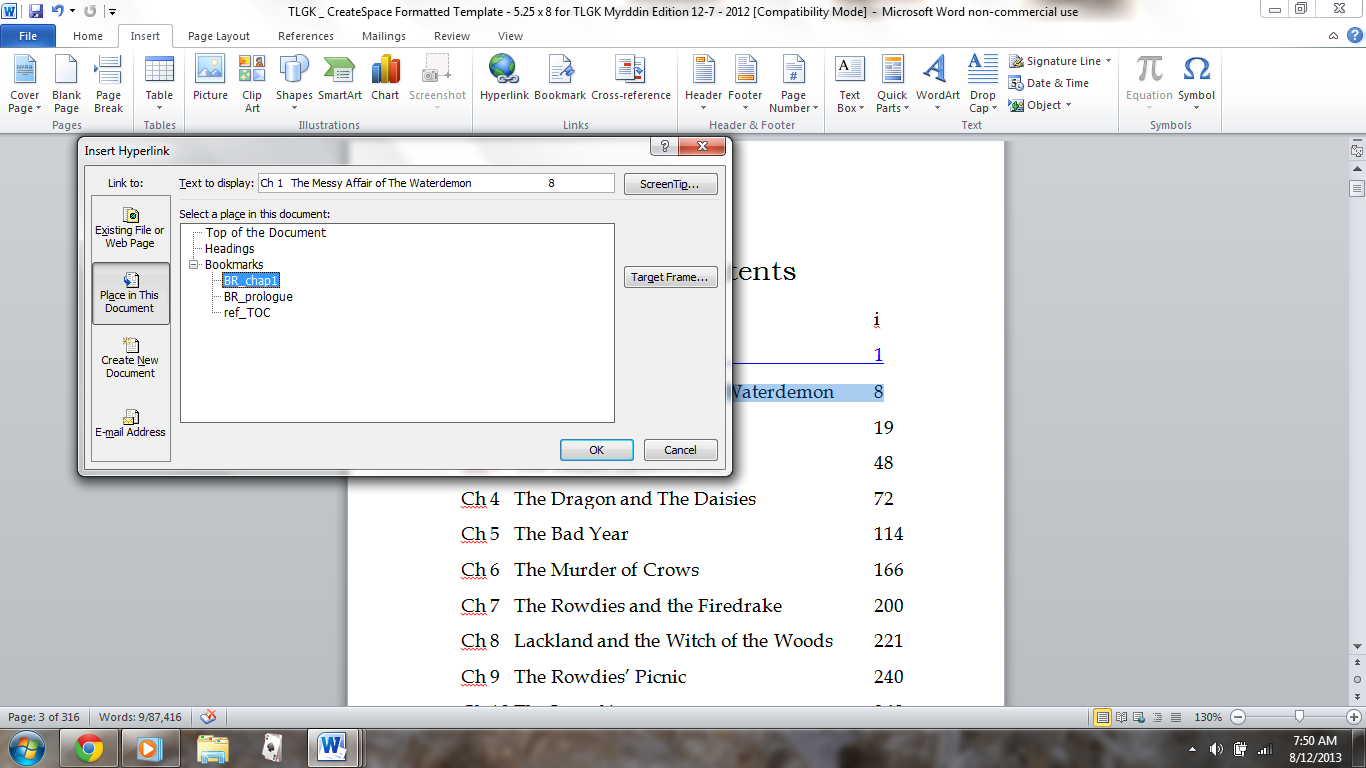
As long as you are there, with the chapter title highlighted, click “insert Hyperlink” on the ribbon. On the left, you want to ‘Link to:’  “Place in this Document”.  That will bring up your bookmarks. Select ‘ref_TOC’  and click OK.  This will turn your heading blue, which is called a ‘hyperlinky’. Press control and click on the link. it will take you back to the table of contents. Once you have used the hyperlinky it will turn purple. How cool is that! This is how that screen looks:

prnt scrn SMART TOC 4

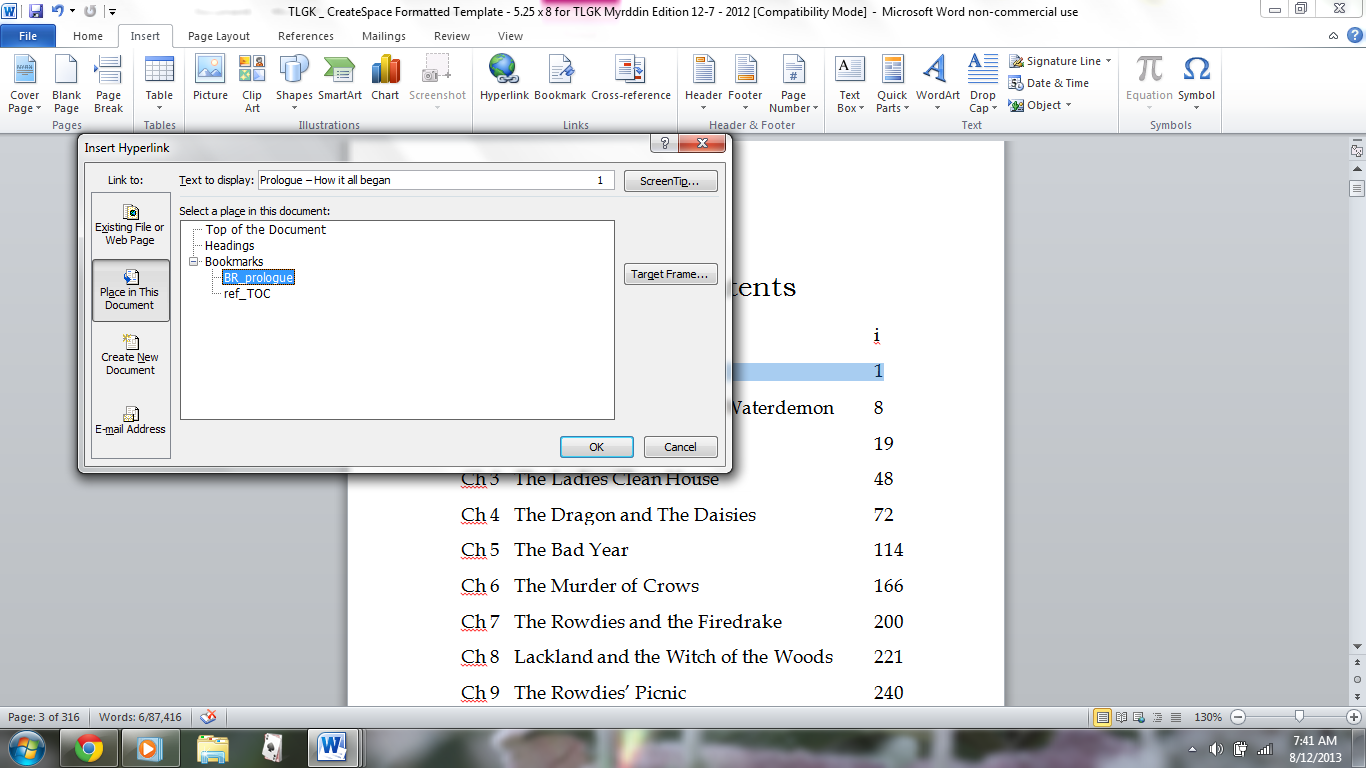
Now that you are back at the Table of Contents, highlight “Prologue and click “insert Hyperlink” on the ribbon. On the left, you want to ‘Link to:’  “Place in this Document”. That will bring up your bookmarks. Select ‘BR_prologue’  and click OK.  That will turn it blue. Press control and click on the link. it will take you back to the heading of your prologue.

Do this for the entire table of contents, always remembering to link your chapter heading back to “ref_TOC”, and test each link as you go.  Four more pictures just to help you remember:

prnt scrn SMART TOC 5

prnt scrn SMART TOC 6

prnt scrn SMART TOC 7

prnt scrn SMART TOC 8

I hope this helps you in formatting your eBook manuscript. I just redid all my books so that they have Smart TOCs and will be building the TOC into my future manuscripts as I go.  This is an incredibly useful too to help you navigate within any long manuscript, and although I had used book marks before in the course of my work, I didn’t realize that the fancy TOCs I admired so in other people’s e-books was such a simple thing.

But that’s the way it always goes–things that seem like they should be hard are often the most simple, while something that should be easy turns into a drama of epic proportions.

Here’s to less drama and more simplicity! Learning how to format an e-book isn’t really that hard, and the wonderful people at both Smashwords and at Amazon have a lot of information freely available to you. Remember, as an indie, you are your own publisher, and what you put out there has to be the best you can make it.

Making use of the free information that is out there on the internet can only help you in this regard!

Comments Off on It’s smart and clickable!

Filed under Books, Fantasy, Food, Humor, Literature, Uncategorized, writer, writing

Cover reveal,Tales from the Dreamtime

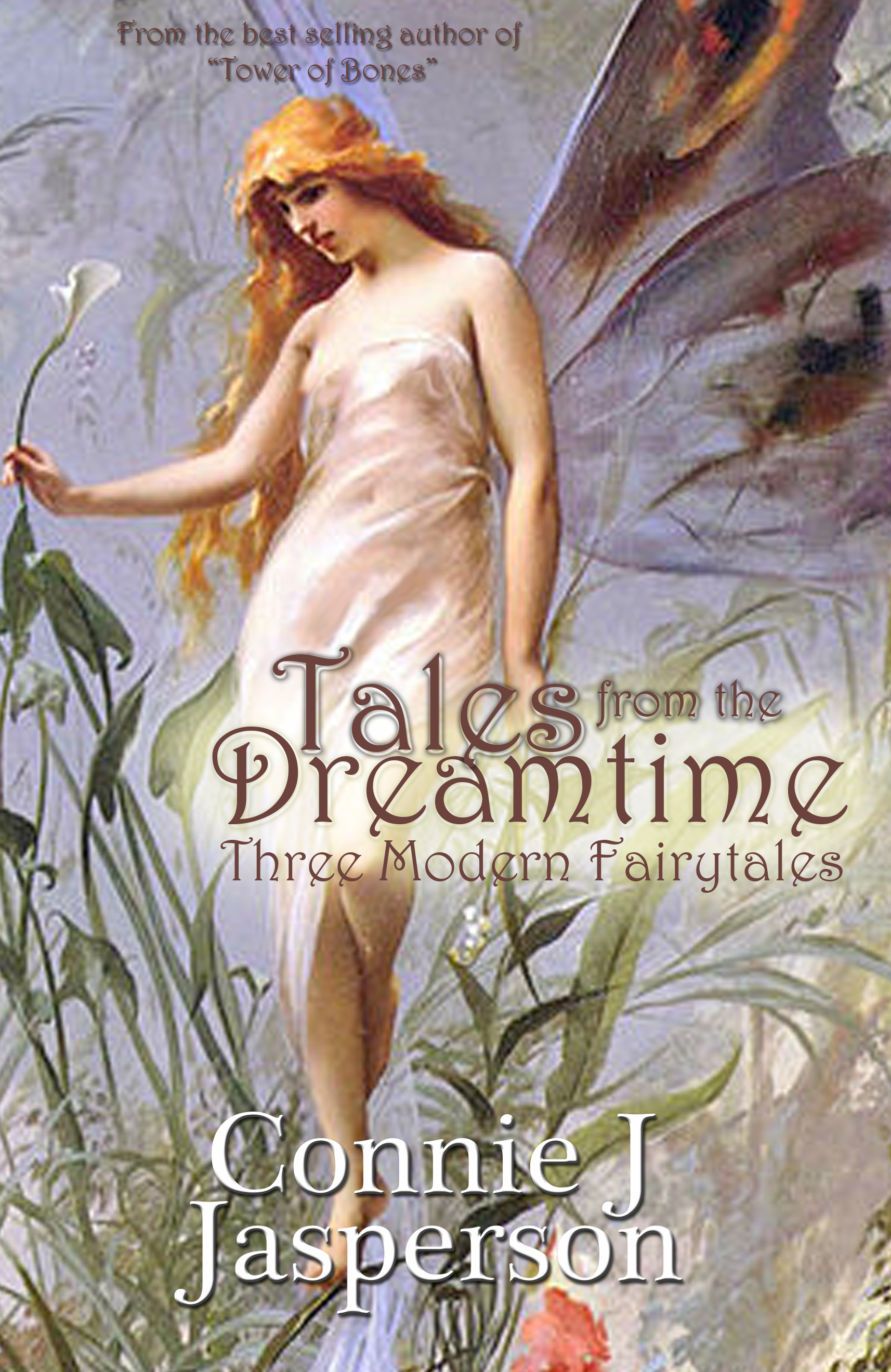
Tales from the Dreamstime jpg 2013Great covers sell books! I love great covers, but haven’t always been that good at creating them.

This is the cover of my soon-to-be-released book, Tales from the Dreamtime, a collection of two short stories and one novella.

The image is The Lily Fairy by Falero Luis Ricardo. The image itself is in the public domain, because the original author or artist passed away over 100 years ago. Thus, instead of crediting the artist with a © symbol, we use a different  method:


Luis Ricardo Falero Lily Fairy 1888.

{{PD-Art|PD-old-100}}

The credit line is extremely important, as you must always clearly represent on the copyright page of your book each person with an interest in the work.  You must have on file a license clearly granting you permission to use the image in way you intend to use it.

In the case of public domain artwork, a good source of free artwork with clearly written  creative-commons licenses is Wikimedia Commons.  There is a limited number of works that are suitable for my purposes, and some of the best ones have restrictions clearly stated on them. This picture, however, has the following provenance clearly stated on the bottom half of the page beneath the picture:

Author
[show]Luis Ricardo Falero (1851–1896) Link back to Creator infobox template wikidata:Q2744493
Description
Lily Fairy
Date 1888
Medium oil on canvas
Source/Photographer [1]
Permission
(Reusing this file)
Author died more than 70 years ago – public domain
This is a faithful photographic reproduction of an original two-dimensional work of art. The work of art itself is in the public domain for the following reason:
Public domain This work is in the public domain in the United States, and those countries with a copyright term of life of the author plus 100 years or less.
This file has been identified as being free of known restrictions under copyright law, including all related and neighboring rights.

The way you are to credit the artist is also clearly expressed in a link:

Courtesy credit lines[edit]

Public Domain media do not require credit line or any kind of attribution; however, reusers are encouraged to attribute author (if known) and inform users that the work was released into public domain. Below are suggested creditline formats for the reusers:

License Author Source Credit line
{{PD-self}}
{{PD-author}}
{{PD-heirs}}
John Doe Own work John Doe / Wikimedia Commons / Public Domain
{{PD-old}} John Doe publication / self-scanned John Doe / Public Domain
{{PD-self}} [[user:JohnDoe]] Own work user:JohnDoe / Wikimedia Commons / Public Domain
{{anonymous-EU}}
{{PD-anon-1923}}
{{anonymous work}}
anonymous publication Public Domain

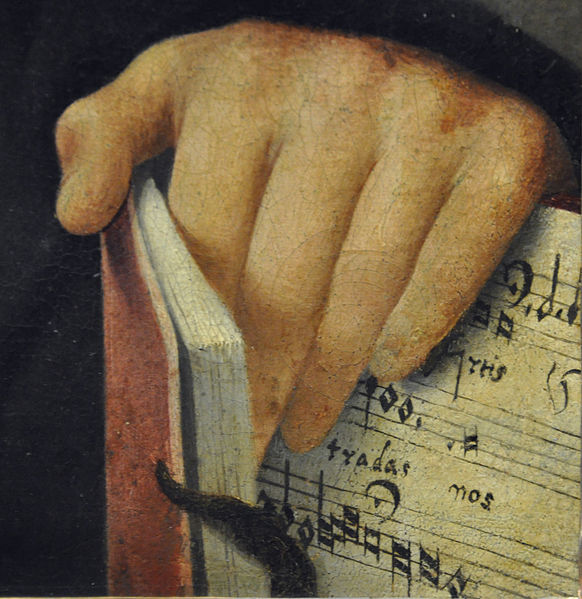
582px-Il_Pordenone_001b_detail_sheet_music

I have found many old masters that I use on this blog on Wikimedia Commons.

“Public domain” means nobody claims any rights to the property, either because they gave them up or because time or some other factor ended copyright. Anyone can use it for any purpose. For instance, anyone can publish and sell a copy of “A Christmas Carol” because it is no longer copyright due to age.

“Royalty free” means “I own it, but I am allowing you to use it under specific conditions without paying me royalties for it” A Royalty free license does have qualifications. For instance it might allow you to use the work but not to sell copies. Many times you pay the artist a onetime fee and then you have the rights to use the work within the limits of your contract.

Bedermann dreamstime_14266940Affordable Royalty Free art can be found on Dreamstime.com, and the price ranges from $1.00 to $75.00. There are thousands of images on that website. iStock.com is another great royalty free website.  Their contracts are clear and printable and the credit lines are also clear. You always have a record of your purchases through them, on the website so your provenance is never in doubt.

Being an indie is a lot of work, and you really have to be your own art department. It is a lot of fun, I find. I have even tried making my own cover art, with mixed results, but I really learn a lot from these sorts of experiences.

Being an indie is a s much about the learning the ropes of the publishing business as it is anything else.  I have learned that just owning the rights to use the art is only the first step to a good cover. You must either be able to use Photoshop (mondo expensive) or Gimp (free), both of which are startlingly difficult to learn the ropes of.  Not only that, you must understand how a book cover is laid out. There are YouTube and Amazon walkthroughs, which is a free education but also which is complicated.

My advice? Hire a graphic designer with experience in designing book covers. It is well worth it. My own choice of artwork is dictated by my both my pocketbook and the image’s relevance to the story, but I find that good graphics can really make a great cover.

I have a graphic designer, Ceri Clark, who does the graphics on my book covers, because I don’t have the eye for them. My advice? Hire a graphic designer with experience in designing book covers. I know I already said that, but that is my advice, lol!

So here is the blurb for my new book, Tales from the Dreamtime

Three grownup Tales from the Dreamtime in one novella…

A conversation with Galahad
A prince on a quest and a goddess in mourning
A stolen kingdom and the Fractal Mirror 
Three tales of wonder and great deeds 
Three tales of heroes and villains 

Open the door and enter the Dreamtime, the world of fairytales, the flower of all that is delightful and mysterious, frightening and amazing.

It will be offered for sale as an ebook by Monday August 12,2013 if all goes as planned.It contains three tales:

TABLE    OF    CONTENTS

1     Galahad Hawke (a short story)

2    The Tale of Prince Darién (a short story)

3    Arrabelle and the Prince of Thieves (a novella)

Each tale is written with my own particular brand of let-the-chips-fall -where-they-may take on traditional fairytales.

I may yield to pressure and pick up the story at the end of  Galahad, turning him into a novel during NaNoWriMo this year–he is an Arthurian tale with a Steampunk twist. Nothing is certain yet!

7 Comments

Filed under Adventure, Books, Dragons, Fairies, Fantasy, Literature, Steampunk, Uncategorized, writer, writing

Unplanned Obsolescence

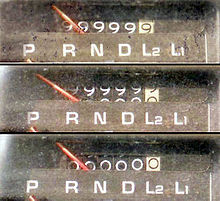
220px-Odometer_rolloverI turned sixty in June. The very next day I started falling apart. I am not kidding, my internal organs began failing the next day. Well, at least my gallbladder gave out on me.

Who knew planned obsolescence applied to the human body? At 60,000 miles you need a new timing belt, and possibly a brake-job.

Several expensive tests and a trip to urgent care later, it turned out I didn’t have gallstones. My gallbladder simply was failing, or as the doctor put it, dysfunctional. If you only knew my family, you wouldn’t be surprised.  I’m sure it’s not the only dysfunctional internal organ in the family.

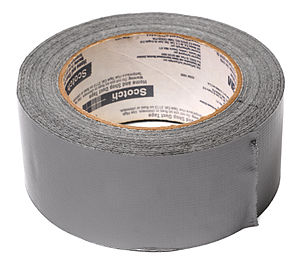
ad_chevy_vega_gt_orange_1974I felt rather like the 1974 Chevy Vega we once owned, the vehicle with the duct-tape interior.  We had proudly bought it new, but at 50,000 miles the armrests fell off, the dashboard began cracking, the seats came apart–the interior was nothing but duct tape; a vast sea of silver. And the car was only three years old.

Duct tape is also known as “hundred-mile-an-hour-tape” in my family. Uncle Jim had a purple 1962  Chrysler station-wagon with both the rear-view mirror and the back bumper duct-taped on and he drove it like that for two years while he worked in the woods, planting trees.

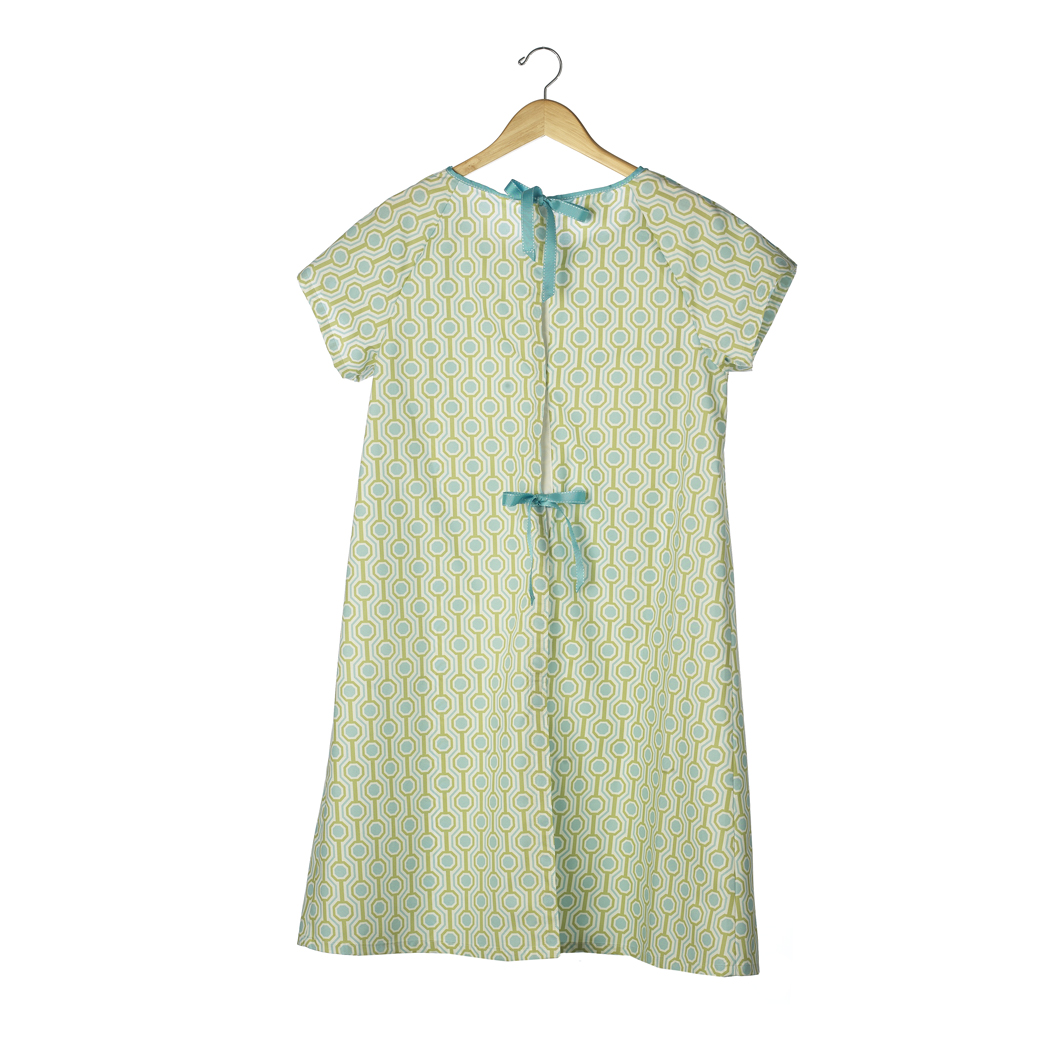
libby-gown-front_01So last Wednesday I had surgery.  It was just a bit of internal housecleaning–out with the debris cluttering up the place. Unlike Dr. Frankenstein’s monster I had nothing new to replace it with, but the gallbladder is apparently an internal organ we can do without.

Today I am hanging around the house, waiting for tomorrow when I will get the staples out.

I know! Staples–almost as classy as duct tape! My Father would have been proud!

300px-Duct-tape

11 Comments

Filed under Adventure, Battles, Books, Uncategorized, Vegan, writer, writing

Hurricane Hilton

MH900175582Last week I attended a 4 day convention in Seattle where there were several glitches on the dietary front.

The kitchen at the hotel failed miserably on Thursday and Friday, but by Saturday they had figured it out at least for the final dinner.  In the meantime, there were a lot of starving authors sharpening their pens and busily writing culinary reviews that were less than glowing.

When we reserved our place in January, we were asked what dietary requirements we had, and were given many options.  The breakfast buffet was nothing but donuts, muffins and bagelsnone of which are vegan or gluten-free – options that were offered to registrants at the time of my original sign-up.

I am not gluten intolerant, but I am vegan, and not for moral reasons. I am vegan for health reasons, as I get horribly ill from eating even small amounts of meat and dairy. So, when I realized there was NOTHING for breakfast or lunch that I could eat, I figured I’d just go to the restaurant and order side dishes off the menu. I have usually found that to be an option that works for me. After all, hash browns and steamed veggies are usually easy for the kitchen to turn out.

MH900400553When faced with a simple request, such as, “Can I have veggies sautéed in olive oil instead of butter please?” or “May I have my toast with no butter, please?” the waiters and waitresses got the deer-in-the-headlights look.  

I know what it’s like to be faced with a horde of prima donnas who think they should have special treatment.  I worked in the food service industry as both a waitress and a dishwasher, and I was a hotel maid for 12 years, actually, during the Reagan and Bush Sr. years. That was one of my 3 jobs. I was also a free-lance bookkeeper and a darkroom technician during those years. Three part-time jobs kept the kids fed and the roof over their heads, right?

Trickle down economics didn’t always trickle down too far.

It’s amazing how many hotels and restaurants are not prepared for guests with strange dietary needs like those weirdo hippy-freak vegans.

I get it, and I understand it.  I left good tips in the VERY expensive coffee shop anyway, because everyone did their best, and why be more of a pain than you have to be? My fried spuds and steamed veg averaged $15.00 to $20.00 per meal for breakfast and lunch for 4 days. Hurricane Hilton blew through my wallet leaving behind a budgetary disaster.

curry and sweet potato soupBut in this case, I was not the only hungry author there.  There was little concession made for any of the other people who’d been offered diet options, including the carnivores.  In fact the first three days were total catering catastrophes, and hardly anyone was pleased with the pathetic offerings.

By Friday, things were looking up for me but the Carnivores were starving. The catering team had gotten the 3 vegans at the convention served, and the plate they put in front of me was lovely.

Yep. There I was alone, surrounded by starving authors, armed only with a plate of grilled asparagus.

The carnivores were all looking at my veggies covetously. Irene Roth Luvaul suffered worse than me. She was told that  A: they had run out of food, and B: they weren’t going to cook any more. 6 people at our table were yet to be served.

Irene is an editor. Did I mention that? Just in case I didn’t, I will just say it’s bad juju to cross an editor. And the room was full of them.

There was blood in the water.

The announcement that no food would be forthcoming didn’t fly well with the comma-Nazi. Irene said, “What do you mean, you aren’t going to cook any more food?” Her clipped Texas tones could have shaved the fur off a cat at fifteen feet, they were so sharp.

This was the voice of the woman who edited briefs for the Texas State Supreme Court. She wrangled lawyers for a living.

The server brought her a plate of cold ravioli in pale tomato sauce.

Faced with a resounding plea-bargain, Irene desperately wished she was a vegan, and eyed my asparagus with longing.

However, by Saturday night the catering staff had redeemed themselves beautifully with a lovely, well-prepared meal that even the gluten-free authors were pleased with, along with copious quantities of decent wine, proving that giddy, well-oiled authors are a bag of fun.

Despite near starvation, it was a fun week, and meeting Greg Bear was awesome. But making new friends and connections with both sides of the industry was the best part of this for me.

4 Comments

Filed under Battles, Fantasy, Food, Literature, Uncategorized, Vegan, writer, writing

‘Like’ me

Frustrated Woman at Computer With Stack of PaperThis weekend my professional Facebook page was suddenly ‘liked’ by 6 people in the space of 5 minutes.   I was sort of wondering what was going on, as it was a little unusual. It gets a few likes each week  under normal circumstances but this was different.

A few minutes later I got a fb personal message from an author I met through Goodreads.  It read:

“This LIKE is being sent along with another like from J***, on behalf of our friend, M*******. She left for a 6 week writing vacation, so we are wanting to surprise her with hopefully 25 more page likes. If you’ll like her page, you’ll get 2 fer 1, and possibly 3 likes for your one to her page. 

**PS. Please remember to like from your personal page as likes from fan page to fan page do NOT roll the counter.

>Thank you in advance, especially if you’ve already liked her page. Best of Luck with your writing:) 
M***”

I felt like I had just been shaken down for my lunch money.  But then I thought, “This is a kind gesture on the part of her friends, but the wrong way to go about it.”

Don’t get me wrong, I like M*******, and while she writes romances, which usually don’t attract me, she writes well enough.

I just don’t like being coerced, and that is what I felt her friends did. It’s all about manners, in this business.

Office Workers Clapping at Office PartySO – how do we encourage people to ‘like’ our professional Facebook page?  After all, we are all trying to get exposure for our books.

In my opinion, people will look you up and like your page as they become fans of your work. You will gain followers, just not real rapidly.

Identify your target market.  Are you trying to sell books only to other authors?  That is what you are doing when the only place you post the link to your page is in a page-swap forum.  If the only people who are ‘liking’ your fan-page are authors, you are shooting yourself in the foot. You are limiting your visibility to a small number of people who most likely won’t buy your book, as they’ve books of their own to write, and you don’t write in their genre.

You need to make it easy for your fans to like your page by posting the link on your blog, and on your Goodreads or Smashwords profile.  Have the link on your Amazon author page too!  Those places are where people who buy your books will look, and that is how fans will find you.

Identify who your target audience is.  Make sure your Facebook link is prominently displayed and let it do its thing.

We live in a society where instant gratification is the norm, and everything wonderful has to happen right now. I wondered, “Do we get some sort of award for having a lot of likes on our fan page?” Not that I am aware of–it’s only a number. The higher your number, the more likely fb will boost your visibility in the news feeds.  You earn that visibility gradually.

But for those who are too impatient to wait, they can join a Goodreads page-swapping event, where the participants all go out and like each others’ pages.  This is voluntary and I’ve been involved with that.  I liked about 50 authors and 15 liked me back. 6 of them used their fan page despite being asked to use their personal page, and their likes didn’t raise my count.

So, that didn’t go as well as I thought it would.

Portrait of Vsevolod Mikhailovich Garshin by Ilya RepinAnd don’t even get me started about the inconsiderate authors who posted links to their books and pages smack dab in the middle of MY fan-page.

Delete.

Delete. Delete. Delete.

(Die! Die! Die!)

Most of the indie authors I know are lovely people, polite and sensitive. They have a basic understanding of manners. They are a joy to work with, and I would do anything for them because of that. They make up 98% of the authors I have met.

There are those few who are as delicate as battering-rams, and they ruin it for everyone. They are the same people professionally that they are in the real world–immature, selfish, and rude. They meet other aspiring authors in forums and then make all sorts of small requests, expecting that you will drop everything and go out of your way for them, because they are so damned important.

If you choose to be kind to them, don’t expect anything in return, because it’s just not going to happen. The next time you see them will be when they need some other small service from you. “Tweet my book.” “Interview me.” “I just need five more likes….”

The Facebook Fan-page is a thing we have to do in this modern world of self promotion, but it sucks.

I have one and I am keeping it, but I am feeling quite rebellious about it just now.

4 Comments

Filed under Adventure, Books, Fantasy, Humor, Literature, Uncategorized, writing

Thoughts on Internal Monologues

Young Woman Sitting Looking at Laptop ScreenI had a conversation with a friend in my writing group the other day. He paid for an expensive edit, but was not pleased with the results. The editor gave his ms only one fairly good look, and gave him a report with suggestions and ideas, but he was left more confused than ever. She has not worked with him to help him resolve those issues, and wants to be paid for a second look. This was more of a beta read than an edit, and that fact should have been disclosed when he hired her.

The professional editors I know do expect to be paid for their work, but they also work closely with the authors to help their clients turn out books that are finished to the best of their ability, thus giving the author their money’s worth. This involves many revisions of entire sections and lots of back and forth communication between the editor and the author.

When I looked at his ms, I could see one thing that stood out immediately.  His characters have a lot of internal dialogue. The editor told him not to set it off with italics, and technically she was correct, but she offered no insight to him on how to correctly portray his character’s thoughts. Unfortunately, with no way of distinguishing it, I found it difficult to differentiate the internal dialogue.

Now don’t get me wrong, the editor was technically correct. The  Chicago Manual of Style agrees with her, and in some ways, so do I.  As a reader, a wall of italics is daunting, and causes the eyes to get tired. If she was truly acting in his best interest, she could have shown him ways to get around the whole issue of internal dialogue, instead of just saying don’t use italics.

But I do use italics to set off certain thoughts in my own work, so how do I balance this apparent hypocrisy?  I have learned to use less internal dialogue, trying to only use it now when it is natural in the context of the scene.

As I look at my body of work, I can see it evolving toward a leaner style of writing, and less emphasis on idle thoughts is key to that style. My early work is rife with internal dialogue. In my recent work there is some internal dialogue, but not as much. The context of the story determines whether it is necessary or not.

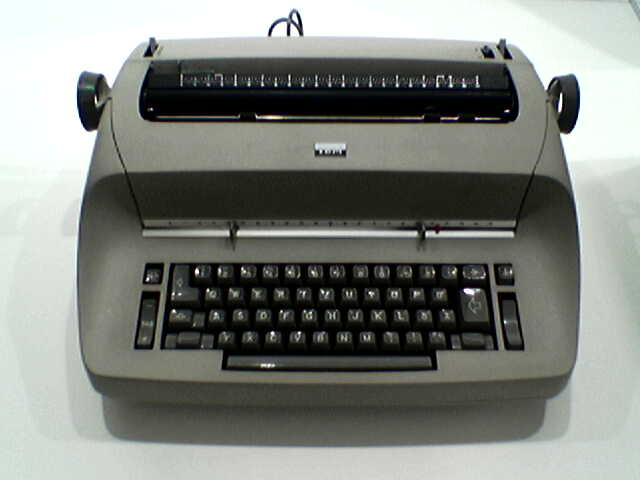
IBM_SelectricIn the days before computerized word processing and desktop publishing, the publishing process began with a manuscript and/or a typescript that was sent to a print shop where it would be prepared for publication and printed. In order to show emphasis—to highlight the title of a book, to refer to a word itself as a word, or to indicate a foreign word or phrase—the writer would use underlining in the typescript, which would signal the typesetter at the print shop to use italic font for those words.

Nowadays we have word-processors.  Authors can italicize to their hearts’ content and the ms will not be full of underlined words that distract the editor.  This has lead to some authors being a bit too free with italics, and I have been guilty of that.

The important thing to remember is that everything your  main characters think does not have to be written. When it is necessary, there are ways to get it across without resorting to italics except in the most important instances.

Indie author Karen Fox has an awesome post on common mistakes made by authors.  She says, (and I am directly quoting from http://www.karenafox.com/commonmistakes.htm,)

(Interior Monologues are) very important in writing. Reveals parts of the story not available through dialogue. A powerful way to establish character, but often overwritten. Again don’t explain if emotions or details are already shown through dialogue or action. This should be unobtrusive. Long passages of internal monologue often become ways of telling the reader information instead of showing.

One way to do this is to get rid of speaker attributions. Instead of Why had she said that? Because he drove her crazy, she thought, use Why had she said that? Because he drove her crazy.  He wondered what he’d done to make her leave can be transformed  to What had he done to make her leave?

Interior monologue helps set point of view. It is not the same thing as description, though the two can blend together.  Use impressions obtained through the POV character’s senses.  We use our sight, hearing, smell without thinking about it.   Your character will, too.

You can use italics to show a character’s thought, but use sparingly. Too many italics are irritating, but they can be a good way to set off a more important thought in the middle of a monologue.”

MP900321209Internal dialogue is necessary, but not if it is a crutch.  Authors tend to be lazy. Once we find an easy way to get a point across it becomes our go-to tool when a particularly tough scene is refusing to unravel for us. We tell ourselves it is “our voice” and therefore it is our style.

Yes, that can be true, but we must never rely on easy tricks to tell our stories.  Readers always notice, and it makes our work less enjoyable for them.

8 Comments

Filed under Adventure, Books, Humor, Uncategorized, Vegan, writing

The Curse of The Indie Author, and the Cure

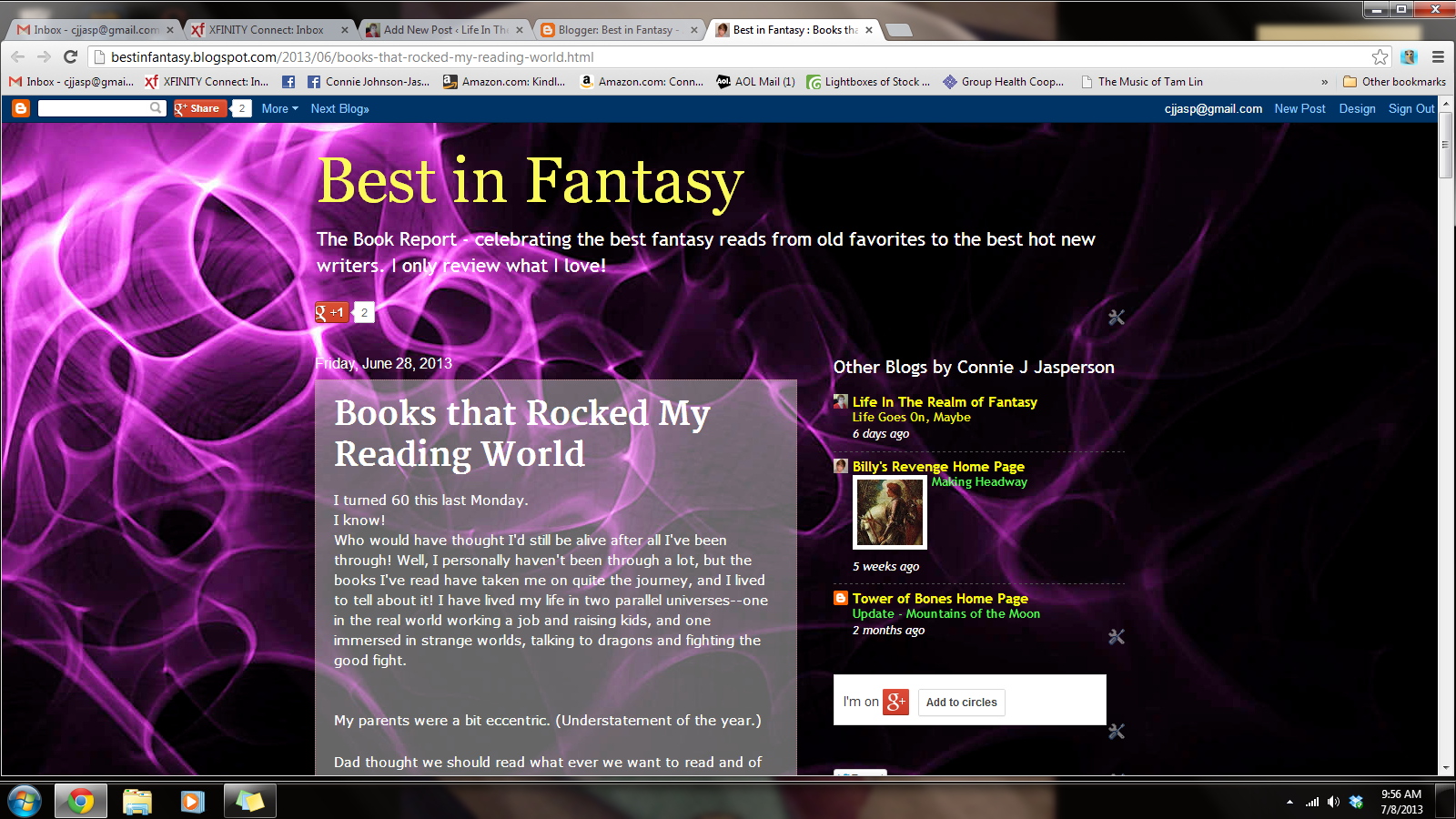
BIF Blog Print ScreenYou all know I write, and you all know I read.  You may not know that I read 2 to 6 books a week and I blog about the ones I really like on a book review blog called Best in Fantasy. I try to write a new post for every Friday.

I began that blog two years ago, with an eye to promoting the books I loved, books that moved me.  As it progressed, I began seeking out and promoting the books of indie authors. I do not accept free manuscripts, as I want to feel NO pressure to say nice things about a book. I always buy the downloads for this blog.

DR 3 Prism Ross M KitsonI have read some incredible, amazing work over the last 2 years–work I would never have been exposed to if not for the Kindle and the fact most indie downloads range in price from .99 to 4.99 and many can be found for free during promotional days.

This amazing access to great, innovative writing has created an entire sub-culture in the writing industry.  People like me, bloggers who regularly read and love to discuss what they read are springing up everywhere and they are talking about what they read. And let me tell you, I have read some truly well-crafted books that stayed with me.

Authors are also springing up everywhere.  Nearly everyone I meet is either a self-published author or a close relative of one. How humorous it is to find that we once-exalted tellers of tales are no longer special–everyone has a book in them or at least thinks they do, and they are publishing them.

This rapid expansion of the self-publishing industry has come with a price, however, and it is a huge one.

The ease with which anyone possessing the ability to read, access  a computer and use the internet can publish their work independently has sparked a revolution. If you have read your American history, revolutions are NOT easy nor are they bloodless and pain-free.

For every book by an indie (or indeed by a traditionally published author) that I can feel good about recommending on Best in Fantasy, I see on average 6 that are just plain awful. These are books that would never make past the intake editor or an agent.

Some indie books are so abysmally edited it is apparent the author is the only person who has ever seen the manuscript. Some are moderately edited but not very well or professionally, and the author (as in my case with The Last Good Knight) gives way too much back-story up front and in huge info-dumps. This loses the attention of all but the most determined reader immediately, people who would ignore most typos and slight inconsistencies for a really good tale. This is where the unbiased eye of the editor can make a great novel out of a promising tale.

There are an incredible number of people writing books who have absolutely no concept of how to tell a coherent story. Not only is the book over-the top with descriptions (which take all the fun out the book) the whole thing can sometime feel like one long ego-stroking, autobiographical trip through the personal fantasies of the author, with him as the main character.  Those books have what I think of as the ‘creepy-voyeur’ factor built into them, and I just can’t get too far into them before barfing.

the Book of Ruth - jane HamiltonOthers start with a great idea, but the author leaves you wondering what happened to that kernel of brilliance, as the story sort of dies at the end and you are left wishing you had quit reading at page fifty.   This happens with just as MANY traditionally published books as with the indies, folks! Take “The Book of Ruth” for example.  How it made the Oprah Book Club I will never know, but it is one of the most depressing and abysmal books I have ever read, and I have read quite a few bad books. It totally turned me off of The Oprah Book Club.

The big 6 traditional publishers pretend that much of the crap they publish is all sheer magic, while loudly pointing out the faults inherent in self-publishing.  And, while it makes me angry that they decry us as worthless but leap to publish us the minute we show any sign of real success, there are hard truths here we indies who are committed to the CRAFT of writing must face.

What this ability to publish any piece of garbage that falls out of your head does for us as indies is to tar us all with the same brush. THIS is the curse of the indie author.

The cure for this curse is as follows:

1. Learn how to write in your native language. Grammar and Punctuation are essential, even in modern literature.

2. Join a writing group and meet other authors, either in your local area or on-line. This will help you with steps 3 and 4. Enter writing contests such as Amazon’s Breakthrough Novel Awards and participate in the boards and threads. Ignore the trolls, they pop-up everywhere (usually with badly written ego-stroking crap to their publishing credit.)

3. Develop a thick hide, and find an unbiased eye among your trusted acquaintances to read your work as you are writing it, so you can make changes more effectively and not be overwhelmed at the prospect of rewriting an entire manuscript from scratch.

4. Lose your ego. Your ego gets in the way of your writing.  Are you writing for yourself or for others to read and enjoy your work?

5. Find a good professional editor. Check their references, and when you do engage their services, do not take their criticisms personally. This editor must be someone you can work closely with, who makes suggestions and lets YOU make the changes on your masterpiece yourself. They must understand it is your work and you have the right to disagree with any suggested changes. If you have this symbiotic relationship, you will turn out a good final product.

This blog-post today has been inspired by the fact that over the last three weeks, I cracked open a total of 19 books, both indie AND mainstream, and was only able to find one book that I enjoyed and gave four stars to because of editing issues, and one AWESOME, amazing book that will get 5 stars from me.

Traditional publishers are failing us as readers by pushing their successful authors to spew a book or even two a year,  beating dead horses and creating long-winded series that go nowhere and have no entertainment value.

Some of the worst books I read over the last two years were written by two authors who have also written books I really enjoyed, but their best books were written in the early days, when these authors were not book-producing machines.

I expect more from a traditionally published book than a boring info-dump at the beginning, and lackluster characters you don’t give a hoot about.  I hold every book I read to that standard, and I am willing to forego some editing bloopers, which with the rush to publish nowadays, they ALL have, traditional or non-traditional.

A Lesson for the Cyclops Jeffrey Getzin

I just want to read a good story!

I want to be swept away to new lands and people I want to know and meet.

I want to be challenged and entertained.

Books are my drug and my addiction, and I am compelled to talk about them, to share them and re-read them.  That is why I blog every Friday on what I enjoyed reading that week.  Stop by this coming Friday afternoon and see what I am reviewing this week on Best in Fantasy. There will be a new review posted by 7:00 a.m. PDT.

In the meantime you can checkout the review for A Lesson for the Cyclops, a wonderful novella written by indie Author Jeffrey Getzin.

12 Comments

Filed under Adventure, Books, Fantasy, Literature, Uncategorized, writer, writing