
We are now well into week one of November. Week one of a thirty-day writing challenge is the danger week. Once the first rush of creativity passes, many writers will give up. They experience a momentary lull in creativity and don’t have the tools to visualize what to write next.
 The well of inspiration runs dry and they quit. Many will never attempt to write again, although they will always consider themselves secretly a writer.
Rather than worrying about word count, I suggest setting a more reasonable goal. If you are new at this, I suggest a goal of writing at least one paragraph a day. Write something each day for thirty days, and you will be surprised at what you produce.
I have solutions for overcoming the roadblocks that daily life throws up. And believe me, when you are caregiver for a spouse with late-stage Parkinson’s, life tends to vomit roadblocks.
 The first one is one I developed when working in corporate America. Frequently, my best ideas came to me while I was at my job. If your employment isn’t a work-from-home job, using the note-taking app on your cellphone to take notes during business hours will be frowned upon. To work around that, keep a pocket-sized notebook and pen to write those ideas down as they come to you.
It’s old-school, but it worked because you don’t appear distracted or off-task.
Ideas come to me when I stop forcing my brain to work when it’s on its last legs. Strangely, cleaning and organizing my living space allows my mind to rest. Taking the time to wash dishes or clean the house helps reset my short-circuited creative mind.
But getting outside and walking helps even more. I suggest taking a notebook or dictating into your note-taking app.
Sometimes, we write an action scene that doesn’t advance a story. Arcs of action drive plots. Every reader knows this, and every writer tries to incorporate that knowledge into their work.
But some scenes don’t advance a story because they are examples of random mind wandering.
Don’t throw it out. Keep it and maybe you can use it in a different story. ALL writing is good for you, so set what doesn’t work for your current work aside. Keep on mind wandering and writing scenes.
Who knows what will grow from those seeds?

I go somewhere quiet and ask myself questions about the story I’m stalled on. I carry a notebook and make a list of the answers. I write an idea here and another there, and soon I have a plot.
Novels begin a certain way: at the story’s outset, we find our protagonist and see them in their familiar surroundings. The inciting incident occurs once we have met them.
But maybe we don’t have any idea what sort of bad thing happens. Maybe we’re still doing character creation, and that is okay.
If you’re stuck, it sometimes helps to go back to the beginning and consider the following questions:
- What is the goal/objective? What do they want?
- Is that objective important enough to warrant risking everything to acquire it?
- What could the protagonist face that will challenge their moral values and sense of personal honor?
- How could this force the protagonist to become stronger?
- Who is the antagonist? What do they want, and what are they willing to do to achieve it?
- Does the enemy face ethical quandaries, too?
 Every obstacle we throw in the path to happiness for the protagonists and their opposition shapes the narrative’s direction and alters the characters’ personal growth arcs. As you clarify why the protagonist must struggle to achieve their goal, the words will come.
I write my ideas down and the broad outline of a story evolves.
- I keep my notes in an Excel workbook. It contains maps, calendars, and everything pertaining to any novel set in that world, keeping it in one easy-to-find place.
- When logic forces change to the plot, and it always does, I go to my storyboard and update my plot outline, calendar, or maps.
When your creative mind needs to rest, step away from the keyboard and do something different. I find that when I take a break to cook or clean out a corner, ideas for what to do next in my novel will occur to me. These little flashes of inspiration carry me a few chapters further into the story.
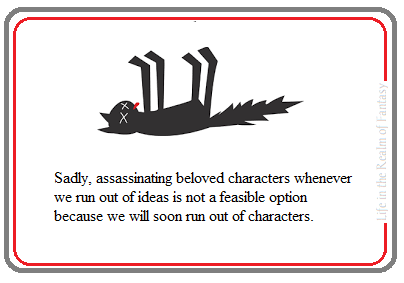 Finally, let’s talk about murder as a way to kickstart your inspiration. Some people recommend it but I suggest you don’t resort to suddenly killing off characters just to get your mind working. You may need that character later, so plan your deaths accordingly.
- Readers become angry with authors who casually kill off characters they have grown to like.
When a particular death is planned from the beginning, it is one thing. But developing characters is a lot of work. If you kill off someone with an important role, who or what will you replace them with?
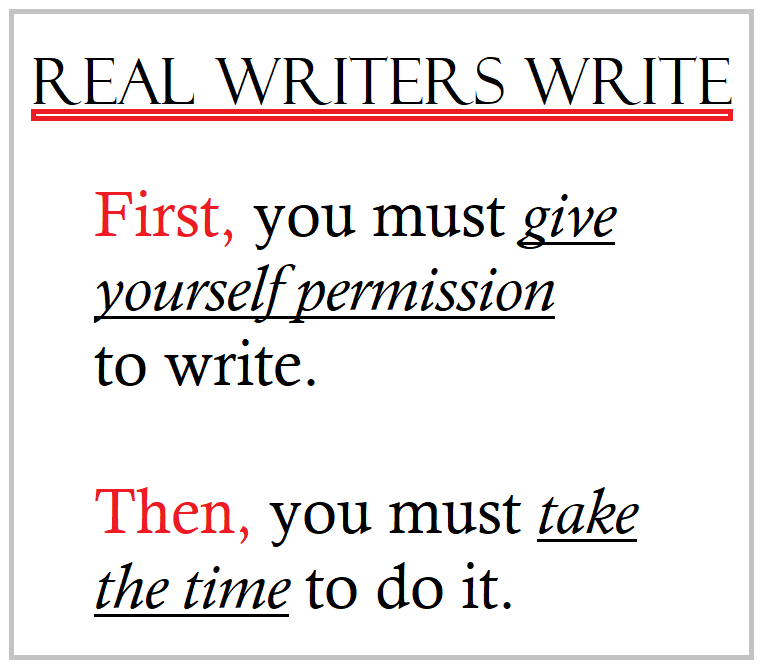
Above all, relax. It’s November, a good month for writing. Write something every day, even if it is only a paragraph that has no relationship to anything else. The goal is to develop the habit of writing every day.
Perhaps you should write a haiku:
November writers
Inking worlds on paper.
Leaves fall, writers write.
Whatever you come up with, it will have to be better than that travesty!
To learn about the haiku and perhaps write one of your own, check out this website. It’s fun and it’s free! Haiku Checker – Check Haiku syllable and line counts!

 I was a dedicated municipal liaison for the Olympia, Washington Region for twelve years and a regular financial donor, but I walked away after the organization’s implosion last November. I will get my 50,000 new words in November but will not sign up to participate through the NaNoWriMo website.
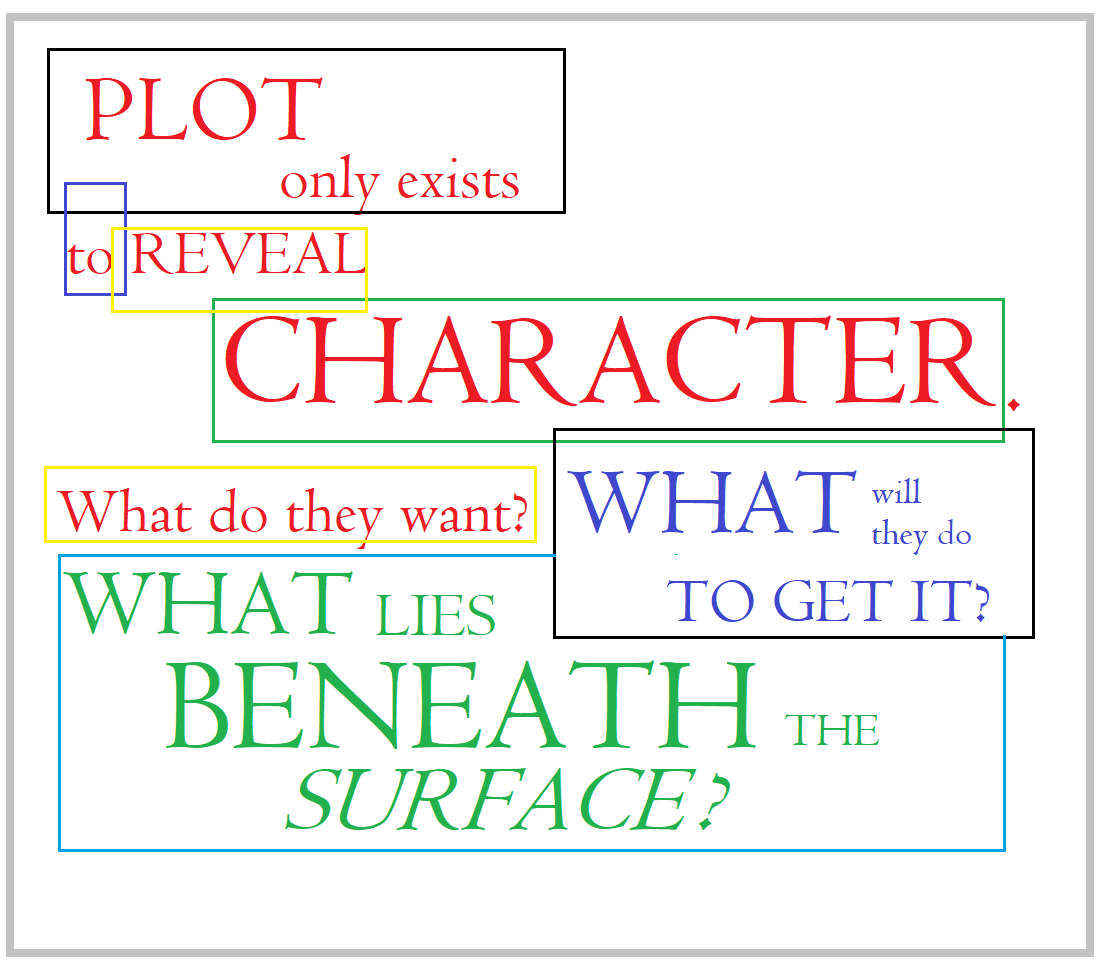 The answer to question number one kickstarts the plot: who are the players? Once I know the answer to this question, I can write, and write, and write … although most of what I write at that point will be background info. The answers to the other questions will emerge as I write the background blather.
 They share some of their story the way strangers on a long bus ride might. I see the surface image they present to the world, but they keep most of their secrets close and don’t reveal all the dirt. These mysteries will be pried from them over the course of writing the narrative’s first draft.
 And what if you are writing poems or short stories? Graphic novels? We will also go into preparing to “speed-date your muse” when embarking on those aspects of writing.


 Life in the Realm of Fantasy