
I talk a lot about the craft of writing, from novels to short stories, poems, and microfiction. Some might think that outside of journalism and blogging, there isn’t much left for an author to focus on. However, there is another area of writing that we’ve all heard of but don’t often think about. They are essays.
 Narrative essays most frequently appear in magazines, so that is where to look for the best contemporary work by today’s authors of mainstream fiction.
- And much of it is sitting around in waiting rooms the world over, so take a more critical look at the magazines the next time you go to the dentist.
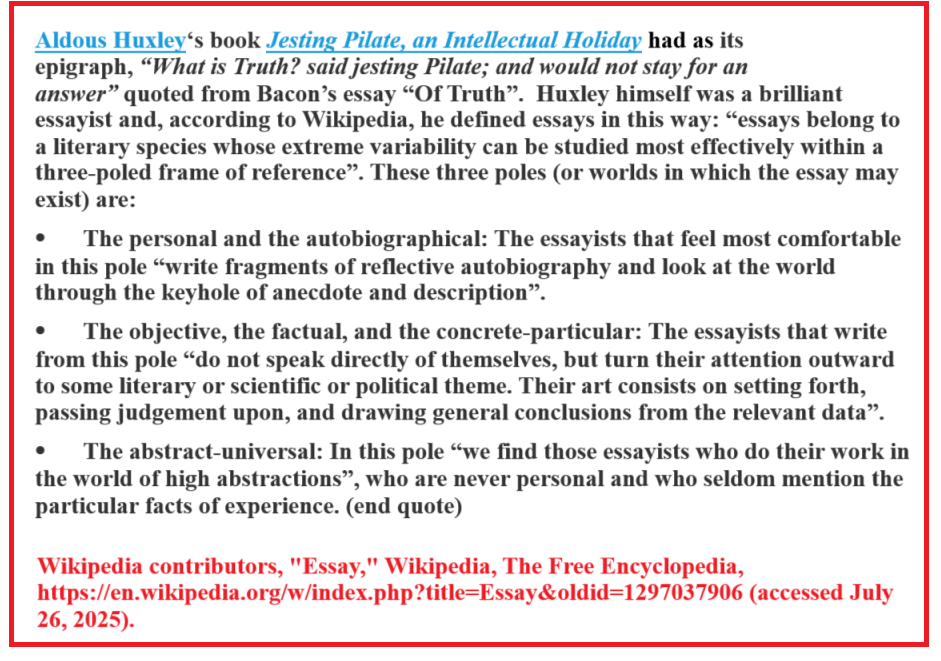
Essays offer an author the opportunity to express ideas and values. Michel de Montaigne (1533–1592) was the first author to describe his work as essays, by which he meant attempts. He used the term to characterize these short pieces as “attempts” to put his thoughts into writing.
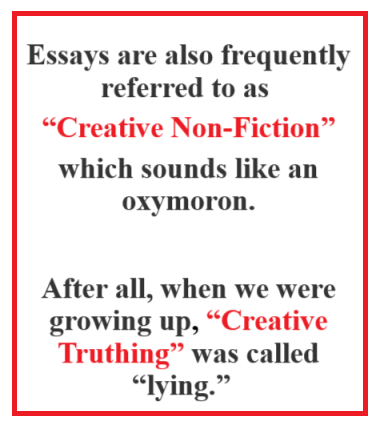 Narrative essays are drawn directly from real life, but they are fictionalized accounts. They detail an incident or event and talk about how the experience affected the author on a personal level.
One of my favorite narrative essays is 1994’s Ticket to the Fair (now titled “Getting Away from Already Being Pretty Much Away from It All“) by David Foster Wallace, published in Harper’s. I’ve talked about this particular piece before. It’s a humorous, eye-opening story of a naïve, slightly arrogant young journalist’s assignment to cover the 1993 Iowa State Fair, told in the first person.
Wallace assumed it would be a boring event featuring farm animals, which might be beneath him. But it was his first official assignment for Harpers, and he didn’t want to screw it up. What he found there, the people he met, their various crafts, and how they loved their lives profoundly altered his view of himself and his values.
As we find in Wallace’s piece, the primary purpose of an essay is thought-provoking content. The narrative essay conveys our ideas in a palatable form, so writing this kind of piece requires authors to think.
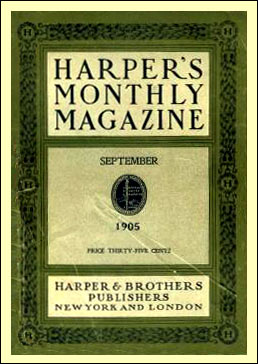 Some magazines are still available in print and can be found at many grocery stores and bookstores. However, don’t hesitate to submit to online publications, as many magazines have transitioned to publishing online rather than on paper nowadays. Legitimate online publishers pay the same royalties to their authors as those still publishing via paper do.
A narrative essay is just like any other form of short fiction. It has content and structure:
- Introductory paragraphs that hook the reader.
- An intriguing plot that keeps the reader interested.
- Engaging characters.
- An immersive setting.
- An ending that satisfies the reader, but leaves them thinking about the story and what might have happened next..
Choose your words for impact because writing with intentional prose is critical. A good narrative essay expresses far more than mere opinion, more than simply relating an experience. Essays sometimes convey deep, uncomfortable views. The trick is to offer them in a way that the reader feels connected to the story. Once readers have that connection, they will see the merit of the opinions and viewpoints.
So, now we know that narrative essays are a way of sharing our personal views of the world, the places we visit, and the people we meet along the way.
- Names should be changed, of course.
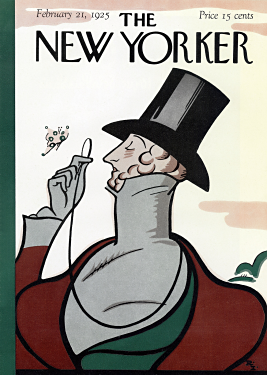 Literary magazines want well-written essays on a wide range of topics and life experiences presented with a fresh point of view. Authors can make their names by being published in a reputable magazine. You must pay strict attention to grammar and editing to have any chance of acceptance.
After you have finished the piece, set it aside for a week or two. Then, return to it with a yellow highlighter and a fresh eye. Print it out and read it out loud, checking for dropped and missing words. Read it aloud yourself, because in this case, I do NOT recommend the narrator function of your word processing program.
In the process of reading aloud, you will highlight the following bloopers:
- Misspelled words, autocorrect errors, and homophones (words that sound the same but are spelled differently). These words are insidious because they are actual words and don’t immediately appear out of place.
- Repeated words and cut-and-paste errors. These are sneaky and dreadfully difficult to spot. Spell-checker won’t always find them. When you read them silently, they make sense to you because you see what you think you wrote. For the reader, they appear as unusually garbled sentences, and you will stumble over them as you read aloud.
- Missing punctuation and closed quotes. These things happen to the best of us.
- Digits/Numbers: Miskeyed numbers are difficult to spot when they are wrong, unless they are spelled out.
 Don’t be afraid to write with a wide vocabulary and use power words. Readers of these publications have a broad command of language. While they won’t want excessively flowery prose, they also don’t want to read a dumbed-down narrative.
- However, we never use jargon or technical terms that are only known to people in certain professions, unless it is a piece for a publication catering to that segment of readers.
Above all, be a little bold. I enjoy works by authors who are adventurous in their work.
And finally, we must be realistic. Not everything you write will resonate with everyone you submit it to. Put two people in a room, hand them the most exciting thing you’ve ever read, and you’ll get two different opinions. They probably won’t agree with you.
Don’t be discouraged by rejection. I follow several well-known authors via social media because what they have to say about the industry is intriguing. They’re journalists who submit at least one piece weekly, hoping they will sell one or two a year. One says she aims for one hundred rejections a year because two or three stories or essays are bound to strike a chord with the right editor during that time.
Rejection happens far more frequently than acceptance, so don’t let fear of rejection keep you from writing pieces you’re emotionally invested in.
This is where you have the opportunity to cross the invisible line between amateur and professional. Always take the high ground—if an editor has sent you a detailed rejection, respond with a simple “thank you for your time.” If it’s a form letter rejection, don’t reply.
 What should you do if your work is accepted but the editor wants a few revisions?
If the editor wants changes, they will make their requests clear. Editors know what their intended audience wants. Trust that the editor knows their business.
Make whatever changes they request.
Never be less than gracious to any of the people at a publication when you communicate with them, whether they are the senior editor or the newest intern. Be a team player and work with them.
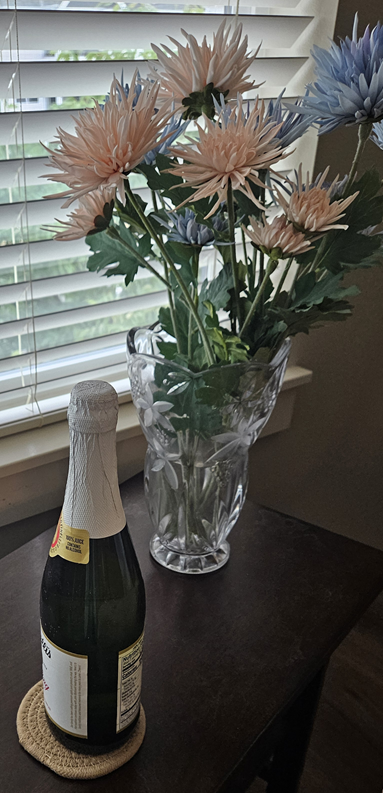
And when you receive that email of acceptance, crack open the Bubbly (in my case, Sparkling Cider). Give yourself permission to celebrate having sold your work.




 Life in the Realm of Fantasy