Tag Archives: how to handle critiques

What is “beta reading,” and how do I find a suitable reader? #writing

The month of September is drawing to a close, and we are winding up our dive into the second draft of a manuscript. We hope we have a perfect manuscript with no structural issues.

MyWritingLife2021BBut we know the work is just beginning. Now we need an unbiased eye looking at the structure, a beta reader.

Beta Reading is the first look at a manuscript by someone other than the author. It is the first reading of an early draft by an unbiased eye. Editing and proofreading happen further down the process, but this reading is critical.

This phase should guide the author in making revisions that make the story stronger. It’s best when the reader is a person who reads for pleasure and can gently express what they think about a story or novel.

I do suggest you find a person who enjoys the genre of that particular story. If you are asked to be a beta reader, you should know it is not a final draft. You should ask several questions as you read:
  1. My Coffee Cup © cjjasp 2013Setting: Does the setting feel real?
  2. Characters: Is the point of view character (protagonist) clear? Did you understand what they were feeling? Were they likable? Did you identify with and care about them? Were there various character types, or did they all seem the same? Were their emotions and motivations clear and relatable?
  3. Dialogue: Did the dialogue and internal narratives advance the plot?
  4. Events: did the inciting incident and subsequent roadblocks to success feel believable?
  5. Pacing: How did the momentum feel?
  6. Does the ending surprise and satisfy you? What do you think might happen next?

If you are asked to be a beta reader, you might be distracted by grammar and mechanics, and you might forget that the manuscript you’ve been asked to read is unedited.

  • I suggest you keep editorial comments broad, as a line edit is not what the author is looking for at this stage.

However, if the author really has no understanding of grammar and mechanics, you might gently direct them to an online grammar guide, such as The Chicago Manual of Style Online.

I am fortunate to have excellent friends in my writing group who are willing to read for me. Their suggestions are thoughtful and spot-on.

Let’s say that you have just joined a professional writers’ group. After attending a few meetings, you ask a member for feedback about your book or short story.

blphoto-Orange-ScissorsBe prepared for it to come back with some detailed critical observations, which may seem harsh. Any criticism of our life’s work feels unfair to an author who is new at this. And to be truthful, some authors never learn how to put aside their egos.

Some authors read the first three comments, decide the reader missed the point, and choose to ignore all the suggestions.

This is because the reader pointed out info dumps and long paragraphs the author thought were essential to the why and wherefore of things.
Maas_Emotional_Craft_of_FictionWorse, perhaps they were familiar with a featured component of the story, such as medicine or police procedures. The reader might have suggested we need to do more research and then rewrite what we thought was the perfect novel.

Even if it is worded kindly, criticism can make you feel like you have failed.

When I received my first critique, I was stunned, embarrassed, and deeply confused. I had worked and worked on that manuscript and why didn’t they know that?

Being the only one in a group who didn’t understand something made me angry, but thank heavens, my manners kicked in. I bottled it up and behaved myself.

Not understanding how to correct our bad writing habits is the core reason why we feel so hurt.

That critique was painful, but when I look back on it, I can clearly see why the manuscript was not acceptable in the state it was in.

I had no idea what a finished manuscript should look like, nor did I understand how to get it to look that way. I didn’t know where to begin or who to turn to for answers.

  • I didn’t understand how to write to a particular theme.
  • Punctuation and usage were inconsistent and showed I lacked an understanding of basic grammar rules.
  • I resented being told I used clichés.
  • I resented being told my prose was passive. But I couldn’t understand what they meant when they said to write active prose.

There was only one way to resolve this problem. I had to educate myself.
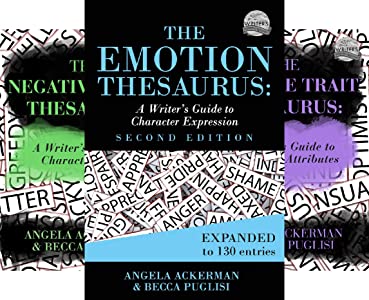
emotion-thesaurus-et-alI went out and bought books on the craft of writing, and I am still buying books on the craft today. I will never stop learning and improving.

Don’t ask a fellow member of a professional writers’ forum to read your work unless you want honest advice. Even if they don’t “get” your work, they will spend their precious time reading it, taking time from their writing to help you out, and that is priceless.

Finally, if you have offered your work to someone who is hypercritical about the small stuff and ignores the structural things you asked them to look at, don’t feel guilty for not asking them to read for you again.

Let it rest for a day or two. Then, look at their comments with a fresh eye and try to see why they made them.
activateLearning the craft of writing is like learning any other trade, from cooking to carpentry. It takes work and effort to become a master.

If you want to craft memorable work, you must own the proper tools for the job and learn how to use them. My “toolbox” contains:

  1. MS Word as my word-processing program. You may prefer a different program, but this is the one I use.
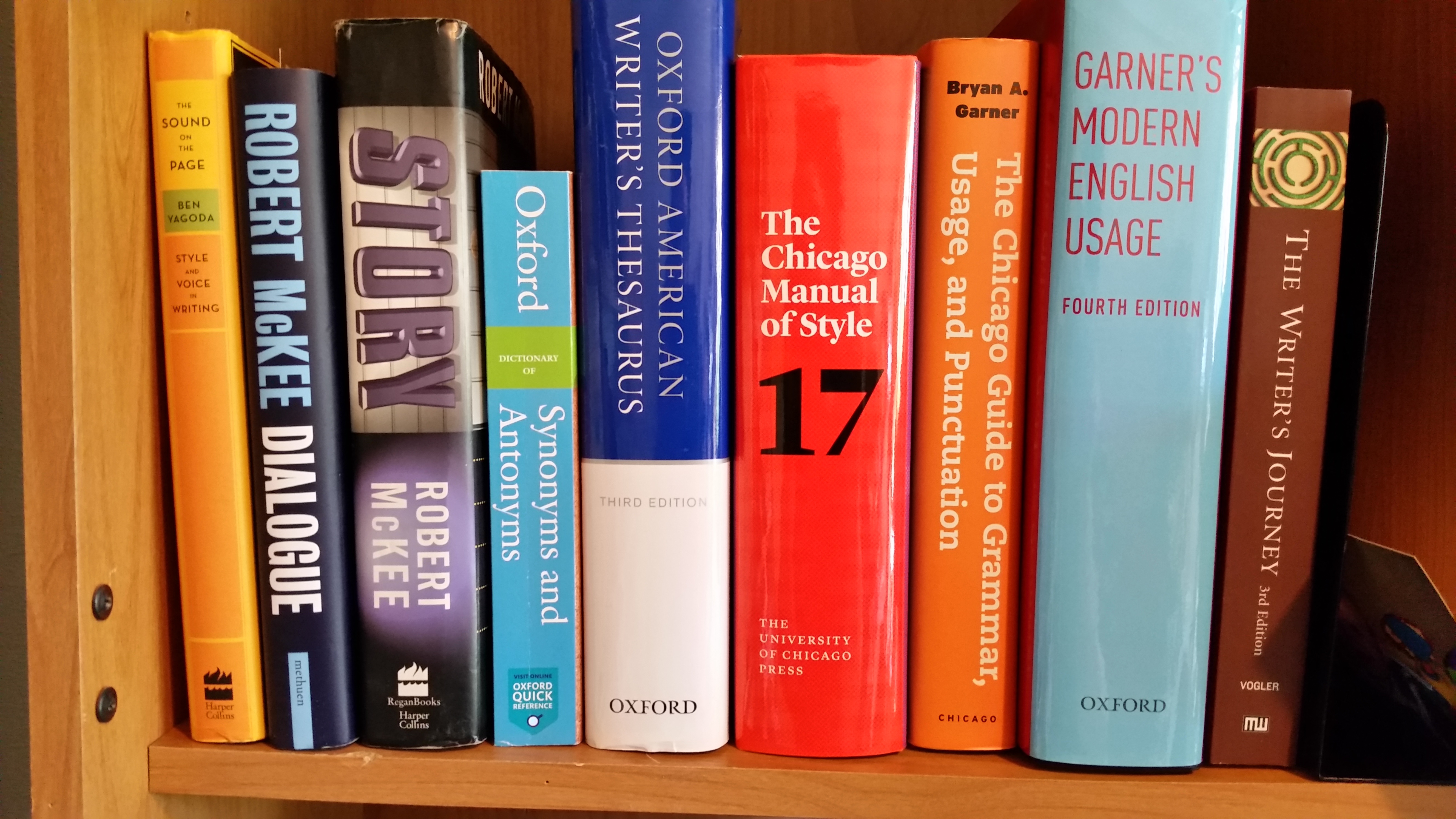
  2. Books on the craft. Self-education is critical. I refer back to The Chicago Manual of Style and numerous other books on the craft of writing whenever I am stuck. (See a short list of my favorites below.)
  3. I have trusted, knowledgeable beta-readers for my work and people who give me thoughtful feedback that I can use to make my final draft as good as I can get it.
  4. I work with a good, well-recommended freelance editor.
  5. Take free online writing classes.
  6. Attend conferences and seminars (not free, but worth the money).
  7. I meet with my weekly writing group.
  8. I read daily in ALL genres.

One day in 1990, I stumbled upon a book offered in the Science Fiction Book Club catalog: How to Write Science Fiction and Fantasy by Orson Scott Card. I’ve said this before, but the day that book arrived in my mailbox changed my life.

That was the day that I stopped feeling guilty for thinking I could be a writer.

The next book I bought was in 2002: On Writing, A Memoir of the Craft by Stephen King.

The following is the list of books that are the pillars of my reference library:

Negative feedback is a necessary part of growth. A good, honest critique can hurt if you are only expecting to hear about the brilliance of your work. This is where you have the chance to cross the invisible line between amateur and professional.
  • Editors_bookself_25May2018

3 Comments

Filed under writing

Critiques and Rejections #amwriting

Negative feedback is a necessary part of growth. When we submit our work to a critique group, we will get feedback, some of which will be perceived as unfavorable. The writing life is a rough playground. Some of us handle rejection or a thorough critique with grace and dignity, and others make an uncomfortable situation worse.

MyWritingLife2021BWe are emotional creatures. When we are just starting on this path, getting an unbiased critique for something you think is the best thing you ever wrote can feel unfair.

But it isn’t. No one writes perfect work all the time, but we have our moments of brilliance. It’s just they are moments, and some areas of a good work-in-progress will need revising and line editing to make it shine. A writers’ group can help you find the weaknesses in the overall story arc.

I have received my share of criticisms and rejections. At first, it hurt, but after a while of growing, I began to see what my fellow writers were trying to show me. I also began to understand why my work didn’t win prizes or get accepted into publications.

When I look back on my earlier work it is clear that I had no idea what a finished manuscript should look like. Nor did I understand how to get it to look that way. I didn’t understand how to write to a specified theme.

I didn’t understand how vital a strong, unifying theme is when an editor assembles the works of many authors into one book or magazine. That lack of knowledge on my part was why my work was rejected.

In those days, I always received a standard rejection that boiled down to “Sorry, but no.”

In my experience, boiler-plate rejections are bad only because they don’t tell us why the piece wasn’t acceptable. You never know whether the piece was merely not what the editor was looking for that day or if it is something they wouldn’t take for any reason.

When my work doesn’t make the cut, it’s because I have misread what the editors wanted, not quite nailing the theme as firmly as other writers did. Or, maybe what I thought was a great plot was cliched and boring, or perhaps it was too farfetched.

The key to peace of mind is to understand that most of what you write will NOT resonate with everyone you submit it to. Even if your writing group loved it.

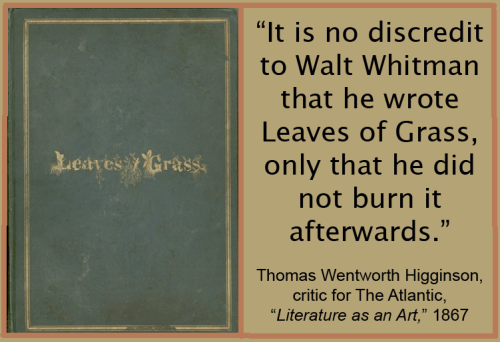
leaves of grass meme

If you put two people in a room and hand them the most thrilling novel you’ve ever read, you’ll get two different opinions.

Good rejections offer a little encouragement. “Try us again.” That means exactly what it says, so the next time you have something you think will fit with that anthology or magazine’s editor, send them a submission.

For me, the best kind of rejections are those that follow a story being optioned for an anthology, and then for one reason or another, the editor releases it back to you. Yes, it is disappointing when a story that was optioned doesn’t get printed after all, because money is nice.  But they are good, because the editor liked it enough to option it, and if you handle that disappointment with grace, they will probably print the next story you send them.

I know it doesn’t make sense, but the more an editor writes in a letter about why they have rejected a piece, the more likely the author will be hurt and angry. This is because it’s a rejection and may contain details about why it wasn’t acceptable for that publication.

I once got a rejection from an anthology in the form of a terse note with one handwritten sentence, signed by the editor. “This subject has been done before.”

I was surprised by the curtness of the note, but after a moment, I realized that was just this particular editor’s way. He’s a busy man but took the time to send me a note instead of a form letter.

The single blunt sentence was a bit off-putting, but I learned a lot from that particular rejection. I have to try harder to imagine original situations instead of trying to write what I think will sell. I have to write from the heart and not worry about whether or not I’m writing a commercially viable story.

War_and_Peace_Franklin_Library_By_Leo_Tolstoy_First_Edition_1981I could have embarrassed myself and responded childishly, but that would have been foolish and self-defeating. When I really thought about it, I realized that particular plot twist had been done many times before. I thanked him for his time because I had learned something valuable from that experience.
I still love the concept of that story and the characters, but it’s an unmarketable story the way it was written. I have that tale in a file, and someday I will rewrite it, but with a more imaginative quest for the plot.

We must have a care about the way we behave. We are judged by how we act and react in every professional interaction. If you respond to a peer’s criticism without cooling down and thinking it through, you risk irreparable damage to your career.

You really don’t want your name to be a prominent entry on that editor’s “no way in hell” list.

An editor’s personal response that is a rejection means they have read your work and gone to some trouble for you.

DO NOT respond to the letter with a flame-mail, and DO NOT bad-mouth that editor or publication in your favorite writers’ forums. Editors are also authors, and they have friends who are authors. They may be involved with the same forums and all the many social platforms you are, so have a care what you say online.

They’re just like the rest of us—and they’ve experienced their share of rejection. If you respond publicly and unprofessionally, innocent bystanders will remember you and won’t want to work with you either.

But what if you received a request for revisions? Don’t be insulted! Celebrate and get cracking. Make those revisions. Do what that editor has asked and make no complaint.

When an editor wants changes, they like the work but can see how it could be made stellar. Be a professional and work with them. You might learn something.

Finally, never be less than gracious to the editor when you communicate with them.

My Coffee Cup © cjjasp 2013Treat all your professional contacts with courtesy, no matter how angry you are. Allow yourself some time to cool off. Don’t have a tantrum and immediately respond with an angst-riddled rant.
Sometimes we forget that how we interact online with others is public information and is visible to the world. When an interested reader Googles our author name, our online interactions and petty tantrums on Goodreads, Twitter, and every other public forum will be available for eternity.

Be respectful, even if the magazine or anthology you were rejected from is a minor player in the publishing world. Don’t say, “Well, that editor’s a nobody.”

Every famous editor/author begins as a nobody. All editors receive work that must be rejected.

How you respond to criticisms and rejections is where you have the chance to cross the invisible line between amateur and professional. Always take the high ground. If an editor has sent you a detailed rejection, it’s appropriate to respond with a simple “thank you for your time.”

12 Comments

Filed under writing

You Asked for Feedback. How to Handle it #amwriting

Let’s pretend that you have just joined a professional writers’ group. After attending a few meetings, you ask a member for feedback about your book or short story.

Be prepared for it to come back with some critical observations.

We are full of expectations that all readers will enjoy our just finished work and tell us how stellar it is.

That daydream quickly dissolves into hard reality when we get our first assessment back, and it isn’t what we thought we would hear.

Perhaps the reader noticed those massive info dumps, long paragraphs we thought were so important to the why and wherefore of things.

Worse, perhaps they were familiar with horses (or medicine, or police procedure). Maybe they told us that we have it all wrong, that we need to do more research and then rewrite what we thought was the perfect novel.

Our unrealistic belief that our work is perfect as it falls from our mind is a failing that we must overcome if we want to engage readers.

Some of us don’t know how to react when a beta reader points out the flaws in our work. For some authors, even mild comments feel like their work has been torn to shreds.

When I shared my first novel with the sister of a friend, I received feedback that was the opposite of what I expected. It hurt, but I managed to take her comments like a grownup and learn from the experience.

As a teenager, I was a hockey player and a speed skater. In that competitive environment, I learned how skill and growth can only come through education, practice, and effort. Education comes when you seek advice and follow it.

I had to suck it up and use her suggestions to improve my work.

A good, honest critique can hurt if you are only expecting to hear about the brilliance of your work. Even if it is worded kindly, criticism can make you feel like you have failed.

Not understanding how to correct our bad writing habits is the core of why we feel so hurt.

Experiencing failure and moving on is the path to growth. Critiques hurt in those days, but looking back, I can clearly see why it was not acceptable in the state it was in.

I had no idea what a finished manuscript should look like, nor did I understand how to get it to look that way.

I didn’t understand how to write to a particular theme.

I didn’t understand how to punctuate written dialogue.

I resented being told I used clichés.

I disliked being told my prose was passive. But I couldn’t understand what they meant when they said to write active prose.

Worst of all, I didn’t know where to begin or who to turn to for answers. 

There was only one way to resolve this problem. I had to find a way to educate myself.

I joined an online organization for new and beginning writers, Critters Writers Workshop. There I saw discussions about books that would help me get to my goal. I had bought a few books on the craft which was why my work wasn’t completely abysmal.

Armed with better information, I sought out books on the craft of writing that were tailored to my needs. I am still buying books on the craft today. I will never stop learning and improving.

The feedback we receive from first drafts isn’t always what we wanted to hear, so I rarely offer a beta reader anything that isn’t as clean as I can make it.

Even so, they always find flaws. When we get the feedback we asked for, we need to be strong, stay calm, and understand that the reader has gone to some trouble for you.

Something to consider—if the reader is an author, they may be involved with the same forums in all the many social platforms you are, so have a care what you say online. Please, don’t go into a rant about that reader to your friends on your favorite writers’ forums.

If you respond publicly in an unprofessional way, the innocent bystanders will remember you and won’t be inclined to work with you either.

In this new world of social media, we should all be aware that how we interact online with others is public information and is visible to the world.

Don’t ask a fellow member of a professional writers’ forum to read your work unless you want advice that is honest.

Even if they don’t “get” your work, they spent their precious time reading it, taking time from their own writing.

Maybe you don’t know any writers to ask. Perhaps you only have family and friends to go to for input. Before you do, take the time to consider the people you know and who have a large influence in your life.

Some people, even people you love respect, are not cut out to be beta readers. Perhaps they are not cut out to be readers at all.

Some people are like my Aunt Jo was. She found fault with everything, shot from the hip, and her blunt comments took no prisoners. She took pride in “just being honest,” declaring that she was doing you a favor.

For that reason, as an adult I never asked her opinion of anything. If you offer your work to a person like Aunt Jo, don’t expect praise.

Writer’s groups and forums are made of humans, and none of us are perfect. Any group may have an Aunt Jo among the members. If you have offered your work to a person like her and then discovered she had nothing good to say, don’t feel guilty for not asking them to read for you again.

Let the manuscript rest for a day or two. Then, look at their comments with a fresh eye and try to see why they made them. There may be a kernel of truth hidden in the barbs that you need to look at.

Conversely, they may simply not like your style or genre, and that dislike impedes their ability to give a good critique. You must learn to accept human frailty in your fellow writers and not hold it against them.

Negative feedback is a necessary part of growth. This is where you have the chance to cross the invisible line between amateur and professional.

Never be less than gracious to a person who reads and critiques your work when you communicate with them.

Sit back and cool down.

Consider the areas they find problematic and find ways to revise and resolve those problems.

Above all, keep writing.

6 Comments

Filed under writing