
Two months ago, we began our series, Idea to Story. The previous ten installments are listed below, but over the last ten weeks, we have met our protagonists and the ultimate antagonist. We know what their world is like and have given them a worthy quest. Also, we know how this story must end.
 As we were meeting the characters, we realized that the sample plot is for a “Romantasy,” a subgenre of Fantasy, and we gave it a title that plays to that category, Valentine’s Gambit. If we choose to publish this story, we know which “shelf” (category) in the e-bookstore will best fit it: Fantasy Romance.
We will want to read books in that genre by well-known authors. This way we will know what our target market wants. The tropes may be anticipated by the reader, but we want our novel to incorporate them in a creative and unique way.
The expected tropes we have included when we plotted the story arc are:
- Enemies to lovers Romance
- Child in jeopardy
- Quest
- Gaining control of magic
- Wise mentor
- Battling the powerful enemy
This will ensure our novel fits its genre and subgenre. But what exactly are genres? Publisher and author Lee French puts it this way, “Literary genres are each a collection of tropes that create expectations about the media you consume.”
 For a deep dive into the many genres that exist, go to List of writing genres – Wikipedia. Be prepared to spend some time looking into every aspect of the category you think you write in. If you do the research, you will be better able to market your work to its intended audience.
Genre and tropes are intertwined. If we are going to find readers for this novel, we must understand who we’re trying to sell it to.
We need to know what that reader expects to find in their favorite kind of book. Genres are like a display of fruit at the grocery store. Each kind of fruit has it’s own spot in the display, such as bananas and oranges and grapes. But each kind of fruit, such as apples, are divided into several varieties, and each variety of apple is a little different from its neighbor.
In novels, the different subgenres (flavors) within a genre are created by the tropes the author has chosen to include in the narrative.
Mainstream (or general) fiction is an all-purpose term that publishers and booksellers use to describe works that should appeal to the broadest range of readers and has a chance for commercial success. Mainstream authors often blend genre fiction stylistic practices with those considered unique to literary fiction. It will be both plot- and character-driven and may have a narrative style that is not as lean as modern genre fiction, but won’t be pretentiously stylistic.
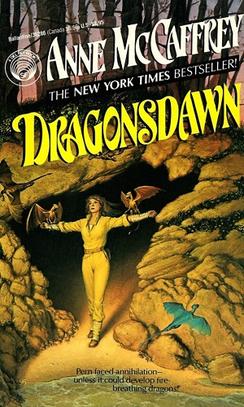 Science fiction features futuristic settings, science, and technology, along with space travel, time travel, faster-than-light travel, parallel universes, and extraterrestrial life.
- Hard Sci-fi is characterized by attention to detail in theoretical physics, chemistry, and astrophysics. Accurately depicting worlds that more advanced technology may make possible is critical.
- Soft Sci-fi leans toward the social sciences, exploring psychology, economics, political science, sociology, and anthropology.
- Other main sub-genres of Sci-fi include Space-operas, Cyberpunk, Time Travel, Steampunk, Alternate history, Military, Superhuman, Apocalyptic, and Post-Apocalyptic. Go to the internet and look up the typical tropes of these subgenres. Then write me an awesome Space Opera – my favorite sci-fi subgenre.
The main thing to remember is this: Science and Magic cannot coexist in the genre of science fiction. The minute you add magic to the story, you have Fantasy.
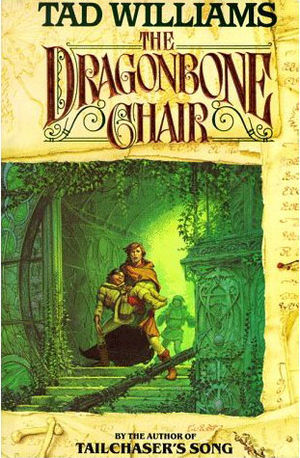 Fantasy is a fiction genre that commonly uses magic and other supernatural phenomena as a primary plot element, theme, or setting. The genre of Fantasy has its share of snobs when it comes to defining the sub-genres, the same way sci-fi and literary fiction do. The tropes are:
- High Fantasy is set in an alternative, fictional world rather than the real world. It often includes elves, fairies, dwarves, dragons, demons, magic or sorcery, wizards or magicians, invented languages, quests, and coming-of-age themes. Readers expect and demand multi-volume series. Often, the prose is more literary, and the primary plot is slowed by many side quests. Think William Morris and J.R.R. Tolkien.
- Epic Fantasy can be dark and serious but is always epic in scope. It usually explores the struggle against supernatural, evil forces. Epic fantasy shares some typical characteristics of high fantasy, and its readers also demand multi-volume narratives. Tad Williams’s Memory Sorrow and Thorn is a classic Epic Fantasy.
- Paranormal Fantasy often focuses on romantic love. It includes elements beyond scientific explanation. Think ghosts, vampires, and the supernatural.
- Urban Fantasy can be set in historical, modern, or futuristic periods, and the settings may include fictional elements. It must be primarily set in a city.
- Romantasy contains all the elements of a classic fantasy story. However, the developing relationship between the two main characters is as central to the story as the primary quest. It must have a happy ending for the protagonists.
 Every genre has a subgenre of horror. In Romance, the horror subgenre might be Gothic or Paranormal, but the focus must be on a developing romance. The roadblocks will not feature blood or gore, but terror and a perception of danger will be a feature the pair must overcome.
Romance—Novels of this type of genre fiction place their primary focus on the relationship and romantic love between two people and must have an emotionally satisfying and optimistic ending. The story will be character-driven, and the roadblocks must be believable but surmountable. There must be a happy ending for the couple, or it will not be received well by readers of Romance.
 I mention Classic (Literary) Fiction last because it is the most complicated and least understood genre of all. These works are considered difficult to read because the style of the prose uses a wide range of vocabulary and may be experimental. This requires the reader to go over certain passages more than once, which many readers dislike doing. However, these books can be satisfying as they present ideas that require the reader to think beyond their usual bounds. Stylistic writing, heavy use of allegory, and the deep exploration of themes and ideas are strongly represented in these novels.
Our final installment in this series will explore how to recognize and make use of the themes that emerge in our work. We will focus on the themes in our sample Romantasy, idea threads that will wind through the narrative, and subtly reinforce our characters’ stories.
Previous in this series:
Idea to story part 2: thinking out loud #writing | Life in the Realm of Fantasy
Idea to story part 3: plotting out loud #writing | Life in the Realm of Fantasy
Idea to story part 4 – the roles of side characters #writing | Life in the Realm of Fantasy
Idea to story part 5 – plotting treason #writing | Life in the Realm of Fantasy
Idea to story part 6 – Plotting the End #writing | Life in the Realm of Fantasy
Idea to story part 7 – Building the world #writing | Life in the Realm of Fantasy
Idea to story part 8 – world-building and society #writing | Life in the Realm of Fantasy
Idea to story part 9 – technology and world-building #writing | Life in the Realm of Fantasy
Idea to Story part 10 – science and magic as world-building #writing | Life in the Realm of Fantasy



 Life in the Realm of Fantasy