World Literature Today, March 2013 issue published bi-monthly at the University of Oklahoma
When you write a lot of different short stories, you really get to explore all aspects of your creative mind. You never know what will fall out of your head, so you find yourself writing in a wide variety of genres, things you never thought you would find interesting.
But they consume you and you can’t stop writing.
So now you have this wonderful backlog of short stories to enter in contests and submit to various publications–but now you find that this contest wants general fiction, and this one is fantasy. And this one is sci-fi only!
Dude–how do I know what tale to send to who?
If your work is nonfiction, it’s no problem, because your work is targeted to a magazine with a specific readership, so the sub-genre will be readily apparent and where you should submit it was likely clear the day you decided to write it.
Where this gets dicey is when you write short fiction with no specific contest or magazine in mind. When you sit down to write a short story with an open mind, random ideas flow and because you are working within the limits of 3000 to 7000 words, your stories are creative and stretch you. But they will be widely different from your normal work, and will not always be in a genre you can easily identify. You have all this work, but no idea where to submit it.
 Mainstream (general) fiction–Mainstream fiction is a general term publishers and booksellers use to describe works that may appeal to the broadest range of readers and have some likelihood of commercial success. Mainstream authors often blend genre fiction practices with techniques considered unique to literary fiction. It will be both plot- and character-driven, and may have a style of narrative that is not as lean as modern genre fiction, but is not too stylistic either. The prose of the novel will at times delve into a more literary vein than genre fiction, but the story will be driven by the events and action that force the characters to grow.
 Literary Fiction–Literary fiction tends to be more adventurous with the narrative, with the style of the prose taking a prominent place. Stylistic writing and the exploration of themes and ideas form the substance of the piece. Writer’s Relief Author’s Submission Service defines literary fiction as “…fiction of ideas. While the story must be good, emphasis on action is not often as important as emphasis on the ideas, themes, and concerns of the book. Literary fiction tackles “big” issues that are often controversial, difficult, and complex.” (end quoted text)
Science fiction–Wikipedia says: “Science Fiction is fiction dealing with imaginative content such as futuristic settings, futuristic science and technology, space travel, time travel, faster than light travel, parallel universes and extraterrestrial life.” BE WARNED: the internet is rife with purists and impurists in the sci-fi field, snobs and folks with their heads up their anachronisms. Anyway, if you use magic for any reason you are NOT writing any form of sci-fi.
 Hard Sci-fi is characterized by rigorous attention to accurate detail in the physics, chemistry, and astrophysics. Emphasis is placed on accurately depicting worlds that more advanced technology may make possible. Soft Sci-fi is characterized by works based on social sciences such as psychology, economics, political science,sociology, and anthropology.
Other main sub-genres of Sci-fi include: Space-operas, Cyberpunk, Time Travel, Steampunk, Alternate history, Military, Superhuman, Apocalyptic and Post-Apocalyptic.
The main thing to remember, is this–Science and Magic cannot coexist in the Genre of Science Fiction. The minute you add magic to the story, you have Fantasy.
Fantasy: Wikipedia says: “Fantasy is a genre of fiction that commonly uses magic and other supernatural phenomena as a primary plot element, theme, or setting. Many works within the genre take place in imaginary worlds where magic and magical creatures are common. Fantasy is generally distinguished from the genres of science fiction and horror by the expectation that it steers clear of scientific and macabre themes, respectively, though there is a great deal of overlap between the three, all of which are sub-genres of speculative fiction.”
I’ll be truthful–fantasy has its share of snobs and damnfools when it comes to defining the sub-genres:
 High fantasy–High fantasy is defined as fantasy fiction set in an alternative, fictional world, rather than the real, or “primary” world, with elves, fairies, dwarves, dragons, demons, magic or sorcery, wizards or magicians, constructed languages, quests, coming-of-age themes, and multi-volume narrative . Often the prose is more literary and the primary plot is slowed by many side quests. Think William Morris and J.R.R. Tolkien.
Epic Fantasy–These stories are often serious in tone and epic in scope, dealing with themes of grand struggle against supernatural, evil forces. Epic fantasy shares some typical characteristics of high fantasy includes fantastical elements such as elves, fairies, dwarves, dragons, demons, magic or sorcery, wizards or magicians, constructed languages, quests, coming-of-age themes, and multi-volume narratives. Tad Williams’s Memory Sorrow and Thorn is classic Epic Fantasy.
Paranormal Fantasy–Paranormal fantasy often focuses on romantic love and includes elements beyond the range of scientific explanation, blending together themes from all the speculative fiction genres. Think ghosts, vampires, and supernatural.
Urban Fantasy– can take place in historical, modern, or futuristic periods, and the settings may include fictional elements. The prerequisite is that they must be primarily set in a city.
 Horror–Wikipedia says “Horror fiction, horror literature and also horror fantasy are genres of literature, which are intended to, or have the capacity to frighten, scare, or startle their readers by inducing feelings of horror and terror. Literary historian J. A. Cuddon has defined the horror story as “a piece of fiction in prose of variable length… which shocks or even frightens the reader, or perhaps induces a feeling of repulsion or loathing.”
Romance– Novels of this type of genre fiction place their primary focus on the relationship and romantic love between two people, and must have an “emotionally satisfying and optimistic ending.”
Now that you know what the genre of your story is, you can seek out magazines and contest looking for that sort of work. Choose carefully who you submit your work to, carefully follow their submission guidelines, and only submit the work you have that best fits what they publish.
Never submit anything that is not your best work, and do not assume they will edit it, because they won’t. And let’s be real–no one will even consider publishing work that is poorly written, sloppily formatted, and generally unreadable.

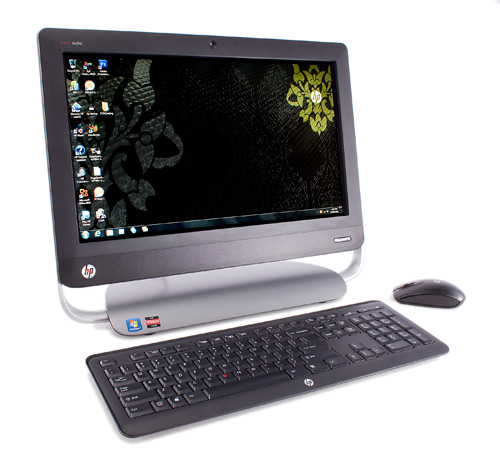 I got this machine in Jan 2012, and it just happened to come with the newer style of touchscreen. I have a HP Touchsmart 320 PC, but even though it was WIN 8 ready, I never went with WIN 8 because, for what I do, I prefer to use a mouse, and at that point (in 2012) I wasn’t sure that I liked the “swipe and go” method.





 Life in the Realm of Fantasy