Tag Archives: humor

flippin’ it

An elf markswoman from the Wesnoth fantasy setting, created by Kathrin "Kitty" Polikeit for the homepage of WTactics, the customizable card game project based on The Battle for Wesnoth via Wikimedia Commons

An elf markswoman from the Wesnoth fantasy setting, created by Kathrin “Kitty” Polikeit for the homepage of WTactics, the customizable card game project based on The Battle for Wesnoth via Wikimedia Commons

You know you’ve taken a dip into the realm of fantasy when you’re editing a manuscript and one of your comments in the sidebar reads:  ? maybe a word or two to signify it wasn’t a random customer? Does he mean the elf?  

For some reason when I found myself making that particular comment I laughed like a loon.

I  marvel at my  ‘fantasy life’.  I’m really talking about an elf, and the author whose book I am editing won’t think I’ve ‘flipped it’ again. She has ‘flipped it’ too.

Flippin’ it‘ is an occupational hazard for authors, judging from what I see on Facebook!

When I was young, in my twenties and thirties and even into my fifties, I thought sixty was old, and that I would probably be too decrepit to enjoy life once I devolved to such an old age. However, I’ve been pleasantly surprised to discover my childhood lasted through my forties, and now here I am, sixty years old and feeling like the queen of everything!

Young adulthood is a a time of living in limbo–you go to work, you get married and have kids. It’s your fertile years after all, and your biology insists you take advantage of it!Young Woman Sitting Looking at Laptop Screen In your twenties, thirties and even forties,  creativity is something you pursue only in your free time, feeling guilty for taking time away from your obligations and from your children. You enjoy life, yes and you do find ways to have a satisfying and creative existence, but it’s on hold, and something in the back of your mind asks, “Is this it? Is this all there is?” You feel guilty for even thinking such a heinous thought. How could a lovely family, a good job and all the trappings of modern life not be satisfying? Of course you’re going to write that book someday, but…Jackie has soccer, David has piano lessons,  and you’ve a briefcase full of work to do when dinner is done. That’s if they don’t need too much help with their homework. If you fall into bed by eleven you’re doing well!

These years are the foundation years, the years of your late childhood, preparing you for the real adulthood that only begins once you are free of those responsibilities.
220px-Sir_Galahad_(Watts)Life gets put on hold until that blessed day when the last child leaves the nest. On that day, your real life begins. Yes, you will still need to work, but your life has gained that one rare and beautiful commodity you never had before: free time. Time to spend doing what you want in the evening–time to paint, or time to write. Time to be selfish and no one to make you feel guilty.

Yeah, you’re glad to hear from the kids, that won’t change.  You love being with them and look forward to seeing them for family get-togethers and visits, but you don’t live only for them any more.

There will be separation anxiety. It surprises them that you don’t call every hour to check on them, but they will get used to it, and even learn to accept your independence.

Eventually they will stop fearing that your not calling every hour means you’ve fallen and can’t get up. Promise them that if that becomes a valid concern, you will get a life-alert and life will go on.

They’ll get used to you traveling on your own, and making decisions for yourself. One day they will experience this part of life for themselves. They will realize they can count on you to be there when they need you, and accept that when the crisis is over, you will load your suitcase into the car and let them get on with living the first half of their lives.

You discover that you have a meaning and a purpose in your life that goes far beyond parenthood and biological imperatives, even if it’s a purpose only you and a few friends in your writing group understand.

The first half of my life I spent working three jobs and raising kids, writing only when I could, and too embarrassed to show it to anyone. Now, here I am embarking on the second half of my life, the part where my life really begins and I not only have a career that absorbs me, I get to read all I want! 

Of course I’ve ‘flipped it’. I love the freedom of writing fantasy, and the pleasure of being involved in editing awesome books by amazing authors. It doesn’t get any better than that!


4 Comments

Filed under Adventure, Battles, Fantasy, Food, Humor, Literature, Uncategorized, writer, writing

Grandma’s Ferrari and Style

chicago manual of styleOh golly gee–it’s that time of year again. What do I use,  “that” or “which?”   And what the heck are those rules again? Good grief…where did I put that bookmark for the online Chicago Manual of Style….

What? Doesn’t everyone have a bookmark in their list of favorites so they can immediately access a FREE style manual when questions of  style arise? Good lord people–we aren’t talking shoes and handbags here! We’re talking RULES! Specifically, the rules fer writin’ and ropin’ in them thar clauses!

And always remember–for the indie author, free is good. If you don’t have the funds to buy Strunk and White’s Elements of Style, for the love of Dickens, use the internet, Tiny Tim!

Personally, I use both manuals.

The traditional approach to the question of “that versus which” is to use “that” with restrictive clauses and “which” with nonrestrictive clauses. While some writers seem to have abandoned the distinction entirely, no better rule has come along to replace the traditional rule. Moreover, the rule is easy to master.

But what, you ask, is a stinking restrictive clause and why do you need one?

799px-Handcuffs01_2003-06-021.   A restrictive clause is one that limits — or restricts –the identity of the subject in some way. When writing a restrictive clause, introduce it with the word “that” and no comma. (However, if the subject is or was a human being, use “who” to introduce the clause.) This is where “that” goes:

Correct Restrictive Use:

The photograph that was hanging in the hotel lobby was stolen.

The use of “that” in this sentence is correct if the reader intends to single out the one photograph that was in the hotel lobby as the stolen photograph. However, if there were several photographs hanging in the lobby, this use would be incorrect, since it would mislead the reader into believing that there had been only one photograph in the hotel lobby. The restriction here tells us that the one photograph that had been hanging in the hotel lobby was stolen — not the photograph in the cocktail lounge, or the one in the guest library, or any of those in the restaurant.

MH9004387282.  Use “which” with nonrestrictive clauses. A nonrestrictive clause may tell us something interesting or incidental about a subject, but it does not define that subject. When writing a nonrestrictive clause, introduce it with “which” and insert commas around the clause. (However, if the subject is or was a human being, use “who” to introduce the clause and insert commas around the clause.)

According to Wikipedia, the Fount of all Knowledge: non-restrictive clause is a clause in which a noun phrase that is used to avoid repetition (as the referent of an anaphor, meaning that it is substituted by another word but refers to the same noun) is determined by its antecedent where the dependent is peripheral (non-essential) in the secondary constituent, as opposed to a restrictive clause, where the dependent is central (essential) to its primary constituent. A non-restrictive clause does not identify the referent of its noun, but only provides information about it.

220px-Metropolitan_police_BMW_3_seriesRestrictive example:

The officer helped the civilians who had been shot.

or

The officer helped those civilians who had been shot.

In this example, there is no comma before “who”. Therefore, what follows is a restrictive clause (not all of the civilians had been shot).

Non-restrictive example:

The officer helped the civilians, who had been shot.

Here, there is a comma before “who”. Therefore, what follows is a non-restrictive clause. It changes the sentence to mean that all the civilians had been shot.[1]

Correct Nonrestrictive Use:

The photograph, which was hanging in the hotel lobby, was stolen.

Explanation: While this nonrestrictive use tells us that the photograph was hanging in the hotel lobby, it does not tell us which of the several photographs in the hotel lobby was the stolen photograph. It would be incorrect to use this nonrestrictive clause if there had been only one photograph in the hotel lobby, as the sentence leaves open the possibility that there were others.

  1. Combining Restrictive and Nonrestrictive Clauses. One can provide both limiting and nonlimiting information about a subject in a single sentence. Consider the following.

Correct Use of Both Restrictive and Nonrestrictive Clauses:

220px-Looking_across_lake_toward_mountains,_-Evening,_McDonald_Lake,_Glacier_National_Park,-_Montana.,_1933_-_1942_-_Ansel AdamsThe Ansel Adams photograph that was hanging in the hotel lobby, which was purchased in 1969 for $100,000, was stolen.

The restrictive clause beginning with “that” tells us that only one Ansel Adams photograph was hanging in the hotel lobby and that it was stolen. The nonrestrictive clause beginning with “which” tells us what the owner had paid for the photograph, but it does not tell us that the owner did not pay another $100,000 for another photograph in the same year. It does not limit the possibilities to the Ansel Adams photograph that was in the lobby.

Restrictive and Nonrestrictive Clauses beginning with “Who.” When writing about human beings, we use “who” rather than “that” or “which” to introduce a clause telling us something about that human being. Since “who” is the only option, we distinguish between a restrictive use and a nonrestrictive use by the use of commas.


Ferrari_AssetResizeImageOld Mrs. Jasperson, who drives a Ferrari, is going through her second childhood.

Yes, I am a dreamer. Indies are lucky to be able to afford bus passes.

Anyway, that “who clause” is nonrestrictive because the information in the clause doesn’t restrict or limit the noun it modifies (Old Mrs. Jasperson.) The commas signify that the adjective clause provides added, but not essential, information. Use a pair of commas to set off words, phrases, or clauses that interrupt a sentence, as in these quotes:

Rudyard Kipling said, “Words are, of course, the most powerful drug used by mankind.”

Anthony Burgess said, “Literature is all, or mostly, about sex.”

But don’t use commas to set off words that directly affect the fundamental meaning of the sentence:

Samuel Johnson said, “Your manuscript is both good and original. But the part that is good is not original, and the part that is original is not good.”

400px-CH_cow_2See? I do understand the principles, and when it comes to theory, I can talk clauses and quarks ’til the cows come home.

But truthfully folks, when I am in the zone, I just bash out the words and trust that my editors will not only rein me in when  I get too free with my commas, they will weed out all the extraneous “thats” and “whiches” that creep into every author’s raw manuscript.

Comments Off on Grandma’s Ferrari and Style

Filed under Adventure, Battles, Books, Fantasy, Food, Humor, Literature, Uncategorized, Vegan, writer, writing

Alien Abduction or How I Spent my Summer Vacation

©Anthony May Photography, courtesy of seattle pi

©Anthony May Photography, courtesy of seattle pi

The days are shorter, but still warm and oh, so humid. The dry days of August have waved goodbye, and the monsoons of the Pacific Northwest fall have once again made their presence felt…three weeks ahead of schedule. Lightning flashes across the sky and thunder rolls, shaking the house and waking the occupants, who turn in their bed and hug each other for comfort.

The mornings are dark, and the kitchen feels warm and safe. The coffeemaker gurgles to a finish and I feel a sense of sadness, once again feeling as if I somehow missed the summer this year.

My husband walks quickly out to the old Forester and leaps in as nimbly as any strong old man might, dodging the wind and rain. He drives away through the dark, in the pouring rain.  I, faced with the dark house and a mountain of work in my office,  feel somehow abandoned by the gods of weather.

how-to-play-gin-rummy-1Where were the card games at my sister’s house that normally make the summers so much fun? How did the entire summer go by without even one game of San Felipe Rummy?

We didn’t have many dinners on the back porch. I don’t recall sitting in the pool more than once.

I don’t recall having my morning coffee on the back porch and that is something I look forward to all winter.

Was I abducted by aliens? Thinking logically, I must doubt that theory. My blog posts and work calendar all indicate I was here, apparently doing what I was supposed to be doing, but I don’t recall enjoying the rare bursts of sunshine that turn the summer skies a magical shade of blue here in Olympia.

clouds ms clipartI was here, because I definitely published a novella, Tales From the Dreamtime, a collection of three short stories, and I think it’s my best work yet. I’ve made a great deal of headway on various editing projects for private clients, and I have made headway on my own work. I wrote two posts a week for this blog, some of which I think are rather good posts.  I read at least two books a week all summer, and blogged about them on Best In Fantasy.  All these are proof I was here, but how did I miss the summer?

Both my mind and my Google Calendar say I was not abducted.

Nevertheless, I believe at least my mind was taken elsewhere, because summer has come and gone, and I have no recollection of it.

The rain pounds on the roof, and rattles the gutters. It flattens the grass and the flowers,  and thunder rolls down our little valley. The rain is our identity, and our curse: the one thing we can count on.

A patch of blue becomes a jewel, a treasure in the eye of the beholder.

6 Comments

Filed under Adventure, Books, Fantasy, Food, Humor, Literature, Uncategorized, Vegan, writing

Ah–sweet mysteries of life….

The Joy of Childhood  © Leah Reindl 2012

The Joy of Childhood
© Leah Reindl 2012

I’ve been babysitting The Boy this week.  This child has mad skills at keeping Grandma hopping.  We have played endless hours of hide-and-seek, we have watched “The Boy Who Cried Werewolf” five times, and we have scootered around the house until Grandma is dizzy.

Well, let’s be honest–Grandma was a bit dizzy when she got here, but you know what I mean.

And talk about fine cuisine–we walked down to the Java Haus for a pink cookie! The pink cookie was awesome, although Grandma makes the best ramen.

Yum!

Writing has been problematic, but you can’t have everything.

000510Being vegan sometimes conflicts with dining options, when I am not home.  A fully loaded pizza with three different meats and extra cheese is not really vegan. Sorry, son-in-law.

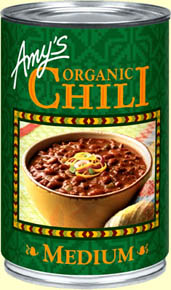
Yeah, I know it’s not a steak, but truthfully pizza is not a vegetable. Thanks for the thought anyway, dear. No worries, I have this lovely toast, made from Dave’s Killer Bread to go with my Amy’s Vegan Chili. Yay for portable processed food that not only tastes good, it’s good for you!

The wise vegan brings her own meals.

So now we are at the end of summer. School is about to begin and NaNoWriMo is just around the corner. I am not yet ready for NaNo, but I have my backup plan in place. I will get my 50,000 words, as always. I know what I have to do when my brain grinds to a halt and medieval warfare no longer rings my bells.

young frankensteinI Frankenstein it.

Yep! Some years at the end of November I have three different stories going in one manuscript. When I run out of ideas on one, I start another.  When it comes to getting your 50,000 words you have to do whatever you can. I stitch them together, using  a different colored font for each.

Using different colored fonts makes it easy at the end of NaNoWriMo to unzip the manuscript. Then when you are at a standstill on one work in progress you can easily move on to another.

Sigh.

The Boy starts first grade in only five days. I can’t believe summer is almost over.  It  feels like it only just began!

2 Comments

Filed under Battles, Books, Fantasy, Food, Literature, Vegan, writer, writing

Madcap Moments of Literary Mayhem

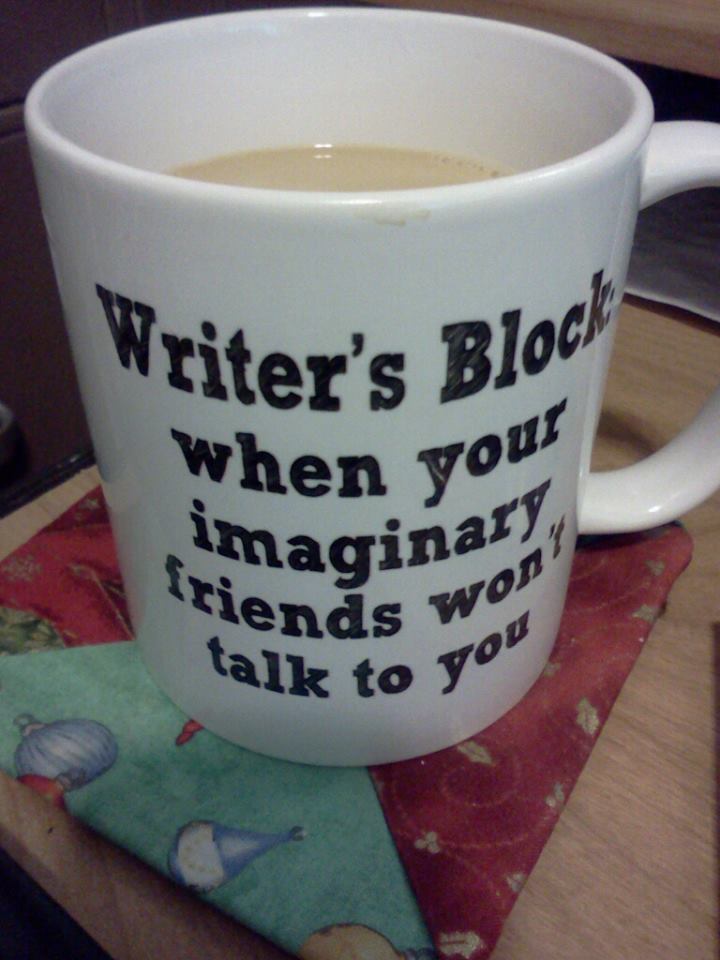
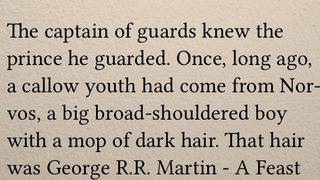
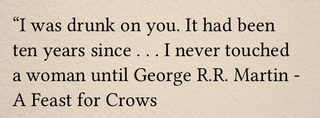
My Coffee Cup © cjjasp 2013This weekend I saw a hilarious post on Facebook, one pointing to an article at NYDaily.com that details the fatal-flaws in the eBook version of George R.R. Martin’s  book,  A Feast for Crows.

Now, I just want to say at the outset, the only book of his I’ve read was the book, A Game of Thrones. But that was a long time ago, when it first came out as a Science Fiction Book Club book of the month. I was not really that impressed with it. I found the book distinctly hard to follow, and nearly quit reading it several times.

But just because I don’t find his work to my taste does not mean I consider him to be a hack! On the contrary, Mr. Martin deserves every one of his many awards and good for him! This is a rough business, and I love it when people succeed as authors. There are many fine, popular authors out there whose books don’t ring my bells. My own work is certainly not to everyone’s taste, although I am sure it should be. (Insert Shameless Plug Here: buy my books, please.) (The buy-links are to the right, clearly labeled.) (Just sayin’.)

Needless to say, Mr. Martin’s publisher is one of the Big Boys (Bantam Books) and one would think  SOMEONE would have caught these wonderful bloopers.  The  author put his faith in the publisher, and the publisher let him down.

George R.R.Martin formatting issue 3 via book blog page views, margaret eby

***

George R.R.Martin formatting issue 1 via book blog page views, margaret eby

There is the remote possibility these moments of literary mayhem could have been caused by a last-minute global change to the manuscript. If so, it is a good example of why we should never click “Replace All” when we discover a particular word we need to change. Instead we should take the time to see each appearance of the word, and determine whether or not to make that change individually.

But in this case, I don’t think that is the problem. There doesn’t seem to be any pattern to the words the blooper replaces.  I think it is an OCR error (see number 5 below.)

George R.R.Martin bormatting issue 2 via book blog page views, margaret eby

***

George R.R.Martin bormatting issue 4 via book blog page views, margaret eby

What these images of the book from the NY Daily tell me is that formatting issues are common and are a hurdle the indie must overcome. If the big boys have problems with this, then formatting is a real skill set that we must develop, because we all compete on the same field, only we indies have fewer advantages.

There are a few simple ways we can avoid some of the more common issues:

1. Do not put extra empty spaces between your paragraphs. If it is a section break, make sure to put something there to indicate it:  ***  centered in the empty space will do the task of indicating the section break, and will not look ugly.

2. Make sure your page breaks are “hard” i.e. NOT made by repeatedly hitting the “enter” key. You must limit those empty spaces to less than three, preferably only one. Go to the ribbon at the top of your WORD page and use the “Insert” tab. With the cursor next to your chapter heading, click on “Insert Page Break”.

3. Do Not Use Drop Caps to begin your first paragraph, no matter how pretty they look in the print edition. They screw the heck out of eBook formatting, causing all the paragraph indents to go away, making the book nothing but a WALL of words.

4. Stick to standard serif fonts like Times New Roman, and make it a decent size, like 11 pt. Use NOTHING larger than 16 pt. and use that only for chapter headings.

5. Random inexplicable letter changes can be caused by Optical Character Recognition (OCR) errors when the uploader for Kindle or Smashwords converts the manuscript to PDF format. Converting it to PDF yourself first does not help, because the errors are hidden in the PDF. Thus you may find  all the “p”s converted to ‘bl’s. (people becomes bleople.)  I am not very knowledgeable about the WHY of this, but I have learned how to avoid it:

I always save my eBook ms in Rich Text Format (.rtf) and I NEVER upload a manuscript to eBook  format that contains headers or footers. Remove the headers and footer BEFORE you upload to Kindle, Nook or Smashwords. I think this is what happened to A Feast of Crows. Headers and footers use OCR elements and this confuses the uploader program. My theory is: someone at Bantam forgot to remove the header before it was uploaded. But I could be wrong– this whole formatting thing is magic after all, and magic is an iffy science at best.

6. Comb your eBook ms for extra spaces at the end of paragraphs and remove them. I’ve been told this will eliminate the random “Words     Spread     Across     The    Page”  problem.

7. DO NOT USE THE TAB key to indent your paragraphs!!!  DON’T DO IT!  Go to the ribbon at the top of the page and use the paragraph formatting option. Set the indent to 3 or 5 pt.  But 3 is the optimal for me as a frequent eBook reader.

The bottom line is this:  the indie must spend many long hours combing the ms for the random extra spaces, removing all the possible error producing elements before we upload it. THEN you must use the option Kindle and Nook both provide and spend more time seeing what the book actually looks like BEFORE you hit the publish button.

Unlike George R.R. Martin, you won’t be able to blame the big-name publisher if your book looks like the dog’s dinner when your friends buy their downloads. This is our curse. We indies only have ourselves to blame for our less than perfect efforts.

3 Comments

Filed under Adventure, Books, Fantasy, Literature, Uncategorized, Vegan, writer, writing

What I’ve learned from Tad Williams and Neil Gaiman

Over the course of my vacation I read two books, besides working on my own. I love to read the works of other authors, immersing myself in the way they handle plot twists and show the mood of a tale.  Oddly enough, both tales are told from the first person point of view, something I usually don’t gravitate to.

the dirty streets of heaven, Tad WilliamsFirst up, I read Tad Williams’s  irreverent thriller, The Dirty Streets of Heaven, Book I of Bobby Dollar.  That was fun, a real trip down the sometimes mean streets of the afterlife.

Tad Williams’s style of writing in the Bobby Dollar series is a non-traditional take on the traditional in-your-face, hard-boiled detective novel. Bobby is an angel, but even angels have their problems.

With the first sentence on page one, Williams establishes the mood of the piece and the society Bobby Dollar lives in, and he remains true to that concept throughout the entire tale.

“I was just stepping out of the elevator on the 43rd floor of the Five Page Mill building when the alarms began going off–those nightmarish, clear the building kind like the screams of tortured robots–and I realized I’d pretty much lost any chance at the subtle approach.”

Tad Williams’s work encompasses an incredibly wide range of styles, from fairy tales, to epic fantasy, to this hard-boiled detective story with his own paranormal twist.  At no point in the manuscript does the author forget where he is, or whose point of view the tale is told from. He never loses control of the many threads interwoven into this plot. The atmosphere is dark and seedy, and the demons Bobby Dollar deals with are some of the nicest people he knows.  Every sentence, every paragraph remains true to the mood established in that first sentence.

The ocean at the end of the lane Neil GaimonThe second book I read this last week was a completely different kind of tale, but it too was told in the first person.  Neil Gaiman’s The Ocean at the End of the Lane.

Neil Gaiman’s prose is astonishingly beautiful. It is told in the style of an old-fashioned fairy-tale, and the protagonist is never named. Ordinarily, the fact the protagonist is never named would have irritated the heck out of me, but the tale captivated me at the first line and held me enthralled to the final page. This is a stunning, harsh tale, frightening and yet comforting in a strange way.

“It was only a duck pond, out back of the farm. It wasn’t very big.

Lettie Hempsteck said it was an ocean, but I knew that was silly. She said they’d come here across the ocean from the old country.”

I didn’t buy this book for the blurb or the cover– the blurb is nonexistent, and the cover is merely okay–I bought it for the title, and for Neil Gaiman.  I knew without a doubt his prose  would more than make up for the cover and I was not wrong. The protagonist is a man of late middle age on his way to the funeral for a loved one. He stops at his childhood home, and also visits the neighbor. While there he is transported in his memories back to a terrible time in his life.  There is magic, and there is mystery here, and he tells this tale from the point of view of a seven-year-old child viewing adult situations he has only a dim grasp of. The mood is dark, and yet magic.

MH900442497We indies must continually strive to produce this kind of variety and excellence in our own work.

Sometimes we are writing in a desert, a place where the words won’t come. We feel that our work is dry and uninspiring.

But I guarantee the most famous and well-loved authors have suffered the same dry-spells, suffered the same feelings of miserable failure we aspiring indies feel.

When I read their beautiful, harsh and diverse work I am inspired to believe I can do this crazy thing. I remind myself that, for me, it’s not about numbers and sales, because it can’t be. My sales are sort of dismal at best, as I don’t really push them through the traditional indie route of obsessively nagging people to death on Facebook and other social media. For me it has to be about improving the quality of my work and the telling of the tales I have locked in my brain, and getting them out there in book form to the best of my ability.

Reading and understanding how the great authors write is one of the keys to unlocking our own potential. We indies have to use every tool we have available in this rough business, and we have to know what we want to achieve. I want to achieve great sales, of course. But more than that I want to write compelling tales that move my readers. I may never achieve the first, but I think I can do the second.

Comments Off on What I’ve learned from Tad Williams and Neil Gaiman

Filed under Books, Fantasy, Humor, Literature, Vegan, writer, writing

The art of procrastination

MH900341616I have mad skills at the fine art of procrastination.  I can conjure the most amazing reasons to avoid doing tasks that would be so much simpler if I just got off my *** and did them.

I was gone all week last week, and still my house is  trashed. A mountain of dirty laundry lurks in the hall by the washer. Every inch of counter-top in the kitchen has some item (non-perishable)  of food waiting to be put away.  Sand from the beach made the journey home in our clothes and now the carpet needs a good vacuuming and perhaps a shampooing, but that’s another story.

We got home late Saturday night, and we did manage to unload the car.

That was about it. Oh yeah, the food that had to be refrigerated got put away, but the rest of it? Not so much.

MH900383000Everything sits where it was dropped, and gradually the detritus of our holiday is finding its way to the proper place.

And I don’t really find myself too bothered by the chaos. That is odd, for me.

Recovering from being sick for most of the summer and not being allowed to lift more than 10 lbs has put a bit of a damper on the cleaning frenzy I usually indulged in following our past years’ vacations.

I sit and write, and then get up and do a bit of putting away, then I sit and write again.  While in Cannon Beach I made serious headway on one of the new sections of Lackland’s tale, and yesterday, instead of cleaning house, I finished it.

Sort of.

Now I just have to flesh-out the chapter I just finished, and then there are two chapters left to write. The problem is, I know what I have to write for those chapters, because I’ve outlined them, and they are really good, action-packed chapters. It will be simple, and for me, it’s a tale that practically writes itself.

MH900399384But I can’t make myself do it.

Some will die.

I will be letting go of people I love, saying goodbye forever.

I will do many crazy things to avoid that, even if it means I actually finally clean my house.

In fact, I probably should make hummus.  Clean the kitchen, do the laundry and make hummus…avoid the whole end of the book problem….

2 Comments

Filed under Adventure, Battles, Fantasy, Humor, Literature, Vegan, writing

Stormy Weather

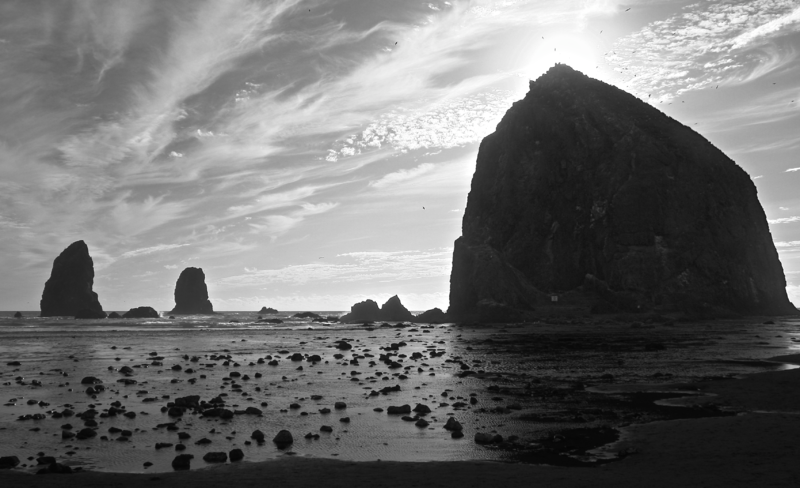
Amaranthus and Savvy at the needles by haystack rock cannon beach Haystack Rock Cannon Beach ©cjjasp 2012

Amaranthus and Savvy at the needles by haystack rock cannon beach Haystack Rock Cannon Beach ©cjjasp 2012

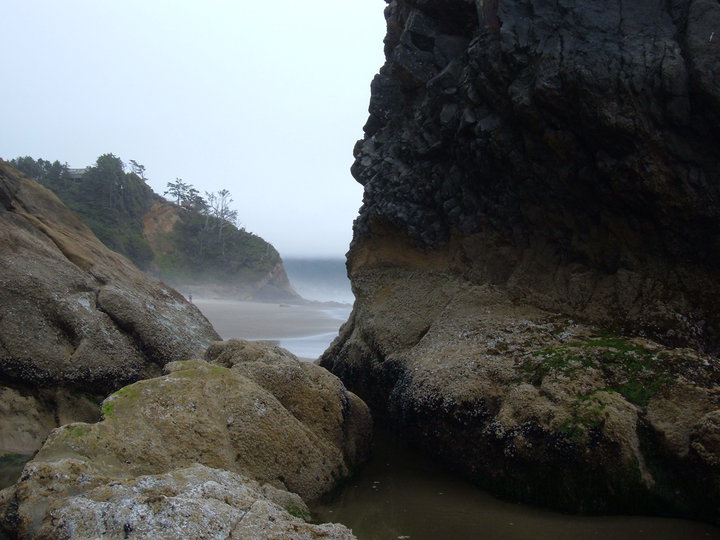
We are on holiday in Oregon, at a little town called Cannon Beach. This is a wonderful place, famous for the rock formations and caves, and the scenery was featured in the film, The Goonies.

Even in August, the northeastern Pacific Ocean on the Oregon Coast is cold and frequently cloudy and rainy. But when the sun shines, it is amazing.

Watching the storms roll in from the safety of the porch of the condo is nothing less than awesome. The beach is uncrowded, and Amaranthus and Savvy can play to their heart’s content, running wild the way cousins have always done since time began.

Amaranthus digs bunkers, and wades waist deep in Ecola Creek where it runs into the ocean. He rides his skim-board along the edge of the ocean like a pro, using his skate-boarding skills to the max. When he steps onto the porch, he is chilled to the bone, and his 6 foot tall, 14 year-old frame is shivering. His lips are blue from the cold, and he doesn’t even have to be told to take a shower–he’s a man now. He knows what to do.

Leah and Christy Cannon Beach 2012 © cjjasp 2012

Leah and Christy Cannon Beach 2012 © cjjasp 2012

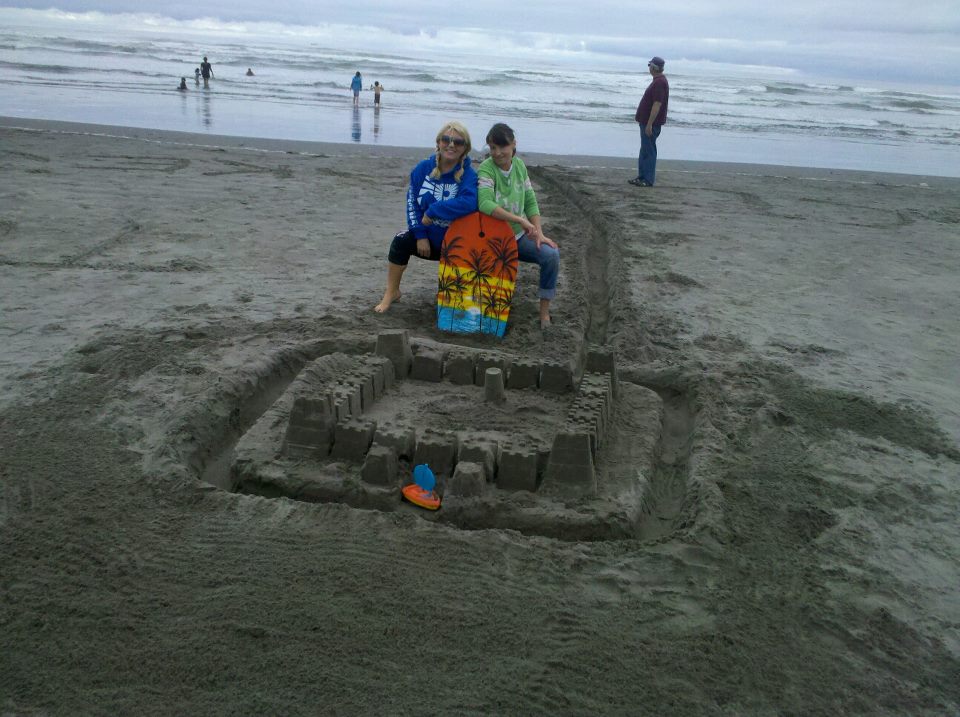
Savvy is bright-eyed and deeply interested in creating marvelous sculptures of sand, just like her mother, my daughter Christy and her Aunty Leah. All our children were keen sandcastle engineers! The girl also rides her skim-board and stays out until she is blue from the cold.

It’s a family tradition.

Savannah is 11 and she’s a girl, so she also doesn’t have to be told to warm up. She wants only to sit in the Jacuzzi when she finally has to abandon her sand castles.

Sandcastle Sam 2010

Sandcastle Sam 2010

Nephew Samuel is 16, and is fixated on riding his bike the length of the beach, from Rockaway Point to Ecola Creek as many times as he can fit into the vacation. He is also a sand castle excavator, bringing spades, a pick-axe and many other large implements for proper excavation. No matter how cold, blue and near death from hypothermia Sam is, he won’t take any advice on how to get warmed up, preferring to sit in a corner looking like death-warmed-over. Did I mention Sam is 16?

Rockaway Beach © cjjasp 2013

Rockaway Beach © cjjasp 2013

This year I’m here resting up, recovering from my surgery, and writing intense scenes for the revised version of Julian Lackland’s story. This is the perfect environment for me, and with everyone else checking out the caves on Rockaway Beach and trudging down to Haystack Rock, I have the perfect combination of peace, quiet and beautiful scenery to motivate me. Throughout the rest of the year I live for this week of writer’s paradise.

Local legend says Ursula K. Le Guin spends time writing here in Cannon Beach, which seems right since she lives in Portland, 1 hour and 45 minutes away. I know that this place inspires me more than any other place we go.

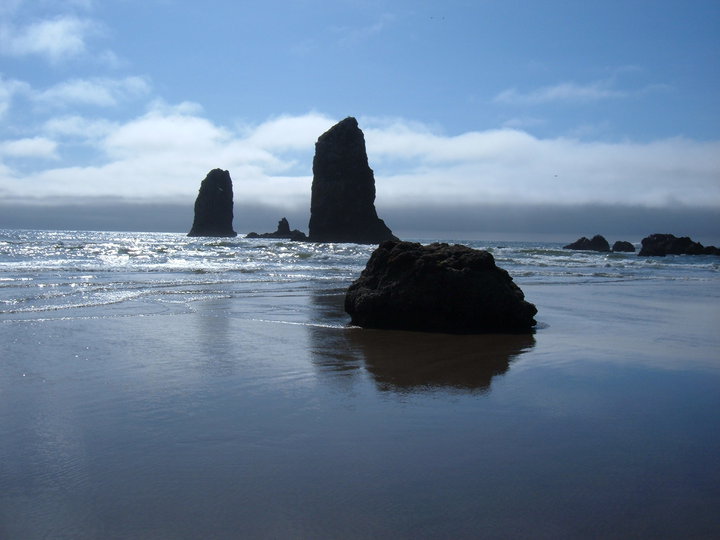
The Needles at Cannon Beach ©cjjasp 2013

The Needles at Cannon Beach ©cjjasp 2013

The weather is frequently awful, but we know it, and we plan for it. But there will be two days of glorious skies of a blue impossible to adequately describe.

The moods of the Pacific Ocean are anything but peaceful. It is a wild, beautiful thing, that is never the same two days running.  The waves crashing against the sea stacks and  the cries of the sea birds combine with the wind to clear my mind, and at last I am free to just write.

Haystack_rock_monochrome

7 Comments

Filed under Adventure, Books, Fantasy, Literature, Uncategorized, Vegan, writer, writing

It’s smart and clickable!

MH900314342As you know I have been working on the nuts-and-bolts end of the indie publishing business for a while now, but not really long in terms of my career. I only dove into this in 2011, and in the last two years of sometimes floundering I’ve picked up a few useful tricks.  One of the most useful in terms of a finished manuscript is how to create a table of contents for your eBook that is “clickable”, a Smart TOC.

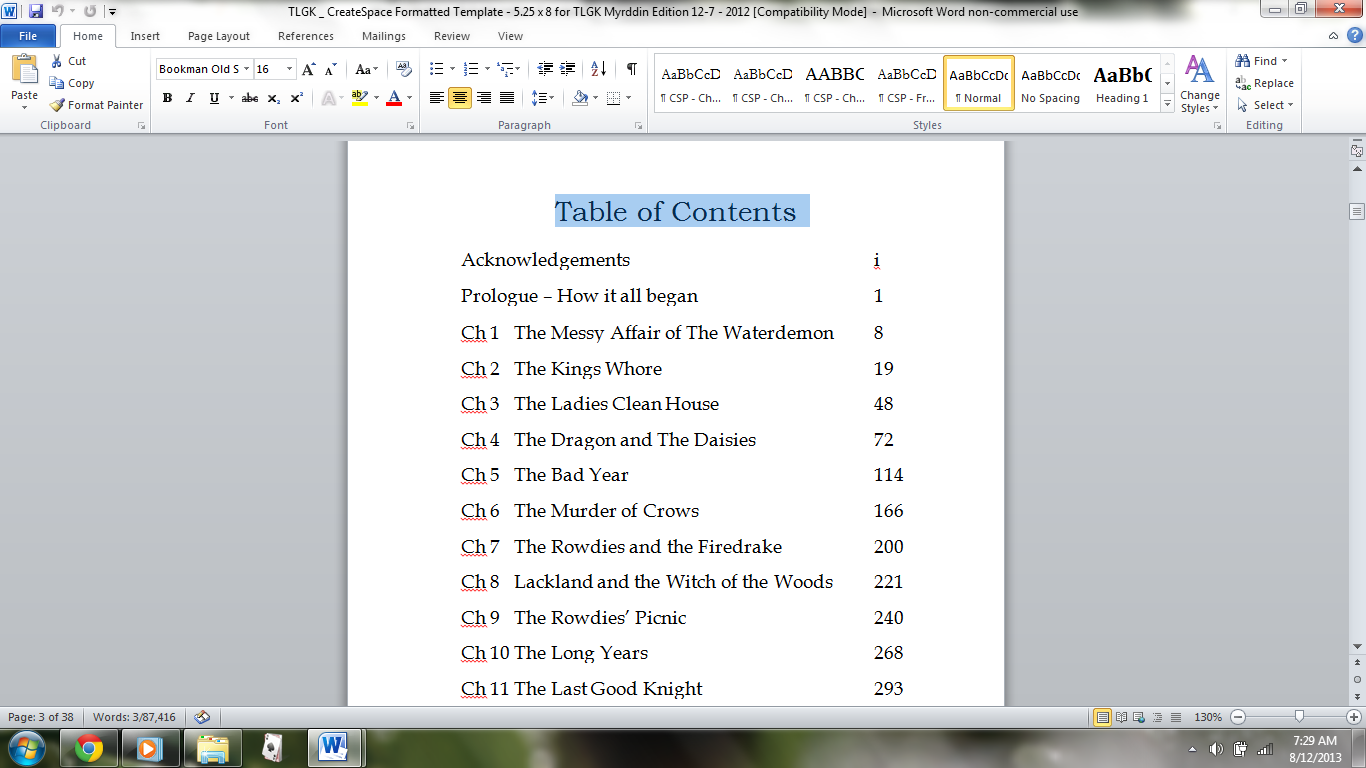
When I read an e-book I really like it when I can easily navigate within the ms by using the hyperlinks embedded in the table of contents. This is a “Smart TOC” and is very easy to create when you are formatting your ms for publication.

First make your table of contents. The one I am using for this is an old file for the original version of Billy’s Revenge, so ignore the page numbers. I didn’t know that page numbers are like prisoners—they just weigh you down! 

Your print manuscript will most likely not have a TOC as most novels don’t waste precious pages on such things. Technical manuals and textbooks must include a TOC, but every page you can do without when publishing your novel in paper form will keep the final cost down and make your paperback more affordable for your prospective reader. Very few people will pay $18.99 for a book by an unknown author.

prnt scrn SMART TOC 1

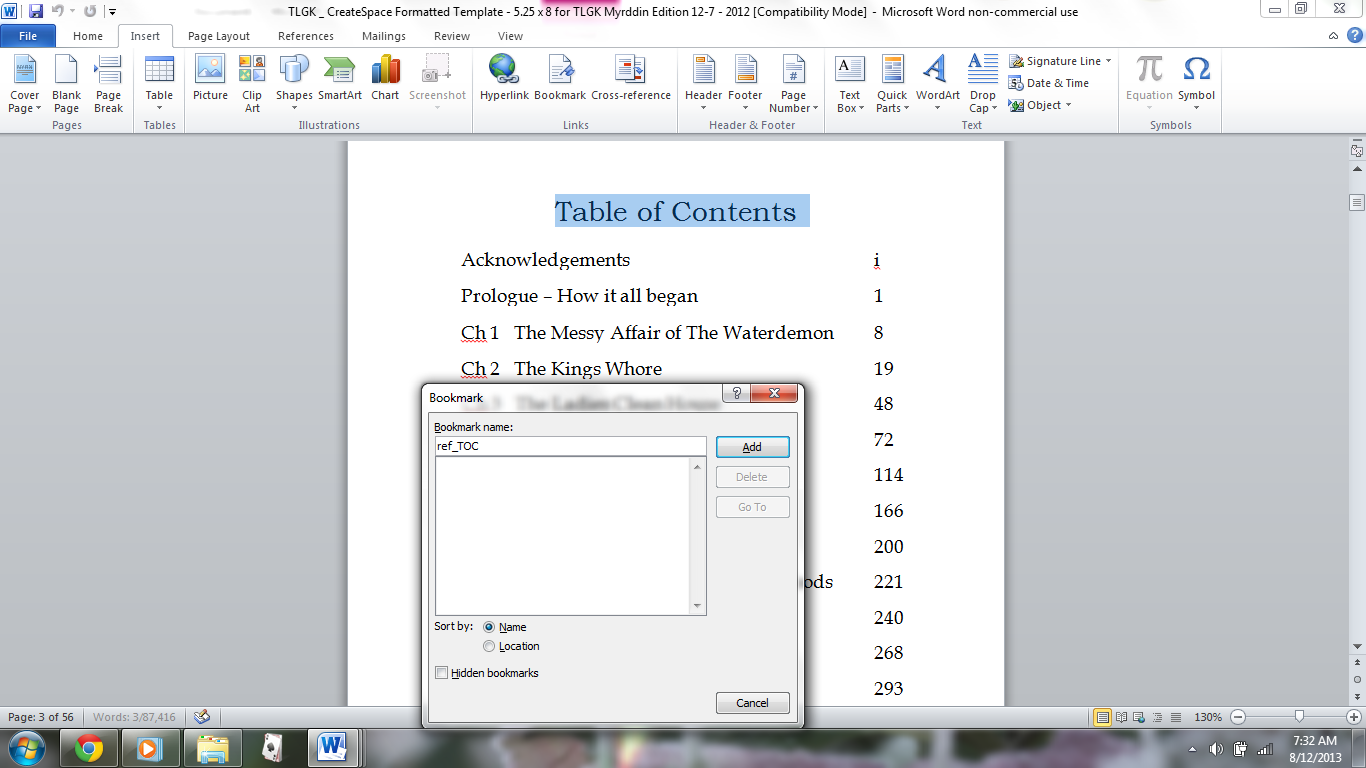
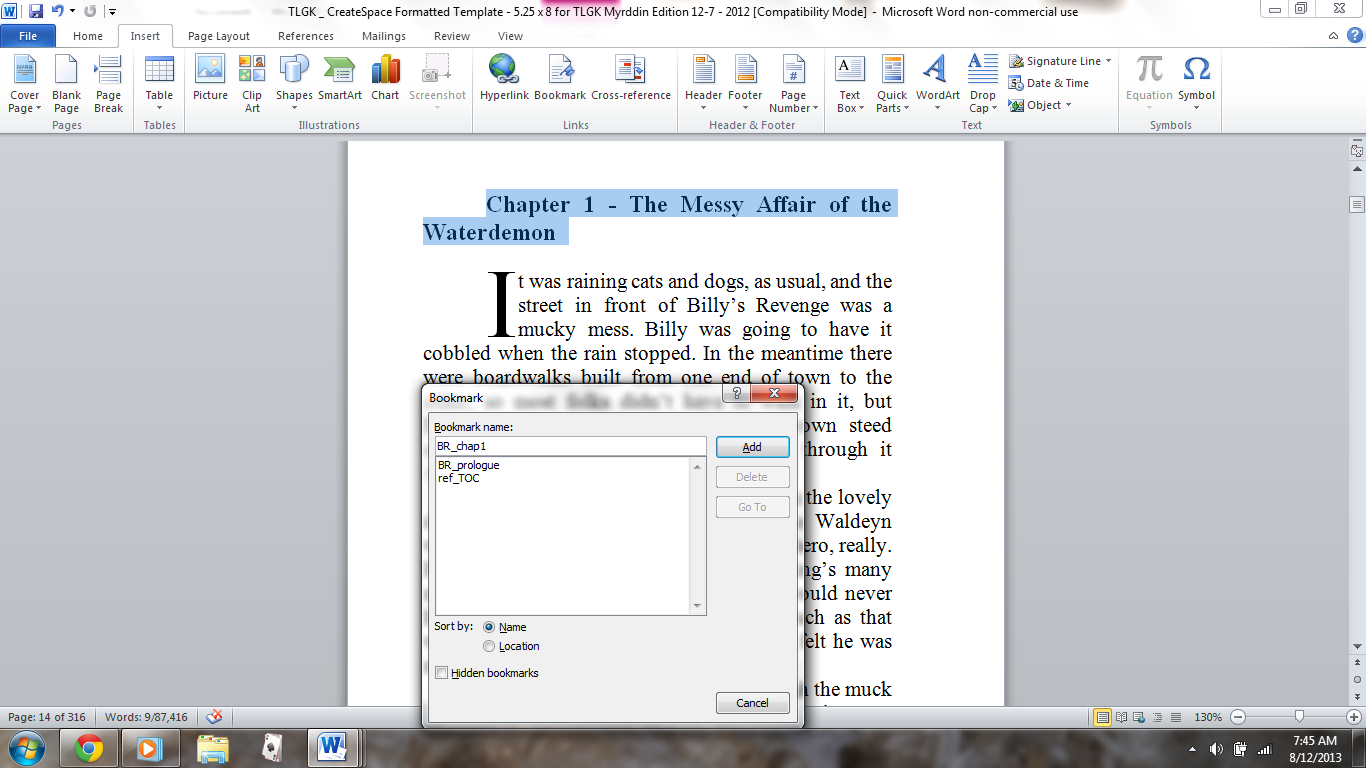
The first thing you want to do is create a bookmark.  First highlight the words  “Table of Contents” and then go to your ‘Insert’ tab.  Click on ‘Bookmark’ in that ribbon. Type in the words ref_TOC

Then click “Add”.  In every ms it is important to name the Table of Contents bookmark exactly that, including the underscore, because that’s what Smashwords looks for and it is simply a good practice to have a uniform system for naming files.  See the next picture for how it will look and ignore the page numbers:

prnt scrn SMART TOC 2

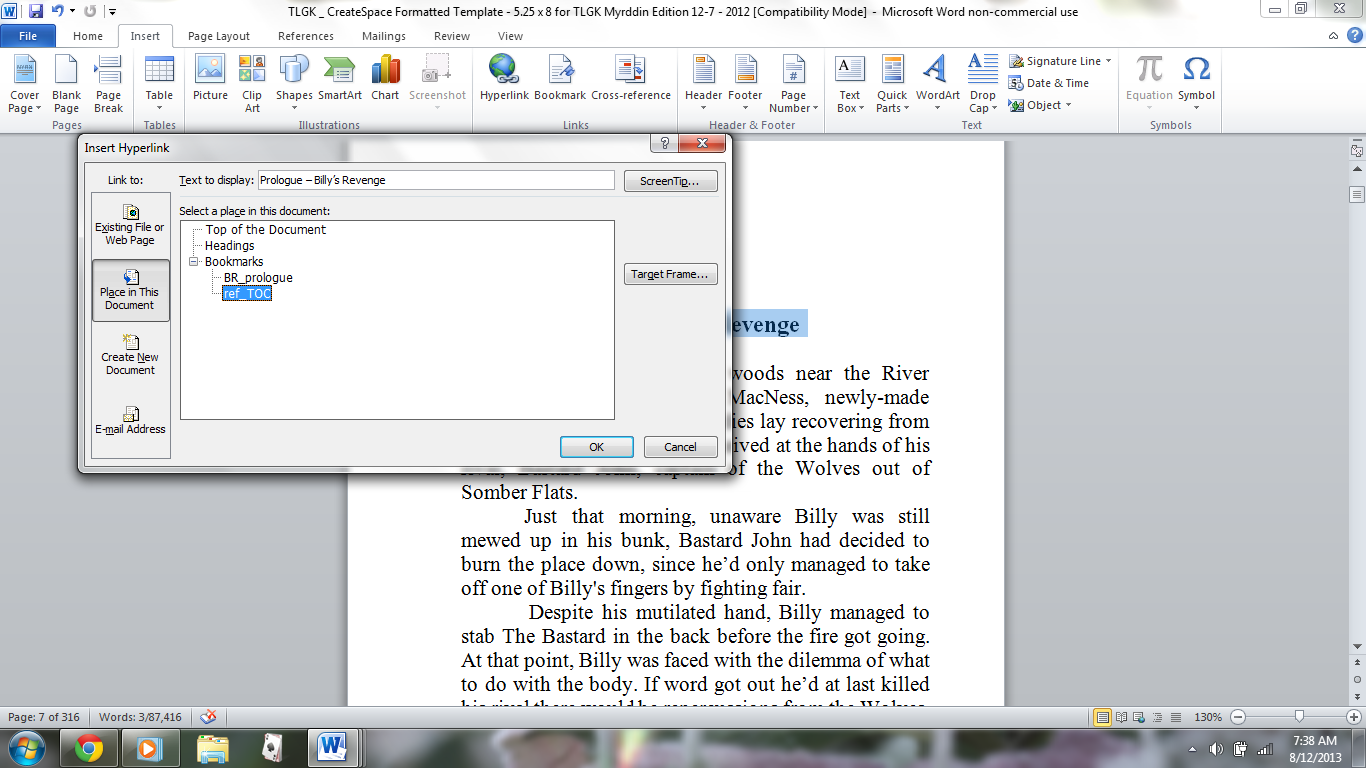
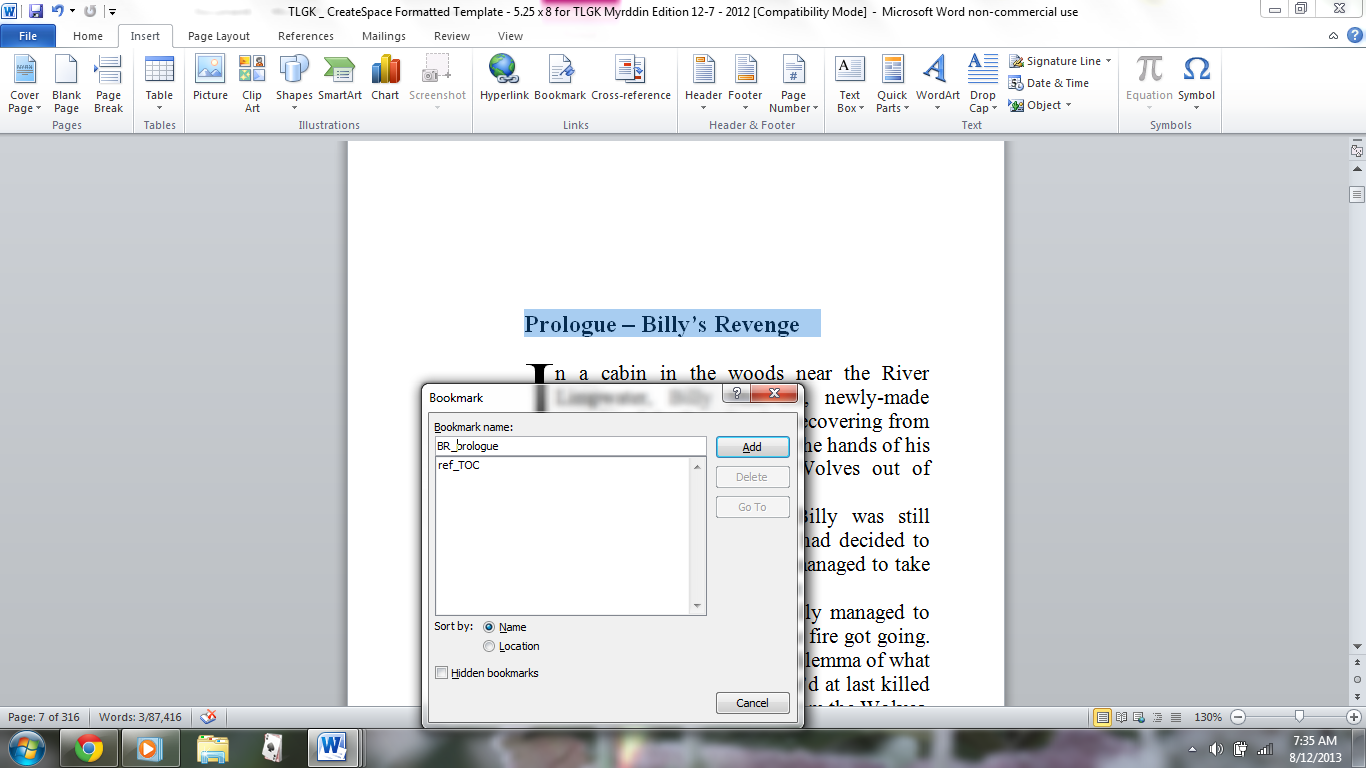
Now it’s time to bookmark  the prologue. Scroll down to your prologue and do it exactly the same way as you bookmarked the TOC, but for this ms let’s name it BR_prologue. You will name yours with your ms initials and the word prologue. If you have no prologue, skip this step.  See the picture below:

prnt scrn SMART TOC 3

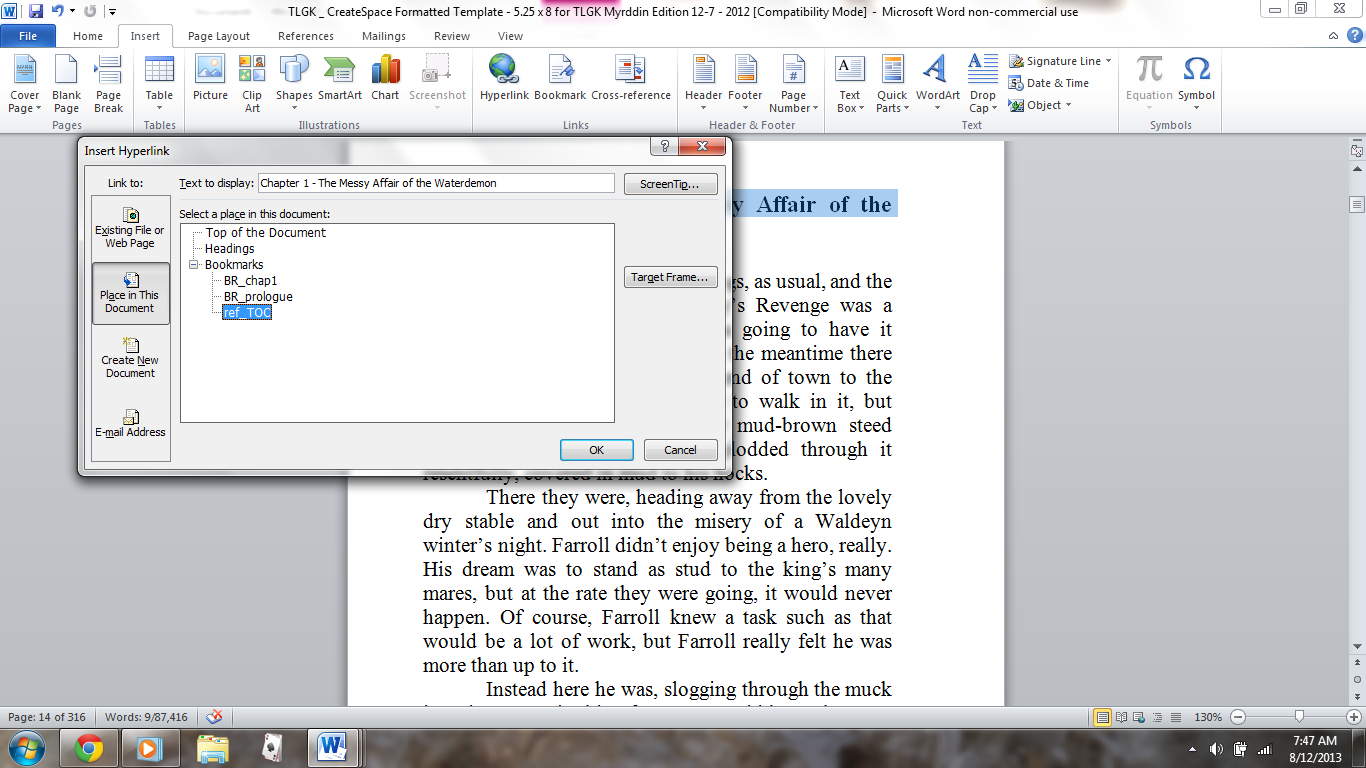
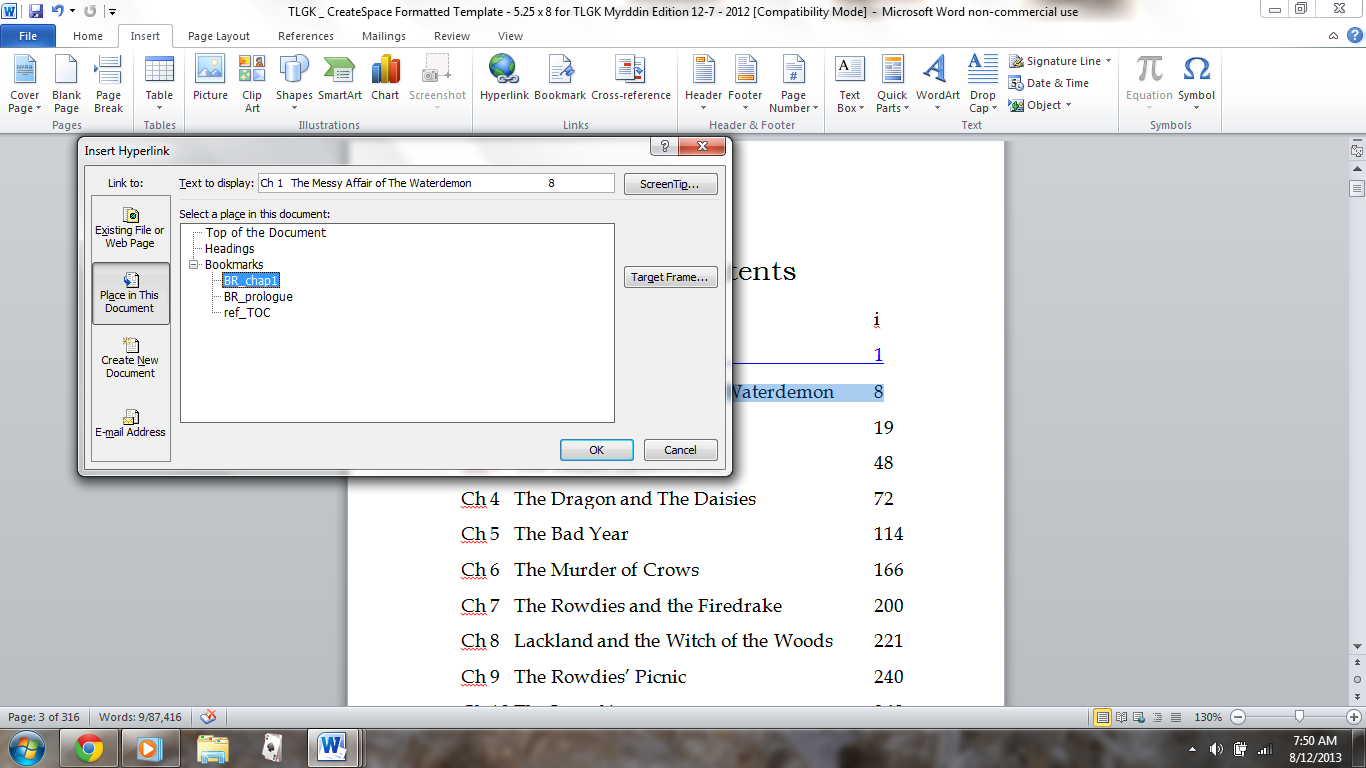
As long as you are there, with the chapter title highlighted, click “insert Hyperlink” on the ribbon. On the left, you want to ‘Link to:’  “Place in this Document”.  That will bring up your bookmarks. Select ‘ref_TOC’  and click OK.  This will turn your heading blue, which is called a ‘hyperlinky’. Press control and click on the link. it will take you back to the table of contents. Once you have used the hyperlinky it will turn purple. How cool is that! This is how that screen looks:
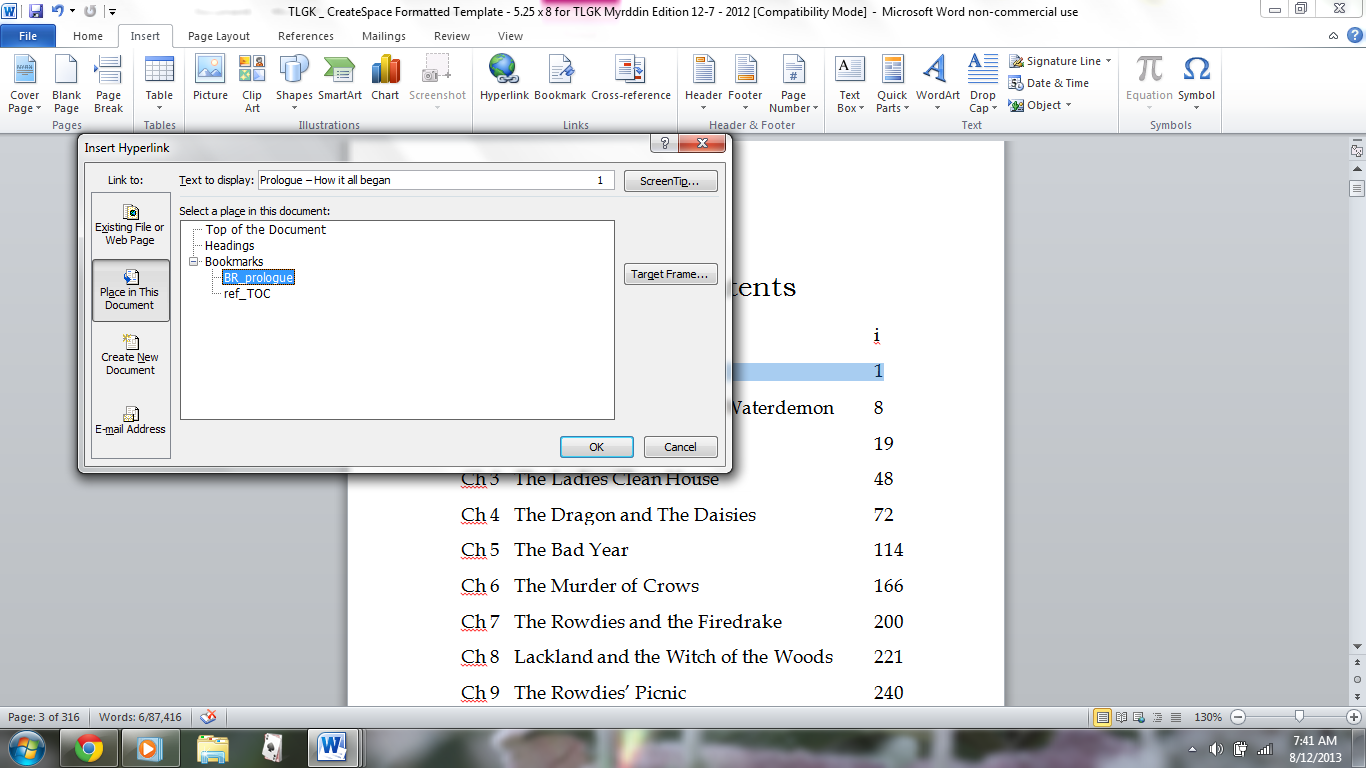
prnt scrn SMART TOC 4

Now that you are back at the Table of Contents, highlight “Prologue and click “insert Hyperlink” on the ribbon. On the left, you want to ‘Link to:’  “Place in this Document”. That will bring up your bookmarks. Select ‘BR_prologue’  and click OK.  That will turn it blue. Press control and click on the link. it will take you back to the heading of your prologue.

Do this for the entire table of contents, always remembering to link your chapter heading back to “ref_TOC”, and test each link as you go.  Four more pictures just to help you remember:

prnt scrn SMART TOC 5

prnt scrn SMART TOC 6

prnt scrn SMART TOC 7

prnt scrn SMART TOC 8

I hope this helps you in formatting your eBook manuscript. I just redid all my books so that they have Smart TOCs and will be building the TOC into my future manuscripts as I go.  This is an incredibly useful too to help you navigate within any long manuscript, and although I had used book marks before in the course of my work, I didn’t realize that the fancy TOCs I admired so in other people’s e-books was such a simple thing.

But that’s the way it always goes–things that seem like they should be hard are often the most simple, while something that should be easy turns into a drama of epic proportions.

Here’s to less drama and more simplicity! Learning how to format an e-book isn’t really that hard, and the wonderful people at both Smashwords and at Amazon have a lot of information freely available to you. Remember, as an indie, you are your own publisher, and what you put out there has to be the best you can make it.
Making use of the free information that is out there on the internet can only help you in this regard!

Comments Off on It’s smart and clickable!

Filed under Books, Fantasy, Food, Humor, Literature, Uncategorized, writer, writing

Unplanned Obsolescence

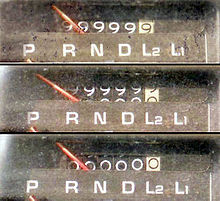
220px-Odometer_rolloverI turned sixty in June. The very next day I started falling apart. I am not kidding, my internal organs began failing the next day. Well, at least my gallbladder gave out on me.

Who knew planned obsolescence applied to the human body? At 60,000 miles you need a new timing belt, and possibly a brake-job.

Several expensive tests and a trip to urgent care later, it turned out I didn’t have gallstones. My gallbladder simply was failing, or as the doctor put it, dysfunctional. If you only knew my family, you wouldn’t be surprised.  I’m sure it’s not the only dysfunctional internal organ in the family.

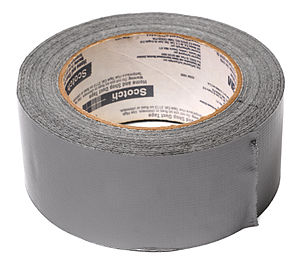
ad_chevy_vega_gt_orange_1974I felt rather like the 1974 Chevy Vega we once owned, the vehicle with the duct-tape interior.  We had proudly bought it new, but at 50,000 miles the armrests fell off, the dashboard began cracking, the seats came apart–the interior was nothing but duct tape; a vast sea of silver. And the car was only three years old.

Duct tape is also known as “hundred-mile-an-hour-tape” in my family. Uncle Jim had a purple 1962  Chrysler station-wagon with both the rear-view mirror and the back bumper duct-taped on and he drove it like that for two years while he worked in the woods, planting trees.

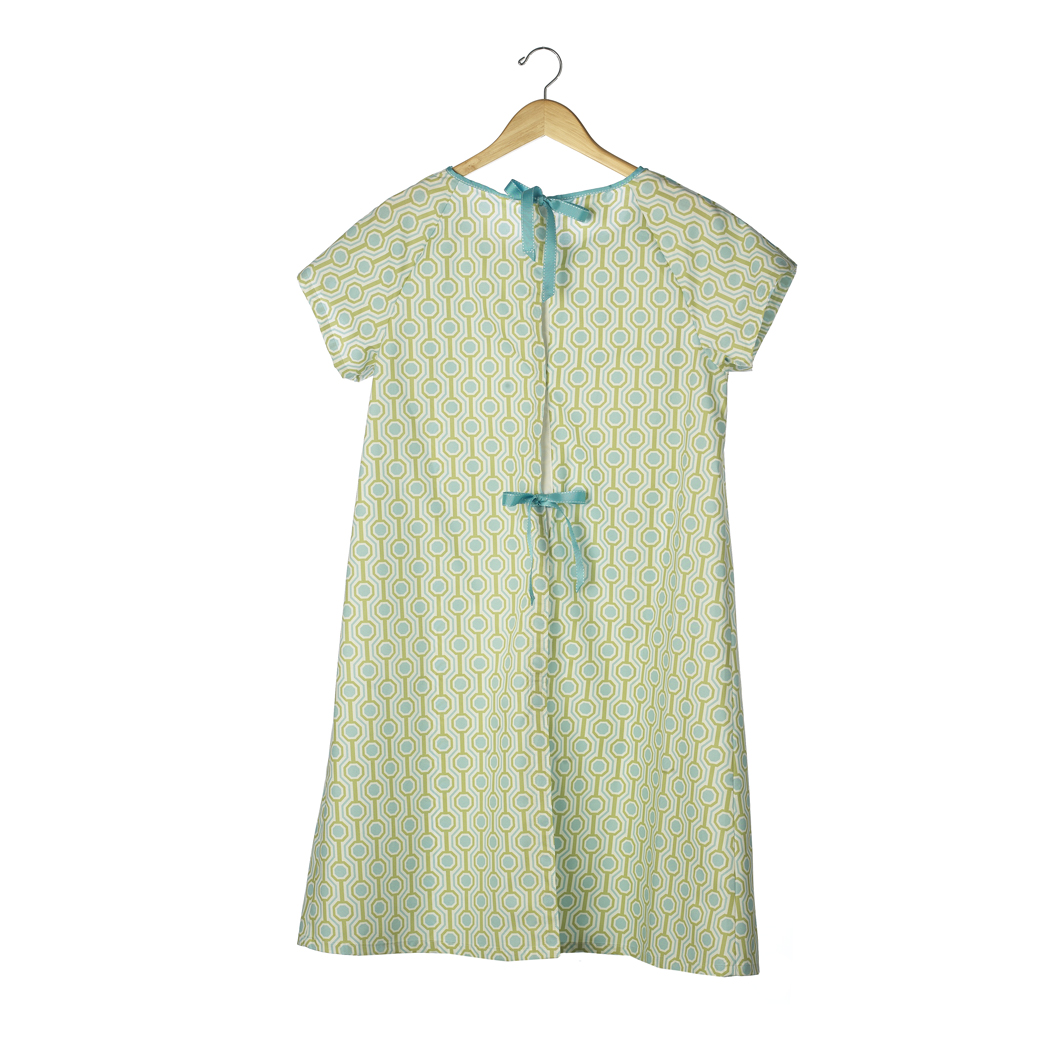
libby-gown-front_01So last Wednesday I had surgery.  It was just a bit of internal housecleaning–out with the debris cluttering up the place. Unlike Dr. Frankenstein’s monster I had nothing new to replace it with, but the gallbladder is apparently an internal organ we can do without.

Today I am hanging around the house, waiting for tomorrow when I will get the staples out.

I know! Staples–almost as classy as duct tape! My Father would have been proud!

300px-Duct-tape

11 Comments

Filed under Adventure, Battles, Books, Uncategorized, Vegan, writer, writing