
Note to self: write dynamic prose and avoid crutch words.
 One thing I notice when listening to an audiobook is crutch words. One of my favorite authors uses the descriptor “wry” in all its forms, just a shade too frequently. As a result, I have scrubbed it from my own manuscript, except for one instance.
Wry is a modifier. It means using or expressing dry, especially mocking, humor: “a wry smile.”
“Sardonic,” a word he also uses a bit too frequently, is a relative of the word “wry” and means grimly mocking or cynical.
Both are good words, but they are easily overused when we are trying to show a character’s mood in a bleak situation.
Grin and smile are also first draft crutch words we use to show a mood. I do a global search and then tear my hair out trying to show my protagonist’s mood without getting hokey.
The way we use modifiers and descriptors (and their frequency) plays a significant role in how our work is received by a reader.
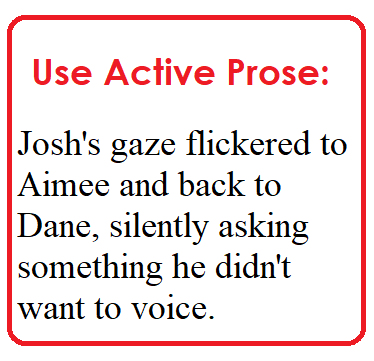 The words authors choose add depth and shape their prose in a recognizable way—their voice. They “paint” a scene showing what the point-of-view character sees or experiences.
And yes, in order to do that, they must use modifiers and descriptors, also known as adjectives and adverbs.
Modifiers are like any other medicine: a small dose can cure illnesses. A large dose will kill the patient. The best use of them is to find words that convey the most information with the most force.
What do we mean when we refer to modifiers?
A modifier is any word that modifies (alters, changes, transforms) the meaning and intent of another word. These words change, clarify, qualify, or limit a particular word in a sentence to add emphasis, explanation, or detail.
Some of these words are useful as conjunctions, words to connect thoughts: “otherwise,” “then,” and “besides.”
 What are descriptors? Adverbs and adjectives, known as descriptors, are helper nouns or verbs—words that help describe other words.
What is a quantifier? They are nouns (or noun phrases) meant to convey a vague number or an abstract impression, such as very, a great deal of, a good deal of, a lot, many, much. The important word there is abstract. It is a thought or idea describing something without physical or concrete existence.
Modifiers, descriptors, and quantifiers are easily overused, so these words are often reviled by authors armed with a little dangerous knowledge.
One of the cautions those of us new to the craft frequently hear are criticisms about the number of “ly” words we habitually use. The forms we use can weaken our narrative.
First, examine the context. Have you used the word “actually” in a conversation? You may want to keep it, as dialogue must sound natural, and many people use that word when speaking.
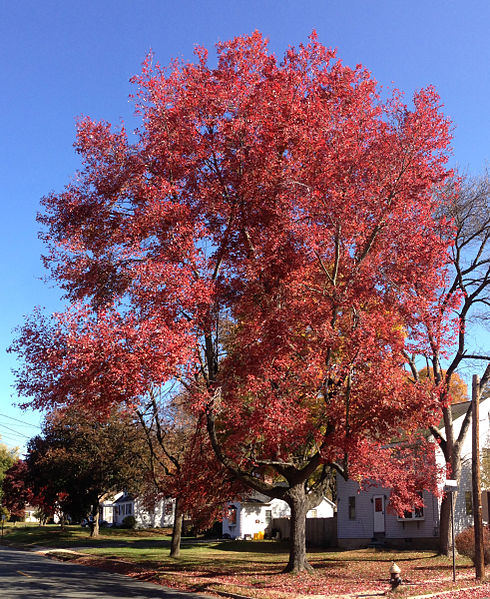 However, if you have used “actually” to describe an object, take a second look to see if it is necessary.
- The tree was actually covered in red leaves.
Would the sentence be stronger without it?
- Red leaves covered the tree.
Some descriptors are easy to spot, especially those ending in “ly.” When I begin revising a first draft, I do a global search for the letters “ly.” A list will pop up in my lefthand margin. My manuscript will become a mass of yellow highlighted words.
This is where I look at each instance because “ly” words are code words the subconscious mind uses in the first draft. They are a kind of mental shorthand that tells us what we need to expand on to fully explore the scene we envisioned.
Or they tell me something needs to be cut.
Context is everything. Please take the time to look at each example of the offending words and change them individually. I’ve said this many times, but I like to nag: You have already spent months writing that novel. Why not take a few days to do the job well?
Sentence structure matters. The placement of an adjective in relation to the noun it describes affects a reader’s perception. Modifiers often work best when showing us what the point-of-view characters see, hear, smell, touch, and taste.
Sunlight glared over the ice, a cold fire that cast no warmth but burned the eyes.
In the above sentence, the essential parts are structured this way: noun – verb (sunlight glared), adjective – noun (cold fire), verb – adjective – noun (cast no warmth), and finally, verb – article – noun (burned the eyes).
So, we try to lead with the action or noun, followed by a strong modifier (one without the “ly” ending). The sentence conveys what is intended. It has modifiers but isn’t weakened by them.
 The scene I detailed above could be shown in many ways. I took a paragraph’s worth of world-building and pared it down to 19 words, three of which are action words.
So, now you know what occupies most of my attention during revisions.
As writers, we all want to be accepted and have others like our work, which means we must meet our reader’s expectations.
Writers must write from the heart, or there is no joy in writing.
That means using modifiers, descriptors, or quantifiers when they are needed. It’s a balancing act. We must be mindful of the form and the context of how a modifier fits into our phrasing.
Below are two images. They are lists of code words I seek out and re-examine when I begin revising a first draft. Some words are quantifiers. They are adverbs of degree, words that describe how much of something, such as “I’m dreadfully unhappy.” Quantifiers (also known as adverbs of degree) have their place but can weaken a sentence. So, they are code words for you to look closely at when you get to the revision stage.
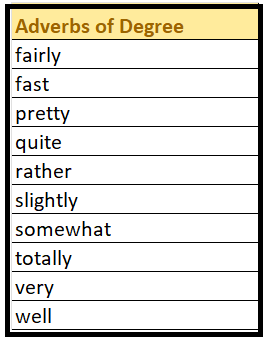
“Adverbs of manner” are qualifiers, words that “qualify the manner of what we are talking about.” They can intensify or decrease the degree of something, such as “I rarely go out.”

It seems like an overwhelming task, but it isn’t. I look at each instance of a modifier and see how it fits into that context. If a word or phrase weakens the narrative, I rewrite the sentence. I either change it to a more straightforward form or remove it. For example, bare is an adjective, as is barely. Both can be used to form a strong image, depending on the words we surround them with.
I have found that participating in a critique group has been crucial to my growth as an author. Most writing groups are made up of people who love reading and want your work to succeed. They won’t micromanage your manuscript because they are aware that too much input can remove the author’s unique voice from a piece.
Credits and Attributions:
IIMAGE: Wikimedia Commons contributors, “File:2014-10-30 11 09 40 Red Maple during autumn on Lower Ferry Road in Ewing, New Jersey.JPG,” Wikimedia Commons, https://commons.wikimedia.org/w/index.php?title=File:2014-10-30_11_09_40_Red_Maple_during_autumn_on_Lower_Ferry_Road_in_Ewing,_New_Jersey.JPG&oldid=751843290 (accessed April 28, 2024).
 We rely on water generated by glaciers on Mount Rainier and the Cascade Mountains in general, so the low snowpack means trouble later down the road.

 I grew up in an isolated rural environment, and summers could be lonely. My sister and I would get away from family dynamics by reading. My favorite “We Don’t Have Anything to Read” book was the volume of collected works by William Butler Yeats. That book shaped my view of poetry and literature in general.
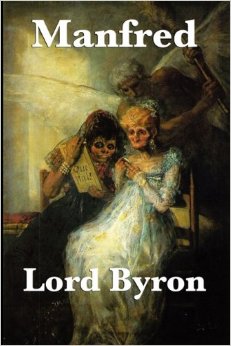 Sometimes, poetry is long, even epic in length. The epic poem,
  When prepping a novel to send to Irene, I use a three-part method. This requires specific tools that come with Microsoft Word, my word-processing program. I believe these tools are available for Google Docs and every other word-processing program. Unfortunately, I am only familiar with Microsoft’s products as they are what the companies that I worked for used.
 Part two: Once I have ironed out the rough spots noticed by my beta readers, this second stage is put into action. Yes, on the surface the manuscript looks finished, but it has only just begun the journey.
 The most frustrating part is the continual stopping, making corrections, and starting.
 I am wary of relying on
  If you read as much as I do (and this includes books published by large Traditional publishers), you know that a few mistakes and typos can and will get through despite their careful editing. So, don’t agonize over what you might have missed. If you’re an indie, you can upload a corrected file.
 If the meaning is understood when two words are combined into one, and common usage writes it as one word, again a hyphen is unnecessary.
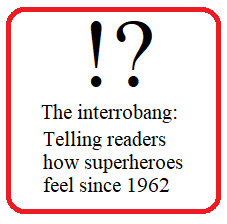 But what about !? These mutant morsels of madness are called “interrobangs.”
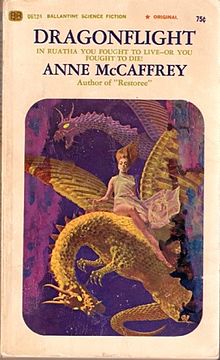 One of my favorite authors, Ann McCaffrey, set off telepathic conversations with both italics and colons in the place of quote marks.
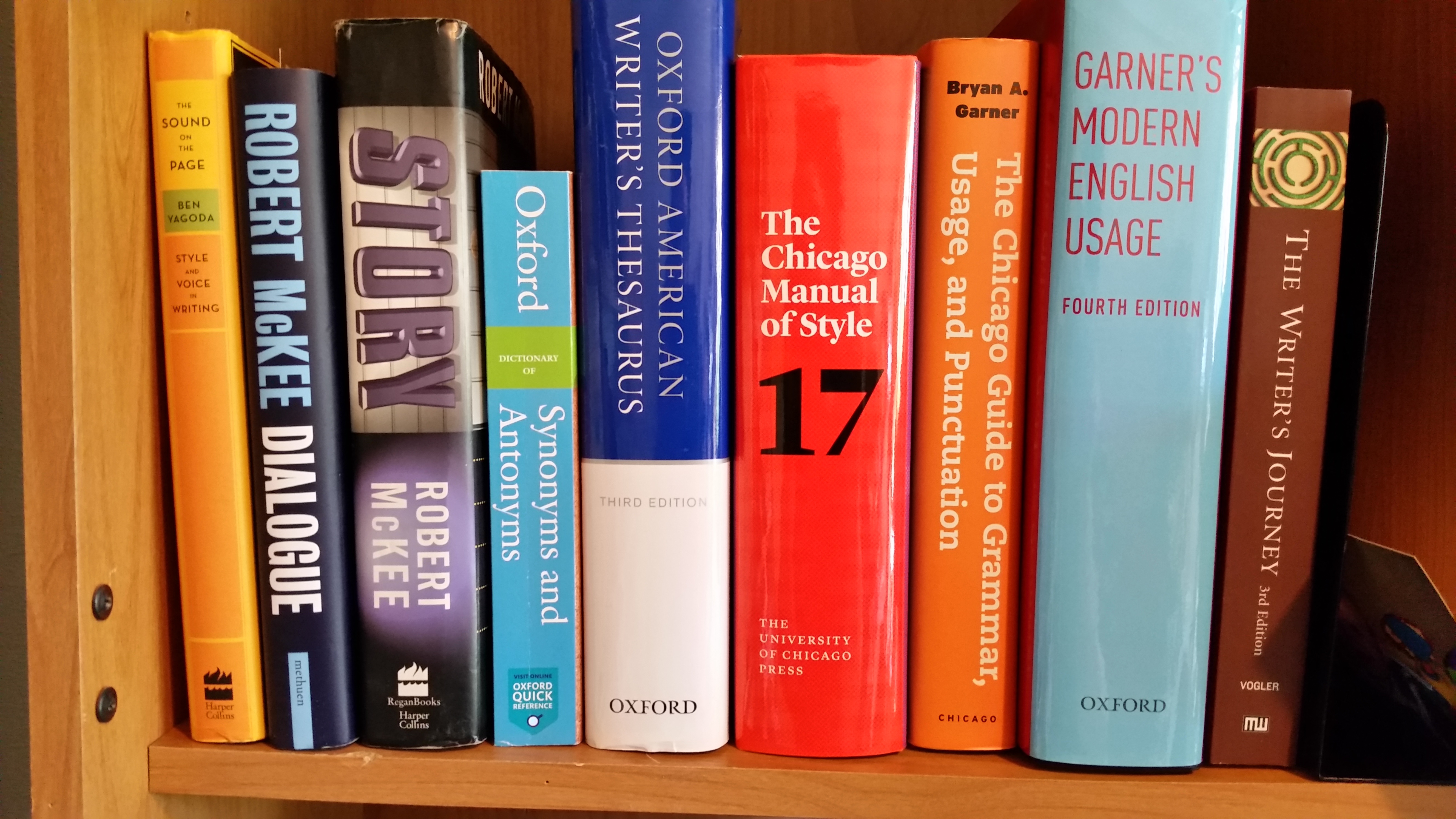
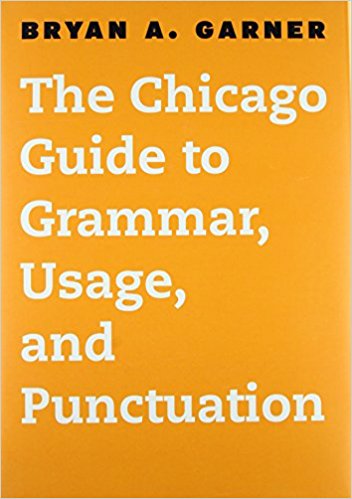 If you are writing in the US, you might consider investing in
  Let’s get two newbie mistakes out of the way: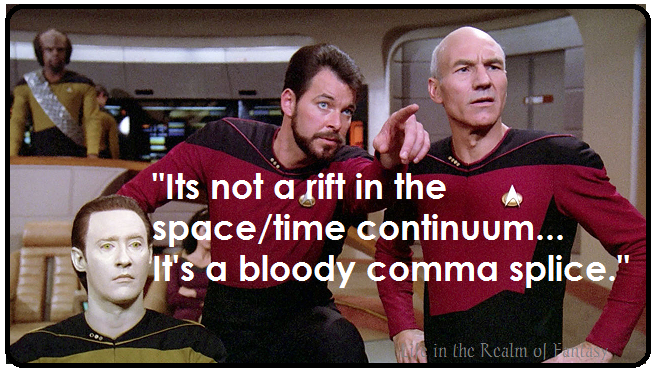
 All three of the above sentences are technically correct. The usage you habitually choose is your voice.
 Why are these rules so important? Punctuation tames the chaos that our prose can become. Periods, commas, quotation marks–these are the universally acknowledged traffic signals.
 So now, we realize that we must submit our work to contests or publications if we ever want to get our name out there. We have looked at our backlog of short stories and gone out to sites like
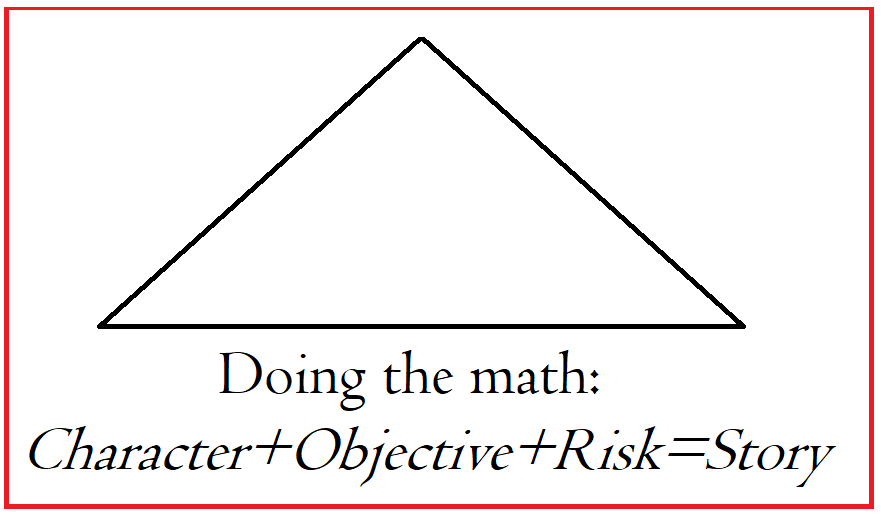
  The first thing we’re going to look at is the problem. Is the problem worth having a story written around it? If not, is this a “people in a situation” story, such as a short romance or a scene in a counselor’s office? What is the problem and why did the characters get involved in it?
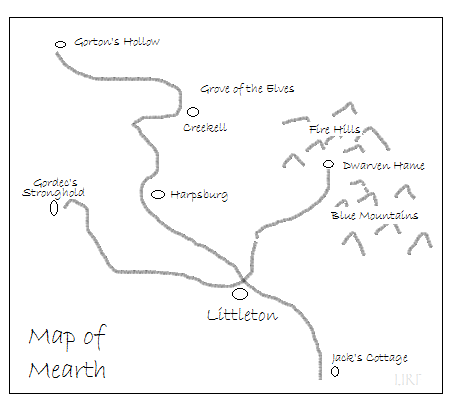 Worldbuilding is crucial in a short story. Is the setting I have chosen the right place for this event to happen? In this case, I say yes, that it is the only place where such a story could happen.
 Point of view: First person – Oriana tells us this story as it happens. We are in her head for the entire story. Do her actions and reactions feel organic and natural? After some work, I think yes, but again, I’ll have to run it by someone to be sure.
 I am not the only person who experiences these moments of low creative energy. When this happens, I set the longer work aside and go rogue—I write poetry and drabbles and short stories.
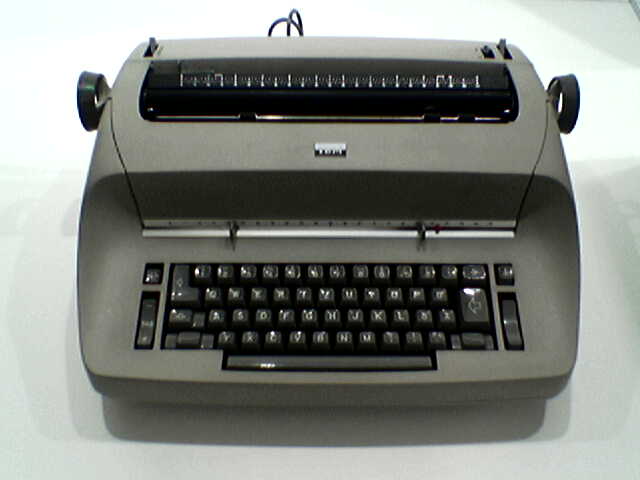 Microfiction is the distilled soul of a novel. It has everything the reader needs to know about a singular moment in time. It tells that story and makes the reader wonder what happened next. Each short piece we write increases our ability to tell a story with minimal exposition.
 When submitting to a publication, you send your work directly to the publisher. In return, you can expect to receive a communication from the senior editor, either a rejection or an acceptance.
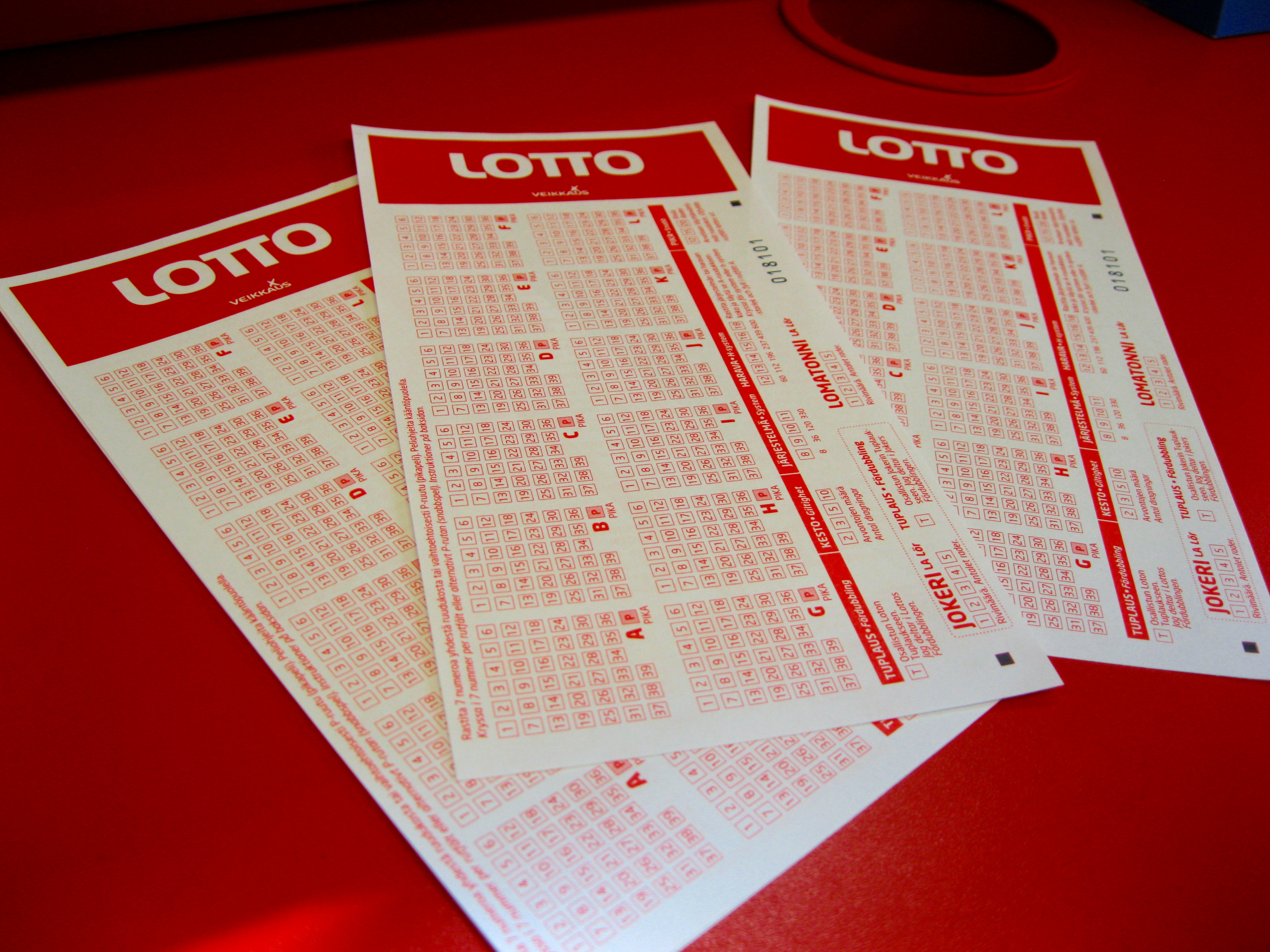 To wind this up—take another look at that backlog of short work. Edit it, read it aloud, and edit it again. Then, consider submitting that work to a contest or magazine. It’s good experience for indie writers, but more than that, you might hit the jackpot!
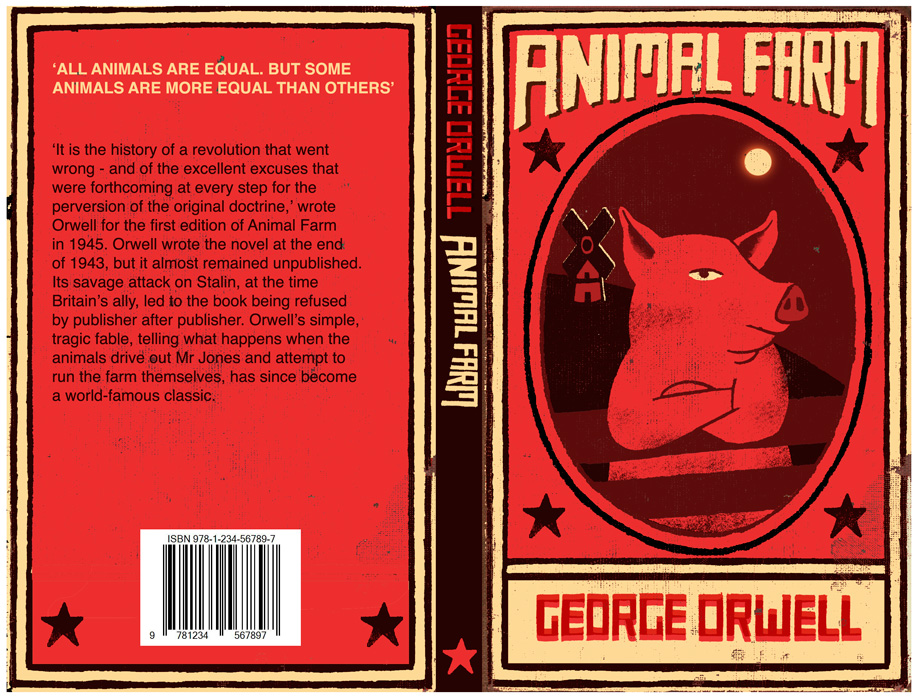 40,000 words in fantasy is less than half a book. That makes it a novella. But I send it to my beta reader to see what she thinks. If she feels the plot lacks substance at that length, I let it rest for a while, then come back to it. Then, I can see where to add new scenes, events, and conversations to round out the story arc. That might bring it up to the 60,000-word mark.
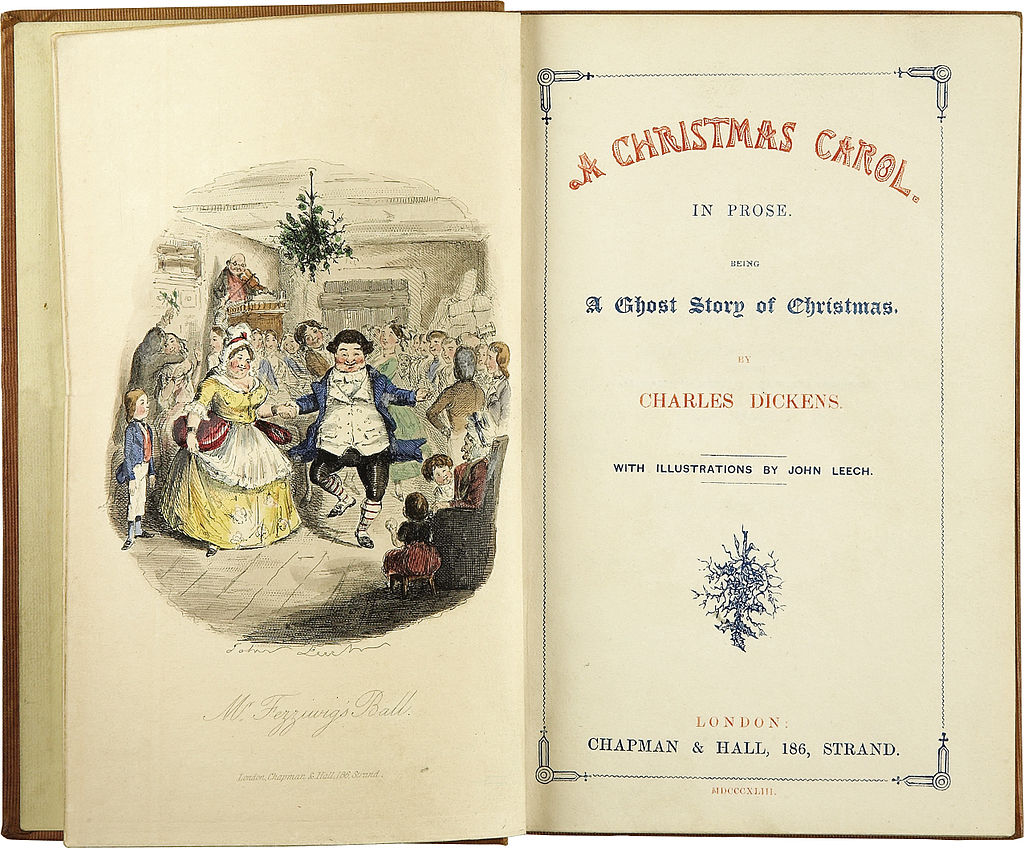 In the second draft, I will discover passages where I have repeated myself but with slightly different phrasing. My editor is brilliant at spotting these, which is good because I miss plenty of them when I am preparing my manuscript for editing. I wrote that mess, so even though I try to be vigilant, repetitions tend to blend into the scenery.
 I have learned to be brutal. I might have spent days or even weeks writing a chapter that now must be cut.
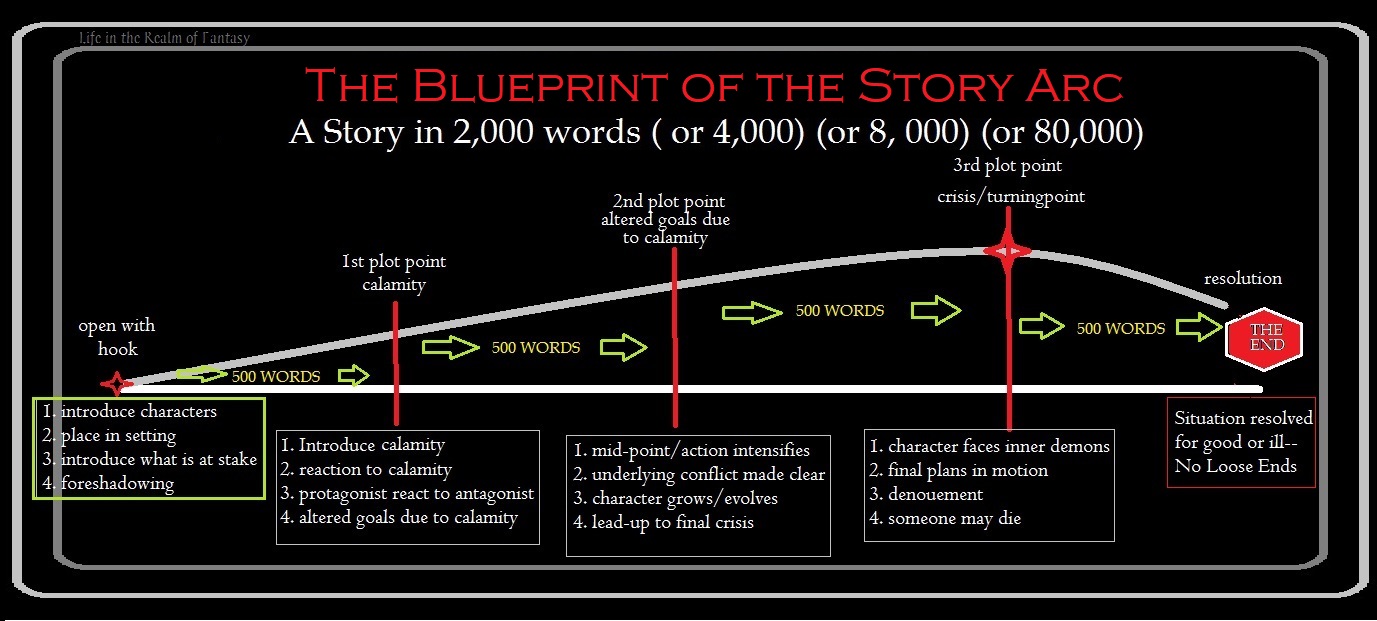 Even if this story is one part of a series, we who are passionate about the story we’re reading need firm endings.
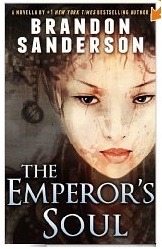 The Emperor’s Soul, by Brandon Sanderson
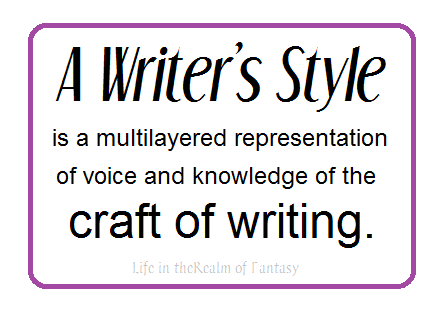 When we speak aloud, we habitually use certain words and phrase our thoughts a particular way. The physiology of our throats is unique to us. While we may sound very similar to other members of our family, pitch monitoring software will show that our speaking voice is distinctive to us.
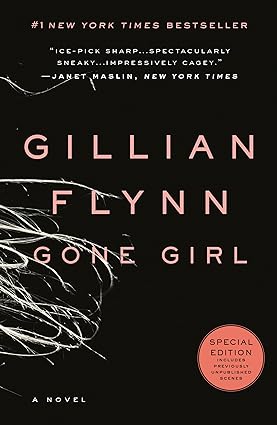 Flynn’s style of prose is rapid-fire, almost stream-of-consciousness, and yet it is controlled and deliberate. She is creative in how she uses the literary device of narrative mode. Primarily, Gone Girl is written in the first person present tense. But sometimes Flynn breaks the fourth wall by flowing into the second person present tense and speaking directly to us, the reader.
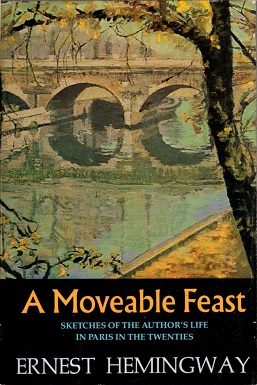 “I was learning something from the painting of Cézanne that made writing simple true sentences far from enough to make the stories have the dimensions that I was trying to put in them. I was learning very much from him but I was not articulate enough to explain it to anyone. Besides it was a secret.”
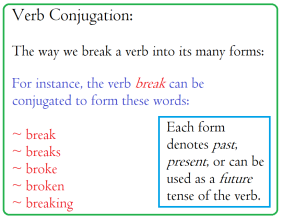 When I begin my second draft, those weak verb forms function as traffic signals. They were a form of mental shorthand that helped me write the story before I lost my train of thought. But in the rewrite, weak verbs are code words that tell me what the scene should be rewritten to show.
 The way we habitually phrase sentences, how we construct paragraphs, the words we choose, and the narrative mode and time we prefer to write in is our voice. It includes the themes we instinctively write into our work and the ideals we subconsciously hold dear.


 Life in the Realm of Fantasy