Tag Archives: writing

Worldbuilding – the stylesheet/storyboard #writing

If you want to succeed at completing a project with the ambitious goal of writing a novel, I suggest planning in advance. I have mentioned before that I like to storyboard all my ideas.

That way, if I become lost or find myself floundering in the writing process, I can come back to my stylesheet and remind myself of the original concept of the story.

Many people use Scrivener for this, but I was a bookkeeper for most of my working years, so I still use a spreadsheet program. Excel works for me because I have used Microsoft products since the early nineties and am comfortable with that program.

Some people use a whiteboard, and others use Post-It Notes or a combination of the two.

Scrivener currently (in 2025) costs around $60.00, which is not too bad. I have never invested in it, but some of my friends swear by it. On the good side, they have a 30-day free trial period, so if you are interested, test it out. #1 Novel & Book Writing Software For Writers

However, Google Drive has a free program called Google Sheets. This program is similar to Excel (which I use), so the principles I will be discussing are the same.

Admittedly, this program doesn’t do what Excel does, but it is perfect for this if you don’t have Microsoft Office.

However, you can create a stylesheet in any way that makes you happy, even using a notepad and a pencil.

The important thing is to organize your plot notes, research, and background materials in a way that is accessible and makes sense to you.

On line one of page one – I give my project a working title and write that at the top of the spreadsheet (line 1). I save it with that label, something like Strange_story_stylesheet_05-May-2025. That label tells me three things: Working title (Strange Story), type of document (stylesheet), and date begun (May 5, 2025).

  • If my outline is an idea for a short story meant for a specific purpose, I include the intended publication and closing date for submissions. (This is necessary for anthologies but not needed for a novel)

On line two, I label my columns with the categories listed below. Then, on the ribbon, I open the view tab, highlight the third row, and click freeze panes. This allows me to scroll down the spreadsheet while keeping the title and column headings visible.

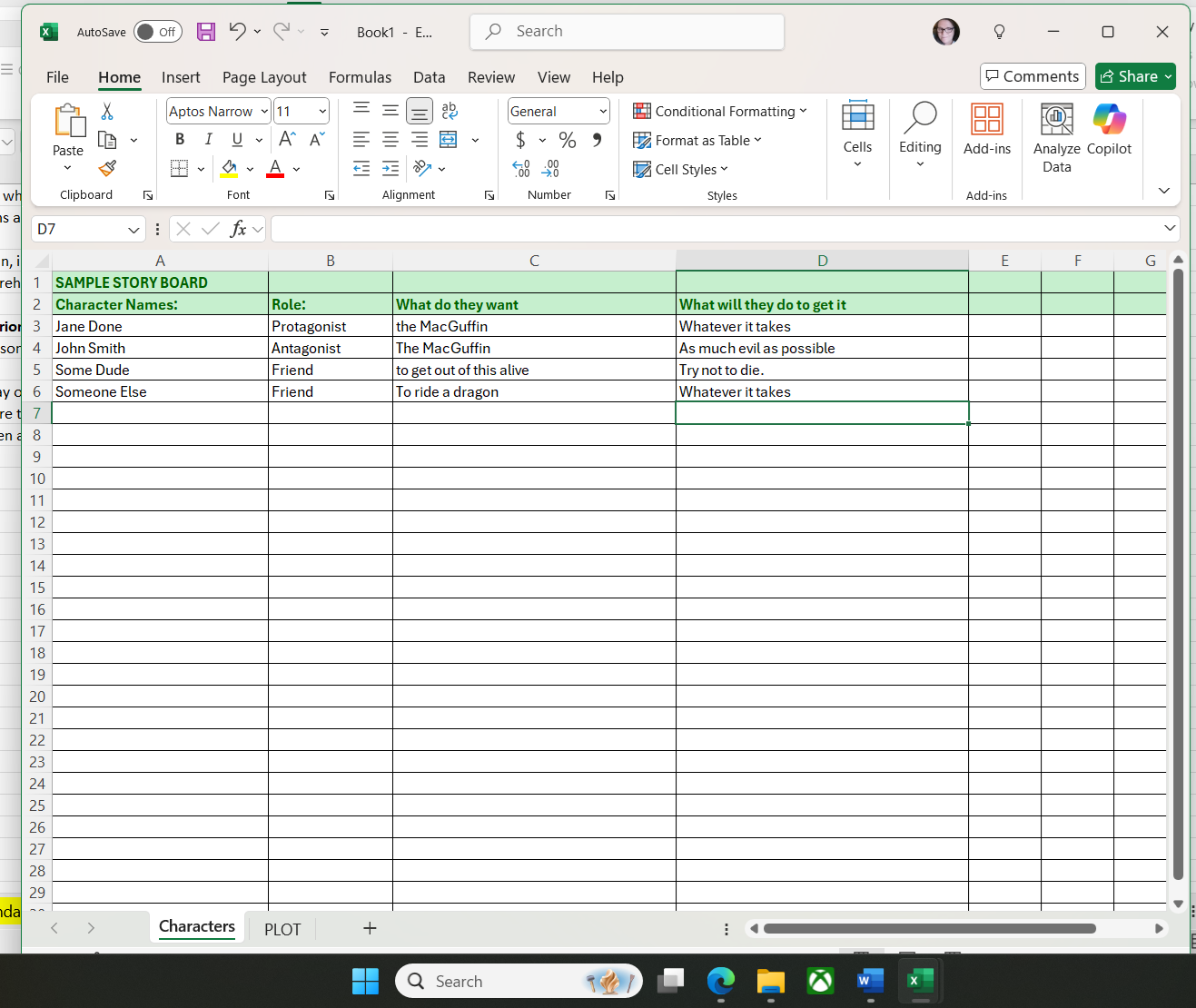
Page one of my storyboard works this way: I make a list of names and places with four pieces of information pertaining to the story, all on the same line.

Column A heading – Character Names: list the important characters by name and also list the important places where the story will be set.

Column B heading – Role: What their role is, a note about that person or place, a brief description of who and what they are.

Column C heading – What do they want? What does each character desire?

Column D heading – What will they do to get it? How far will they go to achieve their desire?

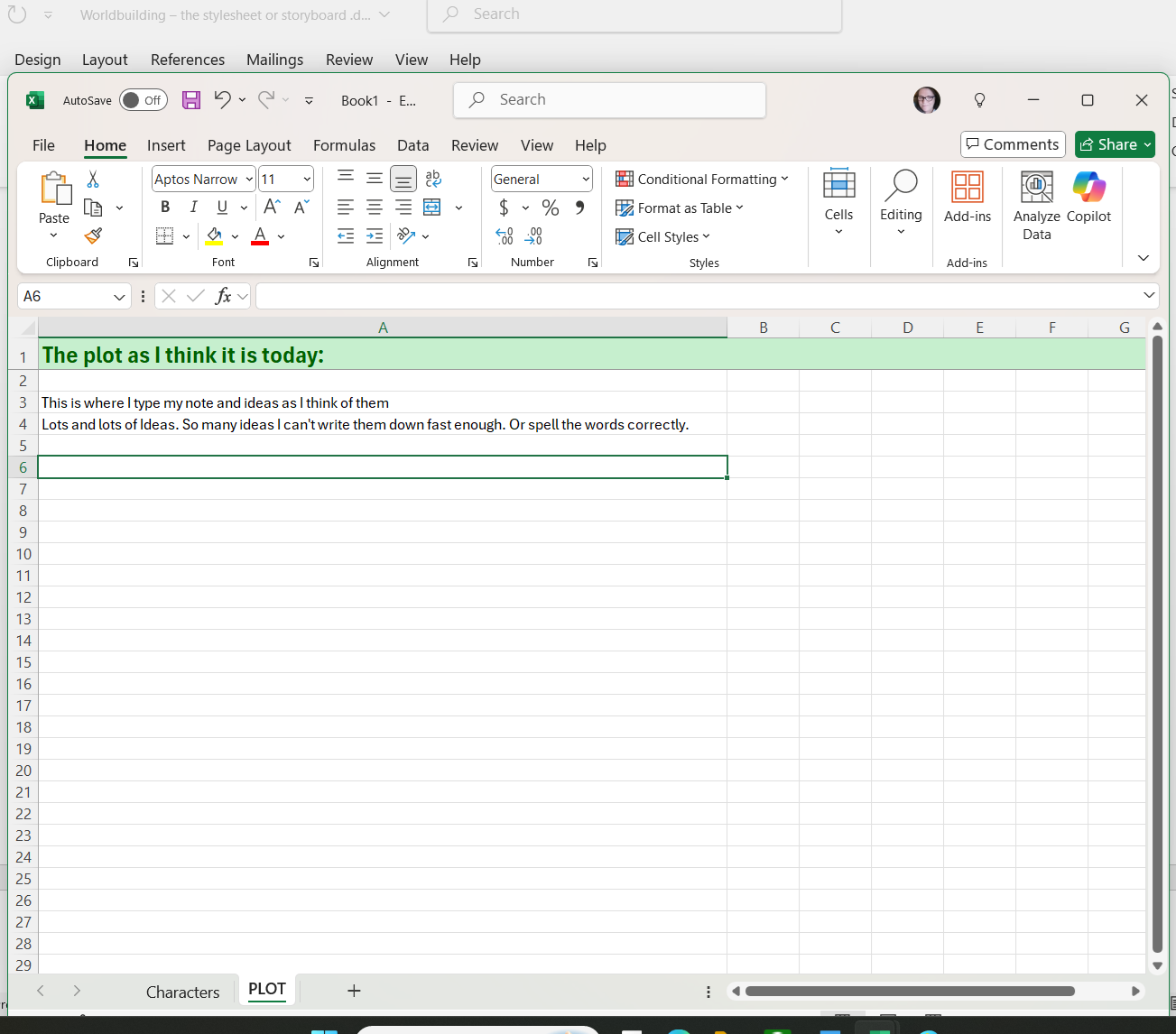
Page Two contains a brief synopsis of what I imagine the plot will be. This will be the jumping-off point for when I start writing and will change radically by the end of the process.

Page three of my storyboard contains An OUTLINE of events, including a prospective ending. I keep this page updated as things evolve. In every novel, a point of no return, large or small, comes into play, so I will make a note of when and where it should occur in the timeline of the plot arc.

Page four might be the GLOSSARY. This page is a list of names and invented words, which I list as they arise, all spelled the way I want them.

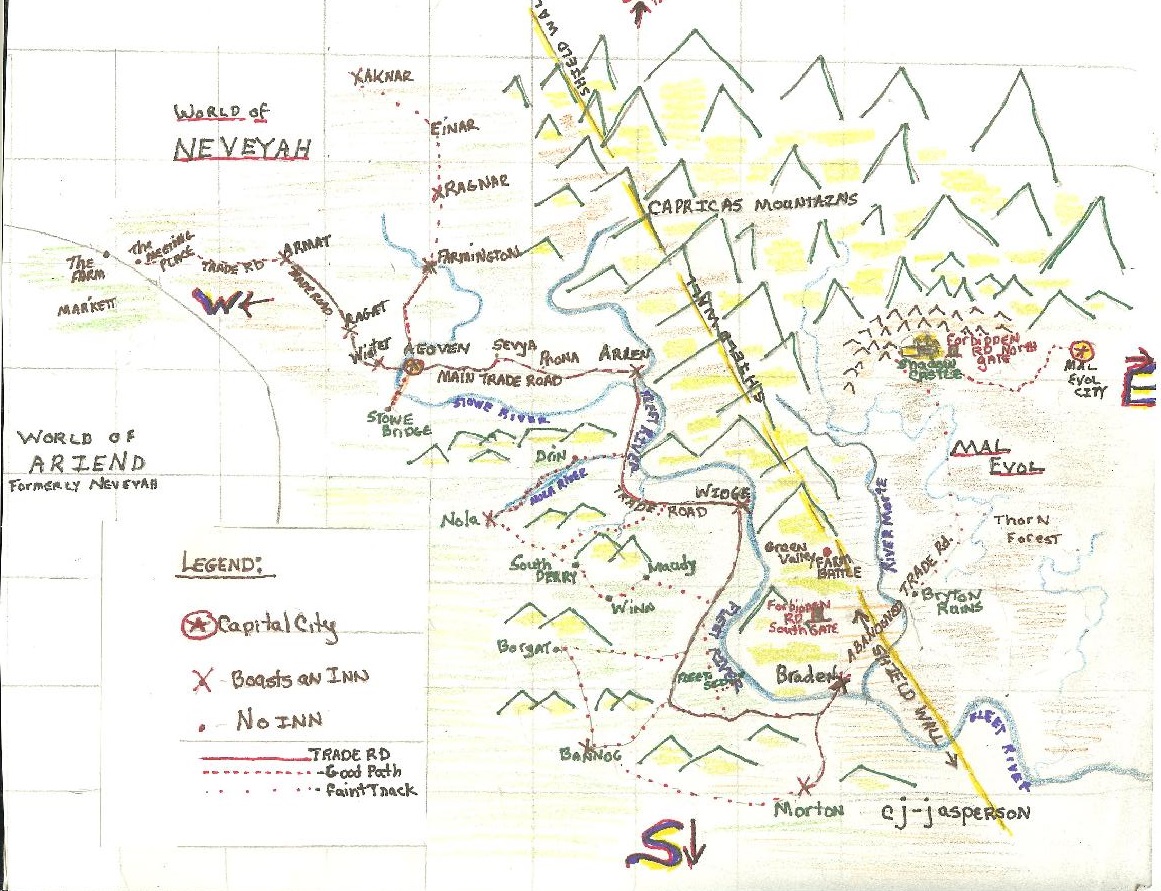
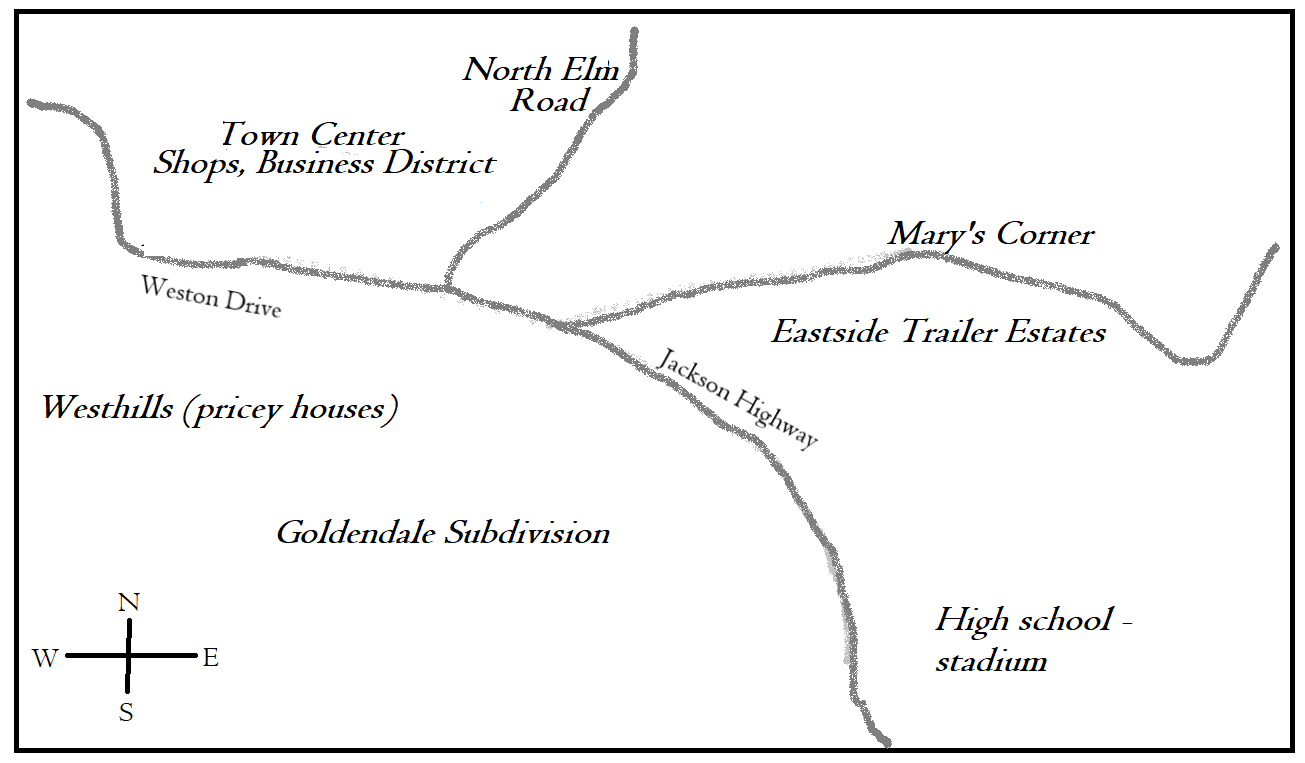
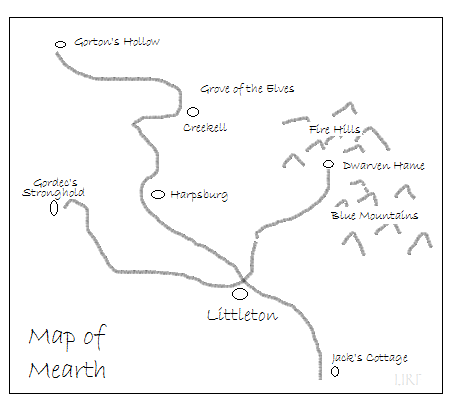
Page five will have MAPS. They don’t have to be fancy. All you need is something rudimentary to show you the layout of the world.

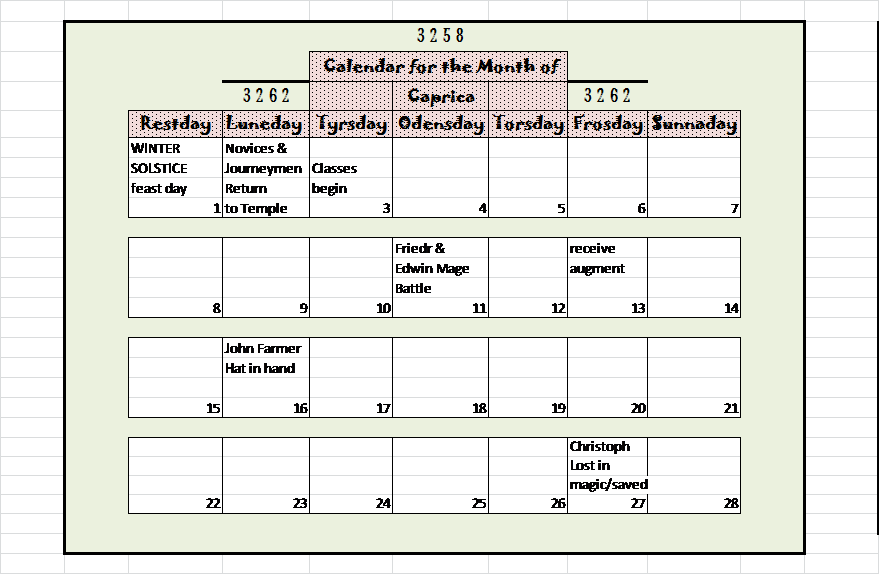
Page six will feature the CALENDAR of events. This is especially important, as readers despise mushy timelines.

This is how the tabs for the storyboard are labeled, allowing me to easily access what I need:

But what if your book spawns a series? The next novel should be easier to write if you kept a storyboard for book one. The storyboard will grow with each installment in that series.

The stylesheet/storyboard is a good tool for fantasy authors because we invent entire worlds, religions, and magic systems. We don’t want to contradict ourselves or have our characters’ names change halfway through the book with no explanation.

Creating the storyboard/stylesheet helps me to know who my characters think they are in the first draft. Having an idea of their story and seeing them in their world is a good first step. Write those thoughts down so you don’t lose them. Keep writing as the ideas come to you, and soon, you’ll have the seeds of a novel.

Storyboarding plays a direct role in how a linear thinker like me works. It takes advantage of the ideas I have that might make a good story as they come to me. Those notes inspire me to begin writing the first draft and keep my imagination running.

Next week, we’ll talk about how maps and calendars are essential tools, how to make them, and why I include them in my storyboard.


Credits and Attributions

The Screenshots of the Sample Storyboard Template are my own work, © 2025 Connie J. Jasperson, All Rights Reserved.

1 Comment

Filed under writing

Idea to story part 12 – theme, plot, and the character arc #writing

Two months ago, we began our series, Idea to Story. The previous eleven installments are listed below. We have created a sample story, a romantasy. We have met our protagonists and the ultimate antagonist. We know what their world is like and have given them a worthy quest, and we discovered what genre we are writing by paying attention to the tropes that arose as we were laying down the plot.

Now, we’re going to examine the themes that have emerged. We will strengthen the story arc and make the characters more vivid by ensuring a strong central theme is woven through the story.

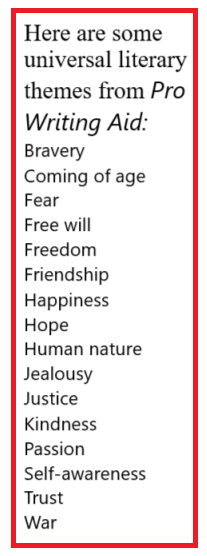
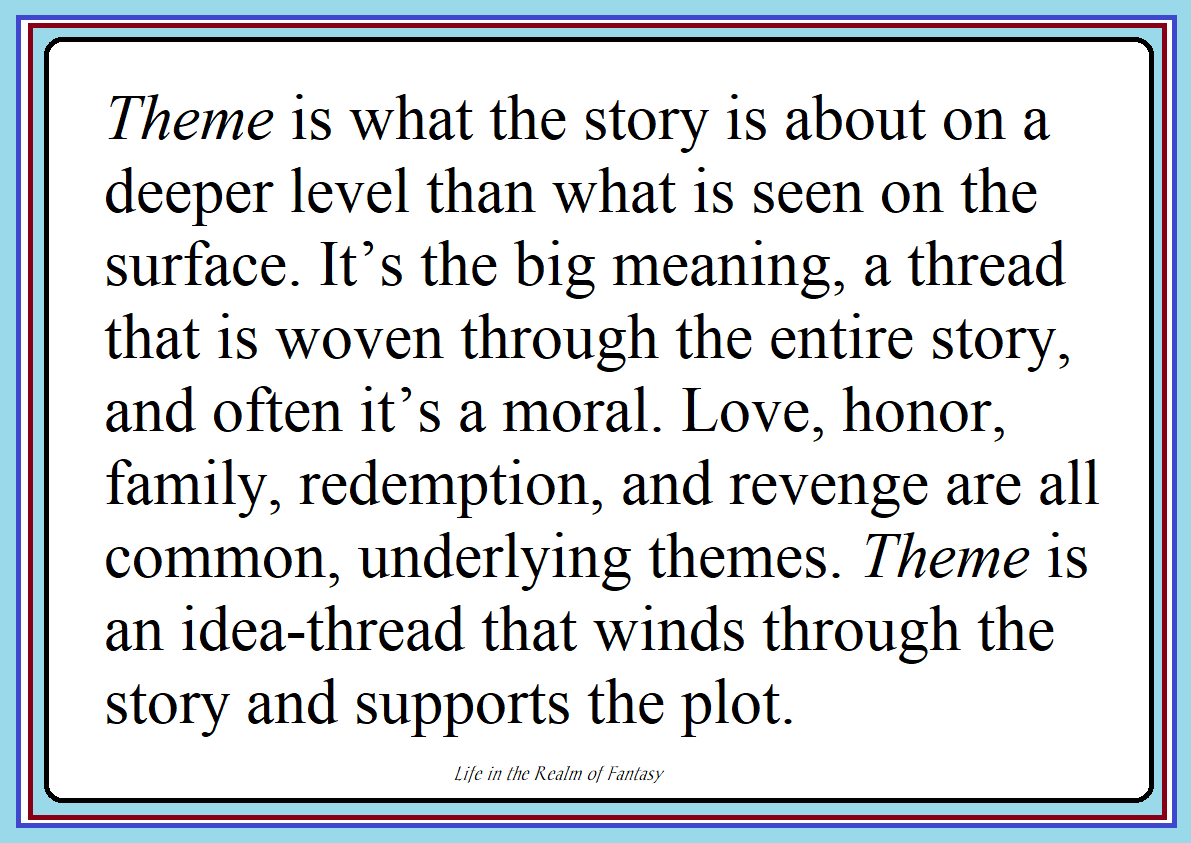
But first, what is a theme? It is an idea, an unspoken message that winds through the arc of the story and generates action. Themes are subtle but move the characters to action and define why the action happens. For an incredible list of themes, go to A Huge List of Common Themes – Literary Devices.

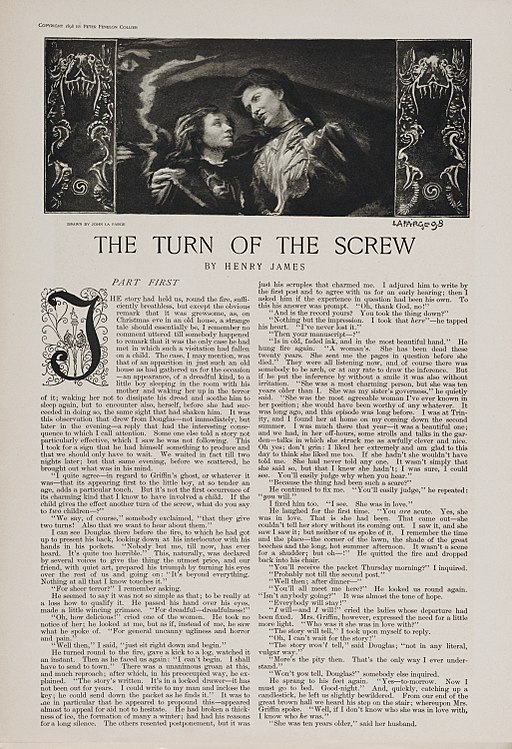
Before we talk about the themes we want to incorporate in our story, let’s look at how the master of themes, Henry James, wove them into his work.

Henry James is a 19th-century writer you might have heard of but never read. However, he can teach us so much about using a story’s themes to create memorable characters. You may be familiar with the titles of some of his works, such as The Turn of the Screw and The Golden Bowl. Filmmakers and playwrights are still turning his work into movies and plays.

Henry James was a master at writing one common theme into a story—lust. Lust for sex. Lust for money. Lust for control.

Lust for power.

Henry James wrote one of the most famous novellas ever published, the Turn of the Screw.

On the surface, the Turn of the Screw is a gothic horror story. The four main themes are the corruption of the innocent, the destructiveness of heroism, the struggle between good and evil, and the difference between reality and fantasy. A fifth theme is the perception of ghosts. Are the ghosts real or the projection of the governess’s madness?

However, there are several subthemes interwoven into the fabric of the narrative:

  • Secrecy.
  • Deception.
  • The lust for control.
  • Obsession.

What I take home from the longevity of Henry James’s work is this: find a strong theme and use it to underscore and support our characters’ motives.

So, now we know that literary themes are a pattern, a “melody” that recurs in varying forms throughout a story. They emphasize mood and shape the plot.

The main theme of our story is the struggle between good and evil. In Donovan’s well-planned manipulation of Kai under the guise of brotherly mentoring, we have the subthemes of deception and the corruption of the innocent. In Val and Kai, we have the dangers of ignorance and the subthemes of arrogance and class prejudice.

Our three main characters are people. In real life, people are a mix of good and bad at the same time. Some lean more toward good, others toward bad. Either way, their intentions are logical, and they desperately want what they think they deserve.

Most importantly, our characters lie to themselves about their own motives and obscure the truth behind other, more palatable truths. These unspoken truths are the themes we must weave into the fabric of our story by subtly showing a pattern.

Two themes we want to emphasize in Donovan are the desire for power and the use of fear as a means of control. However, at first, we want the tug-of-war for control of the child king, Edward, to be focused on the regents, Kai Voss and Valentine.

The story opens from Val’s point of view, so we lean a bit toward her. But not entirely, as Kai’s chapter shows he has good intentions.

By hinting at the pattern of Donvan’s actions in the first quarter of the book, his lust for power becomes clear. We hope to create in the reader a sense of helplessness to stop what we see coming. This is emphasized as clues appear, indicating that Val and Kai are acting on misinformation that is deliberately fed to them.

Once Val and Kai find themselves in the dungeon, new themes will join the story. Both are in their mid-thirties and are established and respected in their respective peer groups. However, both must have a coming-of-age arc. Despite their apparent adulthood, they each have a lot to learn about real life.

But what about young King Edward? For Val and Kai, the theme of parental love is shown in their actions of caring for him from the beginning. While he is not their child, he is in their care and both love him as if he were their son and are secretly jealous of each other. They have differing goals for him, which causes friction, but the reader doesn’t doubt their sincere love for the boy.

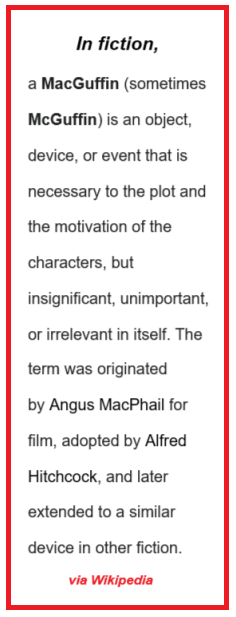
Edward is sickly, cursed with a wasting disease. All through this tale, he has been a McGuffin, the object of the quest and a pawn in Donovan’s game of power. His character arc is limited because he is bedridden and unaware of the war for control centered on him.

When she wakes up in the dungeon, Val realizes who truly set the curse on Edward and who murdered the boy’s parents in the first place. She realizes that if she can’t rescue Edward, Donovan’s curse will kill him, and Donovan will become king. She is miserably aware that she will need a wizard to counter Donovan’s sorcery. Unfortunately, the only sorcerer she has access to is Kai, which means she must rescue him first, something she despises having to do.

Conversely, Kai is glad to be free but not pleased that it is Valentine who has rescued him. He doubts her motives and refuses to believe his brother betrayed him, until they overhear the guards talking.

Val and Kai must learn to work together. As they do, the theme of romantic love will emerge.

What other themes might emerge as we write our story? How will we recognize and underscore the patterns, the melodies that appear in the narrative?

This is where writing becomes a craft, and to excel at any craft, we must work at it.

Thank you for sticking with me as we worked our way through this long and involved process of taking an idea for a story and building the characters, the world, and the plot.

While the story of Val and Kai is just a sample plot for demonstration, I have used these weeks to reexamine the different aspects of my current work in progress. Talking my way through a plot with my friends really helps, so thank you!


Previous in this series:

Idea to story, part 1: novel, poetry, memoir, or short story? #writing | Life in the Realm of Fantasy

Idea to story part 2: thinking out loud #writing | Life in the Realm of Fantasy

Idea to story part 3: plotting out loud #writing | Life in the Realm of Fantasy

Idea to story part 4 – the roles of side characters #writing | Life in the Realm of Fantasy

Idea to story part 5 – plotting treason #writing | Life in the Realm of Fantasy

Idea to story part 6 – Plotting the End #writing | Life in the Realm of Fantasy

Idea to story part 7 – Building the world #writing | Life in the Realm of Fantasy

Idea to story part 8 – world-building and society #writing | Life in the Realm of Fantasy

Idea to story part 9 – technology and world-building #writing | Life in the Realm of Fantasy

Idea to Story part 10 – science and magic as world-building #writing | Life in the Realm of Fantasy

Idea to story part 11: Genre and expected tropes #writing | Life in the Realm of Fantasy

5 Comments

Filed under writing

Idea to story, part 11: Genre and expected tropes #writing

Two months ago, we began our series, Idea to Story. The previous ten installments are listed below, but over the last ten weeks, we have met our protagonists and the ultimate antagonist. We know what their world is like and have given them a worthy quest. Also, we know how this story must end.

As we were meeting the characters, we realized that the sample plot is for a “Romantasy,” a subgenre of Fantasy, and we gave it a title that plays to that category, Valentine’s Gambit. If we choose to publish this story, we know which “shelf” (category) in the e-bookstore will best fit it: Fantasy Romance.

We will want to read books in that genre by well-known authors. This way we will know what our target market wants. The tropes may be anticipated by the reader, but we want our novel to incorporate them in a creative and unique way.

The expected tropes we have included when we plotted the story arc are:

  • Enemies to lovers Romance
  • Child in jeopardy
  • Quest
  • Gaining control of magic
  • Wise mentor
  • Battling the powerful enemy

This will ensure our novel fits its genre and subgenre. But what exactly are genres? Publisher and author Lee French puts it this way, “Literary genres are each a collection of tropes that create expectations about the media you consume.”

For a deep dive into the many genres that exist, go to List of writing genres – Wikipedia. Be prepared to spend some time looking into every aspect of the category you think you write in. If you do the research, you will be better able to market your work to its intended audience.

Genre and tropes are intertwined. If we are going to find readers for this novel, we must understand who we’re trying to sell it to.

We need to know what that reader expects to find in their favorite kind of book. Genres are like a display of fruit at the grocery store. Each kind of fruit has it’s own spot in the display, such as bananas and oranges and grapes. But each kind of fruit, such as apples, are divided into several varieties, and each variety of apple is a little different from its neighbor.

In novels, the different subgenres (flavors) within a genre are created by the tropes the author has chosen to include in the narrative.

Mainstream (or general) fiction is an all-purpose term that publishers and booksellers use to describe works that should appeal to the broadest range of readers and has a chance for commercial success. Mainstream authors often blend genre fiction stylistic practices with those considered unique to literary fiction. It will be both plot- and character-driven and may have a narrative style that is not as lean as modern genre fiction, but won’t be pretentiously stylistic.

Science fiction features futuristic settings, science, and technology, along with space travel, time travel, faster-than-light travel, parallel universes, and extraterrestrial life.

  • Hard Sci-fi is characterized by attention to detail in theoretical physics, chemistry, and astrophysics. Accurately depicting worlds that more advanced technology may make possible is critical.
  • Soft Sci-fi leans toward the social sciences, exploring psychology, economics, political science, sociology, and anthropology.
  • Other main sub-genres of Sci-fi include Space-operasCyberpunk, Time Travel, Steampunk, Alternate history, Military, Superhuman, Apocalyptic, and Post-Apocalyptic. Go to the internet and look up the typical tropes of these subgenres. Then write me an awesome Space Opera – my favorite sci-fi subgenre.

The main thing to remember is this: Science and Magic cannot coexist in the genre of science fiction. The minute you add magic to the story, you have Fantasy.

Fantasy is a fiction genre that commonly uses magic and other supernatural phenomena as a primary plot element, theme, or setting. The genre of Fantasy has its share of snobs when it comes to defining the sub-genres, the same way sci-fi and literary fiction do. The tropes are:

  • High Fantasy is set in an alternative, fictional world rather than the real world. It often includes elves, fairies, dwarves, dragons, demons, magic or sorcery, wizards or magicians, invented languages, quests, and coming-of-age themes. Readers expect and demand multi-volume series. Often, the prose is more literary, and the primary plot is slowed by many side quests. Think William Morris and J.R.R. Tolkien.
  • Epic Fantasy can be dark and serious but is always epic in scope. It usually explores the struggle against supernatural, evil forces. Epic fantasy shares some typical characteristics of high fantasy, and its readers also demand multi-volume narratives. Tad Williams’s Memory Sorrow and Thorn is a classic Epic Fantasy.
  • Paranormal Fantasy often focuses on romantic love. It includes elements beyond scientific explanation. Think ghosts, vampires, and the supernatural.
  • Urban Fantasy can be set in historical, modern, or futuristic periods, and the settings may include fictional elements. It must be primarily set in a city.
  • Romantasy contains all the elements of a classic fantasy story. However, the developing relationship between the two main characters is as central to the story as the primary quest. It must have a happy ending for the protagonists.

Every genre has a subgenre of horror. In Romance, the horror subgenre might be Gothic or Paranormal, but the focus must be on a developing romance. The roadblocks will not feature blood or gore, but terror and a perception of danger will be a feature the pair must overcome.

Romance—Novels of this type of genre fiction place their primary focus on the relationship and romantic love between two people and must have an emotionally satisfying and optimistic ending. The story will be character-driven, and the roadblocks must be believable but surmountable. There must be a happy ending for the couple, or it will not be received well by readers of Romance.

I mention Classic (Literary) Fiction last because it is the most complicated and least understood genre of all. These works are considered difficult to read because the style of the prose uses a wide range of vocabulary and may be experimental. This requires the reader to go over certain passages more than once, which many readers dislike doing. However, these books can be satisfying as they present ideas that require the reader to think beyond their usual bounds. Stylistic writing, heavy use of allegory, and the deep exploration of themes and ideas are strongly represented in these novels.

Our final installment in this series will explore how to recognize and make use of the themes that emerge in our work. We will focus on the themes in our sample Romantasy, idea threads that will wind through the narrative, and subtly reinforce our characters’ stories.


Previous in this series:

Idea to story, part 1: novel, poetry, memoir, or short story? #writing | Life in the Realm of Fantasy

Idea to story part 2: thinking out loud #writing | Life in the Realm of Fantasy

Idea to story part 3: plotting out loud #writing | Life in the Realm of Fantasy

Idea to story part 4 – the roles of side characters #writing | Life in the Realm of Fantasy

Idea to story part 5 – plotting treason #writing | Life in the Realm of Fantasy

Idea to story part 6 – Plotting the End #writing | Life in the Realm of Fantasy

Idea to story part 7 – Building the world #writing | Life in the Realm of Fantasy

Idea to story part 8 – world-building and society #writing | Life in the Realm of Fantasy

Idea to story part 9 – technology and world-building #writing | Life in the Realm of Fantasy

Idea to Story part 10 – science and magic as world-building #writing | Life in the Realm of Fantasy

3 Comments

Filed under writing

Idea to Story part 10 – science and magic as world-building #writing

I can’t deny my sincere love of all things sci-fi or fantasy. While I read in every genre, speculative fiction is my “comfort food.” I purchase both indie and traditionally published work and read them all.
Two months ago, we began our series, Idea to Story. The previous nine installments are listed below, but throughout the series, we have built our two main characters. Val, (Valentine), is a lady knight and captain of the Royal Guard. The initial enemy, Kai Voss, is the court sorcerer. Both are regents for the sickly, underage king. Most of the other characters are in place.

I must be honest—both sides of the publishing industry, indie and traditional, are guilty of publishing novels that aren’t well thought out. Thus, we are planning our novel so that we can avoid contradictions.

Inconsistencies in the science or magic system are usually only one aspect of haphazard plotting and world-building. When an author or publisher skimps on the revisions or ignores the beta reader’s concerns, they can be unaware of the contradictions built into the narrative. If they rush it to publication, the book fails the reader.

Magic must be treated the same way science is. It must be presented as a naturally occurring aspect of the world our characters inhabit.

  • Magic and the ability to wield it gives a character power.
  • Science and superior technology also give our characters power.

Power and how we confer it is the layer of world-building where writers of science and writers of magic must follow the same rules.

Science is not magic, and it should not feel to a reader as if it were. It is logical, rooted in the realm of both factual and researchable theoretical physics. Science is limited by the boundaries of human knowledge and our ability to build technology.

However, an author’s imaginative exploration of theoretical physics makes the possibilities boundless.

In my opinion, magic should be like science. It should follow certain natural laws and have limits. Magic is believable when the ways it can be used are restricted and most sorcerers are constrained by the laws of nature to mastering only one or two kinds.

But why restrict your beloved main character’s abilities? The obvious answer is to allow your character to grow, to give them a true character arc. No one has all the skills in real life, no matter how good they are at their job. Limits create tension, and tension keeps the reader reading. When too many people are given superior powers, you make things too easy.

I have read many sci-fi and fantasy novels featuring characters with empathic gifts.

  • In fantasy, it is portrayed as a form of magic.
  • In science fiction, it’s portrayed as a mysterious property of the quantum universe that some people can access.

If an empathic gift has entered your narrative, ask yourself these questions: what sort of empathic gift does your character have? Are they good at emotion reading, mind reading, healing, or foresight?

  • How common or rare is this gift?
  • How did they discover they had it?
  • What can they do with it?
  • What can they NOT do with it?
  • Is there formal training for gifts like theirs?
  • What happens to people who use their empathy to abuse others?
  • Has society made laws regulating how empaths are trained and controlled?

Are you writing a book that features magic? I have a few questions that you may want to consider:

  1. How do they learn to fully use their gifts? Apprenticeship? Trial and error? A formal school, ala Harry Potter?
  2. Are there some conditions under which the magic will not work? Is the damage magic can do as a weapon, or is the healing it can perform somehow limited?
  3. Does the mage or healer pay a physical/emotional price for using or abusing magic? Is the learning curve steep and sometimes lethal?

When you answer the above questions, you create the Science of Magic.

So, what about superpowers?

Superpowers are both science and something that may seem like magic, but they are not. Think Spiderman. His abilities are conferred on him by a scientific experiment that goes wrong.

Like science and magic, superpowers are believable when they are limited in what they can do.

If you haven’t considered the challenges your characters must overcome when wielding magic or weapons technology, now is a good time to do it.

  • How is their self-confidence affected by this inability?
  • Do the companions face learning curves, too?
  • How can they remedy this situation?

These limits are the roadblocks to success. Overcoming them offers opportunities for action and growth.

In the story we have been plotting for the last nine weeks, Kai is the court sorcerer. At their father’s behest, he was trained in the art of sorcery by his half-brother. Donovan is slick, always playing the long game. He made sure that Kai does not have full knowledge of the craft, although, at the outset, Kai is unaware of this treachery. When Donovan makes his move, Kai is utterly defeated and ends up in the dungeon.

Val springs him from the dungeon when she escapes, but then what? How can we resolve Kai’s knowledge gap and give him an edge his brother can’t detect? We need to find him another teacher or two.

Valentine’s grandmother is an herb woman blessed with some empathic abilities. She has knowledge Kai could benefit from. She also has friends who are practitioners of a way of magic that is considered beneath the formal school Donovan and Kai were trained in. If Kai can stop being a spoiled rich boy, he can learn what he needs to know.

Val has no magic but has knowledge of available military technology and ideas for how it can be used in unexpected ways. All she has to do is stop looking down her nose at Kai and work with him.

Her grandmother will resolve that situation with a sharp dose of reality for both our protagonists.

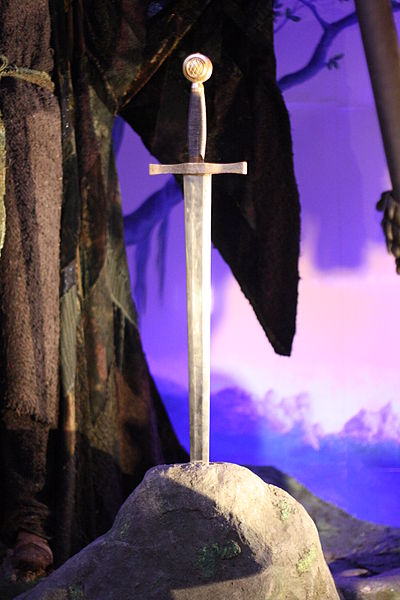
Excalibur London Film Museum via Wikipedia

The limits of their magic and technology force Kai and Val to be creative. If they are going to rescue the boy king from Donovan’s clutches, they need to use that creativity. Our characters must become more than they believe they are.

Whether your story is set in a medieval castle or a space station, limiting the personal power of the protagonist creates tension, raises the stakes, and makes the story more believable.

Next up – Genre, Themes, and the Expected Tropes of our story


Previous in this series:

Idea to story, part 1: novel, poetry, memoir, or short story? #writing | Life in the Realm of Fantasy

Idea to story part 2: thinking out loud #writing | Life in the Realm of Fantasy

Idea to story part 3: plotting out loud #writing | Life in the Realm of Fantasy

Idea to story part 4 – the roles of side characters #writing | Life in the Realm of Fantasy

Idea to story part 5 – plotting treason #writing | Life in the Realm of Fantasy

Idea to story part 6 – Plotting the End #writing | Life in the Realm of Fantasy

Idea to story part 7 – Building the world #writing | Life in the Realm of Fantasy

Idea to story part 8 – world-building and society #writing | Life in the Realm of Fantasy

Idea to story part 9 – technology and world-building #writing | Life in the Realm of Fantasy

2 Comments

Filed under writing

Idea to story part 9 – technology and world-building #writing

Today, we’re going to look at how the available technology affects the believability of our narrative. Eight weeks ago, we began our series, Idea to Story. The previous installments are listed below, but over the course of the series, we have built our two main characters, Val (Valentine), a lady knight, and the initial enemy, Kai Voss, a court sorcerer. Both are regents for the sickly, underage king.

We also have our ultimate enemy, Donovan Dove, Kai’s half-brother, and most trusted advisor. The basic story arc has been plotted (an enemies-to-lovers romance), and we have a working title that speaks to the genre of romantasy (fantasy romance), Valentine’s Gambit. We may keep the title, or we might not.

When we began this journey, we allowed the characters to tell us the story as they saw it. They showed us snippets of their world, and we started placing the set dressing in each scene. Our characters’ place in society has been determined, so we have an idea of their preconceived notions and cherished prejudices.

At the outset, the characters and the plot leaned toward a pseudo-medieval type of society. A large segment of the fantasy genre is set in a pseudo-medieval era. The most common failure I see in this type of fantasy is the assumption that only minimal technology can exist in a medieval era.

Yes, sewers were often open trenches, but while much of the available tech was reserved for the upper classes, it did exist. One can only admire our ancestors. Their creations are the foundations of what we consider modern amenities.

So, let’s talk about the level of technology for your novel. No matter the genre or era you set it in, no matter the world, each occupation has a specific historically available technologyWhat tools are available to them?

  1. Hunter/Gatherers?
  2. Agricultural/farming?
  3. Greco-Roman metallurgy and technology?
  4. Medieval metallurgy and technology?
  5. Pre-industrial revolution or late Victorian?
  6. Modern day?
  7. Or do they have magic-based technology?
  8. How do we get around, and how do we transport goods? On foot, by horse & wagon, trains, or space shuttle?

Our sample story is set in a pseudo-medieval era, so what sort of technologies are available to Val, Kai, and young King Edward?

We must do the research.

Sanitation: In Europe, how was public sanitation handled during medieval times? We can go back to the Etruscans for this, circa fifth century BCE. In the better parts of town, folks had covered sewers. According to Wikipedia:

Sanitation in ancient Rome, acquired from the Etruscans, was very advanced compared to other ancient cities and provided water supply and sanitation services to residents of Rome. Although there were many sewers, public latrines, baths and other sanitation infrastructure, disease was still rampant. The baths are known to symbolize the “great hygiene of Rome”.

Around AD 100, direct connections of homes to sewers began, and the Romans completed most of the sewer system infrastructure. Sewers were laid throughout the city, serving the public and some private latrines, and also served as dumping grounds for homes not directly connected to a sewer. It was mostly the wealthy whose homes were connected to the sewers, through outlets that ran under an extension of the latrine. [1]

These modern amenities traveled with the aristocracy to all the lands conquered by Rome and remained available into the Middle Ages and the Renaissance.

What other amenities might our quarreling couple have? In the article,  Medieval Technology, Hanna Woody at Clemson University tells us that these (and many more) technologies we think of as modern appeared and were in use during medieval times. [2]

Thus, if the plot goes the way we planned, Val and Kai will have all the conveniences of a Tudor Castle, an herb woman’s forest cottage, and a mud hut. Valentine’s Gambit will be nothing if not classy.

If you are writing about a craft that you are unfamiliar with, DO THE RESEARCH. You will interpret your research and will either get it right or be way off the mark. Either way, it’s your story, but readers will point out where you got it wrong.

Are you writing science fiction?

TED Talks are a fantastic resource for information on current and cutting-edge technology.

ZDNet Innovation is an excellent source of existing tech and future tech that may become current in 25 years.

Tech Times is also a great source of ideas.

Nerds on Earth is a source of valuable information about swords and how they were used historically.

Digital Trends

If you are writing a contemporary novel, you need to know what interests the people in the many different layers of our society. Go to the magazine rack at your grocery store or the local Big Name Bookstore and peruse the many publications available to the reading public. You can find everything from mushroom hunting to culinary, survivalist, and organic gardening. If people are interested in it, there is a magazine for it. An incredible amount of information can be found in these publications.

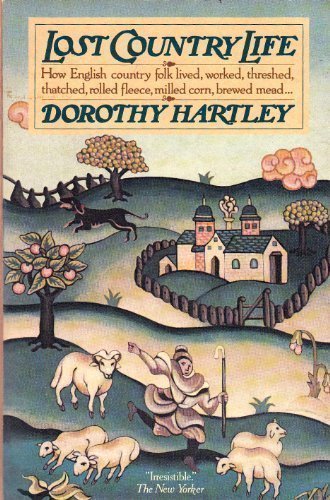
If you seek information about how people farmed and worked in historical societies from post-Roman times through to the late Edwardian era, Lost Country Life by Dorothy Hartley is still available as a second-hand book and can be found on Amazon. This textbook was meticulously researched and illustrated by a historian who personally knew the people she wrote about.

Resources to bookmark in general:

www.Thesaurus.Com (What’s another word that means the same as this but isn’t repetitive?)

Oxford Dictionary (What does this word mean? Am I using it correctly?)

Wikipedia (The font of all knowledge. I did not know that.)

Looking things up on the internet can suck up an enormous amount of your writing time. Do yourself a favor and bookmark your resources, so all you have to do is click on a link to get the information you want. Then, you can quickly get back to writing.

Next week, we will look at science and magic and talk about how limitations offer opportunities for action.


PREVIOUS IN THIS SERIES:

Idea to story, part 1: novel, poetry, memoir, or short story? #writing | Life in the Realm of Fantasy

Idea to story part 2: thinking out loud #writing | Life in the Realm of Fantasy

Idea to story part 3: plotting out loud #writing | Life in the Realm of Fantasy

Idea to story part 4 – the roles of side characters #writing | Life in the Realm of Fantasy

Idea to story part 5 – plotting treason #writing | Life in the Realm of Fantasy

Idea to story part 6 – Plotting the End #writing | Life in the Realm of Fantasy

Idea to story part 7 – Building the world #writing | Life in the Realm of Fantasy

Idea to story part 8 – world-building and society #writing | Life in the Realm of Fantasy


Credits and Attributions

[1] Wikipedia contributors, “Sanitation in ancient Rome,” Wikipedia, The Free Encyclopedia, https://en.wikipedia.org/w/index.php?title=Sanitation_in_ancient_Rome&oldid=1277682552 (accessed March 28, 2025).

[2] CC0 (Creative Commons Zero) license. To the extent possible under law, Clemson University has waived all copyright and related or neighboring rights to Science Technology and Society a Student Led Exploration, except where otherwise noted. (Accessed March 28, 2025.)

4 Comments

Filed under writing

#FineArtFriday: Seal Rock by Albert Bierstadt

Artist: Albert Bierstadt (1830–1902)

Title: Seal Rock

Genre: marine art

Date: 1880s

Medium: oil on canvas

Dimensions:   height: 105 cm (41.3 in)

What I love about this painting:

It is a blustery day on the cold, wild sea. The sun briefly shines through, illuminating the rocks, glowing through a cresting wave. This is a masterful depiction of the scene, painted later in his life. It is dynamic and dramatic, conveying the power of the waves and the emotion of the scene.

Despite the efforts of the sea to wash them away, the rocks stand strong, offering a safe place for the seals.

As an avid watcher of nature shows, I love this painting.  Bierstadt captures these seals doing all the things seals do. They are fishing, lounging, and several pairs are apparently arguing.

Not unlike my family when we go out to lounge on a rock beside the sea.


About the Artist, via Wikipedia:

Albert Bierstadt (January 7, 1830 – February 18, 1902) was a German American painter best known for his lavish, sweeping landscapes of the American West. He joined several journeys of the Westward Expansion to paint the scenes. He was not the first artist to record the sites, but he was the foremost painter of them for the remainder of the 19th century.

Bierstadt was born in Prussia, but his family moved to the United States when he was one year old. He returned to study painting for several years in Düsseldorf. He became part of the second generation of the Hudson River School in New York, an informal group of like-minded painters who started painting along the Hudson River. Their style was based on carefully detailed paintings with romantic, almost glowing lighting, sometimes called luminism. Bierstadt was an important interpreter of the western landscape, and he is also grouped with the Rocky Mountain School. [1]


Credits and Attributions:

IMAGE: Seal Rock by Albert Bierstadt, Wikimedia Commons contributors, “File:Seal Rock by Albert Bierstadt, c. 1872-1887, oil on canvas – New Britain Museum of American Art – DSC09221.JPG,” Wikimedia Commons, https://commons.wikimedia.org/w/index.php?title=File:Seal_Rock_by_Albert_Bierstadt,_c._1872-1887,_oil_on_canvas_-_New_Britain_Museum_of_American_Art_-_DSC09221.JPG&oldid=975772252 (accessed March 27, 2025).

[1] Wikipedia contributors, “Albert Bierstadt,” Wikipedia, The Free Encyclopedia, https://en.wikipedia.org/w/index.php?title=Albert_Bierstadt&oldid=1277160716 (accessed March 27, 2025).

2 Comments

Filed under #FineArtFriday

Idea to story part 8 – world-building and society #writing

We have been plotting a novel for the last seven weeks in our series, Idea to Story. The previous installments are listed below, but at this point, we have our two main characters, Val (Valentine), a lady knight, and the enemy, Kai Voss, a court sorcerer. Both are regents for the sickly, underage king.

We also have our ultimate enemy, Donovan Dove, Kai’s half-brother and most trusted advisor. We have plotted our basic story arc (an enemies-to-lovers romance) and have a working title that speaks to the genre of romantasy (fantasy romance), Valentine’s Gambit.

We have allowed the characters to tell us the story, and we have begun building their world, placing the set dressing in each scene.

But we have more world-building to do. This is background info that will be hinted at in the narrative, shown in small ways rather than dumped. But this is crucial information for us, the author, as it tells us why our characters see things in a certain way and what their gut reactions will be.

A character’s place in their society affects the way they interact with each other and how they interact with people they meet. Whether they hold a position of privilege or grub the soil on an absentee lord’s estate, they will have assumptions to overcome. Social class is the window through which they view the world, the root of their gut reactions and judgments.

Val (Valentine) comes from a lower middle-class background, having worked her way up through the ranks of the Royal Guard. She was raised by her grandmother, a respected herb-woman and healer for their village. Gran gave Val the best education she could, teaching her to read and write and count coins, insisting she speak properly. “People don’t respect you when you use gutter-talk.”

The fact that she was educated in the basics and taught early in life to speak properly is why she was able to rise through the ranks to become Captain of the Royal Guard.

Val’s regional accent gives away the area she grew up in, and she speaks more like a member of the merchant class than a peasant. A soldier at heart, she dislikes court dinners but attends them because she is one of Edward’s guardians.

Let’s just say that Val has a lot to learn about her assumptions.

Kai is the sheltered heir to an earldom. He is highly educated but completely ignorant of many things that the majority of people in their society are familiar with. Our sorcerer is fully at home at court, the epitome of what a nobleman of his society should be. He will lose everything he has ever known, and like Val, his most cherished assumptions will be challenged entirely by the time we reach the midpoint of the story.

In most communities, a family’s social class determines their level of education and the neighborhood in which they grow up. Local dialect forms their casual speech habits and regional accents.

No one “has no accent,” although some will claim that. We all have an accent that reflects our roots.

We sound like the people in our hometown unless we make a conscious effort to erase our roots. If dialect is holding us back, we might retrain ourselves to sound more like what we perceive as the upper echelons of society, to make ourselves sound “posh.”

World-building requires us to ask questions of the story we are writing. I go somewhere quiet and consider the world my characters will inhabit. I have a list of points to consider when deciding where my characters fit in in their society. Here are a few of them:

First, who has the wealth?

  • Is there a noble class?
  • Is there a servant class?
  • Are those who enter religious orders a separate class?
  • Is there a large middle class?
  • Who makes up the most impoverished class?
  • Who has the power, men or women—or is it a society based on mutual respect?

Ethics and Values: What constitutes morality, and how do we treat each other? Is marriage required?

  • What is taboo? What is “simply not done” among that group?

In any village or town, someone is always in charge. There will be a government of some sort, an overall system of restraint and control. Think of it as a pyramid, a few at the top ruling over a broad base of citizens.

Something to consider if you are writing historical fiction or fantasy: In a medieval-type society, the accepted age for when a child becomes legally an adult will be much younger than we consider it today. When the majority of people die before the age of forty, adulthood comes at the same time as puberty. This includes kings and queens.

  • Regardless of their age, the ruling class might be unaware of how their decisions affect the lower classes.

Val is determined to raise young King Edward to understand even the lowest of his subjects and have compassion for them. At first, Kai doesn’t think sheltering him from the realities of peasant life is a problem, but by the end of the story, he will be Val’s strongest ally.

This is because Kai will see firsthand that war breaks up families. It takes the laborers out of the fields and puts them on the front lines, limiting food production.

He will understand that while this hurts everyone in one way or another, it destroys trade, harming the merchant class. The toils of war fall heaviest upon the peasant class, but the middle class pays society’s bills.

A common trope in fantasy is magic, which brings up the need to train magic-gifted people like Kai and Donovan. Will our sorcerers/mages rely on dumb luck and experimentation? Will they apprentice themselves to other sorcerers?

  • Or, as in the case of Harry Potter, are they graduates of a school of some sort?

Magic does come into Val and Kai’s story, so we will discuss how magic can make or break a fantasy before the end of this series.

The Church/Temple is the governing power in many real-world historical societies. Some religions shape how their followers view and interact with the world.

Religion does not come into Val and Kai’s story other than in a peripheral way, but it might in yours.

Some people are prone to excess when presented with the opportunity to become all-powerful. If you were unsure what your plot was before you got to this stage, now you might have a real villain, one presented to you by your society.

Donovan is our ultimate villain. He is highly educated and privileged but has been shaped by the way his society views his illegitimacy. Beneath the urbane exterior he presents to the world is a man who profoundly resents his father’s casual assumption that he is satisfied to be subordinate to Kai—just because his younger brother was born from the right mother.

We DO NOT want to turn him into a cartoon villain, but he needs to be very dark and complicated.

Next week, we will look at how to ensure that the available technology we write into the narrative fits the era in which we set the story as well as the genre we choose to write in.


PREVIOUS IN THIS SERIES:

Idea to story, part 1: novel, poetry, memoir, or short story? #writing | Life in the Realm of Fantasy

Idea to story part 2: thinking out loud #writing | Life in the Realm of Fantasy

Idea to story part 3: plotting out loud #writing | Life in the Realm of Fantasy

Idea to story part 4 – the roles of side characters #writing | Life in the Realm of Fantasy

Idea to story part 5 – plotting treason #writing | Life in the Realm of Fantasy

Idea to story part 6 – Plotting the End #writing | Life in the Realm of Fantasy

Idea to story part 7 – Building the world #writing | Life in the Realm of Fantasy

8 Comments

Filed under writing

Idea to story part 7 – Building the world #writing

We have just finished the first six parts in our story creation series. We talked about developing characters and allowing them to help us plot our story, and the links to those posts are down below. Now, we’re going to let our characters show us the environment and landscape of their world.

First, even though the sample plot we’ve been working with is for a pseudo-medieval fantasy, you don’t have to write in that genre to benefit from listening to your characters. Our characters will tell us what their world looks like, no matter what genre we set it in.

The plot of our sample story as it evolved over the last six weeks tells us it will be set in several places: a castle fortress, a manor house, a cottage in an as-yet-nameless village, and a hut in a forest.

One problem I have noticed as an avid reader is the tendency to build contradictions into the geography of our world. It happens as we lay the story down on paper, expanding scenes and interactions. One of my favorite authors is consistently guilty of this despite having published more than eighty novels.

We don’t want to build flaws into our narrative, but we all want to speed up the process of finishing the first draft.

I find a small, hand-scribbled map is the best way to do this. I begin with the opening location, and each time the group goes somewhere, I add it to my map. That way, I have them going in the right direction consistently, and it takes the same length of time to get there each time they must make the journey.

All we need is some idea of directions and distances, an idea of how long it takes to travel using the standard mode of transportation.

In my own writing, I keep the visuals simple, basing the plants and topography on the Pacific Northwest, where I live. It’s a lot less work to write what we are familiar with when it comes to flora and fauna, as well as mountains and seas.

When Val looks out the window, she sees a hilly country covered in a forest of firs and cedar trees interspersed with clearings. Wherever a giant tree has fallen, sunlight creates places where ash, maples, and cottonwoods find fertile soil. In turn, those trees offer shelter to the young seedlings of the fir and cedars, ensuring that the forest continues its cycle of life.

When Val and Kai move their troops for the final battle, they must travel over hills and valleys and cross rivers. They must know where the villages that are sympathetic to them are and avoid those controlled by the enemy.

  • As the rough draft evolves, sometimes towns must be renamed or may have to be moved to more logical places.
  • Whole mountain ranges may have to be moved or reshaped so our characters encounter forests and savannas where they are supposed to be in the story.

The topography isn’t the only thing Guard Captain Val must contend with from day one. It’s a fantasy so there may be rare beasts to deal with.

Also, when we decided she was captain of the royal guard and co-regent for young King Edward, we implied a Renaissance level of technology. This means they are pre-industrial, relying on horses, mules, and oxen for personal transportation and transporting goods. Thus, wagons, carts, and carriages will provide transportation when one doesn’t want to ride horseback or must transport large quantities of goods.

We will go into how available technology affects what our characters can do later in this series.

Any story set in prehistorical times is a fantasy, as the author must imagine social interactions and environments based on the information available in the archeological record.

  • Historical eras are those where written records have been archived and passed down to us.
  • Any story set in a society without written records is a fantasy–no matter what genre you label it with. Although mythology, conjecture, and theorizing abound, few scientific facts exist until an archeological expedition can investigate any artifacts and ruins they left behind. And even then, there will be a certain literary license to the archaeologist’s conclusions.

If you are setting your novel in a real-world city as it currently exists, make good use of Google Earth. Bookmark it now, even if you live in that town, as the maps you will generate will help you stay on track.

Our characters will reveal the sights, sounds, and scents of their world to us. They will tell us if they feel at home in the forest, as Val does. Or they will indicate unease and fear, as Kai does when he is thrown into an environment he has never experienced.

The metallic aftertaste of terror overrode the musty scents of damp earth and rotting leaves. The rank odor of startled skunk lingered, but the occasional calls of small forest creatures went on around him as if everything were normal. It wasn’t, but hell would freeze before he admitted it. As cold as it was, it probably had.

When it comes to geography, the “three S’s” of world-building are critical: sights, sounds, and smells. Those sensory elements create what we know of the world. What does your character see, hear, and smell? Taste rarely comes into it except when showing an odor or emotion.

Scene framing is an aspect of world-building. It is the order in which we stage our characters and the visual objects they interact with. It shapes the overall mood and atmosphere of a scene.

The atmosphere of a narrative is a long-term feature of the story, winding through and evolving over the length of the piece. Atmosphere is conveyed by the setting as well as the general emotional state of the characters.

The mood of a story is also long-term, but it is a feeling residing in the background, going almost unnoticed—subliminal. Mood shapes (and is shaped by) the emotions evoked within the story.

Once we have our characters in place, they will show us the furnishings, sounds, and odors that are the visual necessities for that scene. All we have to do is let them do their jobs.

In the first draft, our primary task is to get the bare bones of the settings down. We must write the story as it falls from our imaginations first. For example, I won’t worry about the details of that gorgeous tapestry hanging in King Edward’s bedroom. I’ll just write the scene where Donovan kidnaps him. If the tapestry becomes important later, we’ll have a closer look at it.

World-building gets expanded on or trimmed back during the revision process. It is an aspect of writing that continues through every draft of the manuscript. Beta readers will mention aspects of the world that need attention, and even in the editing process some adjustments will be made.

Next week, we’ll look at the different levels of society that shaped our two main characters. We will see how their most cherished biases were formed, and with that understanding, we will understand how and why the whole debacle that is our story began.

PREVIOUS IN THIS SERIES:

Idea to story, part 1: novel, poetry, memoir, or short story? #writing | Life in the Realm of Fantasy

Idea to story part 2: thinking out loud #writing | Life in the Realm of Fantasy

Idea to story part 3: plotting out loud #writing | Life in the Realm of Fantasy

Idea to story part 4 – the roles of side characters #writing | Life in the Realm of Fantasy

Idea to story part 5 – plotting treason #writing | Life in the Realm of Fantasy

Idea to story part 6 – Plotting the End #writing | Life in the Realm of Fantasy

9 Comments

Filed under writing

Idea to story part 5 – plotting treason #writing

We have been working on plotting a novel for the last month in our series, Idea to Story. The previous installments are listed below, but at this point we have our two main characters, Val (Valentine), a lady knight, and the enemy, Kai Voss, court sorcerer. Both are regents for the sickly, underage king.

I write fantasy, but every story is the same, no matter the set dressing: Protagonist A needs something desperately, and Antagonist B stands in their way. In this story, Valentine begins as our protagonist, and we are setting Kai up as the visible antagonist.

The plot as it stood last week: Twelve-year-old Edward has been steadily declining in health since the deaths of his parents. His bodyguards, led by Val, believe the court sorcerer has cursed him with a wasting illness. Edward’s other guardian, Kai, and his advisors believe Val is poisoning him.

Kai’s most trusted advisor is his older half-brother, Donovan Dove. Donovan is highly educated and an accomplished mage. However, his mother was a commoner and therefore not allowed to marry his father, so he has been relegated to supporting roles, such as tutoring his younger brother in all aspects of magic and the other gentlemanly arts as befits the heir to their father’s earldom. Their father appointed him as steward of their lands, so he is in charge of running the family estate while Kai is away from home doing his job of tending to the young king’s education.

Donovan is thirty-eight, exceptionally handsome and charming. He gambles well and rarely loses.

  • His nouns are passion, desire, and deceit. His modifiers (adjectives) are suave, worldly, courtly, enigmatic, and devious.
  • Donovan’s verbs are shape, create, mold, conceal, charm.

Donovan’s void is obsession and jealousy.

Our characters have told us what the plot is while we were creating them, by virtue of their personalities: their nouns, verbs, and voids. So, we’re going to allow them to continue telling us what the conflict is, and we will observe and create a framework, a series of guideposts to write to.

We will drop Val and Kai into the soup as soon as the main side characters are in place. We present them with a quest that appears to be the real one but is only a smoke screen concealing the true villain’s motives and allowing him to neatly get rid of them. This first quest gets the story moving and keeps the reader reading.

  • Regardless of genre or plot, this is the place where the characters are set on the path to their destiny.

For this story, we will use a four-act plot arc, dividing the story into quarters. The first act ends with the inciting incident.

The inciting incident is where the protagonists first realize they’re blocked from achieving the desired goal.  In this case, information has come to Val’s attention that someone highly trusted has cursed the young king with a wasting illness. She immediately suspects Kai and moves Edward to a safe place.

Kai has also received information from his most trusted source that Edward is being poisoned. His suspicions immediately fall on Val, whom he believes wishes to take the throne and rule as a warrior queen. When he discovers the king has been taken from the castle (kidnapped, as he believes), he rallies the soldiers loyal to him and mounts a search.

A roadblock arises, as both characters believe the other intends to kill Edward. Val and her soldiers are very good at what they do. Kai attempts to find a way around them, leading to another crisis scene and a stalemate.

The second act ensues with more action leading to more trouble, rising to a pitch when the hidden adversary springs his trap.

  • This is where personal weaknesses are exposed in our two main characters, offering the opportunity for growth.

The way I see this plot now, at the midpoint, both Valentine and Kai Voss are waking up in the dungeon and realizing they have been played by Donovan Dove.

Or, if they aren’t, they should be. After all, the struggle is the story.

Val immediately comprehends what just happened and finds a way to escape. Against her better judgement, she makes a spur of the moment decision to free Kai, who is still in shock. Only now is the mage discovering the magnitude of his brother’s betrayal.

This dungeon scene tells us what the plot needs to be from here onward, and what our true quest is: rescuing Edward before he dies from Donovan’s curse.

We must open each act with a strong scene, an arc of action that illuminates the characters, their wants and emotions. This allows the reader to learn things as the protagonist does. We have the chance to insert subtle clues regarding things the characters are not aware of, knowledge that will affect the plot.

The hints we offer at the beginning and through the first half of the book are important. Foreshadowing piques the reader’s interest and makes them want to know how the book will end. However, we want to keep the real villain and the depth of his villainy secret until the moment Kai and Val stumble into his trap.

Only then will the small clues that all is not as it appears make sense.

I work best when I create a broad outline of the story arc as the characters reveal it to me.  I also like to know how it will end so that I can write to that ending.

  • What moral (or immoral) choice will our protagonists have to make in their attempt to achieve their objective?
  • What happens at the first pinch point? How does the false information come to them?
  • How does Donovan keep his true motives secret until he has Val and Kai where he wants them?
  • How does Donovan dispose of the side characters who deliver the false information he has given them?
  • At the midpoint how is the health and emotional condition of Val and Kai?
  • How will Val and Kai set aside their animosity and learn to trust each other?
  • What is Donovan’s plan now that he has custody of the king?

At the ¾ point, Val and Kai should have gathered some resources and rallied their companions. They should be preparing to rescue Edward and planning how to face Donovan for the final battle.

Subplots should be introduced after the inciting incident has taken place. If you introduce them too soon, they can distract the reader, making for a haphazard story arc. In my opinion, side quests work best if they are presented once the tone of the book and the main crisis has been established, and only if they are necessary to the completion of the final, overarching quest.

How long do you plan the book to be? Take that word count and divide it by 4. Place the culmination of your first major event at the ¼ mark. The following two quarters are the middle. If you have set your first half action up right and have an idea of how the story should end, the middle and the ending should fall into place like dominoes.

PREVIOUS IN THIS SERIES:

Idea to story, part 1: novel, poetry, memoir, or short story? #writing | Life in the Realm of Fantasy

Idea to story part 2: thinking out loud #writing | Life in the Realm of Fantasy

Idea to story part 3: plotting out loud #writing | Life in the Realm of Fantasy

Idea to story part 4 – the roles of side characters #writing | Life in the Realm of Fantasy

6 Comments

Filed under writing

Idea to story part 4 – the roles of side characters #writing

We are designing a fantasy story, and we are going to write it for us, writing as freely as we want. We’re writing like no one will ever read it but us, so it will be our story, flowing from our vision.

So far, we have created our protagonist and the initial antagonist and have an idea of what their quest is.

We have discovered that our novel might be a Romantasy, as the enemies-to-lovers trope seems to be developing. Now, let’s look at the allies that help our characters as they each strive to fulfill their quest. These are the friends and supporters who enable them to achieve their goals.

The Writer’s Journey, Mythic Structure for Writers, by Christopher Vogler, details the various traditional archetypes that form the basis of most characters in our modern mythology, or literary canon.

The following is the list of character archetypes as described by Vogler:

  1. Hero: someone who is willing to sacrifice his own needs on behalf of others.
  2. Mentor: all the characters who teach and protect heroes and give them necessary gifts.
  3. Threshold Guardian: a menacing face to the hero, but if understood, they can be overcome.
  4. Herald: a force that brings a new challenge to the hero.
  5. Shapeshifters: characters who constantly change from the hero’s point of view.
  6. Shadow: a character who represents the energy of the dark side.
  7. Ally: someone who travels with the hero through the journey, serving a variety of functions, including that of sacrificial lamb.
  8. Trickster: embodies the energies of mischief and desire for change.

Side characters are essential, especially characters with secrets because they are a mystery. Readers love to work out puzzles. However, the job of the supporting cast is to keep the attention focused on the protagonist and the antagonist and their quest.

For that reason, I recommend keeping the number of allies limited. Too many named characters can lead to confusion in the reader. For the sake of simplicity, I am limiting the number of characters in each party to 3 trusted cohorts.

The quest is simple: Our protagonist and antagonist are co-regents of twelve-year-old King Edward. Both seek to keep him alive, but they have radically different ideas about his upbringing. Both believe the other is the cause of Edward’s wasting illness.’

At this point in the planning process, Edward is a MacGuffin, and if he has a personality, it will emerge as time goes on. So, how does Val’s party line up?

  1. First is the ally who is also the trickster. This character is as yet unnamed, but they are the core of Val’s spy network and will be fun to write. This ally will also serve as the sacrificial lamb, bringing pathos into the story.
  2. Val’s second in command fills the role of paladin, a common fantasy character trope. He is a trusted officer in the royal guards. He does not trust the spy, bringing friction and mutual distrust into play and offering opportunities for our spy to vent his humor at the paladin’s expense.
  3. Val’s third ally is a healer, a woman who was young King Edward’s nurse when he was a baby. She also has the role of mentor when wisdom is required.

Our sidekicks are as yet unnamed, BUT we might have our novel made into an audiobook. Thus, we must consider ease of pronunciation when a name is read aloud.

Every core character that the protagonists are surrounded by should project an unmistakable surface persona, characteristics that a reader will recognize as unique from the outset.

Kai Voss will also have three trusted allies.

  1. Kai’s much older (illegitimate) half-brother is also a sorcerer and has long served as Kai’s mentor. He is also the Shadow, the suave, worldly character who subtly brings the energy of the dark side.
  2. Two soldiers have sided with Kai, both firmly believing they are the salvation of the young king. One is the paladin, a man who believes in honor and loyalty to the king and the traditions that he believes in.
  3. One soldier has the role of herald and will be the sacrificial lamb when he uncovers an uncomfortable truth.

From the moment they enter the story, we should see glimpses of weaknesses and fears. We should see hints of the sorrows and guilts that lie beneath their exterior personas. These characters are not the protagonist, so their backstory must emerge as a side note, a justification for their inclusion in the core group.

Old friends have long histories, and the protagonist knows most of their secrets at the outset—but perhaps not all. Unspoken secrets will emerge only at critical points if and when they affect the protagonist or antagonist, and only if they  provide the reader with information they must know.
If these friends are new to the protagonist, their stories should emerge in the form of information needed to complete the quest.

In real life, everyone has emotions and thoughts they conceal from others. Perhaps they are angry and afraid, or jealous, or any number of emotions we are embarrassed to acknowledge. Maybe they hope to gain something on a personal level. If so, what? Small hints revealing those unspoken motives are crucial to raising the tension in the narrative.
As writers, our task is to ensure that each character’s individual story intersects smoothly and doesn’t jar the reader.

To do that, the motivations of the side characters must be clearly defined. You must know how the person thinks and reacts as an individual.

Ask yourself what deep desires push this character onward? Just as you have done with the hero of your story, ask yourself what the side characters’ moral boundaries are and what actions would be out of character for them?

  • Write nothing that seems out of character unless there is a good, justified reason for that behavior or comment.

We want to create empathy in the reader for the group as a whole, but we want to keep the pace of the plot arc moving forward.

Certain plot tricks function well across all genres, from sci-fi to romance, no matter the setting. In most novels, one or more characters are “fish out of water” in that they are immediately thrust into an unfamiliar and possibly dangerous environment.

In our current manuscript, it is our antagonist, Kai Voss, who will be thrust into the unknown by a traitor acting on their secret agenda, and we will talk about that in our next installment.

7 Comments

Filed under writing