Category Archives: Literature

Crafting the tale

Power of Words

Back-story happens as an author writes the tale. In my early works I left the back-story in, not realizing how it interfered with the flow of the story.  Now I am rewriting my first published novel, removing the info dumps and using the skills I have developed in writing my last four novels to tell the story through scenes and dialogue.

Sometimes writing is like pulling a rabbit out of my hat–Voila!!!  And there it is, the best scene I’ve ever written.  I see it fully formed in my head and it falls out of my fingers as if I were seeing it before me.

The spring thaw was heralded by the hissing of rain on the frozen fir trees.  Five men swathed in heavy cloaks rode miserable horses north, braving the eternal damp of a chill April morning, riding through snow heavy with slush, splashing through myriad puddles as the snowy landscape of the northern winter slowly melted under the assault of the spring rains.

Other times, it takes days and hundreds of failed attempts to figure out what it was I really wanted to say, what that one crucial paragraph needs to tell the reader in as few words as is possible.

The older merchant’s face darkened at the mention of the prince’s name and quickly looking over his shoulder at the other guests in the common room, he hushed his sons. “We’ll have no more mention of them at this table. If the wrong person overhears such talk we’ll all end our days in our own beds with our throats slit!”
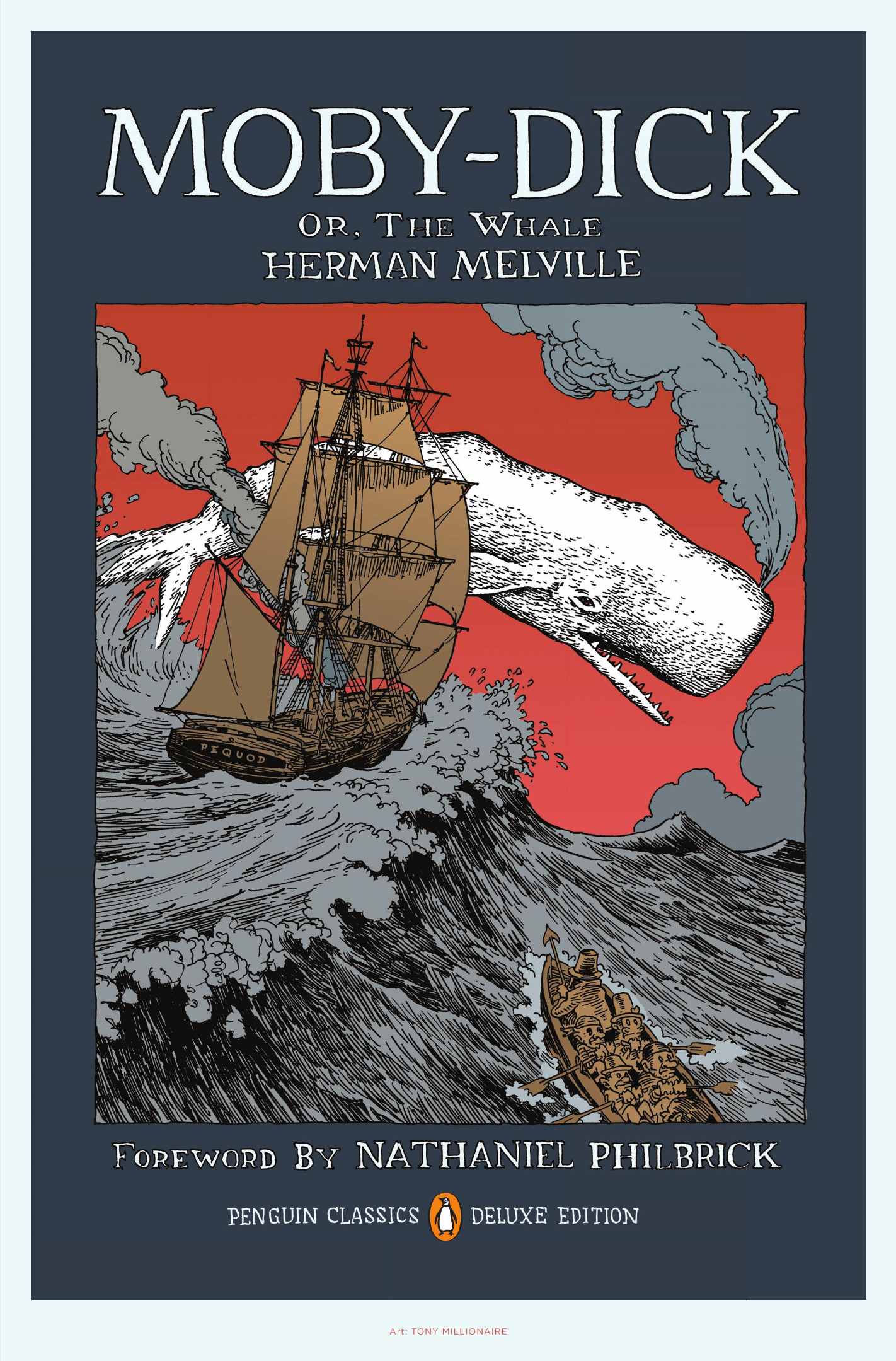
MobyDickTonyMillionaireCoverPosterGetting the back-story into the tale without spewing pages of detail is critical.  In order for the reader to understand the action, they must understand the back-story. However, long info-dumps are no longer the fashion–the days of Herman Melville and J.R.R. Tolkien are gone: the modern reader has a leaner taste in literature.

Thus the author must find ways to insert the back-story in such a way the reader is intrigued.

I’ve lately attempted to read several tales where the authors have been humiliated in their writing groups by the snarky guru (you know the one I am talking about) to the point they now put no back-story at all into their tale. The jealous, rudely sarcastic diva has accomplished his mission–once again he’s made a more talented author afraid to write.

Back-story is critical, because action must happen for a reason. When things happen for no reason at all, the story is nothing but random, senseless actions. Without back-story we don’t care about the protagonist, no matter how handsome and witty he is.

An author once told me he put no back-story in because he wanted the reader to find out what was happening at the same time the protagonist discovered it.  I found his work to be random, and senseless, which was too bad, because just a little insight into WHY the action was happening would have made it so much more interesting.

When I read a book, I become involved with the characters if there is a sense of history, if I want to know this person. Having some knowledge of what makes this person tick intrigues me. Why did Maldred order Geoffrey murdered? A snippet here and there, artfully inserted into to the scenery and the dialogue will inform the reader in such a way they don’t realize they are being informed.

Thus the author must craft the tale.

According to Jon Sprunk at Tor.Com: “Most aspects of back-story can be inferred by the reader. For example, if your main character is a cop, most readers will understand that she knows police procedure, the laws of her jurisdiction, and how to handle a firearm. You don’t need to walk us through every day of her academy training to tell us this.” 
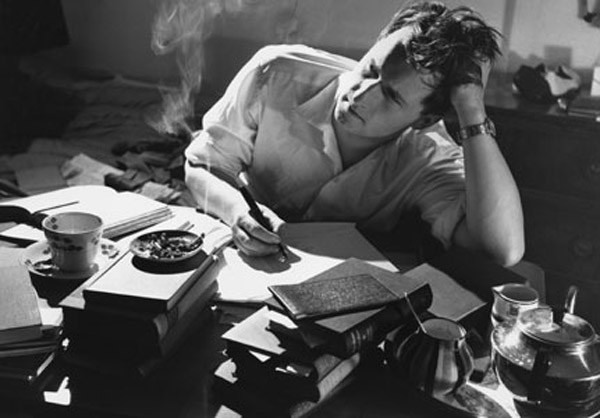
MR-writers-block-guy-Google ImagesA good way to dole out the back-story and still leave the reader’s imagination intact is to write in such a way the information is slipped  into the story in small chucks to spread it out.

Having characters discuss important events of the past is another effective way to get the information to the reader. However, you must use this tool wisely so as to not to fall into the trap of using dialogue to tell the story.

It’s a balancing act. This is where the craft of writing comes into play. We learn through writing and from getting proper feedback on our work.Writing is like cooking–experience will give you some idea of how much seasoning is too much.

A writing group, whether online or in your community is an excellent place to begin sharing your work and getting feedback. Don’t be afraid of criticism, because even the snarky guru has a point–he just has a bad way of displaying it. Also, don’t expect to ever write to THEIR satisfaction, because it won’t happen.  However, you can learn a great deal there if you choose to.
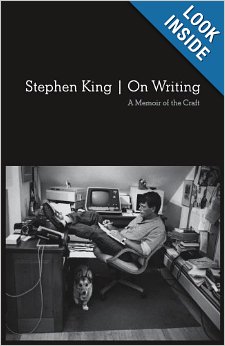
on writingA great book for new writers is Stephen King’s On Writing-A Memoir of the Craft. He tells us of his own life up to his well-known near-death experience, which is gripping in itself. But more importantly he tells us about the craft of writing, and how to develop the tools you will need, and the skills to use those tools.

Back-story is like perfume.  A hint is awesome, and makes you curious.

Too much overwhelms the senses and drives away the reader.

Write for yourself, but write as well as you can. And never stop growing as a writer.

8 Comments

Filed under Adventure, Books, Fantasy, Humor, Literature, writer, writing

Being a part of the Village

DR 3 Prism Ross M KitsonAs some of you know, besides being an author, I am also a structural editor. One of the books I recently worked on is “Darkness Rising Book 3- Secrets” by UK author Ross M. Kitson.

This is a part of my life that came about accidentally, in the course of beta-reading kajillion manuscripts for an organization called Critters.Org.

I read and review books, often two or more a week, and having been through the editing experience several times myself, it just happened naturally. I found myself helping other authors make their manuscripts submission ready. One day I looked at my calendar and realized my day was completely divided in half—I worked on the manuscripts of other authors, helping them see their work with clarity in the evenings, and I wrote my own work in the mornings.

I am not a ‘grammar queen,’ although I do use the Chicago Manual of Style, and also some AP style. Strunk and White figure largely in my work. Grammar and such is the line-editor’s job, and I work closely with three very fine line-editors. I am charged with helping an author get their manuscript ready to go to the line-editor.

What I actually do is this: I examine the story over all, and point out the rough spots along with the strengths. At this point, I am looking at the narrative, asking questions such as:

  1. How does the story flow?
  2. Do I care about the characters?
  3.  Does the story make sense?
  4. What are the story elements
  5. What is the theme?
  6. What impedes the flow?
  7. Does the tense and voice remain consistent? Where does it change?

I look at individual elements of the story, such as plot, characterization, dialogue, and setting. I look at the interaction between them.

These are the questions I ask myself and in turn will comment on, and ask the author:

  1. Would this sequence of events really happen?
  2. Would this character really react the way the author has portrayed?
  3. How else might the character behave?
  4. Why is this character making this decision?
  5. Does this feel authentic? Is it plausible?
  6. Would this character talk like this?
  7. Is each character a good fit for his/her role in this situation?
  8. Is this the most logical sequence of events?
  9. What is missing that might make it believable or logical?

MSClipArt MP900390083.JPG RF PDIs there too much dialogue and no action?  Not enough dialogue and too much walking in circles?  Is dialogue being used to tell the story? Do they even need to be talking?

Did the back-story accidentally take over? Back-story happens, but it is important not to be married to it. Back-story can be shown in small strokes, without allowing it to take over and bog the story down. I learned this the hard way with my own first book, which is currently undergoing a full rewrite to remove that very problem. I think back-story begins to take over when an author is developing the story, and as the story grows in the mind of the author so does all the fluff. I now write my back-story as a completely separate document, and then use it to build my story, the same way I do my character bios.

How is this story being told? There are places where a small amount of telling is necessary and doesn’t ruin the experience, but is there too much telling rather than showing? I might make suggestions for alternate, indirect ways of getting the point across.

These are just the beginning—there is also the experience of the environment. Is too much emphasis placed on auditory and visual descriptions? Maybe not enough? What is the emotional experience for the reader? Does the author show the hurt, the anger, the joy in a way the reader immediately identifies with? Do they overwhelm you with heavy descriptions of emotional angst? Maybe not enough description?

In my own work I have committed every one of these ‘sins’.

It is essential that you have more than one set of eyes on your work, and that those eyes are attuned to you as an author. The first editor gets your work as ready as it can be for the second editor, who gets it ready for the beta-readers, who find all the typos, incidents and accidents.

I see the raw manuscript as it fell out of the author’s head, and I help him take that diamond-in-the-rough to the next level.

It takes a village to help an author get a book ready for consumption. Indies don’t have the resources the big publishers have. Helping an indie author realize his dream is an awesome perk of being in this business. Yes I do like to be paid, but no amount of money can compensate for hours and hours spent poring over a manuscript that is a worthless mess and dealing with an author who simply wants his ego stroked. This is why we indie editors don’t accept every manuscript that comes across our desk.

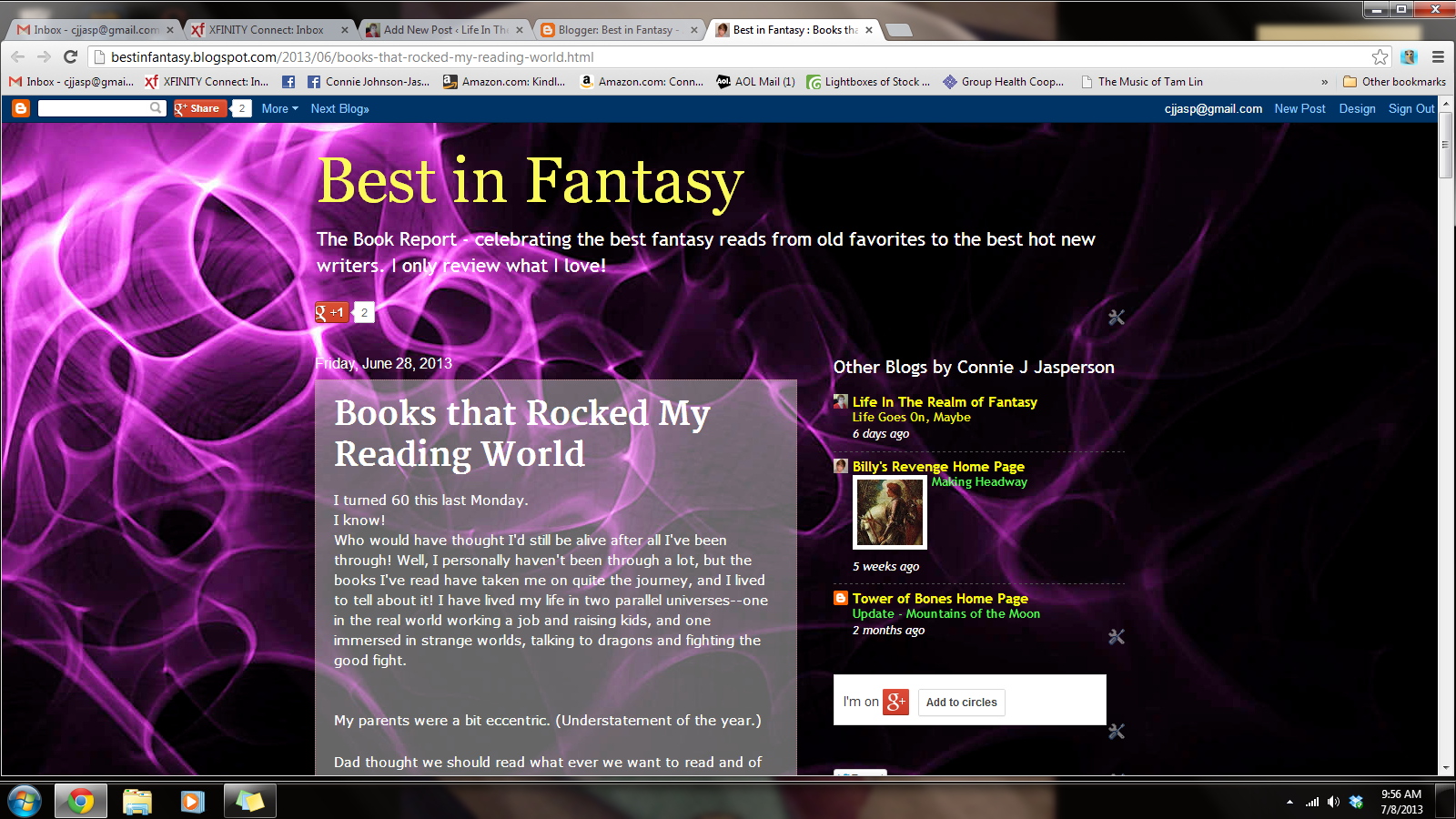
BIF Blog Print ScreenI love being a part of the process because I love to read. Reading is my passion and my life. When I read a published novel to review for my Best in Fantasy blog, I am looking at that novel as a starry-eyed consumer, not as an editor or an author. If I don’t get that feeling of amazement, I feel cheated. Like a child sampling sweets at the Easter buffet, I move on to the next book, hoping to discover the next “Memory Sorrow and Thorn” or “Hitchhiker’s Guide to the Galaxy”.

When I edit, my goal is to help that author find the magic that lies within himself and to help him have faith in his craft and in his ability to tell a damned good story.

I wouldn’t trade this job for anything!

Comments Off on Being a part of the Village

Filed under Battles, Fantasy, Humor, Literature, Uncategorized, Vegan, writer, writing

What lurks within my mind

the belgariadEvery author is an avid reader. If not, they should be.  I began writing because I read so fast the library couldn’t stock new books fast enough to keep up with my habit, and I certainly couldn’t afford to buy them in that quantity.  I was limited to one new paperback book a payday in those days.

Now I read up to 6 Kindle downloads a week, and I feel very fortunate to be in such a position to be able to read as much as I want, whenever I want.

It is that yearning for a good tale that fires my imagination, and gets me writing a new tale. Today I am thinking about NaNoWriMo in November, and  wondering what I will write.

Imago Chronicles Book One  Lorna SuzukiI have read many books this year, books about elves and dragons, books about vampires, books set in the future, in alternate realities–so many books.

Now I have to find the next book that lurks within my mind.

I ask myself, “What do I want to read today?” What story do I want to have told to me, what will take me to that amazing, wonderful place where my heart and mind belong to the book in my hand?

There is a seed growing in my mind…the kernel of an idea. I know it will be a tale of people striving to overcome forces greater than themselves…perhaps the fate of their world hangs in the balance.

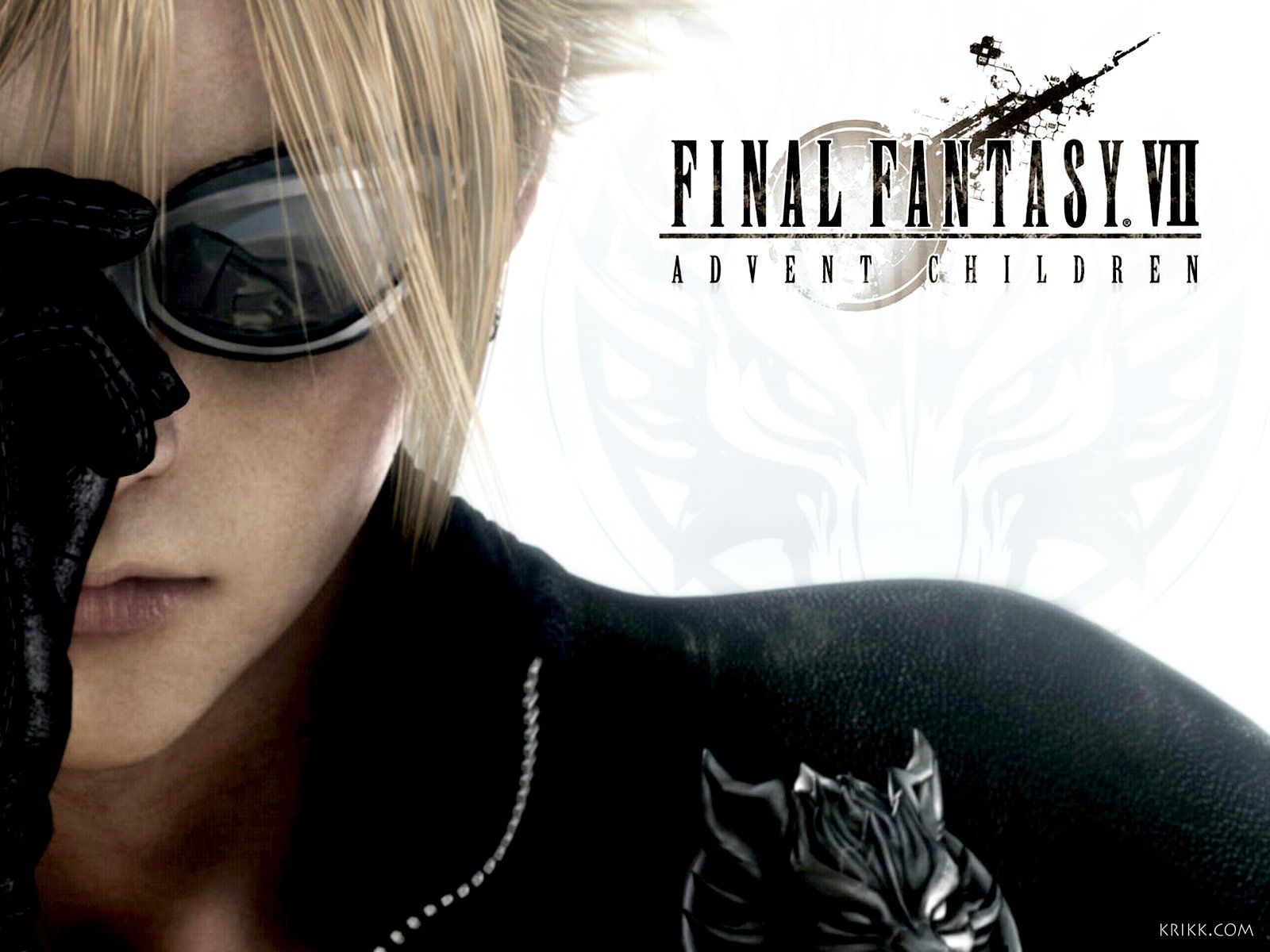
Final_Fantasy_VII_Advent_Children_2004Perhaps they are not always the most well-behaved of people, but here is a hero lurking deep within them, waiting for  some catastrophe to bring out that heroic side of them. Perhaps the local slacker is about to save the world…


Comments Off on What lurks within my mind

Filed under Adventure, Books, Dragons, Fantasy, Final Fantasy, Literature, Vegan, writer, writing

Dad’s Leg

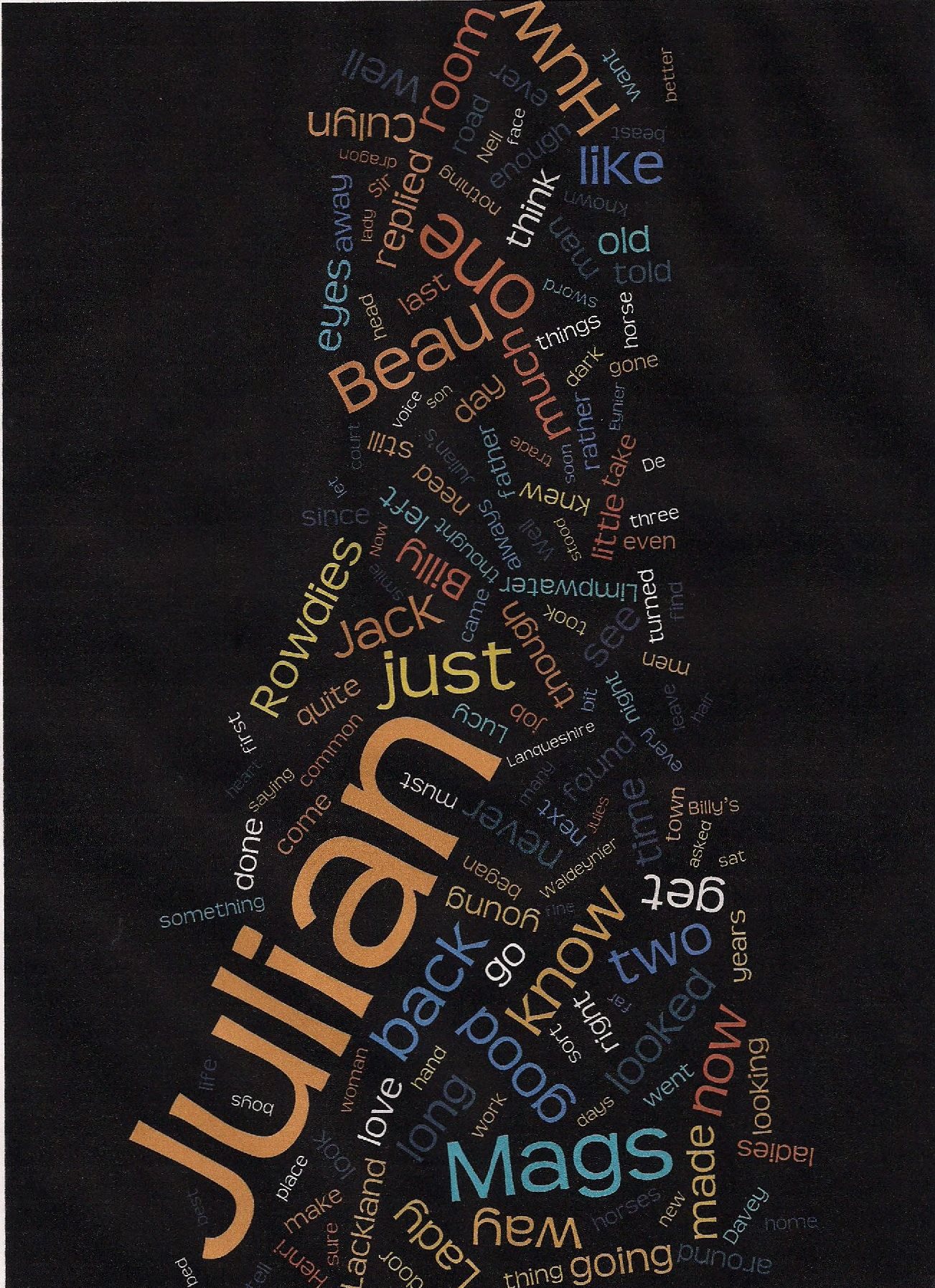
cover_art_Billy_39_s_RevengeWords are awesome. I love obscure, weird words.  J.K. Rowling uses the word ‘snogging’ in her Harry Potter series, to describe couples who were engaged in prolonged kissing, or as we sometimes say where I come from,  ‘canoodling.’ My friend Irene has a new favorite word: ‘kerfuffle,’  a Briticism for a  noisy disturbance or commotion. Americans would say a ‘dust-up.’ 

Words are the color palette an author uses to paint his image of the world.  In English, which is a mash-up language, we have so many wonderful, wild words it is impossible to use them all in one book.

Heck–William Shakespeare loved words so much that when he ran out of words to fit a particular sentence, he invented them!

To say my father was an interesting man would be an understatement.  Born September 22, 1923, he was a product of depression-era America. A farm-boy and big for his age, he enlisted in the US Army in 1938 at the age of 15. He thought he’d found his career, but he was injured in a motorcycle accident while riding dispatch in 1945, near the end of WWII. Nearly every bone in his body was broken, and in the hurry to save his life, his left leg was set crooked. A year later, they went in and re-broke it in order to reset it straight, but he developed osteomyelitis.

va logoDad spent the next 7 years after the war in and out of VA hospitals.   For 7 years, the army surgeons tried to save his leg but in 1954 he lost his left leg,.The US Army officially forced him to retire, at the age of 30.  Unfortunately, Dad was never able to wear the artificial leg the VA provided him with, although we children did find some creative uses for it. It stood in the hall closet in our house in Ballard, and we charged the neighbor kids  25 cents to look at it. In Olympia it was good for scaring our cousins. When I first married and left home, it stood in the corner of my living room holding plastic flowers, a conversation piece like no other.

There he was in 1952, a single guy with rather visible disability,  wearing a heavy leg-brace, living in a world that hid the disabled under a rug and pretended everything was perfect. It was 1952, after all.

For some people, that would have been the end of everything. But not my Dad. When things began going bad with his leg, he knew he would be forced in to early retirement. He was aware that dropping out of school in the 10th grade to join the army had limited his employment choices to logging or farming, all manual labor. Dad used that time he’d spent on extended medical leave getting his high-school diploma, and then going to college. He met my mother and the rest was history.

So what does Dad’s leg (or lack thereof) have to do with weird words?  Stick with me and you will see.

Dad was a voracious reader. He read everything from Tolkien to Tolstoy, and he remembered what he had read. Dad was a draftsman, and cartooning was his hobby. He played the guitar, played in a rockabilly band and partied with Les Paul and Mary Ford. Dad bought the Encyclopedia Britannica, the entire collection of Great Books of the Western World, Grolier’s Book of Knowledge, and a wonderful little collection of books called “Lands and Peoples.

Fred+Flintstone+FredFlintstoneDad was larger than life. He was loud, boisterous, opinionated, wide-open, a generous host, and he was always the center of attention. He made his own wine and brewed beer.  He was a ham radio operator (his call number was W7NEY) and had a First Class Radiotelephone Operator License. Every year his vegetable garden grew more food than we could possibly eat, no matter how much we canned.

Dad was Fred Flintstone on Steroids.

Dad Loved Words. Big words, small words, short words, long words–Dad loved them all. He spun hilarious yarns about the ‘Kamaloozi Indians’, a non-existent tribe whose beloved Chief, Rolling Rock had gone missing, The tribe was so distraught they posted signs in every mountain pass that read “Watch for Rolling Rock.”

Everything in his toolbox had a name that was his own invention: Screwdrivers were ‘Skeejabbers.

Dad loved words so much he mangled them just because he loved the way they sounded. Sometimes he became so frustrated he lost his words and resorted to creative cursing.

Dad’s birthday is coming up, September 22. He died in 1991 at the age of 66, from complications of Osteomyelitis. He would have been 90 years old this next Sunday. He is gone, but definitely he will never be forgotten. His love of words and of reading, art and music had an impact on me and my siblings we will never live long enough to outgrow.

What better environment for a future bender-of-words like me to grow up in than a home where any book was fair game, and reading was not only encouraged, it was required?

The word for the day is ‘querl’–which means to twist or curl. And that is what my family all loves to do with words!

rolling rocks sign

4 Comments

Filed under Adventure, Battles, Fantasy, Food, Humor, Literature, Uncategorized, Vegan, writer, writing

flippin’ it

An elf markswoman from the Wesnoth fantasy setting, created by Kathrin "Kitty" Polikeit for the homepage of WTactics, the customizable card game project based on The Battle for Wesnoth via Wikimedia Commons

An elf markswoman from the Wesnoth fantasy setting, created by Kathrin “Kitty” Polikeit for the homepage of WTactics, the customizable card game project based on The Battle for Wesnoth via Wikimedia Commons

You know you’ve taken a dip into the realm of fantasy when you’re editing a manuscript and one of your comments in the sidebar reads:  ? maybe a word or two to signify it wasn’t a random customer? Does he mean the elf?  

For some reason when I found myself making that particular comment I laughed like a loon.

I  marvel at my  ‘fantasy life’.  I’m really talking about an elf, and the author whose book I am editing won’t think I’ve ‘flipped it’ again. She has ‘flipped it’ too.

Flippin’ it‘ is an occupational hazard for authors, judging from what I see on Facebook!

When I was young, in my twenties and thirties and even into my fifties, I thought sixty was old, and that I would probably be too decrepit to enjoy life once I devolved to such an old age. However, I’ve been pleasantly surprised to discover my childhood lasted through my forties, and now here I am, sixty years old and feeling like the queen of everything!

Young adulthood is a a time of living in limbo–you go to work, you get married and have kids. It’s your fertile years after all, and your biology insists you take advantage of it!Young Woman Sitting Looking at Laptop Screen In your twenties, thirties and even forties,  creativity is something you pursue only in your free time, feeling guilty for taking time away from your obligations and from your children. You enjoy life, yes and you do find ways to have a satisfying and creative existence, but it’s on hold, and something in the back of your mind asks, “Is this it? Is this all there is?” You feel guilty for even thinking such a heinous thought. How could a lovely family, a good job and all the trappings of modern life not be satisfying? Of course you’re going to write that book someday, but…Jackie has soccer, David has piano lessons,  and you’ve a briefcase full of work to do when dinner is done. That’s if they don’t need too much help with their homework. If you fall into bed by eleven you’re doing well!

These years are the foundation years, the years of your late childhood, preparing you for the real adulthood that only begins once you are free of those responsibilities.

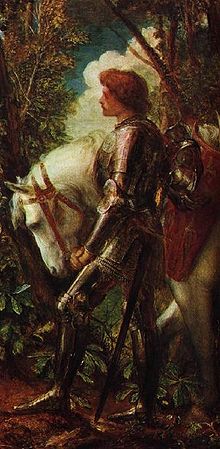
220px-Sir_Galahad_(Watts)Life gets put on hold until that blessed day when the last child leaves the nest. On that day, your real life begins. Yes, you will still need to work, but your life has gained that one rare and beautiful commodity you never had before: free time. Time to spend doing what you want in the evening–time to paint, or time to write. Time to be selfish and no one to make you feel guilty.

Yeah, you’re glad to hear from the kids, that won’t change.  You love being with them and look forward to seeing them for family get-togethers and visits, but you don’t live only for them any more.

There will be separation anxiety. It surprises them that you don’t call every hour to check on them, but they will get used to it, and even learn to accept your independence.

Eventually they will stop fearing that your not calling every hour means you’ve fallen and can’t get up. Promise them that if that becomes a valid concern, you will get a life-alert and life will go on.

They’ll get used to you traveling on your own, and making decisions for yourself. One day they will experience this part of life for themselves. They will realize they can count on you to be there when they need you, and accept that when the crisis is over, you will load your suitcase into the car and let them get on with living the first half of their lives.

You discover that you have a meaning and a purpose in your life that goes far beyond parenthood and biological imperatives, even if it’s a purpose only you and a few friends in your writing group understand.

The first half of my life I spent working three jobs and raising kids, writing only when I could, and too embarrassed to show it to anyone. Now, here I am embarking on the second half of my life, the part where my life really begins and I not only have a career that absorbs me, I get to read all I want! 

Of course I’ve ‘flipped it’. I love the freedom of writing fantasy, and the pleasure of being involved in editing awesome books by amazing authors. It doesn’t get any better than that!

4 Comments

Filed under Adventure, Battles, Fantasy, Food, Humor, Literature, Uncategorized, writer, writing

Grandma’s Ferrari and Style

chicago manual of styleOh golly gee–it’s that time of year again. What do I use,  “that” or “which?”   And what the heck are those rules again? Good grief…where did I put that bookmark for the online Chicago Manual of Style….

What? Doesn’t everyone have a bookmark in their list of favorites so they can immediately access a FREE style manual when questions of  style arise? Good lord people–we aren’t talking shoes and handbags here! We’re talking RULES! Specifically, the rules fer writin’ and ropin’ in them thar clauses!

And always remember–for the indie author, free is good. If you don’t have the funds to buy Strunk and White’s Elements of Style, for the love of Dickens, use the internet, Tiny Tim!

Personally, I use both manuals.

The traditional approach to the question of “that versus which” is to use “that” with restrictive clauses and “which” with nonrestrictive clauses. While some writers seem to have abandoned the distinction entirely, no better rule has come along to replace the traditional rule. Moreover, the rule is easy to master.

But what, you ask, is a stinking restrictive clause and why do you need one?

799px-Handcuffs01_2003-06-021.   A restrictive clause is one that limits — or restricts –the identity of the subject in some way. When writing a restrictive clause, introduce it with the word “that” and no comma. (However, if the subject is or was a human being, use “who” to introduce the clause.) This is where “that” goes:

Correct Restrictive Use:

The photograph that was hanging in the hotel lobby was stolen.

The use of “that” in this sentence is correct if the reader intends to single out the one photograph that was in the hotel lobby as the stolen photograph. However, if there were several photographs hanging in the lobby, this use would be incorrect, since it would mislead the reader into believing that there had been only one photograph in the hotel lobby. The restriction here tells us that the one photograph that had been hanging in the hotel lobby was stolen — not the photograph in the cocktail lounge, or the one in the guest library, or any of those in the restaurant.

MH9004387282.  Use “which” with nonrestrictive clauses. A nonrestrictive clause may tell us something interesting or incidental about a subject, but it does not define that subject. When writing a nonrestrictive clause, introduce it with “which” and insert commas around the clause. (However, if the subject is or was a human being, use “who” to introduce the clause and insert commas around the clause.)

According to Wikipedia, the Fount of all Knowledge: non-restrictive clause is a clause in which a noun phrase that is used to avoid repetition (as the referent of an anaphor, meaning that it is substituted by another word but refers to the same noun) is determined by its antecedent where the dependent is peripheral (non-essential) in the secondary constituent, as opposed to a restrictive clause, where the dependent is central (essential) to its primary constituent. A non-restrictive clause does not identify the referent of its noun, but only provides information about it.

220px-Metropolitan_police_BMW_3_seriesRestrictive example:

The officer helped the civilians who had been shot.

or

The officer helped those civilians who had been shot.

In this example, there is no comma before “who”. Therefore, what follows is a restrictive clause (not all of the civilians had been shot).

Non-restrictive example:

The officer helped the civilians, who had been shot.

Here, there is a comma before “who”. Therefore, what follows is a non-restrictive clause. It changes the sentence to mean that all the civilians had been shot.[1]

Correct Nonrestrictive Use:

The photograph, which was hanging in the hotel lobby, was stolen.

Explanation: While this nonrestrictive use tells us that the photograph was hanging in the hotel lobby, it does not tell us which of the several photographs in the hotel lobby was the stolen photograph. It would be incorrect to use this nonrestrictive clause if there had been only one photograph in the hotel lobby, as the sentence leaves open the possibility that there were others.

  1. Combining Restrictive and Nonrestrictive Clauses. One can provide both limiting and nonlimiting information about a subject in a single sentence. Consider the following.

Correct Use of Both Restrictive and Nonrestrictive Clauses:

220px-Looking_across_lake_toward_mountains,_-Evening,_McDonald_Lake,_Glacier_National_Park,-_Montana.,_1933_-_1942_-_Ansel AdamsThe Ansel Adams photograph that was hanging in the hotel lobby, which was purchased in 1969 for $100,000, was stolen.

The restrictive clause beginning with “that” tells us that only one Ansel Adams photograph was hanging in the hotel lobby and that it was stolen. The nonrestrictive clause beginning with “which” tells us what the owner had paid for the photograph, but it does not tell us that the owner did not pay another $100,000 for another photograph in the same year. It does not limit the possibilities to the Ansel Adams photograph that was in the lobby.

Restrictive and Nonrestrictive Clauses beginning with “Who.” When writing about human beings, we use “who” rather than “that” or “which” to introduce a clause telling us something about that human being. Since “who” is the only option, we distinguish between a restrictive use and a nonrestrictive use by the use of commas.


Ferrari_AssetResizeImageOld Mrs. Jasperson, who drives a Ferrari, is going through her second childhood.

Yes, I am a dreamer. Indies are lucky to be able to afford bus passes.

Anyway, that “who clause” is nonrestrictive because the information in the clause doesn’t restrict or limit the noun it modifies (Old Mrs. Jasperson.) The commas signify that the adjective clause provides added, but not essential, information. Use a pair of commas to set off words, phrases, or clauses that interrupt a sentence, as in these quotes:

Rudyard Kipling said, “Words are, of course, the most powerful drug used by mankind.”

Anthony Burgess said, “Literature is all, or mostly, about sex.”

But don’t use commas to set off words that directly affect the fundamental meaning of the sentence:

Samuel Johnson said, “Your manuscript is both good and original. But the part that is good is not original, and the part that is original is not good.”

400px-CH_cow_2See? I do understand the principles, and when it comes to theory, I can talk clauses and quarks ’til the cows come home.

But truthfully folks, when I am in the zone, I just bash out the words and trust that my editors will not only rein me in when  I get too free with my commas, they will weed out all the extraneous “thats” and “whiches” that creep into every author’s raw manuscript.

Comments Off on Grandma’s Ferrari and Style

Filed under Adventure, Battles, Books, Fantasy, Food, Humor, Literature, Uncategorized, Vegan, writer, writing

Alien Abduction or How I Spent my Summer Vacation

©Anthony May Photography, courtesy of seattle pi

©Anthony May Photography, courtesy of seattle pi

The days are shorter, but still warm and oh, so humid. The dry days of August have waved goodbye, and the monsoons of the Pacific Northwest fall have once again made their presence felt…three weeks ahead of schedule. Lightning flashes across the sky and thunder rolls, shaking the house and waking the occupants, who turn in their bed and hug each other for comfort.

The mornings are dark, and the kitchen feels warm and safe. The coffeemaker gurgles to a finish and I feel a sense of sadness, once again feeling as if I somehow missed the summer this year.

My husband walks quickly out to the old Forester and leaps in as nimbly as any strong old man might, dodging the wind and rain. He drives away through the dark, in the pouring rain.  I, faced with the dark house and a mountain of work in my office,  feel somehow abandoned by the gods of weather.

how-to-play-gin-rummy-1Where were the card games at my sister’s house that normally make the summers so much fun? How did the entire summer go by without even one game of San Felipe Rummy?

We didn’t have many dinners on the back porch. I don’t recall sitting in the pool more than once.

I don’t recall having my morning coffee on the back porch and that is something I look forward to all winter.

Was I abducted by aliens? Thinking logically, I must doubt that theory. My blog posts and work calendar all indicate I was here, apparently doing what I was supposed to be doing, but I don’t recall enjoying the rare bursts of sunshine that turn the summer skies a magical shade of blue here in Olympia.

clouds ms clipartI was here, because I definitely published a novella, Tales From the Dreamtime, a collection of three short stories, and I think it’s my best work yet. I’ve made a great deal of headway on various editing projects for private clients, and I have made headway on my own work. I wrote two posts a week for this blog, some of which I think are rather good posts.  I read at least two books a week all summer, and blogged about them on Best In Fantasy.  All these are proof I was here, but how did I miss the summer?

Both my mind and my Google Calendar say I was not abducted.

Nevertheless, I believe at least my mind was taken elsewhere, because summer has come and gone, and I have no recollection of it.

The rain pounds on the roof, and rattles the gutters. It flattens the grass and the flowers,  and thunder rolls down our little valley. The rain is our identity, and our curse: the one thing we can count on.

A patch of blue becomes a jewel, a treasure in the eye of the beholder.

6 Comments

Filed under Adventure, Books, Fantasy, Food, Humor, Literature, Uncategorized, Vegan, writing

What to do…what to do….

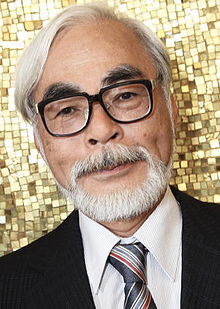
220px-Hayao_MiyazakiI found out today that the great Japanese artist and filmmaker  Hayao Miyazaki is retiring from making movies. His career has spanned over fifty years. Miyazaki  attained international acclaim as a maker of anime feature films. He and Isao Takahata co-founded Studio Ghibli, a film and animation studio. The success of Miyazaki’s films has been compared to that of  Walt Disney, British animator Nick Park and American director Robert Zemeckis. To be honest–I LOVE his work.

I first heard of Miyazaki in 1986, when my ex husband bought a little VHS movie for our daughter, Meg, called Warriors of the Wind. It was a wonderful movie, and we watched it over and over, but it felt incomplete, as if we only had part of the film.

It turns out that was indeed the case: the true name of the movie was Kaze no Tani no Naushika, translated to Nausicaä of the Valley of the Winds.  The movie tells the story of a young princess of the Valley of the Wind, Nausicaä (Shimamoto),  who gets involved in a struggle with Tolmekia, a kingdom that tries to use an ancient weapon to eradicate a jungle of mutant giant insects. Nausicaä must stop the Tolmekians from enraging these creatures.

230px-Nausicaa2coverThe underlying story is so powerful and is told so well that I was immediately hooked on Miyazaki’s work. According to Wikipedia, the most prominent themes of that movie are the anti-war and environmental focus of the film. (quote)  “Nausicaä, the heroine, believes in the value of life regardless of its form and through her actions stops a war. Loy and Goodhew state there is no evil portrayed in the film, but the Buddhist roots of evil: greed, ill will and delusion. Fear is what drives the conflicts, the fear of the poisoned forest results in the greed and resentment. Nausicaä, besides from being a transformative force, leads people to understand and respect nature which is portrayed as a welcoming, spiritual, and restorative for those who enter it peacefully.[6]

Nausicaä’s commitment to love and understanding—even to the point of death—transforms the very nature of the conflict around her and changes the attitudes and the hearts of those whose stubborn adherence to their biased views have brought the conflict to the boiling point.

It is said that Miyazaki’s inspiration for Nausicaä sprang from the works of Ursula Le Guin‘s EarthseaBrian Aldiss‘s HothouseIsaac Asimov‘s Nightfall, and J.R.R Tolkien‘s Lord of the Rings

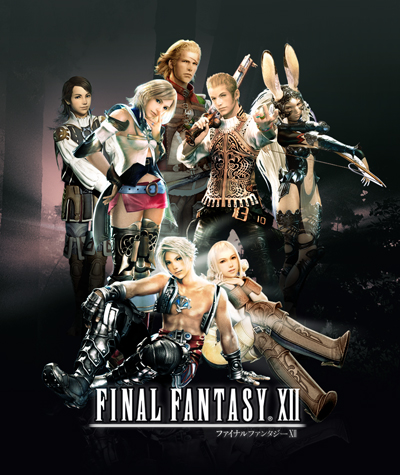
Ff12castAll I know is his work in this movie is gripping, sweeping and superlative. My Tower of Bones series was originally written to be an anime based RPG, that was proposed but never built. When I began plotting the game, I had the great Final Fantasy style plots in my mind, and Miyazaki’s art and influence is clear to anyone who has played them as obsessively as I have. When the game fell through, I was so in love with the story and the characters that I HAD to make it into a book. In my mind, my characters are much like the ones in the poster to the left. Sadly, I’ve never been able to get a cover designed that reflects this.

Because of Miyazaki I have been a devoted fan of Anime and Manga since the 1980’s. That love of sweeping sagas where good triumphs over evil at the cost of great personal sacrifice drives my own work today.

Mr. Miyazaki, I will miss your brilliant work, but I will continue to to cherish those wonderful movies you have so diligently and carefully crafted for us over the years. I can only wonder what your poor heart is feeling now, with the ever-worsening, mindbogglingly horrific Fukushima disaster. My heart and my prayers are with the people of Japan and indeed with the Pacific Ocean as the same water that washes the shores of Japan also washes the coast of Washington State.

Miyazaki’s great works taught me that we are all just one small living, breathing world, and each one of us is responsible for making it better or worse.

I choose to make it better.

1 Comment

Filed under Adventure, Battles, Brendan Fraser, Fantasy, Final Fantasy, Japan, Literature, mythology, ninjutsu, Vegan, writer, writing

Ah–sweet mysteries of life….

The Joy of Childhood  © Leah Reindl 2012

The Joy of Childhood
© Leah Reindl 2012

I’ve been babysitting The Boy this week.  This child has mad skills at keeping Grandma hopping.  We have played endless hours of hide-and-seek, we have watched “The Boy Who Cried Werewolf” five times, and we have scootered around the house until Grandma is dizzy.

Well, let’s be honest–Grandma was a bit dizzy when she got here, but you know what I mean.

And talk about fine cuisine–we walked down to the Java Haus for a pink cookie! The pink cookie was awesome, although Grandma makes the best ramen.

Yum!

Writing has been problematic, but you can’t have everything.

000510Being vegan sometimes conflicts with dining options, when I am not home.  A fully loaded pizza with three different meats and extra cheese is not really vegan. Sorry, son-in-law.

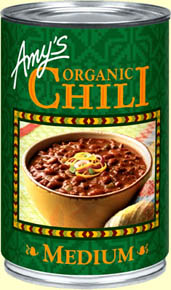
Yeah, I know it’s not a steak, but truthfully pizza is not a vegetable. Thanks for the thought anyway, dear. No worries, I have this lovely toast, made from Dave’s Killer Bread to go with my Amy’s Vegan Chili. Yay for portable processed food that not only tastes good, it’s good for you!

The wise vegan brings her own meals.

So now we are at the end of summer. School is about to begin and NaNoWriMo is just around the corner. I am not yet ready for NaNo, but I have my backup plan in place. I will get my 50,000 words, as always. I know what I have to do when my brain grinds to a halt and medieval warfare no longer rings my bells.

young frankensteinI Frankenstein it.

Yep! Some years at the end of November I have three different stories going in one manuscript. When I run out of ideas on one, I start another.  When it comes to getting your 50,000 words you have to do whatever you can. I stitch them together, using  a different colored font for each.

Using different colored fonts makes it easy at the end of NaNoWriMo to unzip the manuscript. Then when you are at a standstill on one work in progress you can easily move on to another.

Sigh.

The Boy starts first grade in only five days. I can’t believe summer is almost over.  It  feels like it only just began!

2 Comments

Filed under Battles, Books, Fantasy, Food, Literature, Vegan, writer, writing

Madcap Moments of Literary Mayhem

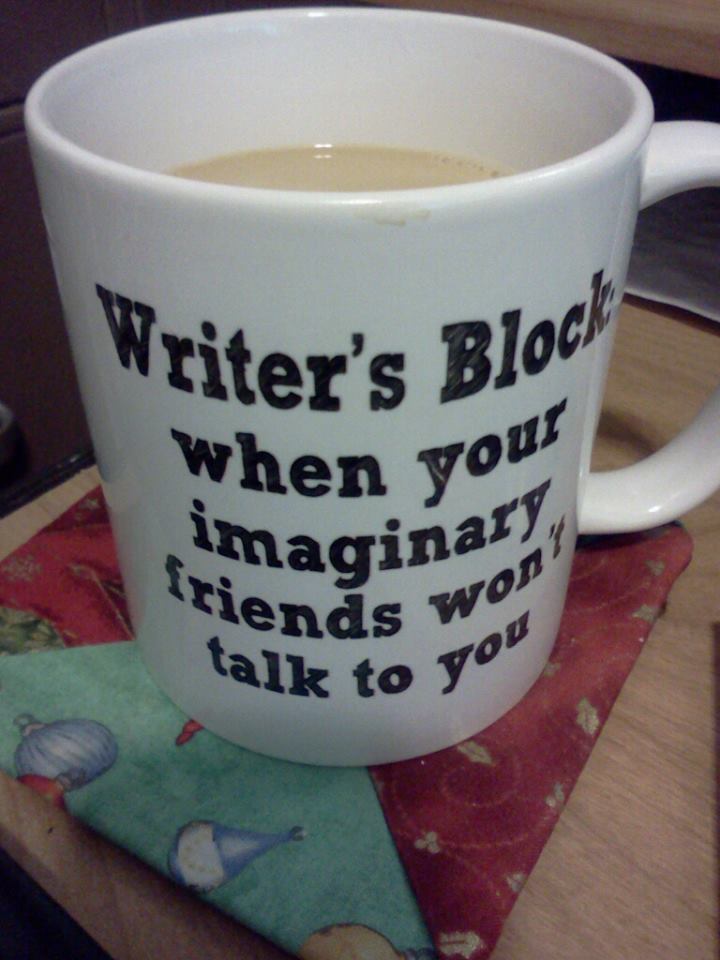
My Coffee Cup © cjjasp 2013This weekend I saw a hilarious post on Facebook, one pointing to an article at NYDaily.com that details the fatal-flaws in the eBook version of George R.R. Martin’s  book,  A Feast for Crows.

Now, I just want to say at the outset, the only book of his I’ve read was the book, A Game of Thrones. But that was a long time ago, when it first came out as a Science Fiction Book Club book of the month. I was not really that impressed with it. I found the book distinctly hard to follow, and nearly quit reading it several times.

But just because I don’t find his work to my taste does not mean I consider him to be a hack! On the contrary, Mr. Martin deserves every one of his many awards and good for him! This is a rough business, and I love it when people succeed as authors. There are many fine, popular authors out there whose books don’t ring my bells. My own work is certainly not to everyone’s taste, although I am sure it should be. (Insert Shameless Plug Here: buy my books, please.) (The buy-links are to the right, clearly labeled.) (Just sayin’.)

Needless to say, Mr. Martin’s publisher is one of the Big Boys (Bantam Books) and one would think  SOMEONE would have caught these wonderful bloopers.  The  author put his faith in the publisher, and the publisher let him down.

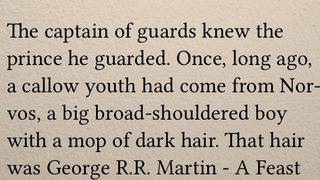
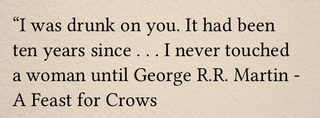
George R.R.Martin formatting issue 3 via book blog page views, margaret eby

***

George R.R.Martin formatting issue 1 via book blog page views, margaret eby

There is the remote possibility these moments of literary mayhem could have been caused by a last-minute global change to the manuscript. If so, it is a good example of why we should never click “Replace All” when we discover a particular word we need to change. Instead we should take the time to see each appearance of the word, and determine whether or not to make that change individually.

But in this case, I don’t think that is the problem. There doesn’t seem to be any pattern to the words the blooper replaces.  I think it is an OCR error (see number 5 below.)

George R.R.Martin bormatting issue 2 via book blog page views, margaret eby

***

George R.R.Martin bormatting issue 4 via book blog page views, margaret eby

What these images of the book from the NY Daily tell me is that formatting issues are common and are a hurdle the indie must overcome. If the big boys have problems with this, then formatting is a real skill set that we must develop, because we all compete on the same field, only we indies have fewer advantages.

There are a few simple ways we can avoid some of the more common issues:

1. Do not put extra empty spaces between your paragraphs. If it is a section break, make sure to put something there to indicate it:  ***  centered in the empty space will do the task of indicating the section break, and will not look ugly.

2. Make sure your page breaks are “hard” i.e. NOT made by repeatedly hitting the “enter” key. You must limit those empty spaces to less than three, preferably only one. Go to the ribbon at the top of your WORD page and use the “Insert” tab. With the cursor next to your chapter heading, click on “Insert Page Break”.

3. Do Not Use Drop Caps to begin your first paragraph, no matter how pretty they look in the print edition. They screw the heck out of eBook formatting, causing all the paragraph indents to go away, making the book nothing but a WALL of words.

4. Stick to standard serif fonts like Times New Roman, and make it a decent size, like 11 pt. Use NOTHING larger than 16 pt. and use that only for chapter headings.

5. Random inexplicable letter changes can be caused by Optical Character Recognition (OCR) errors when the uploader for Kindle or Smashwords converts the manuscript to PDF format. Converting it to PDF yourself first does not help, because the errors are hidden in the PDF. Thus you may find  all the “p”s converted to ‘bl’s. (people becomes bleople.)  I am not very knowledgeable about the WHY of this, but I have learned how to avoid it:

I always save my eBook ms in Rich Text Format (.rtf) and I NEVER upload a manuscript to eBook  format that contains headers or footers. Remove the headers and footer BEFORE you upload to Kindle, Nook or Smashwords. I think this is what happened to A Feast of Crows. Headers and footers use OCR elements and this confuses the uploader program. My theory is: someone at Bantam forgot to remove the header before it was uploaded. But I could be wrong– this whole formatting thing is magic after all, and magic is an iffy science at best.

6. Comb your eBook ms for extra spaces at the end of paragraphs and remove them. I’ve been told this will eliminate the random “Words     Spread     Across     The    Page”  problem.

7. DO NOT USE THE TAB key to indent your paragraphs!!!  DON’T DO IT!  Go to the ribbon at the top of the page and use the paragraph formatting option. Set the indent to 3 or 5 pt.  But 3 is the optimal for me as a frequent eBook reader.

The bottom line is this:  the indie must spend many long hours combing the ms for the random extra spaces, removing all the possible error producing elements before we upload it. THEN you must use the option Kindle and Nook both provide and spend more time seeing what the book actually looks like BEFORE you hit the publish button.

Unlike George R.R. Martin, you won’t be able to blame the big-name publisher if your book looks like the dog’s dinner when your friends buy their downloads. This is our curse. We indies only have ourselves to blame for our less than perfect efforts.

3 Comments

Filed under Adventure, Books, Fantasy, Literature, Uncategorized, Vegan, writer, writing