Category Archives: Humor

The long and winding road

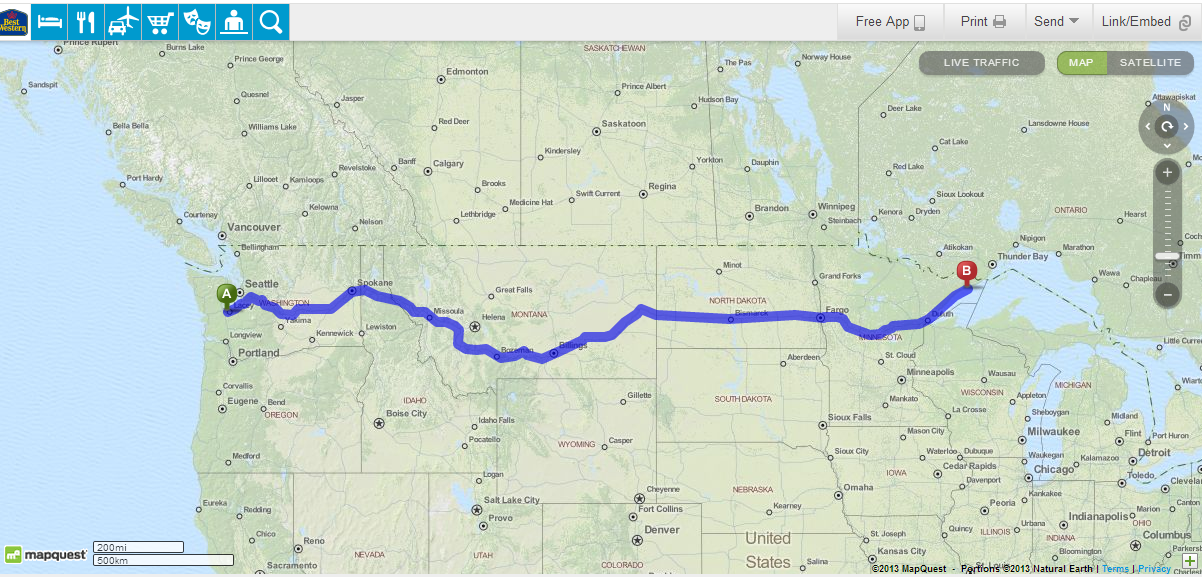
map quest to Grand Marais MinnesotaI love road trips. One of the best road trips I ever went on was with my husband, Greg. We drove to Grand Marais, Minnesota for his 94 year-old grandmother’s funeral — 1830.01 miles each way —  3 full, 12-hour days on the road from Olympia, Washington, and another three days for the trip back home.

The first night out, we stayed in Bozeman, Montana. We didn’t have a lot of time for sight-seeing, but we did stop in the Badlands on the western border between North Dakota and Montana, as there is an amazing and dangerous feeling to the landscape, and we shot a lot of pictures on the cheap digital camera we bought when we realized we had left the good one at home. (More on how that turned out later).

Theodore_Roosevelt_National_ParkOf course, the Badlands  were created by the Yellowstone Supervolcano, but at the time I didn’t know that. The second night we stayed in Bismark North Dakota. On the third afternoon, we checked into our hotel and met up with Greg’s sister, Eileen.We tootled around town, and had a great time.  The funeral was scheduled for 1:00 p.m. the next day.

We ate the free breakfast at the Best Western, and to kill time until the funeral, we hiked around the shore of Lake Superior all morning. It was the second week of May, and there was still snow in the shady places. We had a great time, trying to keep our then twelve-year-old nephew, Sam-the-dare-devil, from falling into Lake Superior and drowning.

churchAfter a leisurely lunch, we walked up to Bethlehem Lutheran Church where the service was scheduled.  The church there is the same as any other Lutheran church in America–from the inside it looks like an upside-down viking-longship and the comparison is intentional, a traditional style of architecture in ELCA Lutheran Churches. It’s a comforting place with an air of Lutheran prosperity but not too ornate.

Yes, it was comforting—but empty.

Really, really empty.

Apparently the funeral actually took place at 10:00 a.m., and the email we Pacific Northwesterners had all received had teensy little typo–just one small digit. 1:00 or 10:00 not really that large a mistake when you look at it, but it’s quantum physics we’re talking here. Just one teensy atom, more or less, changes everything.

800px-Old_headstonesIt was quite upsetting, but how can you be angry at an 85 year old lady who very kindly tried to notify you a loved one had passed on? She had done her best to let us know, and we should have checked in with the church when we arrived in town. We missed seeing the cousins from South Dakota by two hours–but we now have their phone numbers, just in case they ever want to do a road trip with us.

The irony of having driven  well over 1800 miles to accidentally blow-off a loved-one’s funeral was not lost on us. It’s a good thing that sort of thing doesn’t happen in books.

“Wait–where’s the rest of the story? You were supposed to meet the Evil Minion of the Bull God! What do you mean your prophets got the time wrong and you missed him by three hours, so oh, well, sorry…!”

So about all the lovely pictures we shot on the way to and from Grand Marais – The little thing didn’t have a viewing window, so we had no idea what our photos looked like. Also, apparently the capacity for storing images on the cheepo camera was 20 shots – anything over that deletes the previous ones.  All we had to show for our trip was 20 wonderful shots of our nephew Paul’s high-school graduation, which we had made it home in time to attend.

Unfortunately, it was impossible to tell who was in the photos, or what they were actually depicting, so I found this image on the City College of San Francisco website, which I think totally commemorates the experience.

graduation


Comments Off on The long and winding road

Filed under Adventure, Battles, Fantasy, Humor, Uncategorized, writer, writing

Negotiating the SpaceTime Continuum

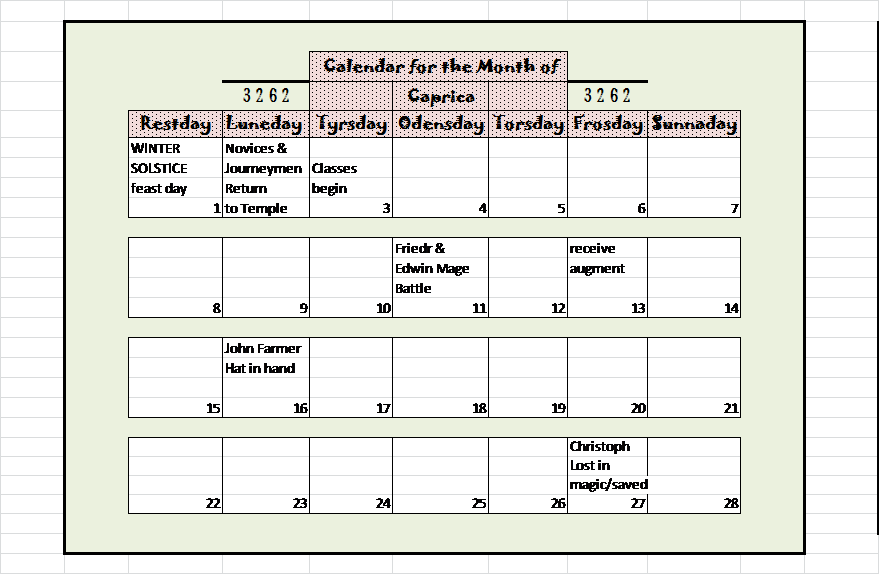
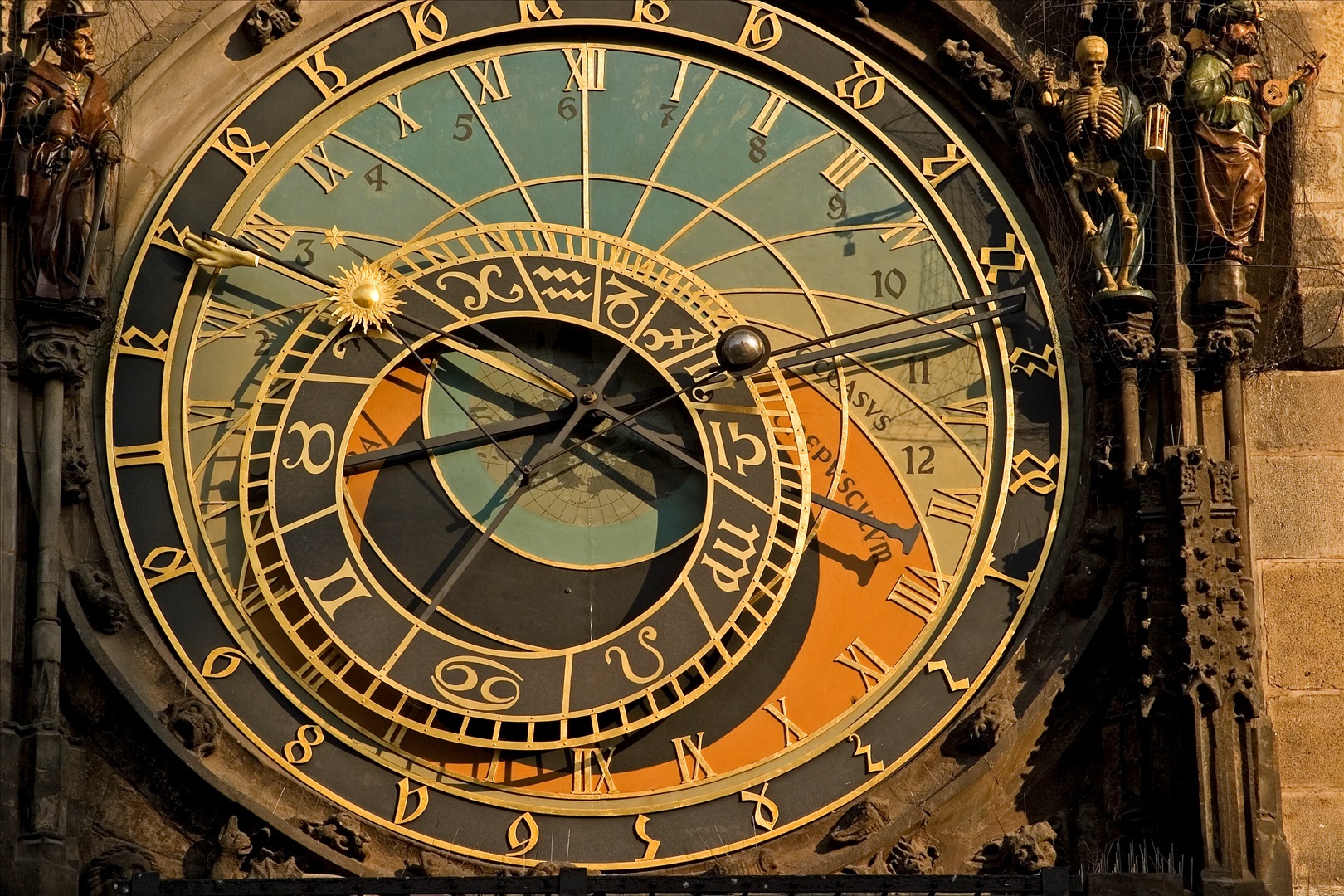
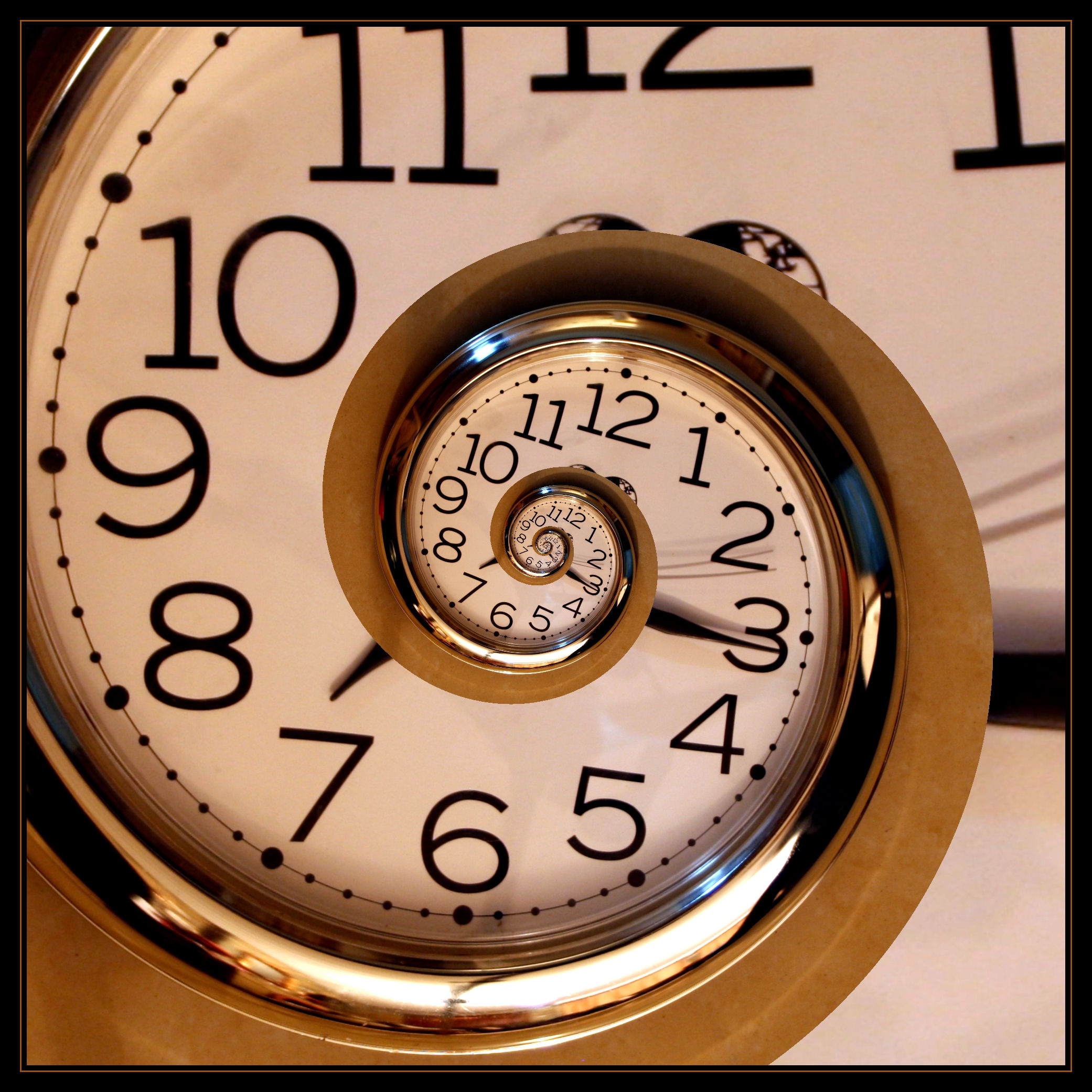
Eternal_clockKeeping it all straight sometimes requires a good calendar. But what if, when first you wrote the first two books, you created a world in which the calendar was a lunar thing?  Not only that, but you went all astrological when you named the months, and Norse God when you named the days? And to top it off, a small portion of the third book follows events that took place parallel to events in the second book…and your protagonist must rendezvous with the protagonists of the other book on a certain day so they can complete the … … …. *DOH*

Talk about a walk through the space-time continuum–this would be it. In my current work in progress I realized I would need to keep things organized if I wanted to make sense, and not accidentally contradict myself.

In cosmology, the concept of space-time combines space and time to a single abstract universe. Apparently we all move through this, and time either passes us, or we pass time. It’s all relative (Einstein humor) to how fast you are going and a lot of sub-atomic particle stuff I can’t really take the time to explain here.

But if we make a picture of that abstract concept  our tiny human brains can grasp it. We call that picture a ‘calendar,’ which makes it all rather simple. My characters will progress through their space-time continuum at a rate I can comprehend, because I am their appointment secretary, and I am in charge of their calendar.

I am a retired bookkeeper, so I use the spreadsheet program called Excel to do things like that, but anyone can draw a calendar.

Full CalendarTime and Calendar of Neveyah

Each year consist of 365 days, and is divided into four seasons: Winter, Spring, Summer, and Harvest. The last month of the year is Holy Month.

Each season consists of three months, making twelve months that equal 28 days each, plus a Holy Month. Autumn and Winter are separated by the ‘Holy Month” of 29 days. The Holy Month is called Solstice and the actual winter solstice falls on the first day of the month following, or the first day of Caprica.  This is a month that is sacred to the Goddess Aeos, Goddess of Harvest, Hearth and Home.  It is a time when people travel to visit family, and simply take time off for a small vacation, often taking two weeks to do it.  On the last night of the Solstice Month each family holds a ritual feast in their home, a feast of thanks-giving and prayers for the New Year. Every four years an extra day is added to Solstice and that day is a festival day all across Neveyah. That year is called a Long Year though it is really only one day longer.

The months are as follows:

Caprica, Aquas, Piscus,   (Winter) Begins on actual day of Winter Solstice

Arese, Taura, Geminis     (Spring)

Lunne, Leonid, Virga          (Summer)

Libre, Scorpius, Saggitus (Harvest)

Holy Month (Has no season, but would be winter)

Days of the Week:

1. Sunnaday – Minimal business is conducted; each family’s tasks for the Temple as a whole are completed, such as chopping firewood, quilting, making clothes, and preserving food. The members of the temple clergy assemble in work gangs to accomplish these tasks from which they all benefit.

Calendar Capricas 3262 Neveyah2. Lunaday

3. Tyrsday

4. Odensday

5. Torsday

6. Frosday

7. Restday – no business is conducted, and only minimal work is done on farms and other places where some work must be done seven days a week. This is a day for people to spend with their families or to pursue their personal interests.

Prague-Astronomical_clock-Clock-Old_Town_Prague-Prague_Astronomical_Clock-originalI am a good secretary–my calendar is is adjustable. If I find something doesn’t work in the time-span I am writing it for, I can adjust accordingly.  Book three is the only book in which the dates are important, but I have to be conscious of the fact that they are important, and try not to screw it up.

Now if I could only keep my own calendar straight…I know I had something planned for today…but what? Apparently I forgot to put it on my Google calendar.

Comments Off on Negotiating the SpaceTime Continuum

Filed under Adventure, Books, Fantasy, Humor, Literature, Uncategorized, writer, writing

Unnatural Disaster

maryjanesWe live in a rather rainy part of the world, and the path to our front door is muddy.  We have not yet traded our builder-grade beige carpet for hardwood, so we remove our shoes when we come in.  A shoe rack stands just inside the door, and for a home with only two people, the rack is quite full.

Yesterday we had an unnatural disaster when the shoe rack collapsed –apparently under the weight of the shoes.

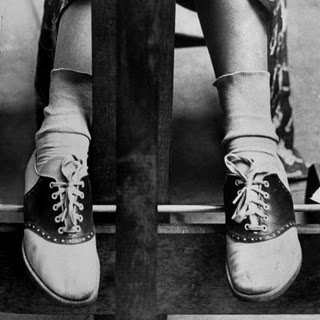
This is strange, in a way. When I grew up, I only ever had two pairs of shoes at a time. One was the traditional saddle-shoe all schoolgirls of my generation wore, and the other was for church–black Mary Janes, perhaps with a bow on the toe, but most likely not. My mother didn’t waste money on things that were

a. fads or

b. likely to fall apart.

alfred-eisenstaedt-college-coed-sporting-ubiquitous-saddle-shoes from Life MagazineWe were an average middle-class family, and it was a sign of our wealth that I had two pairs of shoes. In the summer we would have cheap white or navy blue canvas shoes to play in, as we had outgrown our saddle-shoes by the end of the school year, and mother would wait until the week before school to buy us our next pair.

We couldn’t really go barefoot, as we lived in a rural area where tetanus was still an issue, and even though we had been vaccinated against it, our parents had grown up during the Great Depression and still worried.

navy bellbottomsSo, the minute I graduated from high-school and went out into the world, what is the first thing I did?  My sister and I rode the Greyhound to Seattle and went to the navy surplus store where we bought two pairs of woolen navy bell-bottom trousers with the double-buttons down the front and the lace-up back.

They were very hip and were the envy of our friends.

waffle stompersMy sister and I shared most of our clothes, but she had a better sense of style than I did, so when she said we had to go navy, I went.  We also bought navy pea-coats. While we were there, I bought a pair of Waffle-Stompers, leather hiking boots with rugged soles. I was pretty naive, a total country-girl. There were so many stores with hundreds of shoes, most of which I could afford on my salary as a babysitter–in Olympia the selection was rather limited so Seattle was the place to go.

Somehow, once I bought that pair of hiking boots, I was unable to walk past a shoe display without jonesing like a junkie. If I didn’t get a new pair of shoes when I wanted them, I would feel quite deprived. Soon I had red shoes, blue shoes, tall shoes, flat shoes. Shoes for walking, shoes for sitting and everything in between.

flip flpsShoes were crack–and I was addicted.  How could such a thing happen? It made no sense to me, and when I had my first child, I was suddenly financially unable to support my habit. Suddenly I was back to having one or two pairs of shoes and feeling quite lucky to have them.   For the next fifteen years, I had only three pairs of shoes at most. One pair was for work, one was a dusty pair of black pumps for dress (hardly ever worn) and the third pair was flip-flops.

So what happened that I should once again have gained so many shoes that my shoe rack would collapse under the strain? I gained weight, I lost weight. I worked in an office and had to wear dress-shoes, then I was retired and needed comfy shoes. Somehow the shoes landed on the rack and never left. The rack became a repository for abandoned shoes.

Both my husband and I  really only wear three pairs each and one pair is flip-flops. So today is weed-out-the-fluff day, and many shoes will go to shoe heaven.

But not this pair… or this pair…and this is my favorite pair…and not these–I can’t throw these away because I might wear them….

red shoes

4 Comments

Filed under Adventure, Books, Fantasy, Humor, Literature, Uncategorized, writer, writing

Inspiration, where art thou?

Joseph_Vernet_-_Soldiers_in_a_Mountain_Gorge,_with_a_Storm_-_WGA24728Over the last few months I have spent a great deal of time searching for cover art for Mountains of the Moon,  a book, set in the world of Neveyah, and one that takes place in a rugged mountainous area. A lot of the action at the end of the book is in a ruined keep. I have four heroes, five bad guys, and great deal of hilarity to cover, and it’s hard to know just what will work.

I have no idea what to commission, if anything, and I have been unable to find the right combination of stock pictures, so here I am, writing a fourth book set in that world, with no idea of what sort of cover is appropriate for the one that is currently on hold.

What ever I get, it has to be colorful and eye-catching and SIMPLE.

So this takes me to another cover dilemma–writing the dreaded blurb. So what do the professionals all do?  By “blurb” I mean a condensed, concise, and compelling description of your book, in other words, a book advertisement. The blurb is a book publisher’s description, or even a review comment (but I hate those.)

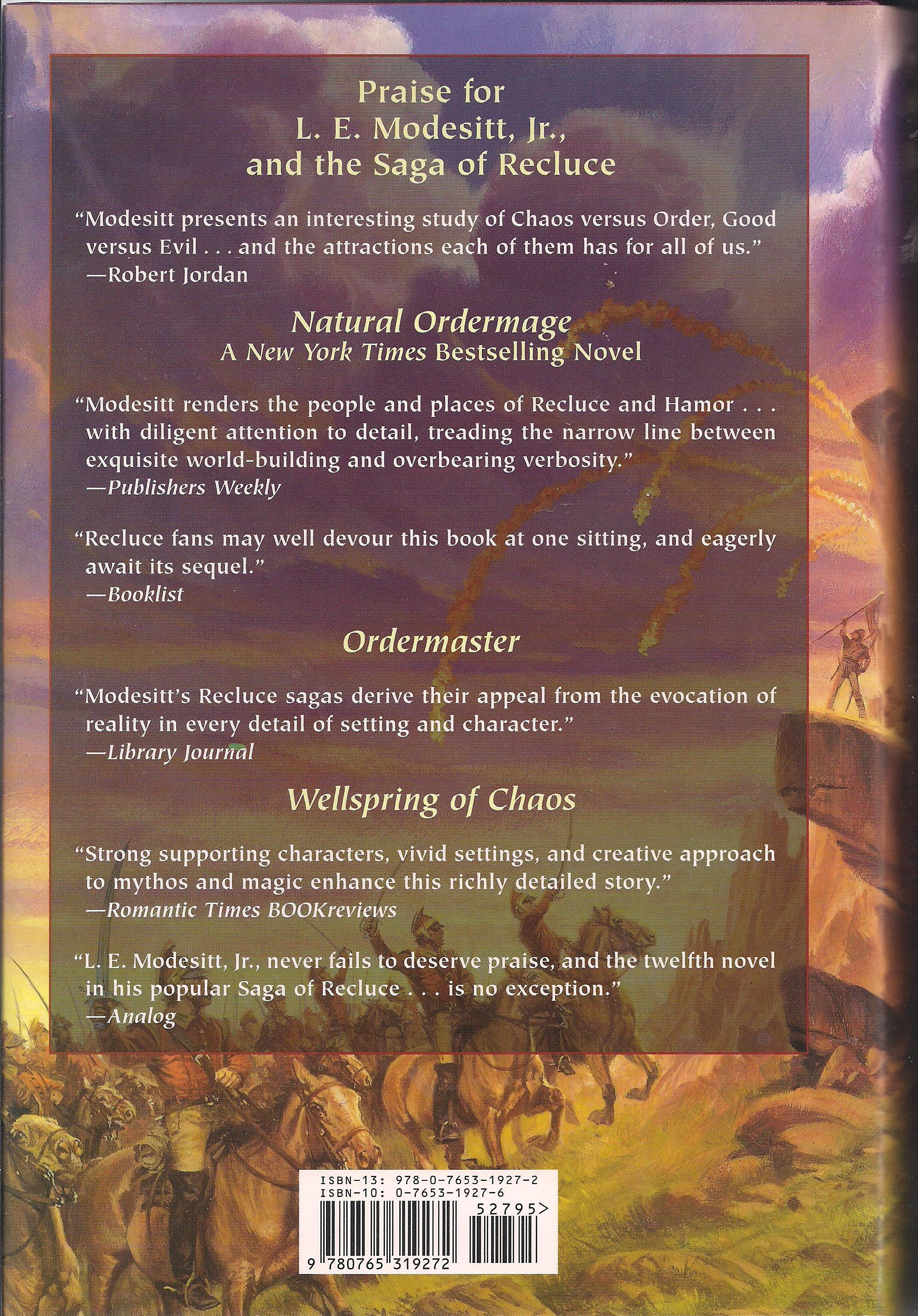
Back Cover of Mage-Guard of Hamor by L. E. Modesitt Jr.

Back Cover of Mage-Guard of Hamor by L. E. Modesitt Jr.

I went out to several books on my shelves, and discovered that the big publishers don’t write blurbs any more. They just put glowing descriptions of the author’s other work on the back.  I feel that is a bit disrespectful to the reader on the part of the big name publisher–expecting the purchasing public to just blindly follow the well-known author. After several recent expensive disappointments at the hands of authors whom I quite respected, I have decided I am not going to buy your damned $25.00 book unless I know what I am getting, no matter WHO publishes you. I will stand in that aisle and read as much of the book as I need to, if that is what it takes to get an idea of what is inside, proprieties be damned.

ANYWAY–a blurb like that won’t help an indie, because your other work won’t sell your  book–the book has to sell itself. BUT some of the older books on my shelves have great blurbs, little teasers that sold me that book back in the day.

1. Who or What is your book about? Choose either the idea of the book or the main character and stick to that. If you choose the character,  use only the main character in your description, and forget the others, because it is that character’s story that you are trying to sell. (I personally am always intrigued by the idea of the book, and a good example will follow below.)

2. Run it past your reading group, your friends, and your online author buddies. Run it by someone, anyone! Ask them if it makes them want to run out and buy the book, and heed their answer. Ask them why it works or why it doesn’t.

3. Keep it short! I have found that a little exercise currently popular in online writing groups is really helpful – getting in the habit of writing 100 word flash fiction. I write a 100 word flash fiction nearly every day, because you really have to choose your words wisely, if you want to tell your story in such a short space. It is a warm-up exercise for my real work, and I have quite a good backlog of ideas that will become short-stories or novellas, all written this way.

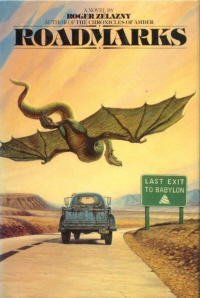
Roadmarks_firstLet’s look at the cover and the blurb on  ‘Roadmarks’, a classic sci-fi fantasy written by the late Roger Zelazney. It was published in 1979 by Del Rey Science Fiction. The cover art is awesome–and it really caught my eye. It is simple, with plenty of visual room for the graphics.
The blurb is intriguing too, as the publisher sold me the IDEA of the novel:

“The Road runs from the unimaginable past to the far future, and those who travel it have access to the turnoffs leading to all times and places–even to the alternate time-streams of histories that never happened. Why the Dragons of Bel’kwinith  made the Road–or who they are–no one knows. But the Road has always been there and for those who know how to find it, it always will be!”

I have the cover design for Huw The Bard, and the blurb. That book is covered!  But Mountains of the Moon–not so much. Finding the art for that book is proving a challenge, but I have six months at least so something will turn up.

1 Comment

Filed under Adventure, Battles, Fantasy, Humor, Literature, Uncategorized, writer, writing

Christmas O’clock

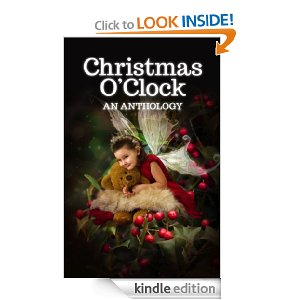
Christmas O'clock 2013It’s December–Christmas is coming! We have found some awesome presents for the grandchildren and two of my short-stories were published in an anthology of children’s stories. I actually had my bout of Christmas spirit in July when I wrote A Christmas Tail!

This anthology, Christmas O’Clock is available at Amazon for the very reasonable price of $2.99 for ebook OR $9.49 for the paperback.  The book also includes hilarious tales by authors like Sean Allan, Allison Deluca, Irene Roth Luvaul, Nicole Antonia Carro and Mary K. Mitchell.  It is a collection of holiday-themed stories including magic, space travel, and Rudolph. With two complete chapter books, lots of stories, and plenty of spirit, this anthology is great for kids of all ages.
Franz_Skarbina_Unter_dem_Weihnachtsbaum

And best of all, all proceeds go to Water Is Life to help children and families in an international effort. What could be better than being a part of something that helps so many people?  Millions daily go without that most fundamental of necessities: clean drinking water. Every time I turn on a tap in my home, I am grateful to have such a wonderful, valuable commodity so easily available to me.

I shudder to think of what it must be like for the countless people in this world who do not have such a miracle in their homes. For millions of people, the wells where they daily draw their water are nearly dry, and are frequently diseased. Clean water is a rare and precious commodity, but we can help to make this gift a reality by making a small donation. Buy a copy of the book and not only will ALL the proceeds go this wonderful charity, but you will have a great book. If you are a Christmas story nut like me, you will read it for yourself, not just for the kids.

SO where was I going with this – oh yes – the fabulous Jaspersons have been dragging decorations out of the garage in an attempt to show the neighborhood some sort of holiday spirit. Unfortunately, we had an incident of…well, lets just say mythical proportions.

christmas mouseFrom my Facebook post of last evening: “…just went out to the garage to get my genuine artificial Christmas tree. It is in the big zipper bag that has handles for hauling it in and out of said garage. As soon as I picked it up, several somethings went sort of crazy in side the bag.

Sorry kids–mama doesn’t really like mysterious moving somethings in the Christmas tree bag. The bag and the tree are still in the garage where mama dropped it. This looks a job for that super-hero for all seasons—>DAD!!!”

It turned out that it was a “2 beer” mouse – my husband earned his beers and the tree is now in the living room. Unfortunately, the middle section of the tree does not light up, so rather than buy a new tree, today I am going to the local sundries store and getting a string of lights. Tonight, there will be a tree shining in our window!

(edit)  We now have a tree up in our living-room (no mice were harmed in the decorating of this tree):

IMG742

3 Comments

Filed under Adventure, Battles, Books, charity, Fantasy, Humor, Literature, Uncategorized, writer, writing

Knights Running Bare

200px-Saint_George_-_Carlo_CrivelliOne thing we don’t really think about when we first sit down to tell a tale is the attire our characters will be sporting. (Or not sporting, as the case may be.) But it does eventually come up, and how we get that across to our readers without boring them to tears is important.

Much of the time, my characters wear armor, the men and the women both. I’m an equal opportunity author–I think women deserve to be encased in gleaming tin as often as men, so there you go.

When I am reading a historically based novel, I want to be able to picture the characters in the right style of clothing, but unless I am reading the curtain scene in Gone With The Wind, I don’t want exact details. In most cases, a sentence or two giving us a general description is all that is really necessary.

Some of you may say, “But clothes are an essential aspect of the culture I am trying to describe!” I agree – every culture is rich in the way their clothing is decorated, and in what is considered appropriate for each gender. But again, a sentence or two here and there will do the trick. If you give the reader  the general idea they will fill in the blanks with their imagination. Too much detail may cause the reader to lose the momentum of the tale.

As a reader,  unless we are talking armor, I want to know what they are wearing, but don’t waste my time giving me more than a few sentences.

However, if we are talking armor, while I, as the reader, don’t need too many details, you as the AUTHOR, do need to keep some details in mind when you are writing the story. Your knights are not running bare–they are fully clothed in steel. That affects HOW they move.

First of all, it’s important to note that ‘fully armored’ means the characters are wearing:

  1. Helmet:  a form of protective gear worn to protect the head from injuries
  2. Gorget:  a single piece of plate armor hanging from the neck and covering the throat and chest.
  3. Pauldrons (or spaulders):  a single large dome-shaped piece to cover the shoulder
  4. Besagews:  circular defenses designed to protect the armpits
  5. Couters: the defense for the elbow in a piece of plate armor. Initially just a curved piece of metal, as plate armor progressed the couter became an articulated joint.
  6. Vambraces: forearm guards, defenses for covering the forearm
  7. Gauntlets: several different styles of glove, particularly those with an extended cuff covering part of the forearm
  8. Cuirass: back and breastplate
  9. Fauld: bands of metal surrounding both legs, potentially surrounding the entire hips in a form similar to a skirt.
  10. Tassets:a piece of plate armor designed to protect the upper legs
  11. Culet:   a piece of plate armor consisting of small, horizontal ribs that protect the small of the back or the buttocks
  12. Cuisses: to protect the thigh.The word is the plural of the French word cuisse meaning ‘thigh’. While the tassets of a cuirass could protect the upper legs from above, a thrust from below could avoid these defenses. Thus, cuisses were worn on the thighs to protect from such blows.
  13. Poleyns: armor that protected the knee
  14. Greaves: shin armor
  15. Sabatons: covering for the foot. Fourteenth and fifteenth century sabatons typically end in a tapered point well past the actual toes of the wearer’s foot, following fashionable shoe shapes of the fourteenth century. Sabatons of the first half of sixteenth century end at the tip of the toe and may be wider than the actual foot. They were the first piece of armor to be put on.

Charles_Ernest_Butler_-_King_Arthur - via Wikimedia CommonsThat’s a hell of a lot of steel and it took some time to put on. The very fullest sets,  could be configured for a range of different uses, for fighting on foot or on horse. They were complicated and took a while to get on correctly, and a man needed help with some of the more involved things, like lacing them on.

The reader doesn’t need to know this, and they don’t care. But what the AUTHOR needs to know is how this sort of attire affects what your character can actually do!

Realistically, most medieval soldiers did not wear full sets of armor as their daily attire. In general they wore the minimum amount of metal they could get away with unless they were going into a situation that could result in a battle. When your characters are out riding around, if you have them only partially armored, they will be more able to move around in a logical manner, than if you have encased them in a gleaming sardine can.

arthur-knights-table-1Some readers (like me) are quite savvy–they will know you haven’t thought it out well if your fully armored knight is suddenly indulging in a moment of passion with fully dressed Lady Gwen.

Think about the many layers of what your characters are actually wearing–it can’t be done! For that you must undress them, and it is a bit involved, so they must plan ahead for their romantic trysts and leave the armor at home.

When writing historical fiction it is important to remember that people are not really that much different nowadays than they ever were. They get cold, so they wear clothes, in many layers. The warmer the weather, the fewer the layers. Inside a warm building, they may be lightly clad. Keep that  in mind as you are writing, and convey the idea of their attire with a minimum of words, and your reader will get more enjoyment from the tale.

736px-Dante_Gabriel_Rossetti_The_Tune_of_Seven_Towers

2 Comments

Filed under Battles, Books, Fantasy, Humor, knights, Literature, Uncategorized, writer, writing

Phil’s Cosmic Roulette Wheel

Photograph courtesy of RL5 Photography via www.spaceneedle.com

Photograph courtesy of RL5 Photography via http://www.spaceneedle.com

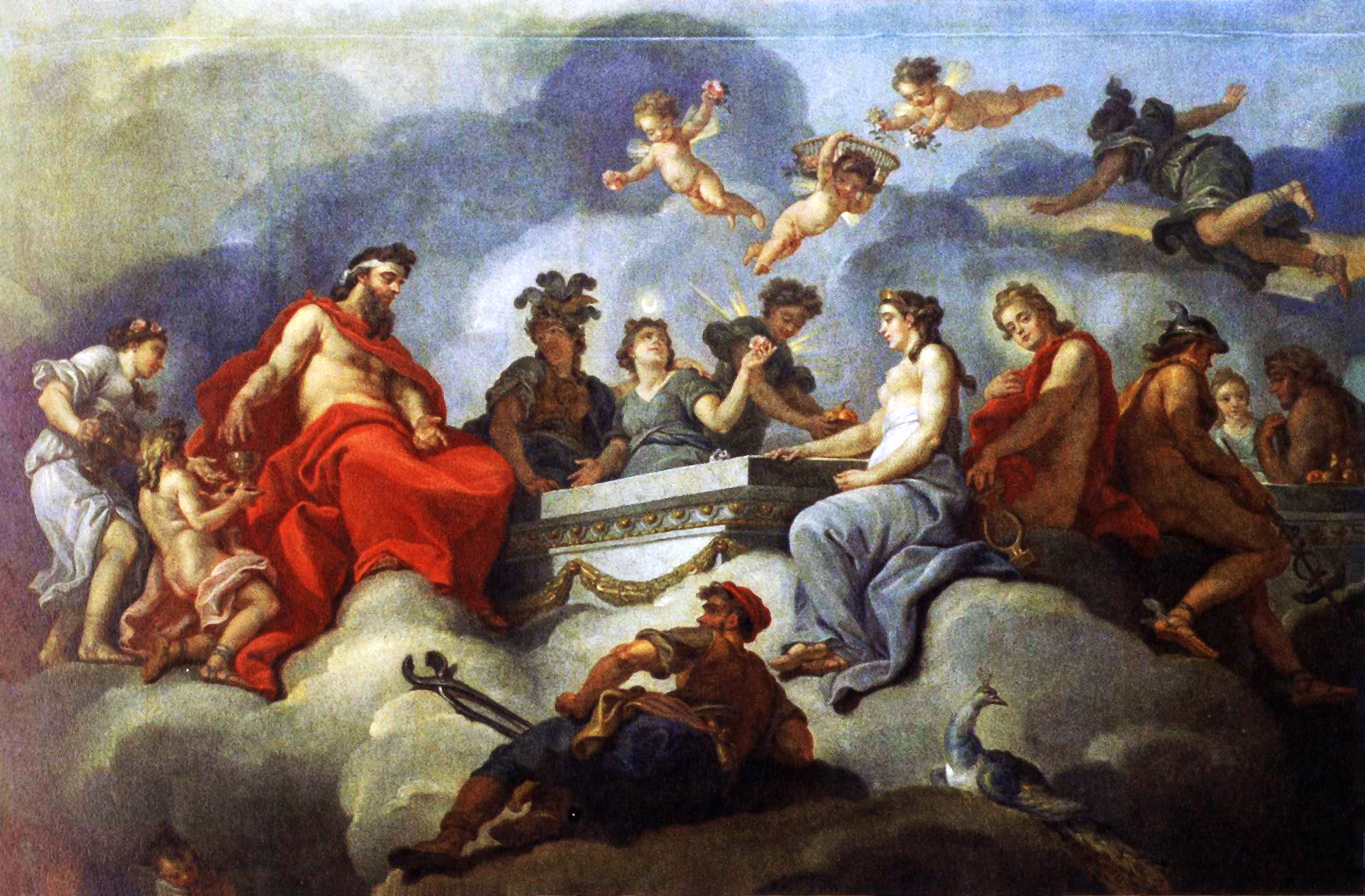
Today I want to discuss Phil’s Cosmic Roulette Wheel. Perhaps it’s fate, perhaps it’s the universe–whatever it is, it steers us down the path to perdition, and throws the almighty wrench in the works just when everything was going so well. In my world of Neveyah where the Tower of Bones series is set, Gods have a direct hand in the action.

The strange part was naming them. I’ve a friend, a Leo, named Phil. Phil is a lion among men and I thought, why not name a god Phil?

It turns out that if you write fantasy you  should probably give your  gods names that evoke omnipotent power. Apparently Phil is a bit too neighborly for a good ‘god-name,’ go figure. So I have opted for less comfortable names for my gods.

Phil is a longtime friend of mine, a man who will argue the opposite side of any topic you choose, and he will do it with passion and will even have some evidence to back his position.  He also enjoys the occasional rant on Facebook, but hey–who doesn’t? I figure he should get a blog and rant to his heart’s content, but what do I know.

Die_Einführung_des_Ganymed_in_den_Olymp_(van_Loo)_-_AusschnittAny way, Phil was on a rant about something, and I forget exactly what it was, but the upshot was he is a bit of an atheist.

Well, that takes all the fun out of blaming the gods for everything that’s wrong in your life!

But I’m not here to argue about religion. Religion is like sex and politics–everyone has their own version, and other folks don’t want to hear about how great it is.

Phil got me to thinking about how events seem to occur, driving us to a specific moment in time. There is a sense of destination in the way events occur, as if the only place you could have found yourself, no matter how you tried to avoid it, was at that stop light.

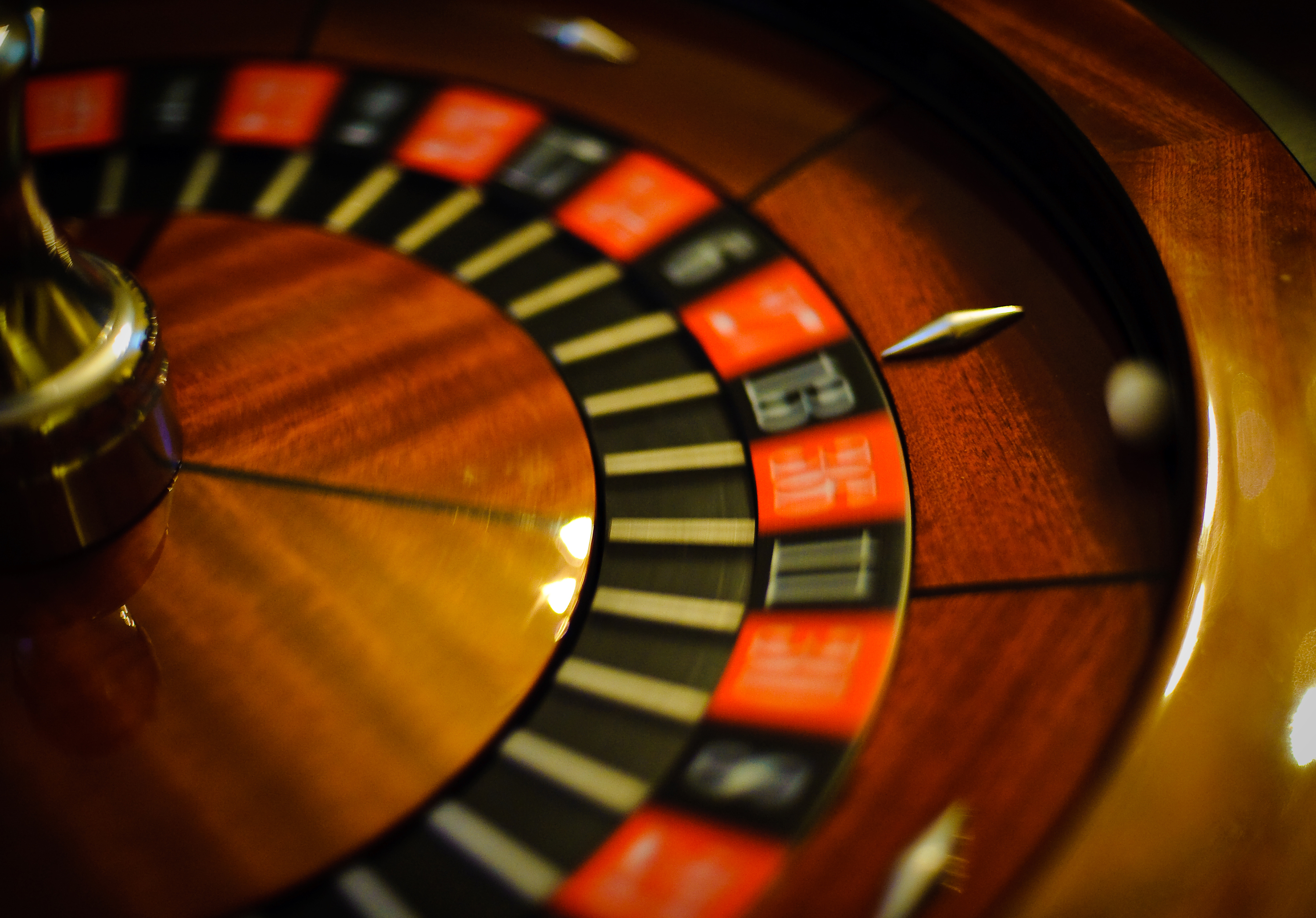
Roulette_-_detailThe upshot of all of this is the epiphany I had– the realization that Phil the God (who is an atheist) uses this giant cosmic roulette wheel to determine the fates of each denizen of his universe.  There he is, sitting in his heavenly bathrobe, watching movies on netflix and spinning his cosmic roulette wheel.

Now I know why things just seem to happen so randomly. Phil’s Cosmic Roulette Wheel is spinning and where it stops, no one knows….

2 Comments

Filed under Adventure, Books, Fantasy, Humor, Literature, mythology, Uncategorized, writer, writing

Courting the Muse

EDWAERT_COLLIER_VANITAS_STILL_LIFEMusic and writing are completely intertwined for me. For each book there is a certain mood I am trying to convey in my writing, and that mood is influenced heavily by the music I am listening to, as well as the art I am creating. My mind is a junk room of ideas–sometimes the best ideas are hidden in the dusty corners.

Lately I have been listening to Eric Whitacre on YouTube a lot, and finding such joy in his love-affair with sound.  He finds the most amazing poetry and sets it to incredible music.

Fly to Paradise

Lux Aurumque

Albert_Bierstadt_-_Rocky_Mountain_Landscape_-_Google_Art_Project (1)Some of my ideas come from  nature but the others just randomly pop in there, like visitors from outer-space.

Every writer knows they are only as good as their next book.

We write drivel, and we write magic–often on the same page, in the same paragraph. We can spend 2000 words describing an attic, and we are at a complete loss as to how to describe an emotion or a scent. We use too may ‘ly’ words and we don’t use enough.

Frequently we don’t follow the rules no matter how often the gurus tell us to.

Writers struggle to bring people who never lived to life, and struggle to show us worlds that defy the laws of nature. Writers struggle with morality and with gods. We battle the forces of Darkness, and sometimes we are the Darkness. We write short stories, serial novels, and screenplays. We write novellas that we intend to make into novels at some point, but may never get around to.

on writingEvery day we write, spending hours alone in dusty offices or struggling to find half-an-hour in a quiet corner of the laundry-room, away from the din.

Somewhere along the line, I stopped making excuses for not writing, and began doing it. At first, maybe I didn’t have a typewriter, but I did have a pencil and paper, so I used them.

We writers are artists, painting with words, and we are unable to sleep until that picture is on the page.

For me, writing is about staying fired-up over an idea, and getting that idea out of my head and into its proper alternate universe.

I love this gig!

2 Comments

Filed under Adventure, Battles, Books, Fantasy, Humor, Literature, writing

Sweeney Todd, or Gutting the Beast

Anne_Anderson05 - Beauty sat down to dinner with the Beast illustration PDArt - Wikimedia CommonsThis is the 3rd and final installment in the series “WORD, A Shifty Beast,” which focuses on helping you get the most out of using Microsoft WORD as your word-processing program when writing a novel.

You have saved all your raw files in a folder labeled in such a way that you know it contains your background work. You have formatted your final manuscript exactly the way the chosen editor’s submission guidelines want. You sent in the work to the highly rated  Sweeney Todd Editing Services and Sweeney loves it!

You came to an agreement regarding payment, and you paid the first half of the editing fee. NOW you are waiting for your first email, containing those dreaded revision requests. At last the email arrives and you see one or two attachments. The email may or may not be encouraging, some editors are very businesslike and some are chatty.

The first thing you discover is that Sweeney Todd has brutally dismembered your carefully formatted manuscript into its separate chapters, and named the files according to his system. You will now use his system for naming your files. Let’s say Sweeney sent you two files:

Elf Madness-JDoe-ch1-ST edit rnd 1.docx

Elf Madness-JDoe-ch2-ST edit rnd 1.docx

This file name says: Your book–your author name–chapter–editor name-round one.  

You will create a new folder within your Elf Madness folder, this one titled EM Rnd1 Edits S.Todd, and you will save the chapters that Sweeney has sent you in this folder. They will remain exactly the way Sweeney sent them so that you can refer back to them if needed.

Now, inside the EM Rnd1 Edits S.Todd folder you will create a new folder, this one titled EM Rnd1 Edits JD complete. This sub-folder is where you will save the first round of your revisions.

Next you will open the first file Sweeney sent you, Elf Madness-JDoe-ch1-ST edit rnd 1.docx. You will immediately click ‘SAVE AS’ and you will save it as Elf Madness- ch1- rnd 1 edit JDoe complete .docx.

NOW you are ready to make your revisions as your editor has requested.

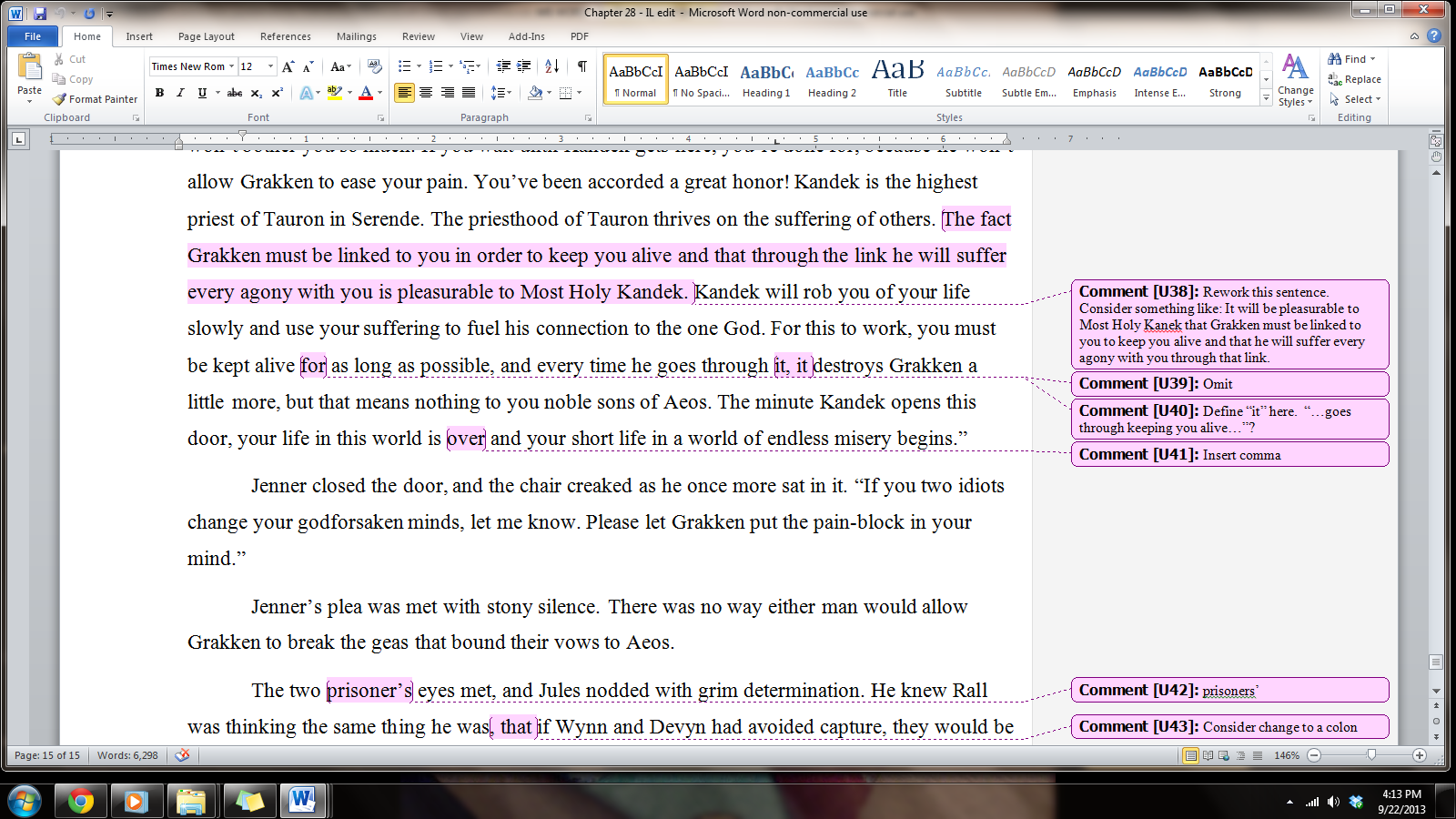
Unfortunately, this is where you find yourself looking at a sea of red or blue with your stomach churning, and fear and loathing in your heart. There is a column on the right hand side of the manuscript and it is chock full of comments, not all of them complimentary.

With a sense of disbelief you realize your beautiful manuscript was not perfect!

Prnt scrn editng tab for WORD

This is the first step to becoming a real author.

Now you will address each comment individually:

  1. On the ribbon at the top of the page, click on the Review Tab:
  1. Prnt scrn editng tab for WORD 1
  2. Next, click on the comment to highlight it. This way you can see exactly what it pertains to, and you can make that correction. Make the correction
  3. With the comment highlighted, click the Delete button, and that comment will go away. Continue doing this all the way through the chapter.

Prnt scrn editng tab for WORD 3

Suddenly, you have come to a place, where what you have written is what you want to keep – “OH NO!!!” But all is not lost. Leave Sweeney’s comment there and highlight the part you want to keep. At the top of the page, click ‘New Comment.’ In the comment box that will open below Sweeney’s comment, explain why you want that particular thing to stay. When your editor opens that file for the second round of edits, he will see what you said, and will proceed accordingly.

Prnt scrn editng tab for WORD 4

You will attach the revised file to an email and return it to Sweeney promptly. This way he will see you are serious about your book. He will take your revised file, and that will be the basis for the next round of editing. This will be repeated until you have completed to entire process according to your agreement with Mr. Todd.

This is the way the editing process that I have been involved in works.  My editors NEVER make changes in my manuscript for me–they make suggestions and I am responsible for making those changes and sending the revisions back to them. I’ve experienced this process both ways, and having an editor who goes in and makes  changes and doesn’t show you what those changes are, OR ask your opinion regarding those changes is simply NOT acceptable. I will never again allow such a thing to happen to my work.

I currently have 3 manuscripts in the editing mill. I find it’s like getting a tattoo—it hurts like hell and you can’t wait until it’s over, but before it has even healed, you’re already planning your next one. (Do you like my Tolstoy tattoo?)

I hope this series on how an author can use Microsoft WORD has helped you get your own manuscript ready for the submission process. It is the most commonly used word-processing program and is actually not too difficult to learn the basics of.  Every word-processing program has a learning-curve, and some programs, while free, don’t offer an author or the editor the ability to do the simple things WORD does.  Most editors agents and publishers only accept WORD files, if they are accepting electronic submissions.


3 Comments

Filed under Battles, Books, Fantasy, Humor, Literature, Uncategorized, writer, writing

Formatting or The Shape of the Beast

Anne_Anderson05 - Beauty sat down to dinner with the Beast illustration PDArt - Wikimedia CommonsThis is the 2nd post in the series on using Microsoft WORD, “WORD—A Shifty Beast”.  The first post covered naming files and version control.  This post focuses on using the tools WORD gives you to format paragraphs and line spacing, making your manuscript ready for submission to an editor.

Often, an inexperienced author will submit a manuscript rife with the most bizarre formatting. He is terribly surprised and hurt when it is rejected and returned with a bland form letter that tells him nothing of why it was not acceptable. Rejections are rarely returned with an explanation of why, so the author is left to guess what they did wrong.

Most editors don’t have time to deal with badly formatted manuscripts and these submissions are not even considered.  All agents, editors and publishing companies have specific, standardized formatting they want you to use, and these guidelines are posted on their websites.

For the most part this formatting is basically the same from company to company, so once you know what the industry standard is, it’s easy to make your manuscript submission-ready, at least in the area of formatting.

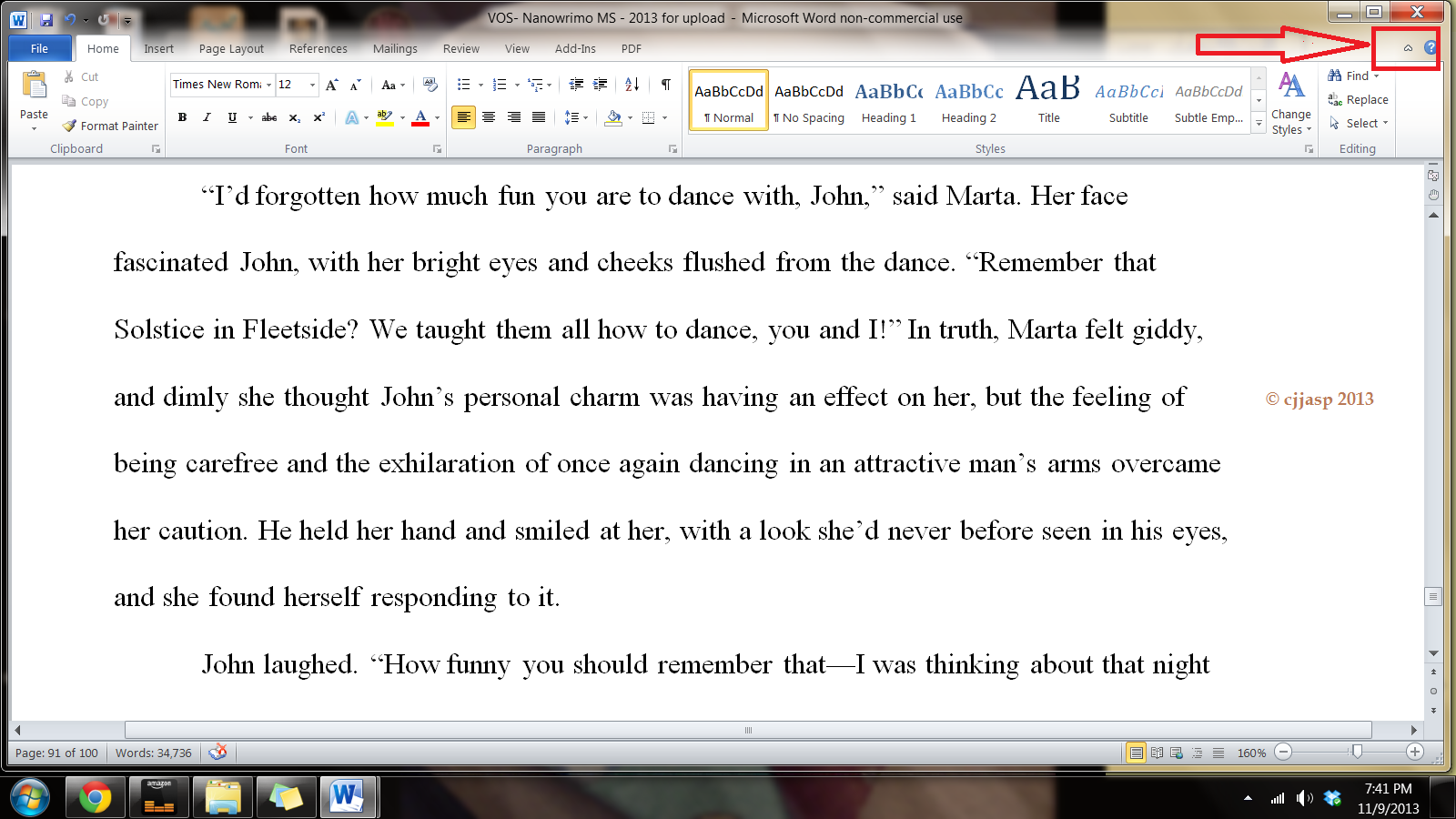
First of all, running across the top of the page is something called the ribbon, and this is your toolbox. Everything you need to create a manuscript is right there, waiting for you to learn to use it. On the right hand side, by the question mark is a tiny arrow for expanding or hiding the ribbon – and we are going to expand it so we have access to all the tools we will need.

Ribbon 2 - formatting for editors and submissions

First, we must select the font. Microsoft WORD has many fancy fonts you can choose from and also has many sizes.

You don’t want fancy.

Stick with the industry standard fonts: Times New Roman or Courier in 10, 11 or 12 pt.  Most say .11 is fine – for me, in a printout .10 is too small for my elderly eyes, I prefer .12.

209px-Serif_and_sans-serif_03.svg

These are called ‘Serif’ fonts, because they have little extensions that make them easier to read when in a wall of words.

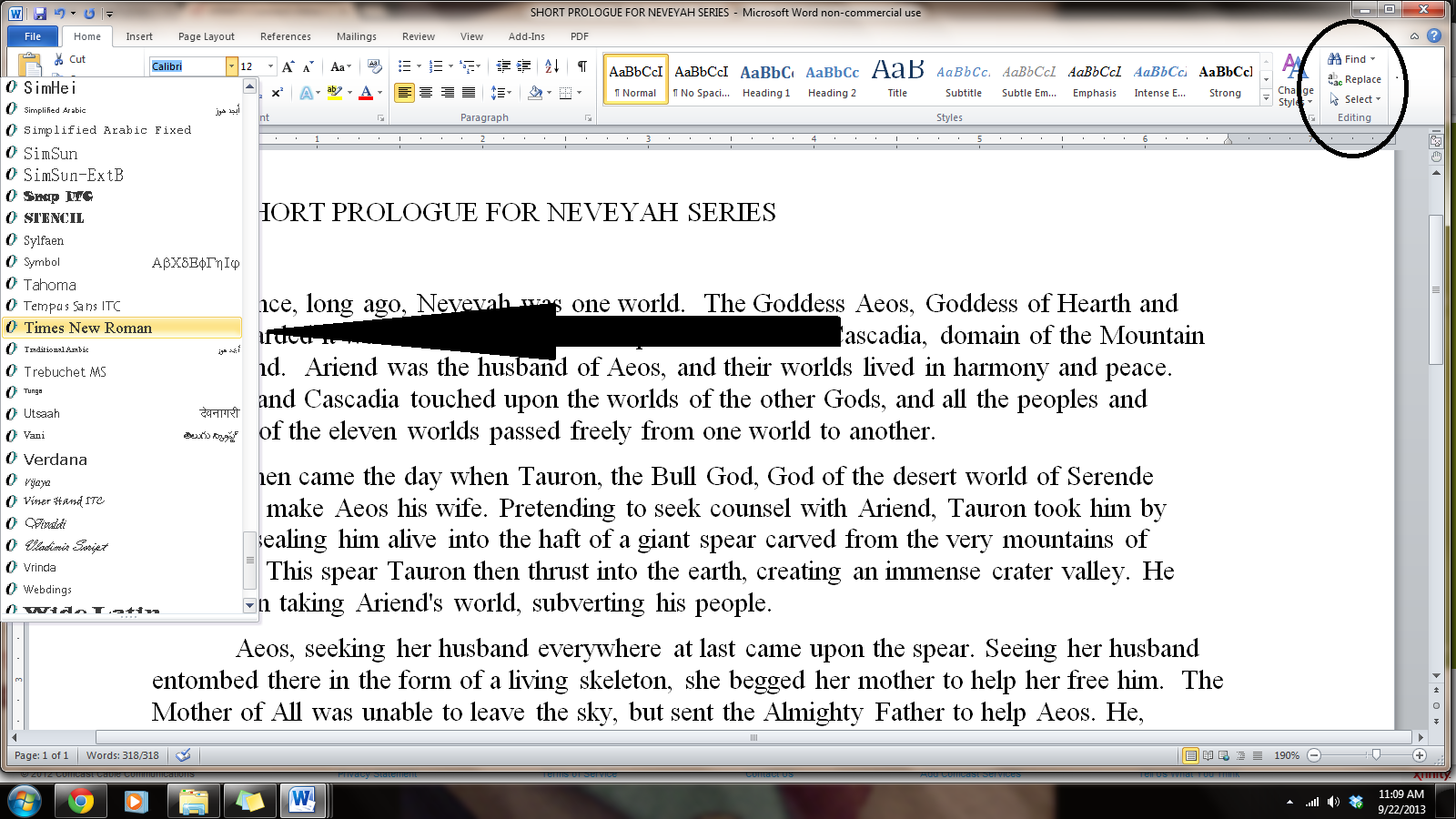
To change your fonts, open your manuscript document, and Click on the tab marked ‘Home’.  In the upper right-hand corner of the ribbon across the top of the page in the editing group, click:

select> select all. This will highlight the entire manuscript.

With the ms still highlighted, go to the font group, on the left-hand end of the ribbon. The default font, or predesigned value or setting, will probably say ‘Calibri (Body)’ and the size will be .11.

fonts post 2 of word series

You can change this by clicking on the menu and accessing the menu. Scroll down to Times New Roman, as it is the easiest on the eyes. Click on that and the font for the entire ms will be that font. Any errors can be undone by clicking the back-arrow.  Once you are satisfied with your changes, click save.

Now we are going to format our paragraphs and line spacing. Standard manuscript format means margins of 1 inch all the way around; indented paragraphs; double-spaced text. Do not justify the text. In justified text, the spaces between words, and, to a far lesser extent, between glyphs or letters (known as “tracking”), are stretched or sometimes compressed in order to make the text align with both the left and right margins. This gives you straight margins on both sides, but this is not the time or place for this type of alignment.

Do NOT ever use the tab key or the space bar to indent your paragraphs. You have no idea what a crapped-up mess that makes out of a manuscript. (That’s editor-speak for a stinking disaster.)  You may have to go in and remove these tabs by hand and it’s a tedious job, but do it now, if you have been using the tab key.

Instead of the tab key, a professional author uses the simple formatting tool:

Locating the formatting tool:

The ribbon- formatting tool

Still on the home tab, look in the group labeled ‘Paragraph’. On the lower right-hand side of that group is a small grey square. Click on it .  A pop-out menu will appear, and this is where you format your paragraphs.

  1. On the indents and spacing tab of the menu: Use standard alignment, align LEFT. The reason we use this format is we are not looking at a finished product here.  We are looking at a rough draft that will be sliced, diced and otherwise mutilated many times before we get to the final product.

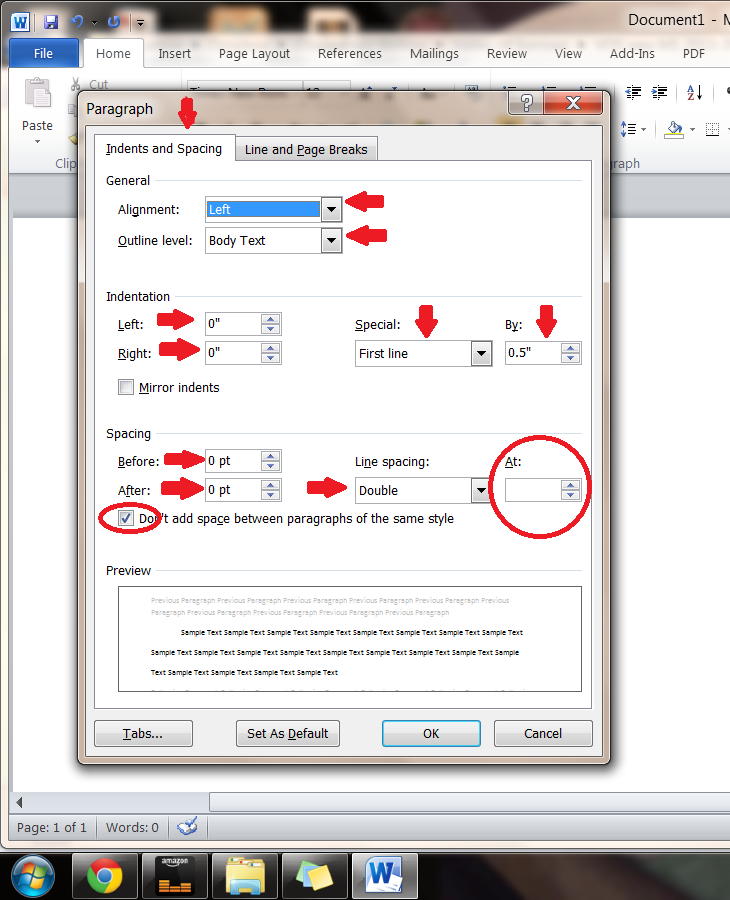
The picture below has it all clearly marked out:

paragraph formatting for editors and submissions

1.  Indentation: leave that alone or reset both numbers to ‘0’ if you have inadvertently altered it.

2.  Where it says ‘Special’: on drop-down menu select ‘first line’. On the ‘By’ menu, select ‘0.5’

3. ‘Spacing’: set both before and after to ‘0’.

4. ‘Line Spacing’: set to ‘double’

The editor needs to receive his version double-spaced so he can insert comments as needed in the reviewing pane, which will be on the right side of the page when you receive your work back for revisions. Having it double-spaced allows for longer comments.

doublespaced, aligned lft with comments prnt scrn for lirf

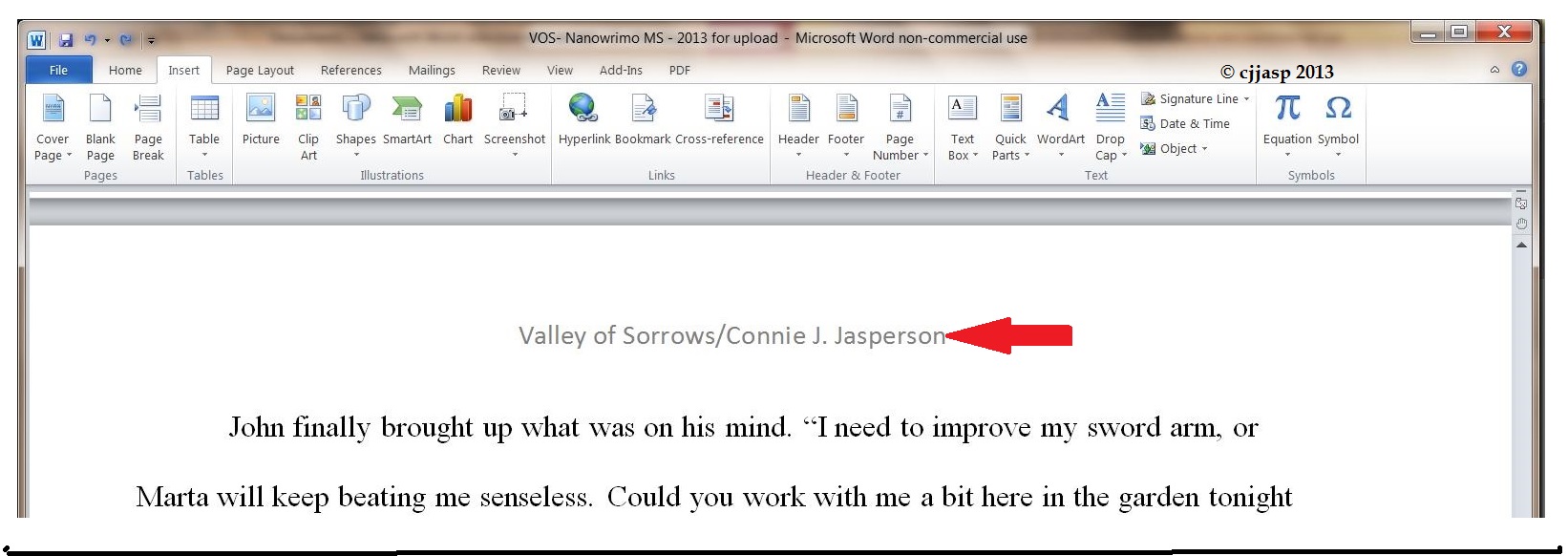
Now we need to make the “Header.”  This is the heading at the top of each page of a word-processed or faxed document, usually automatically inserted and, in this case, consisting of the title of the book and your name.

header

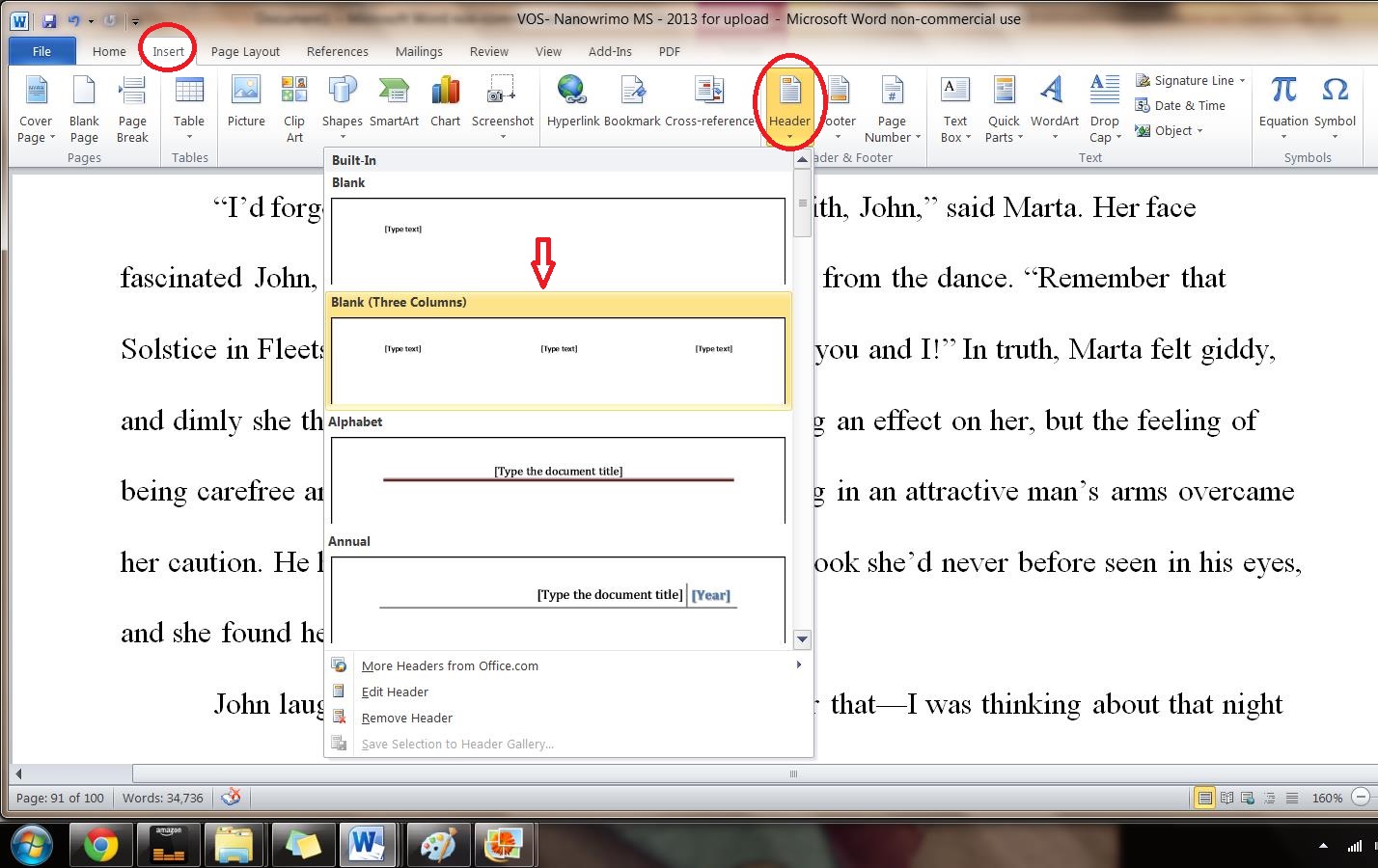
We insert this by opening the “insert” tab, and clicking on “header.”  This opens up a new menu:

 header menu

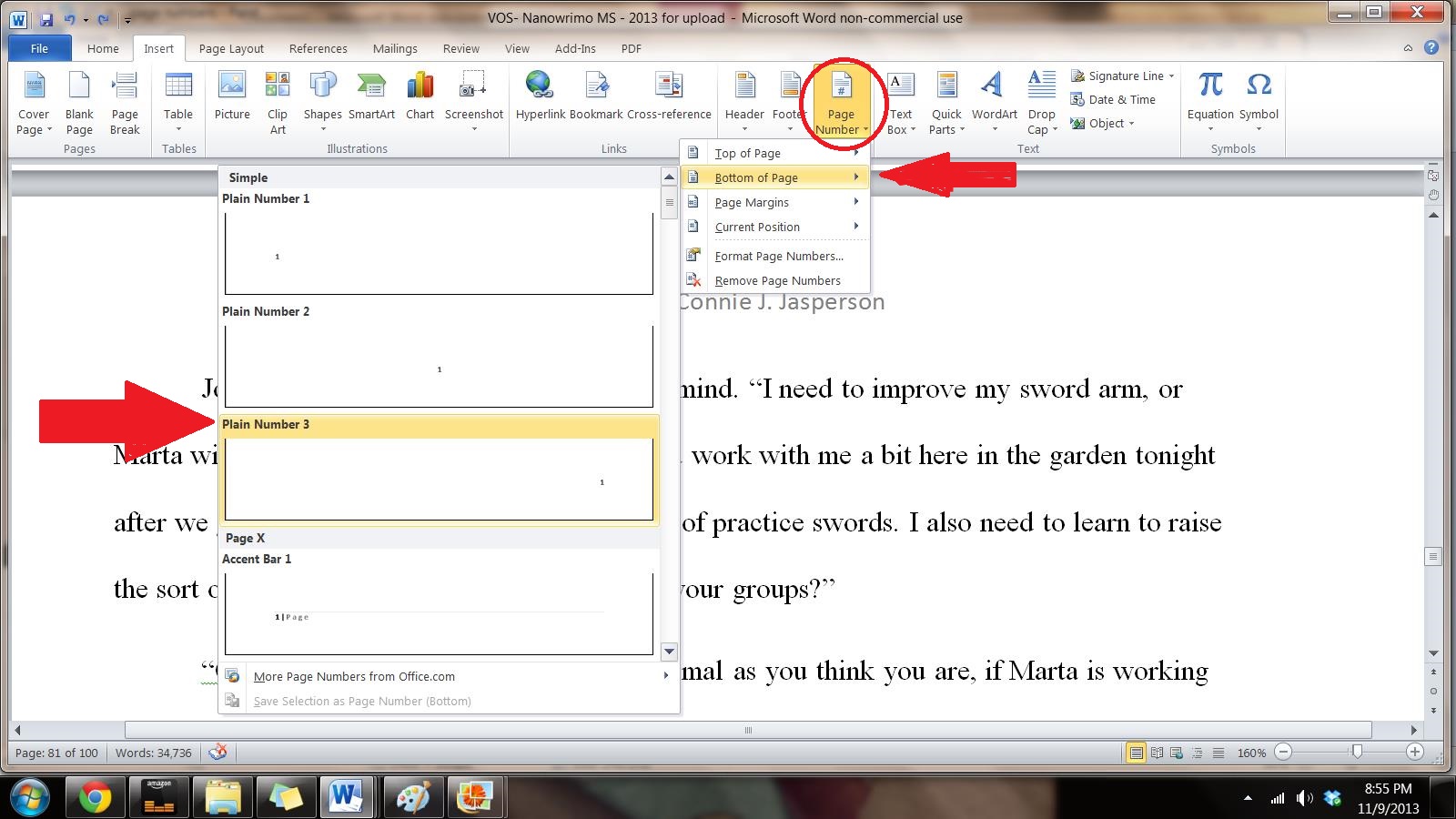
Next we add the page numbers. We put these at the bottom right of the page, using this menu:

page number

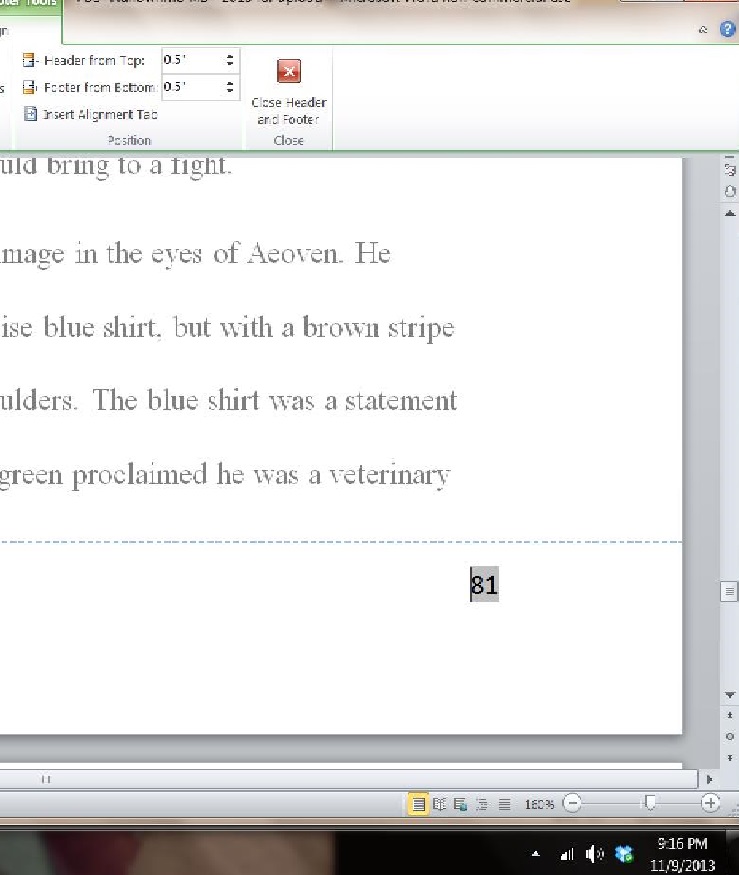
This is how it looks:

footer page number

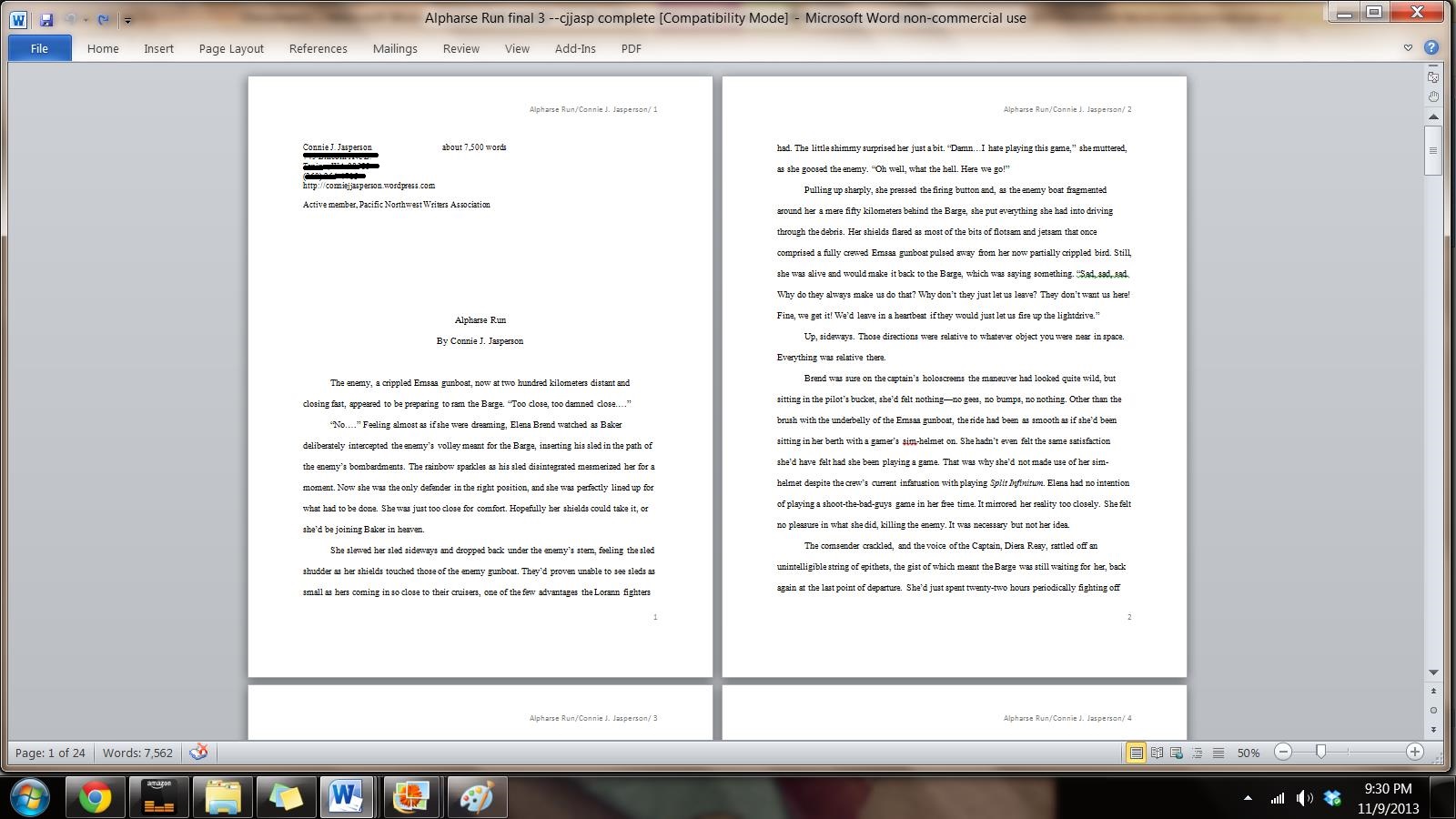
SO once we have all these things done, we will have a manuscript that looks like this:

Full ms ready for submission

This manuscript is submission ready, and is:

  1. Aligned left
  2. Has 1 in. margins
  3. Is double-spaced
  4. Has indented paragraphs
  5. Header contains title and author name
  6. Footer has page number
  7. First page contains the author’s mailing address and contact information in upper left hand corner

This may seem like overkill to you, but I assure you, if you are really serious about submitting your work to agents, editors, or publishers, it must be in as professional a format as is possible.

One fun way to become more fluent with WORD is to open a new document, and save it as “WORD practice file”

Type a paragraph, and then go through the above steps, practicing formatting your work.  Use this document to get to know where everything is on the ribbon, and keep playing with it until you have developed your self-confidence on a document that won’t matter if you mess it up.  It’s actually kind of fun, seeing what options WORD has for making pretty documents as well as simple ones.

Just don’t get too fancy with formatting your novel before you submit it to an editor because no matter how pretty you make that manuscript, if it doesn’t follow the submission guidelines for the place you are submitting it, you have simply wasted your time.

The next post in this series will examine the review tab, and take us through the editing process, showing you how your editor uses WORD during the editing process to guide you to a better manuscript, and what your editor expects from you when you send back revisions.

Ohh…the agony….

6 Comments

Filed under Adventure, Books, Fantasy, Humor, Literature, Uncategorized, writer, writing