Category Archives: Uncategorized

#amwriting: getting the word out

Old Restored booksYou have finished your book. It has been professionally edited and proofed. You hired an expensive cover designer to make the perfect cover that is both professional and eye-catching. You’ve done all the important things at Amazon and Goodreads, making author pages at both places.

You made a professional Facebook page, you are blogging once a week, you’ve joined twitter and use TweetDeck or Hootsuite to schedule tweets, and check it every day and sometimes retweet interesting things for other folks you are following. You’ve even joined Pinterest and  Instagram.

This all good, but even so, after the first rush, sales have dwindled off, and now you are at a loss of what to do to increase the visibility of your work.

Some folks join mutual promotion groups on Facebook. I have found them to be more aggravating than helpful as I get spammed by the same two authors daily–they are nice people, but they have no sense of how irritating that is. People on Facebook lose interest when they see the same books all the time.

Also, I have found the “99 cent boost groups” to be not as beneficial in the long-run as they promote themselves to be.

I’ve not figured out the magic key to gaining traction rapidly, but I do know that my Goodreads ad pays off in terms of sales, as when I receive more clicks on the ad, I sell more of those books.

Writing short stories and publishing my work gets my name out there, and each time I publish a chapter of the Bleakbourne on Heath series, on Edgewise Words Inn, I see a jump in sales. From what I can see, the only way to get your author name out there is to publish your work.

Shaun Allan has had great success getting his name out via WattPad, as has Paul Coelho. Yes, you are giving your work away, but it introduces YOUR work to potential readers who will buy your other work–and these two authors’ sales are excellent.

Asking other authors to promote your work is not really a good idea, because they have their own work to promote, and your agenda doesn’t always mesh with theirs.

If you have been out in the indie world for any length of time, you may have observed this scenario: Author A, charming and talented Facebook friend, asks Author B to be a part of their personal fan-club, working to get Author A more recognition. Author B does not have time for that–he is trying to get his own name out there. The author who was ‘recruited’  is shocked, and saddened that a friend has so little understanding and such a lack of respect for his work that she would expect that of him, but he doesn’t want to be unfriendly and thinks “well, maybe it’s only this once.”

But it’s not only the once. It’s a never-ending stream of “push my book, push my book.”

When he realizes he is being used as her personal assistant and free publicity agent, he refuses, as he feels that she has no respect for him as an author. She has a temperamental fit and unfriends him. He warns his other friends to beware of that author. While her rudeness may have been unintentional, it was a bit of an eye-opener to those who know her casually, a clue about her true character.

I’ve seen that scenario unfold several times–sometimes talented people are supremely egotistical and only associate with others if they will gain something from that association. Once they have achieved what they wanted, they have no further use for their ‘friend’ and quickly move on to more important pastures.

I try to stay away from toxic professional relationships, and believe me, the opportunities for that are plentiful in many author groups. When I like another author’s work, I would love to see that author succeed. If we are friends and they need a signal boost for a new book or an event, I will gladly tweet and perhaps mention what I like about their work on my blog. I will even mention that they are having an event, and will be signing books.

But I will not be their private publicity agent.
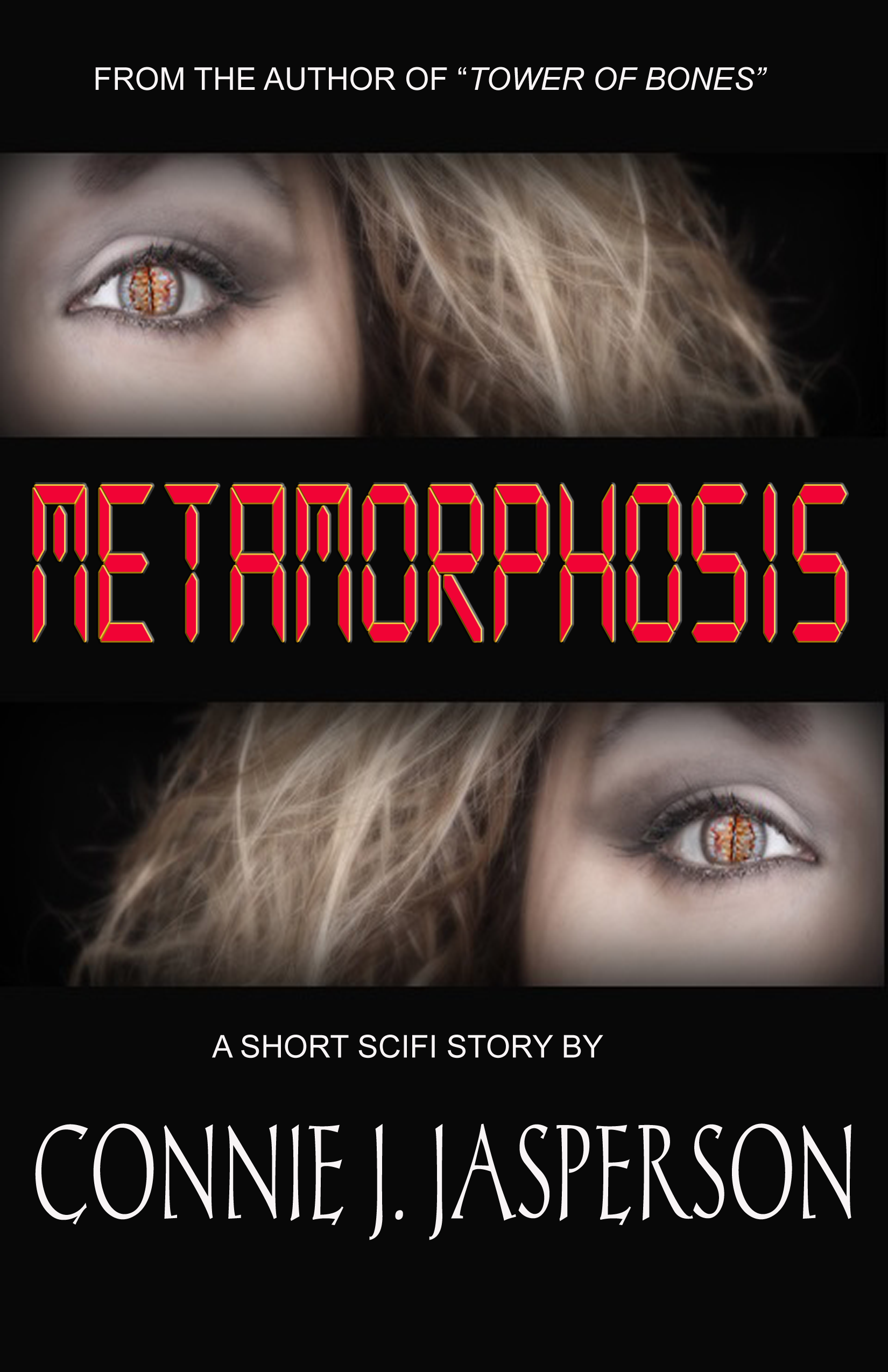
MetaMorphosis cover for WattPad copySo even though you desperately want to increase your visibility and sales, you have to be careful how you go about it. For indies, this is the sort of thing that has to flow two ways–Author A must support Author B as much as he/she expects Author B to support him/her.  Boosting the signal is a real bonus, and if a friend does this for you it should be reciprocated.

So do yourself a favor: post short stories on WattPad, and keep submitting to magazines and anthologies. Success is rarely an overnight thing–it is the culmination of the long hours and efforts you put into it.

Read METAMORPHOSIS on WattPad.

4 Comments

Filed under Publishing, Uncategorized, writing

#MindWandering: The Power of Downtime

Veneto,_Bartolomeo_-_Lucrezia_Borgia_(alleged),_detail_of_portraitDaydreaming…wasting time…selfish indulgence, or fountain of creativity?

WebMD says, quote:  “Daydreaming is looked upon negatively because it represents ‘non-doing’ in a society that emphasizes productivity,” says John McGrail, a clinical hypnotherapist in Los Angeles. “We are under constant pressure to do, achieve, produce, succeed.”

Wikipedia, the fount of all knowledge, describes Daydreaming as “a short-term detachment from one’s immediate surroundings, during which a person’s contact with reality is blurred and partially substituted by a visionary fantasy, especially one of happy, pleasant thoughts, hopes or ambitions, imagined as coming to pass, and experienced while awake.”

Apparently we daydream less as we get older. I wonder, is this nature, or nurture?

What really happens when we allow ourselves to just sit and think about nothing in particular? What happens on a neurological level when we let our minds off the leash, to run free and unencumbered?

One interesting fact is that apparently, if we daydream about the past, we tend to forget what we were doing before the daydream started. This happens to me all the time.

But most people don’t ponder the past. “Daydreaming is often about anticipating the future, especially in a fantasy context,” noted Peter Delaney, a psychologist at the University of North Carolina, Greensboro, in the July 3, 2013 issue of National Geographic.

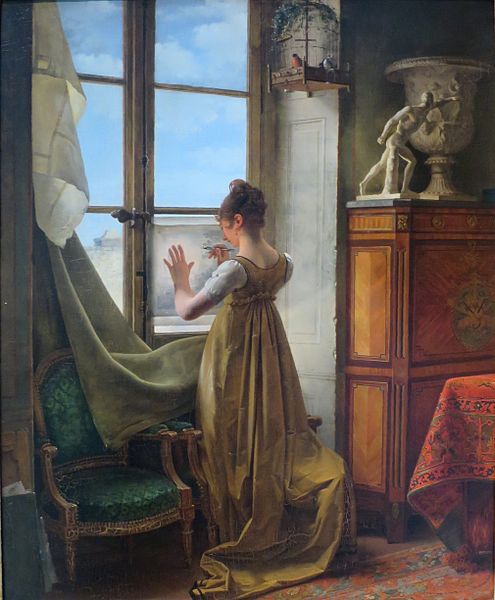
'A_Girl_Copying_a_Drawing'_by_Martin_Drolling,_Pushkin_Museum PD 100 via wikimedia commonsAnd according to the Daily Mail, Prof. Moshe Bar, of the Gonda (Goldschmied) Multidisciplinary Brain Research Center, said, “Over the last 15 or 20 years, scientists have shown that – unlike the localized neural activity associated with specific tasks – mind wandering involves the activation of a gigantic default network involving many parts of the brain.”

Also, I have just learned that daydreaming turns off parts of your brain. It’s true–our brain has an analytic part that helps us make reasoned decisions, and an empathetic part that allows us to relate to others. Researchers have discovered that when you are daydreaming, your mind naturally cycles through the different modes of thinking, analytic and empathetic. Apparently, during this time the analytic and empathetic parts of your brain tend to turn each other off.

Another intriguing thing I have only just found out is that the physiology of the brain itself, and not the “mind” controls our daydreams. Anthony Jack, a cognitive scientist at Case Western Reserve University in Ohio says, “How we daydream and think depends on the brain’s structure. …(That) structure is constantly changing in small ways—as we learn new things the connections between nerve cells change.” (Read “Beyond the Brain” in National Geographic magazine.)

We have long known that creative people are often guilty of daydreaming, but researchers have shown that daydreaming makes you more creative.

“Many times the ‘dialogue’ that occurs when the daydreaming mind cycles through different parts of the brain accesses information that was dormant or out of reach,” notes Eugenio M. Rothe, a psychiatrist at Florida International University. “Likewise, the daydreaming mind may make an association between bits of information that the person had never considered in that particular way.”

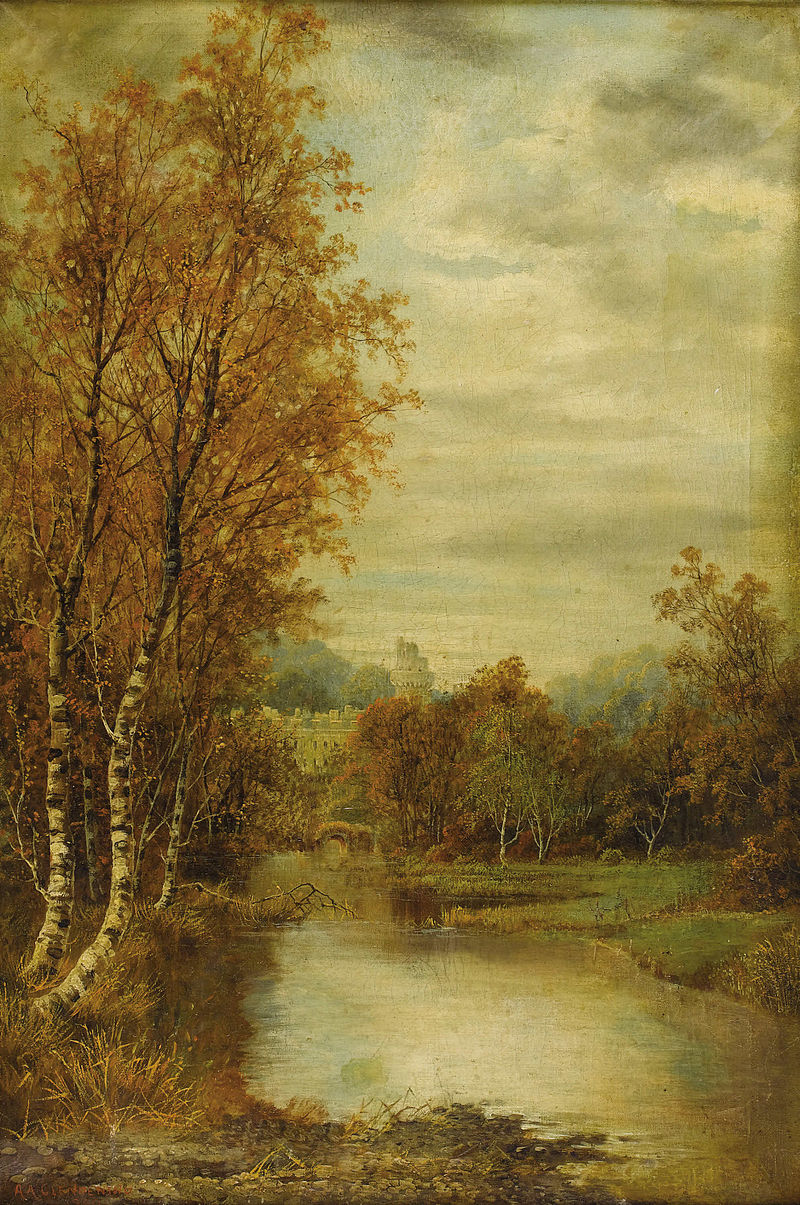
Autumn_Landscape_With_Pond_And_Castle_Tower-Alfred_Glendening-1869According to a study published in the Proceedings of the National Academy of Sciences, a wandering mind can impart a distinct cognitive advantage.

This means that daydreaming is actually good for you. It boosts the brain, making our thought process more effective. Apparently letting the mind wander allows a kind of ‘default neural network’ to engage when our brain is at wakeful rest, as in meditation, rather than actively focused on the outside world. When we daydream, our brain is freed up to process tasks more effectively.

This is good to know, because as an author I spend an astounding amount of time daydreaming, and I would hate to be simply wasting time!

(This post was first published September 15, 2015 on Edgewise Words Inn)

9 Comments

Filed under Publishing, Uncategorized, writer

#amwriting: Theme: chaos or stability

Fall of Angels L E Modesitt JrA common theme in fantasy is the juxtaposition of chaos and stability, or order. Good versus evil is a trope of the genre, and  evil is usually portrayed by taking one or the other of these concepts to an extreme.

Author L.E. Modesitt Jr. has taken the theme of chaos and order and built his Magic of Recluce series around the comparison and contrasts of the two, with each side being given the protagonists’ POV in different books as the series progresses. He has been able to really explore the way each side’s magic is expressed, and the moral and ethical values that each side holds dear.

Both sides consider themselves morally superior, and both sides are wary of those who walk that gray path in the middle, which allows Modesitt real opportunities to put his protagonists through the wringer.

Trumps_of_doomThe late Roger Zelazney’s brilliant Chronicles of Amber series also details the distinctions between Chaos and Order, and moral and ethical challenges of those who travel from reality to reality through the shadows, with each shadow growing more radical depending on the distance from Castle Amber (which represents Order).

In several of his works, elements of each are combined freely and interchangeably. Jack of Shadows and Changeling, for example, revolve around the tensions between the two worlds of magic and technology, or order and chaos.

But what is chaos, and what is order ?

Google defines Chaos as

Chaos definition

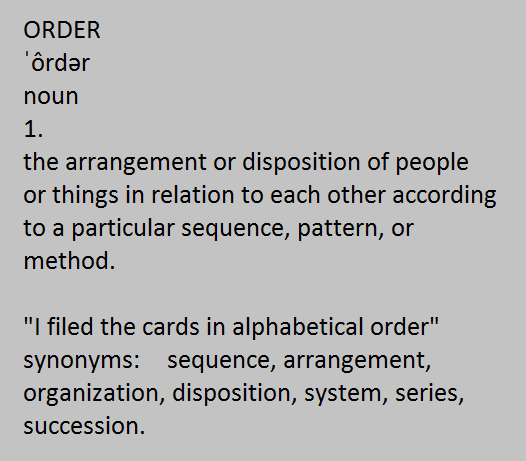
Google also defines Order as:

order definition

Either side of the coin, when taken to an extreme, can be truly evil.

Consider chaos, or AnarchyWhen a culture descends into anarchy, you have an absence of government and absolute freedom of the individual. While this frequently begins as an attempt to allow for individual freedoms without state interference, history shows that what follows is the emergence of a violent culture that is beyond the reach of law.  There is no law and no one capable of enforcing it. The strongest, most violent thugs rise to the top and frequently war with each other, while the common person is caught in the middle. Followers of each warlord are rewarded with the spoils of conquest, which are often goods taken from the common citizen who must somehow survive under that tyranny.

war and peaceNow let’s look at order: totalitarianism, or total order can also be a form of tyranny: everything is static and nothing changes. There is centralized control by an autocratic authority, combined with the political concept that the citizen should be totally subject to an absolute state authority. No divergence from the norm can be tolerated, and good, obedient citizens are rewarded, while deviants who are seen to be free-thinkers, intellectuals, and artists are persecuted and imprisoned, or killed.

Anarchy=instability and a breakdown of society. Totalitarianism=lack of growth and stagnation of society. For most people’s comfort, a good society allows for both law and creativity.

In extreme types of societies, power is everything, and drawing negative attention to yourself is dangerous. Thus chaos-based societies are usually represented in literature as having an underlying order that holds them together, and order-based societies are often represented as requiring the ability to grow and change, but within certain parameters.

The theme of order and chaos can really power a story-line, and the way you perceive them will not be the way another author sees them. L.E. Modesitt, Jr. and Roger Zelazney couldn’t be more different in the way they portrayed these concepts.

If you haven’t read Zelazney’s works, I highly recommend them.

Comments Off on #amwriting: Theme: chaos or stability

Filed under Fantasy, Publishing, Uncategorized, writing

#GraceUnderFire: Mary Shelley

Mary Shelley Meme copyThe commonly publicized stories of famous men and women are generally focused on their great victories and glorious successes, and rarely touch for long on the less-than-glorious moments in their careers.

And, while I am always inspired by great successes, I am far more intrigued by how the heroes and heroines of history handled the most crushing, personal defeats.

One woman I deeply admire as much for the way she handled disgrace and loss as for her literary success, is Mary Shelley.

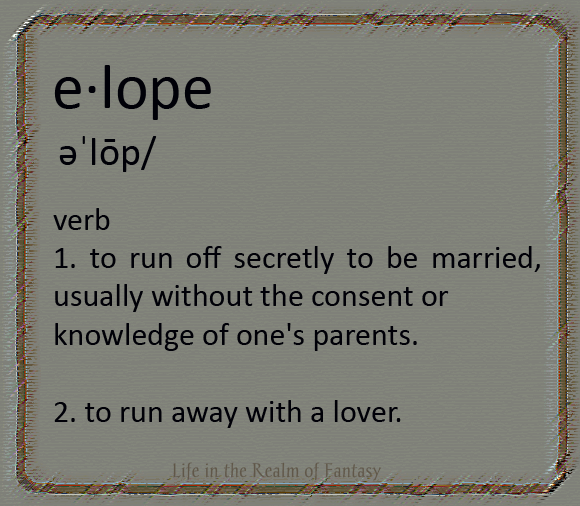
elopement memeThe year was 1814, and Mary Wollstonecraft Godwin was 17–young, even by the standards of the day–when she ran away with a married man. That man was Percy Bysshe Shelley, who was (until he eloped with Mary) a close friend of her father.

Mary was the daughter of the famous political philosopher William Godwin, and her mother was the pioneering philosopher and feminist, Mary Wollstonecraft.  Her father was the first modern proponent of anarchism, and (until recently) her late mother’s tempestuous history overshadowed her brilliant work as a writer, philosopher, and advocate of women’s rights. Her parents were Free Thinkers, and were notorious in their own rights.

Percy was the eldest legitimate son of Sir Timothy Shelley, 2nd Baronet of Castle Goring. Sir Timothy had himself produced an illegitimate child, which (in Percy’s eyes) made his  pious horror at his son’s transgressions seem rather hypocritical.

William Godwin was frequently in danger of going to debtors’ prison as his businesses regularly failed.  Good friends always rescued him, and long before beginning his relationship with Mary, Percy Shelley had agreed to bail the man he admired out of debt.

After their elopement, the enraged William Godwin refused to see them, but still demanded money to be given to him under another name, to avoid scandal. Their assertions that marriage was a matter of mind and God rather than the law fell on primly deaf ears.

640px-RothwellMaryShelleyMary viewed her father’s reaction to their elopement as both sanctimonious and motivated by greed. It does appear that way, in view of his past and his political views, and also in view of the liberal way in which he had raised her after her mother’s death.

But beyond Sir Timothy Shelley and William Godwin’s hypocrisy, the couple faced intense censure from society at large, and paid a heavy price for the choices they had made.

After the suicide of Percy’s 1st wife, Harriet, and his subsequent marriage to Mary, the Chancery Court ruled Percy Shelley morally unfit to have custody of his children, despite Mary’s desire to raise them. In what was a well-publicized case, Percy’s children were placed with a clergyman’s family.

Mary ShelleyDespite having her personal business widely discussed and being snubbed by people she had believed to be her friends, Mary refused to behave as an outcast, writing and living as normal a life as she was able. Forced to live abroad to escape creditors, Mary and Percy found their exile from England hard to bear, despite their famous (and infamous) circle of friends who were exiled for much the same reasons.

When faced with the suicide of her sister Fanny and the deaths of three of her children, Mary suffered a deep depression. She retreated into her writing, and her husband retreated into confusion. Nevertheless, in public she carried herself with grace and dignity, no matter what was said or implied about her. During that time, Percy wrote:

My dearest Mary, wherefore hast thou gone, And left me in this dreary world alone? Thy form is here indeed—a lovely one—But thou art fled, gone down a dreary road That leads to Sorrow’s most obscure abode. For thine own sake I cannot follow thee. Do thou return for mine.

frankenstein (1)At the age of twenty-two she found herself a widow, and spent the rest of her life raising her only living son, writing, and getting Percy’s works published. Her life with Percy had been a struggle in many ways, far beyond the obvious, but no man ever captivated her more than he had. The wild passion she felt for him was as much spiritual as it was carnal, a true meeting of minds.

They were young, and although he loved her body and soul, he was not entirely faithful to her, and didn’t hide his infidelity from her. They lived beyond their means and were hounded by creditors, which could have meant debtor’s prison. In Mary’s eyes, that lack of security was far more difficult to endure than sly comments about her perceived bad behavior.

Mary Shelley was brave in what she published, and wrote her political thoughts into her novels and essays boldly, despite women having no right to voice their ideas. She believed in the Enlightenment idea that “People can improve society through the responsible exercise of political power,” but she also feared that the reckless exercise of power would lead to chaos, and her works reflect this belief.

the last man, shelleyHer works reveal her as much less optimistic than her radical parents, Godwin and Wollstonecraft. She doubted her father’s theory that humanity could eventually be perfected.

Even her early works are critical of the way in which 18th-century thinkers, such as her parents, believed radical political changes could be brought about. It has been pointed out that the creature in Frankenstein reads books associated with radical ideals, but the education he gains from them is ultimately useless.

Mary supported her son with her writing, and a small stipend she managed to squeeze from Sir Timothy, who wrote into his will that she should pay it back when her son inherited the title and estate. She was never accepted or acknowledged by her father-in-law, although her son did live to inherit his title and estate.

How people find the strength to hold their heads up in the face of public humiliation, personal tragedy, and intense social ostracism is, to me, a far more intriguing story than their successes. Anyone can ride the wave of glory–it takes a person of great character to surf the shoals of public disaster with grace and step on shore with confidence and their dignity intact.

6 Comments

Filed under Literature, Uncategorized, writing

#Inspiration: Seeking truth and beauty via Wikimedia Commons

Seljalandsfoss,_Suðurland,_Islandia,_2014-08-16,_DD_201-203_HDR

Inspiration.

It can be found in nature, and through the eyes of the artist or photographer. Through the miracle of the internet, I can find inspiration any time of the day or night, just by seeing what the picture of the day at Wikimedia Commons is. This was today’s gorgeous, surreal image: Sunset view from the back of the Seljalandsfoss waterfall, photo by Diego Delso, Wikimedia Commons, License CC-BY-SA 4.0.

Stiftskirche_Herzogenburg_Deckenfresken_01Several days ago, the image of the day was architectural: The ceiling frescos in Herzogenburg Monastery Church (Lower Austria). The church was consecrated on October 2nd, 1785. This image was uploaded by an author who uploaded with the user name Uoaei1, but who has won many awards for his/her images.

Roosa_hommikuudu_Tolkuse_rabasThen there was this gorgeous photograph by Märt KoseMorning in Tolkuse bog, Luitemaa Nature Conservation Area, Pärnu County, Estonia.

Inspiration in breathtaking images, free of cost, available for anyone, rich or poor. Everyday, a new picture is chosen as the image of the day, and if you like the artist, you can check out more of his/her works as, I did Diego Delso:

Iglesia_de_San_Colmano,_Schwangau,_Alemania,_2015-02-15,_DD_15Winter landscape of St Coloman church (de), photographed by Diego Delso, and located in Schwangau, Bavaria, southern Germany. St Coloman church is of baroque style and was constructed, the way it is today, in the 17th century in honor to Saint Coloman, replacing a chapel of the 15th century. The Irish pilgrim is said to have taken a break at this spot in his pilgrimage to the Holy Land in 1012.

I can visualize the crusaders riding in this winter landscape. I would have stopped there too!

The imagination transforms the beauty around us, and we create “what ifs” via the written word or the canvas and paint. This is why I always find myself looking at paintings too, when I am visiting Wikimedia Commons. I leave you with two images of a palace, seen though the eyes of two different artists:

Palacio_de_Nymphenburg,_Múnich,_Alemania,_2015-07-03,_DD_01-18_HDR_PAN

Panoramic View of the Nymphenburg Palace, Diego Delso, Wikimedia Commons, License CC-BY-SA 4.0

Nymphenburg, View From the Seaside painting by Joseph Wenglein 1883

Nymphenburg, View From the Seaside painting by Joseph Wenglein 1883 PD|100

The first is a photograph is the Panoramic View of the Nymphenburg Palace as seen through Diego Delso’s camera-eye and posted on Wikimedia Commons using the License CC-BY-SA 4.0. The painting below that is the palace as seen through the artist Joseph Wenglein‘s eye, A Seaside View of Nymphenburg Palace

Both images are the creations of artists using different mediums, both are of the same baroque palace in Munich, Bavaria (southern Germany). The palace is the main summer residence of the former rulers of Bavaria of the House of Wittelsbach. It was designed by Agostino Barelli and constructed by order of Ferdinand Maria and Henriette Adelaide of Savoy in 1664. Famous for its symmetry and extravagant beauty, the palace was expanded and redesigned several times until the last modifications in 1826.

More than 125 years separate their visions, but I am connected with and inspired by both artists because I, a middle-class woman in a rural town, can view and admire their work.

1 Comment

Filed under Fantasy, Humor, Uncategorized, writing

Yay! Its #friday

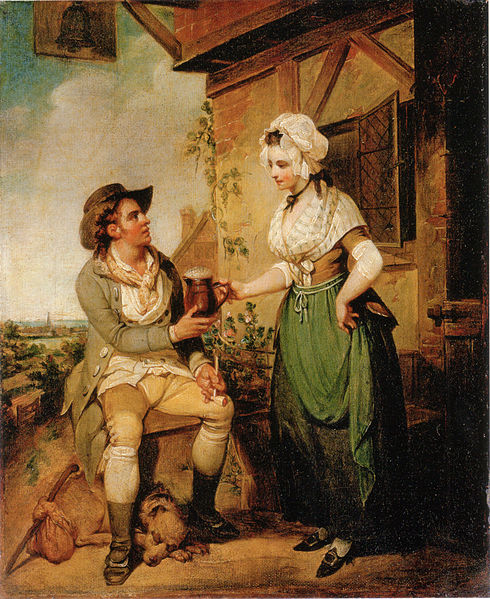
The Alehouse Door, by Henry Singleton via Wikimedia Commons

The Alehouse Door, by Henry Singleton via Wikimedia Commons

I wrote a lot of short stories last summer, which is good, because in short stories you have to be sparing with words.

This need for economy has really helped with my personal writing bugaboo, giving too much background info. When you are writing to a specific word limit, you have to choose your words carefully.

This means the only background that can remain in the tale is the minimum background that the reader must know for the tale to make any sense.

Some of what I wrote was a serial, for Edgewise Words Inn, a series of tales set in the village of Bleakbourne, on the Heath river. Bleakbourne is an unusual town, being the crossroads for the fae and mortal worlds. Many strange things happen there, and Leryn is the young bard who records it all.

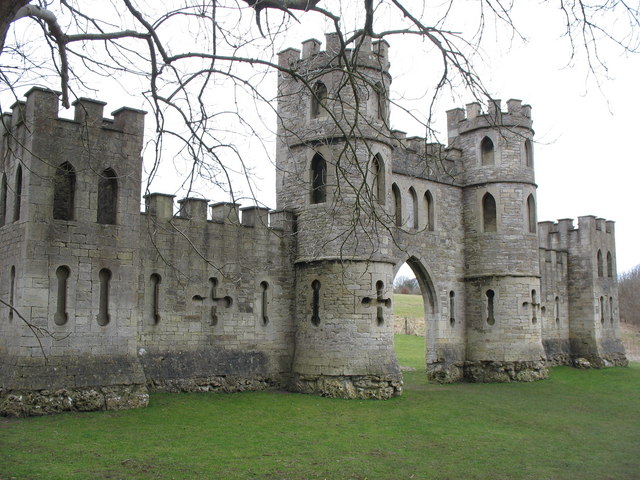
Ralph_Allens_Castle_-_geograph.org.uk_-_1762356Two installments have been posted, and several more are set to post as autumn progresses.

If you are curious, the link to chapter one is here: Bleakbourne on Heath: Tenneriff’s Curse and the link to chapter two, the Demon Knight is here.

That tale was inspired by a photo of a Castle Folly I saw on Pinterest. I love Pinterest, but I get most of my inspiration and ideas from Wikimedia Commons, just randomly searching the classical art there.

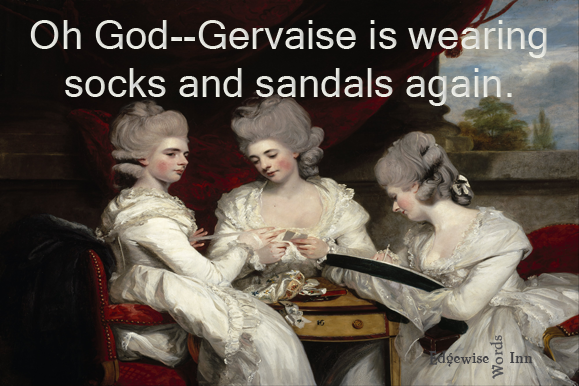
Socks and Sandals MemeI also find that lots and lots of time just sort of dissolves as I am doing that–perusing  the great art of the masters is as much of a time-eater as Facebook, but without the memes.

However, the temptation to turn them into memes is sometimes overwhelming. I look at them, and wonder what was going through their minds at the time the painter caught them. Probably it was “Please make him paint faster,” but you know I can just leave it at that.

Sometimes it’s hard to contain myself when these wonderful images give me so much food for thought.


If you happen to be at out and about Saturday the  10th of October, in the Renton area south of Seattle, stop in at the AFK E&E, and visit my friends who will be signing books and having a great time in general. They will be Reading in the Dark, and the event will run from 2:00pm to 9:00pm in the back left of the restaurant.

  • AFK Elixers & Eatery
  • 3750 E Valley Rd.
  • Renton, WA 98057

You will find these great authors: A.J. Downey, Jeffrey Cook, Lee French, Sechin Tower, Tina Shelton, and Shannon L. Reagan and several more. I can’t wait to see what they are offering us!

Comments Off on Yay! Its #friday

Filed under Humor, Publishing, Uncategorized, writing

#amwriting: working in the blender

caloricclassic red blenderOnce you have a book published, the hardest, most difficult part is trying to fit writing the next book into all the other demands on your time. I have an editing job that I work at from 6:00 a.m. to 12:00 p.m. daily, I write five blog posts a week for various blogs (3 for this blog) I have several novels in the works, and I am my own publicist.

That last part is not going so well, just so you know.

For one of my writing gigs, I am a member of the staff for Edgewise Words Inn, which had been quite fun as I get to explore the creative writing side of my life. I just began a serial there, a medieval fantasy, called Bleakbourne on Heath. The first installment posted September 11th,  and the next will post  on Tuesday the 29th of September. This has been quite fun, as it is a series of short-stories (Less than 2000 words each) chronicled by Leryn, a bard. He is the observer, but is sometime drawn into the action against his better judgement. The first two episodes are a little dark, but episodes 3 & 4 have been far-fetched and quite fun to write.

I have also signed on to edit an anthology for my publishing group, Myrddin Publishing. That has been an absolute joy–the stories that are being included in this anthology are extremely high quality. And the good part of that is, I have wonderful people working with me on the production of that book, Alison DeLuca and Lee French.

crest-bda7b7a6e1b57bb9fb8ce9772b8faafbNaNoWriMo is approaching–and I am planning to spend the month of November writing a series of short stories, some set in Bleakbourne on Heath, and several random shorts.

But, like every other working person, I also have a home to keep in some sort of order, minimal though that effort is, laundry to do, cooking (yes, even vegans cook) and I try to maintain some sort of communication with our kids and grand-kids–even if it is just stalking them on Facebook.

And lets talk about Facebook, that soul-sucking time-waster from the Netherworld. Many of the events I do are organized though Facebook, and that means I get a lot of email to sift through, while I am trying to accomplish something productive for my clients.

So-and-so, the organizer, encourages everyone involved in the ordeal to post something in a thread:

  • But if you do, you will get 200 emails from that thread alone.
  • But if you don’t, you will miss some critical piece of information.
  • But if you do, you will get 200 emails from that thread alone.

If you are careful when you select which event to get involved with in the first place, these events can raise the indie author’s visibility, and indeed, any author’s visibility. I have done many that were not good experiences, and many that helped sell books.

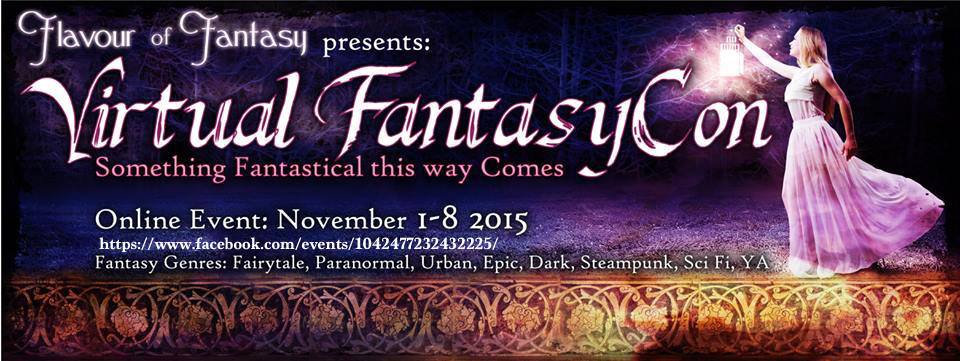
To that end, I, along with many of the authors I know and a lot whom I’ve never met (over 200) will be participating in the first annual Virtual Fantasy Con in November, the 1st through the 8th.

virtual fantasy con 2015

So far, at least on the participant’s end, it is being set up like a really well-run convention, so it will be interesting to see how smoothly this goes, and how much visibility we will actually gain from this. We participating authors will have the opportunity to take part in many publicity events prior to the actual convention.

The only thing I worry about is how confusing keeping up with all the email and information is. I am afraid I will accidentally not do some critical thing–which is why I am the world’s worst personal assistant for myself.

But it’s a lot of work keeping everything organized. My ‘personal assistant’ is not as good at her job as I wish she was.

Sigh.

4 Comments

Filed under Humor, Publishing, Uncategorized, writer, writing

#amwriting: the external eye

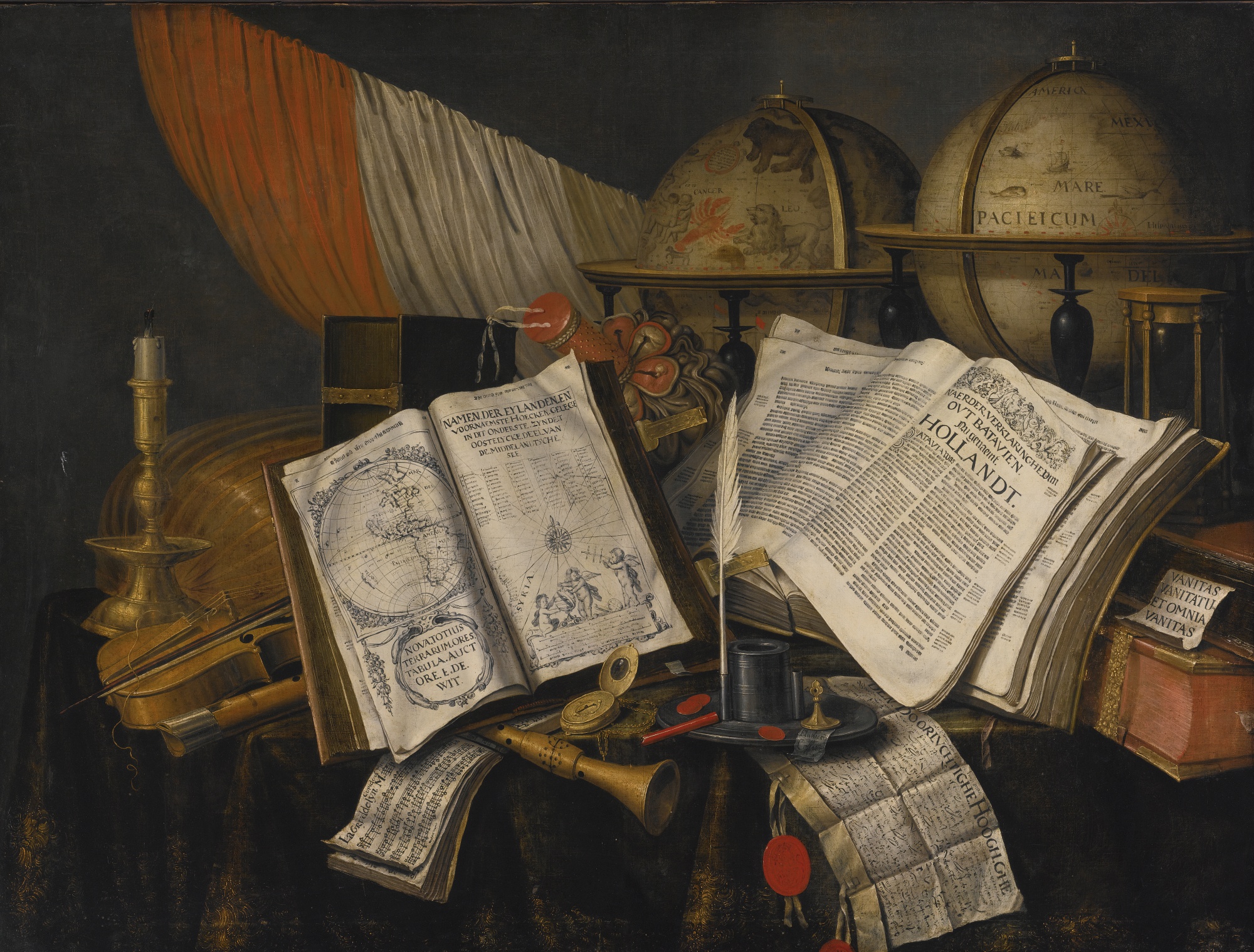
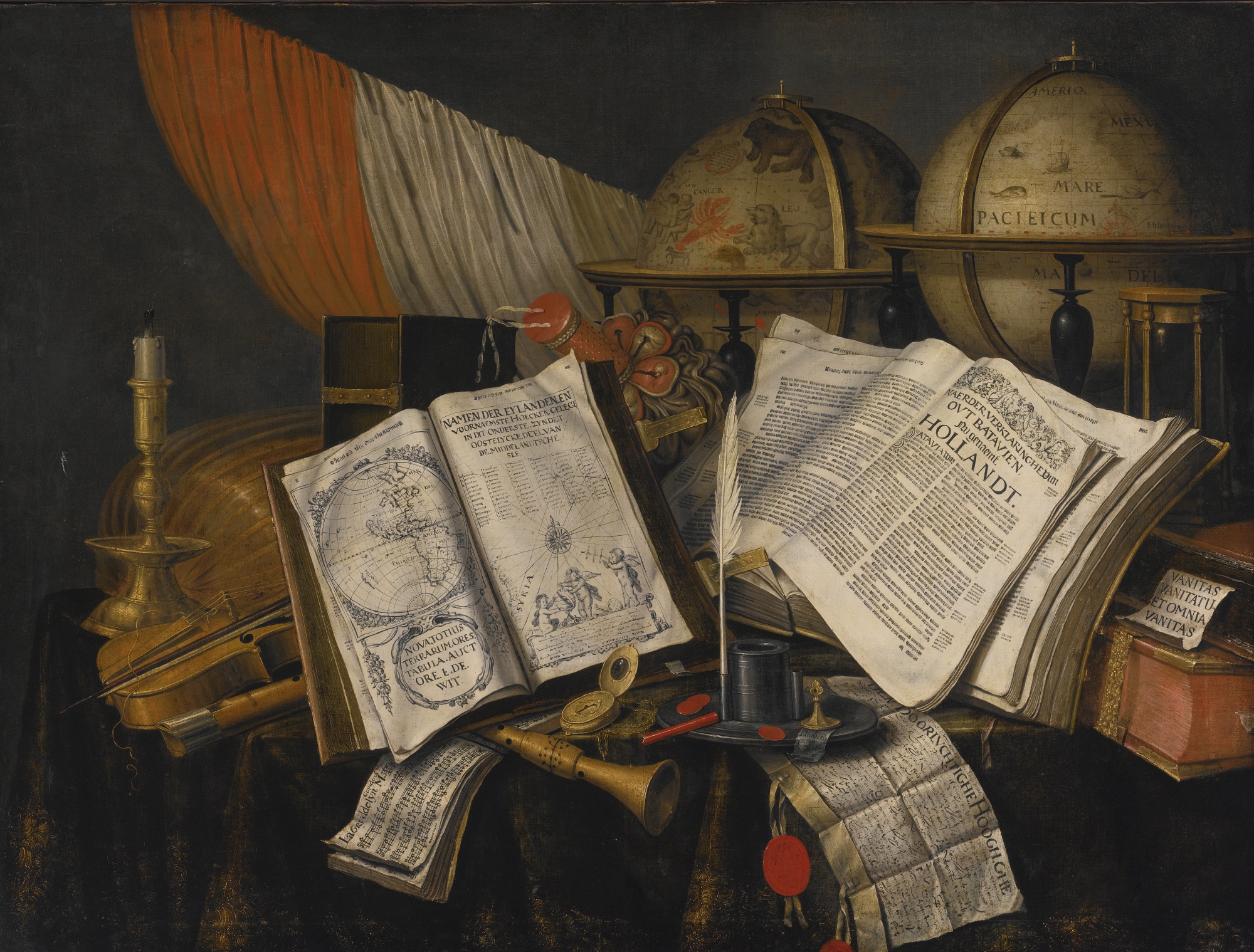
EDWAERT_COLLIER_VANITAS_STILL_LIFEMore people than ever are writing books. In today’s marketplace, every author must find ways to get his/her manuscript in as perfect shape as they can before they begin shopping for agents and publishers.  At every seminar I attend this one fact is stressed most firmly.

What this tells me is that agents and editors at the large publishing houses see so many submissions on a daily basis that they don’t have time to do more than look at the first page or two before deciding to look further. If it is not formatted to industry standard, or if it is a rough draft, it goes into the trash, based on that quick glance. (See my post, How to Format Your Manuscript for Submission.)

Therefore, we make our manuscript as good as we can before we send it off to an agent or a large publishing house, or take the plunge and self publish. To this end, during the second or third draft we may consult what has become known as the beta-reader, volunteers who read our work, knowing it is in its infancy.

You can find many good freelance editors who offer this service, but I do recommend you ask them what it involves and what kind of report you will get back before you commit your funds to it. I can also recommend Critters Writers Workshop, a free author-driven service. Or you may have a spouse or good friends who will help you with this.

A word to the wise: Editors and other authors make terrible beta readers, because it is their nature to dismantle the manuscript and tell you how to fix it.

But what if you don’t have the luxury of a reader who both likes the kind of work you write and who also is willing to spend the time reading your work?  Consider asking them to read a selected chapter, instead of asking them to read the whole thing.

I suggest this, because reading the rough-draft of an entire novel is a huge commitment to ask of someone. It is not reading for pleasure, although we hope they enjoy it.

Give your reader this list of questions, and ask him/her to please answer them, explaining that you can’t continue until you hear back from them:

  1. Were the characters likable?
  2. Where did the plot bog down and get boring?
  3. Were there any places that were confusing?
  4. What did the reader like? What did they dislike?
  5. What do they think will happen next?

You need a reader who reads your genre, reads fairly quickly, and won’t devolve into an editor.  Questions two and three are the most important: Where is it boring, and where is it confusing? Having it read in small chunks will give you a good idea of what you need to do with the ms as a whole.

I usually send my  manuscripts  in short pieces to my trusted crew when I need to know if I am on the right track. But the final ms in the Tower of Bones series is different. I hope to have it ready for publication by spring, so I have taken the plunge and sent Valley of Sorrows to David Cantrell for a structural edit. Dave and I have worked together on many projects.

Structural editing is digging deep. This is a tricky novel, because it tells two separate but entwined story-lines, Edwin’s and Lourdan’s, so I need an interested, but surgical, eye on it before I begin the final revisions. Dave has read Tower of Bones, and knows the world, the magic system, and the characters.

I hear you asking, what if he asks me to cut something I think is an integral part of the piece? I will have to decide what to do after I:

  • Re-read the section in question: Is it garbled? Was my intention not clear when I wrote it?
  • Look at the section in the context of the entire manuscript: Will losing this section change the story in a way that I don’t want? Or will cutting that section allow a more important point to shine?
  • Decide how married I am to that plot point. Sometimes divorce is the only answer.

In my own work I have discovered that if a passage seems flawed, but I can’t identify what is wrong with it, my eye wants to skip it.

But another person will see the flaw, and they will show me what is wrong there. That is why I rely on the external eye, and work with a structural editor.

4 Comments

Filed under Literature, Publishing, Uncategorized, writer, writing

#amwriting: Write like a pansy

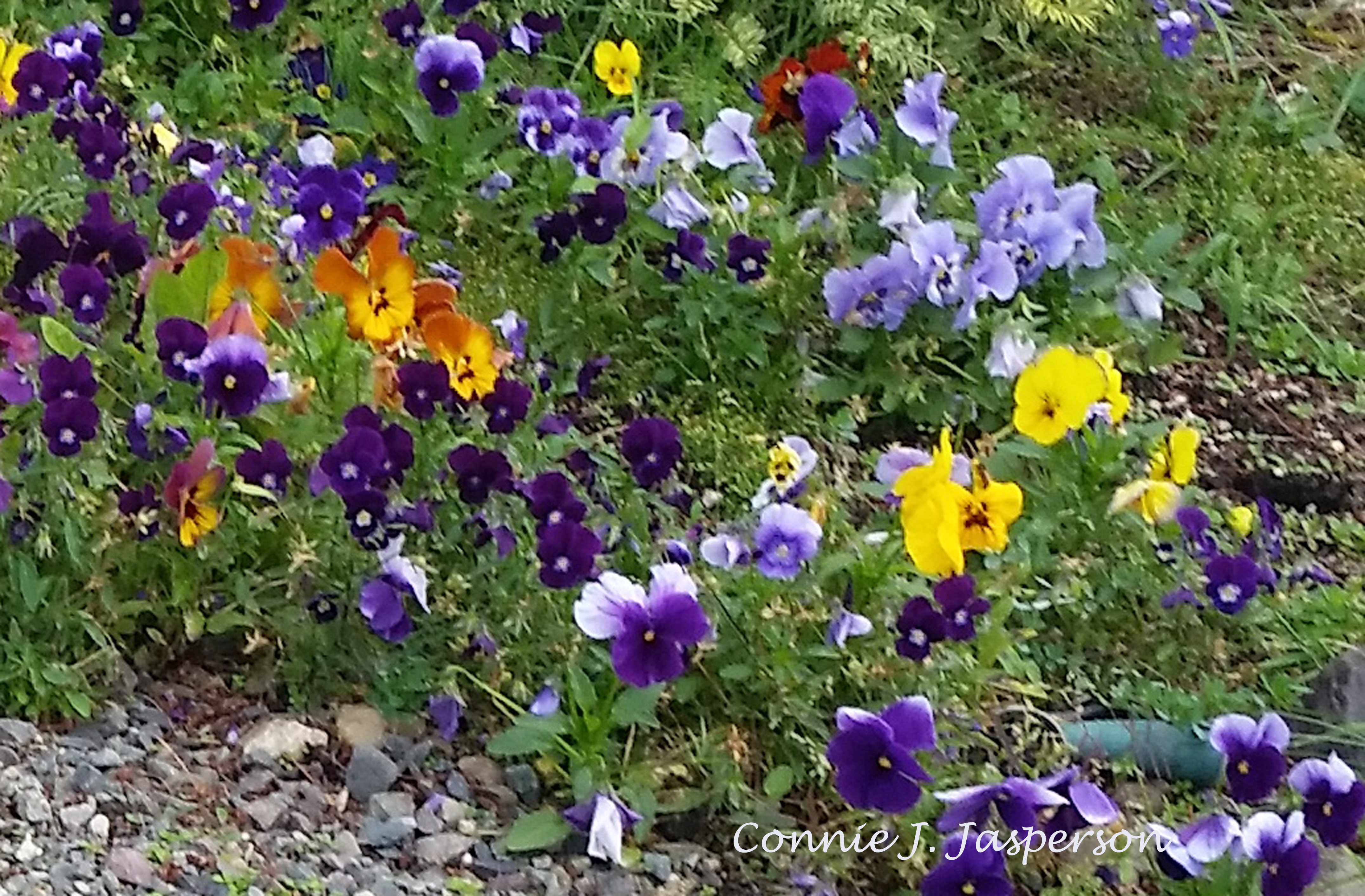
Free-Range Pansies photo credit cjjap copyMy favorite books are written by fearless writers. These authors dare to write because they have something to say, not because they have something they think will sell.

So how does that concept of fearlessness tie in with the title of this blog post? It does say “pansy,” right?

Don’t sell pansies short.

Pansies are fearless plants. They thrive in the strangest places–at least in our yard they do. My husband is an avid gardener, but he really doesn’t plant a lot of annuals. He does get a few hanging baskets and sets a few pots on the front steps for color. Other than that, our yard has large shrubs, lilacs and hydrangeas.

But it wasn’t always that way:

This story began ten years ago, when we bought our house. It was just a brand new tract-house, sticking out of the rocky, Northwest mud. No grass, no plants, nothing but mud everywhere. What we didn’t know then is that we sit on glacial tilllots of rock, and very little soil.

The house came with no landscaping, although a month after we moved in, the builder did spray hydro-seed over the scant inch of topsoil where our front…lawn…would attempt to grow. We were a little strapped for funds, so we  bought $100.00 worth of annuals, and a few perennials, and had a few yards of topsoil for berms brought in so  at least the front of the house would look decent.

Some of those annuals that made our yard look okay that year were pansies.

Ten years and a professional landscaping later, those few pansies that were just for fill that first year are still going strong, reseeding themselves and expanding their reach every year.

During those ten years, we have had deep freezes, we’ve nearly been flooded, and this year we have had an unprecedented drought.

?

And every year, those pansies have grown bolder, and stronger. They’ve thrived  when nothing else did, and this year they have staked out new territory–our driveway.

Yep! The soil they like the best is the driveway gravel. It’s harsh and dry, with few nutrients. Apparently pansies are like authors: adversity makes them strong.

My husband and I like our free-range pansies–and we’re pretty much treating them the way we do our grand-kids:

If that’s where they want to grow, fine. Just don’t break anything.

That is pretty fearless, setting down roots where a Subaru Forester is regularly parked by a man who may forget you’re there and park on top of you.

And what does this tale of resilience and free-range gardening have to do with writing?

Be fearless in your writing. Write because you have a story to tell, and only you can tell it.  If the story takes you to uncomfortable places, but you can’t stop writing it, just go with it. Sometime the best work is a little edgy, and a lot scary to write.

What you do with your work after you’ve written it is up to you, but I’ve always been glad that the bold writers dared to publish their work.

300px-JohnSteinbeck_TheGrapesOfWrath


3 Comments

Filed under Humor, Publishing, Uncategorized, writing