
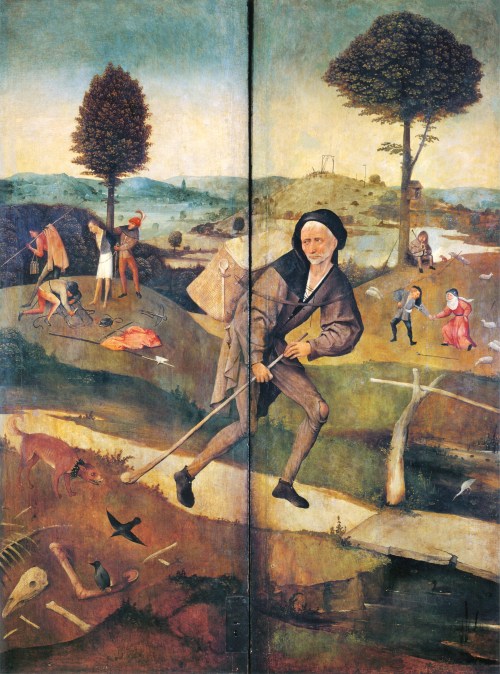
 Artist: Hieronymus Bosch (circa 1450–1516)
Title: The Pedlar, Part of The Haywain Tryptich
Genre: religious art Edit this at Wikidata
Date: circa 1500
Medium: oil on panel
Dimensions: height: 147.1 cm (57.9 in)
Collection: Museo del Prado
What I like about this painting:
Hieronymus Bosch tells a story in this scene that is the cover of an altar piece. We see a wayfarer walking a path that winds through dangerous territory. Thieves and murderers and carnal temptations tempt him to stop a while, but he keeps walking.
The hound of hell snaps at his heels as he keeps to the path and he shoves it behind him as he passes the bones of the fallen.
Bosch’s most famous altar pieces were quite graphic, gory even, depicting the prevailing 15th century idea of Hell. He painted his vision of what a sinner would face if one didn’t keep to the straight and narrow path of morality and righteousness.
About this painting, via Wikipedia:
The Haywain Triptych is a panel painting by Hieronymus Bosch, now in the Museo del Prado, Madrid, Spain. A date of around 1516 has been established by means of dendrochronological research. The central panel, signed “Jheronimus Bosch”, measures 135 cm × 200 cm (53 in × 79 in) and the wings measure 147 cm × 66 cm (58 in × 26 in). The outside shutters feature a version of Bosch’s The Wayfarer.
The exterior of the shutters, like most contemporary Netherlandish triptychs, was also painted, although in this case Bosch used full colors instead of the usual grisaille. When closed, they form a single scene depicting a wayfarer. Around him is a series of miniatures including the robbery of another wayfarer and a hanged man. The man uses a stick to repel a dog.
According to the most recent interpretations, this figure may represent the man who follows his road in spite of the temptation of sins (such as lust, perhaps symbolized by the two dancing shepherds) and the evil acts occurring around him.[1]
About the Artist, via Wikipedia:
Little is known of Bosch’s life, though there are some records. He spent most of it in the town of ‘s-Hertogenbosch, where he was born in his grandfather’s house. The roots of his forefathers are in Nijmegen and Aachen (which is visible in his surname: Van Aken). His pessimistic fantastical style cast a wide influence on northern art of the 16th century, with Pieter Bruegel the Elder being his best-known follower.
Today, Bosch is seen as a highly individualistic painter with deep insight into humanity’s desires and deepest fears. Attribution has been especially difficult; today only about 25 paintings are confidently given to his hand along with eight drawings. About another half-dozen paintings are confidently attributed to his workshop. His most acclaimed works consist of a few triptych altarpieces, including The Garden of Earthly Delights. [2]
Credits and Attributions:
IMAGE: Wikimedia Commons contributors, “File:The Pedlar, closed state of The Hay Wain by Hieronymus Bosch.jpg,” Wikimedia Commons, https://commons.wikimedia.org/w/index.php?title=File:The_Pedlar,_closed_state_of_The_Hay_Wain_by_Hieronymus_Bosch.jpg&oldid=618864212 (accessed May 4, 2024).
[1] Wikipedia contributors, “The Haywain Triptych,” Wikipedia, The Free Encyclopedia, https://en.wikipedia.org/w/index.php?title=The_Haywain_Triptych&oldid=1221796985 (accessed May 4, 2024).
[2] Wikipedia contributors, “Hieronymus Bosch,” Wikipedia, The Free Encyclopedia, https://en.wikipedia.org/w/index.php?title=Hieronymus_Bosch&oldid=1215179336 (accessed May 4, 2024).
 When your spouse has Parkinson’s, problems tend to arrive en masse, like an unstoppable horde of lemmings. Dealing with life’s lemmings requires a bit more creativity than merely making a cool, relaxing drink. While you may never gain control of the migrating mob, you must somehow steer them in the right direction.
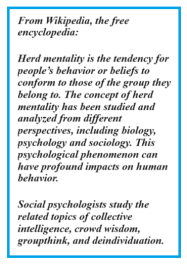 Wikipedia says:
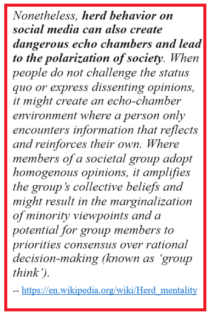 But back to the lemmings. We know how mob mentality works in humans, and it seems to happen in other creatures.
 Two weeks ago, my husband fell, sustaining a minor injury. Two days later, he was fighting off an infection, and we spent last Saturday in Urgent Care from 8:00 am to 7:00 pm. Rather than put him in the hospital, we were given the chance to participate in the
  No one is perfect, but I like to do my best work. I’ll admit that publishing a post discussing a picture but with no image of that art piece is a humorous blooper. We did get a laugh out of it.
 I try to write my posts on Saturdays and proof them on Sundays, so having only two to deal with will allow me time to proofread them and work on my other creative writing projects.
 Artist: Albert Bierstadt (1830–1902)
 When I am writing poetry, I look for words that contrast vividly against each other. I choose action words that begin with hard consonants and emotion words that begin with softer sounds.
 Verb choices and the use of contrast in descriptors are crucial at this stage.
 At the end of his story, events and interactions have changed him despite his wish for a calm life. His journey through the darkness brings about a renaissance, a flowering of the spirit.
 If I want to create an atmosphere of anxiety, I would use words that push the action outward:
 That action affects both Selwyn and his objective: leaving. Away is an adverb (modifier) denoting distance from a particular person, place, or thing. It modifies the verb, giving Selwyn a direction in which to go.
 The trick is to choose the descriptors and the verb forms that have the most impact. The selection of modifiers and connecting verbs can enhance contrasts or weaken a sentence.
 One thing I notice when listening to an audiobook is crutch words. One of my favorite authors uses the descriptor “wry” in all its forms, just a shade too frequently. As a result, I have scrubbed it from my own manuscript, except for one instance.
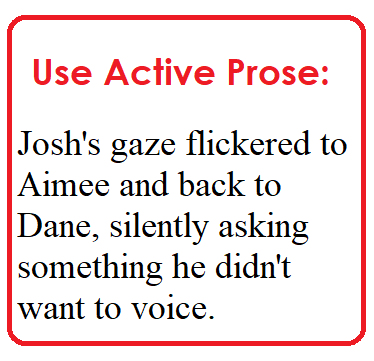 The words authors choose add depth and shape their prose in a recognizable way—their voice. They “paint” a scene showing what the point-of-view character sees or experiences.
 What are descriptors? Adverbs and adjectives, known as descriptors, are helper nouns or verbs—words that help describe other words.
 However, if you have used “actually” to describe an object, take a second look to see if it is necessary.
 The scene I detailed above could be shown in many ways. I took a paragraph’s worth of world-building and pared it down to 19 words, three of which are action words.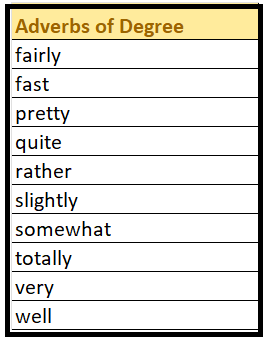

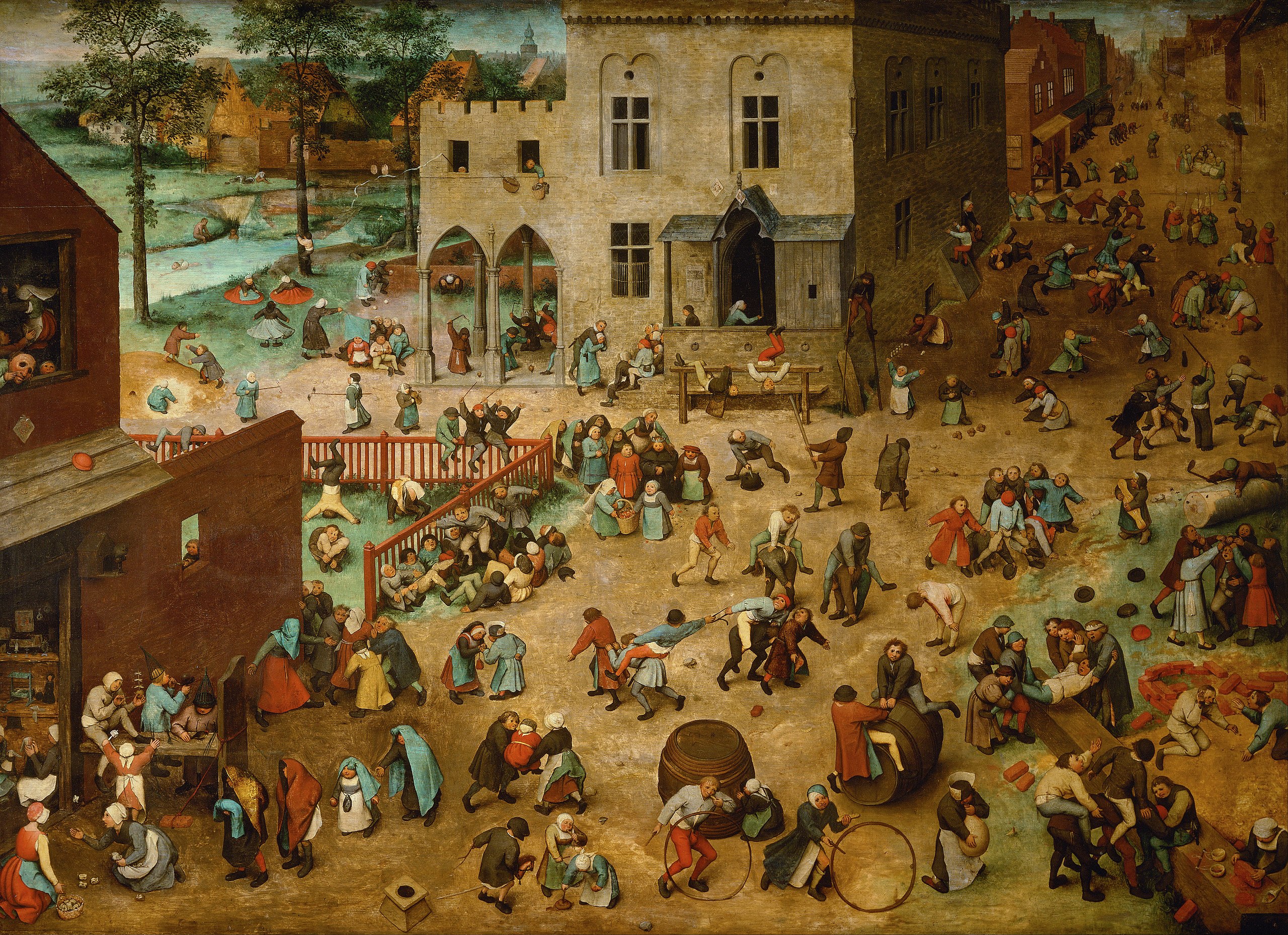 Title: Children’s Games
 We rely on water generated by glaciers on Mount Rainier and the Cascade Mountains in general, so the low snowpack means trouble later down the road.

 I grew up in an isolated rural environment, and summers could be lonely. My sister and I would get away from family dynamics by reading. My favorite “We Don’t Have Anything to Read” book was the volume of collected works by William Butler Yeats. That book shaped my view of poetry and literature in general.
 Sometimes, poetry is long, even epic in length. The epic poem,
  When prepping a novel to send to Irene, I use a three-part method. This requires specific tools that come with Microsoft Word, my word-processing program. I believe these tools are available for Google Docs and every other word-processing program. Unfortunately, I am only familiar with Microsoft’s products as they are what the companies that I worked for used.
 Part two: Once I have ironed out the rough spots noticed by my beta readers, this second stage is put into action. Yes, on the surface the manuscript looks finished, but it has only just begun the journey.
 The most frustrating part is the continual stopping, making corrections, and starting.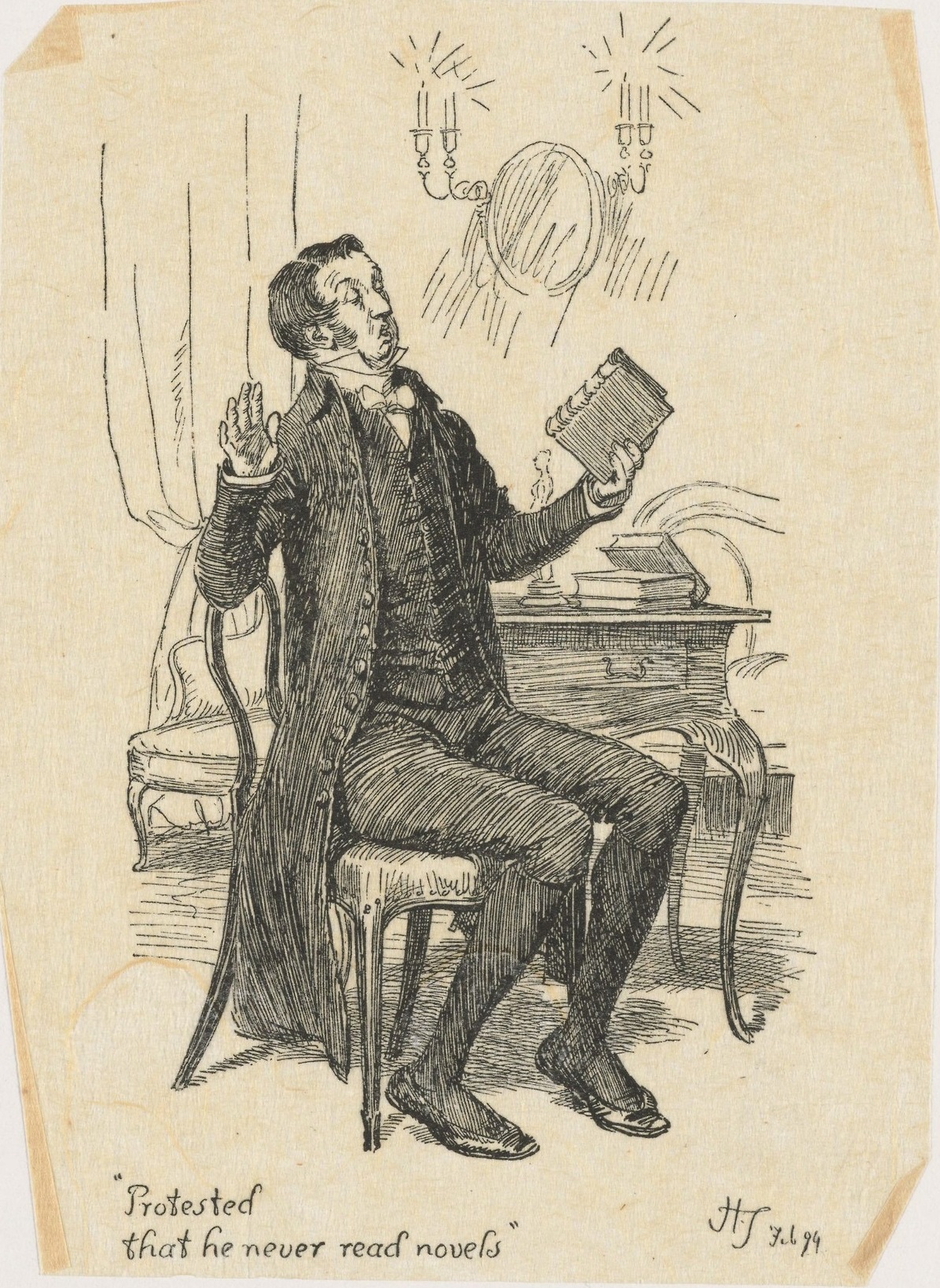
 I am wary of relying on
 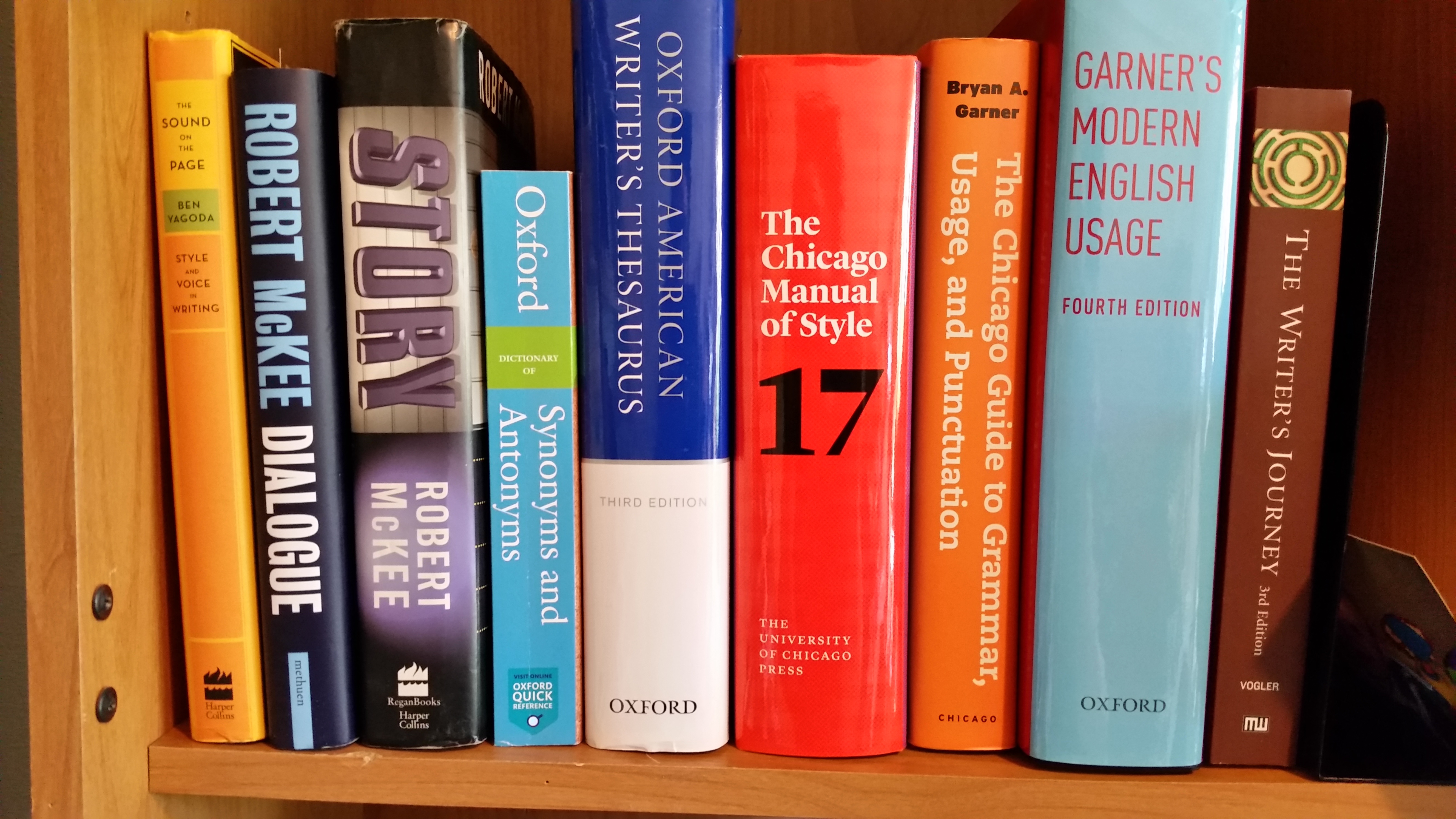 If you read as much as I do (and this includes books published by large Traditional publishers), you know that a few mistakes and typos can and will get through despite their careful editing. So, don’t agonize over what you might have missed. If you’re an indie, you can upload a corrected file.
 If the meaning is understood when two words are combined into one, and common usage writes it as one word, again a hyphen is unnecessary.
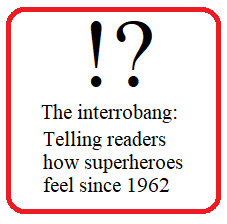 But what about !? These mutant morsels of madness are called “interrobangs.”
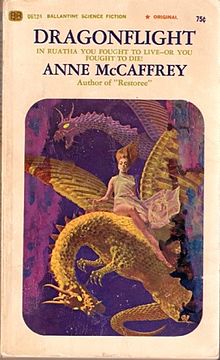 One of my favorite authors, Ann McCaffrey, set off telepathic conversations with both italics and colons in the place of quote marks.


