
Depth in a narrative is created by many layers. One layer we must look at involves prose, words we use, and how we phrase things. The way we use modifiers and descriptors plays a significant role in how our work is received by a reader.
 In writing, we add depth and contour to our prose by how we choose and use our words. We “paint” a scene using words to show what the point-of-view character is seeing or experiencing. Yes, we do need to use some modifiers and descriptors.
Modifiers are like any other medicine: a small dose can cure illnesses. A large dose will kill the patient. The best use of them is to find words that convey the most information with the most force.
When we refer to modifiers, what do we mean?
Any word that modifies (alters, changes, transforms) the meaning and intent of another word is a modifier. Modifiers change, clarify, qualify, or limit a particular word in a sentence to add emphasis, explanation, or detail.
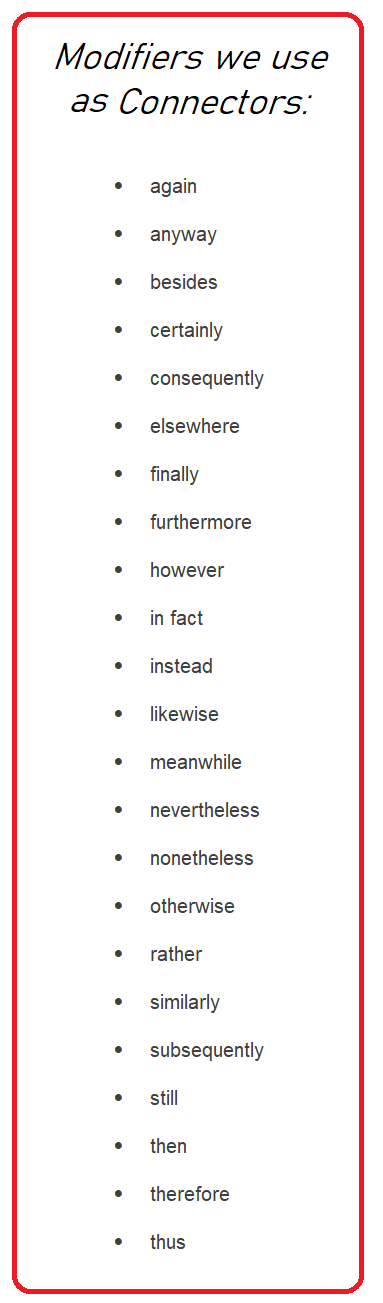
We also use them as conjunctions to connect thoughts: “otherwise,” “then,” and “besides.”
What are descriptors? Adverbs and adjectives, known as descriptors, are helper nouns or verbs—words that help describe other words. They are easily overused, so these words are often reviled by authors armed with a little dangerous knowledge.
What is a quantifier? They are nouns (or noun phrases) meant to convey a vague number or an abstract impression, such as: very, a great deal of, a good deal of, a lot, many, much. The important word there is abstract, which I think of as a thought or idea describing something without physical or concrete existence.
 One of the cautions those of us new to the craft frequently hear are criticisms about the number of modifiers (adjectives and adverbs) we habitually use. This can hurt, especially if we don’t understand what the members of our writing group are trying to tell us.
Perhaps the number of modifiers isn’t the problem, but the forms we use fluff up our narrative.
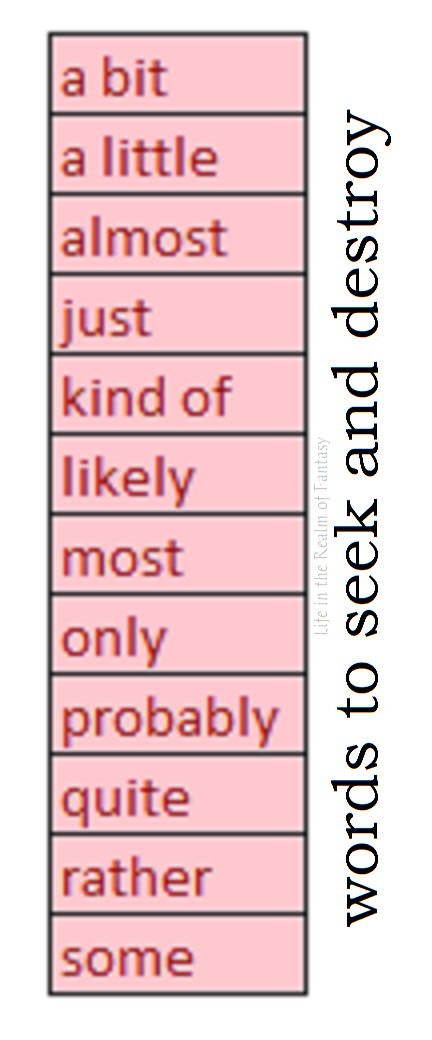
Perhaps you have been told you use too many “ly” words or descriptors. Examine the context. Have you used the word “actually” in a conversation? You may want to keep it, as dialogue must sound natural, and people use that word when speaking.
However, if you have used “actually” to describe an object, check to see if it is necessary. Is the sentence stronger without it?
- The tree was actually covered in red leaves.
- Red leaves covered the tree.
Many descriptors are easy to spot, often ending with “ly.” When I begin revising a first draft, I do a global search for the letters “ly.” A list will pop up in my lefthand margin. My manuscript will become a mass of yellow highlighted words.
- “ly” words are code words – a kind of mental shorthand in a first draft. In the revision process, they tell us what we need to expand on to fully explore the scene as we originally envisioned.
It’s a daunting task, but I look at each instance and see how they fit into that context. If a word or phrase weakens the narrative, I change it to a simpler form or remove it and rewrite the sentence.
Think about it – bare is an adjective, as is barely.
Context is everything. Take the time to look at each example of the offending words and change them individually. You have already spent months writing that novel. Why not take a few days to do the job well?
Sentence structure matters. Where you place an adjective relative to the noun they are describing affects a reader’s perception. Adjectives work best when showing us what the point-of-view characters see, hear, smell, touch, and taste.
Sunlight glared over the ice, a cold fire in the sky that cast no warmth but burned the eyes.
 In the above sentence, the essential parts are structured this way: noun – verb (sunlight glared), adjective – noun (cold fire), verb – adjective – noun (cast no warmth), and finally, verb-article-noun (burned the eyes). Lead with the action or noun, follow with a strong modifier, and the sentence conveys what is intended but isn’t weakened by the modifiers.
The above scene could be shown in many ways, but a paragraph’s worth of world-building is pared down to 19 words, three of which are action words. This is an area I struggle with, and it occupies most of my attention during revisions.
Shakespeare understood the beauty and the power that contrasting modifiers can add to ordinary prose without making it artificial. Consider this line from his play, As You Like It, written in 1599:
It strikes a man more dead than a great reckoning in a little room. — As You Like It, Wm. Shakespeare, 1599.
What brilliant imagery Shakespeare handed us—strong words with powerful meaning: dead, great, reckoning, little. His prose moves us as we read or hear it spoken because he uses words with visual impact.
Most writers know that participating in a critique group requires delicacy and dedication. They know it involves restraint and the ability to allow other authors to write their own work. Most groups don’t micromanage a manuscript because they know how too much input and direction can remove the author’s unique voice from a piece.
These are dedicated people who love reading and want your work to succeed.
As writers, we all want to be accepted and have others like our work, but we must write from the heart. That means using modifiers, descriptors, or quantifiers when they are needed. It’s a balancing act. We must be mindful of the form and the context of how a modifier fits into our phrasing.
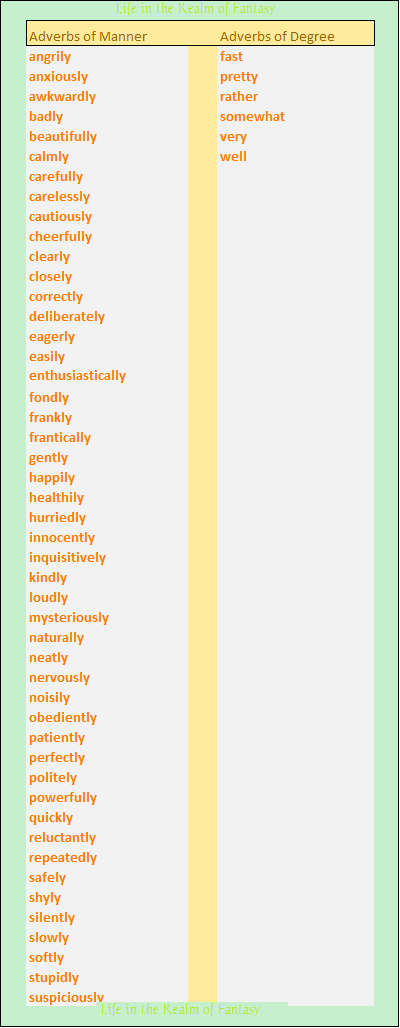
The following image is a list of code-words I seek out and re-examine when I begin revising a first draft. Each word points me in the right direction. All I have to do is rephrase that sentence with stronger forms of the “ly” word.
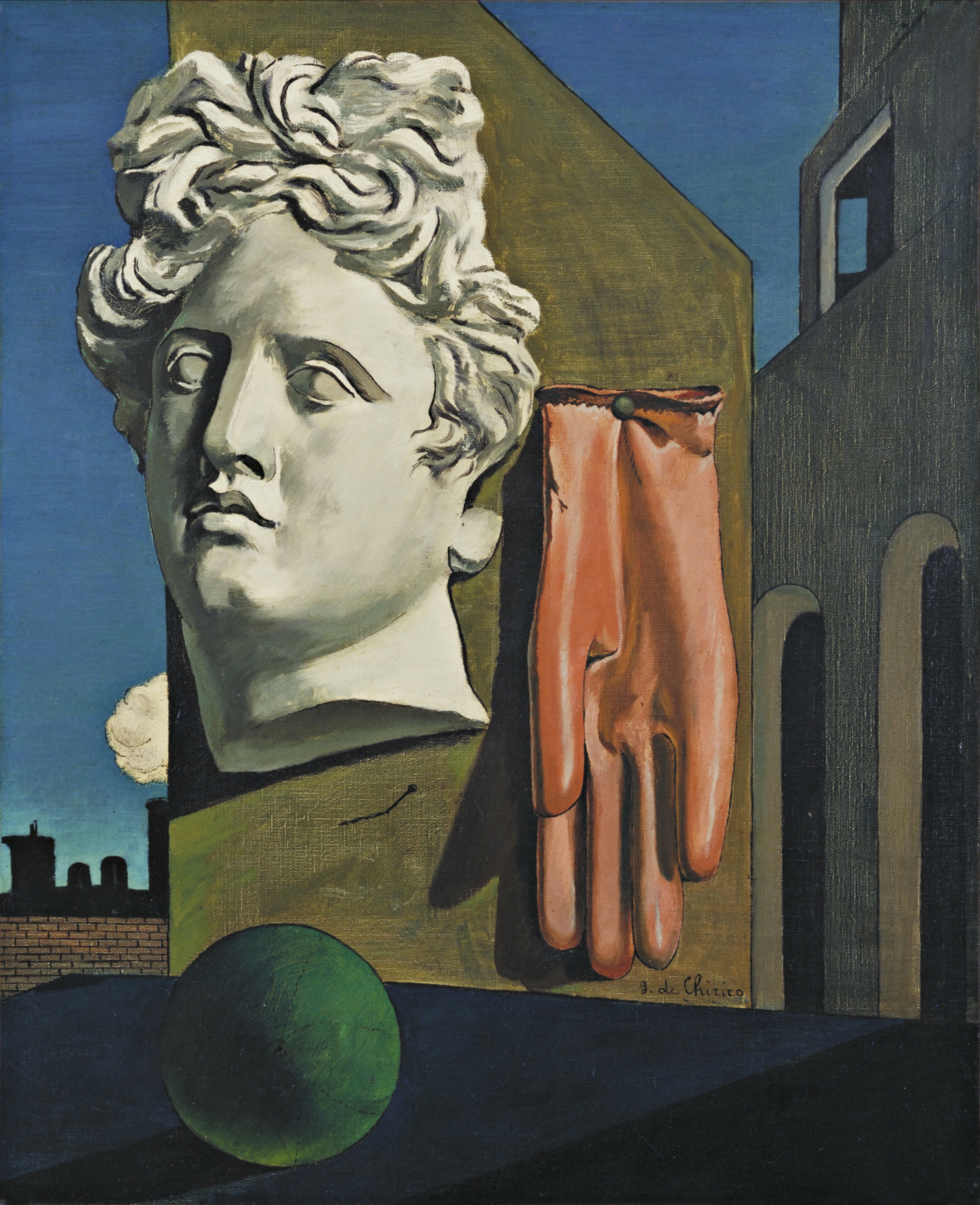 Artist: Giorgio de Chirico, 1914,
 In his book,
 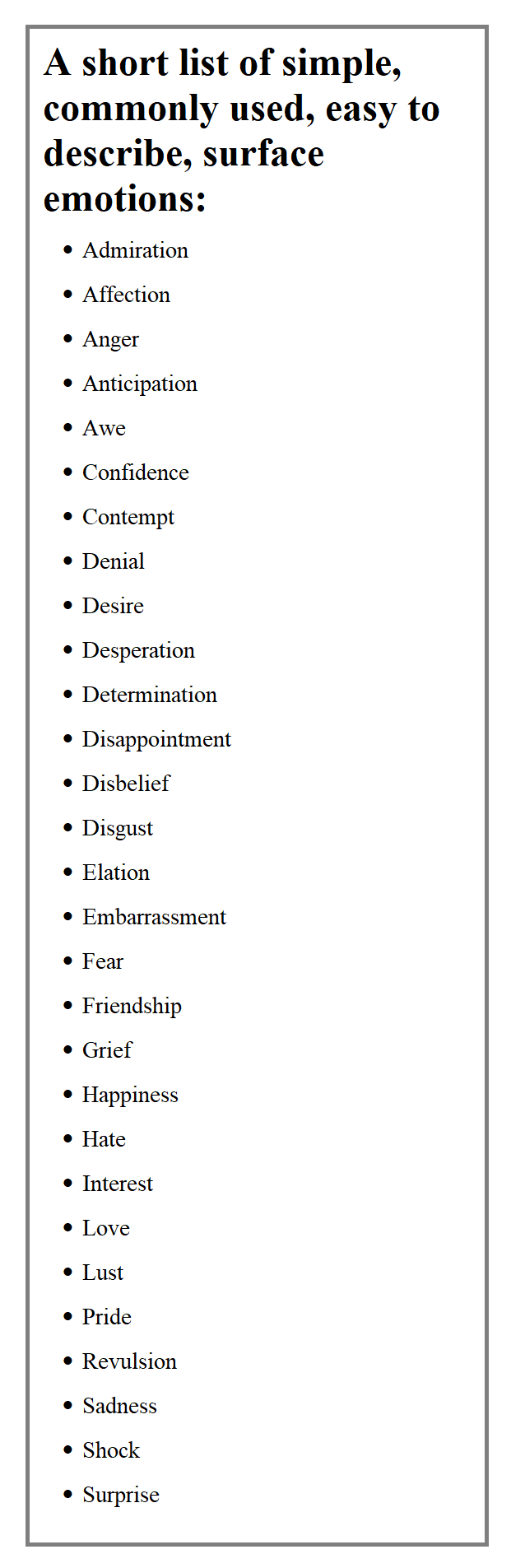 Truthfully, I find detailed descriptions of facial expressions to be boring and sometimes off-putting. Every author armed with a little knowledge writes characters with curving lips, stretching lips, and lips doing many things over, and over, and over … with little variation.
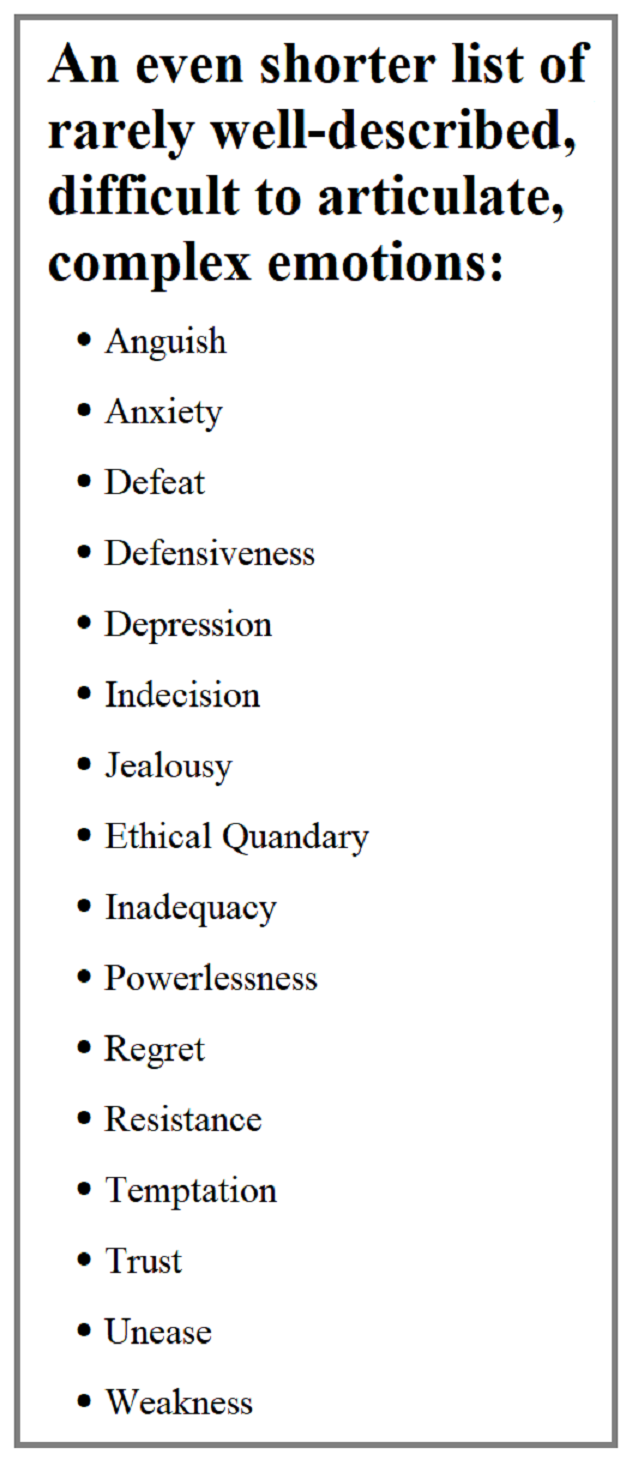 Simplicity has an impact, but I struggle to achieve balance. When looking for words with visceral and emotional power, consonants are your friend. Verbs that begin with consonants are powerful.
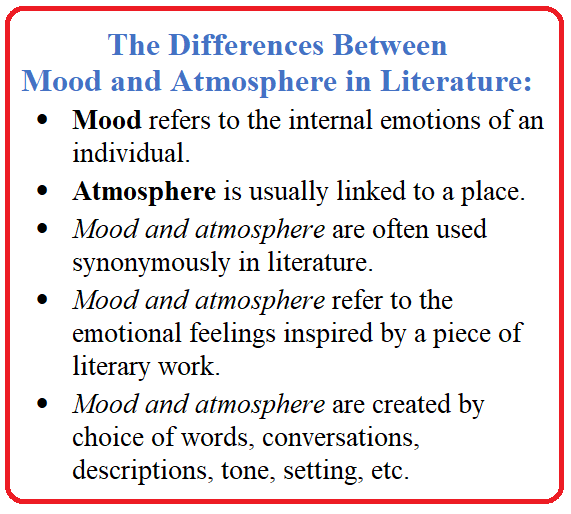
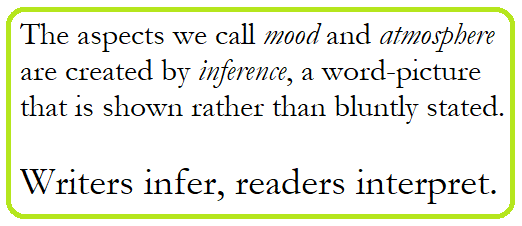 Mood is long-term, a feeling residing in the background, going almost unnoticed. Mood affects (and is affected by) the emotions evoked within the story.
 Undermotivated emotions lack credibility and leave the reader feeling as if the story is flat. In real life, we have deep, personal reasons for our feelings, and so must our characters.
 Robert McKee tells us that the mood/dynamic of any story is there to make the emotional experience of our characters specific. It makes their emotions feel natural. After all, the mood and atmosphere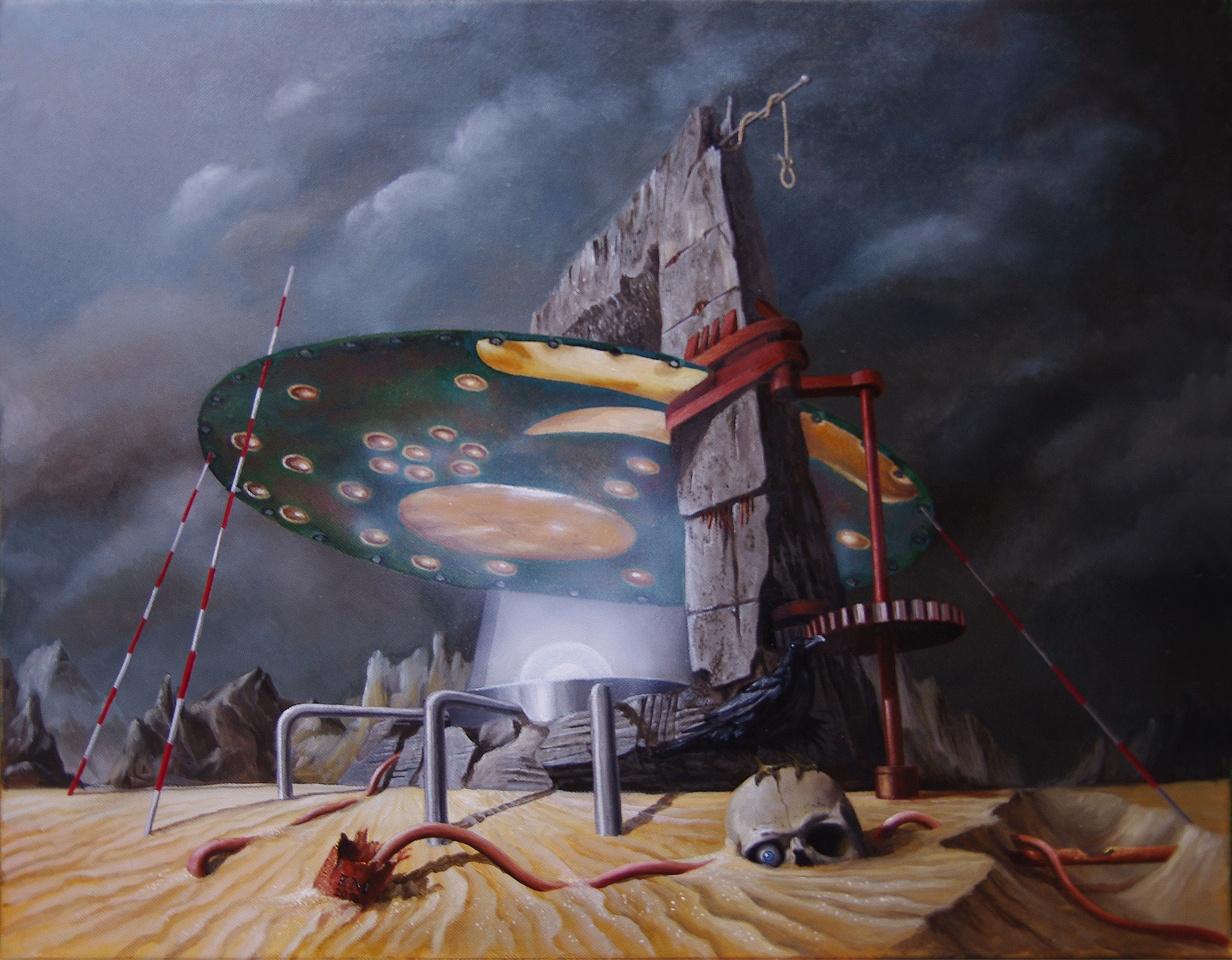
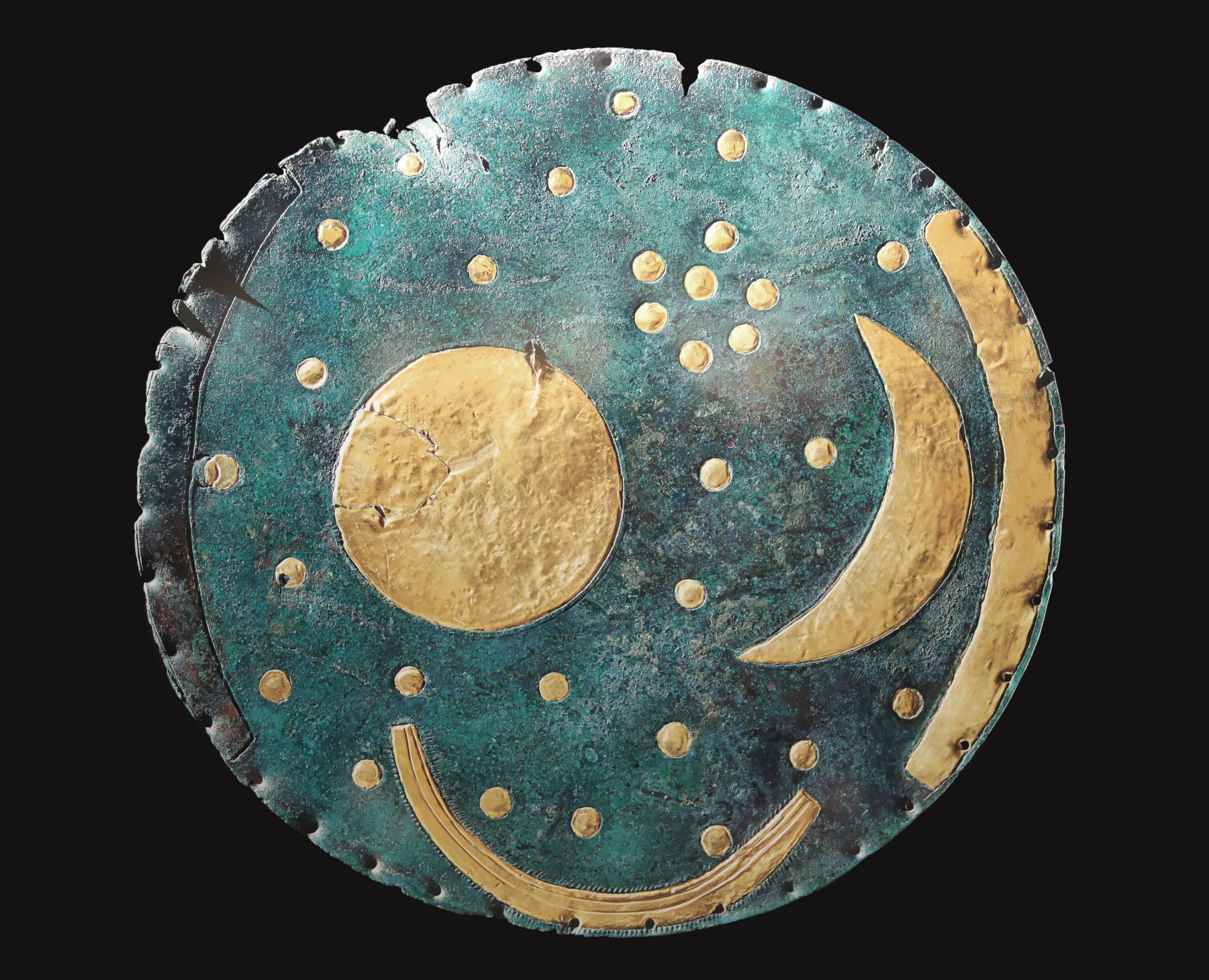 The disc was found buried on the Mittelberg hill near
  We know our story has a beginning, a middle, and an end. We sense something murky and mysterious in the middle. We instinctively know the pond is made up of layers, although we may not consciously be aware of it or be able to explain it.
 Surrealism seeks to release the creative potential of the unconscious mind, for example, by the irrational juxtaposition of images—think
  All the characters have reasons for their actions. The author offers implications and lets the reader come to their own conclusions. The reader sees the hints, allegations, and inferences, and the underlying story of each character takes shape in their mind.
 This layer will be shallower in Romance novels because the book’s point isn’t a more profound meaning—it’s interpersonal relationships on a surface level. However, there will still be some areas of mystery that aren’t spelled out entirely because the interpersonal intrigues are the story.
 This is the interpretive level:
 The commonly bandied proverbs of writing are meant to encourage us to write lean, descriptive prose and craft engaging conversations. These sayings exist because the craft of writing involves learning the rules of grammar, developing a broader vocabulary, developing characters, building worlds, etc., etc.
 Then, there are the stories where the author leans too heavily on the internal. Creased foreheads are replaced with stomach-churning, gut-wrenching shock or wide-eyed trembling of hands.
 Indeed, we shouldn’t be married to our favorite prose or characters. Sometimes we must cut a paragraph, a chapter, or even a character we love because it no longer fits the story. But have a care – people read for pleasure. Perhaps that phrase does belong there. Maybe that arrangement of words really was the best part of that paragraph.
 Handy, commonly debated mantras become engraved in stone because proverbs are how we educate ourselves. Unless an author is fortunate enough to have a formal education in the subject, we must rely on the internet and handy self-help guides to learn the many nuances of the writing craft.
 We have gotten a grip on my husband’s battle with
  LSVT BIG therapy
 Mornings usually find us wondering what we can get done that day, and evenings are often spent contemplating what could have gone better. I write whenever I can, and often end up rewriting something that seemed like a good idea at first, but which no longer works.
 We add depth and dimension to our work layer by layer. Some layers are more abstract than others, but each layer adds an element that gives a sense of reality to the fictional world.
 The mayor likes their community’s small-town feeling and ambiance and doesn’t want it to change. Her husband is trapped, as his job is to ensure his employer gets their foot in the door. He struggled for years to rise to his current position and can’t imagine giving it up.
 And we, the readers, desperately want our protagonist, the mayor, to get up and go to the coffeemaker. We can’t rest until we know if she either gets up and steps away from the table or someone notices the abandoned backpack and clears the meeting room.


 Life in the Realm of Fantasy

