
Books are machines, comprised of many essential components. If one of those elements fail, the book won’t work the way the author envisions it. So, what are these parts?
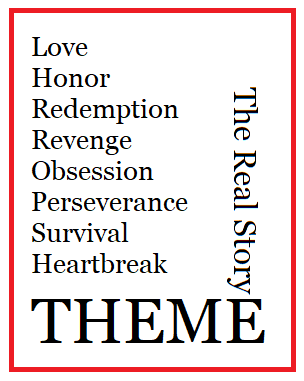
 Prose, plot, transitions, pacing, theme, characterization, dialogue, and mechanics (grammar/punctuation).
As an editor, I’ve seen every kind of mistake you can imagine and written many travesties myself. This tendency to not see the flaws in our own work is why I have an editor. I need someone with a critical eye to see my work before publication.
I am in the process of revising my Accidental Novel, prepping it to send to my editor. I have a three-part method, using specific tools that come with my word-processing program.
Phase one: the initial read-through. This stage is put into action once I have completed the revisions suggested by my beta readers. At this point, the manuscript looks finished, but it has only just begun the journey.
I use Microsoft Word. On the Review Tab, I access the Read Aloud function and begin reading along with the mechanical voice. Yes, it’s annoying and doesn’t always pronounce things right, but this first tool shows me a wide variety of places that need rewriting.
 I use this function rather than reading it aloud myself, as I tend to see and read aloud what I think should be there rather than what is.
- I habitually key the word though when I mean through. These are two widely different words but are only one letter apart. Most miss-keyed words will leap out when you hear them read aloud.
- Run-on sentences stand out when you hear them read aloud.
- Inadvertent repetitions also stand out.
- Hokey phrasing doesn’t sound as good as you thought it was.
- You hear where you have dropped words because you were keying so fast you skipped over including an article, like “the” or “a” before a noun.
This is a long process that involves a lot of stopping and starting, taking me a week to get through the entire 90,000-word manuscript. By the end of phase one, I will have trimmed about 3,000 words.
Phase Two: The Manual Edit
 This phase is where I find my punctuation errors most often. I look for and correct punctuation and make notes for any other improvements that must be made. Usually, I cut entire sections, as they are riffs on ideas that have been presented before. Sometimes they are outright repetitions, which don’t leap out when viewed on the computer screen.
- Open your manuscript. Break it into separate chapters, and make sure each is clearly and consistently labeled. Make certain the chapter numbers are in the proper sequence and that they don’t skip a number. For a work in progress, Baron’s Hollow, I labeled my chapter files this way:
- BH_ch_1
- BH_ch_2
- Print out the first chapter. Everything looks different printed out, and you will see many things you don’t notice on the computer screen or hear when the voice reads it aloud.
- Turn to the last page. Cover the page with another sheet of paper, leaving only the last paragraph visible.
- Starting with the last paragraph on the last page, begin reading, working your way forward.
- With a yellow highlighter, mark each place that needs correction.
- Put the corrected chapter on a recipe stand next to your computer. Open your document and begin making revisions as noted on your hard copy.
This is the phase where I look for what I think of as code words. I look at words like “went.” In my personal writing habits, “went” is a code word that tells me when a scene ends and transitions to another stage. The characters or their circumstances are undergoing a change. One scene is ending, and another is beginning.
In fact, all info dumps, passive phrasing, and timid words are codes for the author, laid down in the first draft.
Clunky phrasing and info dumps are signals telling me what I intend that scene to be. In the rewrite, I must expand on those ideas and ensure the prose is active. I must cut some of the info and allow the reader to use their imagination.
I look for all of the eight forms of the verb “be” and change that passive phrasing to make it active if possible. The forms of “be” are subjunctives and are tricky words. They’re necessary in some cases, but not always and can become crutches.
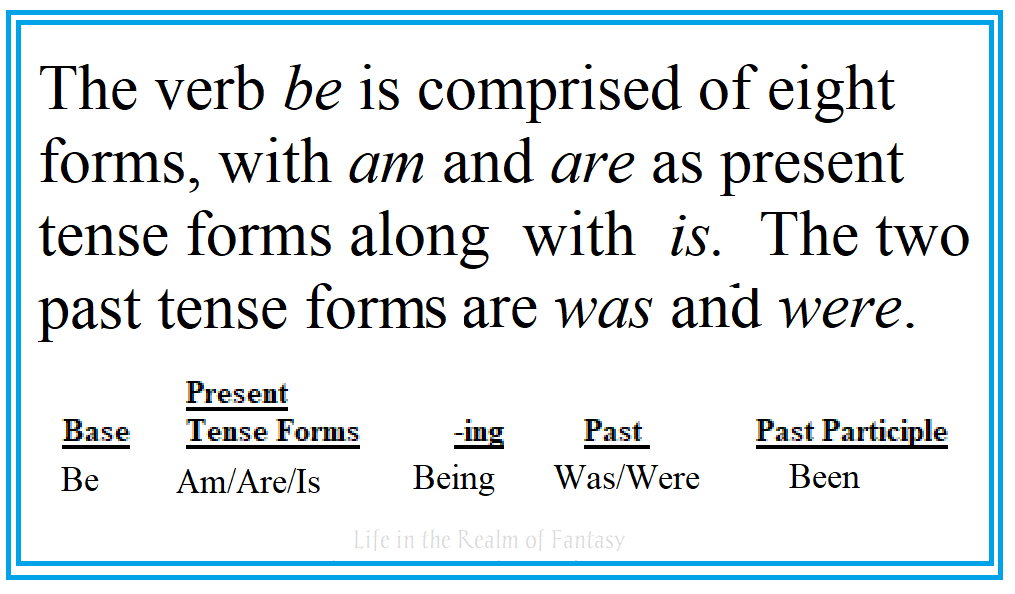 Passive phrasing does the job with little effort on the part of the author, which is why the first drafts of my work are littered with it. Active phrasing takes more effort because it involves visualizing a scene and showing it to the reader.
For example, when I see the word “went,” I immediately know someone goes somewhere. But “went” is a telling word and is passive phrasing. I ask myself, “How do they go?” Went can always be shown as a scene. Loretta opened the door, gave Burt the finger, and strode out.
By the end of phase two, I will have trimmed about 3,000 more words from my manuscript.
Phase three is the step that only works if you have an understanding of grammar and industry practices. Currently, at this stage in our technology, understanding context is solely a human function.
You may have found that your word processing program has spellcheck and some minor editing assists. Spellcheck is notorious for both helping and hindering you.
Tools like spellcheck don’t understand context, so if a word is misused but spelled correctly, it probably won’t alert you to an obvious error.
- There, their, they’re.
- To, too, two.
- Its, it’s.
In the third phase of prepping my work to send to my editor, I go over each chapter one more time, this time using Grammarly. I have also used ProWriting Aid. Each one has strengths and weaknesses.
Context is critical. I am wary of relying on Grammarly or ProWriting Aid for anything other than alerting you to possible comma and spelling malfunctions.
If you don’t know anything about punctuation, don’t feel alone. Most of us don’t when we’re first starting out, and if this is your case, your best bet is to avoid these programs.
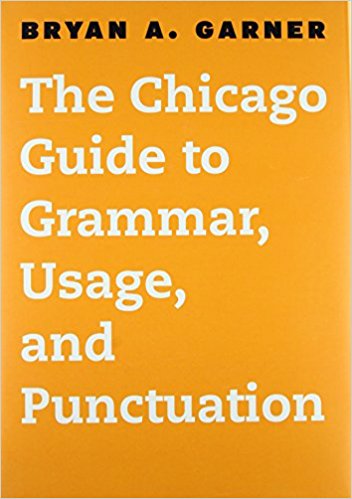 Use that money to invest in a book like the Chicago Guide to Grammar, Usage, and Punctuation and learn how grammar works.
Good editing software is not cheap. But for my specific needs, it has been a worthwhile investment. If you do choose to invest in some, use common sense when reviewing the program’s suggestions.
This three-part process can take more than a month. When I’ve finished, I’ll have a manuscript to send my editor that won’t be full of distractions. She’ll be able to focus on finding as much of what I have missed as is humanly possible.
Hopefully, between the two of us, I’ll have a decent book to publish early in 2022.

 Passive phrasing: If you watch them in real life, people don’t “begin” to pick up that knife. They don’t “start” to walk away.
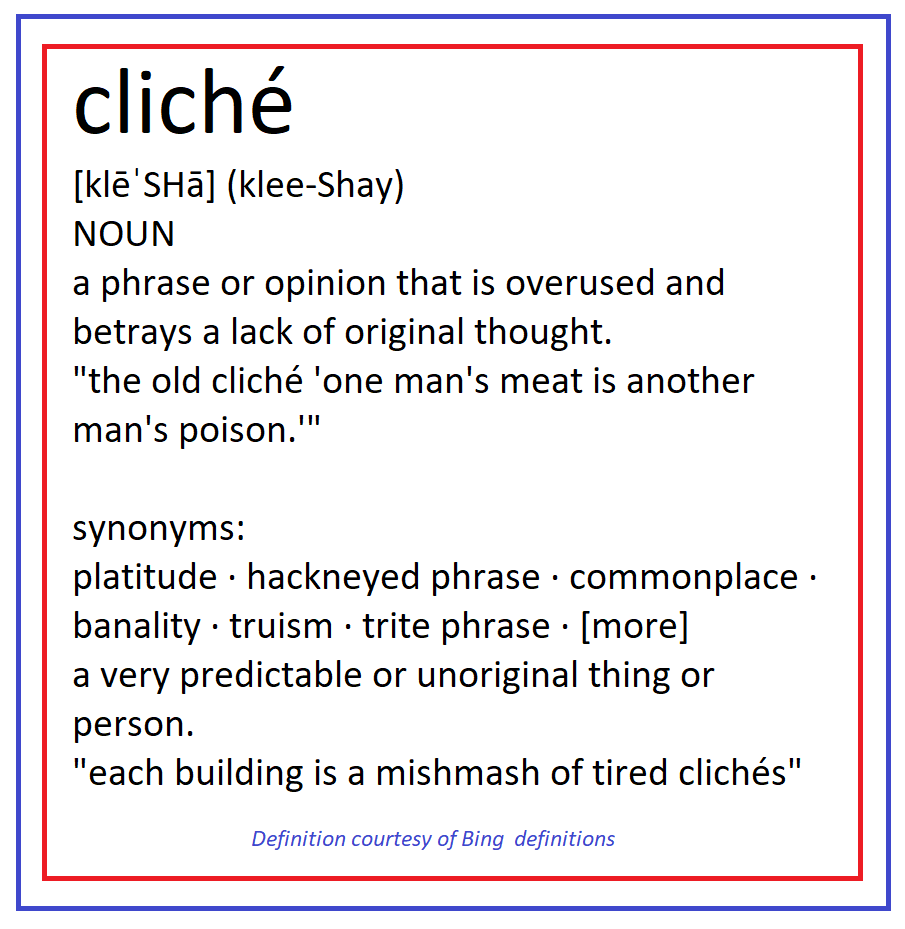 Use of clichés. Speaking as a reader, please don’t use the word alabaster to describe a woman’s skin. Make an effort to find a different way to describe her appearance. It’s an easy word that says smooth and pale, but it’s an overused word that has become cliché.
 Keep your notes/stylesheet in a clearly labeled file, and back them up on a thumb drive or file them in the cloud via Dropbox, OneDrive, or Google Docs. I use and work out of a file-saving service, so my files won’t be lost no matter what happens to my computer.
 I think of stories as if they were ponds filled with words. A pond has layers, and so do good stories. I see the three layers of a story as:
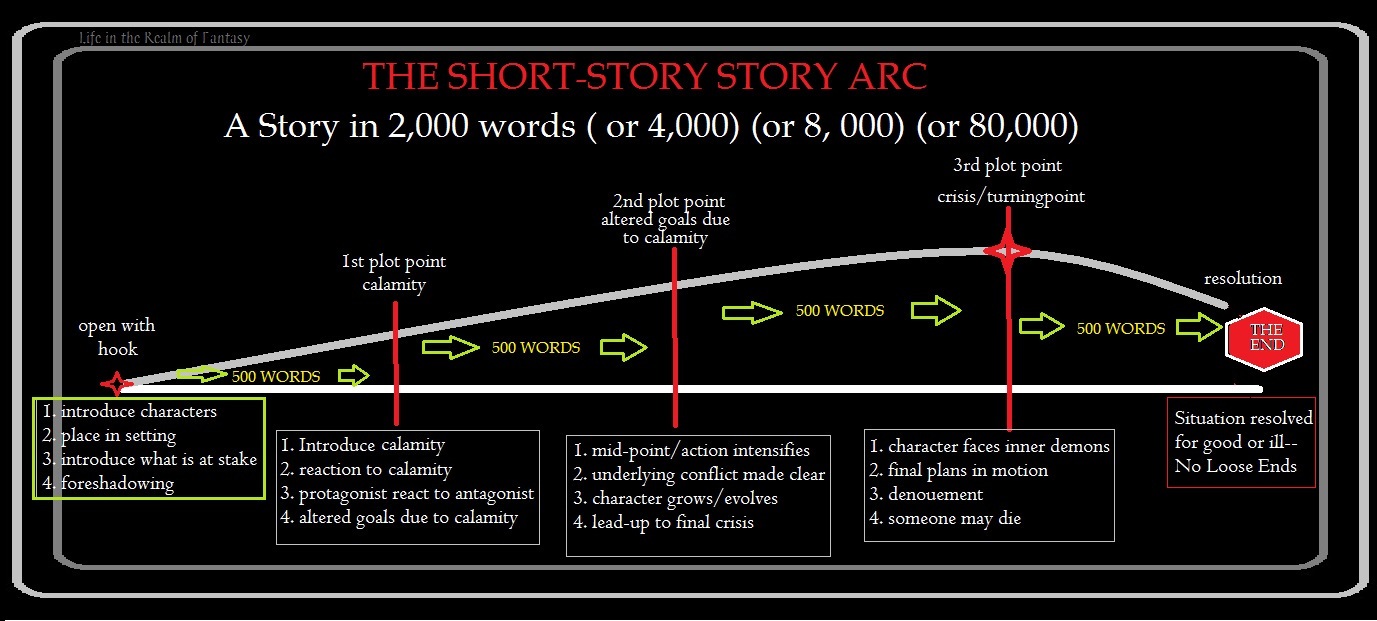 Act 1: the beginning: We show the setting, the protagonist, and the opening situation.
 I have mentioned before that I use a spreadsheet program to outline my projects, but you can use a notebook or anything that works for you. You can do this by drawing columns on paper by hand or using post-it notes on a whiteboard or the wall. Some people use a dedicated writer’s program like Scrivener.
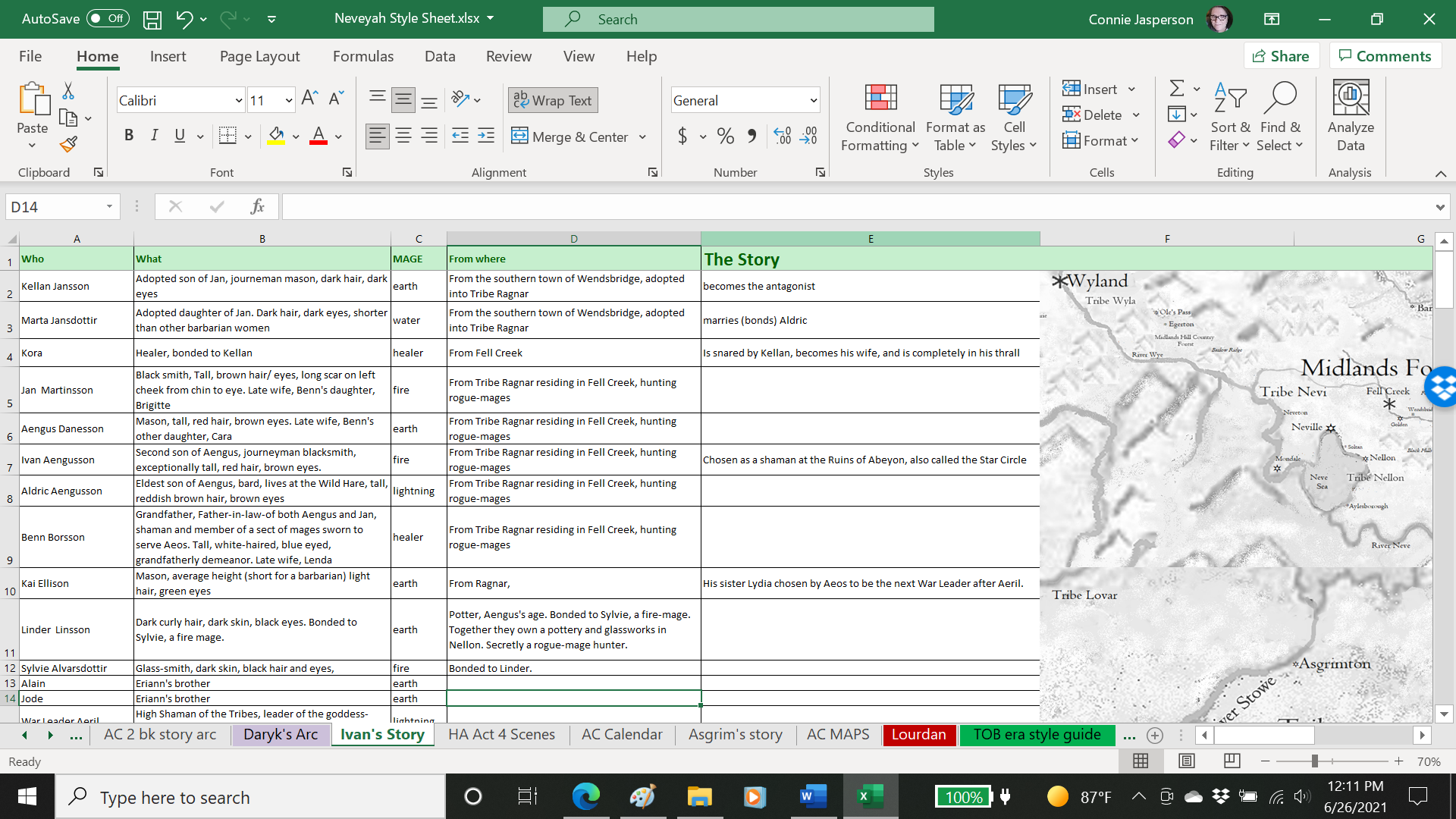 We never really know how a story will go, even if we begin with a plan. The plan serves to keep us on track with length and to ensure the action doesn’t stall.
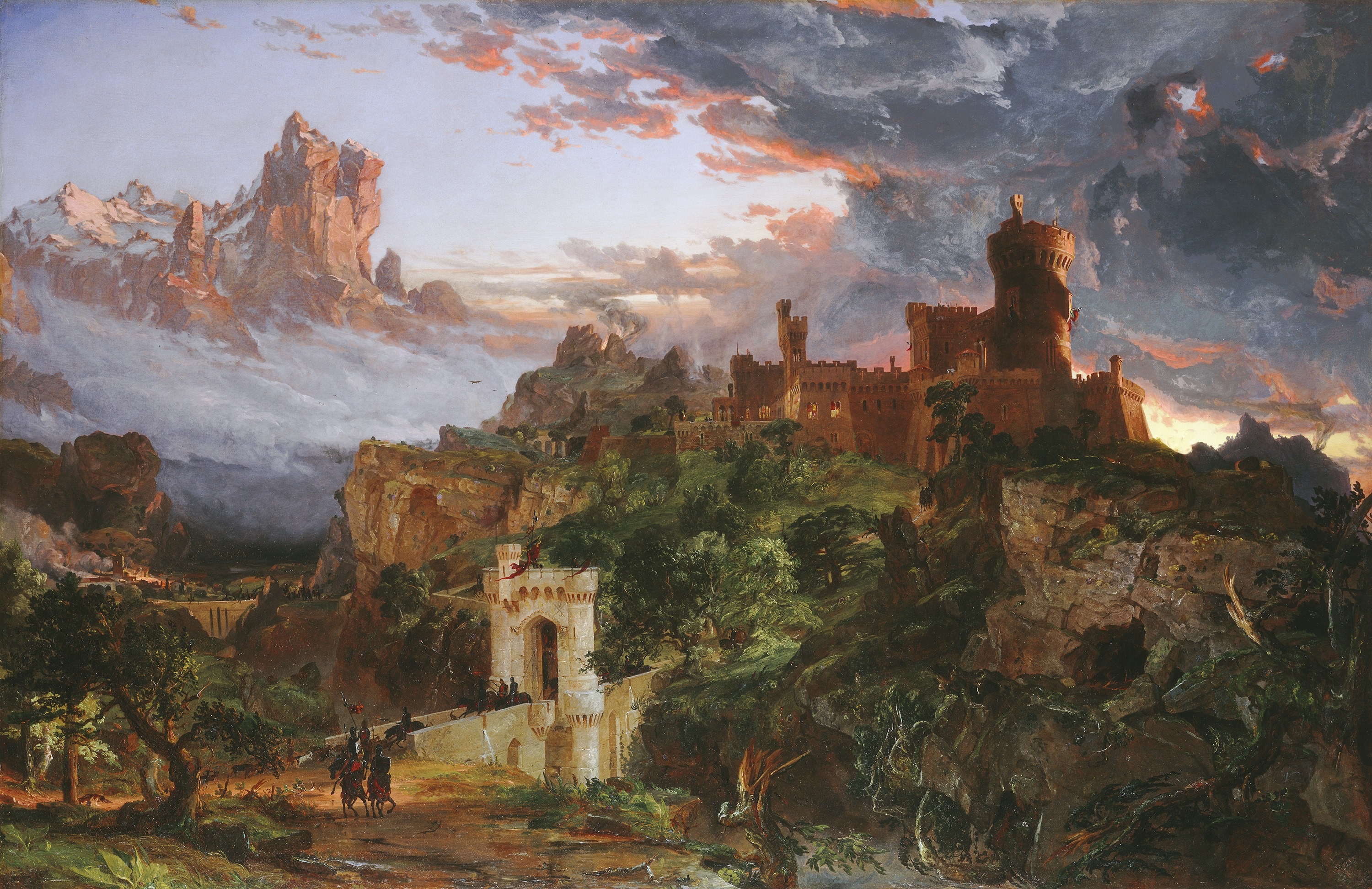
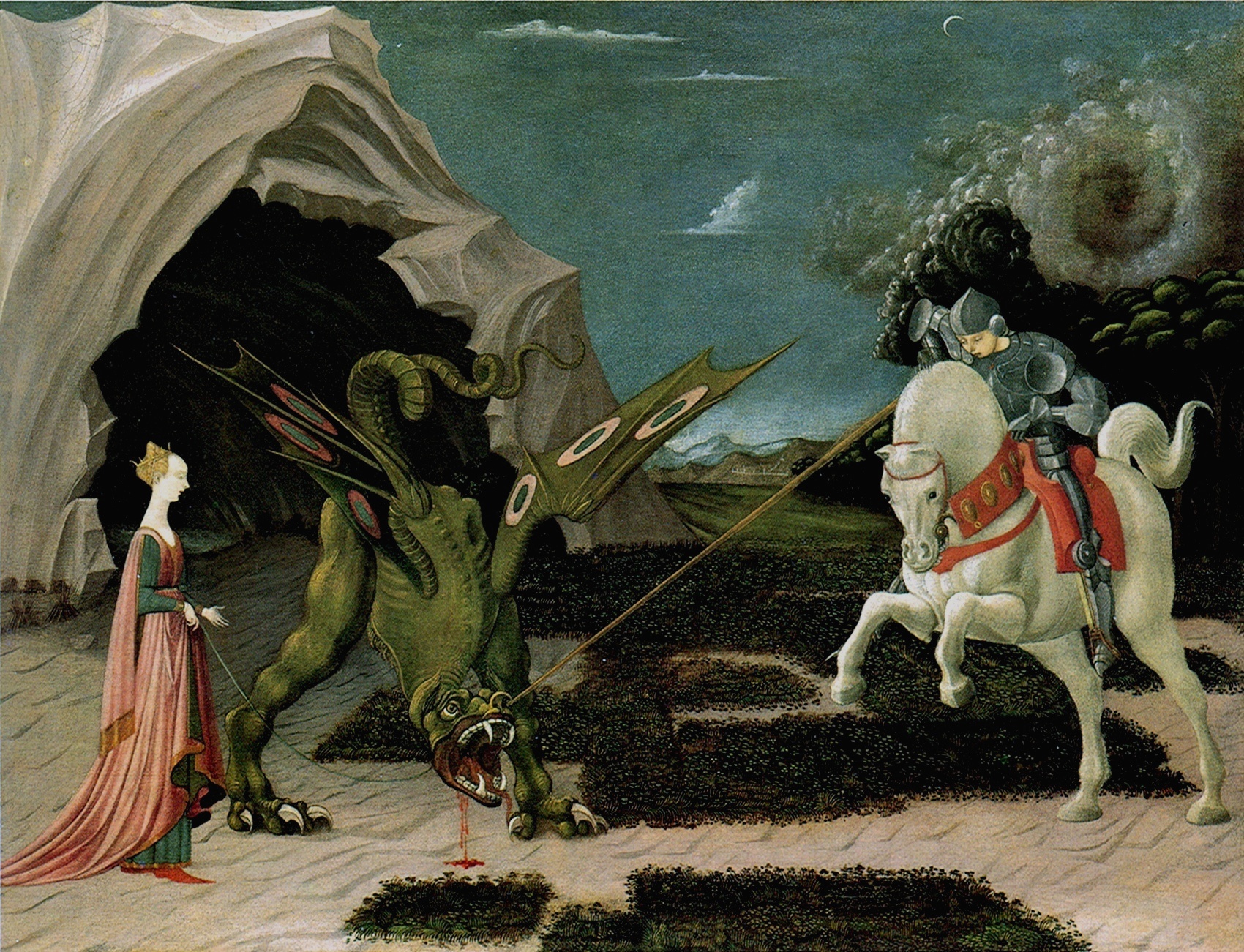 Artist: Paolo Uccello (1397–1475)
 New writers know the backstory is important. They sometimes feel it’s necessary to inform the reader by placing a wall of history at the novel’s beginning. It seems like logical thinking: “Before you can understand this, you need to know this.”
 Don’t give your characters long paragraphs with lines and lines and lines of uninterrupted dialogue or internal monologues. We don’t want our conversations to deteriorate into bloated exposition.
 I look at each conversation and assess how many words are devoted to each character’s statement and response. Then, when I come to a passage that is inching toward a monologue, I ask what can be cut that won’t affect the flow of the story or gut the logic of the plot?
 The trick is to understand that, while the first draft has many passages that shine, more of what we have written is only promising. The first draft contains the seeds of what we believe we have written. Like a sculptor, we must work to shave away the detritus and reveal the truth of the narrative.
 The best resource you can have in your personal library is a dictionary of synonyms and antonyms. Your word processing program may offer you some synonyms when you right click on a word. However, to develop a wide vocabulary of commonly understood words, you should try to find a book like the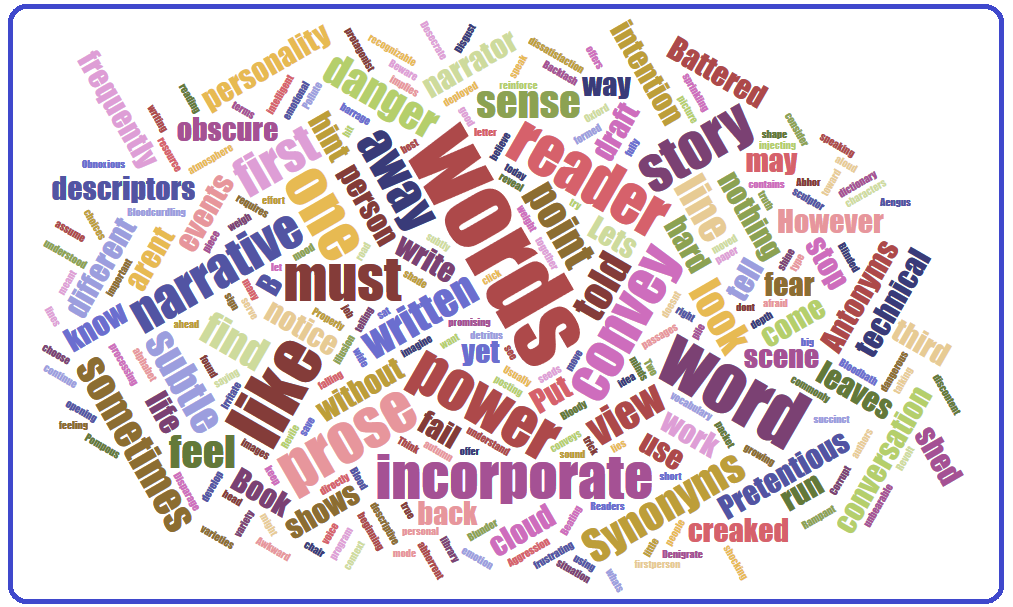
 Also, if you have been a reader of mine for a while, you know I rarely write reviews for books I don’t like, no matter how much I like the author because I hate hurting peoples’ feelings.
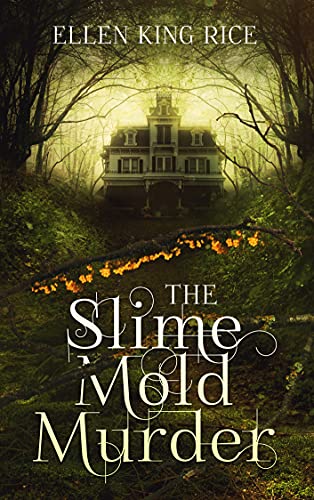 Dylan Kushner is a 19-year-old genius coping with absentee parents, financial insecurity, looming homelessness, and worry about paying for his last semester of school. He also lives with ADHD and
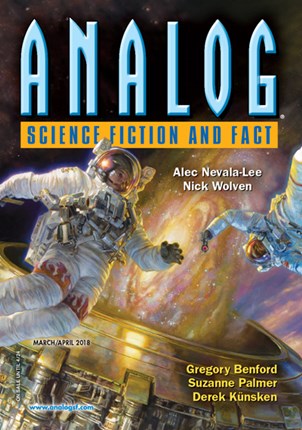
 My answer is simple. We write short stories and submit them to magazines, anthologies, and contests.
 If you have a story that was a contest winner, you may be able to sell it to the right publication.
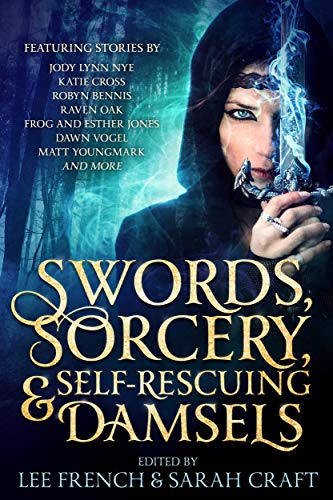 Anthologies will close on a specific date, or after a certain number of submissions have been received.
 These steps demonstrate your level of professionalism. Editors at magazines, contests, and publishing houses have no time to deal with unedited, poorly formatted manuscripts. Their inboxes are full of well-written and properly formatted work, so they will reject the amateurs without further consideration.


 Life in the Realm of Fantasy
