Tag Archives: #amwriting

Elements of the story: the structure of the scene

Most authors understand that there is an arc to the overall novel–the Story Arc  which  consists of :

  1. Exposition, where we introduce our characters and their situation.
  2. Rising Action, where we introduce complications for the protagonist
  3. Climax, the high point of the action, the turning point of the narrative
  4. Falling Action, the regrouping and unfolding of events that will lead to the conclusion
  5. Resolution, in which the problems encountered by the protagonist are resolved, providing closure for the reader.

The Arc of the Story

Wikipedia, the fount of all knowledge says, “In a story arc, a character undergoes substantial growth or change, and it ends with the denouement in the last third or quarter of a story: The end of a narrative arc is the denouement. It shows what happens as a result of all the conflict that the characters have gone through.”

However, as we’ve discussed before, within the larger story there are many smaller stories, “scenes” created with this same arc, that come together to create this all-encompassing drama. The way these scenes unfold is what keeps our readers interested and invested in the narrative until the end of the book.

Last July, at the 2014 PNWA Conference, in his seminar on the arc of the scene, author Scott Driscoll explained how the main difference in the arc of the scene vs the overall arc of the novel is this: the end of the scene is the platform from which your next scene launches.

Once he explained it in that fashion, I understood it. This means each scene begins at a slightly higher point on the novel’s Narrative Arc than the previous scene did, pushing the narrative toward the climax.
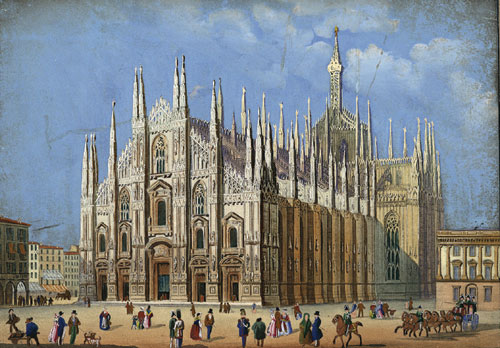
Milano_Duomo_1856

Milano Duomo 1856 via Wikipedia

In my mind, this means that novels are like Gothic Cathedrals–smaller arcs of stone support the larger arcs until you have a structure that can withstand the centuries. Each small arc of the scene builds and strengthens the overall arc of the greater novel.

These small arcs of action and reaction ensure the plot doesn’t stall and create tension that drives the story to the four cardinal points of the story arc.

Conversations are scenes that form a fundamental part of the overall arc: they begin, rise to a peak, and ebb. They inform us of something we must know to understand the forthcoming action. Conversations propel the story forward to the next scene. A good conversation is about something and builds toward something. J.R.R. Tolkien said “Dialogue has a premise or premises and moves toward a conclusion of some sort. If nothing comes of it, the dialogue is a waste of the reader’s time.”

That is true of every aspect of a scene: action, conversation, reaction. A scene that is is all action can be confusing if it has no context. A properly placed conversation can give the reader the context needed to understand the reason for the action.

A certain amount of context can arrive through internal monologue, but it must be done in such a way that the reader is not faced with a wall of italics. There are two problems with long mental conversations:

  1. italics are daunting in large chunks.
  2. it can become a thinly veiled cover for an info dump.

Remember, in novels, not everyone in the scene knows everything, so their thoughts won’t be that critical, and are therefore not needed. Plot points are driven by the the characters who do have the critical knowledge. The fact that some characters are working with limited information is what creates the tension.

Consider the concept of  asymmetric information–a situation in which one party in a business transaction has more or superior information compared to another. In business, one individual’s pursuit of pure self-interest can prevent other companies from effectively entering and competing in an industry or market–he has critical knowledge they don’t have, and effectively eliminates his competition. He has a monopoly.

That monopoly of information creates a crisis. In the novel, a conversation scene should be driven by the fact that one person has knowledge the others need. Idle conversation will bore your reader to tears.

We deploy info, but we don’t dump it in one large chunk though–the reader must find it out at the same time as the other characters, over the first 3/4 of the novel.

We do this in small arcs that combine to form the overall story arc. Events occur, linked by conversations, forming small arcs (scenes) that support the structure of the novel.
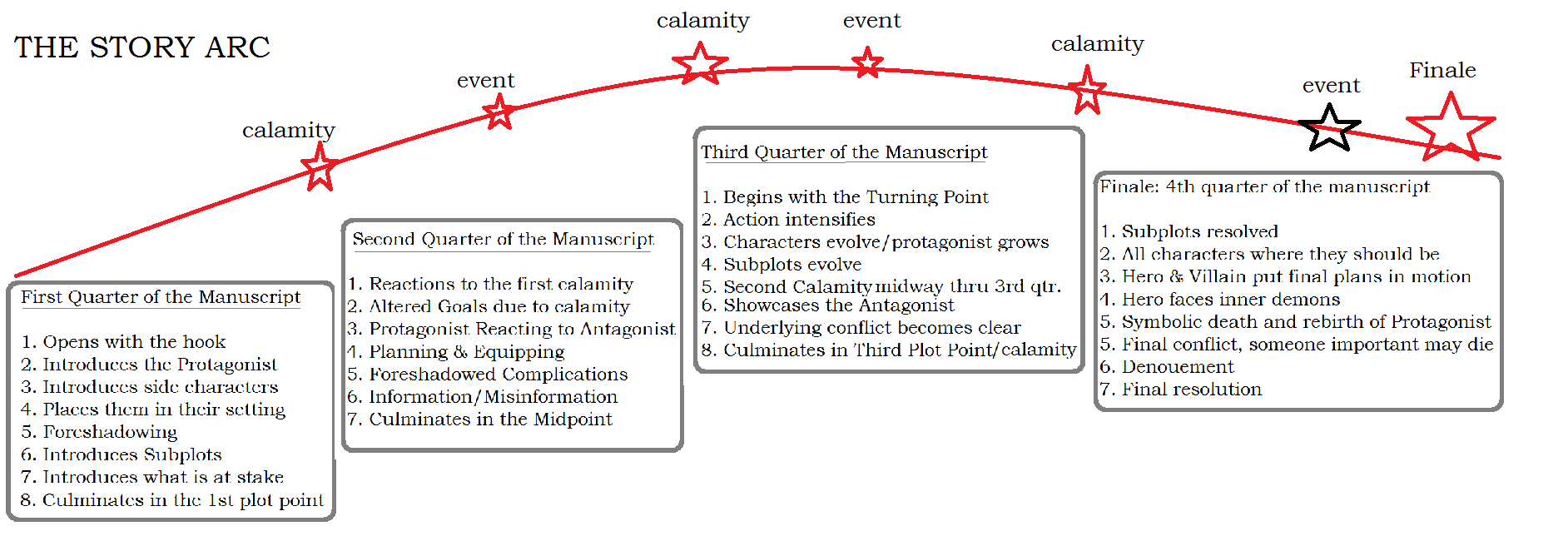
The Story Arc


By creating small arcs in the form of scenes, we offer the reader the chance to experience the rise and fall of tension, a pulse which never completely falls but is always increasing toward the high point of the book, giving the reader small rewards of emotional satisfaction along the way to the big event, the grand climax.
Comments Off on Elements of the story: the structure of the scene

Filed under Literature, Publishing, Uncategorized, writer, writing

Jonesing for affirmation

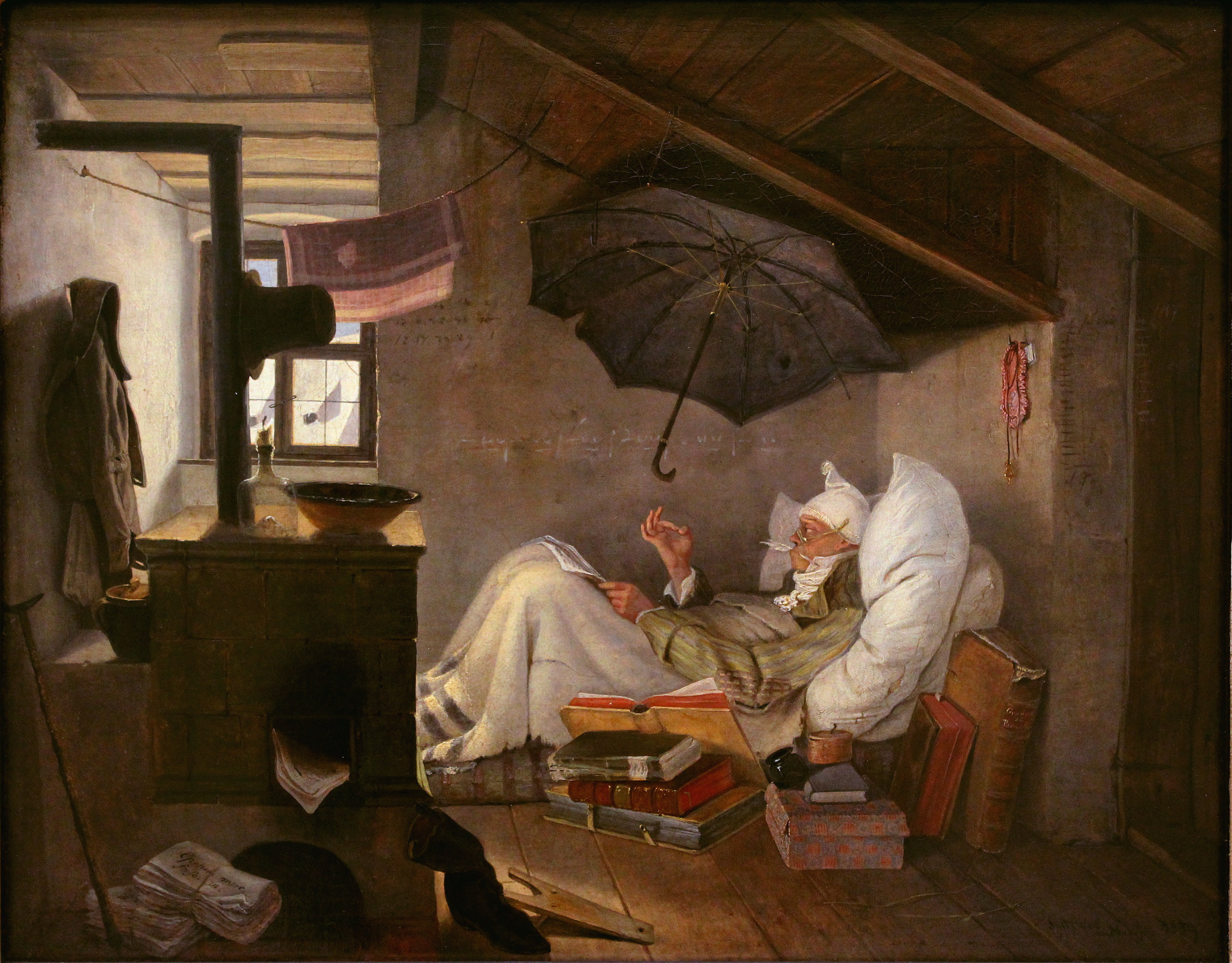
Der Arme Poet

Carl Spitzweg, The poor poet,1839 PD|100 yrs via Wikimedia Commons

Writing is an addiction. Oh, we don’t start out as garret-dwelling addicts. No, we start out as young people with bright futures, occasionally toying with that gateway drug–short-fiction.

At first it’s just thrill-seeking–writing a few short-stories and flash-fiction, just to see if we can. However, once we’ve felt the rush of  hearing the incredulous words, “You wrote this? This is good!” we are hooked.

The next step is often NaNoWriMo. Once you’ve done that first NaNoWriMo, you’ll never be the same.

Some fortunate people manage to walk away from it–they just do one NaNoWriMo, and quit, forever.

But for the rest of us, we are now on an eternal cycle of getting our word count and stream-of-consciousness-writing, and it will take us to the gates of perdition. Or to a local writing group–same thing, I am told.

No sane person thinks we can actually write for a living, but we can’t fight the urge.  We know we can do it, if we just keep at it. We crave that affirmation again, that incredible rush of “Oh yeah–I knew that story was all that, and I wrote it!”

At first, we still have some basic common sense. We know it isn’t cool to just quit our jobs and expect our family to live in a garret, starving, so we hang on to our day jobs and begin sneaking around, writing in secret, hiding it from our closest loved ones until we accidentally blow it–we are so high on the adrenaline rush from the incredible scene we just finished writing that we just have to tell someone.

After all, that scene is the turning point for the entire novel, and it’s golden!

So, not wanting to see the glazed look in your spouse’s eyes again, you tell the dog. Of course, the dog just has to tattle on you. Dogs can’t keep secrets, you should know that.

tumblr_ndi15fZRpu1syd000o1_500That is when it finally comes out that your every waking moment is spent on some aspect of the writing craft. Our family knew something was going on,and they were worried about our behavior.

But we’re so far gone by now that we don’t care.

If we’re lucky, the family is comprised of consummate enablers. Desperate to have some normalcy in their lives, they will try to keep us from becoming unkempt, shabby, pajama-clad writing-seminar junkies, bankrupting them with our endless, rather costly, efforts to “improve our work.”

They tell themselves that we’ll out grow the habit if they help us control our addiction. They encourage us to join free online writing and critique groups. They toss us a bone by giving us the occasional second-hand book on the craft of writing, usually by a famous author.

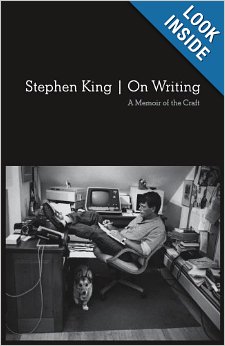
on writingThey have no idea just how potent an injection of inspiration that garage-sale edition of “On Writing” by Stephen King is to a hopeful author, and unknowingly they just make our condition worse.

At parties we have a sixth sense, always knowing who the other writers are just by the way they can’t focus on the conversation, and can’t wait to get  back to their work in progress, surreptitiously keying notes into their cell-phone and pretending they are texting.

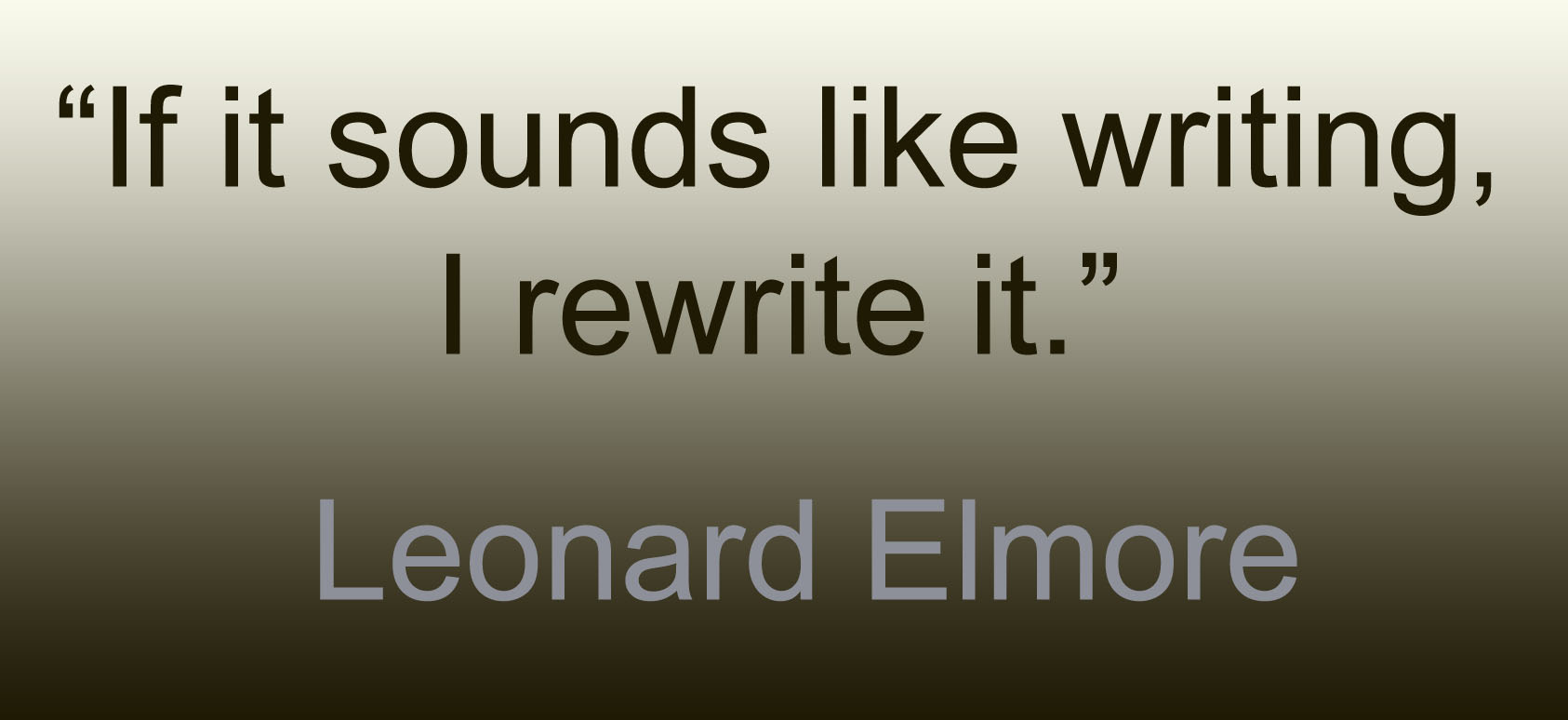
We’ve never met them before, but we find ourselves exchanging knowing glances and sneaking out to the patio with our new best friend, bingeing on Leonard Elmore quotes about writing, and sharing a few morsels of Orson Scott Card’s writerly wisdom.

leonard elmore quoteA new brother-in-arms and Leonard Elmore–we’re high as a kite and having fun now. What a great party!

Shocked faces stare out the window–it’s apparent we’re having too much fun, and our families suspect we’re “ranting about our novel again.” They drag us back into the light, despairing of ever having a “normal” life again.

An intervention and rehab looms in our future.

It won’t work. It’s not an addiction you can just walk away from. When they’ve taken your laptop away and hidden the pencils, and still they catch you forming little sentences out of the ‘o’s in your cereal bowl, they will know there is no such thing as recovery for the writing addict.

Don’t worry. Soon, they will be begging you to just go to that bloody writers’ convention and get it out of your system.

Heh heh. Like that’s ever going to happen. Soon, you will be hanging out at the local coffee-shops, looking for people with their laptops open, trying to make unsuspecting new converts to your dirty little habit.

“Are you a writer too? Ever do any NaNoWriMo?”

“Wanna share a little “Writer’s Digest? C’mon, what’s the worst that can happen? It’s not like it’s illegal, or anything.”

4 Comments

Filed under Books, Humor, Literature, Publishing, writer, writing

Phrasal verbs–minions of evil, or sometimes useful?

Book- onstruction-sign copyPhrasal verbs are usually two-or three-word phrases consisting of a verb plus an adverb, or a verb plus a preposition, or both. They are just another aspect of English vocabulary, and can be considered a form of compound verbs.  We use them all the time, but what, exactly, are they?

First, what is an adverb?

The term adverb is somewhat of a catchall word to describe many kinds of words having little in common other than the fact they don’t fit into any of the other available categories (noun, adjective, preposition, etc.) and they modify an action word—a verb.

The principal function of adverbs is to act as modifiers of verbs or verb phrases. An adverb used in this way gives information about the manner, place, time, frequency, certainty, or other circumstances of the activity denoted by the verb or verb phrase. Too many modifiers in your narrative and voila! Purple prose.

phrasal verbsThere are three main types of phrasal verb constructions depending upon whether the verb combines with a preposition, a particle, or both.

Wikipedia, the fount of all knowledge, has a good example of these three forms:

Verb + preposition (prepositional phrasal verbs)

  1. Who is looking after the kids? – after is a preposition that introduces the prepositional phrase after the kids.
  2. They picked on nobody. – on is a preposition that introduces the prepositional phrase on nobody.
  3. ran into an old friend. – into is a preposition that introduces the prepositional phrase into an old friend.
  4. She takes after her mother. – after is a preposition that introduces the prepositional phrase after her mother.
  5. Sam passes for a linguist. – for is a preposition that introduces the prepositional phrase for a linguist.
  6. You should stand by your friend. – by is a preposition that introduces the prepositional phrase by your friend.

Verb + particle (particle phrasal verbs)

  1. They brought that up twice. – up is a particle, not a preposition.
  2. You should think it over. – over is a particle, not a preposition.
  3. Why does he always dress down? – down is a particle, not a preposition.
  4. You should not give in so quickly. – in is a particle, not a preposition.
  5. Where do they want to hang out? – out is a particle, not a preposition.
  6. She handed it in. – in is a particle, not a preposition.

Verb + particle + preposition (particle-prepositional phrasal verbs)

  1. Who can put up with that? – up is a particle and with is a preposition.
  2. She is looking forward to a rest. – forward is a particle and to is a preposition.
  3. The other tanks were bearing down on my panther. – down is a particle and on is a preposition.
  4. They were really teeing off on me. – off is a particle and on is a preposition.
  5. We loaded up on Mountain Dew and chips. – up is a particle and on is a preposition
  6. Susan has been sitting in for me. – in is a particle and for is a preposition.

(end of quoted example, thank you Wikipedia)

We use phrasal verbs all the time in our daily speech and in our writing. However, whenever it’s possible we should look for simpler ways to phrase our thoughts when writing, unless we are writing conversations spoken in the local vernacular.

Why do I feel that way? The way I see them, phrasal verbs are  two-or-three words (an action word and modifiers) forming what can be considered a separate verb-unit with a specific meaning. In other words, they use more words than is really needed to express a thought:

  • Who is looking after (verb unit) the kids? == Who is watching the kids?
  • They brought that up (verb unit) twice. == They mentioned it twice.
  • Who can put up with (verb unit) that? == Who can endure that?

We use these phrasings because they sound natural to us—that is the way people in your area might speak. But when used too frequently in a written piece, phrasal verbs junk up the narrative. They subtly contribute to what we call “purple prose” because the overuse of them separates the reader from the story.

Unless you are writing poetry, simplicity is best, because you want to immerse your reader in the experience.

ok to write garbage quote c j cherryhWhen we are revising our first draft, and tightening our narrative we should be examining the prose for weak phrasing. Each time you come across phrasal verbs in your work, look at the sentence it occurs in as if it were an isolated incident and ask yourself if it needs to be there. Many times a phrasal verb really is  the only way to express what you are trying to say, but equally often a more concise way can be found.

Phrasal verbs have their places, but if you can simplify a thought and make the sentence stronger, do so.

2 Comments

Filed under Literature, Publishing, Uncategorized, writer, writing

Why I #amblogging

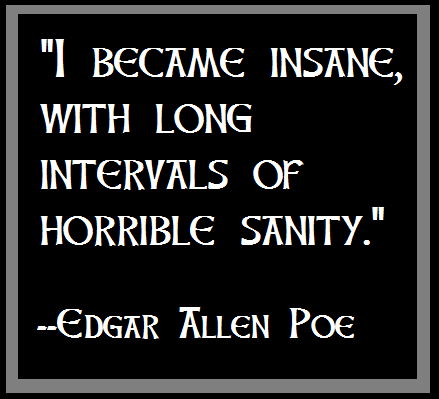
edgar allen poe quoteWriters need to write every day–that is a given. Writing every day takes discipline and dedication. We writers are often told we are undisciplined and lack drive, but nothing could be further from the truth. We simply lack the desire to do what we are told, and have this story that needs to be told.

Sometimes we have nothing to write that will advance our current work in progress. Inspiration has failed us. We have a kajillion ideas about things we could be writing, and things we plan to write…but nothing that sings in regard to the  task at hand.

When that happens, I sit down and look back through what has already been written, and inspiration fires me up again.

Other times, nothing. That is when I blog on the craft of writing. The act of blogging loosens my imagination when it is stuck.

One of the first chores I was given by my first publisher, was to blog regularly, at least once a week. This, he said, would help get my name out there, and give me a regular platform for my opinions.

I had no idea what I would ever blog about, and the idea of just sitting down and rambling on about nothing and then publishing it made me feel a bit faint. I have no issue with rambling on–I am grandma, it’s what I do. But publishing it weekly?

It began, as all love affairs do, somewhat awkwardly. I wrote short, stilted posts that were obviously forced and took days to write. I felt like blogging had taken up a large chunk of real estate in my writing time, and I resented it.

Then one day I didn’t know what to write about. The only thing I was interested in talking about was either books I had read or books I was writing. I found the words flowed easily when I talked about either of those. Thus was born this blog, Life in the Realm of Fantasy. This is where I talk about everything from Don Quixote to serial commas.

Blogging regularly has helped me to write more freely when I am using a stream-of-consciousness style of writing, such as during NaNoWriMo.

I have also made many friends through blogging, people all over the world who I may never meet in person, but who I am fond of, nevertheless.

And blogging is where I develop my seminars on the craft of writing. I find that talking to you about the craft helps me organize my thoughts. And, although I hate to say it, my first publisher was right about blogging. Blogging regularly does get your author name out there and does showcase what you are able to do.

I recommend blogging to anyone who has a craft they are passionate about. You want to talk about that craft, but your spouse’s eyes glaze over when you launch into one of your discussions.

Well, let me tell you, the internet is full of folks who want to talk about that same craft. Take welding–there are hundreds of blogs about welding, some popular, and some just getting started. Who knew welding was such a hot topic? Obsessed people make poor conversationalists, but writing a weekly blog about what you are passionate about gives you that platform to wax poetic about what you love.

If you want to know more about getting your own blog up and running, see my post of April 20, 2014: The Girl with the Tolstoy Tattoo:

  • Keep it down to about 1000 words more or less.
  • Use the spellchecker tool to look for obvious errors.
  • Write in in draft form and don’t publish it right away–come back and read it over again, and make corrections.
  • If you use information found elsewhere, quote it and credit the author
  • Use images that are either public domain, or that you have the right to use
  • Put links to other informative sites in the text

Blogging is fun. It’s where I blow off steam and grow as a writer. Every author should blog regularly–some of my most inspired moments have happened here in this crazy blog.

2 Comments

Filed under Humor, Literature, Publishing, Uncategorized, writer, writing

Technology #upgrade for when I #amwriting

Square Card Reader 1Two months ago, I got a new thingamajig for writing. I was actually upgrading the phone so that I could get a Square Card Reader to take credit card payments at book fairs. But when we walked in the door at the phone store our wireless provider made us a deal we couldn’t refuse: a Samsung Galaxy Tab 4 7-inch tablet for just .99 cents, to go with my fine new Galaxy s5 phone.

Technically my upgrade was “free,” and .99 cents seemed like a deal.

So of course I leaped on it. But then I had to get the heavy-duty Otterboxes to protect both the tablet($39.99)  and the phone ($29.99) The Otterboxes would have been cheaper at Amazon.

Square Card ReaderI also got the Square Card Reader while I was there, ($9.99)and well worth the price. I can now accept Visa, MasterCard, American Express, and Discover–or cash.

And of course, we had to upgrade the wireless plan to accommodate the new technology, so what with a nickel here and a dime there, we were beyond broke when we walked out of there, but we were technologically up-to-date.

We couldn’t afford to pay attention at that point, but on  the plus side,  I had this wonderful tablet. It’s an awesome way  to get email and check Facebook for the onslaught of grumpy cat memes.  All my reading apps are on there now, Kindle and Nook–so I can read any book in beautiful, clear color.

Or I can play Majong in bed instead of reading.

Acer-Aspire-One-AOD257-4I’ve been complaining about my Acer laptop for a year now, but I don’t have the funds to replace it. The wretched thing is a small, red boat-anchor. It takes an hour to load anything. I just need five or six hundred dollars to replace it with a better brand, which isn’t going to happen soon.

My new tablet’s charge lasts about 8 hours, and the it only weighs a little more than the cell phone I went to upgrade in the first place. It travels well in my purse, and so does the little external keyboard.

The tablet comes with a touchscreen keyboard, of course, but it isn’t very useful for an ungraceful typist like me, and I couldn’t see myself writing a book using one. Some people do, or so I hear.

Tablet and keyboardBUT, with a few accessories, my little tablet has become a great, if limited, word-processor. First of all, the top of the Otterbox converts to an easel for it, so it sits up at the perfect angle.

With the addition of the Bluetooth keyboard I can easily key anything with as much accuracy and speed as ever. It will be excellent for write-ins.

There is a reason it took me two months to get this circus on the road.

When I first got the tablet it came with a free word-processing app that had glowing reviews, but which I quite honestly thought sucked, Hancom Office. This app might work well enough for someone else, but it was useless to me.

It looks just like WORD, and seems to have most of the tools, but it wouldn’t connect to Dropbox or Google Drive.

Oh, I could do all the writing I wanted, and when I saved it,  it seemed to have been saved just fine. But the next time I opened that document, it had NOT been saved. Hours of work down the tubes, because I couldn’t make the darn thing save a document that had been edited. Nothing I edited and saved was actually saved.

I went to the internet to find a solution. The internet was rife with all sorts of posts touting how awesome a product it is compared to WORD, but apparently no one has that issue, so there were no solutions.

So, I thought it was just me, and I kept trying to figure out what the problem was.

Maybe it was just me, but  after two months of trying unsuccessfully to make that app work, I nearly gave up, thinking perhaps the tablet just wasn’t a good fit for me. On a whim, I went looking for Microsoft apps. I am really pleased with what I found.

SO, yes, in order to make this amazing little beast useful for what I need it for, I did have to buy some apps and get an external keyboard.

Costs to get Tablet up and running

Despite accidentally purchasing one item from Google Play that shows up on my Paypal account but I can’t figure out and don’t know what it is so I can’t return it, the Office Suite 8 was amazingly cheap as compared to the large cash outlay for my desktop programs. It is the shell for the Word, PowerPoint, and Excel programs, which cost nothing. Maybe you can get these apps for less elsewhere, but I just wanted to get it done so I could use it.

Now I can access my dropbox files, and work in any environment–a huge plus when I am on the road so much.

MajongFor me, this will not come near replacing my HP desktop. The screen is too small for my elderly eyes. Even with the extra font pack, the WORD app is limited in what it can do as compared to the full desktop program, so I don’t see me trying to edit or format a book–the little app is not appropriate for that, although I hear that it can be done. It doesn’t really have a good spell-check, and cutting and pasting without a mouse is a bit dicey. I’ll have to remember my keyboard shortcuts for that.

But I do like the way I can write anywhere in the house or on the back porch, or at a Starbucks, with ease, and on a machine that doesn’t randomly freeze up on me.

Or I can play Majong.

4 Comments

Filed under Humor, Publishing, Uncategorized, writer, writing

More Disintegrating Eglish…Enlish…#language

gibberish-american businesses onlineThis weekend I happened to be out on Facebook. A friend of mine had a fun thread going, regarding the way English seems to sliding in a new direction. I find this interesting in same the way a cat finds a snake intriguing.

I want to play with it, but it may bite me.

I’ve said it before and I will say it again, English is the ever-disintegrating language. The very roots of English encourage this continual evolution.

Think about it–a bunch of smart guys in Victorian England applied the rules of a dead language, Latin, to an evolving language with completely different roots, Frisian, added a bunch of mish-mash words and usages invented by William Shakespeare, and called it “Grammar.”

We had a short discussion about words that either signify lazy speech habits or a shift in the language and came up with this short list, that is only the tip of the pox-ridden iceberg:

gibberish quoteSupposably…oh wait, did you mean supposedly?

Liberry…no sir you must go to the library for those books–the liberry can only give you hives.

Feberry...I hope you mean it will happen in February, because Feberry will never come.

Honestness...In all honesty I am not sure what to make of that one.

But my particular favorite is Prolly, which my granddaughters seem to think means Probably, but in all honestness, doesn’t.

It’s not a new problem. Jonathan Swift, writer and dean of St. Patrick’s Cathedral in Dublin, complained to Robert Harley, 1st Earl of Oxford and Earl Mortimer, in 1712: “Our Language is extremely imperfect. Its daily Improvements are by no means in proportion to its daily Corruptions; and the Pretenders to polish and refine it, have chiefly multiplied Abuses and Absurdities.” He went so far as to say, “In many Instances, it offends against every Part of Grammar.”

Well, that is prolly a little harsh.

English is like water–it shifts, it flows, it steals what it wants from every other language it comes across. That is what makes it so fun to play with. And also is what makes it so difficult to work with.


4 Comments

Filed under Humor, Literature, Publishing, writing

The harsh truth, and cold comfort

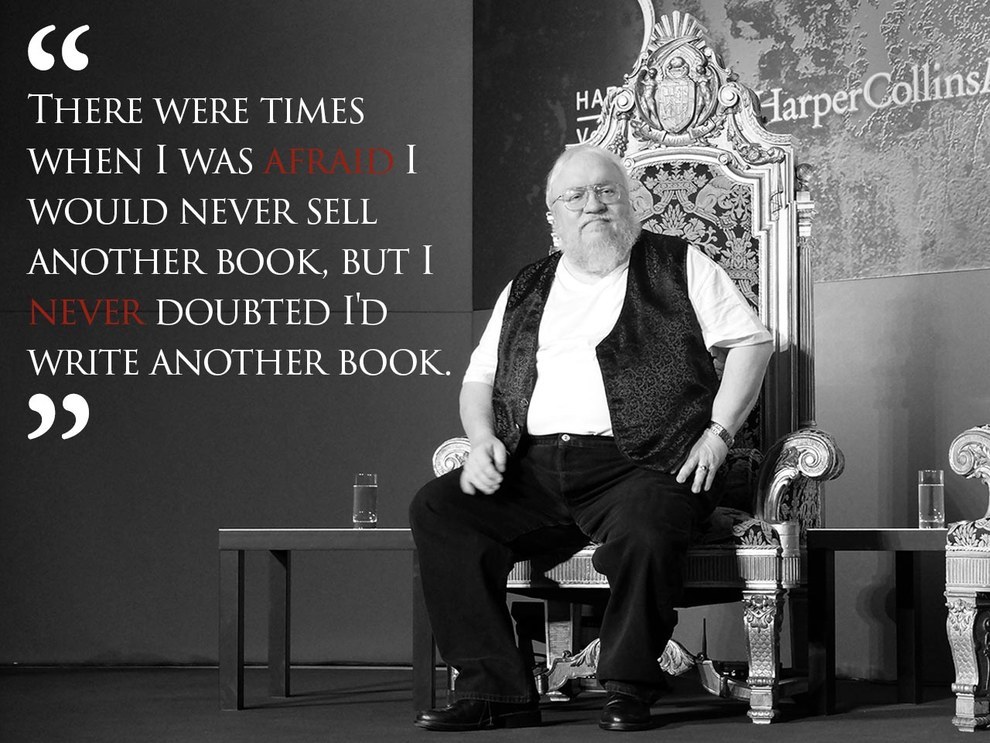
GRRM Meme 2Authors are not really great at social stuff. On top of that, we tend to be horribly insecure about our work, but it’s all we can think of to talk about.

We are thin-skinned and bleed profusely when you cut our work to shreds. Some of us handle that with grace and dignity, and others go ballistic and make an uncomfortable situation worse.

Now we come to a problem affecting a friend who lives far way from me–authors undercutting authors. She has left her writing group and will not be going back because one new member is harsh and unfair in the way they critique this author’s work–under the arrogant pretense of “just telling the truth.”

The new member is published, an indie, and seems to be selling a fair amount of books. She was invited to join a group of authors who are not not yet published, but who all hope to be. Each member is in various stages of courting agents and editors. An editor for a respected mid-sized press has shown interest in my friend’s manuscript. The new member started out friendly enough, but began by making belittling remarks about the way the group had been doing things, implying they were just playing at being authors. Then, suddenly feeling inferior and hoping to be more “legitimate,” the group allowed her to take charge. Things went downhill from there, with the new queen-bee as the center of attention.

quarrabtine symbol

Now I don’t know if my friend will ever write again. I do know she won’t join another group, which is sad, because MOST groups are not like that. Yes, they dig deep, and work on structural issues, but they don’t phrase their comments in a deliberately cruel manner. She knew her work wasn’t ready for publication, but she didn’t know it was “crap.”

And it isn’t crap.

I hate that she has put aside the makings of what could someday be a great novel, all because a person she respected as an author belittled her attempts in such a way that she is now afraid to share that most intimate part of her soul–her creativity.

But this is a problem that affects authors of all stations, not just indies and hopefuls. People feel its acceptable to say the most disparaging things, especially if an author has become successful, as if that author’s success negatively affects their own chances. And they seem to to take it beyond criticizing their work–they get personal about it.

Indie authors need to help each other advance, not tear each other down. The world is full of readers, so there is room for everyone, and if we ridicule each other and make disparaging, mocking remarks about the quality of others’ work just because we don’t care for their style of writing, shame on us.  There is an ocean of difference between badly crafted work, and work that is written in a style you don’t care for. I read many things written in a style I don’t care for, but if it is well-crafted and written with some attention to the aspects that make a good tale, I will give it a decent review, and I refuse say negative things about the author who wrote it, no matter how popular it may be to do so.

Successful author bashing has become an acceptable topic at parties due in part, I think, to the fact that with the rise of ebooks and Amazon’s eagerness for buyer reviews, any reader can become a critic, regardless of the quality of their “review.” This is both good and bad, because you do sometimes get a real-world view of what readers think of a book. But conversely an illiterate review that gives only one star and just says (in misspelled words) that they hated it and didn’t read the book doesn’t help help anyone.

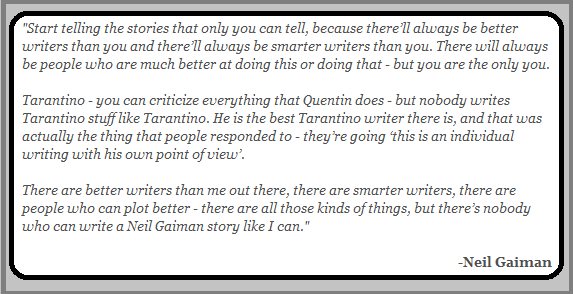
Neil Gaiman quote 3

Trolling and internet bullying has become an addiction for some people, and it’s apparent that their anonymity gives them a sense of power. To be able to destroy a person with a few well-chosen words–they see themselves as king-breakers, and they like that.

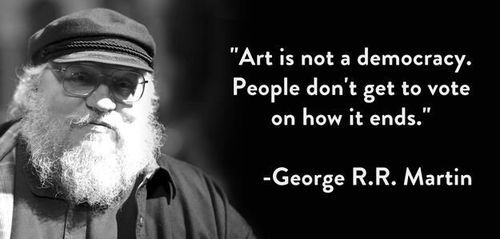
Even mega-successful authors like George R.R. Martin deal with an avalanche of poison and angst from trolls–I hope that what he deals with is not typical of what successful authors must endure, although Stephanie Meyer, E.L. James, and J.K. Rowling have all endured this sort of spew. Of course George’s TV series is the source of most of his grief, but still–these people show so little respect for a kind, decent man who sincerely cares about his craft and whose work has provided them with countless hours of entertainment.

GRRM Meme 3All that aside, NO author, no matter how famous, crafts perfect work that resonates with every reader, every time. We sometimes hit a pure note with one particular piece, but we will spend the rest of our writing lives trying to live up to the potential that piece had, with varying degrees of success. And when we were writing that story, perhaps it didn’t go the way the reader thought it should, and someone had to die.

That happens all the time, because the READER DOES NOT WRITE THE BOOK.  Readers who want to write the book badly enough become authors and DO it, instead of whining about it.

So we authors try to develop a thick skin and continue doing what we do. We keep learning. We keep working on the craft, and we never stop striving to be just a little better with our next short story or novel. And if, when you are in a writing group and another author makes cutting remarks in regard to your writing style, ask yourself why they feel that your style deserves harsh criticism. Don’t feel badly about walking away from that group before it gets to the level that my friend experienced, even if you like a few of the people who remain–because you won’t gain anything by staying around for more humiliation.

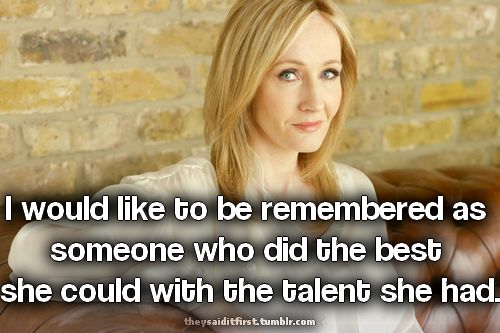
JK Rowling MemeMy friend–there will be other groups, and with a little checking around, you will find the one that welcomes you and your work.

Or maybe you need to go solo for a while.

That is cold comfort if someone you once respected has trashed your work and humiliated you, I know. But keep learning and keep writing. Rise above the naysayers and don’t let them steal the joy you have in your craft.

25 Comments

Filed under Literature, Publishing, writer, writing

I #amwriting

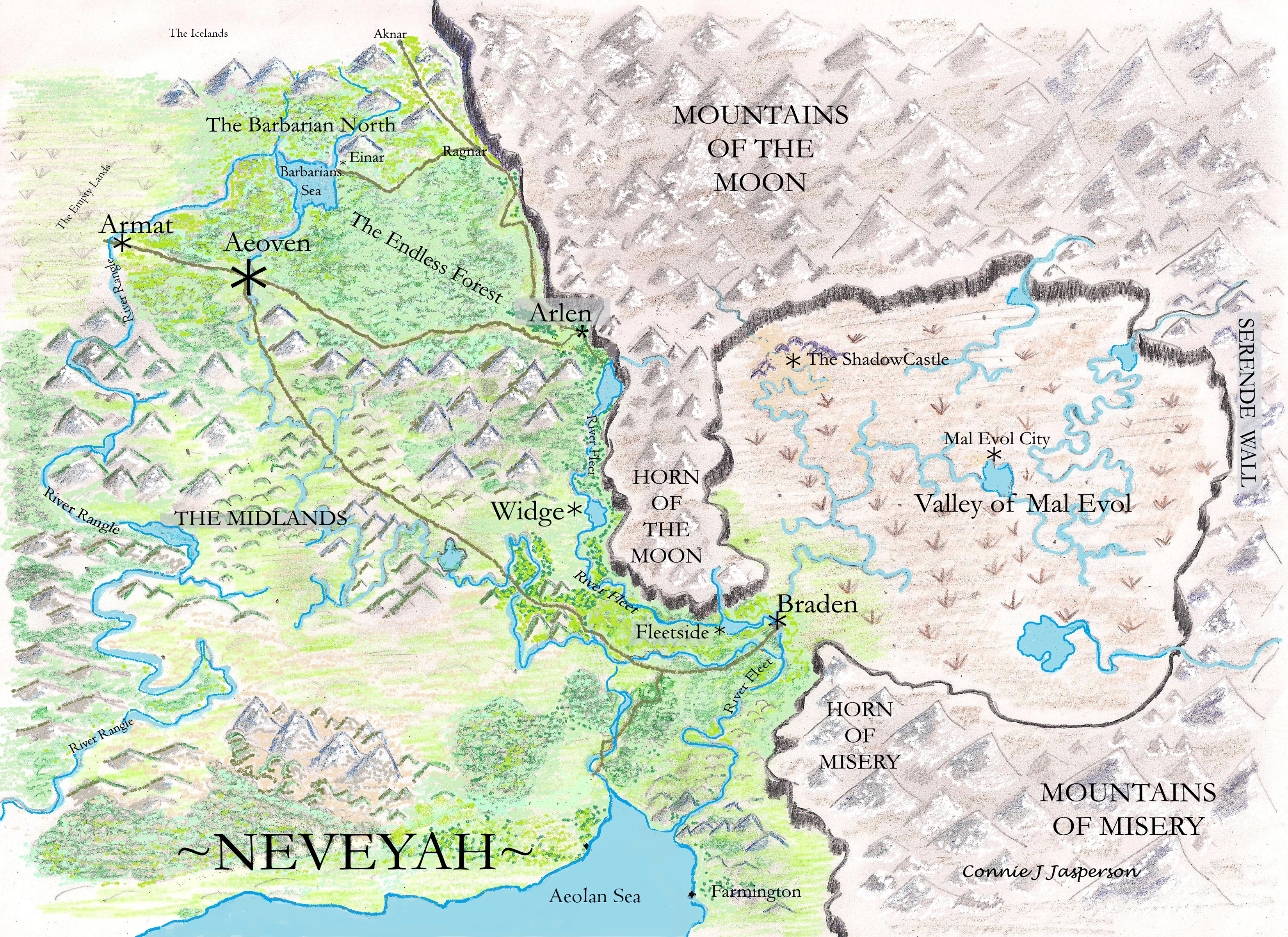
Map of Neveyah, color copyWriting is going well. I’m fleshing out the third book in the Tower of Bones series. The prequel to the Tower of Bones series, a stand-alone novel, Mountains of the Moon,  is in the final stages of production and will be published in July. I’ve also been working on some short stories in the Billy’s Revenge series, follow-ups for Huw the Bard. The re-write of The Last Good Knight went well, and the rough draft is now resting on the back-burner while I finish up the third book in Edwin Farmer’s story,Valley of Sorrows. VOS is nearly complete, and will be my main area of focus for the next three months.

Valley of Mal Evol B&WValley of Sorrows picks up where Forbidden Road left off, and is a rather dark book, although there are some moments of hilarity. We will see a great deal more of Stefyn D’Mal, and find out what sort of person Lourdan is. Valley of Sorrows will finally take Edwin home, but what waits for him when he arrives back in Aeoven? We should know by next spring!

Set concurrently with Forbidden Road is John Farmer’s story, The Wayward Son. That book deals with the issues of PTSD, survivor guilt, and what happens to the men and women who return from the war. Some wounds are not visible from the outside, and John Farmer’s story takes us deep into that aspect of a soldier’s life.

One reason writing has been so slow on Valley of Sorrows was that I had to write John’s story, so the book would make sense–so I have been writing two books.  I’ve always known John’s background, but his back-story has always remained just that–reams of untold back-story.

John, Garran, and Halee have some serious issues to overcome stemming from a series of traumatic incidents that occurred during the last days of the war in Mal Evol. Twenty five years have passed, but for each one of the three who were once so close, some scars have never healed, and John’s return to Neveyah reopens the wounds. While those problems are hinted at, they’re not discussed in Forbidden Road. In order for John and Garran to be at Braden, waiting for Edwin and ready to join the quest, I had to resolve some of those long-festering issues.

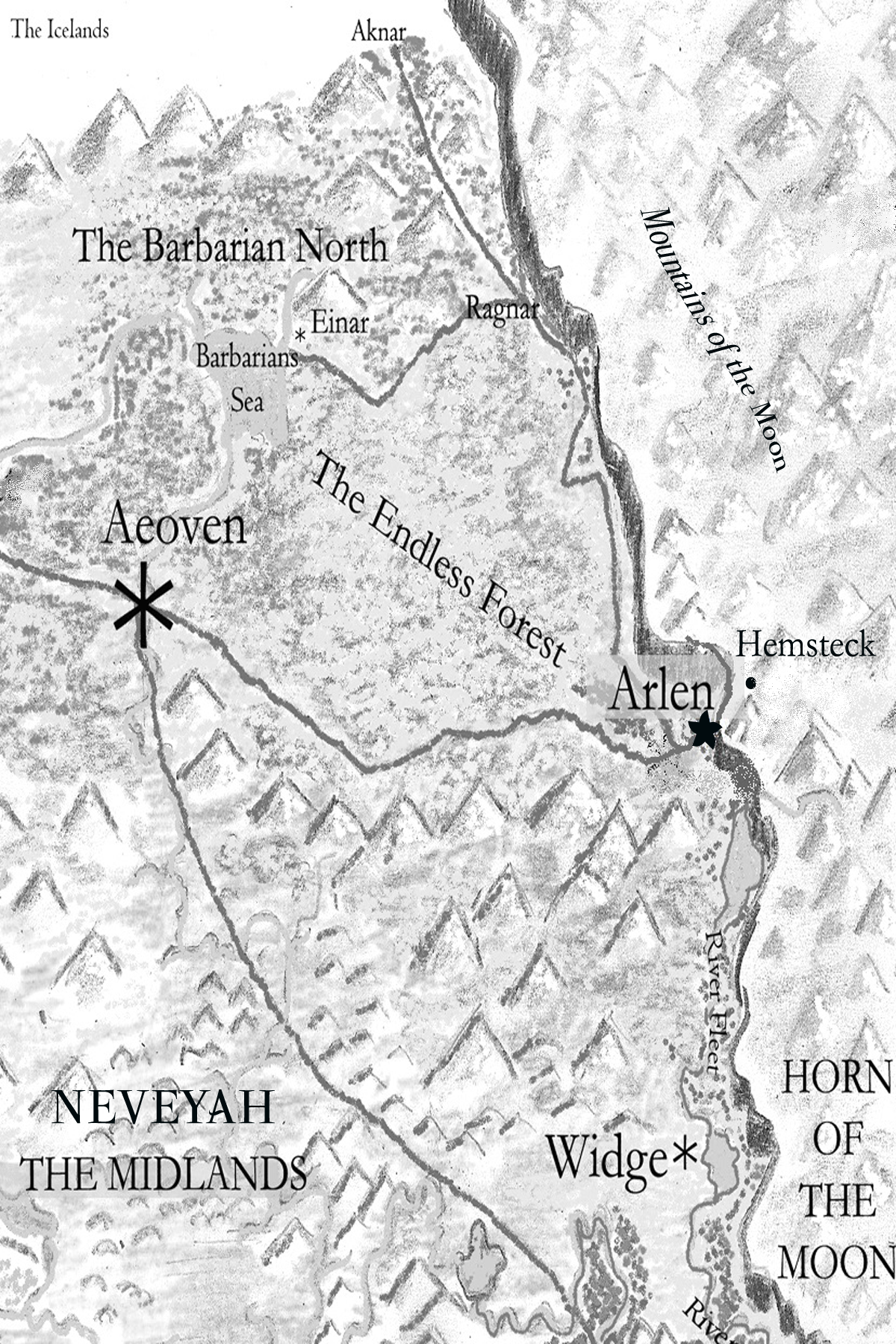
MOTM MAPAlso, several things occurred in Aeoven during Edwin’s absence, things that set him on a different course. These things are explored in the course of John’s story, and that book, The Wayward Son, will be published right around the same time as Valley of Sorrows.

During the re-editing of Tower of Bones I took the liberty of changing one character’s name. She is briefly mentioned in that book, but her part really very minor. However, she assumes a somewhat larger role in Forbidden Road, which caused some problems, as her name was only one letter off from another female character’s name, and they rhymed.

At the time I first published Forbidden Road, I was concerned about the names being so similar, but I didn’t know what to do about it. But it occurred to me that since I am an indie, I can do any thing I want, so I went ahead and changed the abbess’s name to Halee. The simple expedient of changing her name from Marta to Halee ensures she doesn’t rhyme with Marya.

So my writing life has been quite full–when I run out of ideas on one story I pull out another and work on it until it’s time to move on to a different one. My books have new interiors, new maps, and new covers. They are back on the shelves for sale, and the sequels and prequels are moving along just fine.  My writing life is good!

Twer of Bones Postcard Front

3 Comments

Filed under Fantasy, Publishing, Uncategorized, writer, writing

My Writing Life: David P. Cantrell

My Writing LifeToday indie author and blogger, David P. Cantrell, has consented to answer a few questions for us. Dave is a fellow staff-member at Edgewise Words Inn, a reader-oriented blog where Dave Cantrell, Lee French, and I post a variety of short articles, human interest stories, some short stories, memes, and generally have a great time just writing. At the end of this post, I will be reblogging Dave’s most recent post on Edgewise Words Inn, a little thing called “Ten Things I’ve learned as a Quadriplegic.” I think you’ll find that post as interesting and inspiring as I did.

But first, my virtual interview with Dave:

CJJ: Tell us a little of early life and how you began writing:
DPC: I grew up in Southern California after immigrating from Indiana at age five. I was a mediocre student in grade school, sports were much more interesting, but sadly, I was a mediocre athlete too. I wasn’t horrible at either of them, mind you—I got by.

I’ve often wondered where I’d be today if my family hadn’t moved to a new school district. I had completed one semester of eighth grade before the summer of the move. The new district couldn’t accommodate split semesters and required me to restart the grade. I became very bored in math and petitioned to join an experimental math class (eighth grade algebra—it sounds quaint now.)

The math teacher let me in for a semester with the proviso that I earn a Cee or better, otherwise it was back to regular math. I struggled, but the teacher worked with me, and I didn’t want to be put back. I think she took pity on me when she wrote a Cee on my report card. Whether she did or not, I’ll never know, but that Cee changed my life. Ultimately, I got a Bee in the subject, and took Geometry during the summer following middle school—No I wasn’t that nerdy, my girlfriend wanted company. I started high school taking a junior level math class.

I learned to enjoy reading in eighth grade. It’s difficult to remember which book lit the flame, but I think it was I Robot by Isaac Asimov. At any rate, reading eventually ignited the writing flame.

CJJ: You are right–the love of reading is the jumping-off-point to attempting to write. I happen to know what you are working on, but my readers don’t, so let’s talk about your current work in progress. 

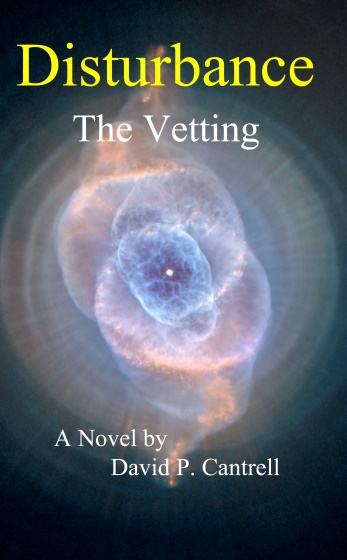
Disturbance - the VettingDPC: My one and only book is a work in progress. I published part one, Disturbance: The Vetting, in July 2014 and took it off the market in January 2015. The initial publishing was a mistake, but I’m glad I made it. I’ve learned a good deal about the process of writing, formatting and editing because of the mistake. I’ve met wonderful, supportive authors from around the globe as a result of it too.

CJJ: How did you come to write this novel?
DPC: Well-meaning idiots made me do it. That’s mean, but true in a sense. I started posting short “Slice-of-Life” stories on Facebook, items like “The Chicken Parmesan Saga.” I was encouraged to create a blog and gave it a go. I beta read Sci-Fi novels for a talented author, Jasper T. Scott. His comments gave me the idea that I might be able to write. I jumped into the deep-end.

CJJ: I’m mostly an outliner, myself. Do you have a specific ‘Creative Process’ that you follow, such as outlining or do you ‘wing it’?
DPC: Please define creative process. I tried to outline, but got hung-up on the order of things. What comes first, character or story? Can they exist independently? I’m a wing-it writer that prays for an outline to magically appear, and in it does sometimes.

CJJ: This is the question I hate to be asked, but here I am asking you: how does your work differ from others of its genre?
DPC: I want to write stories that make the reader think or learn something new. I love action oriented stories as much as the next person, but I want to write page turner’s that make the reader stop and think about what they’ve just read every once in a while. I get frustrated by the mantra to keep the story moving forward, if the words don’t keep it moving they are useless, not necessary.

CJJ: Why do you write what you do?
DPC: I write for the joy of research (I love an excuse to learn new things) and the hope to touch a stranger with my words.  Touching strangers is why I smile and say hello to them as they walk their dog down my block. Their response makes me feel good.

I recall a day my wife asked me to pick up something from our local grocer on my way home from work. It must have been summer because daylight abounded. I was a middle aged over-weight man walking across a parking lot and saw a stunning mid-twenties women dressed to the nines walking to her own car with a bottle of wine.  I worried if I said anything she’d think I was perverted. As I passed her we made brief eye contact and I said, “You look beautiful the evening.”  The smile on her face brings tears to my eyes as I write this.

CJJ: I like that little vignette you just painted for us, and feel somewhat the same myself when it comes to making people smile. So, when it comes to publishing, I know why I chose the indie route for my work, but I’m curious as to why you’ve chosen this path.
DPC: Is there a better way for an unknown to get their work before a world audience? I don’t care if I make a lot of money selling books. Don’t get me wrong, I’d love to do it, but it isn’t why I’m writing. I want to touch others, and honestly, I want the ego stroke that comes with it.

CJJ: What advice would you offer an author trying to decide whether to go indie or take the traditional path?
DPC: If money is your goal, try the traditional path. No one can promise better odds of making money on that path, but if you don’t give it a go you’ll always think you should have.

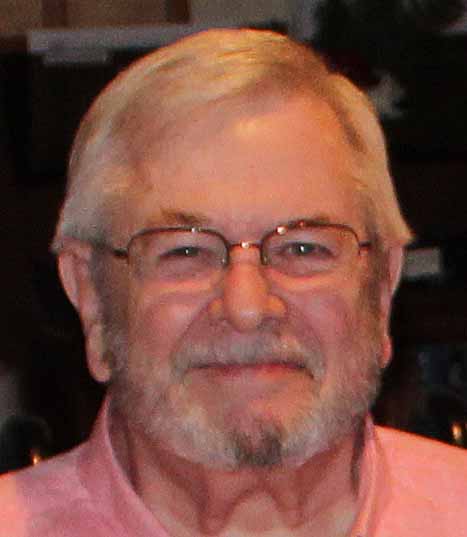
Dave Cantrell Author pictureDavid P. Cantrell lives with his wife of nearly four decades in the beautiful coastal community of Arroyo Grande< California. He is a retired CPA, enthusiastic (but not particularly good) home cook and avid reader. He enjoys history, historical novels, science fiction, non-fiction, fantasy, crime, thrillers, contemporary fiction and even a western now and again.

Before a spinal cord injury in 2009, he spent his creative efforts writing IRS defenses for his clients and on woodworking; building a variety of items, from chessboards to a Murphy Bed. The spinal cord injury left him paralyzed from the neck down, but with the help and love of his wife and caring therapists, he was able to recover significant function. Woodworking was behind him, and he accepted that.

Thank you Dave—you are a joy to know and to have as a friend, and you are an integral part of my personal writing life.

And now, “Ten Things I’ve learned as a Quadriplegic” By David P. Cantrell

(Reblogged from Edgewise Words Inn)

Being a quadriplegic (aka tetraplegic) is a learning opportunity. I found my opportunity when a confluence of events left me prostrate. Actually, I don’t remember being on the floor, I learned it later from my wife. She also told me I repeatedly asked if I’d had a heart attack while in the local ER. I don’t remember that either, but I’m not surprised. After all, I was an overweight, hypertensive, diabetic, chain-smoking CPA working on a deadline.

The first thing I clearly remember is the voice of an EMT talking to his ambulance driver as we arrived at a bigger hospital. I wasn’t sure why I was in the ambulance, but I knew something very strange was happening. I learned a good deal about myself over the following months.

  1. Paralyzed means: Crap, I can’t move and I don’t mean immobile.
    There’s a big difference between the two. Immobile means I can’t move right now because I’m drugged, strapped down or really-really sleepy, perhaps all three. Paralysis means so much more.
  1. Disrespect or abuse of a good woman’s love and support deserves retribution.
    If I’ve done either, shame on me. The memory of ICU, day one, is vague, but real. My teary-eyed wife held my hand, which I could not feel, and said, ‘I have your heart and your mind, that’s all I need.’ To this day, it’s our motto ….(To read the rest, click here to be transferred to Edgewise Words Inn and the rest of Ten Things I’ve Learned as a Quadriplegic)

Comments Off on My Writing Life: David P. Cantrell

Filed under Adventure, Battles, Books, Fantasy, Humor, Literature, Uncategorized, writer, writing

What I #amwriting

Alarm clock quote ray bradburyI normally begin my day at about 5:30 a.m. with editing for my clients–I like to do that when I am at my sharpest which is always in the morning.  I spend the afternoons writing, and right now I have two manuscripts that I am working on, and several short-stories. My evenings I either write blog posts or work on designing book covers.

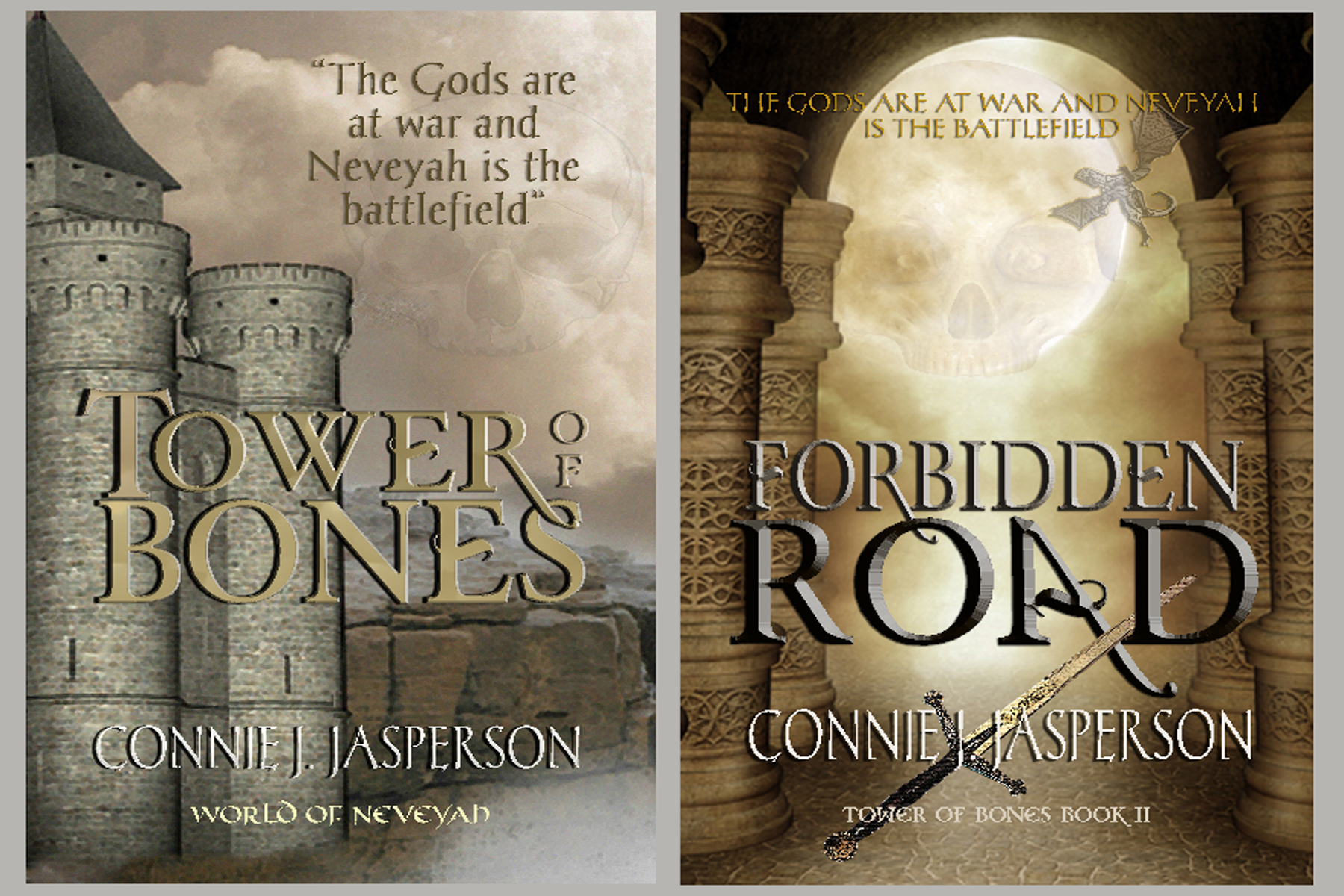
Other than writing, most of my work these days centers around finishing up publishing the second editions of the Tower of Bones Series. The book itself, Tower of Bones, has been republished, and book II in the series, Forbidden Road, is in the process of being proofed and should be available soon–hopefully within two weeks.

In addition to revamping the TOB series, I hope to have the prequel to the series, a stand-alone novel, Mountains of the Moon, published by July 15, 2015, with a few copies to take to the PNWA conference. That means it has to be finished and ready to proof by June 25–which may be pushing it. However, things are moving so perhaps I will be able to meet this new deadline.

As I said, I have two novels in the works: concurrently with The Wayward Son, I am fleshing out the final book of the Tower of Bones series, Valley of Sorrows. This book deals with the aftermath of the events in Forbidden Road and winds up that story.

The road to hell Phillip Roth QuoteIn the aftermath of an incident that occurred in the last days of the war in Mal Evol, John lost the use of most of his magic. He has managed to keep that disability a secret for thirty years. The Wayward Son is the story of John’s redemption, and explains the events that happened in Aeoven while Edwin and the others were gone. These incidents culminated in John and Garran being sent to meet Edwin in Braden at the end of Forbidden Road. 

John Farmer’s story is intriguing to me, because he is a man concealing many secrets. A lot is going on under the surface–he suffers from survivor’s guilt and PTSD, which often develops after a person is exposed to one or more traumatic events. In The Wayward Son, John’s rocky relationship with Garran is explored, and also his love affair with the Abbess of Aeoven, Halee.

While I was re-editing the series to date, I took the liberty of changing several once-minor characters’ names, as they had suddenly become important in the two later books, and their names were too close to other, already prominent, characters’ names. Since I was changing them anyway, I made them widely different. Thus Marta Randsdottir is now Halee Randsdottir. Her original name was nearly identical to Edwin’s wife, Marya, a problem since the two women figure prominently in The Wayward Son.

The problem was inadvertently begun in 2009 when I was writing Tower of Bones as the story-line and walk-through for an RPG, and was scrounging around for good character names. I didn’t know at that time it would become a book, and it didn’t occur to me that NEVER naming any character with a similar sounding, looking, or rhyming name is something every author should take note of. This is important, no matter how minor the characters seem to be, because, just like Halee, they may have a larger part to play later and the confusion will ruin the story.

The magnitude of the problem first became evident when I was writing Forbidden Road, but I thought I was stuck with it. Referencing the two women in the same paragraph was dreadfully confusing, since their names were only one letter off from each other.

ok to write garbage quote c j cherryhFor a long time, I didn’t know what to do about the name problem. I thought I was stuck with it, but one of the beauties of being an indie is the freedom I have to make adjustments when a gross error is discovered. Since I was completely revamping the series anyway, it was the perfect time to take the plunge and rectify that mistake. The series now has new maps, new interiors, and new covers.

It was just another lesson I’ve learned since leaping into this mad circus of indie publishing, but now I know to never name two characters in the same book with names that begin and end with the same letters. Don’t do it!


Comments Off on What I #amwriting

Filed under Adventure, Battles, Books, Fantasy, Humor, Literature, Publishing, Self Publishing, Uncategorized, writer, writing