Tag Archives: foreshadowing

Foreshadowing and pacing #writing

I’m sitting here on a cloudy Sunday morning in May, sipping tea and wondering what to write for this post. Things have been crazy on the home front for a couple of months. Well, for the last year, really. Now my husband is settled in a good place where he can be properly cared for around the clock. I am adjusting to having more time on my hands than I’m used to.

He’s in a lovely, caring home now. I go there to visit him every morning after I tend our small veggie plot in the community garden. And yes, although I do have the time now, I struggle to find the ambition to reorganize my jumble of an office.

However, while housekeeping still bores me, and I no longer have a valid excuse for not doing it, I always feel like writing.

Which seems more important than filing the pile of medical and legal documents that depress me.

I just don’t always know what to write.

And, sometimes, it’s hard to know where a story should actually begin. Is it the eve of a party? Is it the day of a friend’s funeral? Where does the story begin?

Wherever the story starts, I want the reader to keep turning the pages, and a little foreshadowing can encourage them to do that.

Hints that all is not what it seems are an important aspect of the narrative. They pique the reader’s interest and make them want to know what is really going on and how the book will end.

But what is foreshadowing? It is the subtle warning that danger lurks ahead, a few clues embedded in the first quarter of the story to subliminally alert the reader that things may not go well for the protagonist. We include small warning signs of future events, bait, if you will, to lure the reader and keep them reading

In the opening paragraphs, I will focus on the protagonists and hint at their problems. Novels are built the same way as a Gothic cathedral. Each scene is a small arc of action and reaction. These arcs support other arcs in layers, creating an intricate structure that rises high and withstands all that nature can throw at it.

In the first draft, we all commit sins of craftsmanship. These are secret codes, road signs for us to examine in the second draft:

  1. Clumsy foreshadowing, baldly stating what is going to happen later. We rewrite those scenes to make the clues less obvious.
  2. Or we might commit the opposite sin, neglecting to foreshadow so that events seem to arrive out of nowhere.

Recognizing those signals can be a challenge, but hopefully, our beta readers will notice and comment. My writing group is central to my work process.

We all know the opening paragraphs are vital. They are the hook and must offer a reason for the reader to continue past the first page. These paragraphs usually sell the book.

Getting the pacing right in those opening paragraphs and maintaining it to the last page is, in my opinion, the most challenging part of writing.

How much exposition is needed? What can be cut without making the story choppy and confusing? What must stay? When a possibility is briefly, almost offhandedly mentioned, but almost immediately overlooked or ignored by the protagonists, that is a form of foreshadowing.

Is that hint enough for the reader to understand what is going on? It’s easy to accidentally frontload the opening pages with a wall of backstory. I learned the hard way that long lead-ins ruin the chances of your book making readers happy.

I try to open the story with my characters in place and get the introductions out of the way. Within the first few pages, a question of some sort must be raised, or I must get the inciting incident underway. This is crucial for the pacing as it sets the characters and the reader on the trail of the answer, throwing them into the action.

Usually, there is no reason for the characters to hear the twelve-paragraph saga of the Caverns of Despair before they enter them. The readers also don’t need to know that history. The name is descriptive and is an indicator of what lies ahead. Names of places can be a form of foreshadowing that don’t slow the pacing.

Often, side characters will drop clues regarding things the protagonist doesn’t know, knowledge that affects the plot. Subplots that advance the main story’s plot arc are excellent ways of introducing the emotional part of the story, but beware.

Side quests are often fun in a video game but can ruin the pacing of a novel. They can be distracting and make for a haphazard story arc if they don’t relate to the central quest. I think side quests work best if they are presented once the book’s overall atmosphere is established and the core crisis is underway, and only if they are necessary for the completion of the principal quest.

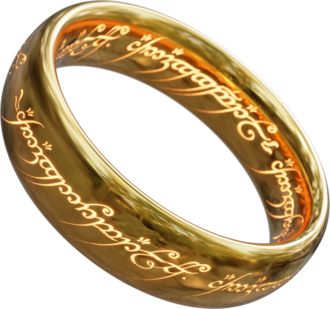
Like Bilbo finding the One Ring.

Sometimes, we open the story by dropping our characters into the middle of an event. Even if we do that, we still need a pivotal event at the 1/4 mark that completely rocks their world. The event that changes everything is the jumping-off point for the story.

As a reader, I notice when a character suddenly displays a new skill or knowledge, something they never showed before. When this happens, it’s usually explained away as a Chekhov’s Skill. I usually stop reading at that point and forget about finishing the book.

Without briefly foreshadowing that superior ability, the reader will assume the character doesn’t have it, and the narrative becomes unbelievable. A casual mention early on of the characters using or training to use that skill would make it believable.

The most crucial aspect of foreshadowing is the surprise a reader feels when the clues come together to form a complete picture of the imminent disaster. This is the moment when the reader says, “I should have seen that coming.”

We have many reasons to pursue good foreshadowing skills. In my opinion, the most important is that it helps avoid using the clumsy Deus Ex Machina (pronounced: Day-us ex Mah-kee-nah) (God from the Machine) as a way to miraculously resolve an issue.

That literary faux pas occurs when, toward the end of the narrative, an author inserts a new event, character, ability, or otherwise resolves a seemingly insoluble problem in an unexpected and miraculous way.

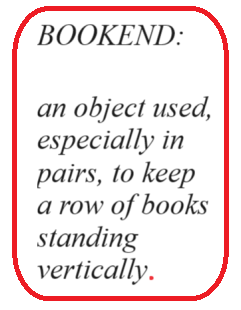
Pacing is a combination of action and reaction. Transitions bookend each scene. They are a door into the scene and the way out. The way out is always the way into the next scene. How we use those transitions determines the importance of the passage. The bookends determine the narrative’s pacing.

Transition scenes get us smoothly from one event or conversation to the next. They push the plot forward and control pacing.

  • Action, reaction, information, reaction, action, reaction, rinse, and repeat until the story reaches its conclusion.

So, now that I have rambled on about writing, I will get busy and clear up my office. I always feel better once a disagreeable task is properly finished.

And then, maybe I will make some headway on my work in progress. Working in a lovely, organized space—what a concept!


Credits and Attributions:

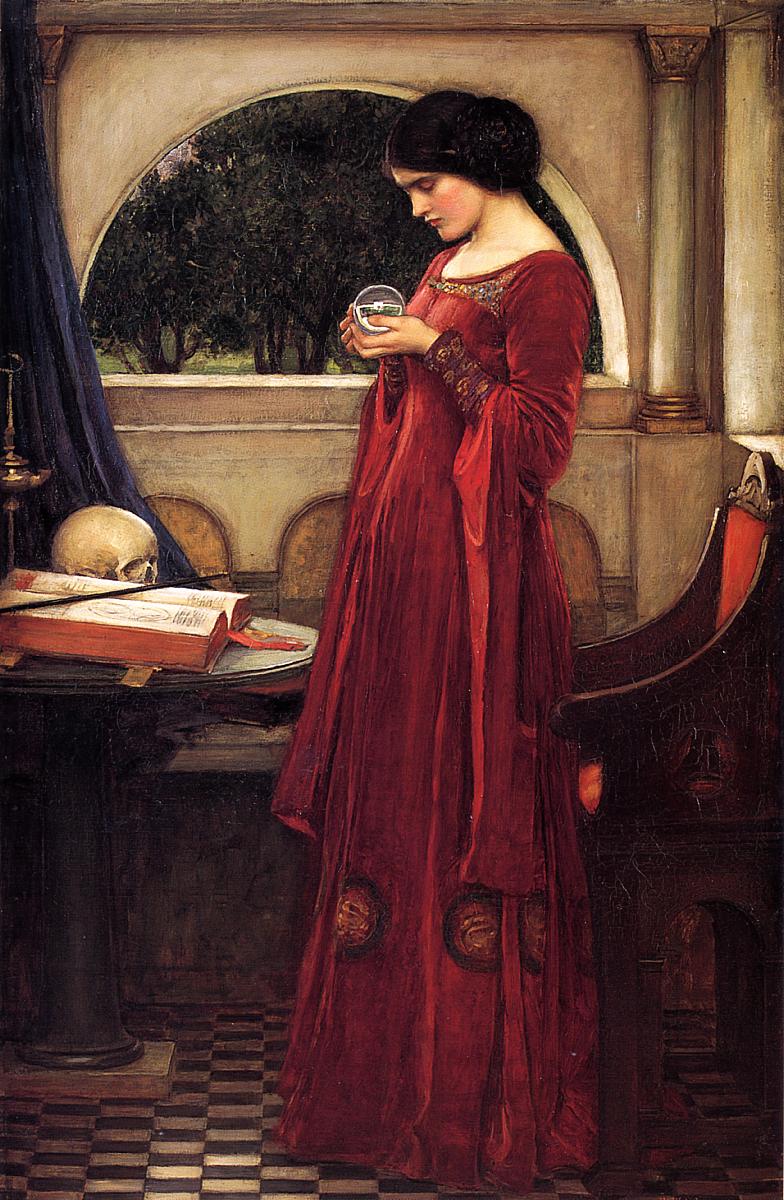
IMAGE: The Crystal Ball by John William Waterhouse, 1902. Wikimedia Commons contributors, “File:John William Waterhouse – The Crystal Ball.JPG,” Wikimedia Commons, https://commons.wikimedia.org/w/index.php?title=File:John_William_Waterhouse_-_The_Crystal_Ball.JPG&oldid=1009616986  (accessed May 11, 2025).

IMAGE: The One Ring, Wikimedia Commons contributors, “File:One Ring Blender Render.png,” Wikimedia Commons, https://commons.wikimedia.org/w/index.php?title=File:One_Ring_Blender_Render.png&oldid=914989927 (accessed May 11, 2025).

2 Comments

Filed under writing

Pacing part one: foreshadowing and the strong opening #amwriting

I’ve been struggling to find the place where the narrative of my new novel actually begins. Is it the day of his divorce? Is it the day of his brother’s death? Or is it the day he is released from the care of the healers after his breakdown?

MyWritingLife2021BAnd what of my female protagonist? Where does her story begin?

And the other pair—the ones that really need their own book but aren’t going to get it. What about them?

At this point, all I have is a mountain of backstory. It’s important because it tells me who my people are the day the novel begins.

It doesn’t need to be the opening chapter.

Every story begins with an opening act. The characters are introduced, and the scene is set. These paragraphs establish the tone of what is to follow, and if I have gotten my phrasing and pacing right, they will hook the reader.

This is where pacing comes into it. The intended impact of the book can and should be established in the first pages—but it takes work. I am writing a first draft right now, so most of what I write is a code telling me what I need to know when I get to the revision process.

I have introduced the setting. Where are the characters? Well, in this case, it’s easy. They are in the World of Neveyah, and fortunately for me, the world, the society, and the magic systems are already built. Some things are canon, which forces me to be creative and work within those limits.

Finally, I must introduce the conflict. What does the protagonist want? What hinders them?

My female protagonist must learn to live with her limits and trust her team. She must learn to delegate.

While she is doing that, my male protagonist must move beyond what he has lost and learn to appreciate what he still has.

My other female lead must be the friend the protagonist needs and make a choice between her career as a soldier or choosing to leave and raise a family.

Conversely, the other male lead must emerge from his father’s domination and choose to make his career as an artisan.

Not only that, but I must use my words in such a way that my readers don’t want to put the book down.

Novels are built the same way as a Gothic cathedral. Small arcs support other arcs in layers, creating an intricate structure that rises high and withstands all that nature can throw at it for the centuries to come.

Like our cathedral, the strength of a novel’s story arc depends on the foundation you lay in the book’s first quarter.

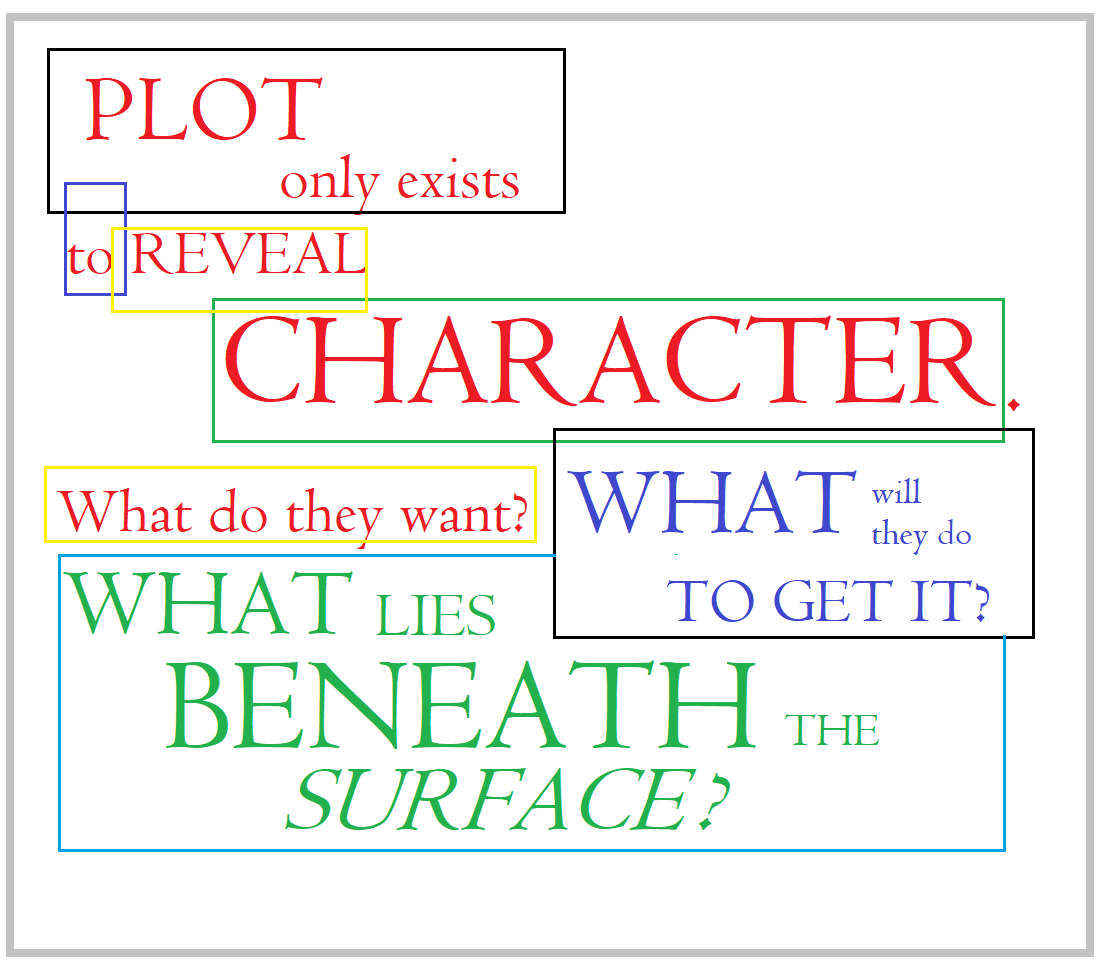
Plot-exists-to-reveal-characterI must introduce a story-worthy problem in those pages, a test propelling the protagonist to the middle of the book. The opening paragraphs are vital. They are the hook, the introduction to my voice, and must offer a reason for the reader to continue past the first page.

So, I must find where that story really begins, and trust me, it isn’t with a mental breakdown. The story begins with each character arriving at their new duty stations, each with a history that makes them who they are that day. Their pasts are known to others and do come out, but only when the other characters and the reader needs it.

I find pacing is the most challenging part of writing a first draft. Eighty percent of my writing will not make it into the final manuscript.

But it will be available in a file labeled ‘backstory’ for me to access when needed. I note names and relationships in my stylesheet and outline as I go.

One character is dark and brooding. I won’t explain why at the outset, as his backstory must emerge gradually, each morsel emerging when my female character must know. My side characters have an easier path, but their task is to provide information when required and to assist in the surface quest—catching a murderer.

With the back history in a separate file, I must open the novel with my characters in place. A  question must be raised, or I must introduce the inciting incident. This sets the four on the trail of the answer, throwing them into the action.

It’s too easy to frontload the opening pages with a wall of backstory. We always think, “Before you learn this, you must know that.”

All of that is true, but the history belongs in a separate file. I learned this the hard way—long lead-ins don’t hook the reader.

If my characters don’t need to hear the history of the Caverns of Despair, it’s likely that the readers also don’t care. The name is a pretty descriptive indicator of what lies ahead, so the twelve paragraphs detailing how the caves got their name are probably unnecessary.

The_Pyramid_Conflict_Tension_PacingMy favorite books open with a minor conflict, evolving to a series of more significant problems, working up to the first pinch point, where the characters are set on the path to their destiny.

I will open with a strong scene, an arc of action that

  • illuminates the characters’ motives,
  • allows the reader to learn things as the protagonist does, and
  • offers clues regarding things the characters do not know that will affect the plot.
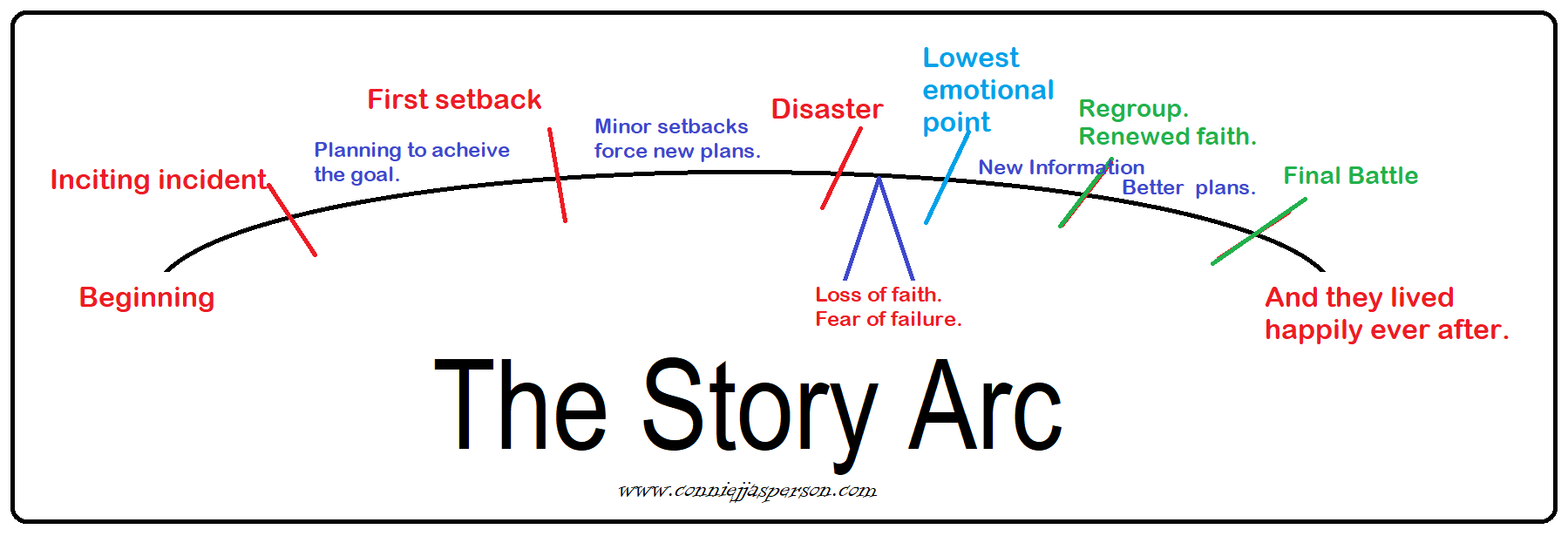
  • The end of one scene is the launching pad for the next scene, propelling the story arc.

The clues I offer at the beginning are foreshadowing. Through the book’s first half, foreshadowing is important, as it piques the reader’s interest and makes them want to know how the book will end.

In the opening paragraphs, I will focus on the protagonists and hint at their problems. Subplots, if there are any, will be introduced after the inciting incident has taken place. They must relate to that incident in some way.

If you introduce side quests too soon, they are distracting. They make for a haphazard story arc if they don’t relate to the central quest. I think side quests work best if they are presented once the book’s tone and the central crisis have been established. Good subplots are excellent ways of introducing the emotional part of the story.

Even if I were to open the story by dropping my characters into the middle of an event, I’d need a pivotal event at the 1/4 mark that completely rocks their world. The event that changes everything is the core of the story.

Following the inciting incident is the second act: more action occurs, leading to more trouble and rising to a severe crisis.

I know how long I plan the book to be. I will take that word count and divide it by 4. I place the first significant event in the first quarter, presenting it after I introduce the characters. The following two quarters form the second act, the middle. If I have plotted well, the middle of the story arc should fall into place like dominoes.

We’ll talk about that in my next post.

storyArcLIRF10032021

3 Comments

Filed under writing

About foreshadowing #amwriting

Today marks the halfway point for NaNoWriMo 2021. Many writers are working on the first draft of a new manuscript. Others are revising last year’s novel and rearranging the story’s events and writing new scenes.

NaNoWriMoMemeForeshadowing is integral to a well-plotted story.

Those of us who have been working from an outline may have included some in the planning stage. For authors who wing it, this happens on a subconscious level, but it does happen.

But what is foreshadowing? It is the subtle warning that all is not what it seems, a few clues embedded in the first quarter of the story to subliminally alert the reader that things may not go well for the protagonist. We include small warning signs of future events, bait, if you will, to lure the reader and keep them reading.

In the first draft, we commit certain sins of craftsmanship, road signs for us to examine in the second draft:

  1. Clumsy foreshadowing, baldly stating what is going to happen later.
  2. Neglecting to foreshadow so that events arrive out of nowhere.

Recognizing those signals can be a challenge, but that is where writing craft comes into play.

When a possibility is briefly, almost offhandedly mentioned, but almost immediately overlooked or ignored by the protagonists, that is a form of foreshadowing.

Some readers will miss the suggested possibility just as the unsuspecting characters do. Other readers will guess what is going on.

If the narrative is well-written, readers will stick with it as they will want to see how it plays out.

We are subtle with foreshadowing because we want readers to feel surprised when all the pieces fall into place. We want to reward the reader with a moment when they can say, “I should have seen that coming.”

Now is an opportune time to hone our foreshadowing skills. This helps avoid using the clumsy Deus Ex Machina (pronounced: Day-us ex Mah-kee-nah) (God from the Machine) as a way to miraculously resolve an issue.

  • A Deus Ex Machina occurs when, toward the end of the narrative, an author inserts a new event, character, ability, or otherwise resolves a seemingly insoluble problem in a sudden, unexpected way.
  • Foreshadowing also helps us avoid the opposite ungainly device, the Diabolus Ex Machina (Demon from the machine). This is the bad guy’s counterpart.

When an author suddenly realizes the evil his character faces isn’t evil enough, we may see the sudden introduction of an unexpected new event, character, ability, or weapon. The intent is to ensure things suddenly get much worse for the protagonists, but it falls flat.

As a reader, I hate it when a character suddenly gets a new skill or knowledge without explanation. When this happens, it’s usually explained away as a Chekhov’s Skill.

A casual mention early on of the characters using or training that skill will resolve the situation. Without briefly foreshadowing that ability, the reader will assume the character doesn’t have it.

This is when the narrative becomes unbelievable.

Literature and the expectations of the reader are like everything else. Tastes evolve and change over the centuries.

In genre fiction today, a prologue may not be a place for foreshadowing. This is because modern readers don’t have the patience to wade through large chunks of exposition dumped in the first pages of a novel.

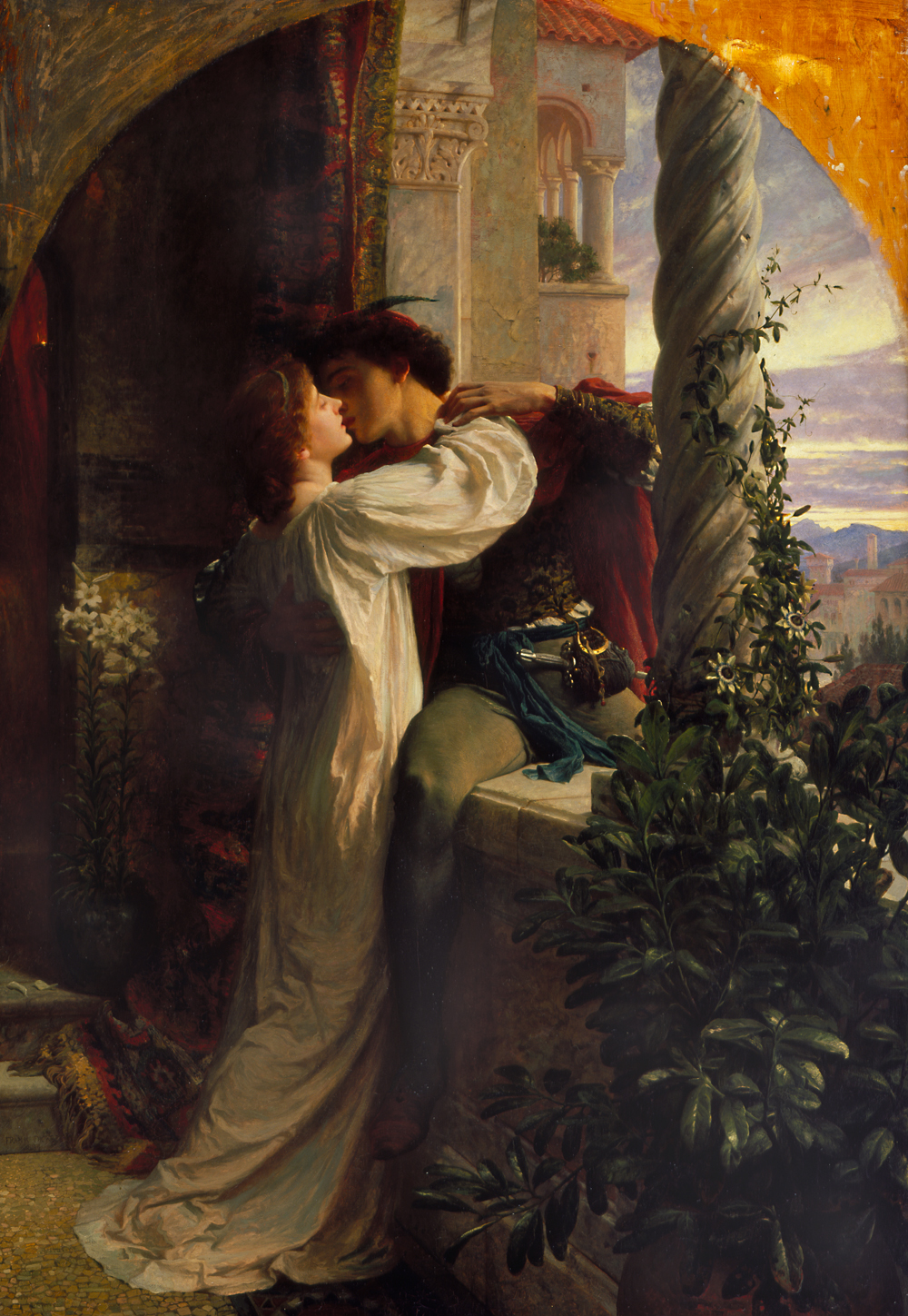
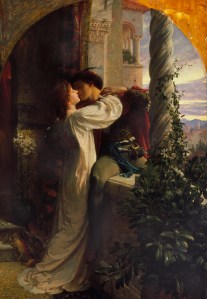
DickseeRomeoandJulietI often refer to the way that Shakespeare used both exposition and foreshadowing. In his works, more significant events are foreshadowed through the smaller events that precede them.

Let’s look at Romeo and Juliet and the scene where Benvolio tries to talk Romeo out of his infatuation with Rosaline.

“Take thou some new infection to thy eye,

And the rank poison of the old will die.” 

In other words, “Bro, the minute you see a different girl, you’ll forget this one.”

Benvolio’s advice proves correct because as soon as Romeo lays eyes on Juliet, he forgets his obsession with Rosaline and is fixated on his mortal enemy’s daughter.

And again, later, when Benvolio brings the news that Mercutio is dead, Romeo says,

“This day’s black fate on more days doth depend; 

This but begins the woe, others must end.”

Romeo predicts that Mercutio’s death is only the beginning, that disaster looms for everyone. He feels as if he is racing toward an unknown future.

William_Shakespeare_-_First_Folio_1623In that moment, we see that Romeo is deeply aware that he has reached a point of no return.

He will fight Tybalt to avenge Mercutio because his society requires it. Therefore, he must duel but is fully aware that killing Tybalt won’t resolve anything. Instead, the murder will only perpetuate the problem.

Romeo has seen the foreshadowing and knows he is no longer in control of his fate.

Inserting slight hints of what is to come into your narrative gives the protagonists an indication of where to go next.

It tantalizes a reader and keeps them turning the page, and that is our goal.


Credits and Attributions

Romeo and Juliet, by Frank Bernard Dicksee, 1884 Public domain, via Wikimedia Commons

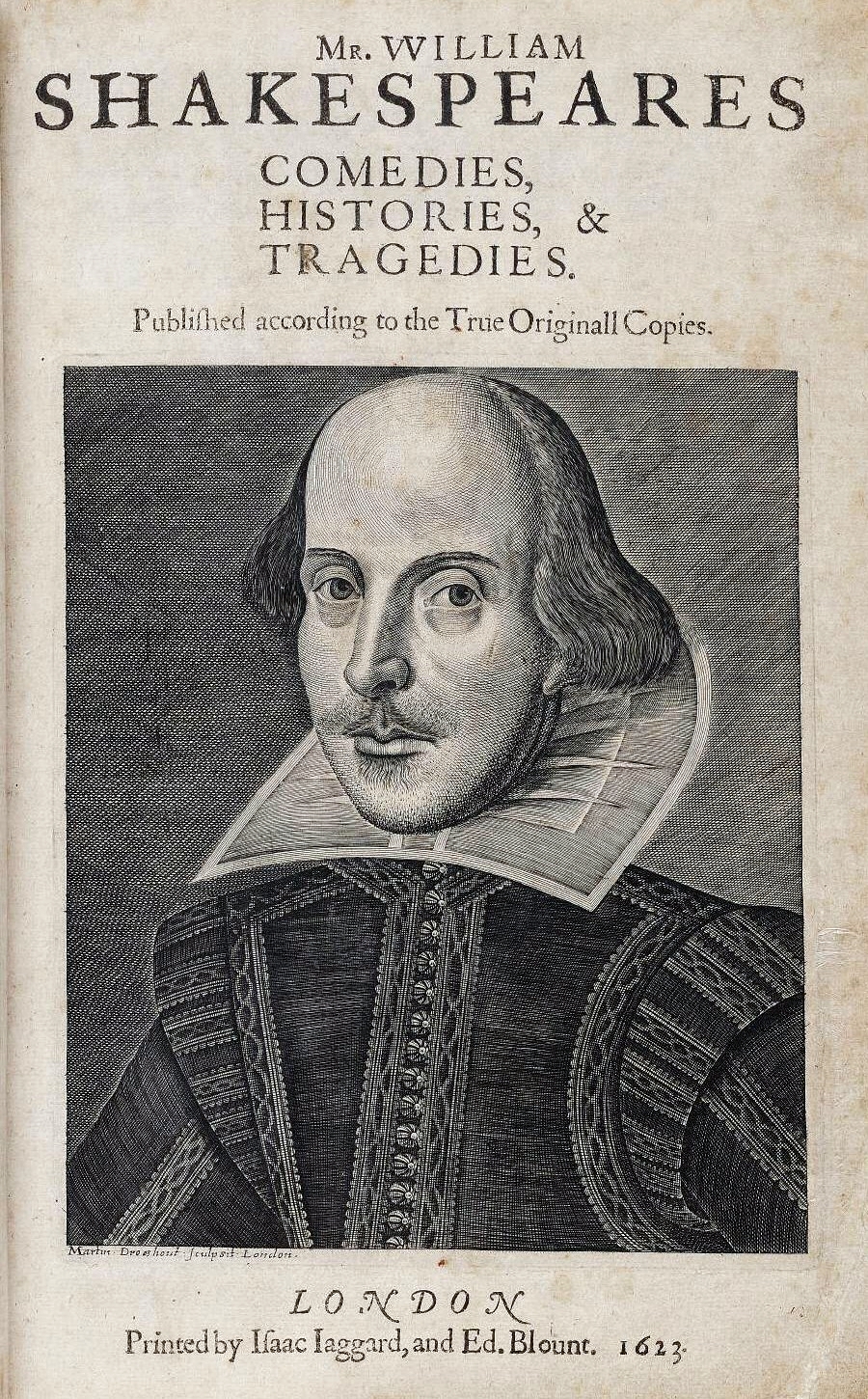
First Folio of William Shakespeare’s Plays, 1623 by William Shakespeare, Public domain, via Wikimedia Commons

Comments Off on About foreshadowing #amwriting

Filed under writing

Foreshadowing #nanowrimo2020 #amwriting

November is half over, and we are on the downward slide for NaNoWriMo 2020. This is a good time to think about where you are taking your story.

Good foreshadowing is crucial. Suppose you have been working from an outline. In that case, you should have a few clues embedded in the first quarter of the story to subliminally alert the reader that things are not what they seem. These are little warning signs of future events.
For those who wing it, this happens on a subconscious level, but it does happen. Clumsy foreshadowing or neglecting to foreshadow are things we do when laying down our story’s first draft.

Recognizing those signals can be a challenge unless you have a plan.

When a possibility is briefly, almost offhandedly mentioned, but almost immediately overlooked or ignored by the protagonists, that is foreshadowing.

Some readers will miss the suggested possibility just as the unsuspecting characters do. Other readers will guess what is going on.

We subtly insert small hints, little offhand references to future events. If the narrative is well-written, readers will stick with it as they will want to see how it plays out.

The most crucial aspect of foreshadowing is the surprise when all the pieces fall into place. This is the moment when the reader says, “I should have seen that coming.”

We have many reasons to pursue good foreshadowing skills. In my opinion, the most important is that it helps avoid using the clumsy Deus Ex Machina (pronounced: Day-us ex Mah-kee-nah) (God from the Machine) as a way to miraculously resolve an issue.

A Deus Ex Machina occurs when, toward the end of the narrative, an author inserts a new event, character, ability, or otherwise resolves a seemingly insoluble problem in a sudden, unexpected way.

Foreshadowing also helps us avoid the opposite ungainly device, the Diabolus Ex Machina (Demon from the machine). This is the bad guy’s counterpart to the Deus Ex Machina.

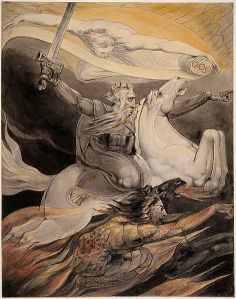
Death on a Pale Horse, William Blake c. 1800 (via Wikimedia Commons)

That occurs when the author suddenly realizes the evil his character faces isn’t evil enough. We see the sudden introduction of an unexplained new event, character, ability, or object designed to ensure things suddenly get much worse for the protagonists.

As a reader, I hate it when a character suddenly develops a new skill or knowledge without explanation. When this happens, it’s usually explained away as a Chekhov’s Skill.

You need to mention previous examples of the characters using or training that skill. Without briefly foreshadowing that ability, the reader will assume the character doesn’t have it.

This is when the narrative becomes unbelievable.

Literature and the expectations of the reader are like everything else. They evolve and change over the centuries.

In genre fiction today, a prologue may or may not be a place for foreshadowing. This is because modern readers don’t have the patience to wade through large chunks of exposition dumped in the first pages of a novel.

Shakespeare used both exposition and foreshadowing. Larger events may be foreshadowed through the smaller events that precede them.
Let’s look at Romeo and Juliet and the scene where Benvolio is trying to talk Romeo out of his infatuation for Rosaline.

“Take thou some new infection to thy eye,

And the rank poison of the old will die.” 

In other words, “The minute you see a different girl, you’ll forget this one, Bro.”

Benvolio’s advice proves to be correct because as soon as Romeo lays eyes on Juliet, he forgets his obsession with Rosaline.

And again, later, when Benvolio brings the news that Mercutio is dead, Romeo says,

“This day’s black fate on more days doth depend; 

This but begins the woe, others must end.”

Romeo is predicting that Mercutio’s death is a disaster for everyone and feels as if he is racing toward an unknown future.

In that moment, we see that Romeo is deeply aware that he has reached a point of no return.

He will fight Tybalt to avenge Mercutio because his society requires it. Therefore, he must duel but is fully aware that killing Tybalt won’t resolve anything. Instead, the murder will only perpetuate the problem.

Romeo has seen the foreshadowing and knows he is no longer in control of his fate.

Inserting small hints of what is to come into your narrative gives the protagonists an indication of where to go next.

It tantalizes a reader and keeps them turning the page.


Credits and Attributions:

Wikimedia Commons contributors, “File:DickseeRomeoandJuliet.jpg,” Wikimedia Commons, the free media repository, https://commons.wikimedia.org/w/index.php?title=File:DickseeRomeoandJuliet.jpg&oldid=431079125 (accessed November 17, 2020).

Painting: Death on a Pale Horse, Commissioned from Blake and acquired by Thomas Butts c. 1800 (via Wikimedia Commons)

9 Comments

Filed under writing

#FineArtFriday: A Christmas Carol, revisited

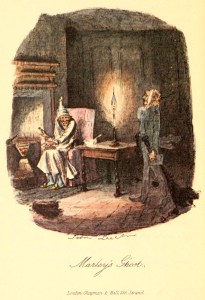
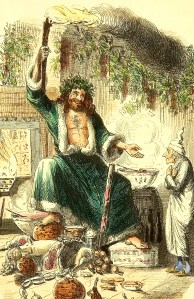
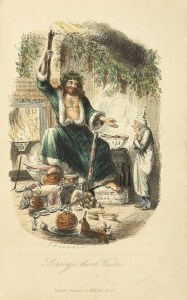
Today’s images are two illustrations by John Leech from the first edition of A Christmas Carol, by Charles Dickens,  published in book form in 1843.  The body of this post first appeared here on Dec, 23, 2015. This is the first time I have included the original art of John Leech, which Dickens himself chose to include in the book.

From Wikipedia: John Leech (29 August 1817 – 29 October 1864 in London) was a British caricaturist and illustrator.[1] He is best known for his work for Punch, a humorous magazine for a broad middle-class audience, combining verbal and graphic political satire with light social comedy. Leech catered to contemporary prejudices, such as anti-Americanism and antisemitism and supported acceptable social reforms. Leech’s critical yet humorous cartoons on the Crimean War help shape public attitudes toward heroism, warfare, and Britons’ role in the world.[2][3]

Four of John Leech’s etchings were included in the first edition of A Christmas Carol.


Another Christmas is about to join the Ghosts of Christmas Past–although, until December 26th, it is still the Ghost of Christmas Present. And as always, I want to talk about my favorite Christmas story of all time, A Christmas Carol, by Charles Dickens.

Charles Dickens was a master when it came to creating marvelous hooks and using heavy foreshadowing. Let’s have a look at the first lines of this tale:

“Marley was dead, to begin with. There is no doubt whatever about that. The register of his burial was signed by the clergyman, the clerk, the undertaker, and the chief mourner. Scrooge signed it. And Scrooge’s name was good upon ‘Change for anything he chose to put his hand to. Old Marley was as dead as a doornail.”

In that first paragraph, Dickens  tosses out the bait, sinking the hook, and landing the fish (the reader) by foreshadowing the first plot point of the story–the visitation by Marley’s ghost. We want to know why Marley’s definite state of decay was so important that the conversation between you the reader, and Dickens the author, was launched with that topic.

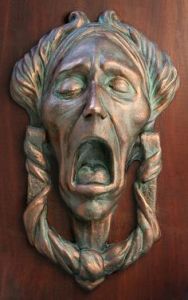
He picks it up and does it again several pages later, with the little scene involving the door-knocker, where Scrooge sees the face of his late business partner superimposed over the knocker.

At this point we’ve followed Scrooge through several scenes introducing the subplots. We have met the man who, as yet, is named only as ‘the clerk’ in the original manuscript, but whom we will later know to be Bob Cratchit, and we’ve met Scrooge’s nephew, Fred.

These subplots are critical, as our man Scrooge’s redemption revolves around the ultimate resolution of these two separate mini-stories–he must witness the joy and love in Cratchit’s family, who are suffering but happy in the midst of grinding poverty for which Scrooge bears a responsibility. We see that his nephew, Fred, though orphaned is well off in his own right, but craves a relationship with his uncle with no thought or care of what he might gain from it financially.

All the characters are in place. We’ve seen the city, cold and dark, with danger lurking in the shadows. We’ve observed the way Scrooge interacts with everyone around him, strangers and acquaintances alike. Now we come to the first plot point in Dickens’ story arc–Marley’s visitation. This is where the set-up ends and the story begins to take off.

I love tales of redemption–and A Christmas Carol by Charles Dickens remains one of the most beloved tales of redemption in the Western canon. Written in  1843 as a serialized novella, A Christmas Carol continues to inspire adaptations, in both movies and books.

This is a short tale, but it is a deeply moving allegory of the Christian concept of redemption that remains pertinent in modern society.

In this tale, Dickens asks you to recognize the plight of those whom the Industrial Revolution has displaced and driven into poverty, and the obligation of society to provide for them humanely. This is a concept our society continues to struggle with, and perhaps will for a long time to come.

It is that deep, underlying call for compassion that resonates down through the centuries, a call that is, unfortunately, timeless.


Credits and Attributions:

The Art of Foreshadowing: Charles Dickens, first appeared here on Life in the Realm of Fantasy, on Dec. 23, 2015.

Wikipedia contributors, “John Leech (caricaturist),” Wikipedia, The Free Encyclopedia, https://en.wikipedia.org/w/index.php?title=John_Leech_(caricaturist)&oldid=871947694 (accessed December 21, 2018).

Wikimedia Commons contributors, “File:Christmascarol1843 — 040.jpg,” Wikimedia Commons, the free media repository, https://commons.wikimedia.org/w/index.php?title=File:Christmascarol1843_–_040.jpg&oldid=329166198 (accessed December 21, 2018)

A colourised edit of an engraving of Charles Dickens’ “Ghost of Christmas Present” character, by John Leech in 1843. Wikimedia Commons contributors, “File:Ghost of Christmas Present John Leech 1843.jpg,” Wikimedia Commons, the free media repository, https://commons.wikimedia.org/w/index.php?title=File:Ghost_of_Christmas_Present_John_Leech_1843.jpg&oldid=329172654 (accessed December 21, 2018).


2 Comments

Filed under #FineArtFriday, writing

Thoughts on “A Christmas Carol” by Charles Dickens #MerryChristmas

Thoughts on “A Christmas Carol” was first published here on Life in the Realm of Fantasy, Dec. 15, 2014 under the title, A Christmas Carol–what I’ve learned from Charles Dickens. Because I adore the works of Charles Dickens, and especially love A Christmas Carol, I reprint this article every year during the week before Christmas. It has become my little Christmas card to you and to the world.


Charles Dickens was a master at creating marvelous hooks and using heavy foreshadowing. Let’s take the first line of my favorite Christmas story of all time, A Christmas Carol. I love each and every version of it, will watch any movie version I can get my hands on:

“Marley was dead, to begin with. There is no doubt whatever about that. The register of his burial was signed by the clergyman, the clerk, the undertaker, and the chief mourner. Scrooge signed it. And Scrooge’s name was good upon ‘Change for anything he chose to put his hand to. Old Marley was as dead as a doornail.”

I hear a great deal of argument about how modern 21st century genre-fiction is nothing but sixty-second soundbites and bursts of action jammed together in dumbed-down prose.  I hate to say this, but that has been true of popular fiction for centuries–and if you look at this tale, you will see what I mean. The popular prose, at the time it was written, was more descriptive and leisurely than we enjoy nowadays, but even so, the popular tales leaped straight to the action.

In that first paragraph, Dickens tosses out the bait, sinking the hook, and landing the fish (the reader) by foreshadowing the first plot point of the story–the visitation by Marley’s ghost. We want to know why Marley’s definite state of decay was so important that the conversation between you the reader, and Dickens, the author, was launched with that topic.

He picks it up and does it again several pages later, with the little scene involving the door-knocker:

“Now, it is a fact, that there was nothing at all particular about the knocker on the door, except that it was very large.  It is also a fact, that Scrooge had seen it, night and morning, during his whole residence in that place; also that Scrooge had as little of what is called fancy about him as any man in the city of London, even including — which is a bold word — the corporation, aldermen, and livery.  Let it also be borne in mind that Scrooge had not bestowed one thought on Marley, since his last mention of his seven years’ dead partner that afternoon.  And then let any man explain to me, if he can, how it happened that Scrooge, having his key in the lock of the door, saw in the knocker, without its undergoing any intermediate process of change — not a knocker, but Marley’s face. 

“Marley’s face.  It was not in impenetrable shadow as the other objects in the yard were, but had a dismal light about it, like a bad lobster in a dark cellar.  It was not angry or ferocious, but looked at Scrooge as Marley used to look: with ghostly spectacles turned up on its ghostly forehead.  The hair was curiously stirred, as if by breath or hot air; and, though the eyes were wide open, they were perfectly motionless.  That, and its livid colour, made it horrible; but its horror seemed to be in spite of the face and beyond its control, rather than a part or its own expression.

“As Scrooge looked fixedly at this phenomenon, it was a knocker again.”

You must admit, it’s a huge thing for a man of as limited an imagination as Scrooge was known to have, to suddenly see his dead friend staring back at him.

This is also the second foreshadowing of the events that will follow and makes the reader want to know what will happen next.

At this point, we’ve followed Scrooge through several scenes introducing the subplots. We have met the man who, at this point, is named only as ‘the clerk’ in the original manuscript, but whom we will later know to be Bob Cratchit, and we’ve met Scrooge’s nephew, Fred. These two subplots are critical, as our man Scrooge’s redemption revolves around the ultimate resolution of these disparate mini-stories—he must witness the joy and love in Cratchit’s family, who are suffering but happy despite the grinding poverty for which Scrooge bears responsibility.

We see that his nephew, Fred, though orphaned is well enough off in his own right, but craves a relationship with his uncle with no thought or care of what he might gain from it financially.

All the characters are in place. We’ve seen the city, cold and dark, with danger lurking in the shadows. We’ve observed the way Scrooge interacts with everyone around him, strangers and acquaintances alike.

Now we come to the first plot point–Marley’s visitation. This is where the set-up ends, and the story takes off.

Dickens raises the tension. The bells begin ringing for no apparent reason and “The cellar-door flew open with a booming sound, and then he heard the noise much louder, on the floors below; then coming up the stairs; then coming straight towards his door.

Scrooge, of course, is dismayed and tries to deny the strange happenings. He desperately clings to his view of reality.

“It’s humbug still!” said Scrooge.  “I won’t believe it.”

However, he can’t deny this phenomenon forever and refusing to recognize it won’t make it go away.

“Though he looked the phantom through and through, and saw it standing before him; though he felt the chilling influence of its death-cold eyes; and marked the very texture of the folded kerchief bound about its head and chin, which wrapper he had not observed before: he was still incredulous, and fought against his senses.

“How now!” said Scrooge, caustic and cold as ever. “What do you want with me?”

This is the turning point, the place where Ebenezer Scrooge is faced with a situation in which he will either succeed or fail and what will happen to him, the reader can’t guess. A deep sense of mystery now surrounds this miserly old man–what could possibly be so important about him that a man he cared so little for in life would go to such trouble as to return from the grave to save him?

In 1843 Charles Dickens showed us how to write a compelling tale that would last for generations. We start with the hook, use foreshadowing, introduce the subplots that ultimately support the structure of the tale, and arrive at the first plot point–these are the things that make up the first quarter of this timeless tale. Get these properly in line, and your story will intrigue the reader, involving them to the point they don’t want to set the book down.


Credits and Attributions:

Passages quoted from  A Christmas Carol. In Prose. Being a Ghost Story of Christmas, by Charles Dickens, With Illustrations by John Leech. London: Chapman & Hall, 1843. First edition. PD|100

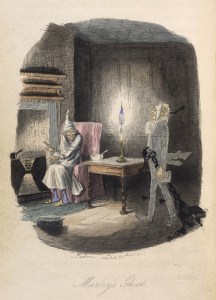
Marley’s Ghost, and Scrooge’s third visitor. These images are two of four hand-coloured etchings included in the first edition. There were also four black and white engravings. Date1843. PD|100. John Leech [Public domain], via Wikimedia Commons

Merry Christmas to you and to your loved ones from me, and my favorite author, Charles Dickens!

2 Comments

Filed under writing

#MerryChristmas: Thoughts on “A Christmas Carol”

achristmascarol1999coverCharles Dickens was a master at creating marvelous hooks and using heavy foreshadowing. Let’s take the first line of my favorite Christmas story of all time,  A Christmas Carol. I love each and every version of it, will watch any movie version I can get my hands on:

“Marley was dead, to begin with. There is no doubt whatever about that. The register of his burial was signed by the clergyman, the clerk, the undertaker, and the chief mourner. Scrooge signed it. And Scrooge’s name was good upon ‘Change for anything he chose to put his hand to. Old Marley was as dead as a doornail.”

I hear a great deal of argument about how modern 21st century genre-fiction is nothing but sixty-second soundbites and bursts of action jammed together in dumbed-down prose.  I hate to say this, but that has been true of popular fiction for centuries–and if you look at this tale, you will see what I mean. The popular prose, at the time it was written, was more descriptive and leisurely than we enjoy nowadays, but even so, the really popular tales leaped straight to the action.

In that first paragraph, Dickens tosses out the bait, sinking the hook, and landing the fish (the reader) by foreshadowing the first plot point of the story–the visitation by Marley’s ghost. We want to know why Marley’s definite state of decay was so important that the conversation between you the reader, and Dickens, the author, was launched with that topic.

He picks it up and does it again several pages later, with the little scene involving the door-knocker: “Now, it is a fact, that there was nothing at all particular about the knocker on the door, except that it was very large.  It is also a fact, that Scrooge had seen it, night and morning, during his whole residence in that place; also that Scrooge had as little of what is called fancy about him as any man in the city of London, even including — which is a bold word — the corporation, aldermen, and livery.  Let it also be borne in mind that Scrooge had not bestowed one thought on Marley, since his last mention of his seven years’ dead partner that afternoon.  And then let any man explain to me, if he can, how it happened that Scrooge, having his key in the lock of the door, saw in the knocker, without its undergoing any intermediate process of change — not a knocker, but Marley’s face. 

Faux Marley Door Knocker“Marley’s face.  It was not in impenetrable shadow as the other objects in the yard were, but had a dismal light about it, like a bad lobster in a dark cellar.  It was not angry or ferocious, but looked at Scrooge as Marley used to look: with ghostly spectacles turned up on its ghostly forehead.  The hair was curiously stirred, as if by breath or hot air; and, though the eyes were wide open, they were perfectly motionless.  That, and its livid colour, made it horrible; but its horror seemed to be in spite of the face and beyond its control, rather than a part or its own expression.

“As Scrooge looked fixedly at this phenomenon, it was a knocker again.”

You have to admit, it’s a huge thing for a man of as limited an imagination as Scrooge was known to have, to suddenly see his dead friend staring back at him.

This is also the second foreshadowing of the events that will follow and makes the reader want to know what will happen next.

At this point, we’ve followed Scrooge through several scenes introducing the subplots. We have met the man who, as yet, is named only as ‘the clerk’ in the original manuscript, but whom we will later know to be Bob Cratchit, and we’ve met Scrooge’s nephew, Fred. These subplots are critical, as our man Scrooge’s redemption revolves around the ultimate resolution of these two separate mini-stories–he must witness the joy and love in Cratchit’s family, who are suffering but happy in the midst of grinding poverty for which Scrooge bears responsibility.

We see that his nephew, Fred, though orphaned is well enough off in his own right, but craves a relationship with his uncle with no thought or care of what he might gain from it financially.

All the characters are in place. We’ve seen the city, cold and dark, with danger lurking in the shadows. We’ve observed the way Scrooge interacts with everyone around him, strangers and acquaintances alike.

Now we come to the first plot point–Marley’s visitation. This is where the set-up ends and the story takes off.

Dickens raises the tension. The bells begin ringing for no apparent reason and “The cellar-door flew open with a booming sound, and then he heard the noise much louder, on the floors below; then coming up the stairs; then coming straight towards his door.

Scrooge, of course, is dismayed and tries to deny the strange happenings. He desperately clings to his view of reality.”It’s humbug still!” said Scrooge.  “I won’t believe it.”

However, he can’t deny this phenomenon forever and refusing to recognize it won’t make it go away. “Though he looked the phantom through and through, and saw it standing before him; though he felt the chilling influence of its death-cold eyes; and marked the very texture of the folded kerchief bound about its head and chin, which wrapper he had not observed before: he was still incredulous, and fought against his senses.

“How now!” said Scrooge, caustic and cold as ever. “What do you want with me?”

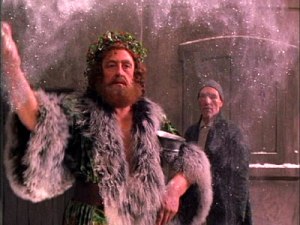
1999-xmas-present Desmond BarritThis is the turning point, the place where Ebenezer Scrooge is faced with a situation in which he will either succeed or fail and what will happen to him, the reader can’t guess. A deep sense of mystery now surrounds this miserly old man–what could possibly be so important about him that a man he cared so little for in life would go to such trouble as to return from the grave to save him?

In 1843 Charles Dickens showed us how to write a compelling tale that would last for generations. We start with the hook, use foreshadowing, introduce the subplots that ultimately support the structure of the tale, and arrive at the first plot point–these are the things that make up the first quarter of this timeless tale. Get these properly in line, and your story will intrigue the reader, involving them to the point they don’t want to set the book down.


Thoughts on “A Christmas Carol” was first published by Connie J. Jasperson here on Life in the Realm of Fantasy, Dec. 15, 2014 under the title, A Christmas Carol–what I’ve learned from Charles Dickens. It was true then, and it’s true today!

7 Comments

Filed under #FlashFictionFriday, writing

#amwriting: the importance of foreshadowing

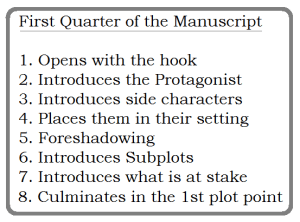
Elements of the Story 1st Quarter of the MSForeshadowing is part of the craft of writing, and is a useful tool a when an author is writing fiction. It is a critical trope when writing fantasy. In the first quarter of the story, you should have a few clues embedded in the narrative, something to subliminally alert the reader, little warnings signs of future events.

The key to good foreshadowing is to not spoil the surprise, yet allow the reader to say in retrospect, “I should have seen that coming.”

We insert small hints, little offhand references to future events, briefly, almost offhandedly mentioned, but almost immediately overlooked or ignored. Some readers will fail to notice the suggested possibility just as the unsuspecting characters do, and others will guess what is going on. In a well-written narrative, both kinds of readers will stick with it as they will want to see how it plays out.

We have many reasons to pursue good foreshadowing skills. They help us to avoid inadvertently employing the clumsy Deus Ex Machina (pronounced: Day-us ex Mah-kee-nah) (God from the Machine) to miraculously resolve an issue. A Deus Ex Machina occurs when, toward the end of the narrative, an author inserts a new event, character, ability, or otherwise resolves a seemingly insoluble problem in a sudden, unexpected way.

Then, there is the opposite ungainly literary device: the Diabolus Ex Machina (Demon from the machine). This is the bad guy’s counterpart to the Deus Ex Machina. In this instance, the author suddenly realizes the evil his character faces isn’t evil enough and wham! We see the sudden introduction of an unexpected new event, character, ability, or object designed to ensure things suddenly get much worse for the protagonists.

We have to avoid cases where a character suddenly gets a new skill or knowledge without explanation. In screenplays and TV shows, when a character suddenly gets a new skill without explanation, it’s usually explained away as a Chekhov’s Skill.

In a book, you need to mention prior examples of the characters using, or having received training in that skill. If you don’t briefly foreshadow it, the character doesn’t have it. If the reader realizes the character never possessed that skill before, it becomes unbelievable.

Wm Shakespeare author central portraitHow has literature and the expectations of the reader changed over the centuries? Nowadays, in genre fiction especially, a prologue may or may not be a place for foreshadowing, as modern readers don’t have the patience to wade through large chunks of exposition dumped in the first pages of a novel.

Consider William Shakespeare’s Romeo and Juliet, a play that is heavy with both exposition and foreshadowing. According to Philip Weller, Professor of English at Eastern Washington University, on his site, http://www.shakespeare-navigators.com:

“Technically, the Prologue (of Romeo and Juliet) is not foreshadowing. Foreshadowing hints at what will happen later, but in the Prologue, the Chorus doesn’t hint — he tells. The second quatrain of the Chorus’ sonnet sums up the plot of the play:


From forth the fatal loins of these two foes

A pair of star-cross’d lovers take their life;

Whose misadventured piteous overthrows

Do with their death bury their parents’ strife (Prologue 5-8)


“The next quatrain repeats the same message, and because this message is hammered home early, the later foreshadowings in the play are ominously recognizable.” (end quoted text.)

There is a difference between foreshadowing and telling. How does Shakespeare foreshadow the larger events? Larger events may be foreshadowed through the smaller events that precede them. Again, we will examine Romeo and Juliet. Early in the first act, when Benvolio is trying to talk Romeo out of his infatuation for Rosaline, he tells him,
“Take thou some new infection to thy eye,

And the rank poison of the old will die.”  

As we see later, Benvolio’s advice is correct because as soon as Romeo lays eyes on Juliet, his obsession with Rosaline disappears. More foreshadowing occurs later, in the third act, when Benvolio brings the news that Mercutio is dead. Romeo says,

“This day’s black fate on more days doth depend;  

This but begins the woe, others must end.”

Again, Philip Weller explains,

“It’s as if Romeo is envisioning the death of Mercutio as a dark thunderhead, racing across the sky above him and into the unknown future. Romeo knows he has reached a point of no return; he will fight Tybalt to avenge Mercutio, but he knows that won’t be the end of anything. Then, after he has fought and killed Tybalt, cries out, “O, I am fortune’s fool!” (3.1.136). Here “fool” means “plaything” or “dupe.” Romeo knows he is no longer in control of his fate. (end quoted text.)

William Shakespeare understood the difference between foreshadowing and telling the story, and he made use of both techniques to good advantage.

Modern authors writing genre fiction must be gentler with their foreshadowing than Shakespeare was required to be. Foreshadowing should be woven into the narrative in such a way that the story flows smoothly, allowing the reader to remain immersed, but tantalizing them with hints that will keep them reading.

ok to write garbage quote c j cherryhSmoothness is the key word here. I’ve seen manuscripts that seem schizophrenic as if they were “Frankensteined” together. The author begins by telling one story, and somewhere around the middle, we find ourselves reading a completely different novel as if it were two manuscripts inexpertly sewn together and reworked into one. Foreshadowing, if there was any, seemed like a thread to nowhere.

Clumsy foreshadowing, or neglecting to foreshadow are things we do when laying down the first, rough draft, of our story. These flaws are a fundamental part of the creative process and are why we never publish a rough draft. Let it rest for several weeks and work on something else, then come back to it. In the second draft we check for, and iron out, these kinds of issues. During the second draft, if you have used subtle foreshadowing in advance of the events (usually in the first quarter of the story arc, before the first plot-point) the novel really begins to take shape.


Weller, Philip. Romeo and Juliet Navigator.

Shakespeare Navigators, n.d. Web. 20 Sept. 2016.
<http://shakespearenavigators.com/romeo/index.html>

>>><<<

Shakespeare, William. Romeo and Juliet. Ed. Philip Weller.

Hamlet Navigator. Shakespeare Navigators, n.d.
Web. 20 Sept. 2016. <http://shakespearenavigators.com/romeo/index.html>

3 Comments

Filed under writing

#amwriting: The Art of Foreshadowing: Charles Dickens

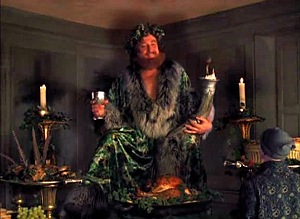
Ghost of Xmas Present[ Desmond BarrittAnother Christmas is about to join the Ghosts of Christmas Past–although, until December 26th, it is still the Ghost of Christmas Present. And as always, I want to talk about my favorite Christmas story of all time, A Christmas Carol, by Charles Dickens.

Charles Dickens was a master when it came to creating marvelous hooks and using heavy foreshadowing. Let’s have a look at the first lines of this tale:

“Marley was dead, to begin with. There is no doubt whatever about that. The register of his burial was signed by the clergyman, the clerk, the undertaker, and the chief mourner. Scrooge signed it. And Scrooge’s name was good upon ‘Change for anything he chose to put his hand to. Old Marley was as dead as a doornail.”

In that first paragraph, Dickens  tosses out the bait, sinking the hook, and landing the fish (the reader) by foreshadowing the first plot point of the story–the visitation by Marley’s ghost. We want to know why Marley’s definite state of decay was so important that the conversation between you the reader, and Dickens the author, was launched with that topic.

1999-xmas-present Desmond BarritHe picks it up and does it again several pages later, with the little scene involving the door-knocker, where Scrooge sees the face of his late business partner superimposed over the knocker.

At this point we’ve followed Scrooge through several scenes introducing the subplots. We have met the man who, as yet, is named only as ‘the clerk’ in the original manuscript, but whom we will later know to be Bob Cratchit, and we’ve met Scrooge’s nephew, Fred.

These subplots are critical, as our man Scrooge’s redemption revolves around the ultimate resolution of these two separate mini-stories–he must witness the joy and love in Cratchit’s family, who are suffering but happy in the midst of grinding poverty for which Scrooge bears a responsibility. We see that his nephew, Fred, though orphaned is well off in his own right, but craves a relationship with his uncle with no thought or care of what he might gain from it financially.

All the characters are in place. We’ve seen the city, cold and dark, with danger lurking in the shadows. We’ve observed the way Scrooge interacts with everyone around him, strangers and acquaintances alike. Now we come to the first plot point in Dickens’ story arc–Marley’s visitation. This is where the set-up ends and the story begins to take off.

christmas-carol-1999-patrick-stewart-scrooge-desmond-barrit-ghost-of-christmas-presentI love tales of redemption–and A Christmas Carol by Charles Dickens remains one of the most beloved tales of redemption in the Western canon. Written in  1843 as a serialized novella, A Christmas Carol continues to inspire adaptations, in both movies and books.

This is a short tale, but it is a deeply moving allegory of the Christian concept of redemption that remains pertinent in modern society.

In this tale, Dickens asks you to recognize the plight of those whom the Industrial Revolution has displaced and driven into poverty, and the obligation of society to provide for them humanely. This is a concept our society continues to struggle with, and perhaps will for a long time to come.

It is that deep, underlying call for compassion that resonates down through the centuries, a call that is, unfortunately, timeless.

Comments Off on #amwriting: The Art of Foreshadowing: Charles Dickens

Filed under Fantasy, Literature, writing

A Christmas Carol–what I’ve learned from Charles Dickens

1024px-Charles_Dickens-A_Christmas_Carol-Title_page-First_edition_1843Charles Dickens was a master at creating marvelous hooks and using heavy foreshadowing. Let’s take the first line of my favorite Christmas story of all time,  A Christmas Carol. I love each and every version of it, will watch any movie version I can get my hands on:

“Marley was dead, to begin with. There is no doubt whatever about that. The register of his burial was signed by the clergyman, the clerk, the undertaker, and the chief mourner. Scrooge signed it. And Scrooge’s name was good upon ‘Change for anything he chose to put his hand to. Old Marley was as dead as a doornail.”

I hear a great deal of argument about how modern 21st century genre-fiction is nothing but sixty-second soundbites and bursts of action jammed together in dumbed-down prose.  I hate to say this, but that has been true of popular fiction for centuries–and if you look at this tale, you will see what I mean. The popular prose, at the time it was written, was more descriptive and leisurely than we enjoy nowadays, but even so, the really popular tales leaped straight to the action.

Patrick Stewart - A Christmas CarolIn that first paragraph, Dickens  tosses out the bait, sinking the hook, and landing the fish (the reader) by foreshadowing the first plot point of the story–the visitation by Marley’s ghost. We want to know why Marley’s definite state of decay was so important that the conversation between you the reader, and Dickens the author, was launched with that topic.

He picks it up and does it again several pages later, with the little scene involving the door-knocker: “Now, it is a fact, that there was nothing at all particular about the knocker on the door, except that it was very large.  It is also a fact, that Scrooge had seen it, night and morning, during his whole residence in that place; also that Scrooge had as little of what is called fancy about him as any man in the city of London, even including — which is a bold word — the corporation, aldermen, and livery.  Let it also be borne in mind that Scrooge had not bestowed one thought on Marley, since his last mention of his seven years’ dead partner that afternoon.  And then let any man explain to me, if he can, how it happened that Scrooge, having his key in the lock of the door, saw in the knocker, without its undergoing any intermediate process of change — not a knocker, but Marley’s face. 

carol-disneyscreencaps_com-1887_gal“Marley’s face.  It was not in impenetrable shadow as the other objects in the yard were, but had a dismal light about it, like a bad lobster in a dark cellar.  It was not angry or ferocious, but looked at Scrooge as Marley used to look: with ghostly spectacles turned up on its ghostly forehead.  The hair was curiously stirred, as if by breath or hot air; and, though the eyes were wide open, they were perfectly motionless.  That, and its livid colour, made it horrible; but its horror seemed to be in spite of the face and beyond its control, rather than a part or its own expression.

“As Scrooge looked fixedly at this phenomenon, it was a knocker again.”

You have to admit, it’s a huge thing for a man of as limited an imagination as Scrooge was known to have, to suddenly see his dead friend staring back at him. This is also the second foreshadowing of the events that will follow, and makes the reader want to know what will happen next.

achristmascarol George C ScottAt this point we’ve followed Scrooge through several scenes introducing the subplots. We have met the man who, as yet, is named only as ‘the clerk’ in the original manuscript, but whom we will later know to be Bob Cratchit, and we’ve met Scrooge’s nephew, Fred. These subplots are critical, as our man Scrooge’s redemption revolves around the ultimate resolution of these two separate mini-stories–he must witness the joy and love in Cratchit’s family, who are suffering but happy in the midst of grinding poverty for which Scrooge bears a responsibility. We see that his nephew, Fred, though orphaned is well enough off in his own right, but craves a relationship with his uncle with no thought or care of what he might gain from it financially.

All the characters are in place. We’ve seen the city, cold and dark, with danger lurking in the shadows. We’ve observed the way Scrooge interacts with everyone around him, strangers and acquaintances alike. Now we come to the first plot point–Marley’s visitation. This is where the set-up ends and the story begins to take off.

Alastair Sims - A Christmas CarolDickens raises the tension, the bells begin ringing for no apparent reason and “The cellar-door flew open with a booming sound, and then he heard the noise much louder, on the floors below; then coming up the stairs; then coming straight towards his door.

Scrooge of course is dismayed and tries to deny the strange happenings. He desperately clings to his view of reality.”It’s humbug still!” said Scrooge.  “I won’t believe it.”

However, he can’t deny this phenomena forever, and refusing to recognize it won’t make it go away. Though he looked the phantom through and through, and saw it standing before him; though he felt the chilling influence of its death-cold eyes; and marked the very texture of the folded kerchief bound about its head and chin, which wrapper he had not observed before: he was still incredulous, and fought against his senses.

“How now!” said Scrooge, caustic and cold as ever. “What do you want with me?”

disneys a christmas carol jim careyThis is the turning point, the place where Ebenezer Scrooge is faced with a situation in which he will either succeed or fail, and what will happen to him, the reader can’t guess. A deep sense of mystery now surrounds this old miserly man–what could possibly be so important about him that a man he cared so little for in life would go to such trouble as to return from the grave to save him?

In 1843 Charles Dickens showed us how to write a compelling tale that would last for generations. We start with the hook, use foreshadowing, introduce the subplots that ultimately support the structure of the tale, and arrive at the first plot point–these are the things that make up first quarter of this timeless tale. Get these properly in line, and your story will intrigue the reader, involving them to the point they don’t want to set the book down.


2 Comments

Filed under Uncategorized