
Many people in my online community have asked for tips on self-editing. I don’t recommend it, as most people don’t have the tenacity to do a proper job of it. However, it can be done, so we’re revisiting a post from April of 2024 on effective self-editing. I hope this answers some questions!
As an editor, I saw every kind of mistake you can imagine, and before that, as a writer, I made them all. This is why I rely on an editor for my work. Irene sees the flaws that my eye skips over.
 When prepping a novel to send to Irene, I use a three-part method. This requires specific tools that come with Microsoft Word, my word-processing program. I believe these tools are available for Google Docs and every other word-processing program. Unfortunately, I am only familiar with Microsoft’s products as they are what the companies that I worked for used.
What follows are three steps that should eliminate most problems in a manuscript.
Part one: Beta Reading is the first look at a manuscript by someone other than the author. I suggest you don’t omit this step unless you can find no one who understands what you need. A good beta reader is a person who reads for pleasure and can gently express what they think about a story or novel. Also, look for a person who enjoys the genre of that particular story. Your beta reader should ask several questions of this first draft (feel free to give them the following list).
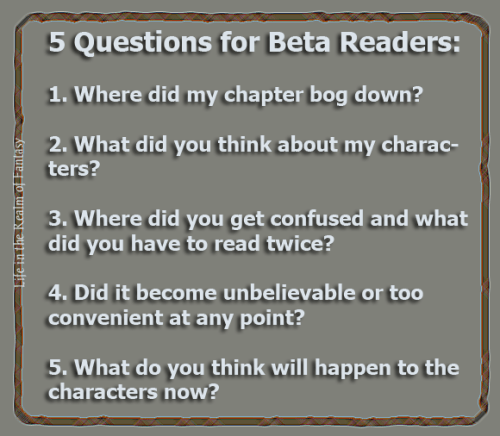 Part two: Once I have ironed out the rough spots noticed by my beta readers, this second stage is put into action. Yes, on the surface the manuscript looks finished, but it has only just begun the journey.
In Microsoft Word, on the Review Tab, I access the Read Aloud function and begin reading along with the mechanical voice. Yes, the narrator app is annoying and mispronounces words like “read,” which sound different and have different meanings depending on the context. However, this first tool alerts me to areas that were overlooked in the first stage of revisions.
 The most frustrating part is the continual stopping, making corrections, and starting.
I use this function rather than reading it aloud from the monitor, as the computer screen tricks the eye. I tend to see and read aloud what I think should be there rather than what is.
- I habitually key the word though when I mean through or lighting when I mean lightning. Each is a different word but is only one letter apart. Most (but not all) miss keyed words will leap out when you hear them read aloud.
- Most (but not all) run-on sentences stand out when you hear them read aloud.
- Most (but not all) inadvertent repetitions also stand out.
- Most of the time, hokey phrasing doesn’t sound as good as you thought it was.
- Most of the time, you hear where you have dropped words because you were keying so fast you skipped over including an article, like “the” or “a” before a noun.
This is a long process that involves a lot of stopping and starting. It takes me well over a week to get through an entire 90,000-word manuscript. I will have trimmed about 3,000 words by the end of this phase. I will have caught many typos and miss keyed words and rewritten many clumsy passages.
But I am not done.
Part three: the manual edit. This is where I make a physical copy and do the work the old-fashioned way.
Everything looks different when printed out, and you will see many things you don’t notice on the computer screen or hear when it is read aloud by the narrator app.
-

Illustration by Hugh Thomson representing Mr. Collins protesting that he never reads novels.
Open your manuscript. Make sure the pages are numbered in the upper right-hand corner.
- Print out the first chapter and either staple it together or use a binder clip. If you drop it, the pages will all be together in the proper order.
- Turn to the last page. Cover the page with another sheet of paper, leaving only the final paragraph visible.
- Starting with the final paragraph on the last page, begin reading, working your way forward.
- With a yellow highlighter, mark each place that needs revising.
- With a red pen/pencil, make notes in the margins to guide the revisions. (Red is highly visible, so you won’t miss it when you are putting your corrections into the digital manuscript.
- Put the corrected chapter on a recipe stand next to your computer. Open your manuscript and save it as a new file. (ManuscriptTitle_final_Apr2024.docx.) Begin making the revisions as noted on your hard copy.
- Do the same for each chapter until you have finished revising the entire manuscript.
I look for info dumps, passive phrasing, and timid words. They are signs that a section needs rewriting to make it visual rather than telling. Clunky phrasing and info dumps are signals telling me what I intend that scene to be but haven’t shown. Showing takes fewer words. Many times, I must cut some of the info and allow the reader to use their imagination.
I will have trimmed another 3,000 to 4,000 more words from my manuscript by the end of this process.
By the time we begin writing, most of us have forgotten whatever grammar we once knew. Editing software is a good tool for this. But editing software operates on algorithms and doesn’t understand context.
 I am wary of relying on Grammarly or ProWriting Aid for anything other than alerting you to possible problems. Look at each thing they point out and decide whether to accept their recommendation or not.
You’ll get into trouble if you assume the AI editing programs are always correct. As I said above, they don’t understand context. Good writing involves technical knowledge of grammar, but voice isn’t about algorithms.
Novels are comprised of many essential components. If one element fails, the story won’t work the way I envision it. I always remember that it’s been months since a beta reader saw the mess I am working on and much has changed. I take a hard look at these aspects:
- Characterization – are the characters individuals?
- Dialogue – do people sound natural? Do they sound alike, or are they each unique?
- Mechanics (grammar/punctuation flaws will be more noticeable when printed out)
- Pacing—how does it transition from action scene to action scene?
- Plot – does the story revolve around a genuine problem?
- Prose – how do my sentences flow? Do they say what I mean?
- Themes – What underlying thread ties the whole story together? Have I used the theme to its best potential?
Being a linear thinker, this process of making revisions works for me. It can take more than a month, but when I’ve finished, I’ll have a manuscript that won’t be full of avoidable distractions. It will be something I can send to my editor. And because I have done my best work, Irene will be able to focus on finding as much of what I have missed as is humanly possible.
 If you read as much as I do (and this includes books published by large Traditional publishers), you know that a few mistakes and typos can and will get through despite their careful editing. So, don’t agonize over what you might have missed. If you’re an indie, you can upload a corrected file.
We are all only human, after all.
 For me, revisions begin with the second draft and sometimes involve radical changes to the storyline or character arcs. I may take a manuscript through many drafts before finally getting the story right.
 NEVER DELETE months of work. Don’t trash what could be the seeds of another novel. Save it in an outtakes file and use it later. I give the subfile a name like HA_outtakes_20Dec2022. That file name tells me the cut chapters were last changed on December 20, 2022.
 Then, I give the second draft a new file name: Heavens_Altar_version_2, which becomes the version I work on out of the main file folder.
 Either way, the characters will be profoundly changed from who they thought they were on page one, becoming who they are when the final sentence is written. The character arc is formed by their experiences.
 True inspiration is not an everlasting firehose of ideas. Sometimes there are dry spells. If you take another look at the work you have cut and saved in an outtakes file, you might see it with fresh eyes. You might see the seeds of a different story, and the fire for writing will be reignited.
 February here in my little town was dryer than usual, far less rainy than in other parts of the Northwest. We have seen the sun much more than usual over the last two weeks, which doesn’t bode well for the summer. I can’t help but think of the horrible heat we had last June. We don’t like it when it gets up to 110 degrees Fahrenheit (43.3 Celsius). It’s literally hell when you realize most people here don’t have air conditioning in their homes. Up through the 1980s, we never needed it, as summers rarely topped 80 degrees (26.6).
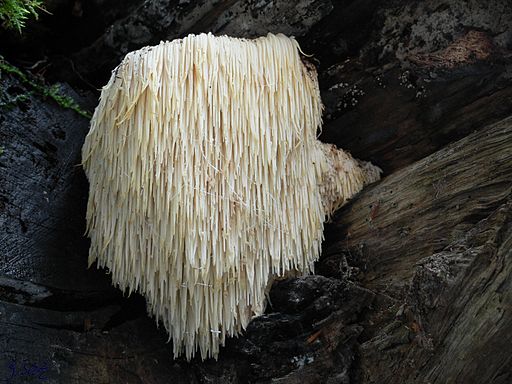 Edible mushrooms of all sorts abounded. One I hadn’t seen before, the lion’s mane mushroom, was the central feature in the displays of the two local craft fungi growers. It was interesting to look at, but … no.
 On the writing front, last week was quite productive. I received the final chapters back for my blended novel from my editor and am now going over the manuscript one last time. This is a merging of the stories of two characters and the events of one overarching plot arc. It’s the parallel stories of two battle mages, a father and son, told from their unique generational viewpoints.
 Also, I submitted my 2020 NaNoWriMo novel to
  Most editors will ask to see the first twenty pages of your manuscript before they agree to accept the job. Sometimes, significant issues will need to be addressed. If so, an editor will probably refuse to accept your manuscript. However, they will tell you why and give you pointers on how to resolve the problems.
 For new and beginning authors, it may take an editor more than one trip through a manuscript to straighten out all the kinks. This may be a three-step process involving you making the first round of revisions and/or explanations, sending them back to the editor, who will make final round of suggestions. At that point, the editor is done. You have the choice to either accept or reject those suggestions in your final manuscript.
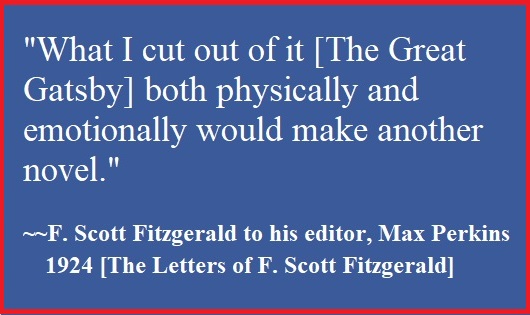 For creative writing, editing is a stage of the writing process. A writer and editor work together to improve a draft by correcting punctuation and making words and sentences clearer, more precise. Weak sentences are made stronger, info dumps are weeded out, and important ideas are clarified. At the same time, strict attention is paid to the overall story arc.
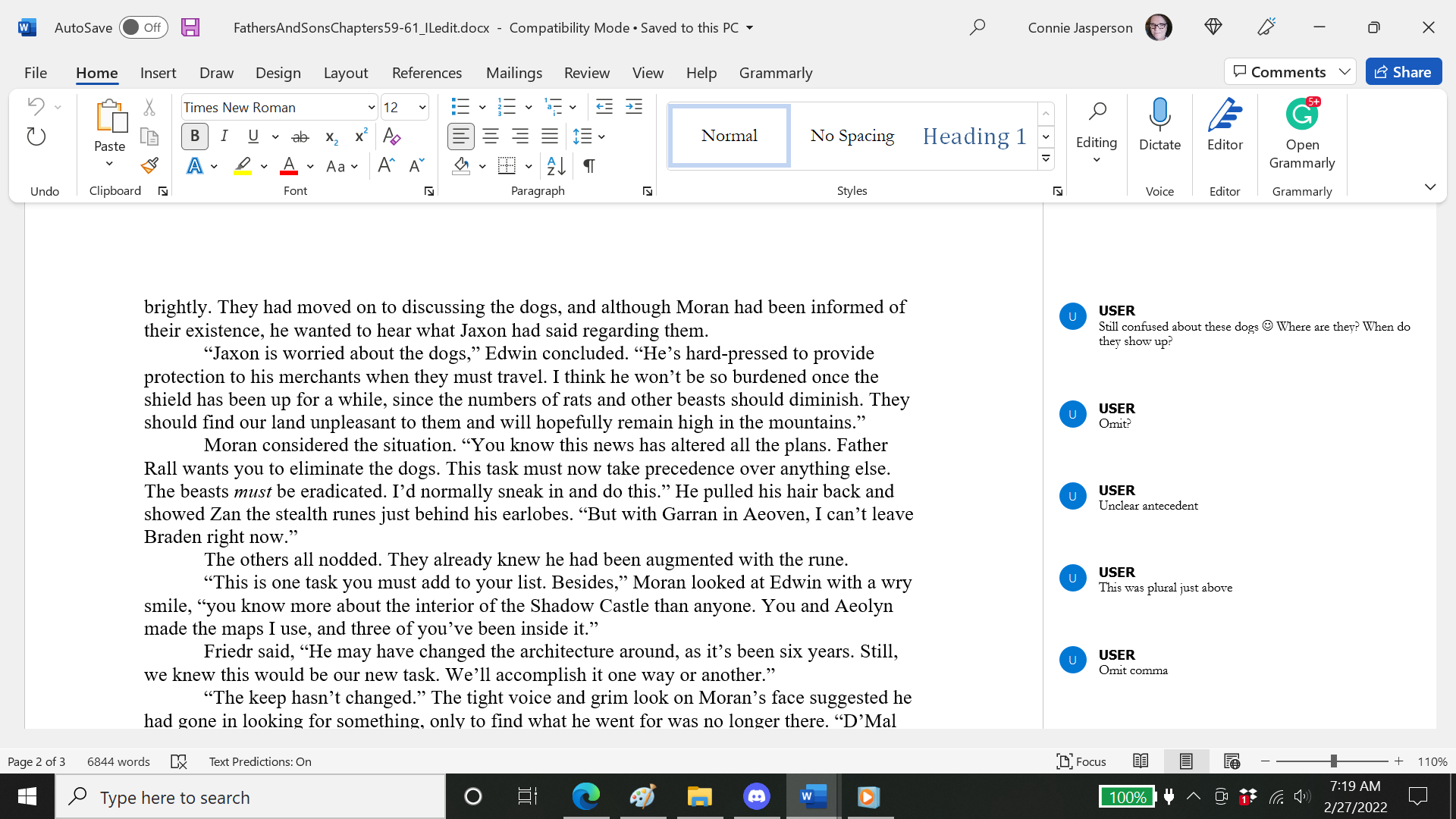 Editors who have been in the business for a long time find it much faster to use the markup function and insert inline changes. A new author or someone unfamiliar with how word-processing programs work might find it confusing and difficult to understand.
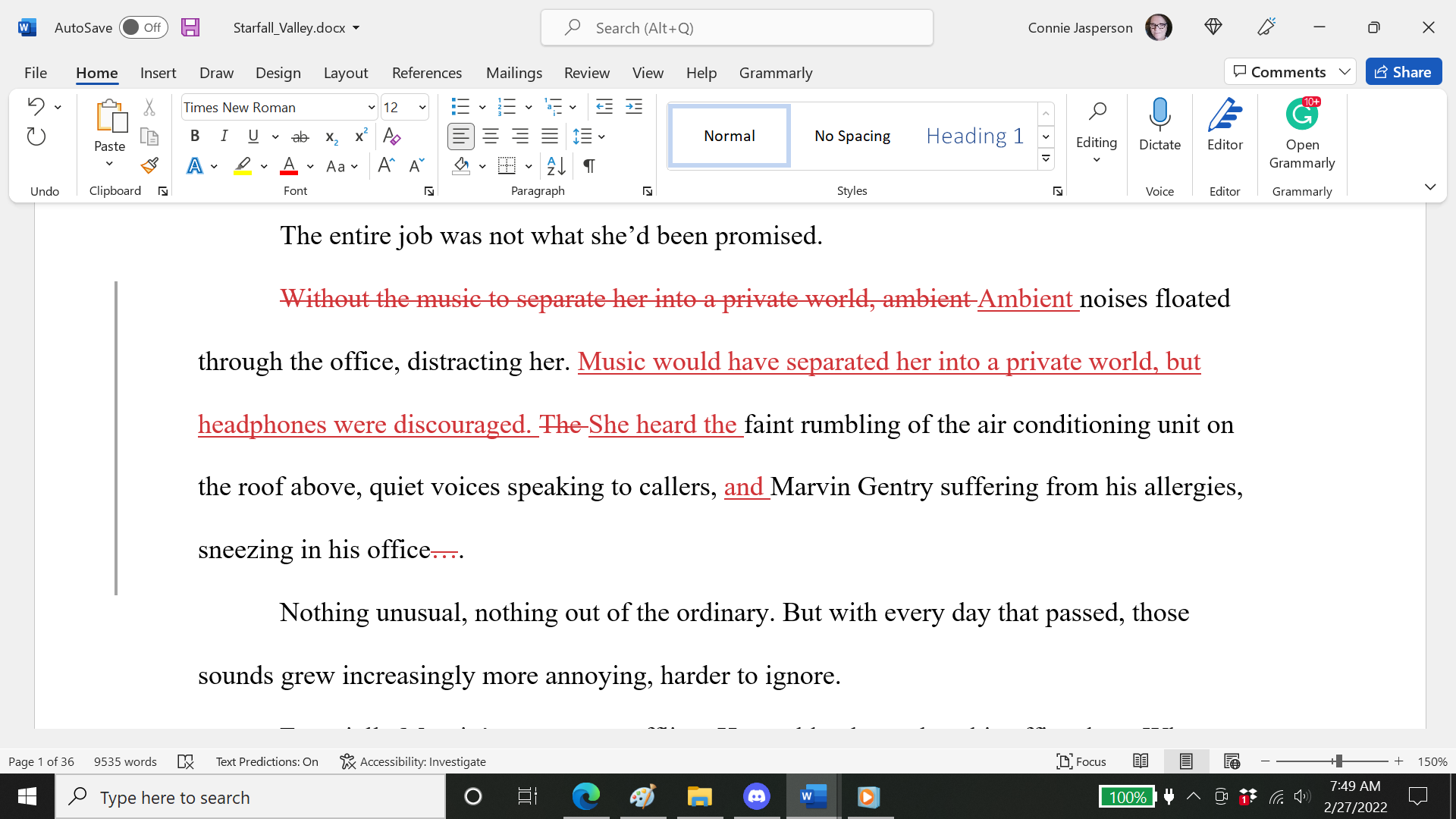 Inserting the changes and using Tracking cuts the time an editor spends on a manuscript. Writing comments takes time, and suggestions may not always be clear to the client.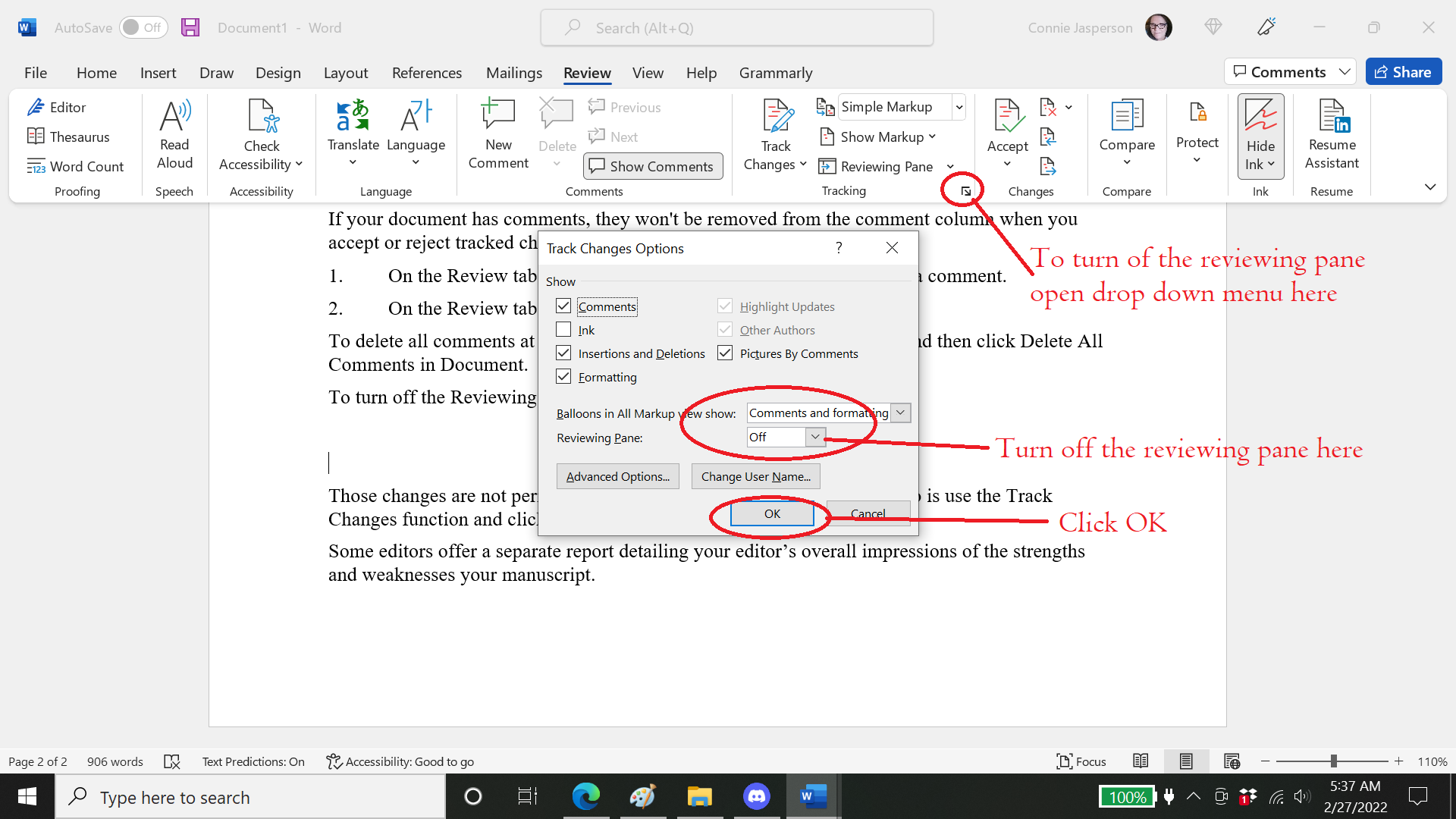
 However, many authors don’t have the money to hire an editor. If that is the case, you may have a friend in your writing group who has some experience editing, and they will often help you at no cost. Your writing group is a well of inspiration, support, and wisdom, and they are invested in your book. They want you to succeed and most will gladly trade services.


 Life in the Realm of Fantasy