
Look, Microsoft. I have been using your products since 1994. I’ve stuck with you through screens of death, through Windows ME and Vista, and through Windows 8.
 I adored Windows 10. I use your product every day, often for six to ten hours at a stretch. I write books and sometimes edit other people’s work. I listen to a terrific playlist while I do that, mostly epic JRPG fantasy game soundtracks. I also use it for gaming.
I’m just gonna lay this out there like it is. With every update, your current version of Windows 11 has become more of a shit show.
On the good side: While I utterly despise the mandatory inclusion of AI (CoPilot) to “assist” my writing, I am glad you allow me to turn it off. YAY for that blessing! It is the most gawd-awful example of “fixing what ain’t broke” that I have recently encountered. In the default application, it insists on giving unasked-for advice, attempting to rewrite my prose to comply with modern business practices. Thank you for allowing me to shut it off, even though I had to Google the instructions.
Don’t screw that up, please. (Instructions for turning off CoPilot at the bottom of the post.)
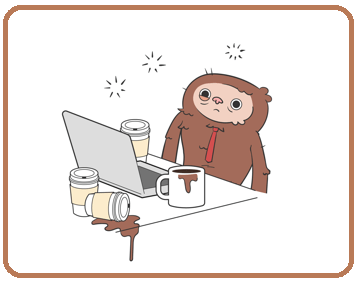
courtesy Office360 graphics
And now the negative: since the most recent updates, my audio has been acting up. Even better, I couldn’t connect either of my two (2) computers to my printer! That was a pain, as I like to print out my revised chapters and read them out loud to make sure they say what I intended. I had to pay a tech to come in and fix my printer problem. I don’t want to have to do that for the audio.
I live in fear of updates.
And yes, I have updated all the drivers and also ensured I have the most recent Realtek updates.
It’s still randomly droning and hanging up on certain sounds and words with M’s or N’s, even with the new drivers installed. Sometimes it goes all day with no problems. Other times it’s so bad I have to restart the computer two or three times in one day.
And this occurs on both my desktop AND my laptop.
Why should I have to go through this? The desktop PC is old, purchased in 2020, but this laptop is less than two years old, and if this keeps up, it’s gonna be a boat anchor because the random buzzing and stuttering is making me nuts.
I have no desire to purchase a Mac. My first computer was a Mac, and the office in my last job was equipped with Macs. So, while I have used them before, I prefer a PC.
Besides, my son-in-law works for you. I want to keep him employed!
Fix your product and let me get back to work! Otherwise, I will have to consider jumping ship. Don’t make me go to the dark side. Don’t do it.
And now for the sad news of the week: On the first day of February, I made the mistake of purchasing living plants, a miniature rose, and a potted tulip to brighten the eternal gray of winter in the Pacific Northwest.
I know better than this. Greg was the plant person, not me. Nevertheless, from the moment I brought them home, both Rose and Tulip were important members of the household. Rose, in her lovely pink petals and Tulip in her red were champions, fighting back the Northwest gloom.
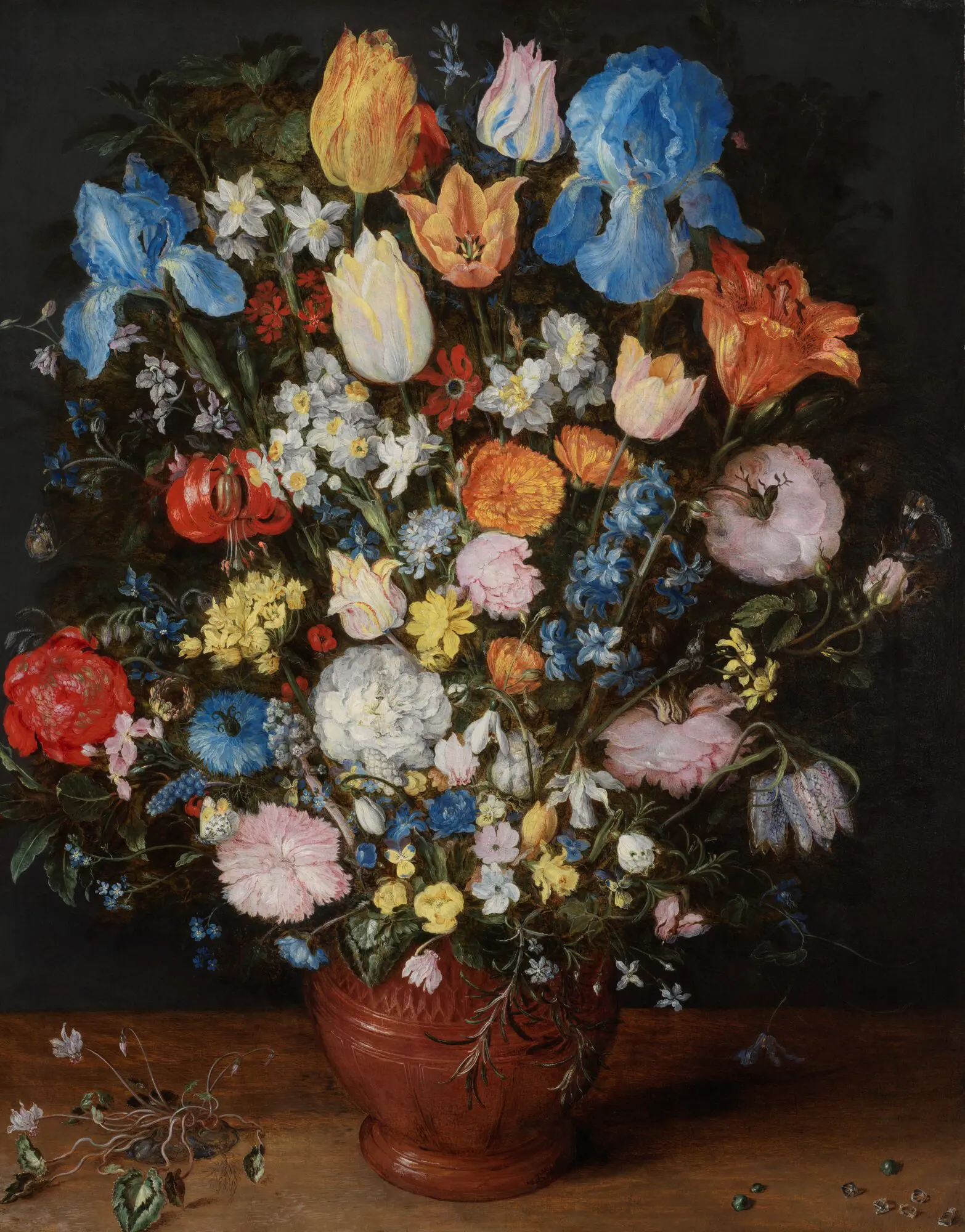 Unfortunately, both Rose and Tulip have passed away. Their two weeks of life in my neglectful care were meaningful and made a difference during the darkest days of winter.
Whatever it was that finally took them, at least they went into that dark unknown together.
One day, they were sitting in my window, waving to traffic as it passed by, and the next, they lay draped over the edges of their respective pots. They were good plants, beloved by all who met them, and I’m sure they are now in plant heaven.
Truthfully, I prefer houseplants that are dishwasher safe. I usually stop at the Dollar Tree and get the kind that you can put in the top rack every month or so for a good cleaning. I just run the rinse cycle (with the dry cycle turned off). It gives them a good wash and they look like new. I’ve never had a plastic plant die, no matter how I neglected it.
Now on to my next rant. I was recently forced to change health insurance so that my husband could be cared for by the doctor who makes monthly house calls to the Adult Family Care home where he is living. Suddenly, I was faced with the fact that while my husband was able to be cared for well, I could NOT find a doctor in my town that accepted new patients with my insurance.
But HUZZAH! After two months of struggle, searching, and worry that I would have to drive 70 miles north to the Seattle area to find a doctor that accepts new patients with my insurance, I have connected with a doctor who more than suits my needs. I am now on proper blood pressure meds, and hopefully everything will stay smooth sailing.
If Microsoft patches its current problems anytime soon, my blood pressure should return to somewhere near normal.
One can dream.
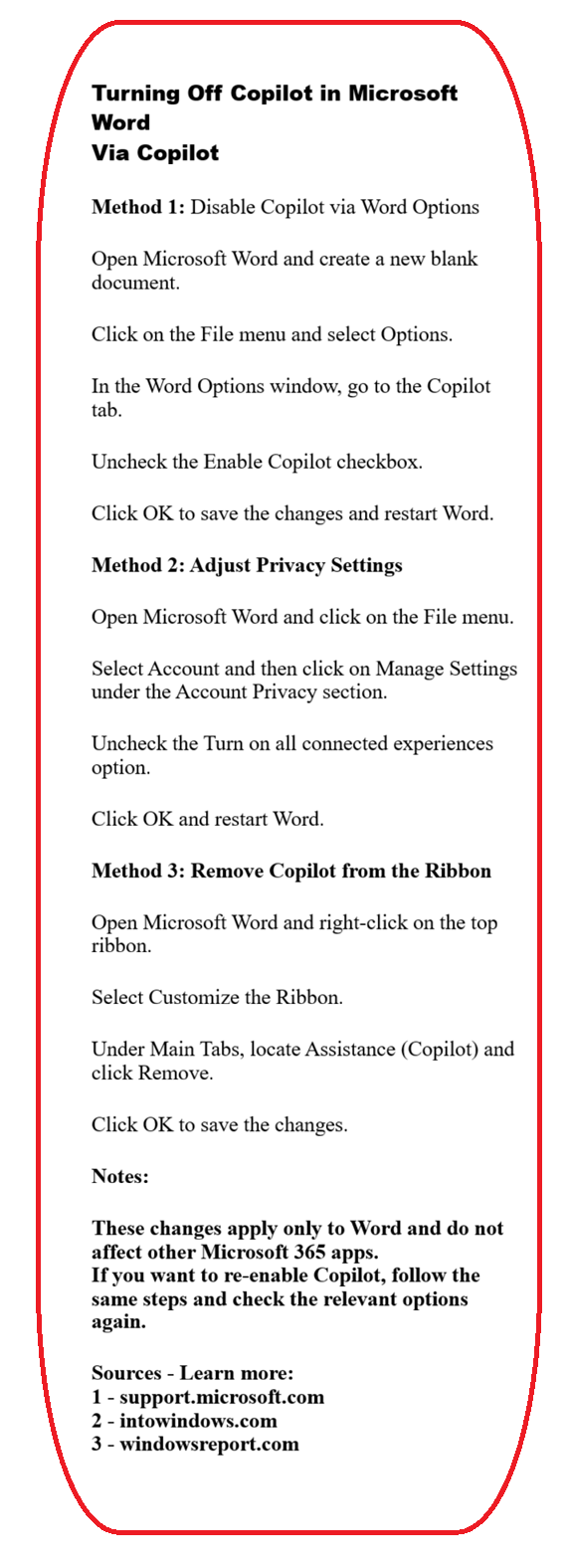
And finally, as promised above, here is an image showing how to turn off CoPilot in MS Word, as shown by my Google search. Feel free to right-click and save it to your desktop.
Credits and Attributions:
“IMAGE: Wikimedia Commons contributors, “File:Jan Brueghel the Elder – Flowers in a Vase with a Clump of Cyclamen and Precious Stones.jpg,” Wikimedia Commons, https://commons.wikimedia.org/w/index.php?title=File:Jan_Brueghel_the_Elder_-_Flowers_in_a_Vase_with_a_Clump_of_Cyclamen_and_Precious_Stones.jpg&oldid=1168023989 (accessed March 1, 2026).
 The inciting incident is followed by a series of plot points, places where complications are introduced into the narrative.
 The opening setting for this story is a small town in an exceedingly rural part of Thurston County. One must travel at least ten miles in any direction to find another city. After sundown, you must drive on narrow, winding, pitch-black country roads. I, the protagonist in my story, suffer from severe night blindness, which meant we had to return home before sundown, putting a real crimp in our social life.
 Major surgeries happened for the other two, and I was many miles away to the south, getting our house on the market. But our sons and daughters are entering middle age, and our older grandchildren are adults. Despite our worries, our granddaughters proved they were mature and more than capable of handling their lives.
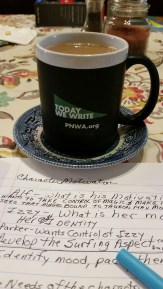 The protagonists are settling into the new neighborhood. One of the niftiest things about their community is the Starbucks—and yes, I did say Starbucks. The owners of the
  I find that writing is easy here. Creativity comes in bursts, and I feel good about my writing. We have pared our possessions down to the point that they don’t possess us—something you don’t realize is a problem until you are faced with serious downsizing.
 From my earliest childhood, I always thought of myself as a writer. I just didn’t know how to write anything longer than a poem or a song in such a way that it was readable.
 One day in 1990, I stumbled upon a book offered in the
  Three: Find a local group of writers to meet with and talk about the craft.
 Spend the money to go to conventions and attend seminars. You will learn so much about the craft of writing, the genre you write in, and the publishing industry as a whole—things you can only learn from other authors. I gained an extended professional network by joining The Pacific Northwest Writers Association and going to their conferences.
 Six: My final suggestion is this: even though you are writing that novel, keep writing short stories too.
 My parents also had bought
 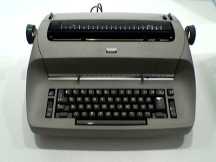 Then, in 1987, my father bought me a secondhand
 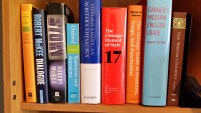 I’m proud to admit that my literary influences can be traced back to dragons, booze, elves,
 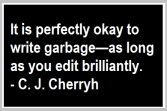 I shared what I wrote with other people and got feedback, some good, some bad. I learned from it all and kept trying. I bought books on the craft of writing.
 My husband is recovering from a total hip replacement, so traveling out of town for an extended stay involves a lot of logistics. Also, I am vegan, which has an impact on things. I can eat in restaurants, but once I am away from my part of the world, the menu is often limited to a garden salad.
 Protein is essential, and I have many delicious options to make that don’t involve processed foods. My favorite “impress-the-son-in-law” cookbook is this gem by
  The most surprising thing about being vegan is how little it costs to eat well once you have your pantry basics. Going sans meat is the lazy person’s dream diet. It’s amazing how quickly you can get a meal on the table, and whether you are making beans or soup, the crockpot is your best friend. I often make my own bread from several different recipes, a tasty treat that takes less than five minutes to put together using my bread machine.








 Life in the Realm of Fantasy
