
We are building up to NaNoWriMo 2021. For the last few weeks, I’ve been focusing on the creation of a storyboard. We’ve discussed characters and worldbuilding. Today, we’ll talk about book construction and what we can learn by reading work published by the big traditional publishers.
 Whether you hope to be published traditionally or plan to go indie, you must know what the reading public is buying. You will probably write a book that is squarely set in your favorite genre.
I read in many genres. Most of what I write is genre fantasy, but mystery and contemporary fiction also intrigue me.
Your assignment for today is to find a book you love, sit down with a notebook and pencil, and dissect that narrative to discover what that author did to draw you in and keep you involved.
Even the best books have flaws. Great characters, proper pacing, and attention to plotting keep those rough places from derailing a brilliant book. The flaws are just as important for me to identify as are the things I love.
So, let’s take a look at the construction of a recent entry into the classic mystery genre that impressed me, Magpie Murders by Anthony Horowitz.
Publisher: Harper; Unabridged edition (June 6, 2017)
Publication date: June 6, 2017
Print length: 501 pages
But first, THE BLURB:
When editor Susan Ryeland is given the manuscript of Alan Conway’s latest novel, she has no reason to think it will be much different from any of his others. After working with the bestselling crime writer for years, she’s intimately familiar with his detective, Atticus Pünd, who solves mysteries disturbing sleepy English villages. An homage to queens of classic British crime such as Agatha Christie and Dorothy Sayers, Alan’s traditional formula has proved hugely successful. So successful that Susan must continue to put up with his troubling behavior if she wants to keep her job.
Conway’s latest tale has Atticus Pünd investigating a murder at Pye Hall, a local manor house. Yes, there are dead bodies and a host of intriguing suspects, but the more Susan reads, the more she’s convinced that there is another story hidden in the pages of the manuscript: one of real-life jealousy, greed, ruthless ambition, and murder.
Masterful, clever, and relentlessly suspenseful, Magpie Murders is a deviously dark take on vintage English crime fiction in which the reader becomes the detective.
My Dissection:
First, Magpie Murders was published by one of the Big Traditional Publishing houses, Harper. This means the publisher decided it would sell enough in hard copy to justify supporting the author with advertising.
What makes this book better than the competition? Many authors published by Harper don’t get the kind of support this book got. What made this book more marketable?
- It was an original way to twist the Agatha Christie formula for cozy mysteries.
- Readers are given a story within a story, and within that story is hidden another story. The novel opens with an editor reading the manuscript of an author whom she despises personally but whose work she loves.
- We read the manuscript that editor Susan Ryeland has been given, experiencing it simultaneously as she does.
- Within the novel that Ryeland must edit are many clues, not only to the mystery she is supposed to edit but also to solve the murder of the author.
- Those clues take an unusual form—word games, something people who love anagrams and word puzzles will enjoy. The dead author used this trick to write his acquaintances into his novels, rearranging the letters of their names and portraying them in an unflattering light.
- The murdered author was known for using the plots of his less talented students’ work and stealing plots and names wholesale from Agatha Christie.
- These name anagrams are intended to be noticed by his fellow authors and acquaintances, a deliberate attempt to make them uncomfortable or angry.
- Halfway into the novel, our editor discovers that the final chapters of the book are missing. She goes on a mission to find those chapters.
- In the process, she discovers just how hateful and rotten the murdered man was.
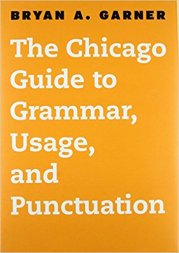 Now, let’s talk MECHANICS. The author of the Magpie Murders has worked as a journalist. He has taken the time to become educated in grammar and understands common industry standards.
- If you want to write a book that other people can read, you must understand the fundamental rules of grammar.
- He didn’t get too artful, except when he was writing as the murder victim. That artfulness was there to point out the victim’s arrogance.
What I take home from dissecting books like this is that a plot can be complicated, but simplicity is sometimes best for prose.
A few things I didn’t like, some of which were deliberate. These things didn’t ruin my enjoyment of the book:
- The pacing was a little uneven. In one place, it grinds to a complete halt. I could see why the author had made that choice as part of the overall plot, but I didn’t like it and wished he’d found a different way to make that point.
- The novel “written by the murdered man” was gripping, but I didn’t understand that fictional book’s ending until the editor confronted the author’s murderer. Again, that was deliberate on the dead author’s part, written that way as one more reason to hate him. But I would have liked to understand it before we got to that place.
- The relationship between Susan Ryeland and her boyfriend lacks tension. When their relationship was threatened with falling apart, I didn’t care.
Overall, this is an excellent, well-written book. If you write mysteries and want to know what the big publishers are looking for, you must read what they publish.
This is why I read what Tor Forge publishes in my genre of fantasy. If I hate it, I dissect it and find out why. An editor accepted that manuscript and promoted it, and I want to know why. If I love it, I dissect it for the same reason.
You must read if you want to know how a good book is plotted, how worlds are created, and how characters are built. Make notes and learn from the mistakes and successes of others.
#NaNoPrep series to date:
#NaNoPrep: part 1: What’s the Story? (the storyboard)
#NaNoPrep, Setting: Creating the Big Picture
#NaNoPrep, Building Characters
#NaNoPrep, More Character Building
#NaNoPrep, Designing Science, Magic, and the Paranormal
#NaNoPrep, Terrain and Geography
#NaNoPrep, Connections and Interconnections
This Post: #NaNoPrep, Construction and Deconstruction

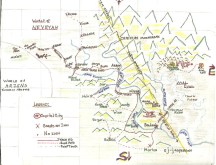
 I know that world because I based the plants and topography on the Pacific Northwest, where I live. Other than the Escarpment, which is the visible scar left behind by the Sundering of the Worlds, the plants and geography are directly pulled from the forested hills and farmlands of Southern Puget Sound and Western Washington State.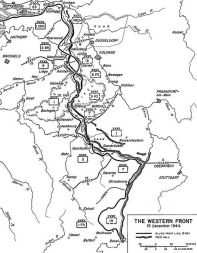
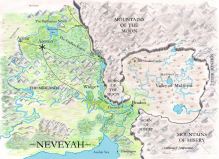
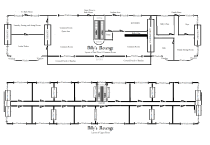 If your work is sci-fi, consider making a map of the place where the action happens. It could be a pencil-drawn floor-plan of a space station/ship or the line drawing of part of an alien world. I drew the floorplan of Billy’s Revenge for my reference, as most of the novel, Billy Ninefingers, takes place there.
 Open your
  Authors of sci-fi must research and understand the
  Satisfying these conditions sets the stage for you to create the Science of Magic. This is an underlying, invisible layer of the world. By creating and following the arbitrary rules of this “science,” your story won’t contradict itself.
 Conflict forces the characters out of their comfortable environment. The roadblocks you put up force the protagonist to be creative. Through that creativity, your characters become stronger than they believe they are.
 If you design this now, on November 1st, you will have the framework to showcase your characters ambitions, the drive to acquire more personal power, and the lengths characters will go to in their efforts to gain an edge over their opponents. Everything will be in place for a free-wheeling dive deep into the consequences of your protagonist’s struggle.
 We humans are tribal and like having an overarching power structure because someone has to be the leader, which isn’t a job most people want once they see what is involved. Being the leader means bearing the responsibility when things go wrong, usually more often than basking in the glory when it’s all good.
 Society is always composed of many layers and classes. Below is a list of questions for you to consider when building your fantasy or sci-fi civilization. I admit it’s long, but please bear with me.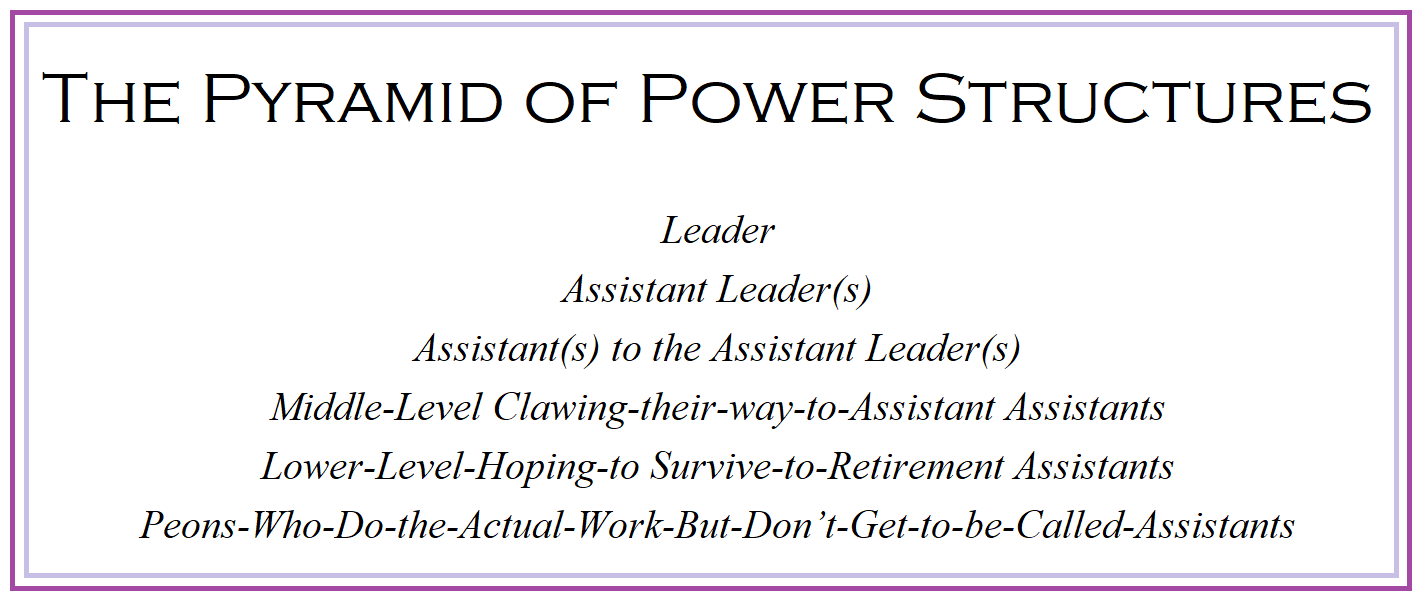
 Government: There will be a government somewhere, even if it is just the local warlord. Someone is always in charge because it’s easier for the rest of us that way:
 Power in the hands of only a few people offers many opportunities for mayhem—followers may inadvertently create a situation where the leader believes they are anointed by the Supreme Deity. Even better, they may become the God-Emperor/Empress.
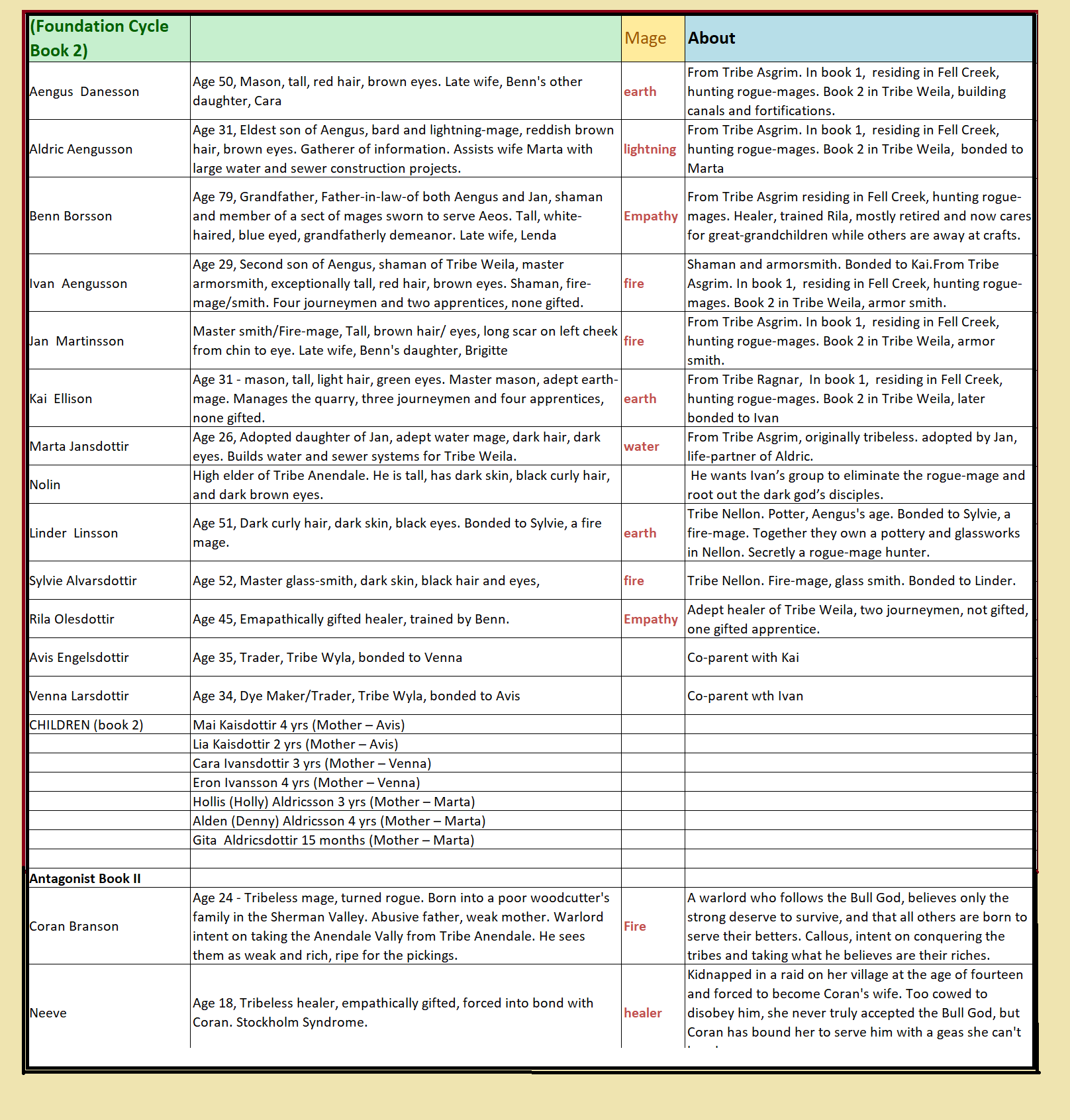 Every side character has hopes and wants something, so that will be noted.
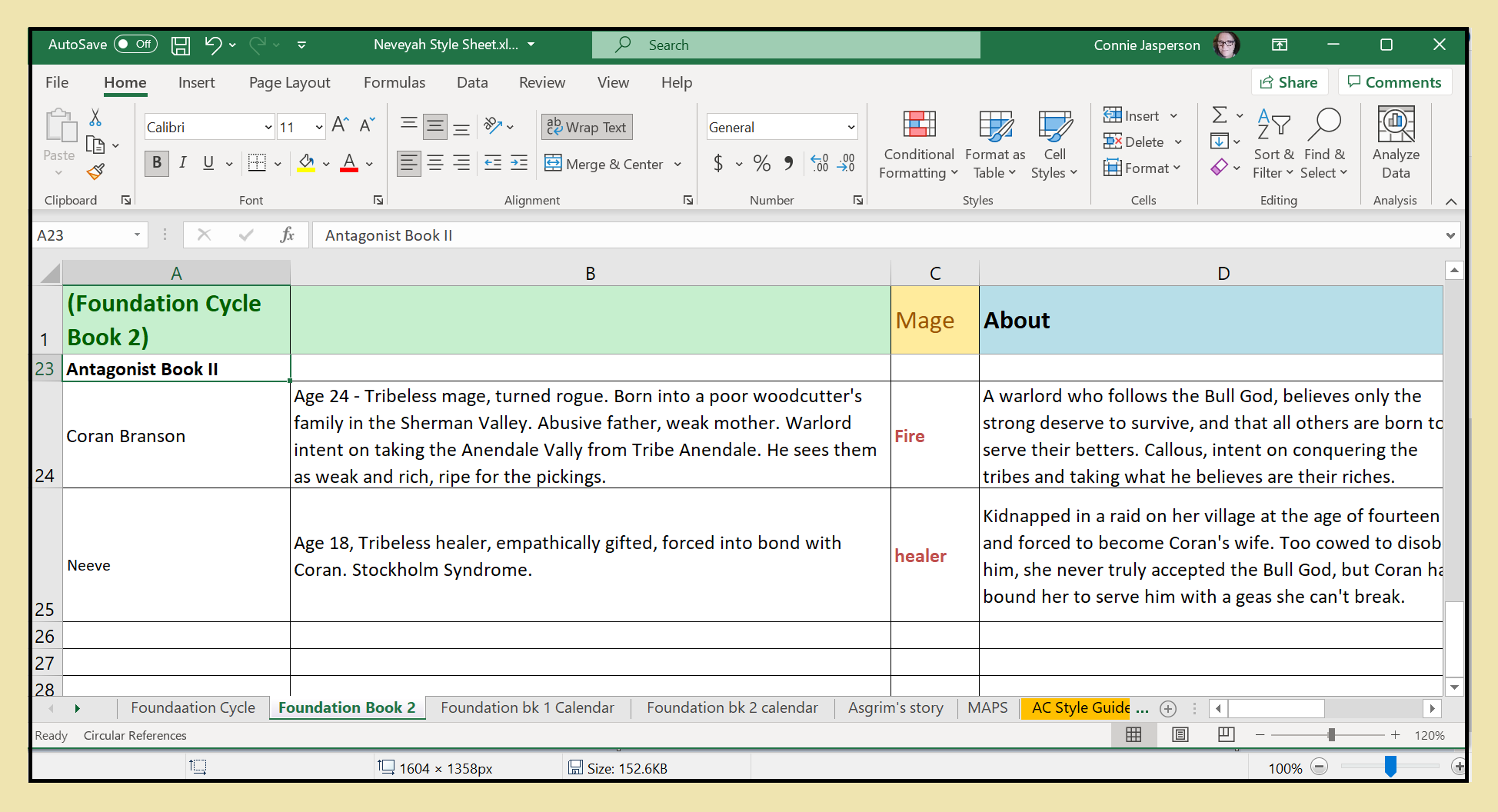 My antagonist will have trusted captains, who will carry out his orders. I just haven’t met them yet, and probably won’t until I begin plotting the antagonist’s arc of the story.
 Race: This is a post-apocalypse world. When the survivors were preparing to leave the catacombs, they divided into 50 tribes and blended the various races and ethnicities as evenly as possible to widen the gene pool. Everyone is of mixed-race heritage, regardless of outward coloring and appearance.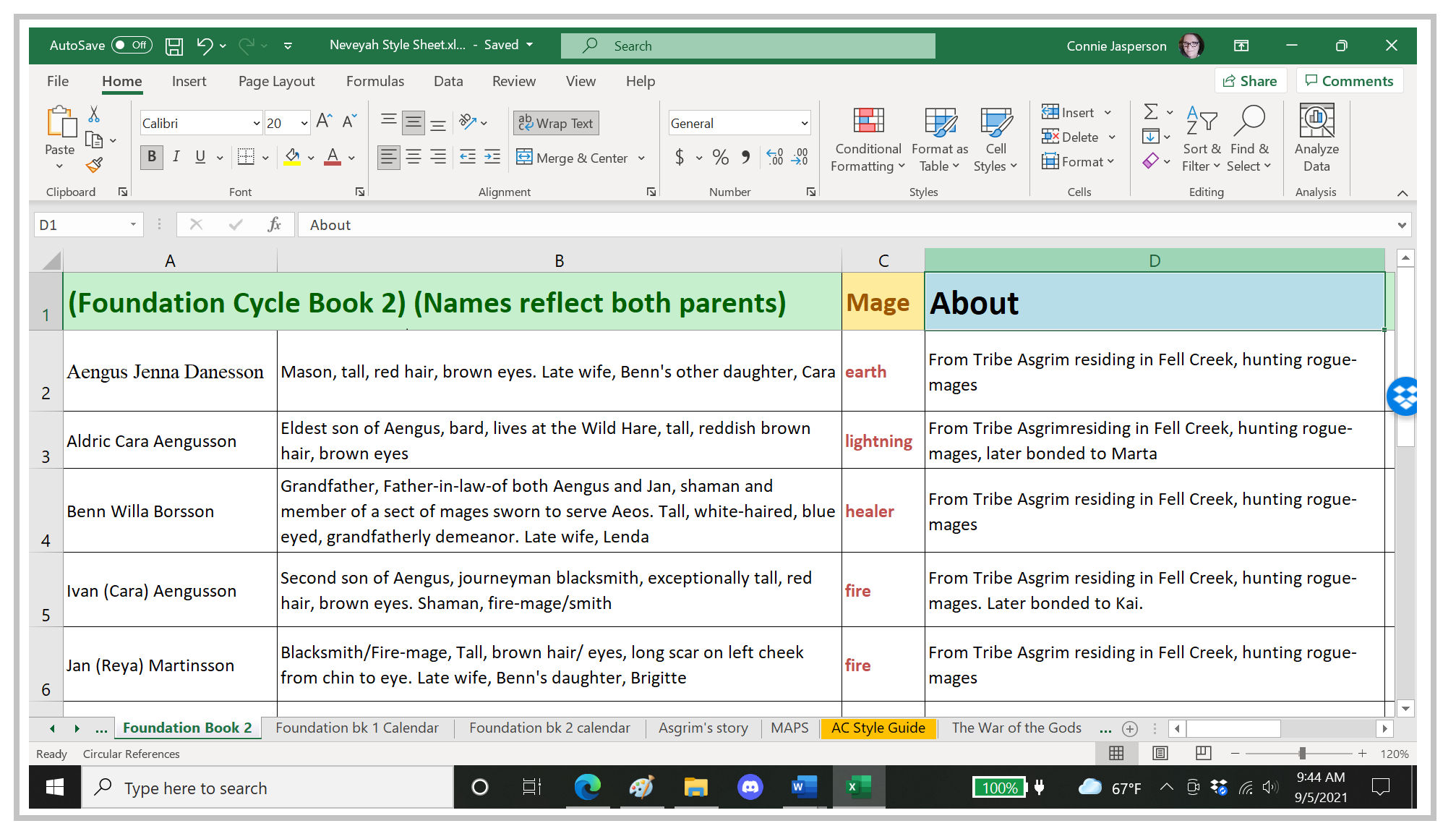
 Next up, we will look closer at our characters and see who their companions are. Some of Ivan’s companions are already established as they were featured in last year’s NaNoWriMo novel. Others are new, and I need to understand who they are and how they fit into Ivan’s story.
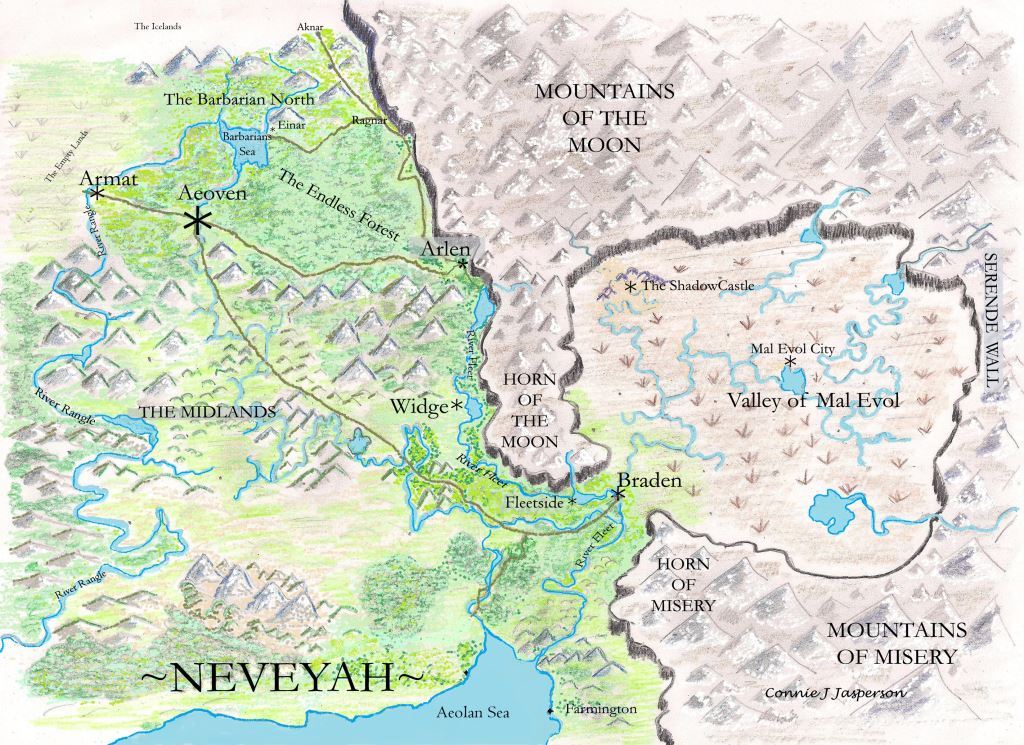 Every series set in this world happens at a different point in their history. The current novel is set in the year 131 AS (After the Sundering). The Tower of Bones series begins in the year 3254 AS. In that era, the Sundering of the Worlds is almost a legend, yet the black wall of the Escarpment topped by the Mountains of the Moon still testifies to the reality of the event.
 It’s a low-tech agrarian society. Tribal villages are communal, run by a council of elders. Everyone contributes to the community’s storehouses and benefits equally. While some earn more and others less, there is no class disparity. Ivan lives in Weiland, the main citadel of a western tribe, Weila.
 If our work is set in an actual location, we should know where to find resources for appropriate slang, urban myths, and other local peculiarities. I suggest adding a list of where to easily access the resources about your chosen community to your storyboard. My co-Municipal Liaison, Lee French, reminds us that we don’t have to immerse ourselves immediately, just lay the groundwork for November.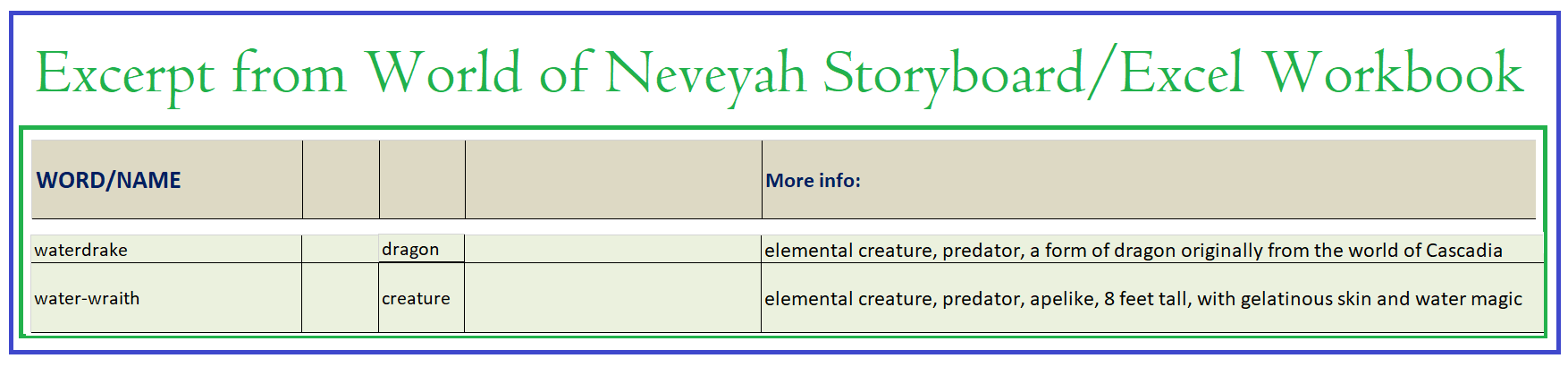
 I do this by having my daily prompts all set out in advance in the outline. Then I set myself in front of my computer and wing it for at least two hours.
 Other things to consider are point of view and narrative tense. Who can tell the story most effectively, a protagonist, a sidekick, or an unseen witness? And will it be written in the 1st person, 2nd person, 3rd person limited, or 3rd person omniscient? What narrative time will the story be set in, the present or past tense?
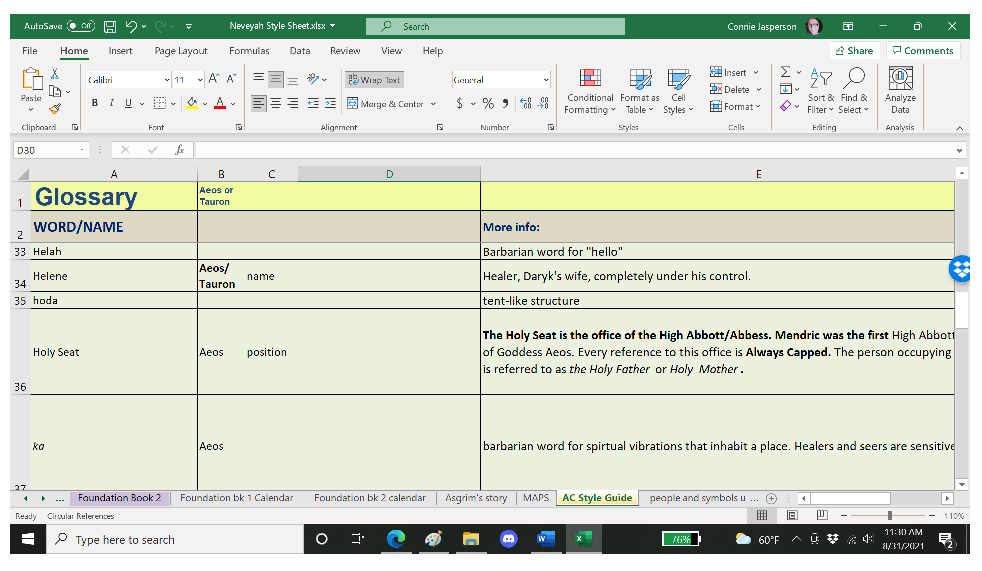 I always give the proto novel a working title that becomes the storyboard’s label. The book I am writing is set in the world of Neveyah, and so it belongs with the rest of the books set in that world. The workbook is labeled Neveyah.xls, and the spreadsheet that I will be working on will be labeled “Ivan’s Story II,” as I currently don’t have a title.
 Preplanning takes advantage of all the pertinent ideas I have at the outset and offers me a jumping-off point. Like a connect the dots game, I know how to write the story that happens between and because of each event. Having this knowledge helps me take the story to its conclusion, allowing me to have the full story arc written in thirty days.
 If you haven’t heard of this before, it’s a worldwide event that happens in November. Each year thousands of people in all parts of the world dedicate themselves to writing a 50,000-word narrative in only thirty days.
 But I got side-tracked. On day 5, I thought about an artifact’s origin that has a role in my still-unfinished novel. 80,000 words later, that bunny trail had become a novel, The Ruins of Abeyon.
 Over the next few weeks, we will focus on laying the groundwork for our novels so that we will be ready and able to write when November comes. Much of what I will be discussing has emerged from our experience and comes from my co-ML Lee’s prep work as much as from mine.


 Life in the Realm of Fantasy
