
I discovered early on that creating a calendar and a map for each novel gives me a realistic view of my plot arc. A mushy timeline stands out. I don’t want my readers wondering how my characters managed to cram a week’s worth of running around into only two days.
 Think about it. Errands take time. Shopping for groceries takes time. If I go to a friend’s house, chat for an hour, and drive back home, I have spent at least two hours, possibly more.
The weather and time of year affect how long errands take. Walking in rain and wind vs. a mild sunny day will take longer and feel worse.
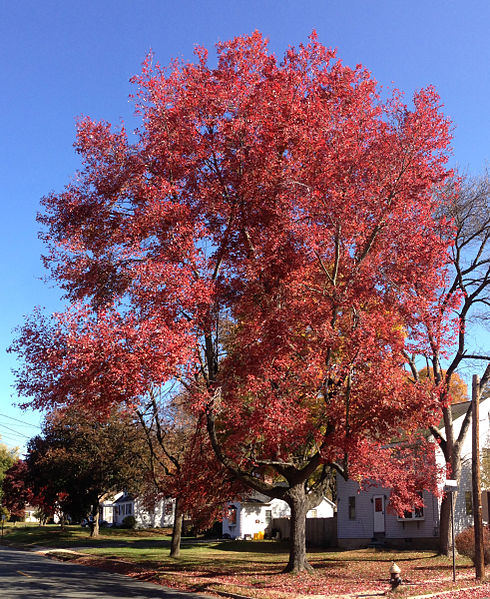
No matter the genre of your novel, it helps to know which season your events take place in. Foliage changes with the seasons, and weather is a part of worldbuilding.
And there are other reasons for making a calendar of events for your novel, whether you are writing romance, sci-fi, fantasy, military thrillers, etc. Time should not be fluid UNLESS a core plot point of your novel is the ability to alter the flow of time, such as Harry Potter’s Time Turner device.
 The calendar is a visual reference that helps with pacing and consistency. In conjunction with a map, a calendar keeps the events moving along the story arc. It ensures you allow enough time to reasonably accomplish large tasks, enabling a reader to suspend their disbelief.
They ensure you don’t inadvertently jump from season to season when describing the scenery surrounding the characters.
So, why worry about calendars in your fantasy worldbuilding? It’s just fantasy so anything goes, right?
No.
Fantasy must look and feel like reality, and fantastic elements must be organic and natural to that world. Inconsistency and mushy elements discourage readers. Springtime, summertime, winter, or fall, each season (or lack thereof) has to be consistent within itself, even if the plants and scenery are otherworldly.
 As you are writing a story, you might need to know what day of the week it is. Some things do take time, such as walking from one town to another. If you aren’t on top of things, you could have people breaking the sound barrier in their mad dash to the village forty miles away.
The distance a person can walk in a day varies depending on their health, terrain, and weather. A healthy person could travel from two to thirty miles. I would say that, on average, in varied terrain, a walk of forty miles might take a healthy person two days.
They should be prepared to spend one night camping alongside the road or hope to fine a roadside inn.
Much of my output is fantasy, and one might think a fantasy calendar with fantasy names for everything would lend a foreign atmosphere to the worldbuilding.
Not necessarily so.
 When it comes to calendars, I suggest you stick with what is familiar, and here is why.
While creating my first world in 2008, a special calendar seemed like a good thing. The storyline and world of Mountains of the Moon were originally conceived for an anime-style RPG that was never built. When the project was scrapped, I still had the rights to my storyline, maps, and calendars.
My calendar for that world was (and unfortunately must remain) a hot mess.
In the game as we envisioned it, the calendar wouldn’t have been a problem, as the days of the week were only mentioned in terms of when a shop was open. In stories set in the world of Neveyah … it’s a problem for me as a writer.
In Neveyah, a year has thirteen months, each with twenty-eight days. That’s doable, no problem. Thirteen months are easy to work with because they are on paper. The extra month at the end of the year is called Holy Month.
Yes, a 365-day year and standard twelve months would be less confusing. Please have pity. A newbie author invented this, unaware that one little story would evolve into a series. It seemed so “fantasy” at the time.
Unfortunately, the months are named after astrological signs. Capricas, Aquis, Piscus, etc. This is a problem because few people know which time of year Taurus or Capricorn is, unless they occasionally read their horoscopes or know their own sun sign.
I added one extra day at the end of the year, which ends on the Winter solstice. (Sure, whatever. No problem.)
The winter solstice is called Holy Day, belongs to no month, and marks the beginning of the new year. Every four years, they have a two-day holiday and a big party. (Sounds fun, so no problem.)
The names I assigned to the dates and months were exceedingly uncreative and awkward: Lunaday, Tyrsday, Odensday, Torsday, Frosday, Sunnaday, and Restday. (Oh, you noticed it too! Sunnaday is the sixth day of the week, which lends itself to serious confusion.) Restday is fairly explanatory, but why OH why didn’t I give the other names a bit more thought?
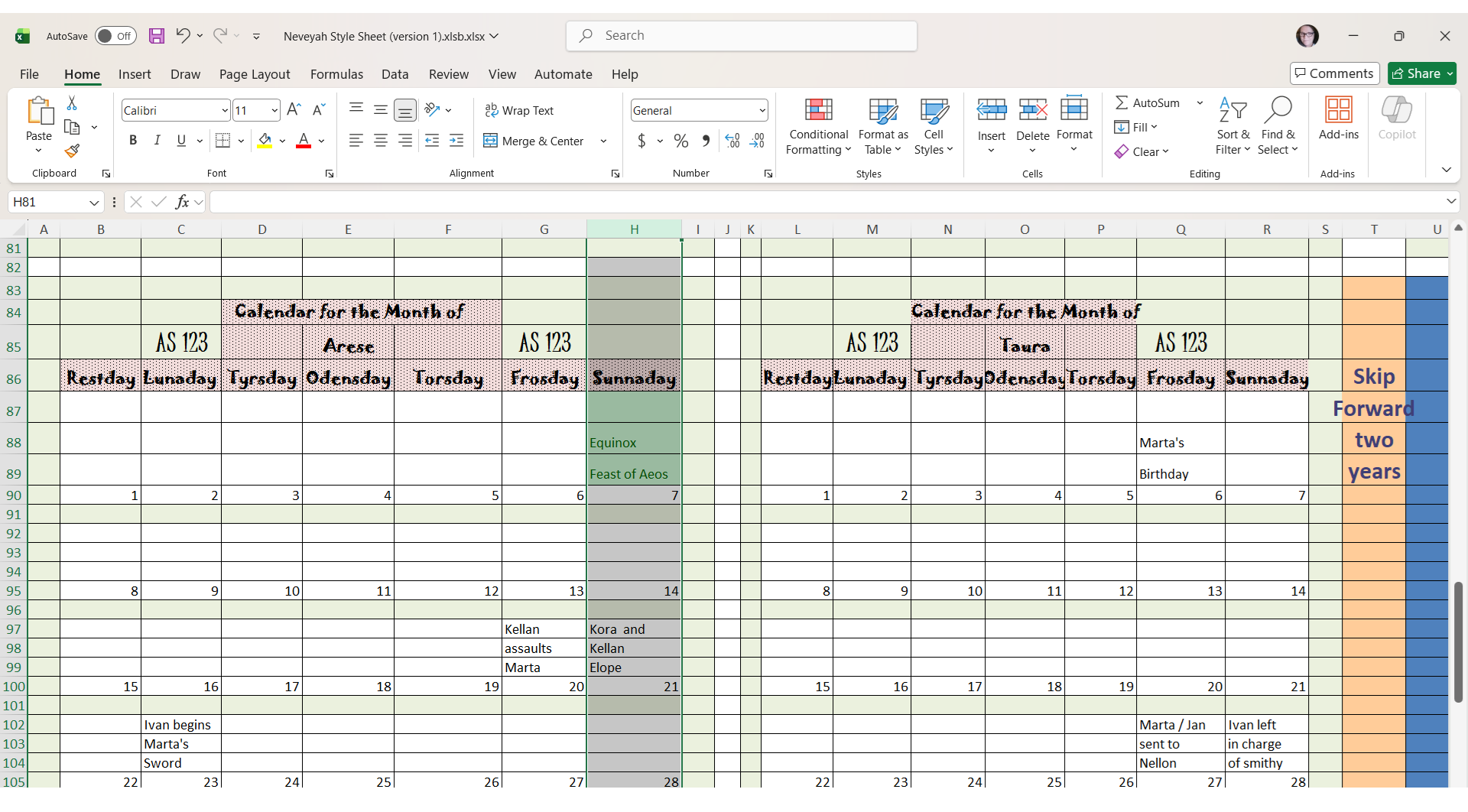
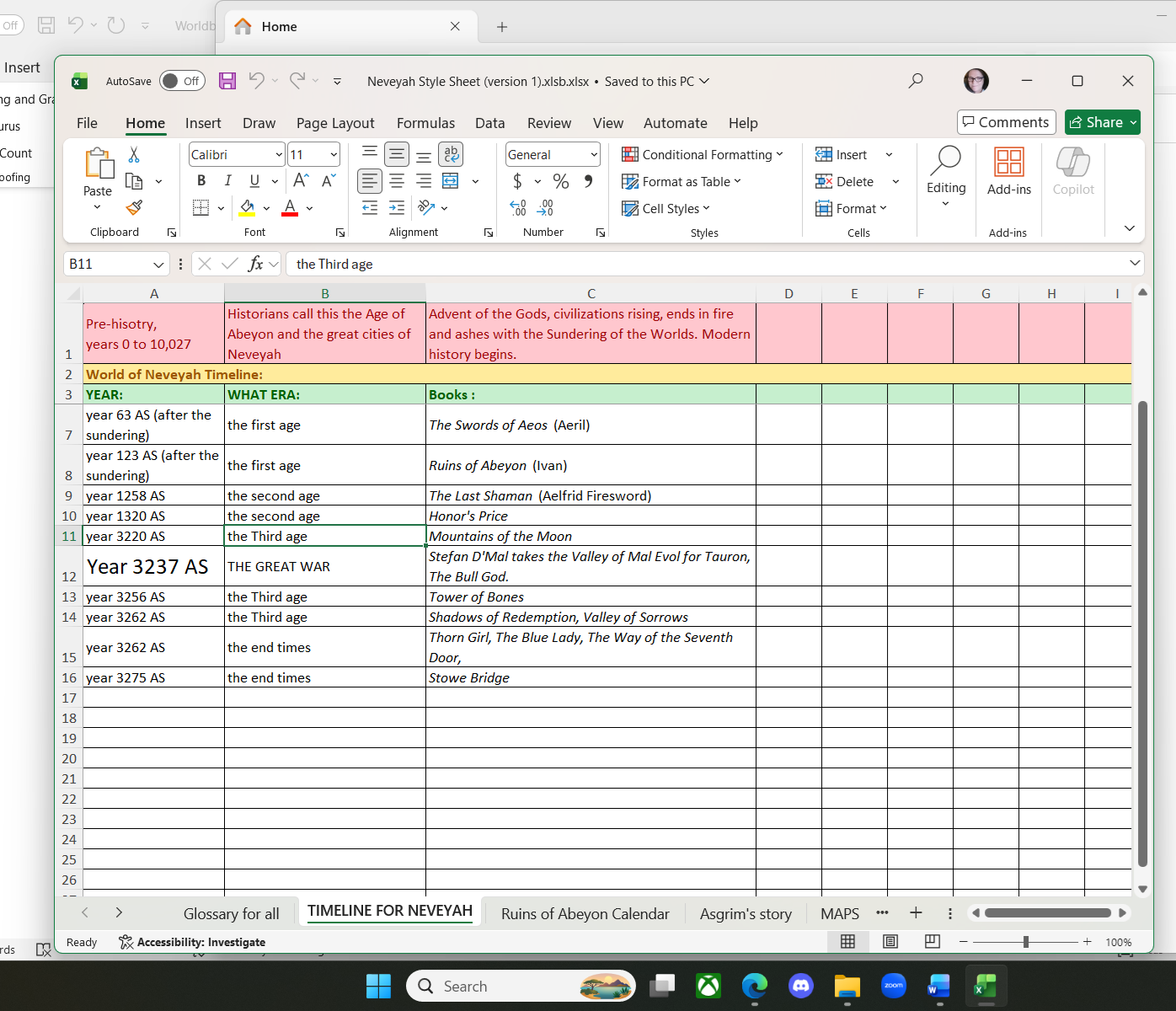
Every story I write set in that universe has its own calendar of events, and each is labeled with the year number that the story is set in. They feature different characters and skip around in the timeline. I update that calendar as I write to make sure no one is walking at the speed of light.
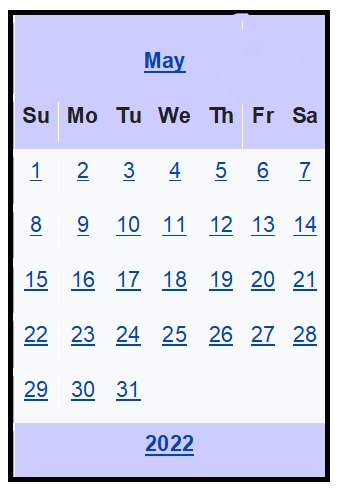
I create the calendar in Excel, but you can use anything to make your calendar. There are plenty of blank templates for creating 365-day calendars out there, and they cost nothing. I just like fiddling with mine when I’m stuck, as it usually helps me figure out how to move things along.
In 2008, I had no idea just how awful the Neveyah calendar would turn out to be. And now, eighteen years later, I’m stuck with it. Please, take my advice and keep it simple.
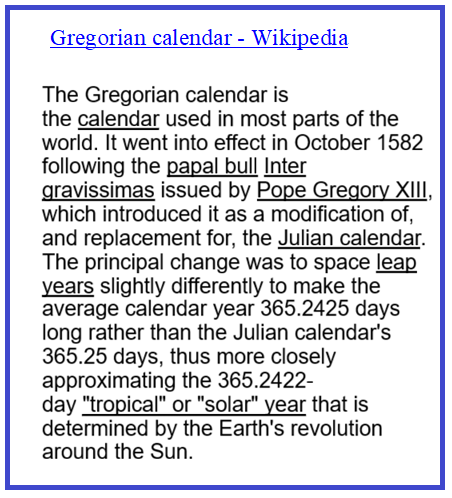
Just sayin’. This is why ALL my other books are plotted using the modern Gregorian calendar.
But what’s this about maps? Next week, we will explore maps and why they are important during the writing stage.





 Sometimes I can’t find the plot even when I have an outline. I get to a place where I don’t know what to write, and the characters stand around doing nothing. I repeat the same old crisis with slight variations, which is tedious.
 Sir Percival the Pointless says, “I rescued Lady Adeline, and the manticore is dead. Did you notice?”
 “I’m sorry to bother you, but we desperately need a certain magical ingredient for my special anti-aging cream.” She looks at me expectantly. “My stepdaughter’s wedding is a big deal. But the outline says Percival and Adeline will assume the throne upon their marriage. It’s canon now, so I’m done, kicked to the curb in the prime of my life.” She dabs the corner of her squinty eyes with a silken handkerchief. “You set this story in an era where women have few career options. I simply must have my beauty cream, or I won’t be able to snare a new hubby.”
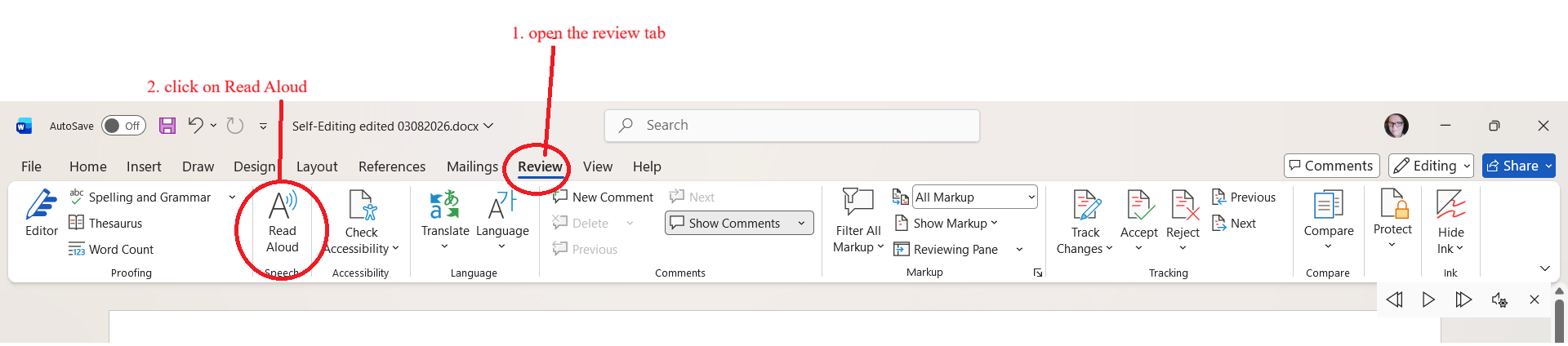
 When prepping a novel to send to Irene, I use a three-part method. This requires specific tools that come with Microsoft Word, my word-processing program. I believe these tools are available for Google Docs and every other word-processing program. Unfortunately, I am only familiar with Microsoft’s products as they are what the companies that I worked for used.
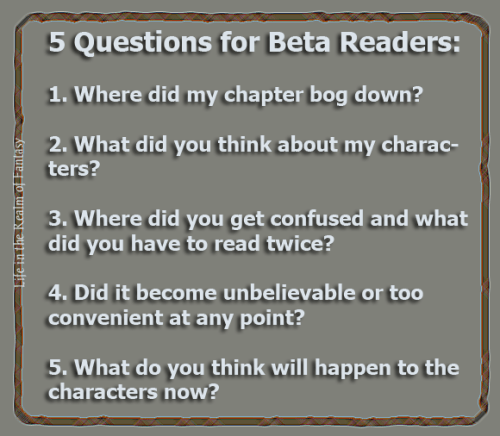 Part two: Once I have ironed out the rough spots noticed by my beta readers, this second stage is put into action. Yes, on the surface the manuscript looks finished, but it has only just begun the journey.
 The most frustrating part is the continual stopping, making corrections, and starting.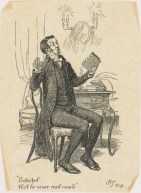
 I am wary of relying on
  If you read as much as I do (and this includes books published by large Traditional publishers), you know that a few mistakes and typos can and will get through despite their careful editing. So, don’t agonize over what you might have missed. If you’re an indie, you can upload a corrected file.
 Nowadays, I am rarely able to do in-person events due to family constraints, but I used to do four events a year. However, I have some tips to help ease the path for you.
 The final thing you will need is a way of accepting money. I have a metal cash box, but you only need something to hold cash and some bills to make change with. A way to accept credit cards, something like
 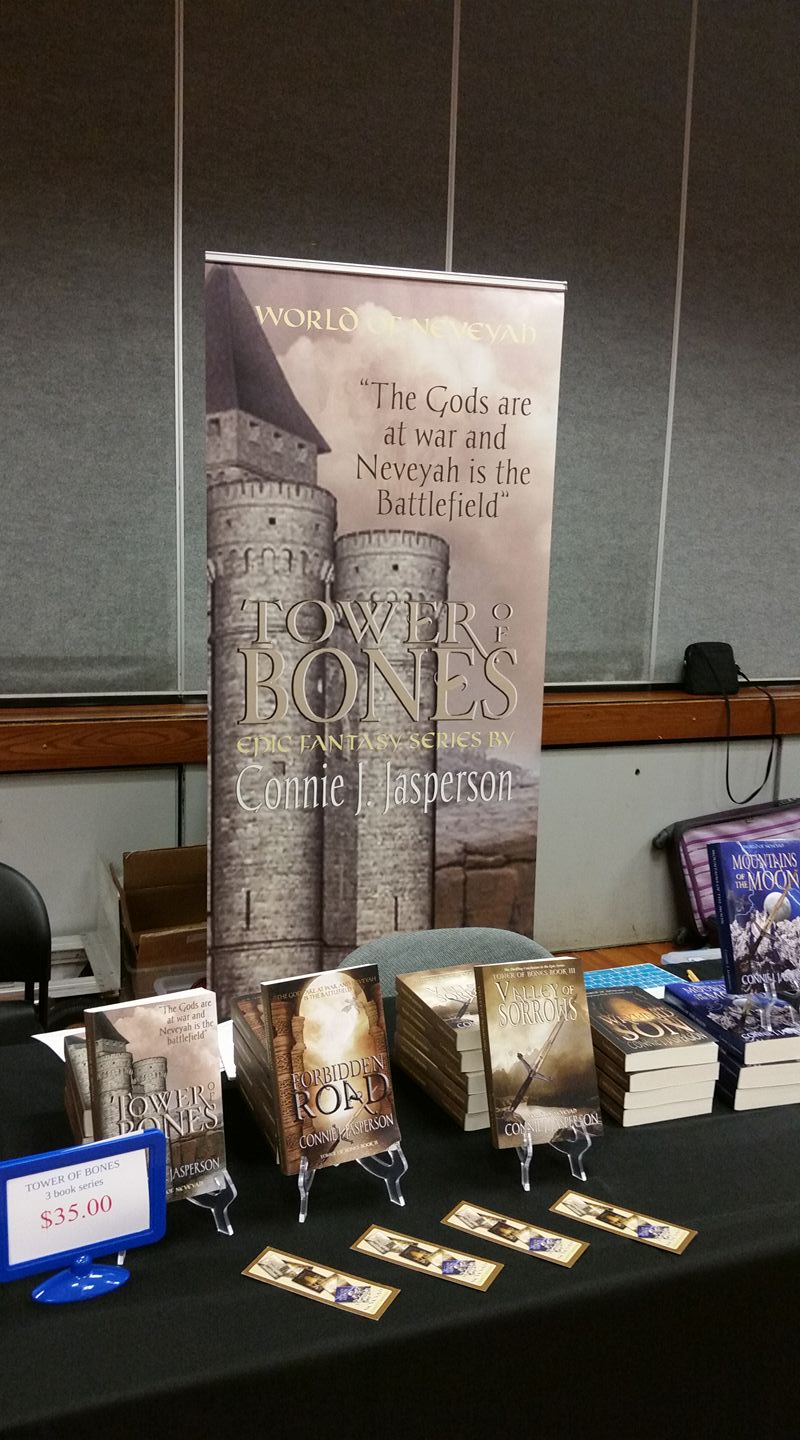 Investing in some large promotional graphics, such as a retractable banner, is a good idea. A large banner is a great visual to put behind your chair. A second banner for the front of the table looks professional but requires some fiddling with pins.
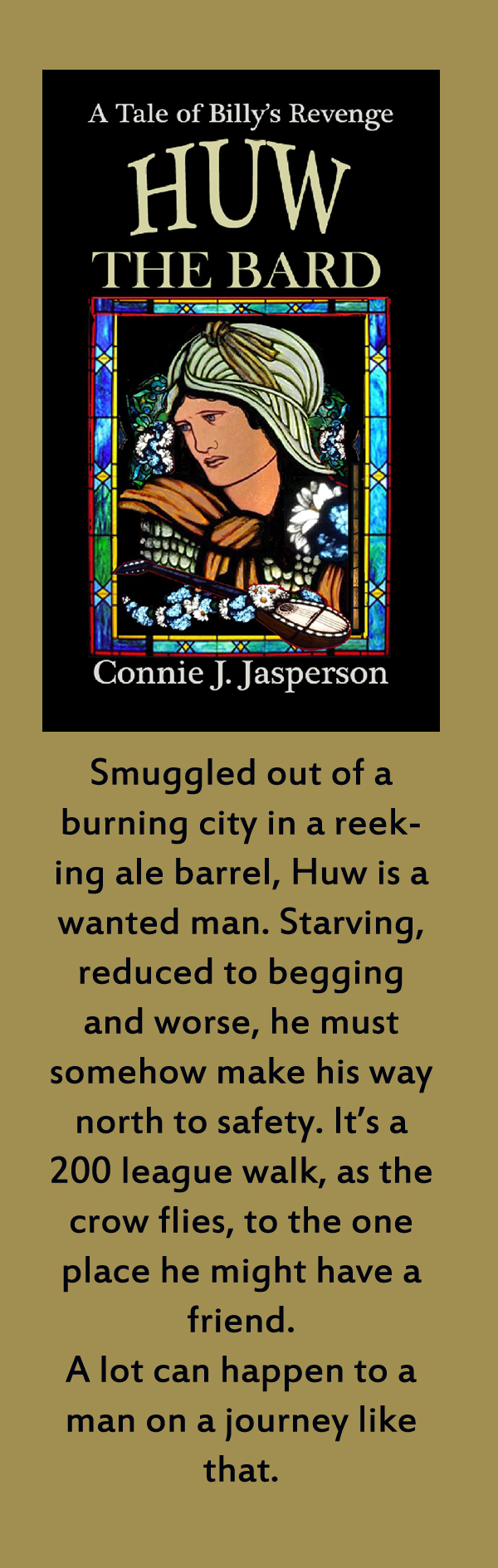 Make your display attractive, but I suggest you keep it simple. People will be able to see what you are selling, and the more fiddly things you add to your display, the longer setup and teardown will take. The shows and conferences I have attended offered plenty of time for this, but I’ve heard that some of the big-name conventions require you to be in or out in two hours or less.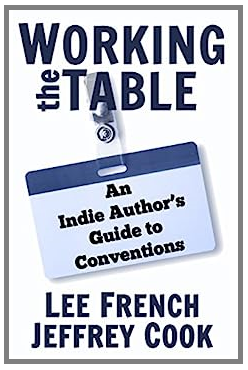
 My writing projects begin with an idea, a flash of “What if….” Sometimes, that “what if” is inspired by an idea for a character or perhaps a setting. Maybe it was the idea for the plot that had my wheels turning.
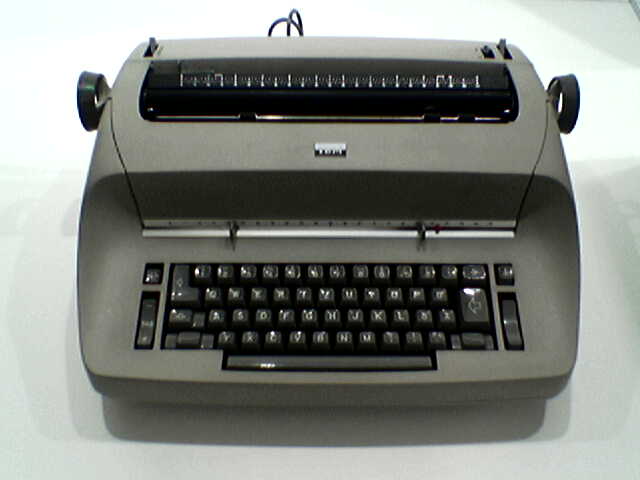 I’m writing a fantasy, and I know what must happen next in the novel because the core of this particular story is romance with a side order of mystery. I see how this tale ends, so I am brainstorming the characters’ motivations that lead to the desired ending.
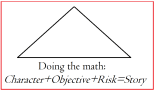
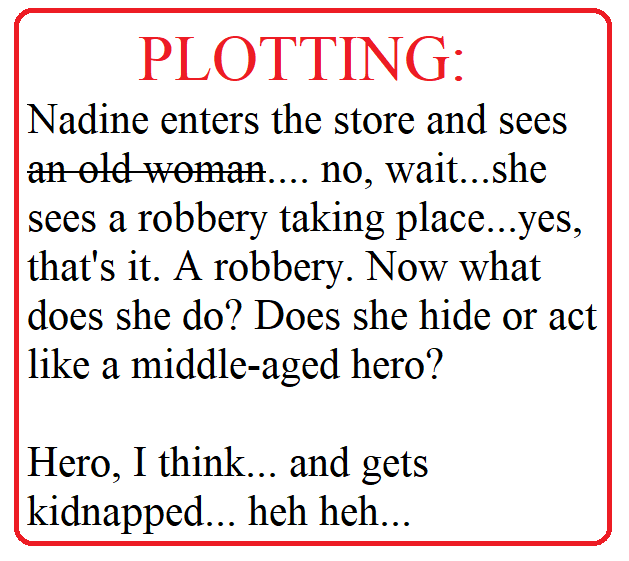 Plots are comprised of action and reaction. I must place events in their path so the plot keeps moving forward. These events will be turning points, places where the characters must re-examine their motives and goals.
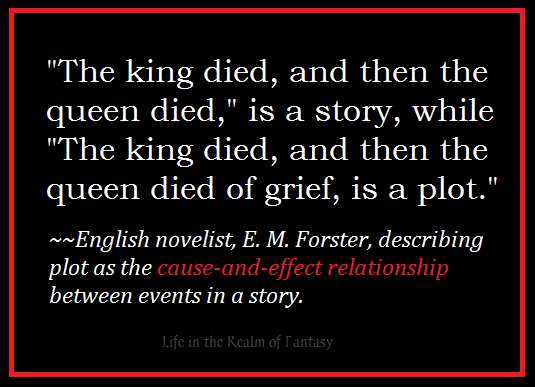 Our characters are unreliable witnesses. The way they tell us the story will gloss over their failings. The story happens when they are forced to rise above their weaknesses and face what they fear.
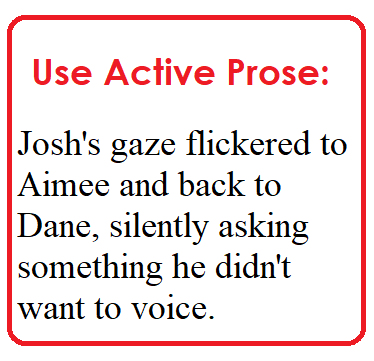 The words authors choose add depth and shape their prose in a recognizable way—their voice. They “paint” a scene showing what the point-of-view character sees or experiences.
 What are descriptors? Adverbs and adjectives, known as descriptors, are helper nouns or verbs—words that help describe other words.
 However, if you have used “actually” to describe an object, take a second look to see if it is necessary.
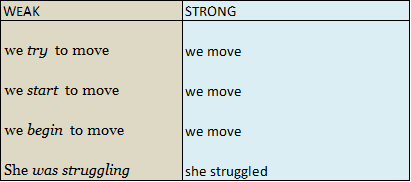
 The scene I detailed above could be shown in many ways. I took a paragraph’s worth of world-building and pared it down to 19 words, three of which are action words.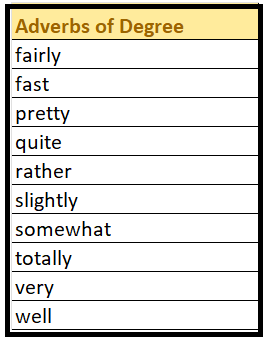

 When prepping a novel to send to Irene, I use a three-part method. This requires specific tools that come with Microsoft Word, my word-processing program. I believe these tools are available for Google Docs and every other word-processing program. Unfortunately, I am only familiar with Microsoft’s products as they are what the companies that I worked for used.
 Part two: Once I have ironed out the rough spots noticed by my beta readers, this second stage is put into action. Yes, on the surface the manuscript looks finished, but it has only just begun the journey.
 The most frustrating part is the continual stopping, making corrections, and starting.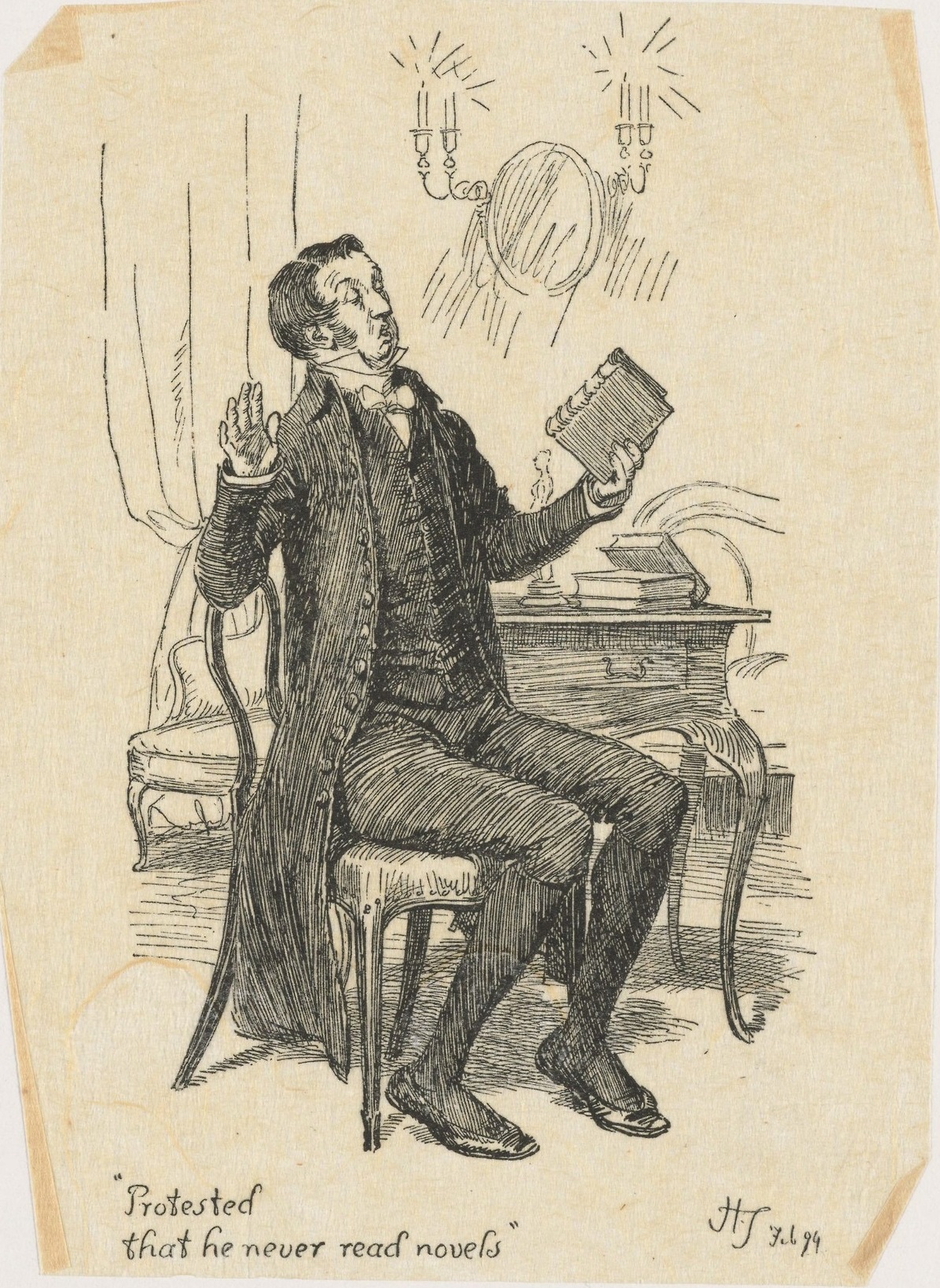
 I am wary of relying on
 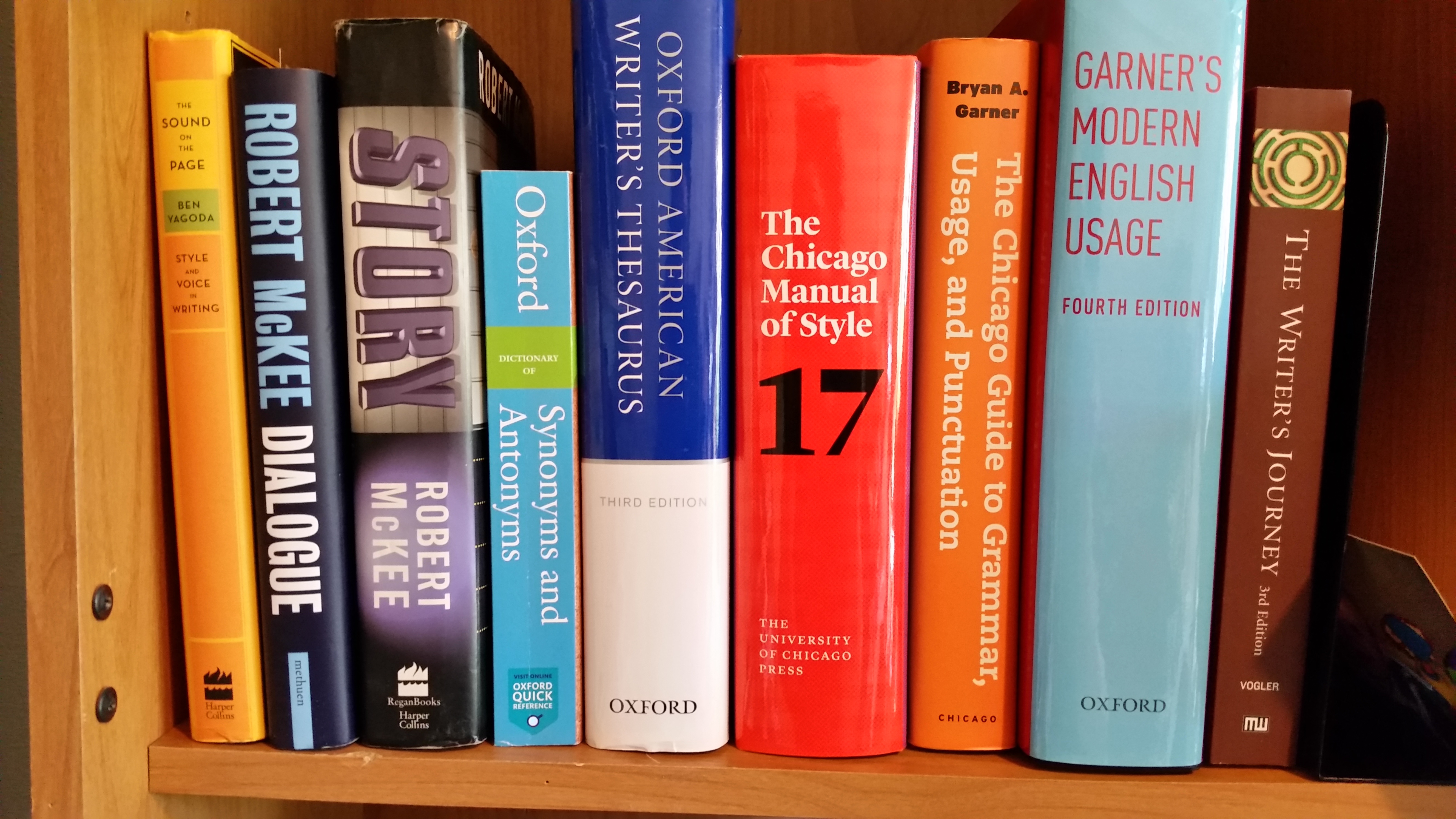 If you read as much as I do (and this includes books published by large Traditional publishers), you know that a few mistakes and typos can and will get through despite their careful editing. So, don’t agonize over what you might have missed. If you’re an indie, you can upload a corrected file.


 Life in the Realm of Fantasy