
Someone recently suggested I write a post on the evolution of me as an author, so here it is.
 From my earliest childhood, I always thought of myself as a writer. I just didn’t know how to write anything longer than a poem or a song in such a way that it was readable.
Most evenings, I listened to music on the stereo, writing my thoughts and ideas in a notebook while my kids did their homework.
My pen and ink ramblings weren’t “writing” as I see it now. They were more like frameworks to hold ideas that later became full-fledged stories.
Then, in 1987, my father bought me a secondhand IBM Selectric Typewriter, and my writing addiction took off.
For most of my writing life, I was like a five-year-old with a new set of paints. My enthusiasm for my stories was far greater than my ability to tell them.
I didn’t have the information I needed to make my work readable and didn’t know how to get it.
I felt embarrassed for even thinking that I could be an author.
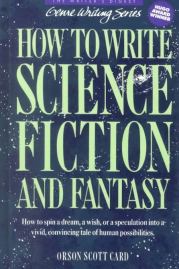 One day in 1990, I stumbled upon a book offered in the Science Fiction Book Club catalog: How to Write Science Fiction and Fantasy by Orson Scott Card. The day that book arrived in my mailbox changed my life.
I could become an author, and one of my favorite writers was going to tell me how to do it.
In the years since that book, I have amassed a library of books on the craft. Some are brilliant, some not so much, but I always learn something from them.
However, personal experience is a great teacher, and I’ve learned many things by trial and error.
So here in no particular order are six things I would like to pass on to you:
One: Make a style sheet as you go.
Build a glossary of words and spellings unique to your story and especially be sure to list names. I use an Excel spreadsheet, but you can use anything you like to help you stay consistent in your spelling.
And even though I think I am developing a thorough glossary, my editor will find many words to add to it.
Two: Develop a logical, consistent system for naming your files and save regularly.
Save each version of your manuscript with a different name so you can go back and retrieve bits you may need later. I use a system like this:
Heavens_Altar_V5.docx
That stands for Heaven’s Altar version five, and I work out of Word, so the extension is automatically a docx.
 Three: Find a local group of writers to meet with and talk about the craft.
Critique groups are great, but they are only one small part of the picture. Authors need to network with other authors because we need to discuss the craft with someone who doesn’t look at you with glazed eyes.
I gained a wonderful local group through attending write-ins for NaNoWriMo before the pandemic. While we haven’t been able to have in person meetings for a while, we meet weekly via zoom. They are a never-ending source of support and information about both the craft and the industry. We are a group of authors writing in a wide diversity of genres. We gladly help each other bring new books into the world, but more than that, we are good, close friends.
Four: Never stop educating yourself.
Learn how to say what you mean with your unique voice and your personal style. A college education is an expense we might not be able to wrangle. But you can buy books on grammar, books on style and substance, and books on writing craft.
Learn about structure and pacing from successful authors. Every coin you invest in your education will be returned to you with interest when your story makes a reader say they wished it hadn’t ended.
Self-education requires perseverance and a small investment of money, but you can do it.
 Spend the money to go to conventions and attend seminars. You will learn so much about the craft of writing, the genre you write in, and the publishing industry as a whole—things you can only learn from other authors. I gained an extended professional network by joining The Pacific Northwest Writers Association and going to their conferences.
Five: Don’t even consider signing with the slick-talking publisher that contacts you out of the blue.
How can a publisher possibly want work they haven’t seen?
Make use of SFWA’s Writer Beware site. These predators want your work all right—and want to sell you publishing services you can do for yourself. You won’t benefit from the predator publisher’s “services,” but they will profit from your desperation to be published. They will publish your work in its raw unedited form, and you will never see a dime.
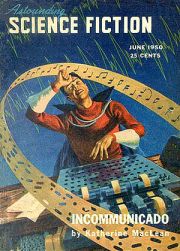 Six: My final suggestion is this: even though you are writing that novel, keep writing short stories too.
Short stories are a training ground, a way to hone your developing skills. They’re also the best way to get your name out there. My advice is to build a backlog of work from 2000 to 5000 words in length and keep them ready to submit to magazines, anthologies, and contests.
All those fabulous scenes and vignettes that roll through your head can be made into short pieces.
Get the Submittable App and see who is asking for the kind of stories you write. Start submitting your work, and don’t let rejections stop you. Just keep sending that work out to new places because someone will want it.
These are a few things that I wish I had known when I first started writing professionally but didn’t.
 About garden-path sentences, via Wikipedia, the fount of all knowledge:
 When I have asked a beta reader to read a section of my work, they sometimes flag a paragraph as unclear. It might make perfect sense to me, but if I am the only one who understands it, it’s time to tear that paragraph down to see if each sentence can stand on its own.
 I don’t want to introduce vagueness into my work. Just because I like what I wrote doesn’t mean it has to stay in the finished product. Maybe I don’t see that it’s confusing, but my friends who read my raw manuscripts will.
 Who is the enemy, the true architect of that conflict? At this point, we may have a name, but who are they really?
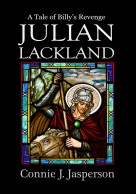 “God! You honestly believe I’m stupid.” Despite his anger, Beau kept his voice low. “There’s no reasoning with you. You’re convinced I’m besotted and Julian is barking mad. Get out of my way! I feel like hurting you.” He pushed past Huw, saying, “Go home, since you have so little faith in me.” He opened the door, intending to leave.
 In other stories, there is the nebulous antagonist. This could be the faceless behemoth of corporate greed, characterized by one or two representatives who may be portrayed as caricatures. In some
  A true villain is motivated, logical in their reasoning, and is utterly convinced of their moral high ground. They are creatures of emotion and have a backstory. As the author and their lawyer, you must know what their narrative is if you want to increase the risk for the protagonist.
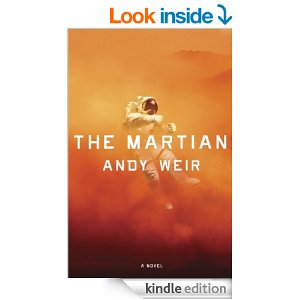 Andy Weir is genuinely a nice person and is the best example of an inadvertent teacher that I’ve ever seen. This interview is a brilliant seminar on how to research and plot a book. He writes hard sci-fi with a heart, but the principles of creation are the same for any genre.
 TED Talks
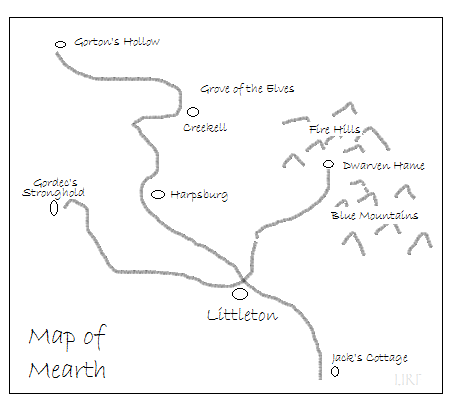 MAPS: If you are writing a story set in our real world, your characters will be traveling in places that exist in reality. You want to write the landmarks of a particular city as they should be, so bookmark
  My
My  Where was I? Oh, yes. Today (Wednesday) is the third day of NaNoWriMo2021. I am managing to get all the clerical work for my region done and keep a path cleared through my home. Monitoring the Discord channel for my region has been a bit distracting. However, I still have the time to get a respectable amount of work done on my new book.
 This method involves hopping around in the story arc, but it works for me. I have a master file already with the storyboard in it. Today, I began writing each scene as a short story, labeling the file with a title like FoR_pub_scene_at_Linniston (Fires of Redemption, pub scene at Linniston). The title tells me where this scene will fit in the story arc. Everything will go into the master file in my writing folder and be saved to Dropbox. I’m starting with this one, as it introduces everyone.
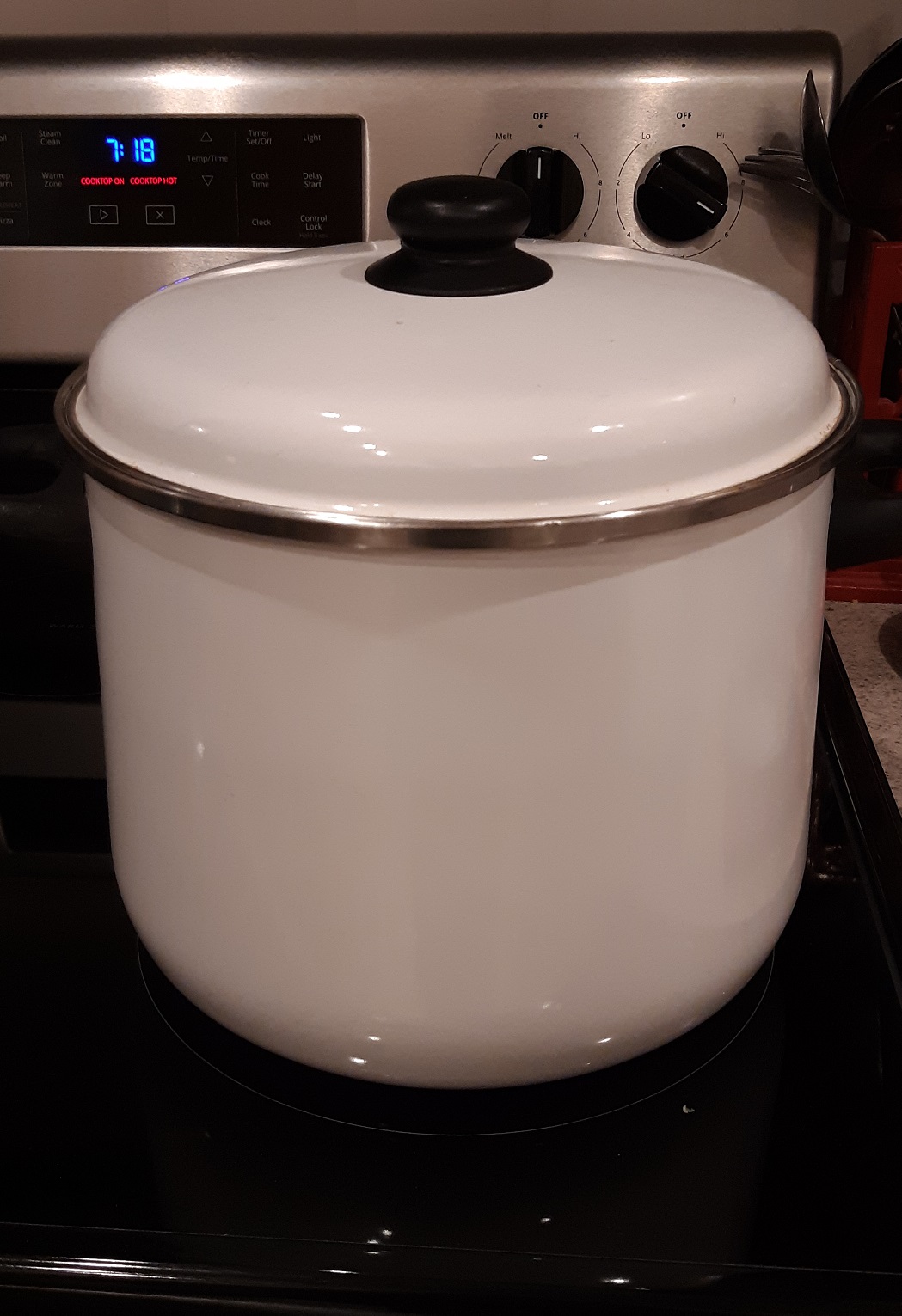 This will be one of the more challenging years for me, as life is throwing roadblocks in my path. A water pipe has broken beneath our master bedroom closet, and two weeks on, we are still waiting for a plumber. In the meantime, we have no hot water, but we do have cold still flowing, so we aren’t hurting too badly. I make hot water with the spaghetti boiler on my stove and feel glad we aren’t hauling it here from the creek.
 That was a week ago. We’ve been waiting for the plumber for two weeks, but a light is on the horizon. Hope looms, and an appointment for tomorrow has finally been confirmed.
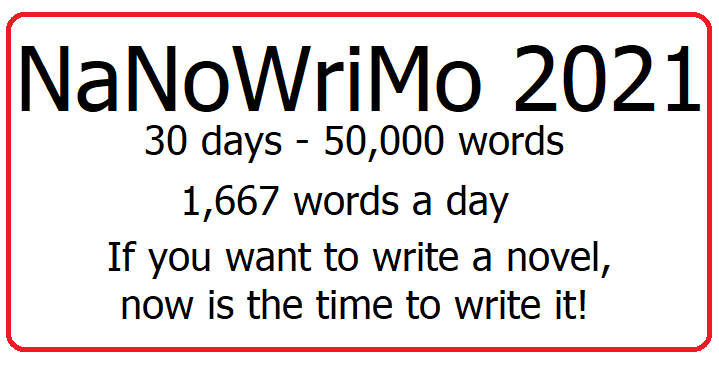 NaNoWriMo is a personal challenge, a month that is solely dedicated to the act of writing a novel. It is a speed-run with daily goals to meet.
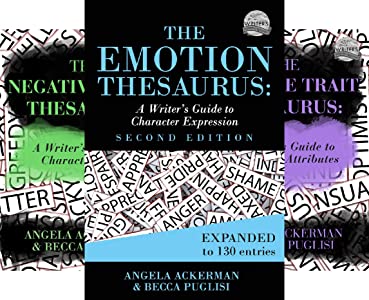 Some new authors seek out books about writing craft and attend seminars. They will join writing groups and develop the skills needed to take a story and make it a novel with a proper beginning, a great middle, and an incredible end.
 This is time-consuming, and you will feel as if you need a personal assistant to handle these things. I know several authors who rely on the services of
  So, what do we need to have in place during the next seven days before the big event?
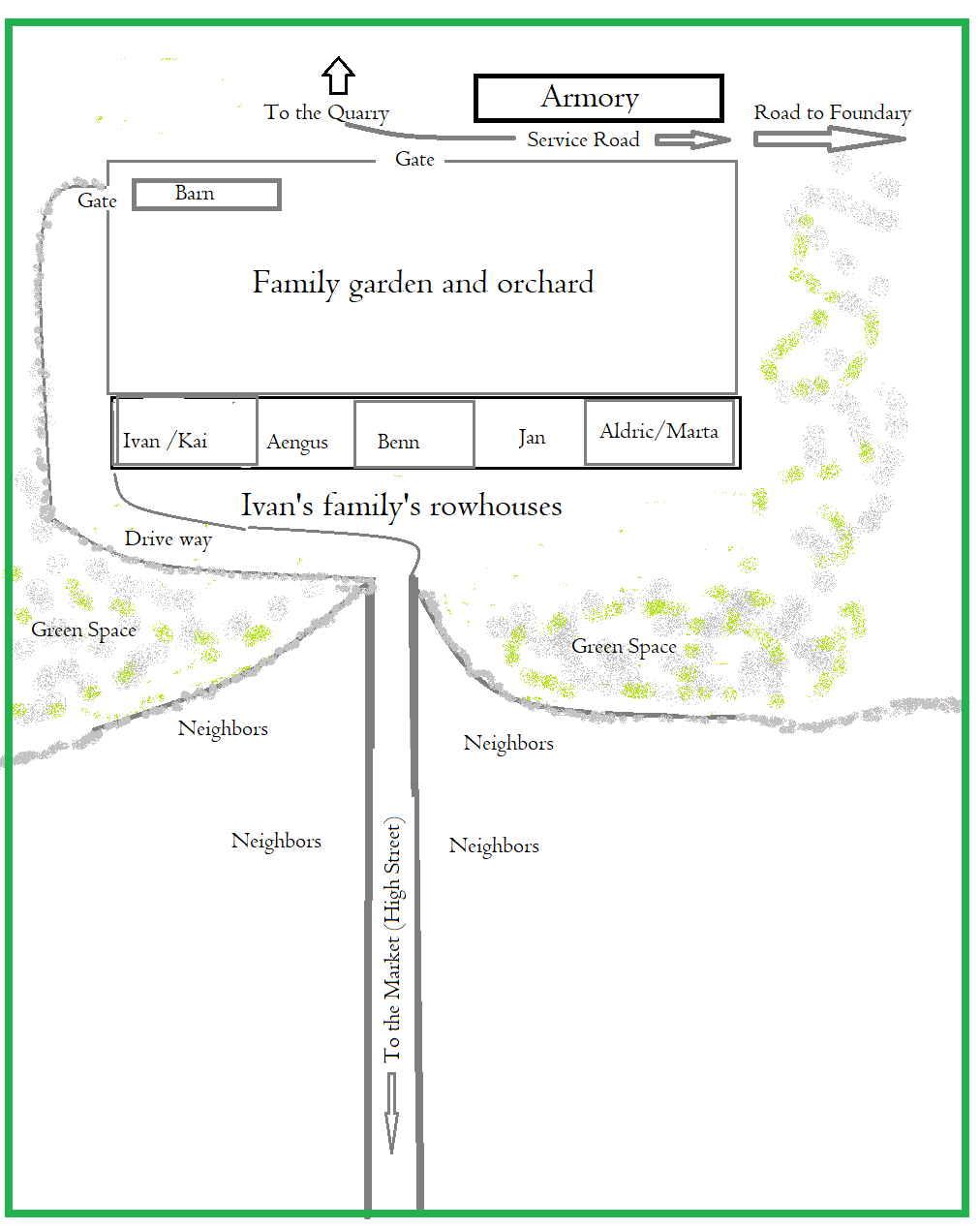 Environment: Ivan and Kai live in Weiland, Tribe Weila’s riverport and mining center. Ivan’s extended family has five rowhouses at the upper end of High Street. It’s a steep but easy walk to the market for his grandfather, who lives next door and watches the children while Ivan and Kai work. I drew a little map for my notes, so I know the layout of where everything is in regard to their home and businesses. It could change, but I have something to start with.
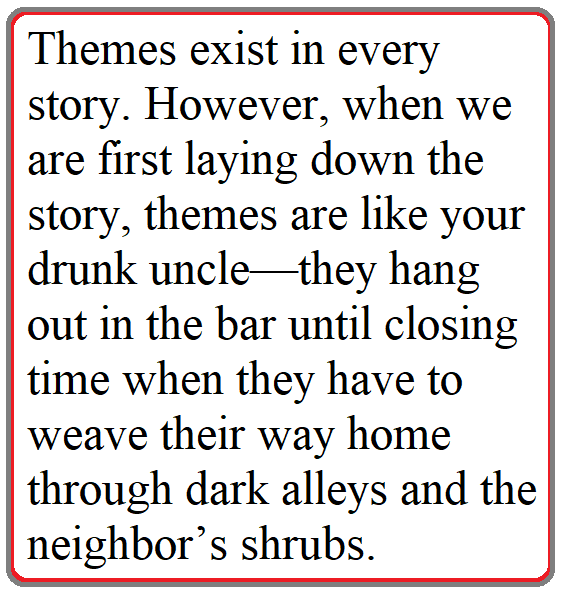 A common theme in fantasy is the juxtaposition of chaos and stability (or order). This subtheme will feature strongly in my novel. Good vs. evil is a
  We have this perception that taking time for creativity is selfish, and that will be your biggest hurdle. Trust me, it is not asking too much of your family for you to have some time every day that is sacred and dedicated to writing.
 Write for five minutes here and ten minutes there all day long if that is all you can do. Every word counts toward your finished manuscript. I took my lunch to work and wrote during my lunch half-hour whenever possible. I also wrote on the bus when I didn’t own a car.
 Remember, what you are writing is a rough draft, so your story arc will be bumpy and uneven. It doesn’t have to be perfect, so don’t worry about making it so. The goal of NaNoWriMo is to get that first draft written in thirty days. So, every time you have fifteen minutes to spare, sit down and write as much as you can in that short length of time. Spew your story as fast as you can in those moments before you are pulled away. With six or seven short bursts of writing, you can really rack up the word count.
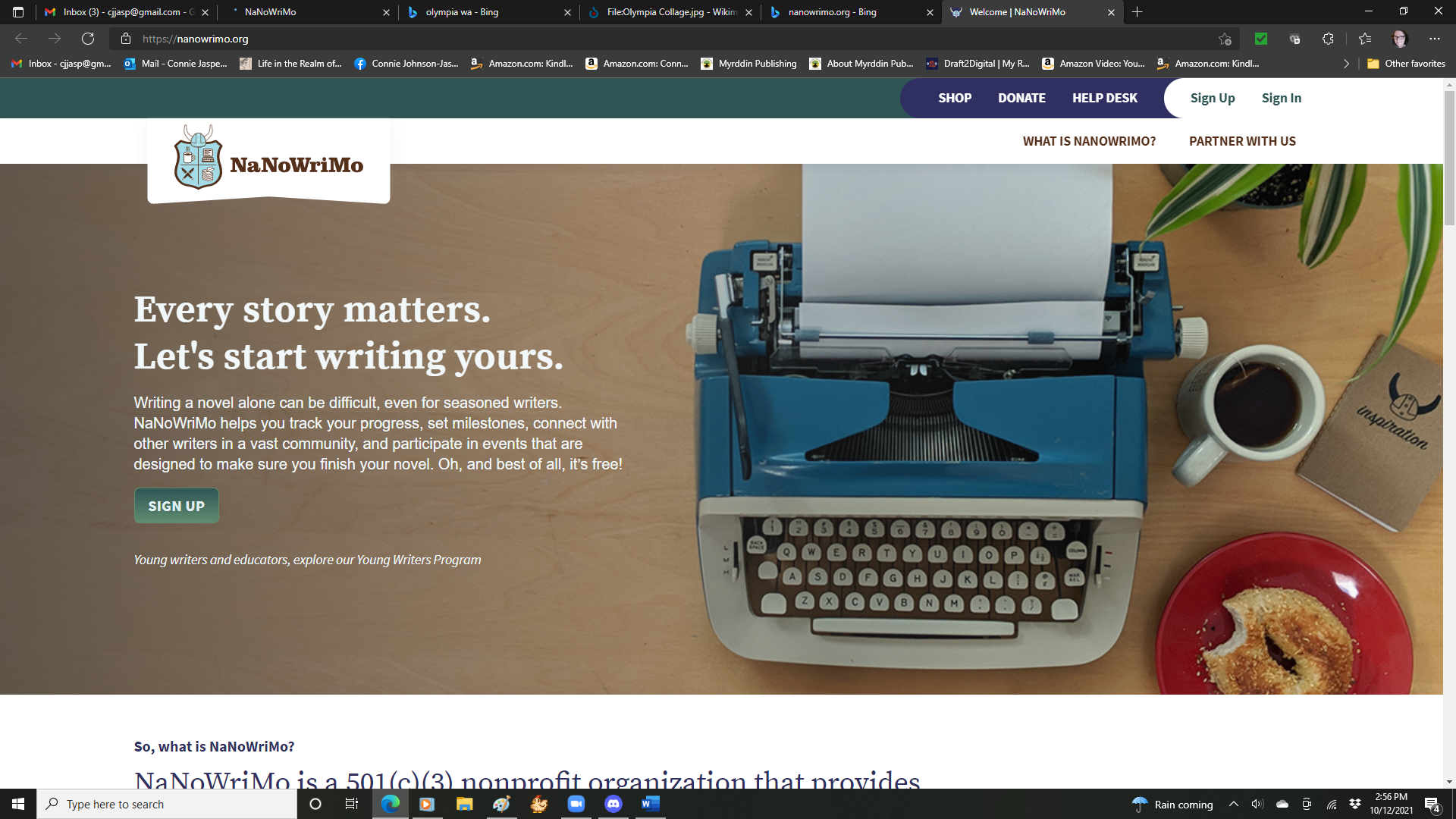 Once there, create a profile. You don’t have to get fancy unless you are bored and uber-creative.
 You can play around with your personal page a little to get used to it. I use my NaNoWriMo avatar and name as my Discord name and avatar. This is because I only use Discord for NaNoWriMo and one other large organization of writers. (Next week, we’ll talk about Discord and why NaNoWriMo HQ wants us to use it for word sprints and virtual write-ins.)
 Next, check out the community tabs. If you are in full screen, the tabs will be across the top. If you have the screen minimized, the button for the dropdown menu will be in the upper right corner and will look like the blue/green and black square to the right of this paragraph.
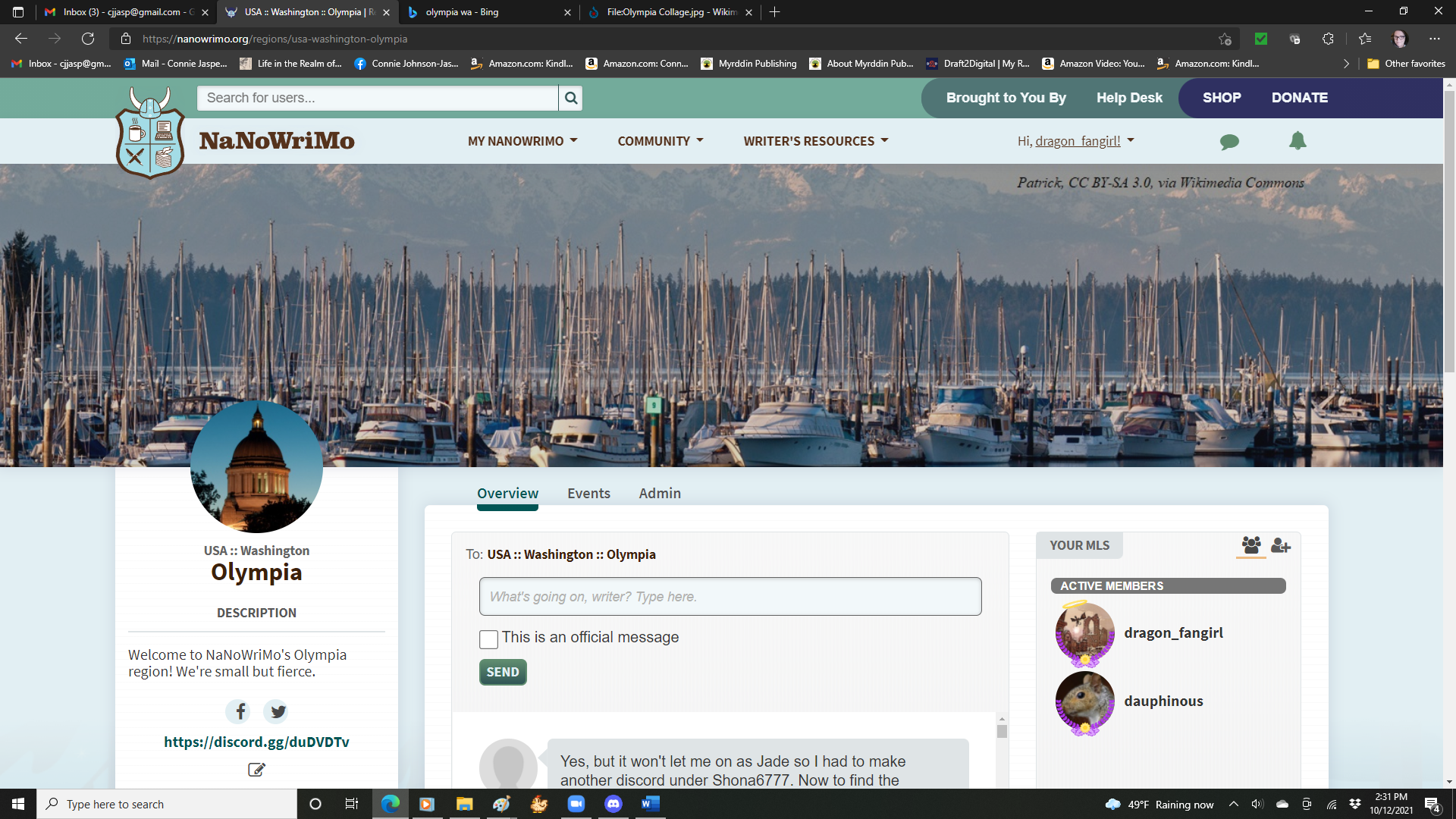 You may find the information you need in one of the many forums listed here.
 Make a master file folder that is just for your writing. I write professionally, so my files are in a master file labeled Writing.
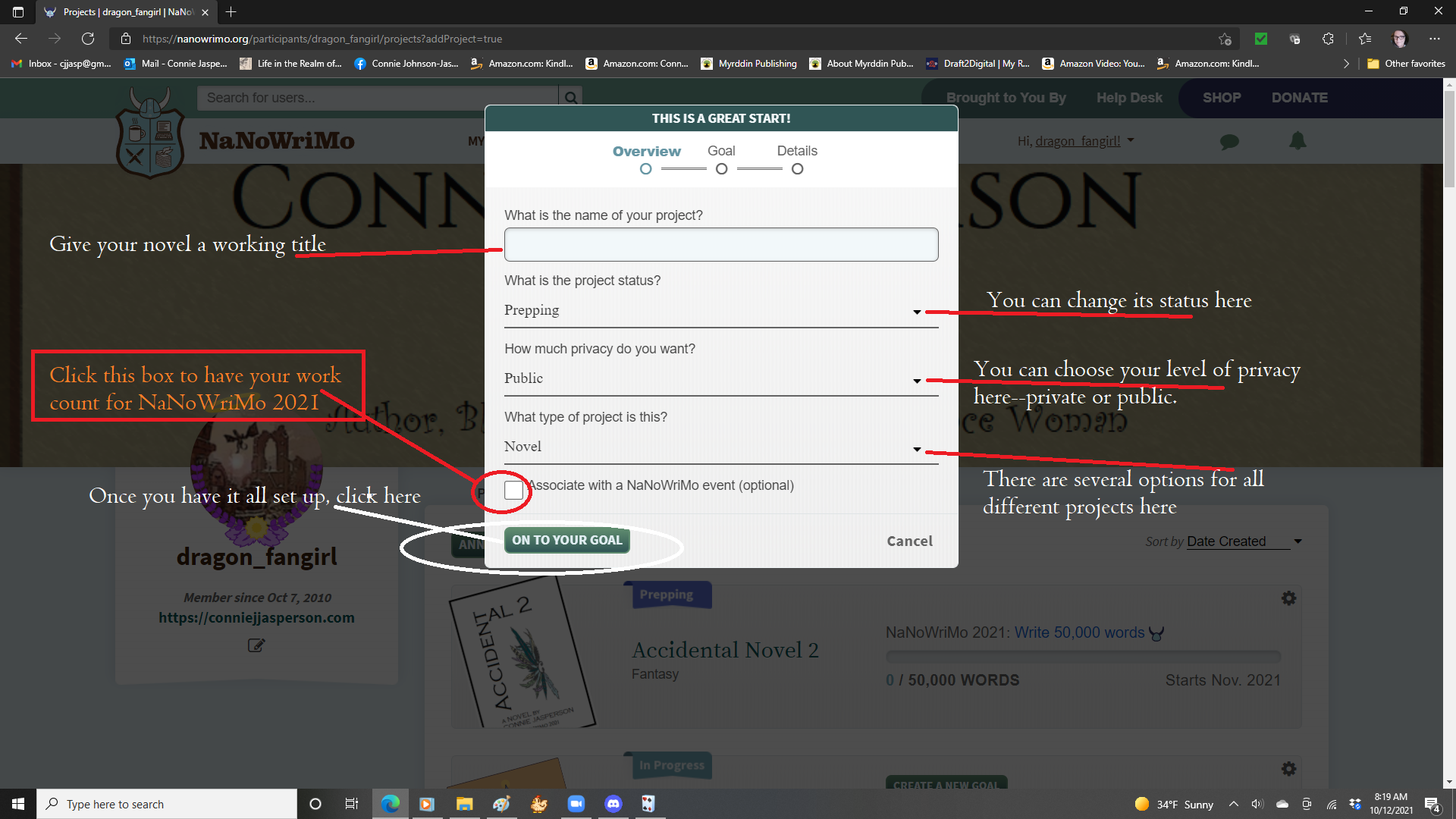
 Give your document a label that is simple and descriptive. My NaNoWriMo manuscript will be labeled: Accidental_Novel_2.
 Still, we can come together and support each other’s writing via the miracle of the internet. My region is finalizing a schedule for “Writer Support” meet-ups via Zoom – little gab sessions that will connect us and keep us fired up.


 Life in the Realm of Fantasy