
Even if you don’t have an idea of what you want to write, it’s time to go out to www.nanowrimo.org and sign in or sign up. That will inspire you!
Navigating the website at www.nanowrimo.org can be confusing. However, if you take the time to explore it and get to know all the many tricks to using it, you’ll be more comfortable with it.
If you haven’t been a participant for several years and are considering joining again, you’ll find the new website is radically different from the old site. Many features we used and loved in the past are no longer available, but it includes numerous features that really are nice. The following screenshots will help you find your way around the website:
First, go to www.nanowrimo.org. This is the landing page:
 Once there, create a profile. You don’t have to get fancy unless you are bored and uber-creative.
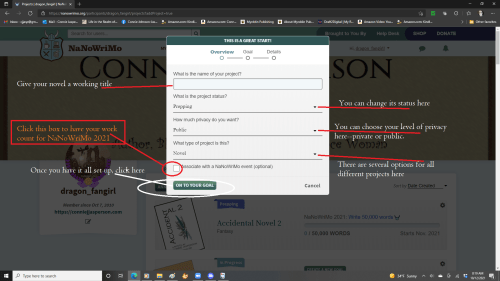
Next, declare your project: Give your project a name if you have one. I don’t have a working title yet, so I’m just going with Accidental Novel 2 since it features the same characters as last year’s accidental novel. Pick the genre you intend to write in. Write a few paragraphs about your intended project if you know what you plan to write.
 You can play around with your personal page a little to get used to it. I use my NaNoWriMo avatar and name as my Discord name and avatar. This is because I only use Discord for NaNoWriMo and one other large organization of writers. (Next week, we’ll talk about Discord and why NaNoWriMo HQ wants us to use it for word sprints and virtual write-ins.)
While you are creating your profile, write a short bio, and with that done, you’re good to go. If you’re feeling really creative, add a header and make a placeholder book cover—have fun and go wild.
 Next, check out the community tabs. If you are in full screen, the tabs will be across the top. If you have the screen minimized, the button for the dropdown menu will be in the upper right corner and will look like the blue/green and black square to the right of this paragraph.
When the button is clicked, the menu will be on the righthand side instead of across the top.
Your regional page will look different from ours because every region has a different idea of how they present themselves, but it will be there in the Community tab. And don’t forget to check out the national forums, also on the Community tab.
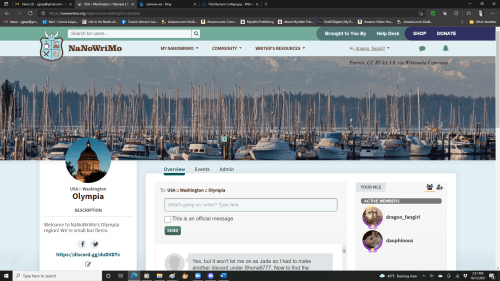 You may find the information you need in one of the many forums listed here.
Now, let’s talk about eliminating heartache and attempted suicides among authors.
Losing your files is a traumatic experience. Some authors within my writing group have lost several years of work in a surprise computer crash – an unimaginable tragedy.
I use a cloud-based storage system because entire manuscripts can go missing when a thumb drive or hard drive is corrupted.
 Make a master file folder that is just for your writing. I write professionally, so my files are in a master file labeled Writing.
Inside that master file are many subfiles, one for each new project or series. My subfile for this project is labeled Ivans_Story.
 Give your document a label that is simple and descriptive. My NaNoWriMo manuscript will be labeled: Accidental_Novel_2.
First of all, you need to save regularly. I use a file hosting service called Dropbox. I have a lot of images on file, so I pay for an expanded version, but they do have a free version that offers you as much storage as a thumb drive. I like using a file hosting service because it can’t be lost or misplaced and is always accessible from my desktop, laptop, or Android. I work out of those files, so they are automatically saved and are where I want them when I closeout.
You can use any storage system that is free to you: Google Drive, OneDrive, or a standard portable USB flash drive.
Save regularly. Save consistently. DON’T put off saving to a backup of some sort – do it every day before you close your files.
One final thing for those who have participated in the past: NaNoWriMo HQ has announced that there will be no sanctioned in-person write-ins again this year. While this is disappointing, we care about the health of all our writers.
 Still, we can come together and support each other’s writing via the miracle of the internet. My region is finalizing a schedule for “Writer Support” meet-ups via Zoom – little gab sessions that will connect us and keep us fired up.
Our region will use the Discord Channel for nightly write-ins in the general chat and word sprints in our wordwars room. The pandemic has had one positive benefit – our region has remained active for the last year, with several intrepid writers doing nightly sprints.
Check out what you region offers you for year-round support. You might be amazed what they are doing.
The #NaNoPrep series to date:
#NaNoPrep: part 1: What’s the Story? (the storyboard)
#NaNoPrep, Setting: Creating the Big Picture
#NaNoPrep, Building Characters
#NaNoPrep, More Character Building
#NaNoPrep, Designing Science, Magic, and the Paranormal
#NaNoPrep, Terrain and Geography
#NaNoPrep, Connections and Interconnections
#NaNoPrep, Construction and Deconstruction
#NaNoPrep, The Story Arc Part 1
 But sometimes, when writing the first draft, we realize our manuscript has gone way off track and is no longer fun to write. That is where the storyboard and my loose outline become important.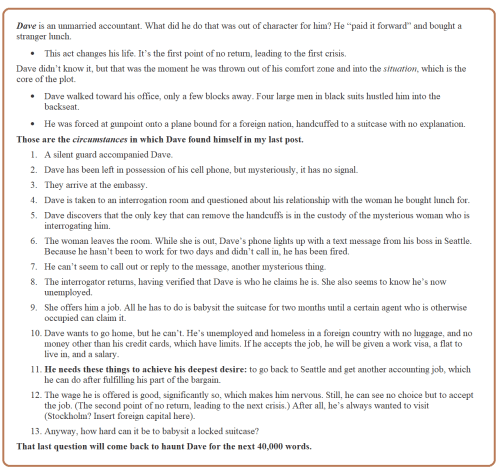
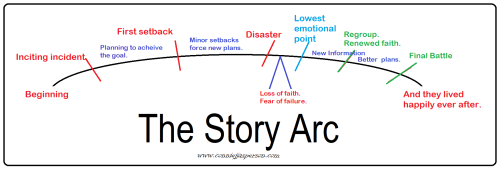
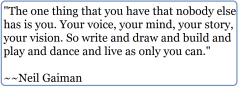 Every novel is different, has a different genesis, and emerges from the author’s mind with its own personality.
 I usually do this with a little advance preparation. Then on November 1st, I sit in front of my computer, and using the ideas I have outlined as my prompts, I wing it for at least two hours.
 How will the next phase of Dave’s story start? That will begin the middle section of the story, and this is what we are going to give a brief outline of.
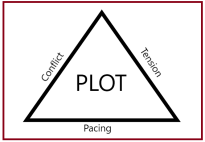 In any story, the crucial underpinnings of conflict, tension, and pacing are bound together. Go too heavily on one aspect of the triangle, and the story fails to engage the reader. By outlining a few important events now, we can add trouble and hitches during the writing process and increase the tension. Pacing will be something to worry about in the second draft—at this point, we just want to get the bones of his adventure down on paper.
 Whether you hope to be published traditionally or plan to go indie, you must know what the reading public is buying. You will probably write a book that is squarely set in your favorite genre.
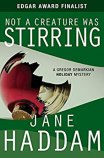
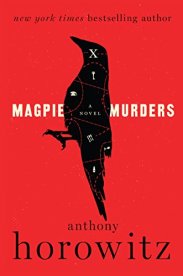 When editor Susan Ryeland is given the manuscript of Alan Conway’s latest novel, she has no reason to think it will be much different from any of his others. After working with the bestselling crime writer for years, she’s intimately familiar with his detective, Atticus Pünd, who solves mysteries disturbing sleepy English villages. An homage to queens of classic British crime such as Agatha Christie and Dorothy Sayers, Alan’s traditional formula has proved hugely successful. So successful that Susan must continue to put up with his troubling behavior if she wants to keep her job.
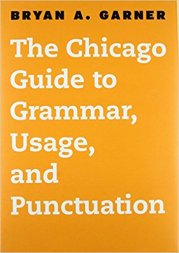 Now, let’s talk MECHANICS. The author of the Magpie Murders has worked as a journalist. He has taken the time to become educated in grammar and understands common industry standards.

 I know that world because I based the plants and topography on the Pacific Northwest, where I live. Other than the Escarpment, which is the visible scar left behind by the Sundering of the Worlds, the plants and geography are directly pulled from the forested hills and farmlands of Southern Puget Sound and Western Washington State.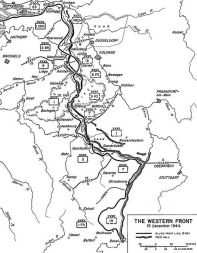
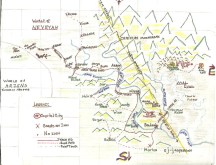
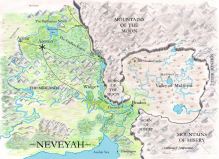
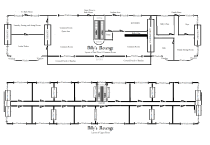 If your work is sci-fi, consider making a map of the place where the action happens. It could be a pencil-drawn floor-plan of a space station/ship or the line drawing of part of an alien world. I drew the floorplan of Billy’s Revenge for my reference, as most of the novel, Billy Ninefingers, takes place there.
 Open your
  Authors of sci-fi must research and understand the
  Satisfying these conditions sets the stage for you to create the Science of Magic. This is an underlying, invisible layer of the world. By creating and following the arbitrary rules of this “science,” your story won’t contradict itself.
 Conflict forces the characters out of their comfortable environment. The roadblocks you put up force the protagonist to be creative. Through that creativity, your characters become stronger than they believe they are.
 If you design this now, on November 1st, you will have the framework to showcase your characters ambitions, the drive to acquire more personal power, and the lengths characters will go to in their efforts to gain an edge over their opponents. Everything will be in place for a free-wheeling dive deep into the consequences of your protagonist’s struggle.
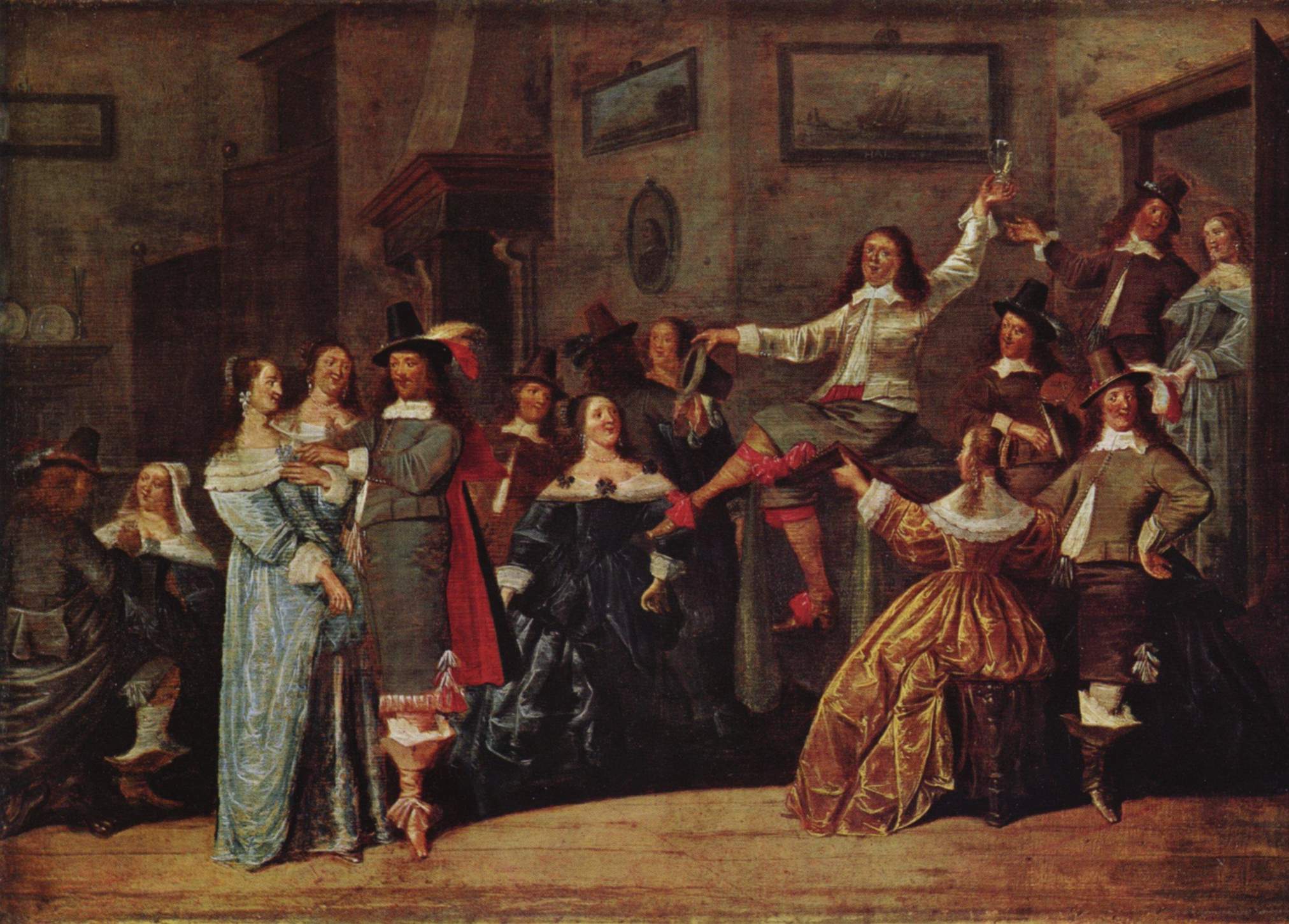
 We humans are tribal and like having an overarching power structure because someone has to be the leader, which isn’t a job most people want once they see what is involved. Being the leader means bearing the responsibility when things go wrong, usually more often than basking in the glory when it’s all good.
 Society is always composed of many layers and classes. Below is a list of questions for you to consider when building your fantasy or sci-fi civilization. I admit it’s long, but please bear with me.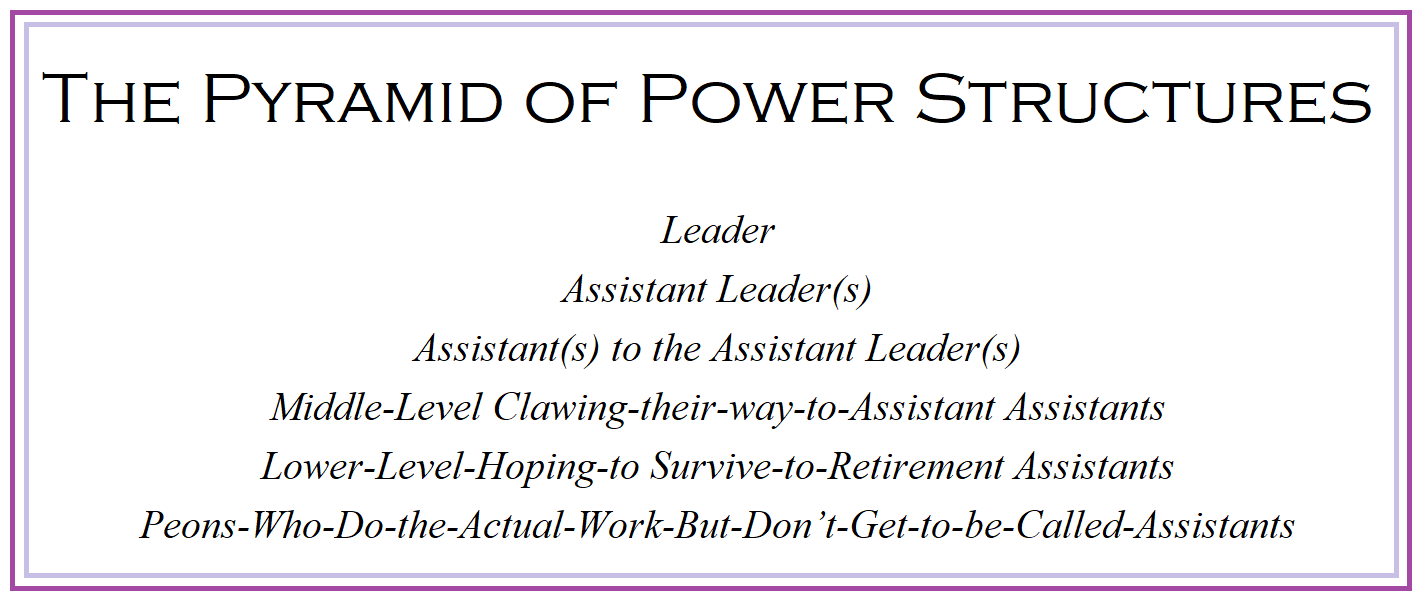
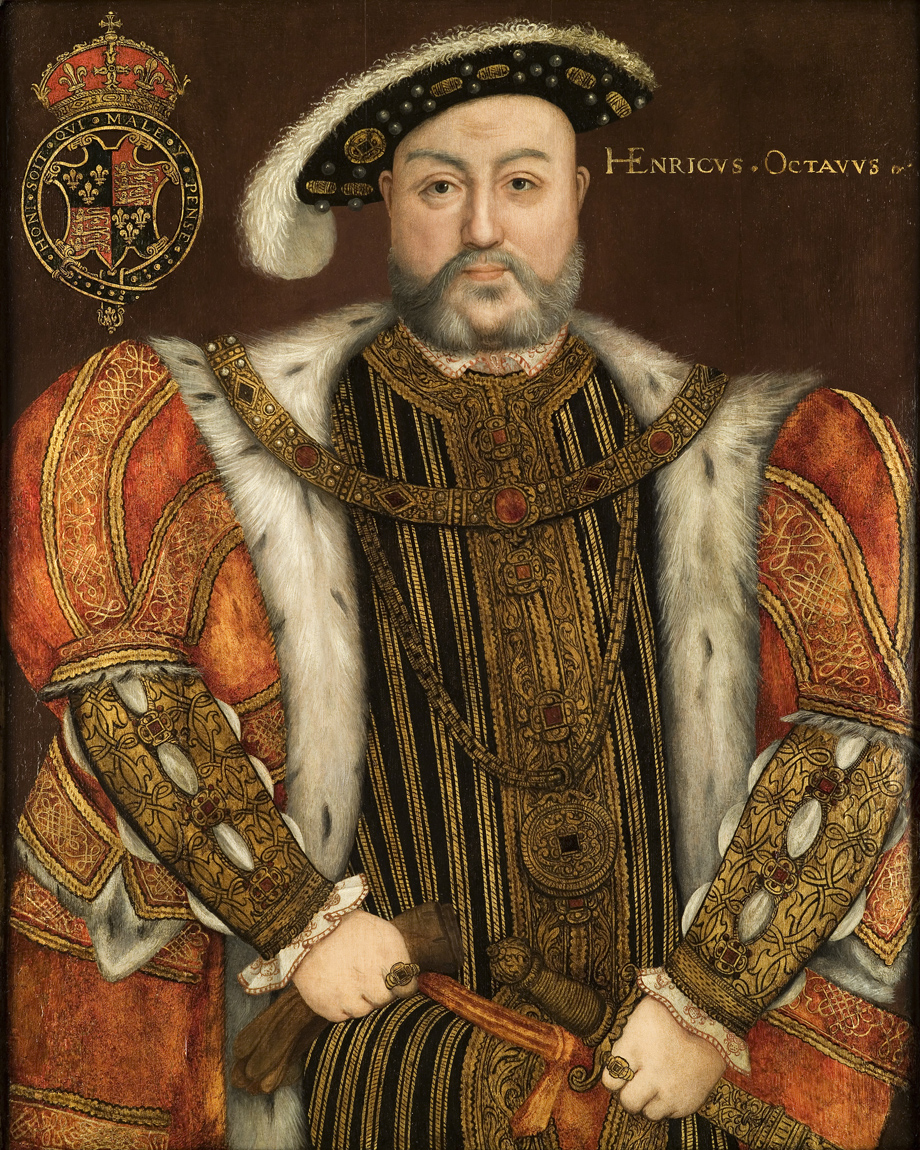 Government: There will be a government somewhere, even if it is just the local warlord. Someone is always in charge because it’s easier for the rest of us that way:
 Power in the hands of only a few people offers many opportunities for mayhem—followers may inadvertently create a situation where the leader believes they are anointed by the Supreme Deity. Even better, they may become the God-Emperor/Empress.
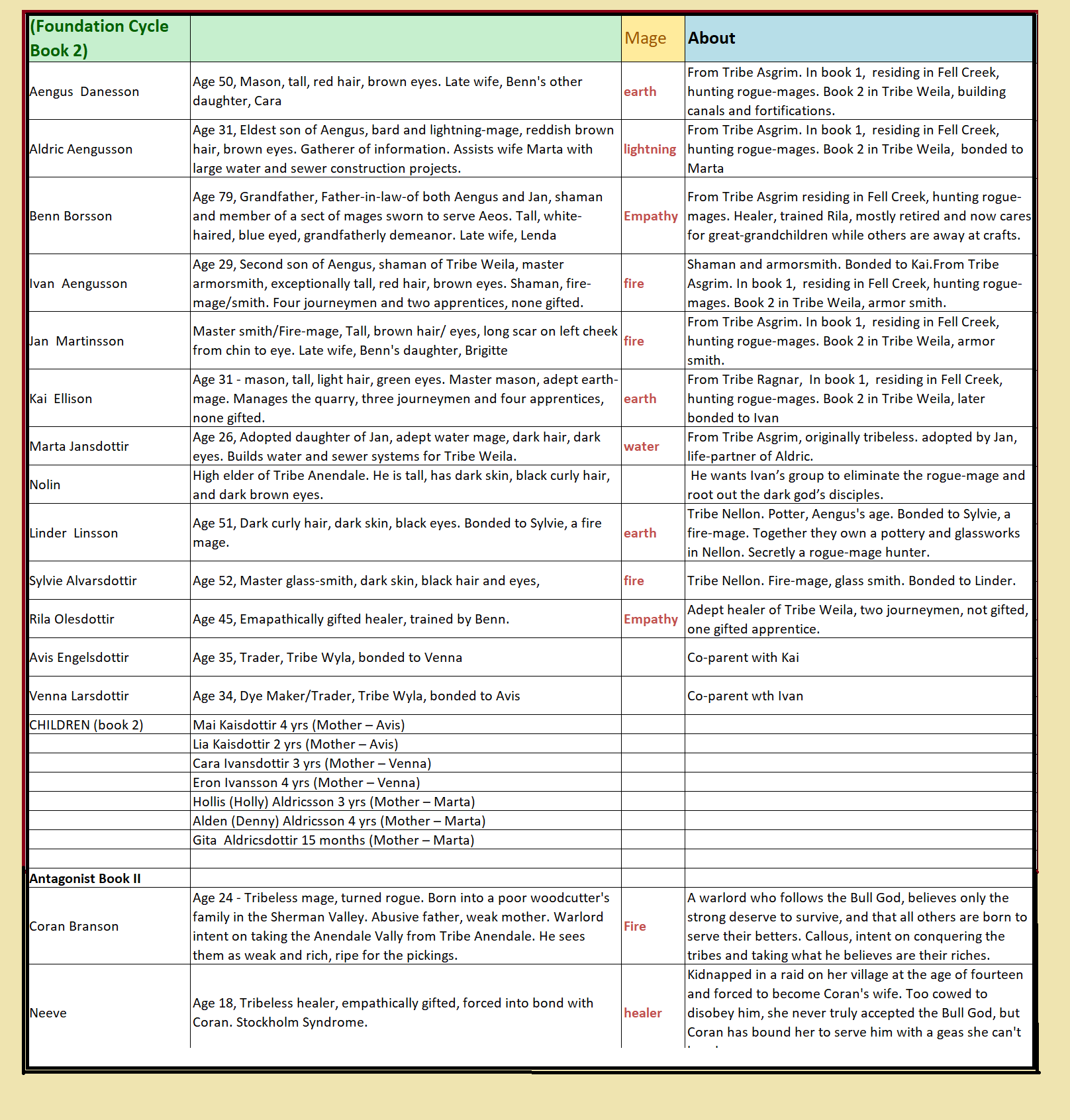 Every side character has hopes and wants something, so that will be noted.
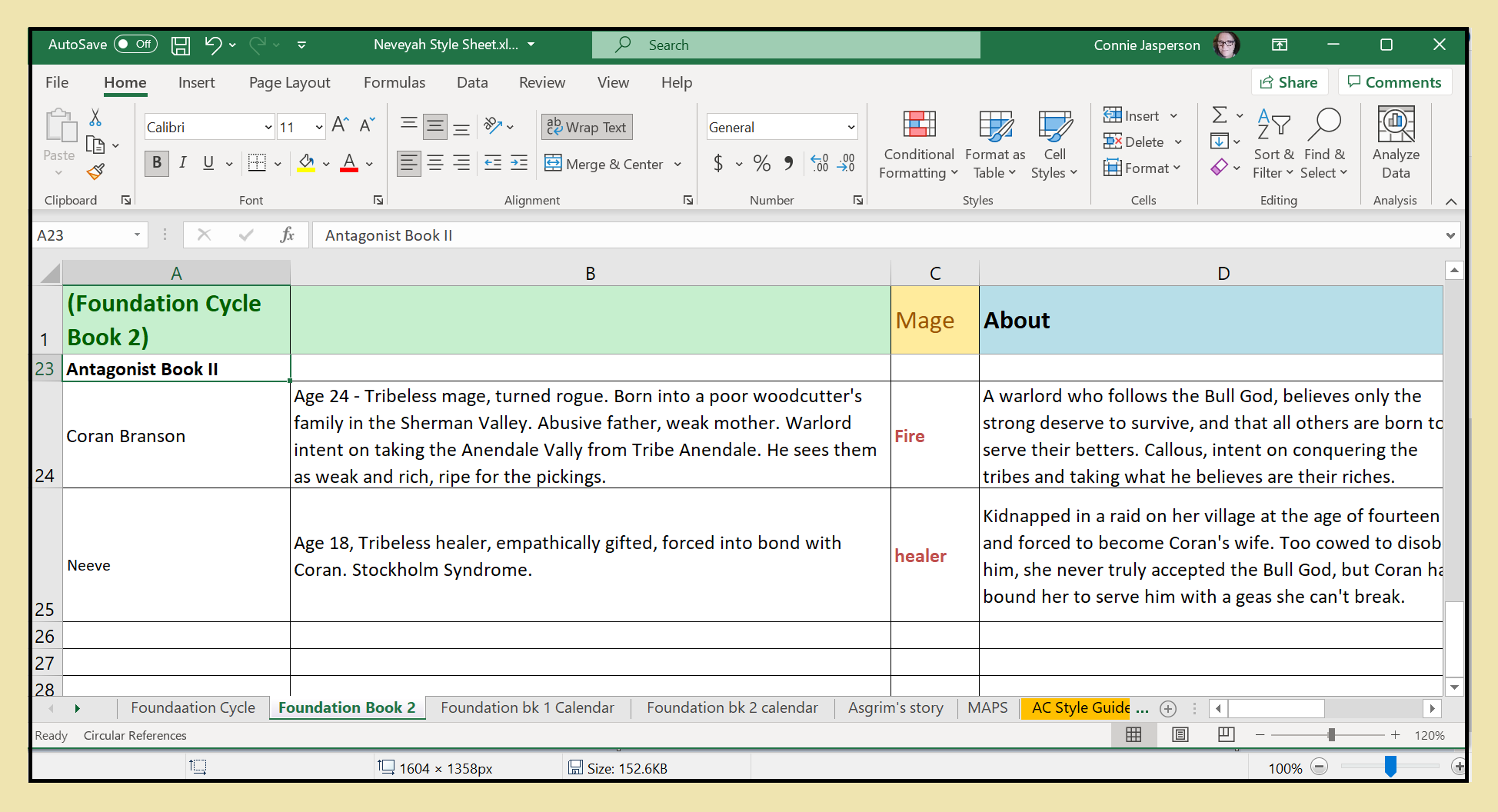 My antagonist will have trusted captains, who will carry out his orders. I just haven’t met them yet, and probably won’t until I begin plotting the antagonist’s arc of the story.
 Race: This is a post-apocalypse world. When the survivors were preparing to leave the catacombs, they divided into 50 tribes and blended the various races and ethnicities as evenly as possible to widen the gene pool. Everyone is of mixed-race heritage, regardless of outward coloring and appearance.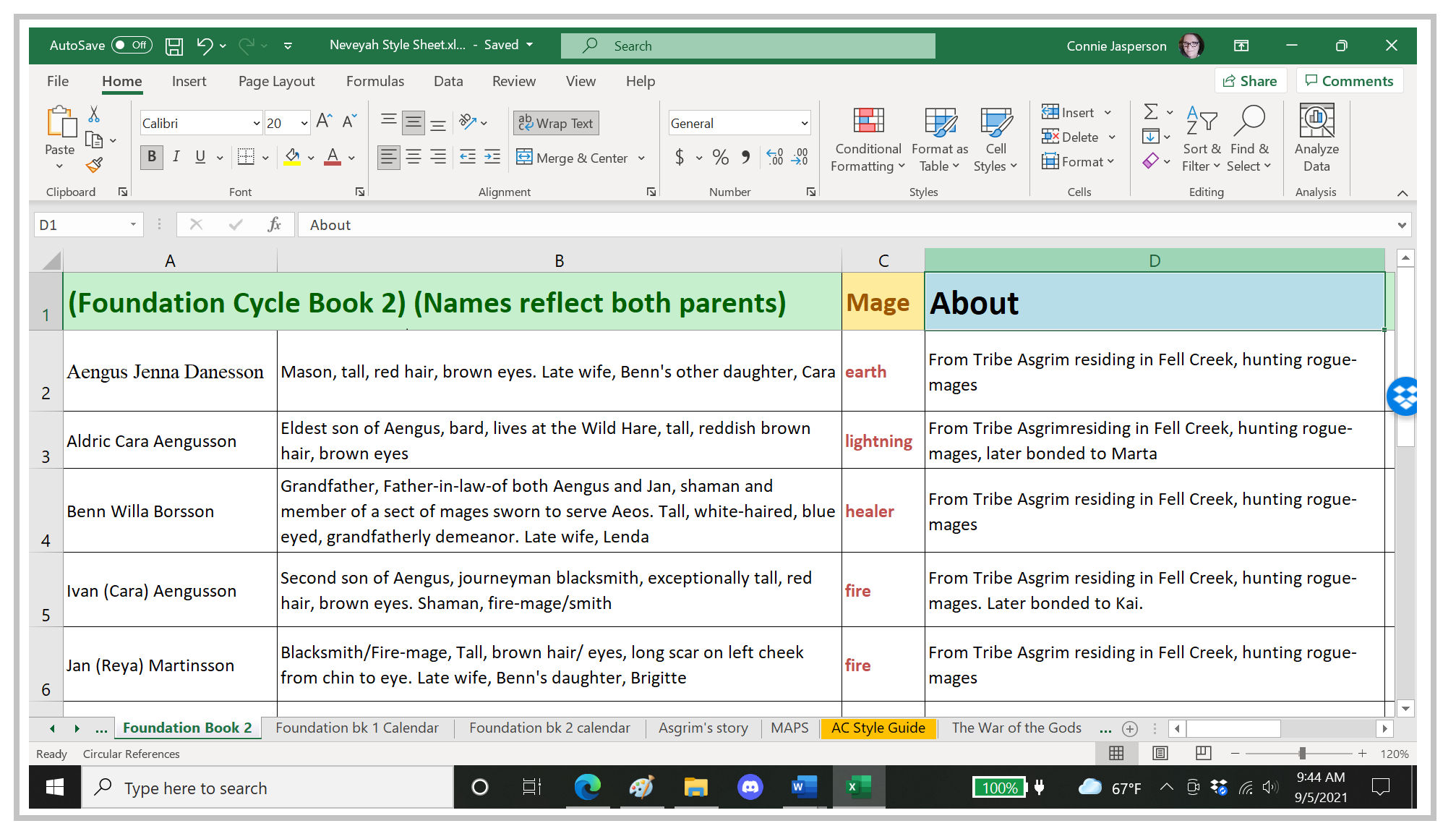
 Next up, we will look closer at our characters and see who their companions are. Some of Ivan’s companions are already established as they were featured in last year’s NaNoWriMo novel. Others are new, and I need to understand who they are and how they fit into Ivan’s story.


