
I read fantasy novels as much as I read in any other genre. In reading five books a week, I come across both indie and traditionally published work in all genres. Many are books I cannot recommend. A sad truth is, both sides of the publishing industry are guilty of publishing novels that aren’t well thought out.
 Fantasy is and always has been my favorite genre. I became a fan when I first read the Hobbit at the age of nine. I have read countless works written by people who understood how to construct a plot and set it in a believable world. These classics trained me to notice contradictions in what I read, whether in a magic system or elsewhere in a book.
Inconsistencies are usually only one aspect of a poorly planned fantasy novel. One can see how an author was unaware of contradictions as they emerged during the writing process. They wrote the story as it came to them and didn’t check for logic or do much revising. They wrote the first draft, edited it, and published it, trying to keep to the three or four book a year schedule that many gurus tout as the way to gain readers.
I believe keeping to this kind of schedule is unreasonable and wish some of my favorite traditionally published authors weren’t contractually obligated to produce that many novels a year. It results in shallow, throw-away books written by people whose first books were brilliant, thought-provoking novels I wished I had written.
For me as a reader, the struggle is the story.
I like fantasy novels where the author has taken the time to devise a science of magic. When magic has limitations, story is forced to become character driven. It details how the protagonists develop the skills to overcome the roadblocks in their path and succeed in their quest.
Magic should exist as an underlying, invisible layer of your written universe, the way gravity exists in reality. We know gravity works and accept it as a part of daily life.
I use the physics of light photons as an example of how magic should behave. Photons can do some things, and they cannot do others. Magic is not science as we know it but should be logical and rooted in solid theories.
Several things to consider in designing a story where magic and superpowers are fundamental plot elements:
First, you must decide if the ability to use magic is either
- learned through spells,
- an inherent gift,
- or both.
Your world should establish which kind of path you are taking at the outset.
 I can suspend my disbelief when magic is only possible if certain conditions have been met. The most believable magic occurs when the author creates a system that regulates what the characters can do.
Magic is believable if
- the number of people who can use it is restricted to only a small number.
- the ways it can be used is limited.
- most mages are constrained to one or two kinds of magic.
It becomes slightly less believable when some mages can use every type of magic, but if the author explains that exception well and limits that kind of power to only a chosen few, I will keep reading.
Why restrict your beloved main character’s abilities? No one has all the skills in real life, no matter how good they are at their job.
Expertise in any field requires practice and dedication, working on the most minor details of technique.
- Magicians and wizards should develop skills and abilities the way musicians do.
Virtuosity requires complete dedication and focus. Some are naturally talented but without practice they never rise to the top.
Magic becomes believable when the author defines what each kind of magic can and cannot do.
- Those rules should define the conditions under which magic works.
- The same physics should explain why it won’t work if those conditions are not met.
Are you writing a book that features magic? I have a few questions that you may want to consider:
- Are there some conditions under which the magic will not work?
- Is the damage magic can do as a weapon, or is the healing it can perform somehow limited?
- Does the mage or healer pay a physical/emotional price for using or abusing magic?
- Is the learning curve steep and sometimes lethal?
When you answer the above questions, you create the Science of Magic.
So, what about superpowers? Aren’t they magic?
 Superpowers are both science and something that may seem like magic, but they are not. Think Spiderman. His abilities are conferred on him by a scientific experiment that goes wrong.
Like science and magic, superpowers are believable when they are limited in what they can do. These limitations provide excellent opportunities for plot development.
If you haven’t considered the challenges your characters must overcome when learning to wield their magic or superpower, now is a good time to do it.
- Are they unable to fully use their abilities?
- Why are they handicapped?
- How does their inability affect their companions?
- How is their self-confidence affected by this inability?
- Do their companions struggle to master their skills too?
- What has to happen before your hero can fully realize their abilities?
I want you to understand that these are only my opinions as a reader, and I employ these theories in my own work. The limits an author places on magic, science, or superpowers are barriers to success, and overcoming those roadblocks is what the story is all about.
 While an ordinary life is comforting to those of us who simply long for peace and stability in our daily lives, we read for adventure. The story must take an average person, someone who could be your friend, into an extraordinary future.
The struggle must push the characters we grow to love out of their comfortable environment. It must force them to be creative, and through that creativity, our favorite characters become more than they believe they are. I become invested in the outcome of the story.
The next post will delve into powers that are familiar tropes of speculative fiction and fantasy: healing and telepathy.
 Fortunately, Irene is editing the final draft of a book I finished during lockdown. She sends me one or two chapters with notes for final revisions each evening. That makes me happy—it’s been a while since I published a book.
 Agency is an integral aspect of the craft of writing. It means allowing your characters to make decisions that don’t necessarily follow the original plot outline. This gives them a chance to become real, the way
 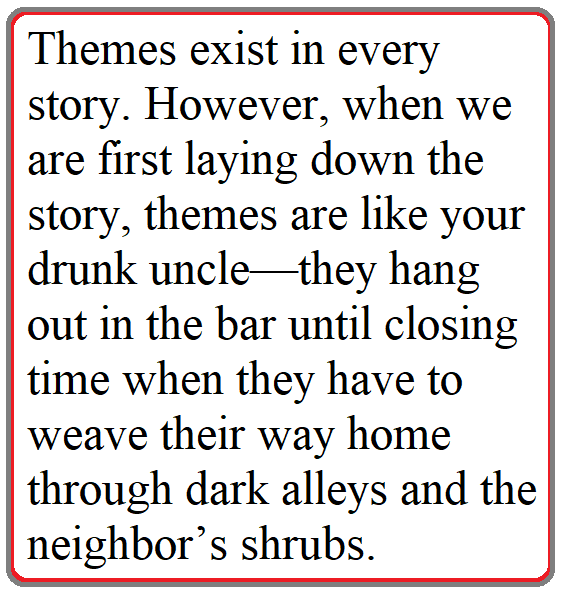 Sometimes we can visualize a complex theme but can’t explain it. If we can’t explain it, how do we show it? For me, that is the real struggle. Grief is a common theme that can play out against any backdrop, sci-fi or reality-based, where humans interact emotionally. But it is a complex theme, and people all react differently to it.
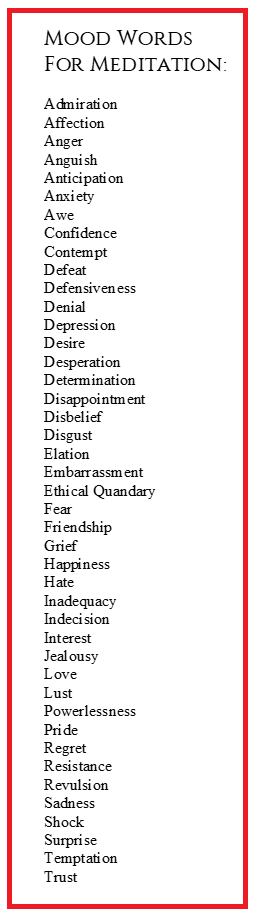 Highlighting a strong theme is challenging, even when I begin with a plan. But once I have identified these personal themes, I’ll be able to write their stories. I’ll use actions, symbolic settings/places,
  We often see memes and quotes about writing that resonate with us. Quotes often become memes because they are true and memorable and sometimes poke fun at us.
 However, obscure and pretentious prose (such as I enjoyed laying down in the preceding sentence) annoys the majority of readers. I want my work to please a reader, so I don’t indulge in ostentatious phrasing except in poetry.
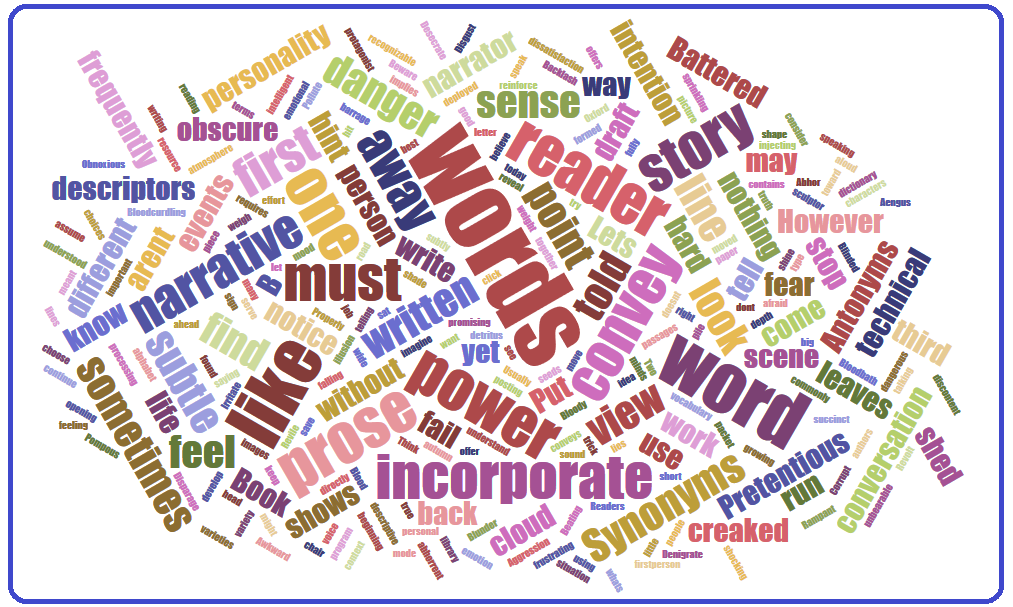 Mama and Dad both invented words and twisted others: a screwdriver was a skeejabber. Any object can be a doo-dad, but they were often doodle-be-dads in our house. When one or the other parent was mystified, they were bumfuzzled.
 Now that I have most of the foundation built for my novel (the ending is not written), I find myself going back and looking at places where I inserted notes to myself, using red fonts. These are messages like: Build tension between the factions here. Show how it affects the group’s mood. Or another note: Need an atmosphere of fear.
 I know how I want the story to affect a reader’s emotions—it’s perfectly shaped in my head. The trick is making that vision come true in writing. It may take a year or more to get the mood and atmosphere to feel the way I envision it.
 When a manuscript comes across their desk, editors and publishers create a list of names, places, created words, and other things that may be repeated and pertain only to that manuscript. This is called a stylesheet.
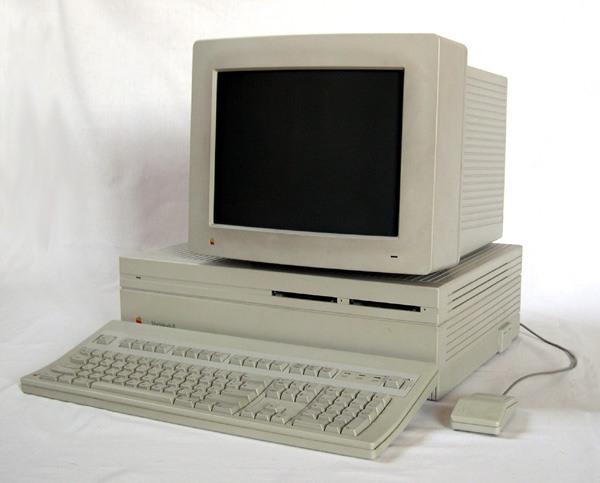 For short stories, the stylesheet will probably be a Word document. I have written them out by hand on occasion. You can create them in Google Sheets or Docs, which is free.
 Page Two: The projected story arc will be on page two of the workbook. I list each chapter by the events that need to be resolved at various points in the manuscript.
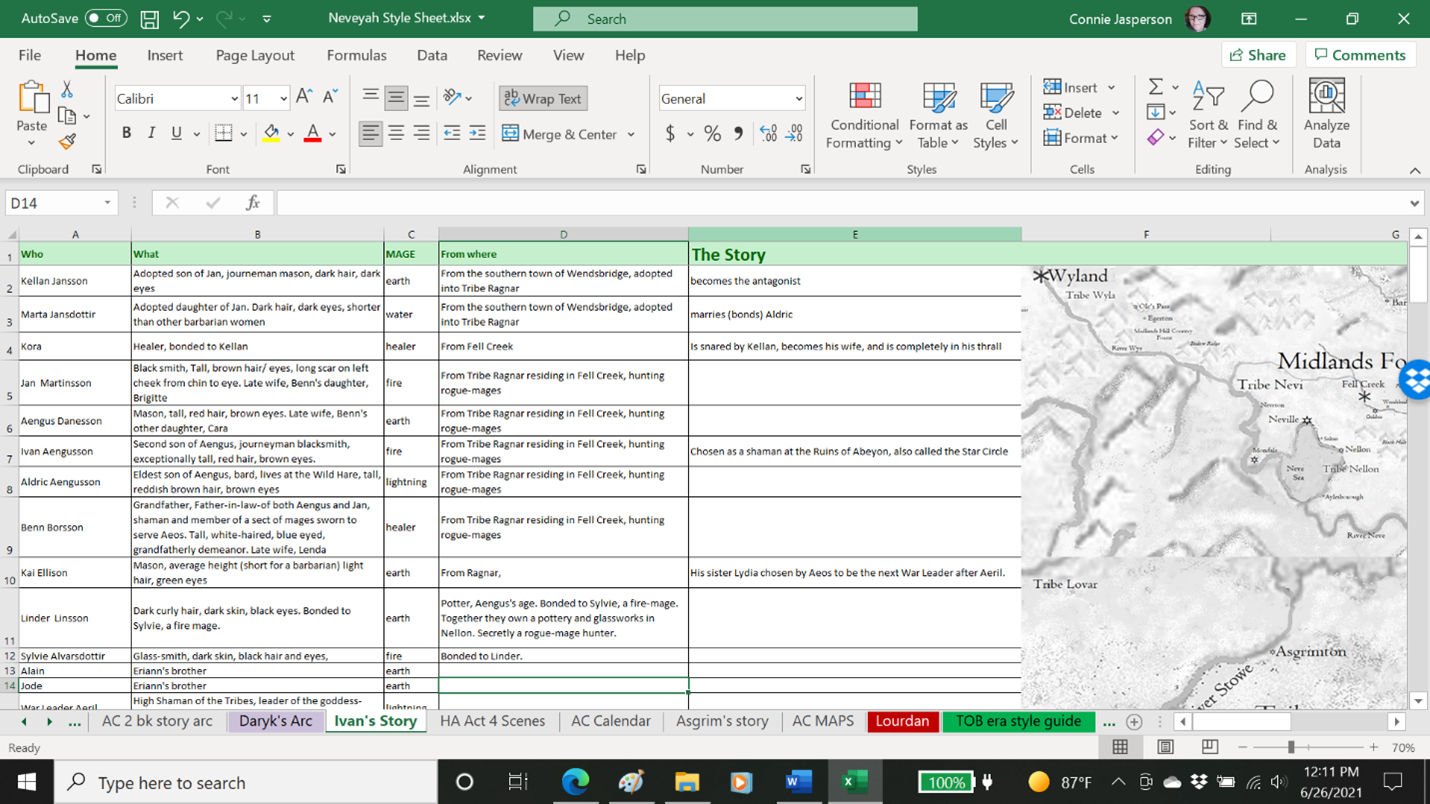 We never really know how a story will go, even if we begin with a plan. We will probably deviate some from the original outline. Usually, for me, the major events will remain as they were plotted in advance, even though side themes will evolve. The outline keeps me on track with length and ensures the action doesn’t stall.
 The plot usually evolves as I write each event and connect the dots. In one instance, it was completely changed. The original plot didn’t work at all, so drastic measures had to be taken.
 Once the first draft is finished, revisions will mean updating the stylesheet, but that’s part of the job. This ensures my editor will have less work when we get to the final draft.
 This novel was meticulously self-edited. I could see it was run through the author’s writer’s group many times, and the major flaws were ironed out. There were few typos, and the formatting was done well.
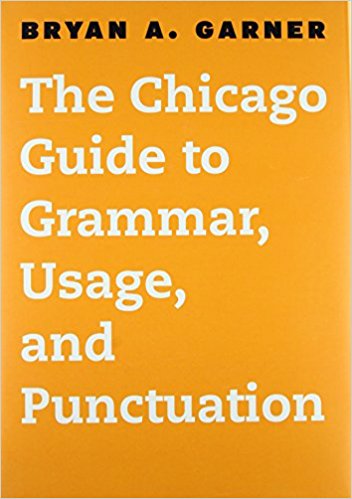 Let’s be real—style and grammar guides are tedious and hard to understand. We may own them but we hate to crack them open. Trust me, researching grammar gets easier and more interesting as you advance in writing craft.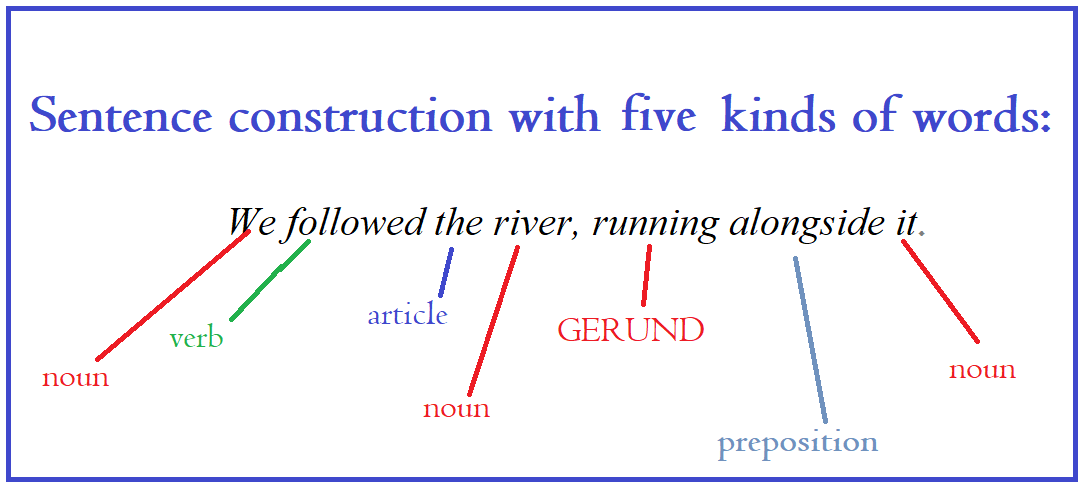
 Sometimes, the story demands a death, and 99% of the time, it can’t be the protagonist. But death must mean something, wring emotion from us as we write it. Since the character we have invested most of our time into is the protagonist, we must allow a beloved side character to die.
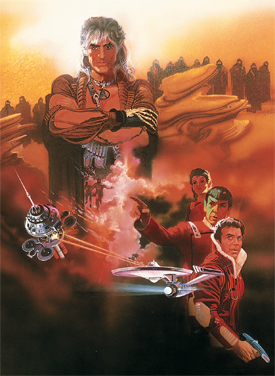 Mortally wounded, the antagonist, Khan, activates a “rebirth” weapon called Genesis, which will reorganize all matter in the nebula, including Enterprise. Though Kirk’s crew detects the activation and attempts to move out of range, they will not be able to escape the nebula in time without the ship’s inoperable warp drive. Spock goes to restore warp power in the engine room, which is flooded with radiation. When McCoy tries to prevent Spock’s entry, Spock incapacitates him with a
  You, as the author, must understand what drives and motivates even the walk-on, disposable characters. Are they “a red shirt,” that iconic Star Trek symbol of the throw-away character? Or are they a “Spock,” the beloved friend who offers themselves up to save others?
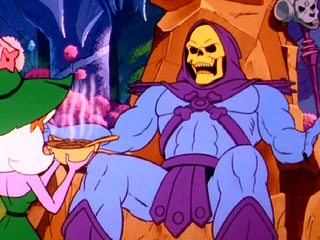 Skeletor is a cartoon villain with one of the least believable storylines in the history of cartoons. He has great passion and drive as a villain, but it’s all noise and show. His ostensible quest is to conquer Castle Grayskull and acquire its ancient secrets. Possession of these would make him unstoppable, allowing him to rule the world of Eternia.
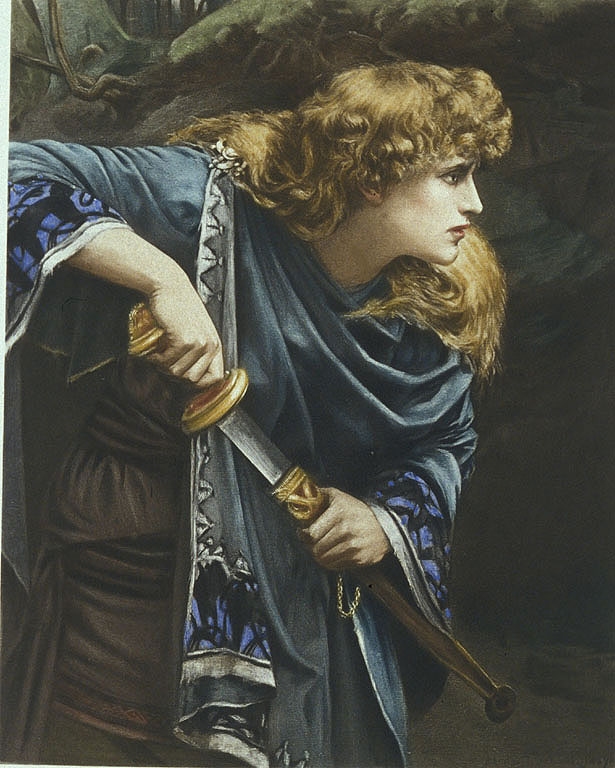 When we write a story, we want the protagonist’s struggle to mean something to the reader. We put them through hell and make their lives miserable. But we must remember that the characters in our stories aren’t going through these horrible trials alone. The moment we begin writing the story, we are dragging the reader along for the ride.
 Then there is the marketing of the finished product, but that is NOT my area strength, so I won’t offer any advice on that score.
 However, we must have a fundamental understanding of basic mechanical skills. These rules are the law of the road, and readers expect to see them. Knowledge of standard grammar and punctuation rules prevents confusion. Readers who become confused will set the book aside and give it a one-star review.
 Ernest Hemingway
 Each author is different, and the length of time they take on a book varies. Some authors are slow—their books are in development for years before they get to the finish line. Others are fast—their novels complete and ready to be published in a relatively short time. Regardless of your timeline, this is where project management skills really come into play.
 But as I said earlier, I have no skills in the area of marketing and no advice worth offering.


 Life in the Realm of Fantasy