Category Archives: Fantasy

What I’ve learned from George R.R. Martin

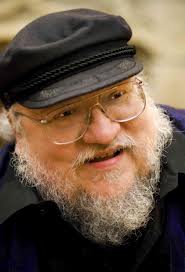
George R. R. Martin photoI’m not a fan of George R.R. Martin’s style of writing, but I adore the man as a person. He has the courage to say out loud what many people would sweep under the rug.

Recently George R.R.  Martin told journalist Dave Itzkoff of the New York Times that although his books are epic fantasy, they are based on history. He said,  “Rape and sexual violence have been a part of every war ever fought, from the ancient Sumerians to our present day.” 

“To omit them from a narrative centered on war and power would have been fundamentally false and dishonest, and would have undermined one of the themes of the books: that the true horrors of human history derive not from orcs and Dark Lords, but from ourselves. We are the monsters. (And the heroes too.) Each of us has within himself the capacity for great good, and great evil,” Martin said.

According to Martin, “History is written in blood, and although Westeros – the fictional continent where the series is set – is ‘not the Disneyland Middle Ages,’ it is “no darker nor more depraved than our own world. The atrocities in A Song of Ice and Fire, sexual and otherwise, pale in comparison to what can be found in any good history book,” he said. (End of quoted text.)

George is right, and he is not advocating or glorifying rape, in fact just the opposite. If you want to inject realism into a work of fantasy you must address uncomfortable realities that human history has shown to exist. The worst aspects of human nature are portrayed in our everyday life—things I could never dream up. Society at large is blasé about it—unless it affects one personally, it may as well not exist.  Rape in the military is a fact, friends, not a myth, and that is just within our own forces. Not only does she live in a danger zone while in the military, a  woman soldier also knows she faces rape and torture if she is captured by the enemy—that is the first step in breaking her. Many men also suffer sexual assault and torture for the same reasons, whether we wish to acknowledge their pain or not.
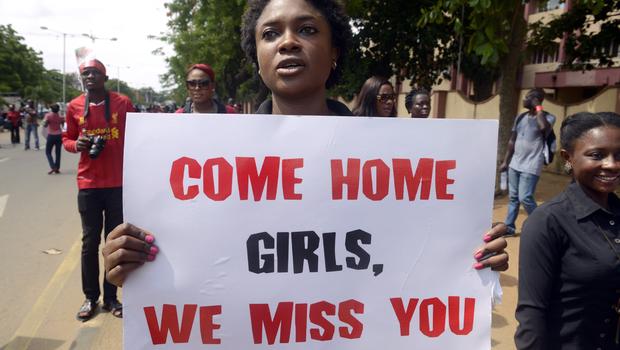
Image courtesy of CBS News, and Getty

Image courtesy of CBS News, and Getty

Consider this disgusting item of current news that only rarely makes it onto the nightly newscast in our town: To be a young girl in Borno, Nigeria is an invitation to be kidnapped and sold into sexual slavery. More than 200 young girls are living this nightmare right now, because an extremist group, Boko Haram, who is against educating women, goes door to door, breaking into their homes and boarding schools and taking the girls from their beds. This is done as a way to maintain political control and  keep their fathers in line. The families of the stolen children are powerless against these brutal thugs.

Do you think these schoolgirls are not being raped and tortured?  If so, you are living in a dream. The leader of these radicals publicly flaunts their intentions to sell or marry all of them, bragging to all the media that they do it because God told them to.  They loudly proclaim that they will sell all of these girls, and believe me, the world is full of buyers just waiting for such an opportunity. So far, 20 lucky girls have escaped their captors.

If I was writing modern literary fiction or political potboilers, I would have tossed out such an unbelievable plot–it would have seemed completely unrealistic–I mean, a religious cult of pedophiles and rapists systematically kidnapping 200 girls, claiming divine privilege, and no one is able to stop them? Come on, get real.
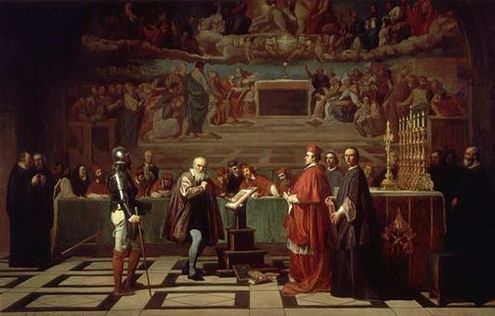
A 19th-century depiction of Galileo before the Holy Office, by Joseph-Nicolas Robert-Fleury image courtesy Wikipedia

A 19th-century depiction of Galileo before the Holy Office, by Joseph-Nicolas Robert-Fleury image courtesy Wikipedia

I suspect God would prefer we  humans didn’t give him the credit for our evil, thank you very much.

So what have I actually learned from George R.R. Martin? I have learned to be true to reality in my writing or my story will never hold water.  Draw from history, mash it up all you want, but don’t deny the roots and don’t turn away from the ugly truth. Also, we must  never forget that there is as much beauty to draw from as there is pain, for it is that contrast that makes an intense story compelling.

No work of fiction will ever be more horrific or glorious than the true history of our humanity and inhumanity. We authors will only scratch the surface, and if that small scratch makes a reader slightly uncomfortable, the reader can easily retreat to their ivory tower and read bland romance novels written by someone other than me or George R.R. Martin, where everything is rainbow perfect and happy endings are guaranteed.

If you were privileged to be allowed to learn to read, that is.
10 Comments

Filed under Battles, blogging, Books, Fantasy, news of the world, Politics, Publishing, WordPress, writing

My Writing Process Blog Tour

extra small caricature of connie  by street artist Stacey Denton

Today I am embarking on the  “My Writing Process” blog tour! In this blog relay, each author discusses his or her writing process and then passes the baton to three other authors. Last week, my good friend Lisa Koosis, passed the baton to me. Lisa is amazingly creative, as you will see when you click on the link to her blog, Writing on Thin Ice.  Please, do visit her blog, where you can read more about her exciting projects and her own writing process.

So, here goes…

1. What am I working on?

I am working on the third and final book in the TOWER OF BONES series, winding up Edwin’s story. This book has been very tough to write, because it keeps spawning new books! I can frequently be heard shouting, “NO! We must finish this book before we embark on a new one!”

I really do want Edwin Farmer’s story to be a 3-book trilogy.

*cough* Robert Jordan…Wheel of Time …fifteen books in the trilogy*cough*

There will be more books set in this world, I feel certain of it, but I intend to make each a stand alone book.  I love each of the characters so much in this tale, it’s hard to keep on task—but my self-imposed deadline is to have it ready for the editor by August. 

2. How does my work differ from others of its genre? Why do I write what I do?

First of all, I write from the point of view of a gamer—I am a freak for the great Final Fantasy PS2 and PS3 console games—Final Fantasy VII, VII, X/X2 and XII are among the great classics in gaming. I haven’t invested in a PS4, and I may not, as I haven’t had much time to play lately, and wasn’t impressed with 2010’s FFXIII.

I know what I love about those games, and want to inject that into my books. I want the action, the romance, and the drama of a full throttle action/adventure and I want it set in a sweeping landscape, with my characters beset by nearly insurmountable challenges. Magic must have limits and no character can have unlimited power. Those limitations are what drive the action, because the characters have to struggle to overcome them. The power of the story is in the struggle. The final redemption must be worth the struggle!

3. How does my writing process work? 

That’s where I went off the rails on this final installment in this particular series—I didn’t stick to my usual process, which was clearly outlined. But I had so many sudden brainstorms, I went way off track. Normally, when I first have the idea to write a book, I visualize it as the walkthrough for an RPG game.

I spend days writing down the ideas as they come to me, obsessively building the outline, the shell of the story. I make personnel files, descriptions of environments, designing the political and religious systems, creating the rules for magic, and drawing maps. Each world is unique, and I want to know what I am writing about.

I write the beginning and the end, and key action vignettes, fitting them into the framework of my outline.

Once I have that all done, I start at the beginning, and write, connecting the dots between the vignettes. When all the dots are connected, I have a book—albeit a raw rough draft of a book. I set it aside, as it is in desperate need of a complete rewrite, but I can’t do that until I can see it through unbiased eyes.

The second draft goes to Irene Roth Luvaul, who helps me shape it into a submission-ready manuscript. Then it will go to Carlie M.A. Cullen at Eagle Eye Editors. My work is linear, with a specific goal or “quest” and many obstacles in the way of achieving those goals. Some will live, and some will fall by the way—my task is to make it an emotionally gripping journey for the reader.


NEXT WEEK

Stay tuned for the next part of the relay as I pass the baton to three talented writers, who I have the good fortune of working with at Myrddin Publishing Group. Next Monday (May 12) they will answer the same set of questions, so please stop by their blogs to read more about their projects and their own writing processes.


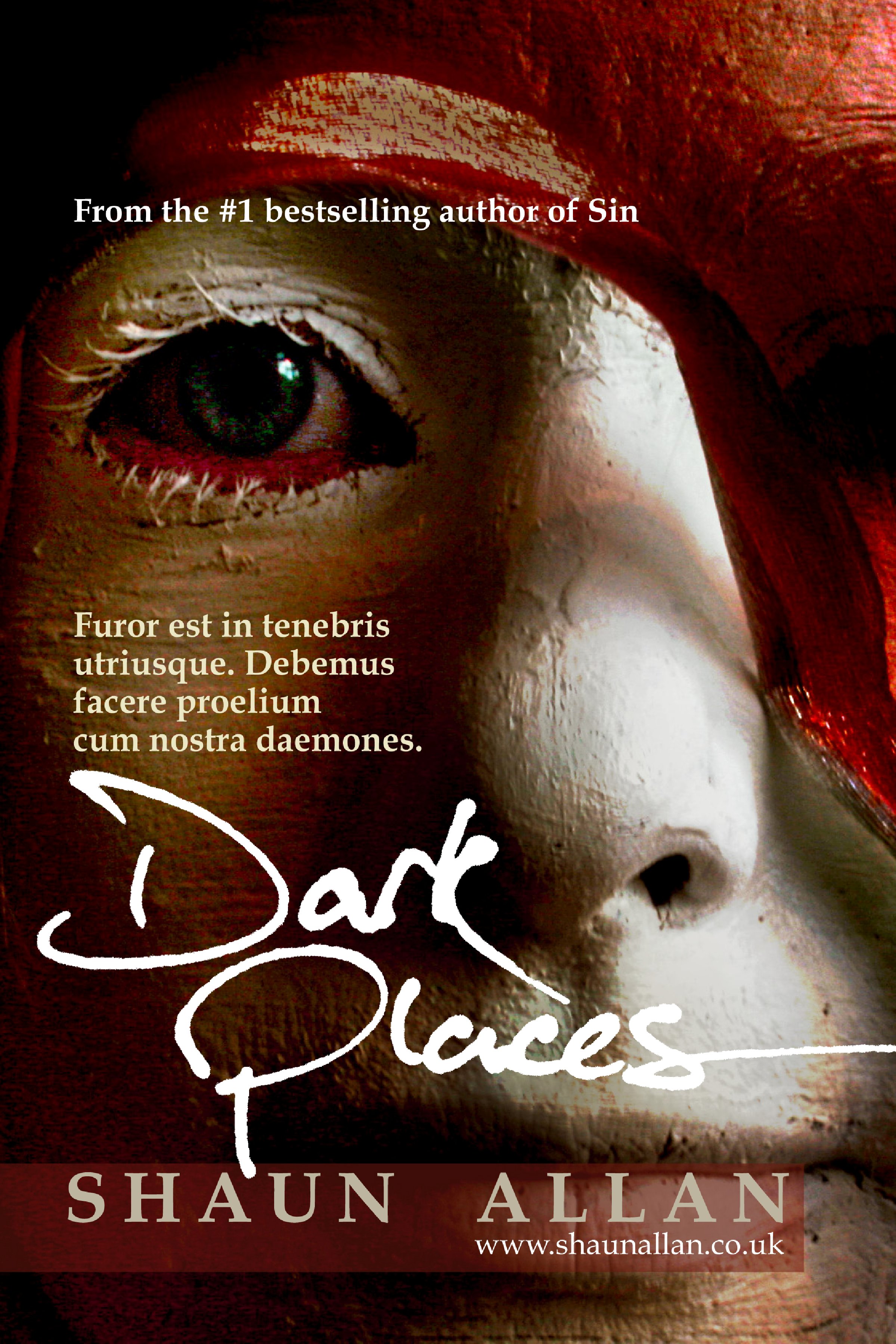
Dark Places Front Large (1)Shaun Allan, Author of Sin and Dark Places

http://flipandcatch.blogspot.com

A creator of many prize winning short stories and poems, Shaun Allan has written for more years than he would perhaps care to remember. Having once run an online poetry and prose magazine, he has appeared on Sky television to debate, against a major literary agent, the pros and cons of internet publishing as opposed to the more traditional method. Many of his personal experiences and memories are woven into the point of view and sense of humour of Sin, the main character in his best-selling novel of the same name, although he can’t, at this point, teleport.

A writer of multiple genres, including horror, humour and children’s fiction, Shaun goes where the Muse takes him – even if that is kicking and screaming.

Shaun lives with his one partner, two daughters, three cats and four fish!  Oh and a dog.


1 CP Night Watchman coverAllison Deluca, Author of The Crown Phoenix Series

http://AlisonDeluca.Blogspot.com

Alison DeLuca is the author of several steampunk and urban fantasy books.  She was born in Arizona and has also lived in Pennsylvania, Illinois, Mexico, Ireland, and Spain.

Currently she wrestles words and laundry in New Jersey.


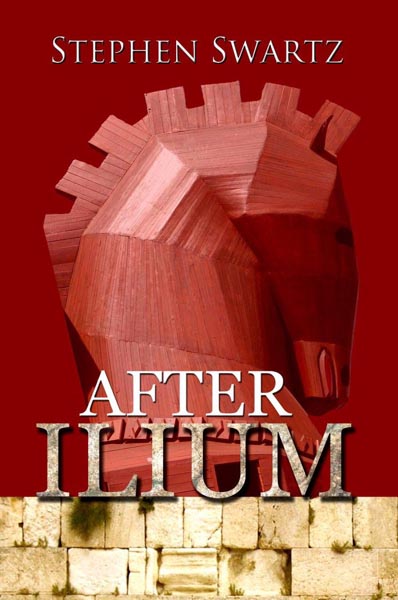
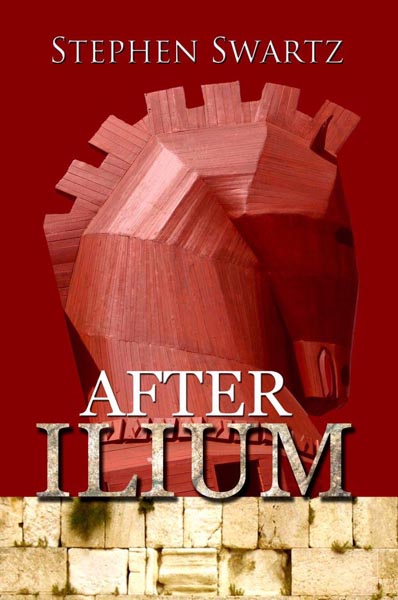
Swartz_After Ilium_FrontCvr_200dpi_3inStephen Swartz, Author of After Illium, The Dream Land Trilogy, and A Beautiful Chill

http://stephenswartz.blogspot.com

Stephen Swartz grew up in Kansas City where he was an avid reader of science-fiction and quickly began emulating his favorite authors. Since then, Stephen studied music in college and, like many writers, worked at a wide range of jobs: from French fry guy to soldier, to IRS clerk to TV station writer, before heading to Japan for several years of teaching English. Now Stephen is a Professor of English at a university in Oklahoma, where he teaches many kinds of writing. He still can be found obsessively writing his latest manuscript, usually late at night. He has only robot cats.


6 Comments

Filed under Adventure, blogging, Fantasy, Final Fantasy, Literature, Publishing, Self Publishing, Uncategorized, writing

Oh, the agony

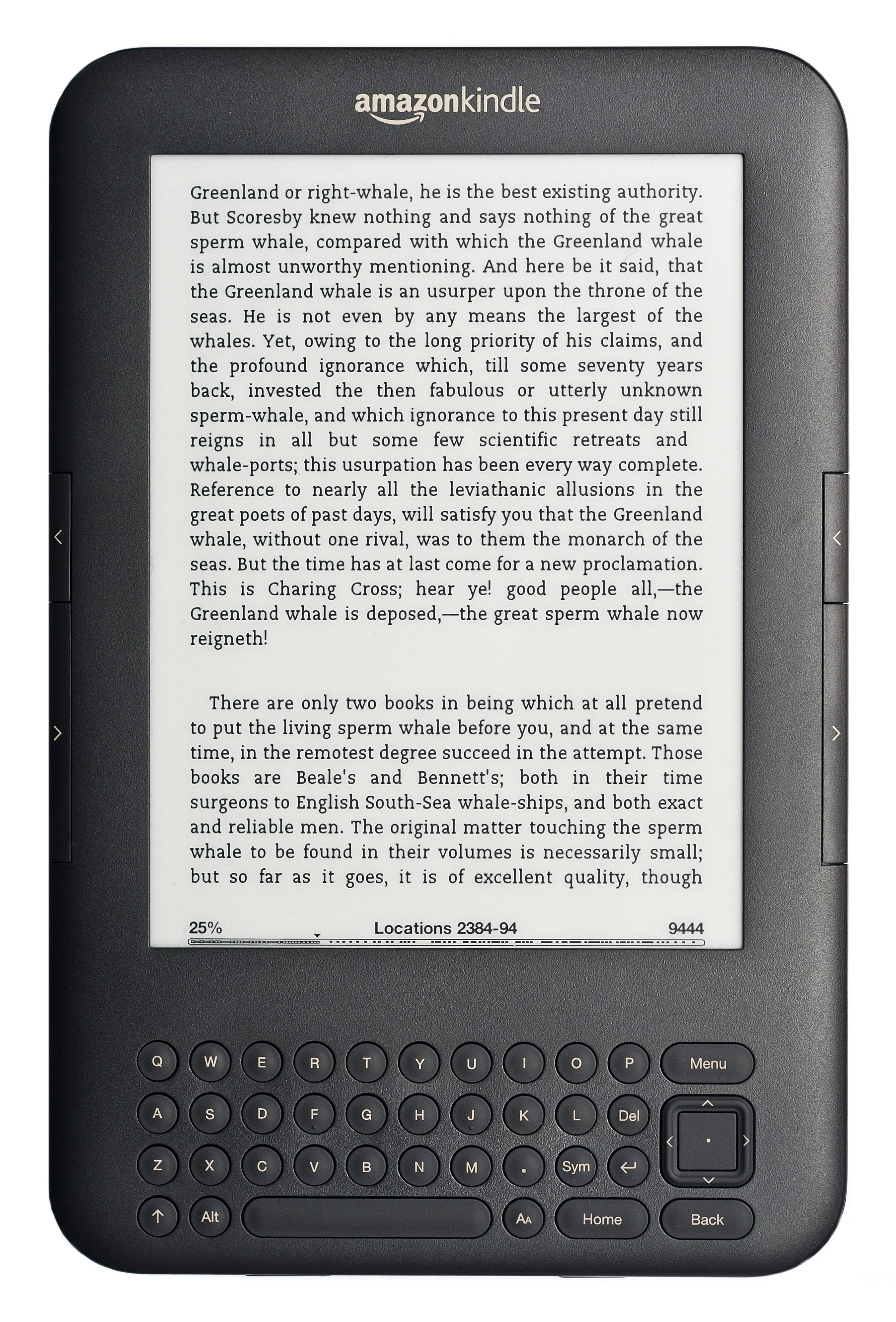
Amazon_Kindle_3I am an avid reader. I love the Kindle for the simple reason I have over 500 books and I don’t have to dust a one of them.

I have managed to get nearly every book I ever loved on my Kindle, and have become a great fan of hundreds of new authors, most of them indies.

Every now and then I read a book that is not in the genre of fantasy, sometimes taking a dip into general fiction.  I did that this week, reading a book I saw advertised on twitter.  I picked this one up because I like the title.

I don’t usually read general fiction because so many times I am left with a bad taste in my mouth. I’m OCD–if the book isn’t too horrible, I can’t put it down until I have read it to the end and confirmed that it was indeed a waste of paper and time. I hate that.

It never fails–I buy a book based on glowing reviews and after I’ve done my part and slogged through the depressing, overdone theatrics and get to the end I find that, just like an ex-lover,  it turned out to be a pretentious riff on a tired theme after all, with nothing positive to offer.

Dialogue Tags © cjjasp 2014No happy ending, and perhaps no ending at all.

Why do I ignore the warning signs?  The cringing when certain characters (once again) turn their head just so, the clenching of my teeth when the bored protagonist lights yet another cigarette. What is this fascination some authors have with portraying moneyed, bored people who cheat on each other and their taxes as if they were somehow glamorous? What makes me keep reading despite the fact that if I were to review this travesty I would give it a 3 star review and a good thrashing?

I was up to 2:a.m. reading that crap. Now I feel soiled, as if I’d suddenly developed a craving to party the night away at the local club and woke up with a horrendous hangover and a drummer named Scooter.

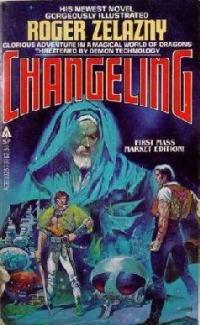
Changeling_zelaznyToday I am going back to Roger Zelazney. He’s a lover who has never let me down. I am going to revisit the scene of our most passionate affair, that amazing world of Rondoval, and Roger’s masterpiece,  Changeling.

Give me flawed characters larger than life, seething with jealous rage, untapped magic, and raw violence–and put them in an environment that makes them have to work to survive.

Oooh baby…. Now THAT is the antidote to bored ennui in my reading material!


5 Comments

Filed under Battles, Fantasy, Literature, Publishing, Self Publishing, Uncategorized, WordPress, writer, writing

My manuscript is a Doorstop

Saint_georges_dragon_grasset_beguleI give up.

I need ideas, and they–recalcitrant beasts that they are– will not appear.  Please, ideas…have pity on me and put yourself into this manuscript.

I woke with a new book in my head and now I can’t work on the one I am SUPPOSED to be doing…the one my nephew, Robbie, will beat me for if I don’t get it written…

The one that has been in limbo for more than a year.

Outline of Book: done.

First 1/4 of Book — done, done and then done some more — done to the point that there are 160,000 words: TWO books worth of done-ness to sort through and condense into no more than 50,000 words so that the total length of the Book won’t be so big that the paperback is a doorstop.

To_Green_Angel_TowerTad Williams can get away with a book  520,000 words long (To Green angel Tower) and David Foster Wallace could with Infinite Jest (543,709) –but I’m an indie.

I have to calculate my production costs, and believe me, it’s hard enough for an indie to sell work that is priced reasonably. Once an indie’s paperback increases to more than $14.99 it won’t sell at all, and at anything over 120,00 to 130,000 words your costs are well over the optimum of $12.99.


What to leave in? What to cut?

What the heck?

Second 1/4 of book mostly done, and looking good.

Last half of book nearly done, pleased with the way that is going.

Still drowning in flood of first 1/4–> think there may be a book of short-stories there.  Must decide who will live…

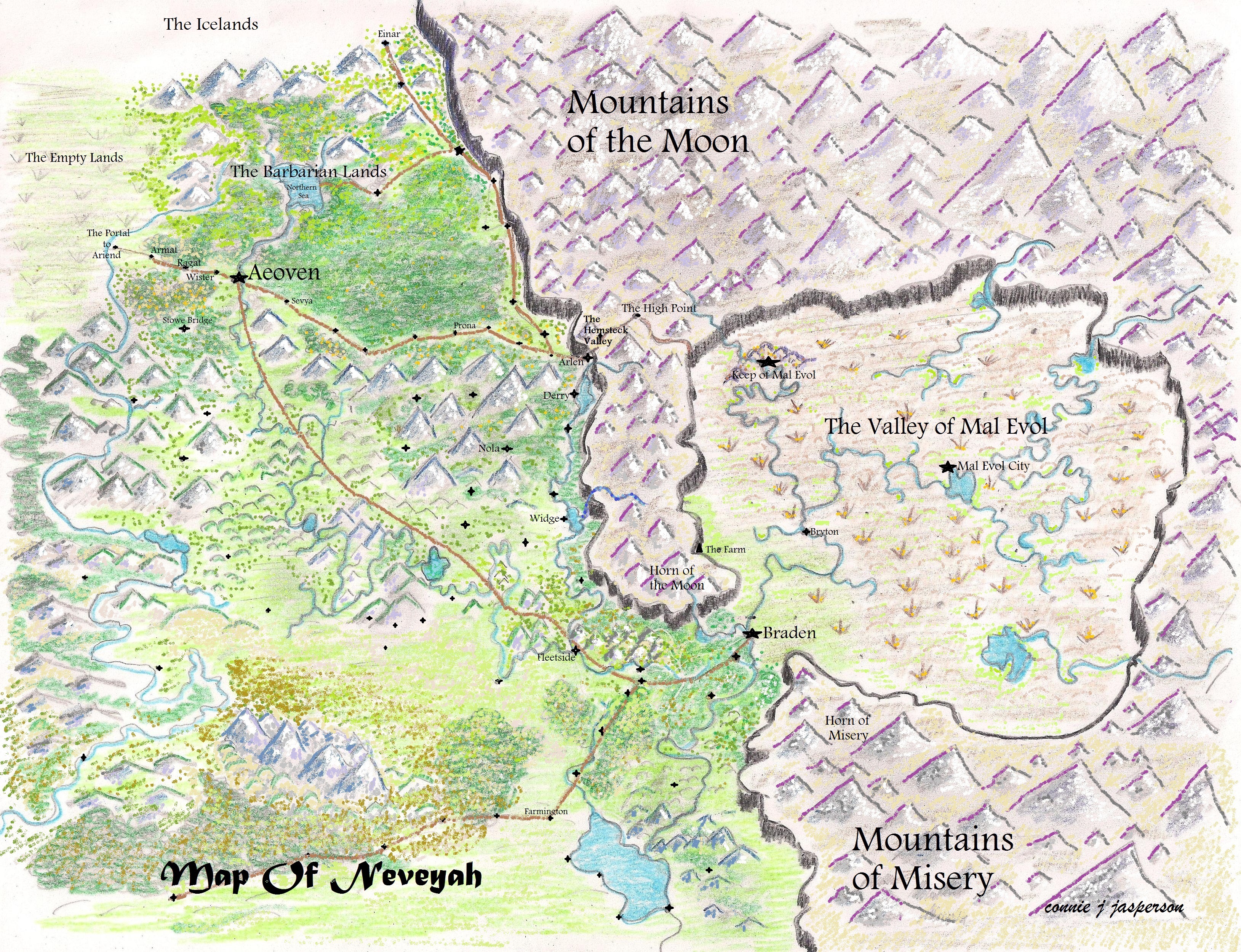
…and who will end their days in an anthology of tales of Neveyah….

Sigh.

map of Neveyah relief 3-4-2013 001


Comments Off on My manuscript is a Doorstop

Filed under Battles, blogging, Books, Fantasy, Humor, Literature, Publishing, Self Publishing, WordPress, writer, writing

The Girl With the Tolstoy Tattoo

extra small caricature of connie  by street artist Stacey DentonYour blog is up. The Template is as well laid out as you could make it. You have your books or relevant social media listed in the sidebar. You have the catchiest blog title on the block. Now all you need to do is start blogging!

1. If you are using WordPress CHOOSE A CATEGORY NOW for your post–do it 1st so that you don’t forget to do it. I published this blog in the categories of Blogging, Self Publishing, Books, Fantasy, Literature, Humor, Publishing, and Writing.  Each blog post may have a different category. If you should forget to choose the category, it will go into the ‘uncategorized’ pile–the dreaded WordPress slush pile where blogs go to die.

Also in WordPress, chose a few TAGS now so that you do not forget to tag the post. That button is below the Categories list. Chose tags that most represent the core of your post, so that searcher for that subject will find it. For this post I am using ‘Blogging, Writing, Self Publishing, Humor, WordPress, Blogger’.   Also, ‘The Girl With the Tolstoy Tattoo.”

blogging 1.1

If you are using Blogger, PICK YOUR LABELS NOW–Blogger doesn’t use categories, so your labels are very important. On the right hand side, click on ‘LABELS’ and simply type your key words into the BOX, separated by commas. In Blogger, LABELS are what TAGS are in WordPress, so use words that are the core of what you are blogging about so that interested searcher will find your blog:

blogging 2.1

Now that you have that out-of-the-way, it’s time to blog!

2. Hook me with that catchy blog post title!  Today’s post is called “The Girl With the Tolstoy Tattoo” — for a multitude of reasons. I have a tattoo (it’s not Tolstoy) but we are all struggling authors, even those of us who blog on the most random subjects. And if you are ever at a writer’s convention, there is no better icebreaker in the autograph line than to offer to show Tad Williams your Tolstoy tattoo. (If you have one, and if you are insane.) (Be sure to add ‘Tad Williams’ to the Tags or Labels for that post.)

3. Put that catchy title in the White box at the top of the page:blogging 3.1

Now there are two paths for you.   You can wing it, keying directly into the Post box as I am doing now, or you can write it on a WORD document and copy and paste it into the body of the post.  I don’t do that often, because word is rife with HINKY FORMATTING that screws up your blog posts for both Blogger and WordPress, and then you have to use the handy “REMOVE FORMATTING” button that is located in the ribbon (tool box) of both Blogger and WordPress:

blogging 3.2

blogging 3.3

Both Blogger and WordPress have spell check functions, and both will save at times as you go, but as in everything, it is up to you to click “SAVE DRAFT” and save your work fairly frequently.

Play around with it. Practice uploading images and inserting them, playing with it until you feel comfortable and know how to ensure the image will appear where you want it, and will be the size you want it to be:

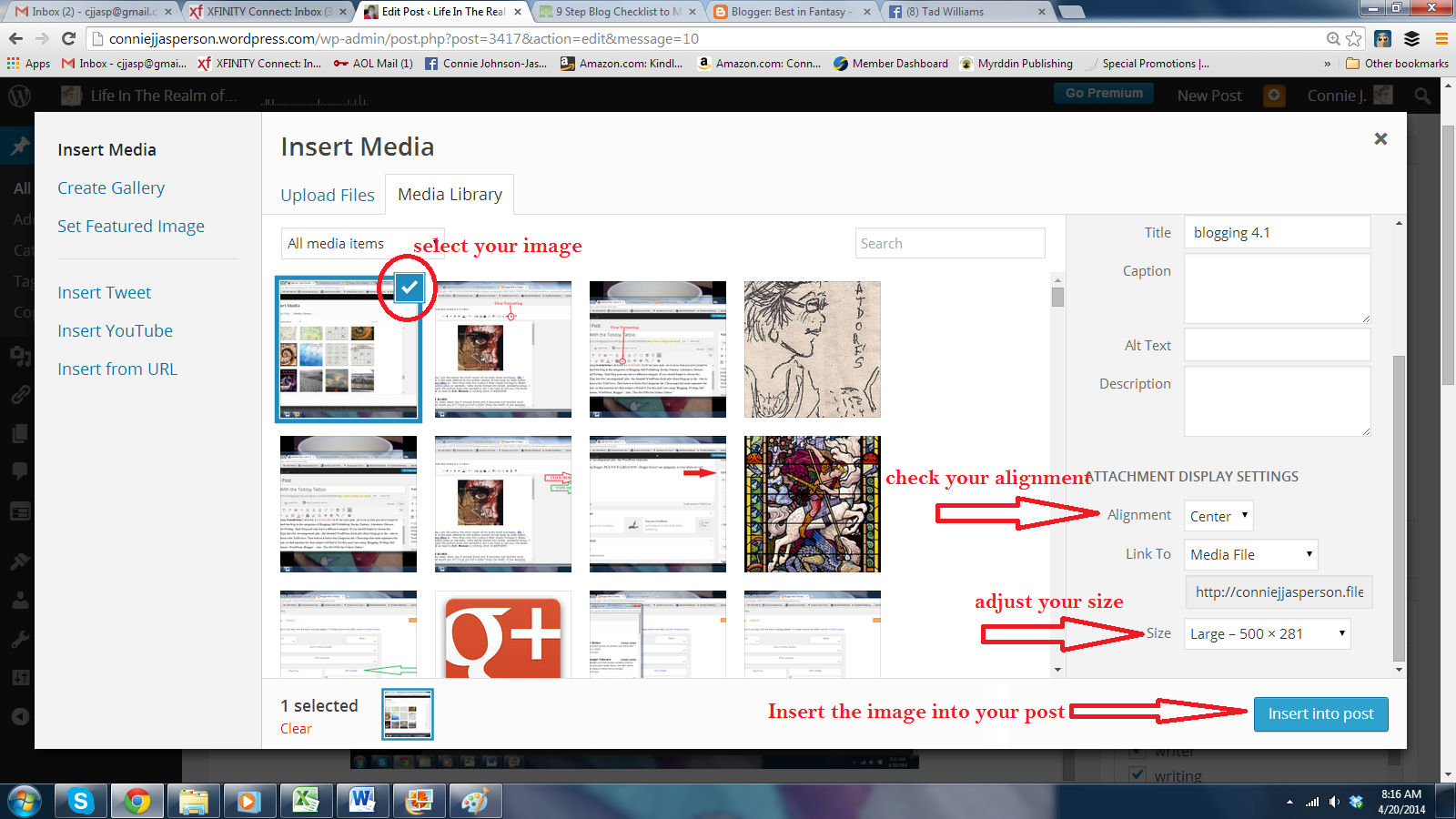
In WordPress, place your cursor in the body of the blog post and click once at the spot where you will want the image. Then scroll up to the left side of the ribbon (tool box) and click on “ADD MEDIA.” This menu will appear:


blogging 4.1

If this is your first blog post, you won’t have anything in your media library yet, so Click on “Upload Files.” Select the image you want to post,  then check your alignment, i.e. left, right, or center. Adjust your size options to fit your need for the image in that post (those requirements vary from post to post.) Then click ‘INSERT INTO POST.”

blogging 5.1


In Blogger you click on the little Picture in the ribbon (when you hover your mouse over it, it will say ‘insert image’). A pop-up menu will appear, and then you will upload the image, decide the placement and the size.  This nearly foolproof simplicity is why most people who have “never done this before” like Blogger.

blogging 6.1


Now your picture of your Tolstoy tattoo is right there, illustrating your hilarious post where you discuss why getting that tattoo while drinking vodka shots at the “Fans of Great Russian  Authors” convention wasn’t as good an idea as it seemed at the time, and that maybe the T-Shirt would have been a better investment.

leo_tolstoy_t_shirt-r207720cff4e14b059c7bba5cdb41c6c9_804gs_512 from Zazzle


All you have to do now is post your links to Twitter, Facebook, Tumbler and all other  social media you can think of and Voilà! You are a blogger. Do this regularly, and you will build up a following, and you will develop credibility as an author. Your name will be searchable on Google and Bing, and all other search engines.

3 Comments

Filed under Blogger, blogging, Books, Fantasy, Humor, Literature, Publishing, Self Publishing, WordPress, writer, writing

Blogger for the Beginner

science of relationships dot comLife in the Realm of Fantasy’ is a WordPress blog, i.e. I use WordPress, a free, open-source blogging tool and content management system.  This means that with very few skills,  I can post a decent blog at no cost to me, using the fine tools and templates provided by the wonderful people at WordPress.

The thing that is so awesome about it is that it is in what my husband the programmer calls ‘wysiwyg’ (pronounced wizzy-wig) or ‘what-you-see-is-what-you-get’ so the user does not have to know any programming or coding–all that is done for you already, and you just organize it the way you want it, within certain limitations.

wordpress logoI really enjoy WordPress, and have become quite fluent in it.  But what other free and open-source content management systems are out there?  Well, I just happen to have a weekly book review blog hosted by a Google company, called Blogspot. Their tools are called Blogger, and I have become fairly adept at using that particular system too, and while it’s not as versatile as WordPress, I like it a lot.  A friend of mine is new to Blogger and had some questions so I thought this would be a good topic for this blog.

First you sign up for a Google account. Then go to  https://www.blogger.com/features and click on the orange button at the top right.

blogger screen 1


Then you select the URL, or place your blog will forever be found on web searches by.

My Blogger blog, Best in Fantasy, is located at: http://bestinfantasy.blogspot.com

So if you are an author, use your author name as the URL. This WordPress blog is my author blog, so it is https://conniejjasperson.wordpress.com.

I also have a blogger address, http://conniejjasperson.blogspot.com.  That takes readers to another book blog, Billy’s Revenge, which showcases Huw the Bard and all things pertaining to Billy’s Revenge in the world of Waldeyn. A third blogger blog is http://neveyah.blogspot.com , which is the Tower of Bones showcase.

Whenever you are logged out of blogger, you can access your blog by going to the top right hand corner of your gmail mailbox and clicking the little group of squares up on the right hand side–the apps icon:

apps icon

This will open a menu filled with icons for every Google app like YouTube, or the calendar. Down at the bottom under ‘more’ will be the Blogger icon. Click on that and you will go to your blogger page:

blogger icon


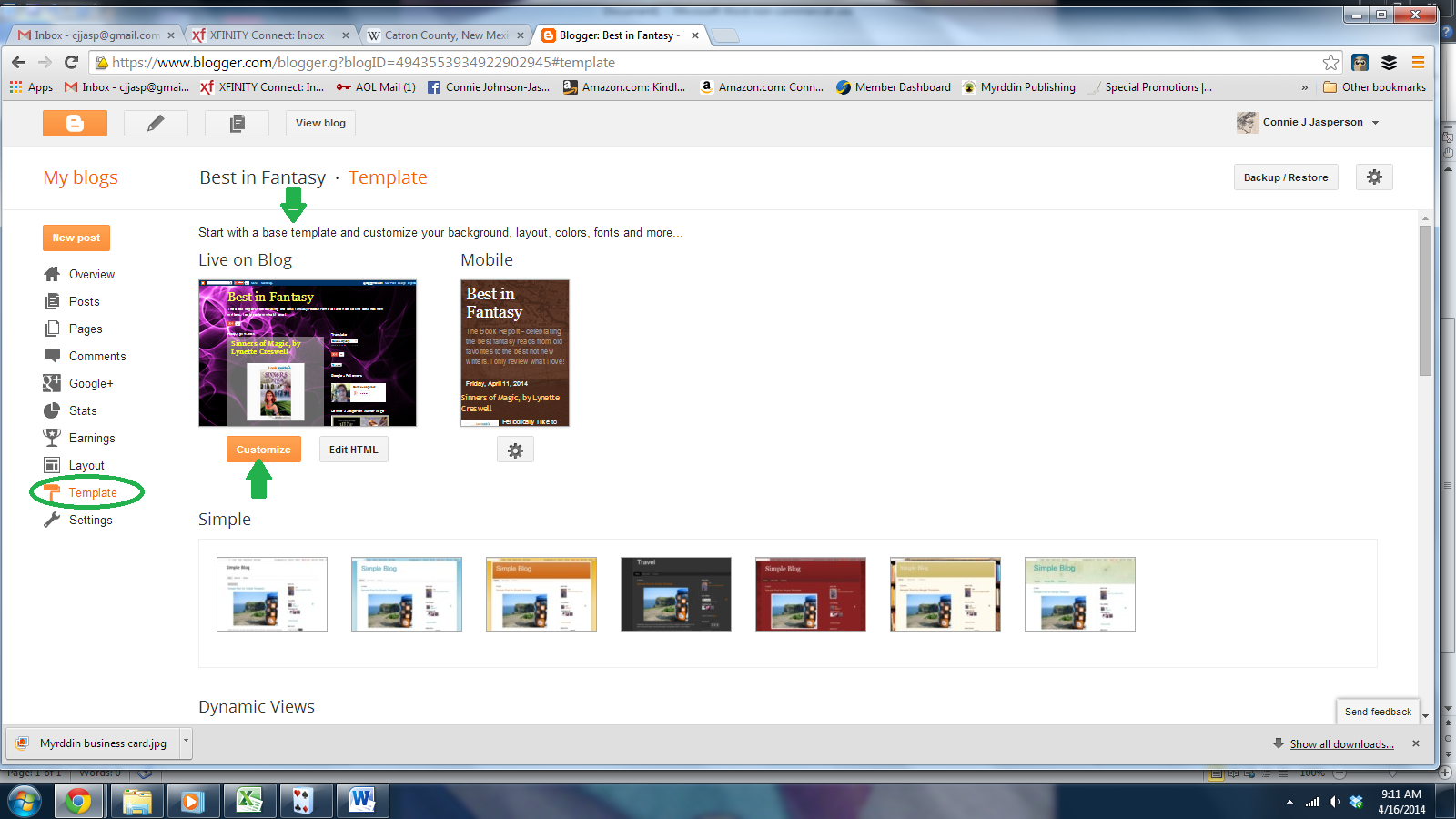
Once you have your URL selected, you can move on to building your blog. We start with choosing a template.  This is a lot of fun,  I think. Click on the orange “Customize” button.

Blogger screen 2

You will come to a screen with many options, and I suggest you just start at the top of the menu where it says template, and begin playing around with it, until you find the look and style you like best. You will be able to see most of your changes in the area below the Template Designer.  I pretty much keep the template simple, just because it is easier for people to read it when it is simple.

Blogger screen 3


Once you have decided on that catchy title for your blog, and have figured out the color of your fonts and background are all organized, decide the layout. You can make it one column with no sidebar, or with one or two side bars. Sidebars are good places for advertising your books and book trailers, along with many other things you want to share with the world, such as blogs that you follow, and gives a place for those who wish to follow your blog a place to sign up. The trick with sidebars is to keep them from junking up the blog, which I have a tendency to do.

Any way, once that is done click “Apply to Blog” in the upper right-hand corner. This should take you back to the Blogger page, where you will look in the menu on the left and click on the “Layout” button, just above the orange Template button. this will take you to the part where you REALLY customize the look of your blog.

Blogger screen 11


On the right hand side (yours may be different, depending on how you chose to display sidebars) click on add a gadget:

Blogger screen 10

This will open a menu that contains 28 ‘gadgets’ you can choose from to add to your blog. (In  WordPress they are called ‘widgets’ but they do the same thing.) These will  dress it up and help gain visibility:

1. A – g+ button (very important)

There are a lot of things, from images to ways to add html code for embedding videos and things.  In that regard, Blogger has a one-up on WordPress, because it is  difficult to embed videos, if not impossible on template I am using, which is free–at least I’ve never found a successful way to do so. I just post the links here on this blog and hope for the best, because so far I have been unable to get any code to work. THAT is why many people prefer Blogger to WordPress, despite the fact that WordPress offers so many more templates and options.

I suggest you take some time to play around with arrangements. You can click the save arrangement icon in the upper right hand corner, and then preview it, but if you accidentally hit publish, no worries– because until you add content and tell folks its out there, no one will see your mistakes. Take as long as you need to get comfortable with the system, and remember that anything you don’t like can be undone.

My next post will conclude the series on ‘Blogger”, detailing how to make your post, tricks to fine tune your layout, and get the word out that you are blogging. I will also have several posts on what I have discovered about WordPress. Authors should blog even if at first they have few followers, because the act of blogging is writing on the wing–and we must write every day or we are not really serious about the craft.


4 Comments

Filed under Books, Fantasy, Literature, Publishing, Uncategorized, writer, writing

Hawking Your Wares

Early hot dog merchant,  1936 by Berenice Abbott courtesy EphemeralNewYork.wordpress.com

Early hot dog merchant, 1936 by Berenice Abbott courtesy http://EphemeralNewYork.wordpress.com

Yay! It’s official, I’m an author now!  I wrote a book or four, I had them edited, I covered them, and I had them published.  Now all I have to is sell enough of the darned things and that Hugo award is mine!

So how do we go about that?  There is the tiny problem of that old “getting your name out there” thing…I stink at that.

Roy Huff, author of the Everville series, regularly uses Goodreads to publicize his work. All his Goodreads connections received emails last week like this:

EVERVILLE Roy HuffRoy has modified the event Everville (#3) TheRiseofMallory 99 cent promo begins Midnight Pacific The First Pillar FREE KINDLE PROMO starts in 12 hours.
Date: April 14, 2014 04:22AM

Description: A new promo has begun. You can join that promo here https://www.goodreads.com/event/show/… feel free to invite others to join. Details are below as well. Thanks so much!

FREE KINDLE PROMO April 15 to April 18th for Everville The First Pillar http://www.amazon.com/dp/B00BCOQSSQ
FREE KINDLE PROMO April 19 to April 22th for Everville The City of Worms [InD’Tale Magazine’s Creme de la Cover March Winner] http://www.amazon.com/dp/B00EQZ5T2E

99 CENT KINDLE COUNTDOWN DEAL April 15 to April 21th for Everville The Rise of Mallory http://www.amazon.com/dp/B00HYN 3NXC

Stay tuned on Facebook @http://on.fb.me/1ni21BT
Stay tuned on Twitter @evervillefans 

Well, I don’t know about you, but that seems like a good promotion to me, and I will be quite interested to see how well things go for him with it. Roy has a lot of connections on Goodreads, and he puts a lot of energy into promoting his work, so maybe he will do well. He has given me something to think about, in regard to the whole giveaway thing. One reason I made Tales From the Dreamtime, which is a novella, into the first of my audiobooks was the hope that it would generate some recognition for my brand, which if you remember, is my Author Name.

Swartz_After Ilium_FrontCvr_200dpi_3inAnother author friend, Stephen Swartz, is promoting his works too. Today is Tax Day in the US, so he is running a twitter campaign:

4/15 TAX DAY SPECIAL! 2 Books! 2 Bucks! ‪#‎Kindle‬ ‪#‎romance‬ 
‪#‎AFTERILIUM‬  http://bit.ly/AfterIlium_US
‪#‎ABEAUTIFULCHILL‬  http://bit.ly/BeautifulChill_US

He didn’t know if Amazon UK will honor the discount, but here are the UK links:

AFTER ILIUM kindle http://www.amazon.co.uk/dp/B009SDW1KC
A BEAUTIFUL CHILL kindle http://www.amazon.co.uk/dp/B00I6M4R9Y

I will also find out from him how well that went.

So, I am going to continue the way I have been, promoting via twitter. I have paid for a Goodreads ad for Huw the Bard, for the next two weeks or so and will let you know how well that went. I will also try the Goodreads promotion route in May, and will keep you posted on that.


3 Comments

Filed under Adventure, Books, Fantasy, Humor, Literature, Publishing, writer, writing

The Eye of the Beholder

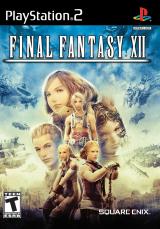
finalfantasy12_ps2box_usa_org_000boxart_160wSigh. I read a lot of indie books. I’ve said this before, but I read or at least crack open around 6 books a week. It never fails–just when I am really enjoying reading a book, something comes along to yank me out of it. Like an asteroid landing in the backyard or squirrels taunting the dog–it’s always some darned thing.

Unfortunate phrasings that yank me out of a book:

“She lay there staring with her creamy blue eyes, water pooling in the corners.”

“Her eyes were the same color as the deep purple velvet drapes.”

VAYNE final-fantasy-xii_305674Meh.  Enough about their eyes already. I don’t know about you, but I don’t want to be told what to think when I am reading a book. The fact is, what I consider beauty is not necessarily beautiful to someone else.   So how do you describe a character in such a way that the reader will find them as attractive as you want them to be?

I think a loose, general description will solve the problem, and give the reader the framework to build their mental image around.  In my TOWER OF BONES series, the men in Edwin’s family have this sort of cachet that makes them irresistible to all women. It is the Goddess Aeos’s way of ensuring that the girl she has selected for them  falls in love with them, and their bloodline is continued.

final-fantasy-guys-xii-basch_255851But what do they look like?  Well, they are blond, blue-eyed, and  well-built, muscular from working on their farm. To men they seem rather average, nothing spectacular. They aren’t the best looking man in town, so what is this charisma they seem to have?

To women, they are an irresistible banquet of masculine  pheromones.  This creates many opportunities for mayhem, and I have had a lot of fun with that  particular plot-line, especially in my current work in progress,  Mountains of the Moon.

For my other characters in various books–Christoph Berryman is dark, with short black hair and elfin features. Julian Lackland is blond, handsome, the image of the knight in shining armor. Huw the Bard is dark, blue-eyed with black curling hair. Friedr Freysson is tall, with long curling red hair and a beard. Aeolyn is small, with dark hair worn in plaits that she coils around her head like a crown.

Final-Fantasy-XII-Balthier-final-fantasy-12-3118596-540-1200This is as descriptive as I get, because I want the reader to imagine the characters’ beauty and magnetism in the way that is most appealing to them.

Because I am a romantic at heart, ALL my characters are exceedingly good-looking in their own different ways. I just don’t want to beat the reader over the head with my personal vision, other than the general description to cement them in place.

In many ways, my mental images of my characters are drawn from the many wonderful characters in the epic Final Fantasy series of games, which these images are also from. I love the fabulous art work that Square-Enix, the makers of these games put into their characters, making them a blend of the best of all we are as humans.  Since a great deal of my time has been spent playing these games, It stands to reason a certain amount of that kind of storytelling will creep into my work.

And this is the way it is for every author–your vision is definitely not what your readers see, and to force them to see what you do ruins the flow of the tale. A good general description, with hints or comments about their beauty or lack thereof is all that is needed. The reader’s mind will supply the rest.

Comments Off on The Eye of the Beholder

Filed under Books, Fantasy, Final Fantasy, Humor, Literature, Publishing, Romance, Uncategorized, writer, writing

The 2nd Draft—Part 2, The Last 5 Hurdles

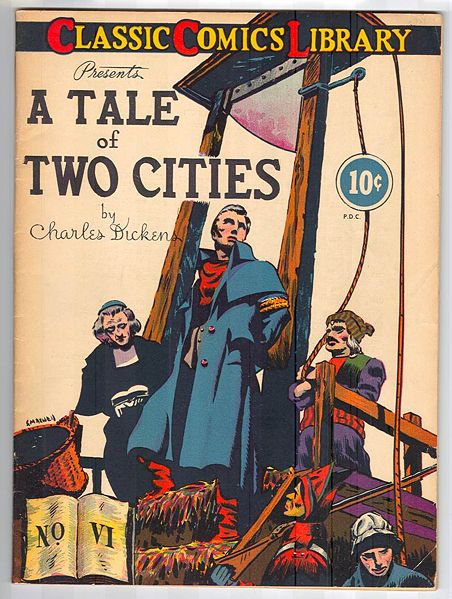
CC_No_06_A_Tale_of_Two_CitiesIn your first draft, the rough draft, you have the basic story down. Once it is finished, and you have let it rest in a dark closet, out of sight and out of mind for a month or more, only then will you pull it out and feel fired up about it once again.

This is where we’ll mend those plot-holes and narrative gaffes that we couldn’t see when we were in the throes of the writing frenzy.

The previous post covered items one through five, and can be found here: Part 1, The First 5 Speedbumps.

So now, we continue working on the second draft of our manuscript, with roadblocks six through ten:

  1. Too Much Description (my own particular bugaboo–I love words)

Take this quote from the ‘A Tale of Two Cities,’ the classic novel by Charles Dickens:

“It was the best of times, it was the worst of times, it was the age of wisdom, it was the age of foolishness, it was the epoch of belief, it was the epoch of incredulity, it was the season of Light, it was the season of Darkness, it was the spring of hope, it was the winter of despair, we had everything before us, we had nothing before us, we were all going direct to Heaven, we were all going direct the other way–in short, the period was so far like the present period, that some of its noisiest authorities insisted on its being received, for good or for evil, in the superlative degree of comparison only.”

Though it is beautiful writing, and in my opinion, perfect–it would never fly today. In prose as in clothing, fashions come and go, even in fiction. Readers once liked flowery description and even demanded them. People took the time to read a story, and were in love with words. And while some readers, like me, still love this style of poetic description, most readers aren’t so patient. It is sad, but modern editors and publishers don’t want to see this sort of work in their submissions pile.

One of the things that is drummed into us in our writing forums and groups, is that modern readers have no attention span and want action from the first page, the first paragraph. They want it from the first word and they don’t want pretty and descriptive prose unless they are into literature as opposed to modern action-adventure style novels. Therefore, go easy on the descriptions. Use them sparingly as if you were seasoning a good meal. A little bit goes a long way if you are writing modern genre fiction.

The wrong way to slip  in a lengthy description is to use a phrase like: “He felt his eyes roll over his host’s attire”  and then follow it with a paragraph describing the host.

That unfortunately phrased line is from an indie book that I am trying with all my heart to read right now in order to review it, but I’m not sure I can finish it, if this is what I have to look forward to. The thing is, I write goofy stuff like that in my first drafts, too. I try to eliminate them in the second, because if I don’t catch them first, my editors will beat me with them! So for the sake of my bruised ego, I try to slip descriptions in less obvious ways, with no clumsy lead in that announces a lengthy exposition is forthcoming.

Descriptions must be part of the background, so the reader doesn’t notice them, and the second draft is where you weed out narrative boo-boos.

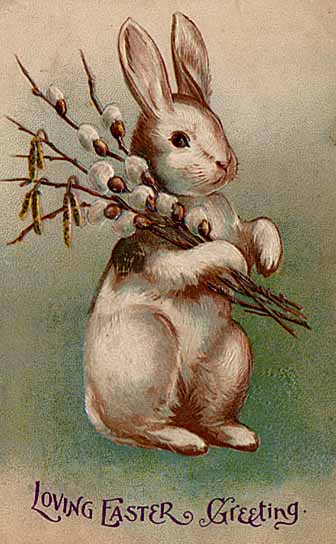
Easter_Bunny_Postcard_19077. Head Hopping (Oh yeah–guilty as charged!)

I love that term! It makes me think of the Easter Bunny! However, head hopping creates confusion. One important rule of good novel technique is to restrict each scene to one character’s point of view (POV). This strategy puts the reader in the character’s skin for a more immersive experience.

For me, writing love scenes is particularly tricky. First you are in her head making sure you have all that down, and then you are in his head, and –oh, the agony of whiplash!

Few things are more distracting for the reader than being in Adam’s head for the first paragraph and then being suddenly yanked into Eve’s head two paragraphs later.

In our first draft when we are just getting the story down we are all guilty of this, and so it is very important when we are working on the second draft that we are mindful of whose head we are supposed to be in, and we must make sure we stay there.

Head hopping turns a book into a tennis match. In each story, there are times when we write from different character’s point of view, but it’s important to remember to shift that POV only at the beginning of a new scene or chapter, and here in the second draft is where we make sure that is done properly.

This is a particularly difficult thing for me, because I want to write EVERY character’s POV all the time!

In the “The Mists of Avalon” Marion Zimmer Bradley handles that POV switch perfectly. One chapter is told from Morgaine’s point of view in the first person as the narrator, and in the next chapter  the author tells the story using the third person omniscient voice.


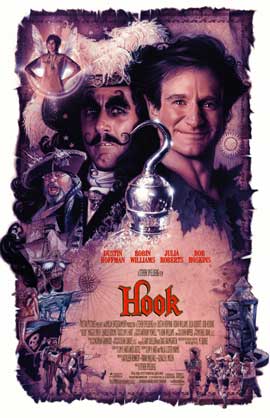
hook-movie-poster-1991-10101960168. A Slow Beginning (I’m sorry! I’ll never do it again!)

We are always told that good novels, even those not considered suspense, should begin with a clear dramatic hook, a story problem big enough to entangle the main character and promise struggle from the opening pages to the ending’s resolution.

Sometimes beginning writers spend too many opening pages or chapters showing normal life and wait too long to start the story. In some ways this is how info dumps happen.

My very first novel that I started writing in 1993 began with an info dump that went on for the entire first chapter. I had no understanding of the importance of beginning with an intriguing, active first page, and sustaining the rhythm of conflict-resolution-conflict throughout the novel.  This was a bad habit I carried though many of my novels until I was fortunate enough to fall in with a good writing group. Dramatic hooks are good and need to be plentiful, particularly at the ends of scenes and chapters.


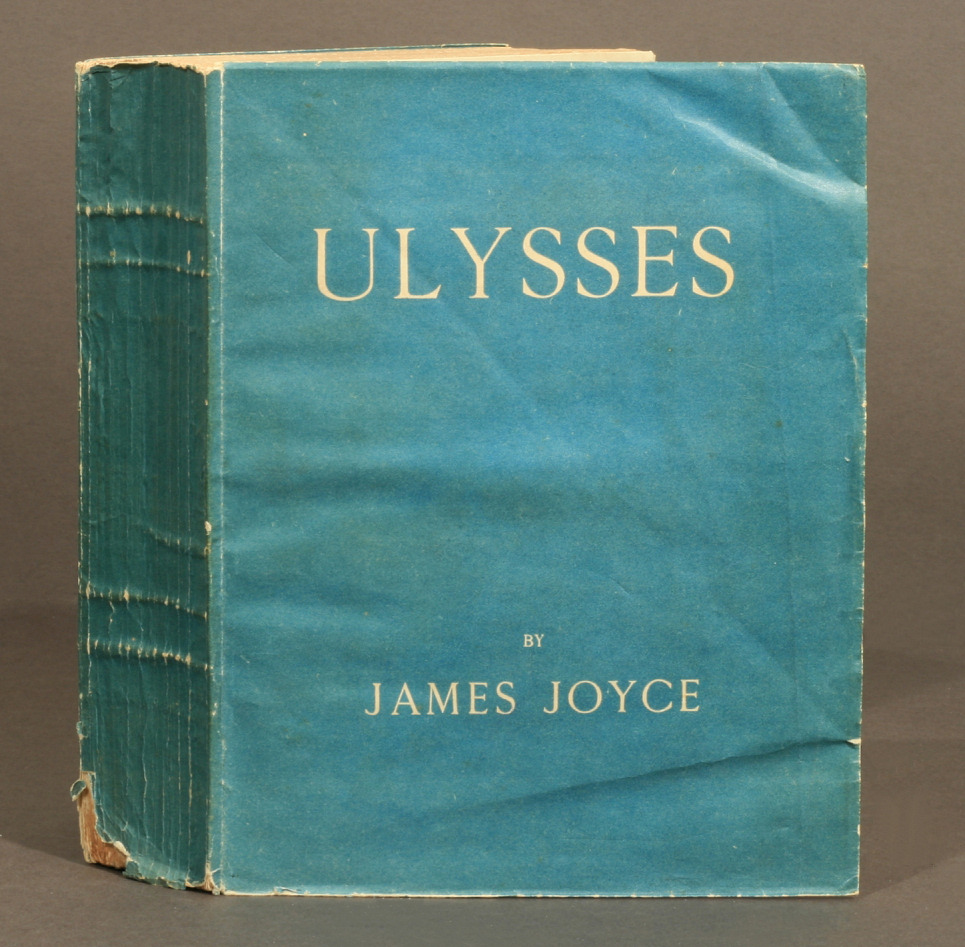
Ulysses9. Long Speeches

Sometimes beginning novelists have characters speak in lo-o-o-o-o-ng stretches, seemingly without pausing for a breath. James Joyce in his novel,  Ulysses, enters the head of Molly, in the final chapter spewing an internal dialogue that runs on for more than 24,000 words with only ONE punctuation mark. The final paragraph of the book goes like this:

“…I was a Flower of the mountain yes when I put the rose in my hair like the Andalusian girls used or shall I wear a red yes and how he kissed me under the Moorish wall and I thought well as well him as another and then I asked him with my eyes to ask again yes and then he asked me would I yes to say yes my mountain flower and first I put my arms around him yes and drew him down to me so he could feel my breasts all perfume yes and his heart was going like mad and yes I said yes I will Yes. “

I don’t know about you, but I couldn’t take too much of Ulysses in college no matter how often our young, rather arrogant professor assured us that a thorough understanding of this book would educate our literary palates.

We are constantly admonished that it is crucial to keep paragraphs short and eliminate long character speeches, in order to keep the attention of your readers. Many gurus who are hosting writing seminars these days seem to have a poor opinion of our readers, implying they have limited intellects. I disagree wholeheartedly–I believe modern readers are extremely savvy and intellectual, but they are pressed for time and we have created an entertainment culture that delivers instant gratification, and now readers expect it too.

There is a rhythm to storytelling—each scene leads to a new struggle for the protagonist, to  either an accomplishment or loss of some kind, and then to new goals, always building toward the completion of the core challenge facing the characters.

Some writing coaches have likened this technique to how a skater moves across the ice. Push—glide. Push—glide.


10. A Novel Lacking Overall Direction

Successful novels must present several important ingredients:

  1. A beginning with a bang, some major action or conflict
  2. Characters readers care about, people who immediately strike a chord with the reader.
  3. A big problem that needs fixing, and only your hero can do this.
  4. A conflict-riddled struggle that nearly defeats your hero.
  5. The successful conclusion to the conflict that  winds everything up, even if it is supposed to be the first book in a series.
  6. An ending that leaves the reader glad they read the novel, and wondering what happened afterward.
you've been warnedBeginning novelists often fail to do the necessary pre-planning to make these ingredients work together. They think they can just plunk into the chair and start writing—and a wonderful novel will magically appear. Some seasoned authors may write this way, as James Patterson seems able to do,  but most of us can’t, and it shows clearly when the reader downloads the book.

Good, strong, characters must have incremental goals that complement the story, and the story must move along with conflict, drama, action, and emotion.

Once we have completed the second draft, we set the manuscript aside for several more months and work on something else. Then, after once again gaining a bit of perspective on it, we begin the process of rewriting and formatting it for submission to an editor. We use these same guidelines when we make our final revisions before sending it off to our prospective editor, because despite our best efforts, we have missed a lot of rather obvious bloopers, and I’m not just talking about typos.

You will find that when the editor has her hands on your precious manuscript, that is when the real work begins.


4 Comments

Filed under Books, Fantasy, Humor, Literature, Publishing, Uncategorized, writer, writing

10 Things to Do—Part 1, The First 5 Speedbumps

shakespeare-word-cloud

There are things that happen in the natural course of writing the first draft that make it painful for people to read. DO NOT SHOW IT TO YOUR ADORING FANS JUST YET. This really is NOT the time to ask for feedback unless you want to be lied to. They will look at you with a possum-in-the-headlights smile, and say “Wow…this is really…nice.”

What they really are thinking is, “Holy s**t. This disjointed, hokey mess sucks.” That friend will poke needles in their eyes before they read another piece of your work again.

Just sayin’.

But even though the first draft is always stinkaroo, don’t try to edit as you write because it interferes with your creative processes and blocks the flow of ideas. While you’re writing the first draft these bloopers should be allowed to just fall where they may, because you just need to get the ideas down.  You will reshape them in the 2nd draft. So, today I’m posting the first half of a two-part series on 10 Things to Do in the second draft of your manuscript.

Before you do anything, just put it to one side. Forget about it for a while.

A month or so later, after you have gained a different perspective is when you begin to look for these problems.  Fine tuning and rephrasing will settle most of them, and a good flamethrower will take care of the rest!

First we will look at:

800px-Singapore_Road_Signs_-_Temporary_Sign_-_Detour.svg1. The Info Dump (my personal failing)

Often new authors feel they need to dump a lot of back story at a novel’s beginning before readers will understand the main story. I did this in my first novel, and I have regretted it ever since! It seems like logical thinking: “Before you get this, you need to know this.” But the problem was, I gave the info dump in the first five pages.  Those are the pages that acquisition editors look at and decide whether or not to continue reading the submission. For those of us planning to go the indie route, those pages are also the pages the prospective buyer sees in the “look inside” option on Amazon dot com.

While back story is important for character and plot building, too much outright “telling” freezes the real-time story in its tracks. And for modern genre fiction, beginnings must be active—they need to move.

Here is the opening paragraph of my next novel in the Tower of Bones series, Mountains of the Moon. It is a prequel to the first two novels, and this is the way it currently reads in its second draft stage. It may be changed once the editor gets her hands on it, but right now this is how it stands with the info dump removed:

Wynn Farmer discovered his old boots had holes worn in the soles when he heard the soft, squishing sound, perfectly in sync with every step he took. If he’d known he would be dropped into some strange world when he left the house, he might have planned ahead a little better and slipped some new cardboard into his boots, just until he could get them resoled. Now he trudged along a faint path through a dark, eerie prairie with wet feet, shivering in the cold, misty rain and completely lost.

In the second draft we alter the original words we wrote, subtly slipping little details into the narrative while showing the real-time story, and doing it in such a way that it is part of the action and the dialogue, fading into the background.  The reader will understand what you are showing them without feeling bludgeoned by it.


nausea42. Telling Instead of Showing in Prose (heh, heh–my own personal failing)

In the rush of the first draft, of getting all our thoughts about the storyline down, sometime our minds go faster than we can write. We use a kind of ‘mental shorthand’ and write things such as:

Erving was furious.

Martha was discouraged.

These are really just notes telling us what direction this tale is supposed to go. Modern readers don’t want to be told how the characters felt—they want to see. When you come across this in a novel, it is clear the author has published a first draft.

Thus, when you come across this in your first draft, now is the time to follow those road signs and expand on the scene a little. Instead of telling the reader that Martha was furious, you will show this emotion.

Martha stamped her foot, and clenched her fists.

Erving’s body shook with rage, and his face went white.

Show the reader the emotions. It adds word count, but you will also be taking word count away in other places in the manuscript as you go along.


cover_art_Billy_39_s_Revenge3. Using Dialogue to Tell, Not Show (oh yeah–my personal failing)

“I’m simply not going to do it,” Vivian hissed. (Reader: “What, is she a snake?”)

“Why, oh why, did I ever trust her?” Greg said dejectedly. (Reader: “Aw, that’s sad. Boring!”) (Closes book.)

Please, OH please, avoid attaching adverbs ending in “ly” to speech tags. They are the devil!

If you want to convey an attitude in dialogue, the words themselves should communicate it.  Greg’s words already communicate dejection. If you need more, add a line of action:

In low tones, Vivian said, “You couldn’t pay me enough to do that.” She turned and walked away.

Greg threw up his hands. “Why did I trust her?”

This gives readers the opportunity to see for themselves the scene you painted with words.


4. A Lack of Contractions in Dialogue (Wait–this is my personal failing too!  What’s going on here?)

“Arrabelle, I do not want you to leave me!”

This is one of the worst NaNoWriMo manuscript flaws BECAUSE when we are in the midst of November, we are desperate for word count. “Don’t use contractions” is one of the prime directives of Chris Baty’s  “No Plot? No Problem” and if word-count is all you are in the game for, then fine.  However, IF you ever intend to publish your work you should use contractions in dialogue. Depending on the type of story you are writing, you may want to use them elsewhere, if that is the style of your work.

This problem may also be a throwback to those days in your high school English class, when teachers deducted points for the use of contractions in term papers. But contractions are effective at conveying realistic speech.

You want dialogue to sound natural? Use contractions.


Dialogue Tags © cjjasp 20145. Too Many Speech Tags in Dialogue (Hey–I have that problem too! What the heck…?)

“Jake, are you okay?”  Vaia wailed.

 “Of course I’m all right,” Jake groaned. “What a silly question.”

 “But your arm,” Vaia said. “I thought maybe you…well, the way you’re holding it…I guess I thought—”

 “You thought I’d injured it,” Jake said.

 “Well…yes,” Vaia said.

Especially when only two characters are talking, readers should be able to keep track of speaker ID with ease. In those situations, speech tags are rarely, if ever, needed. In fact, doing away with tags entirely, unless they are absolutely necessary, is frequently suggested to be a great strategy, although I don’t go that far. Instead of using a speech tag, insert a burst of action before or after a line of dialogue that identifies the speaker and lends opportunities to deepen character chemistry, conflict, and emotions.

Vaia felt something trickling down her cheek. She wiped it, and her hand came away with blood. Jake was pale, and held his arm at a strange angle. “Jake, are you okay?”

 “Of course I’m all right. I’m always all right.”

 She reached toward his shoulder, toward the torn shirt—but something held her back. “But your arm. I thought maybe ….”

 “I’m hurt, but I think it’s fine. You thought maybe I had broken it.” He willed her to admit that she cared.

 The intensity of his gaze forced her to look away. “Well…. I did think that. Can you still fight?” 

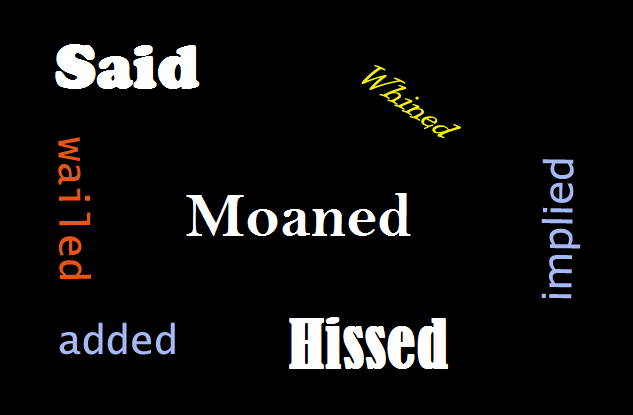
Trade in empty speech tags for emotion-infused writing that can do so much more. HOWEVER—Remember that the reader needs to have clear direction as to who is speaking to whom, otherwise you will lose the reader. And I do recommend you don’t get too creative with them.  Said, replied–those are usually all that is required. If you throw in hissed, or moaned, once in a great while for specific circumstances, fine, but not too much please. It’s too distracting for me as a reader.  I close that book and move on to the next when the  characters do too much hissing and moaning. Just sayin’.

This covers the first 5 things to look for in your second draft. Items 6 through 10 will be covered on Wednesday!


1 Comment

Filed under Adventure, Battles, Books, Fantasy, Humor, Literature, Publishing, Uncategorized, writer, writing