
Today I am reviewing The Hunter’s Apprentice: A Keltin Moore Adventure by Lindsay Schopfer. As my longtime friends will tell you, I never review a book I didn’t honestly like.
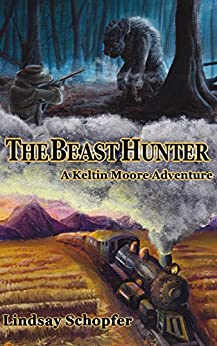
 I have been following the adventures of Keltin Moore and his friends since the first novel, The Beast Hunter: A Keltin Moore Adventure came out. It is a compelling series, and I have become quite fond of one particular character, Jaylocke.
But First, the Blurb:
Can the beast hunter’s apprentice prove his worth?
Professional monster hunter Keltin Moore has worked hard to teach his trade to Jaylocke, his good friend and apprentice. But the time for teaching is over when Jaylocke receives word that the woman of his dreams may marry someone else if he cannot prove to his people that he has mastered his trade.
Together, master and apprentice must assemble their friends and travel the fabled Salt Road to the annual Gathering of the Weycliff wayfarers. But there’s more than a simple test of skill awaiting them among the mysterious, nomadic people. Bitter rivalries and titanic beasts will put Keltin’s talents as hunter, teacher, and friend to the test as Jaylocke struggles to prepare for the most important trial of his life.
This is the fourth installment of the award-winning Adventures of Keltin Moore, a series of steampunk-flavored fantasy novels. If you love compelling characters, fantastic creatures, and intense action then you will love these stories!
***
My Review:
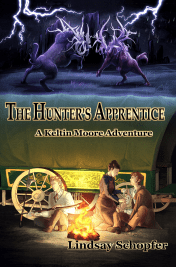 Beasts and weaponry abound in this installment of Keltin Moore’s adventures. The story opens with Keltin trying to keep his fledgling business afloat and pay the bill it incurs. It details the journey of his apprentice, Jaylocke. Jaylocke is a Weycliffe Wayfarer, a young man seeking to regain his status within his clan, by participating in a ritual called the Proving.
Elaine Destov, one of my favorite characters, is Keltin’s romantic interest. She becomes his office manager.
Jaylocke’s storyline shows his growth into true Weycliffe adulthood. I like that Schopfer did not take the apprentice’s story in an expected direction. The character arcs of both Keltin and Jaylocke are fully developed, and the conclusion of this novel thoughtful and realistic.
Each of the sentient races have personalities and societies that are unique. Prejudice, racial discrimination, the way the different peoples interact with each other when living in another race’s community is shown with compassion.
One aspect of Schopfer’s writing that appeals to me is his ability to show the world his characters inhabit by having them interact with it as a matter of course – it just is, and it’s all they know.
All in all, if you like action adventure with an old west flair, I highly recommend this installment in the Beast Hunter series.
***
 Lindsay Schopfer is the award-winning author of The Adventures of Keltin Moore, a series of steampunk-flavored fantasy novels about a professional monster hunter. He also wrote the sci-fi survivalist novel Lost Under Two Moons and the fantasy short story collection Magic, Mystery and Mirth. Lindsay’s workshops and seminars on the craft of writing have been featured in a variety of Cons and writing conferences across the Pacific Northwest and beyond.
Lindsay’s Social Media Links
Author Website: www.lindsayschopfer.com
Amazon Author Page: http://www.amazon.com/Lindsay-Schopfer/e/B007EF3MQS
Twitter: https://twitter.com/LindsaySchopfer
Facebook: https://www.facebook.com/lindsayschopfer
Goodreads: https://www.goodreads.com/author/show/7078379.Lindsay_Schopfer
 Artist: John Constable (1776–1837)
 It’s been over ten years since I first started writing my series about the adventures of a professional monster hunter. With the release of
  One of my most treasured experiences in writing The Adventures of Keltin Moore has been meeting the fantastic subject experts in the course of my research. I already mentioned panning for gold, but there have been so many more generous, enthusiastic people I’ve spoken to on subjects ranging from big game hunters to horse-pulled wagons. In particular, I feel blessed to have known Gordon and Nancy Frye. The Fryes are a fantastic wealth of historical information, particularly regarding the development and implementation of firearms over the centuries. If you ever read something in my stories and thought that something involving guns was particularly cool, you can probably thank the Fryes for contributing to it!
 The movers came on Friday to take what furniture we could gracefully fit into the new apartment. They loaded the van far more quickly than I thought they would. The main hiccup in that day came in the form of the elevator in our building. We are in building C but must go in through the main lobby in building B, take the elevator to our floor, and cross to our building via the sky bridge. It’s a long trek.
 Over the next week, we have to donate as much as possible to be reused, and the rest will be hauled away by the junk removal company. They will not only take the junk but also clean the garage floor. (!!!)
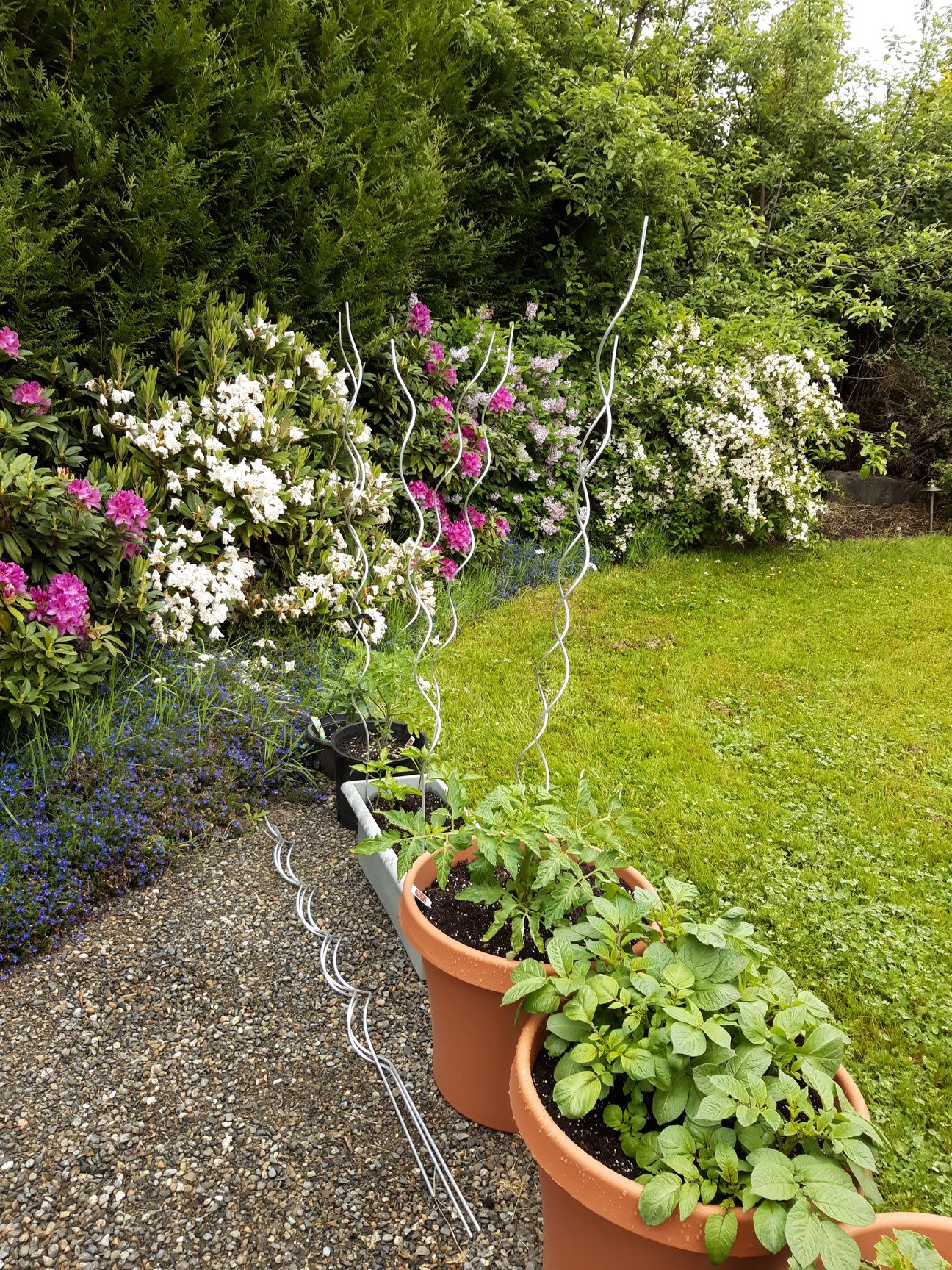 On the good side, it is easy to write here. I have been writing bits and bobs here and there on old unfinished manuscripts between bursts of unpacking, writing whenever I sit down to rest my back. It keeps me from fidgeting.
 In literary terms, this uneven distribution of knowledge is called asymmetric information. We see this all the time in the corporate world.
 Jared is hilarious, charming, naïve, a bit cocky, and completely unaware that he’s an arrogant jackass. He is a young man who is exceptionally good at everything and is happy to tell you about it. Jared has no clue that his boasting holds him back, as no one wants to work with him.
 When I started writing this story, I had the core conflict: Jared’s misguided desire to be important. I had the surface quest: rescuing the kidnapped kid. I had the true quest: Jared learning to laugh at himself and developing a little humility.
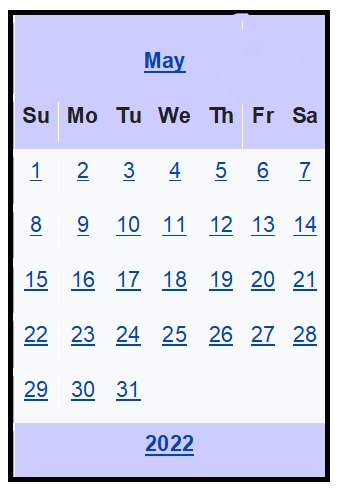 Calendar time is a layer of world-building. It sets the story in a particular era and shows the passage of time.
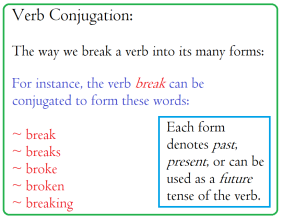 Consider the following sentences: “I eat,” “I am eating,” “I have eaten,” and “I have been eating.”
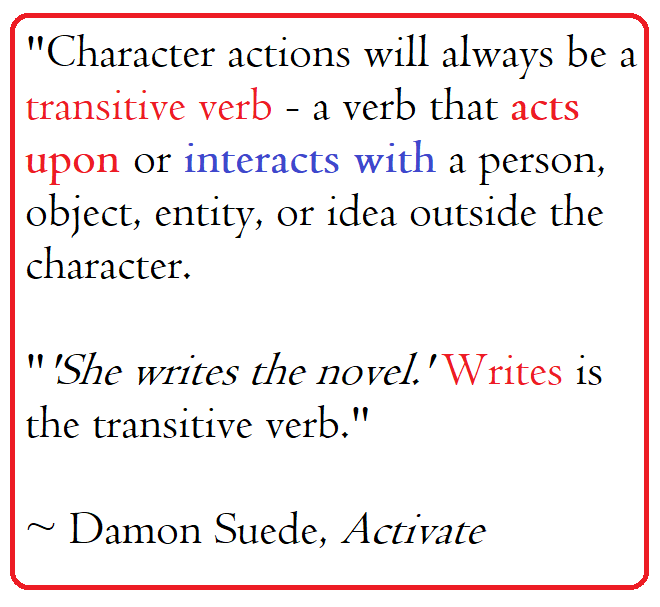 Every story is unique; some work best in the past tense, while others must be set in the present.
 If I were writing a story starring me as the main character, I would open it in the year 2005 with a couple of empty-nesters buying a house in a bedroom community twenty miles south of Olympia.
 The city center is isolated, twelve miles from the freeway and twenty miles away from every other town in the south county. If a fictional story were set in this town, it would feature the same political and religious schisms that divide the rest of our country. There are other tensions. Some families have been here for generations, and a few don’t appreciate the influx of low-paid state workers buying cookie-cutter tract homes (like mine) here.
 Two inches of rain fell the day we moved into our brand-new home in 2005, making moving our furniture into this house a misery. Our new house had no landscaping and rose from a sea of mud and rocks. With a lot of effort, we made a pleasant yard. When the housing bubble burst in 2008, many people on my side of the street lost their jobs, and some homes went into foreclosure.
 Our main street, Sussex, passes through a historic district. The buildings are all built from sandstone quarried at the old quarries. Many of the old buildings are home to antique stores. The masonic lodge is made of Tenino sandstone.
 In writing, we add depth and contour to our prose by how we choose and use our words. We “paint” a scene using words to show what the point-of-view character is seeing or experiencing. Yes, we do need to use some modifiers and descriptors.
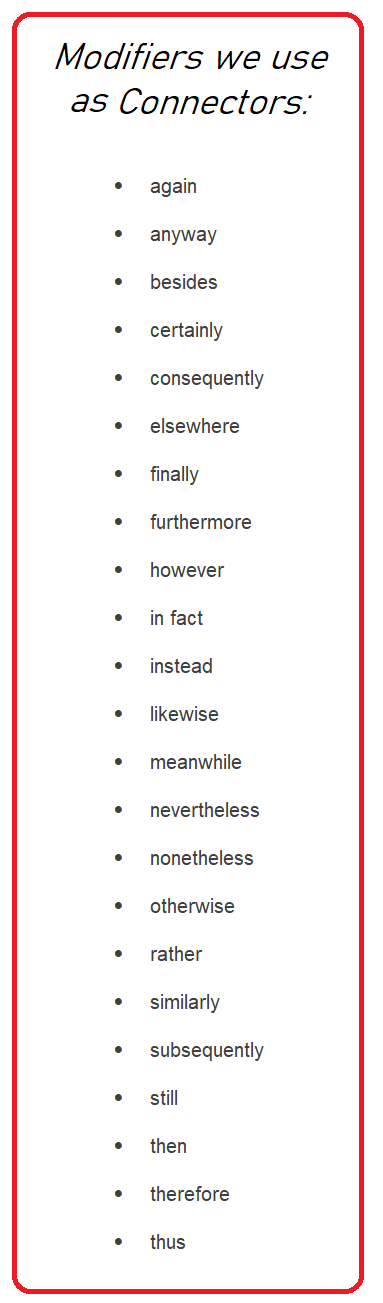 One of the cautions those of us new to the craft frequently hear are criticisms about the number of modifiers (adjectives and adverbs) we habitually use. This can hurt, especially if we don’t understand what the members of our writing group are trying to tell us.
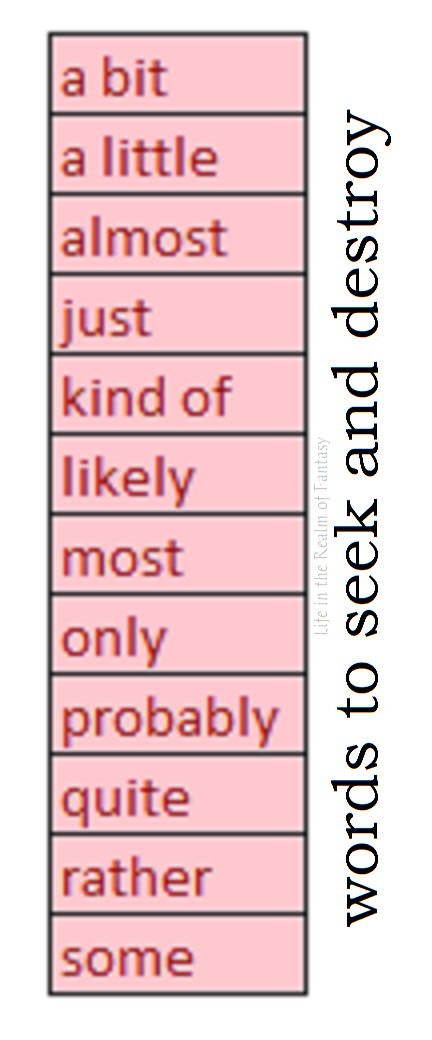 In the above sentence, the essential parts are structured this way: noun – verb (sunlight glared), adjective – noun (cold fire), verb – adjective – noun (cast no warmth), and finally, verb-article-noun (burned the eyes). Lead with the action or noun, follow with a strong modifier, and the sentence conveys what is intended but isn’t weakened by the modifiers.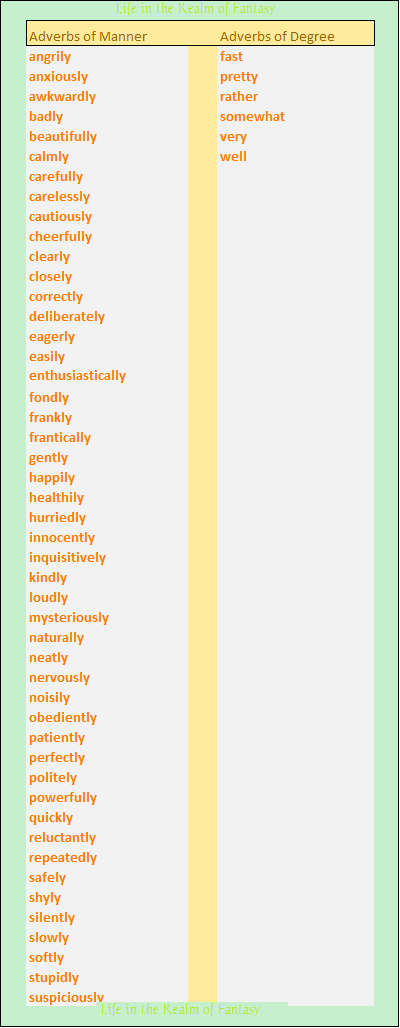


 Life in the Realm of Fantasy
