
Today’s post begins a three-part series on the story arc. At this point, I’ve been talking about NaNoWriMo, National Novel Writing Month, for several weeks. It begins on November 1st, and to sign up, go to www.nanowrimo.org .
 We know our genre and have written a few paragraphs that describe our characters and who they are the day before the story opens. Also, we know where the story takes place. (To catch up on earlier posts, the list is at the bottom of this article.)
I always feel it’s necessary to have a brief outline of the story arc when I sit down to write. “Pantsing it” is exhilarating, but my years of experience with NaNoWriMo have taught me that when I am winging it for extended lengths of time, I lose track of the plot and go off the rails.
Not having even a loose outline creates a lot more work in the long run. It stalls the momentum if I must stop writing, take the time to analyze where I’m at, and then throw together an outline for the next section. Stopping the flow lowers my NaNoWriMo word count for that day.
For those who are new to writing and are just learning the ropes, turning your idea about a book you’d like to write into a manuscript you would want to read takes a little work.
First, you need to know how to construct a story.
 Every reader knows that stories have a beginning, a middle, and an end. They start in a place of relative comfort, and through rising action, they follow the characters through events that change them for better or worse.
However, when a new writer sits down to write a novel in only thirty days with no plan and no idea what they’re going to write, they can easily lose interest and stop writing altogether. Others might force themselves to get their 50,000 words, but have no control of character arcs, setting, or plot. They end up with backstory infodumps and side quests to nowhere. The ending either slowly faints away or is chopped off.
All the infodumps and history can be gotten out of the way before you begin the opening paragraphs on November 1st.
The progression of events from an opening line to a final paragraph is called a story arc. It is called an arc because the action begins at a quiet point, rises to a pitch, and ends at another quiet point.
So, let’s consider the beginning. Now is a good time to write a line or two describing the opening scene, simple prompts for when the real work begins.
Beginnings are the most critical and are easiest to mess up with too much information. All beginnings are comprised of situation, circumstances, and objectives.
- A good story opens with the main character and introduces their companions (if any). (Circumstances)
- The antagonist and their cohorts are introduced. (Circumstances)
- With the introductions out of the way, something occurs that pushes the main character out of their comfort zone. (Situation and Circumstances)
- That event is called the “inciting incident” and is named that because this occurrence incites all the action that follows. (Objectives)
- These scenes comprise the first ¼ of the story arc. The beginning ends with the first major incident, where the action kicks into high gear, transitioning to the middle section of the story. (Situation, Circumstances, and Objectives)
 In your musings, on what day does the serious event occur, the one that changes everything? THAT day is where the story begins, and everything that happens before that moment is backstory and isn’t necessary. A plot outline I have used before as an example is set as a political thriller, but it could easily be a paranormal fantasy, a sci-fi thriller, or a romance.
At the outset of the story, we find our protagonist and see him/her in their normal surroundings. Once we have met them and seen them in their comfort zone, an event occurs which is the inciting incident. This is the first point of no return.
At the outset, Dave, an unmarried accountant, sees a woman from across a café, and through a series of innocent actions on his part, he is caught up in a spy ring. We begin with the protagonist.
- What could possibly entice Dave out of his comfort zone? What would he spontaneously do that is out of character for him? Perhaps he buys a stranger lunch. This act must change his life.
Because Dave paid for a stranger’s meal, he draws the attention of the people who are following her. They think he must be involved with her, putting him at risk.
That was the inciting incident, the moment that changed everything.
Now, Dave is thrown out of his comfort zone and into the situation, which is the core of the plot.
- On his way back to his office, a white limousine pulls up alongside him, and four men in black suits hustle him into the backseat. He is forced at gunpoint onto a plane bound for a foreign nation, handcuffed to a suitcase. The only other key that can remove the handcuffs is at the Embassy in the custody of a mysterious woman.
This is the circumstance in which Dave finds himself at the beginning of the story.
- How will the next phase of Dave’s story start? That will begin the middle section of the story.
Now we come to the next part of the core of your plot: objective.
- At this point, our hero just wants to get rid of the suitcase and go back to his job. He wants that desperately. Desire drives the story.
Everything that occurs from here until the final page happens because Dave has an objective: he wants to go home.
However, to counter the enemy, we must decide how to get Dave and his story to the next plot point, which we’ll discuss in the next post.
Those paragraphs are all that is needed as far as an outline for the beginning goes, unless you’re in the mood to go deeper. All we need is an idea of who, what, and where. We’ll discuss how to plot the middle, or the why, in the next post.
 If you work at a day job and using the note-taking app on your cellphone to take notes during work hours is frowned on, you can still capture your ideas for the storyboard.
Carry a pocket-sized notebook and pencil and write those ideas down. You can discreetly make notes whenever you have an idea that would work well in your story, and you won’t be noticeably distracted or off-task.
Part 2 of this topic will talk about action and reaction, plotting the middle of the story arc.
#NANOPREP SERIES TO DATE:
#NaNoPrep: part 1: What’s the Story? (the storyboard)
#NaNoPrep, Setting: Creating the Big Picture
#NaNoPrep, Building Characters
#NaNoPrep, More Character Building
#NaNoPrep, Designing Science, Magic, and the Paranormal
#NaNoPrep, Terrain and Geography
#NaNoPrep, Connections and Interconnections
#NaNoPrep, Construction and Deconstruction
This Post: The Story Arc Part 1
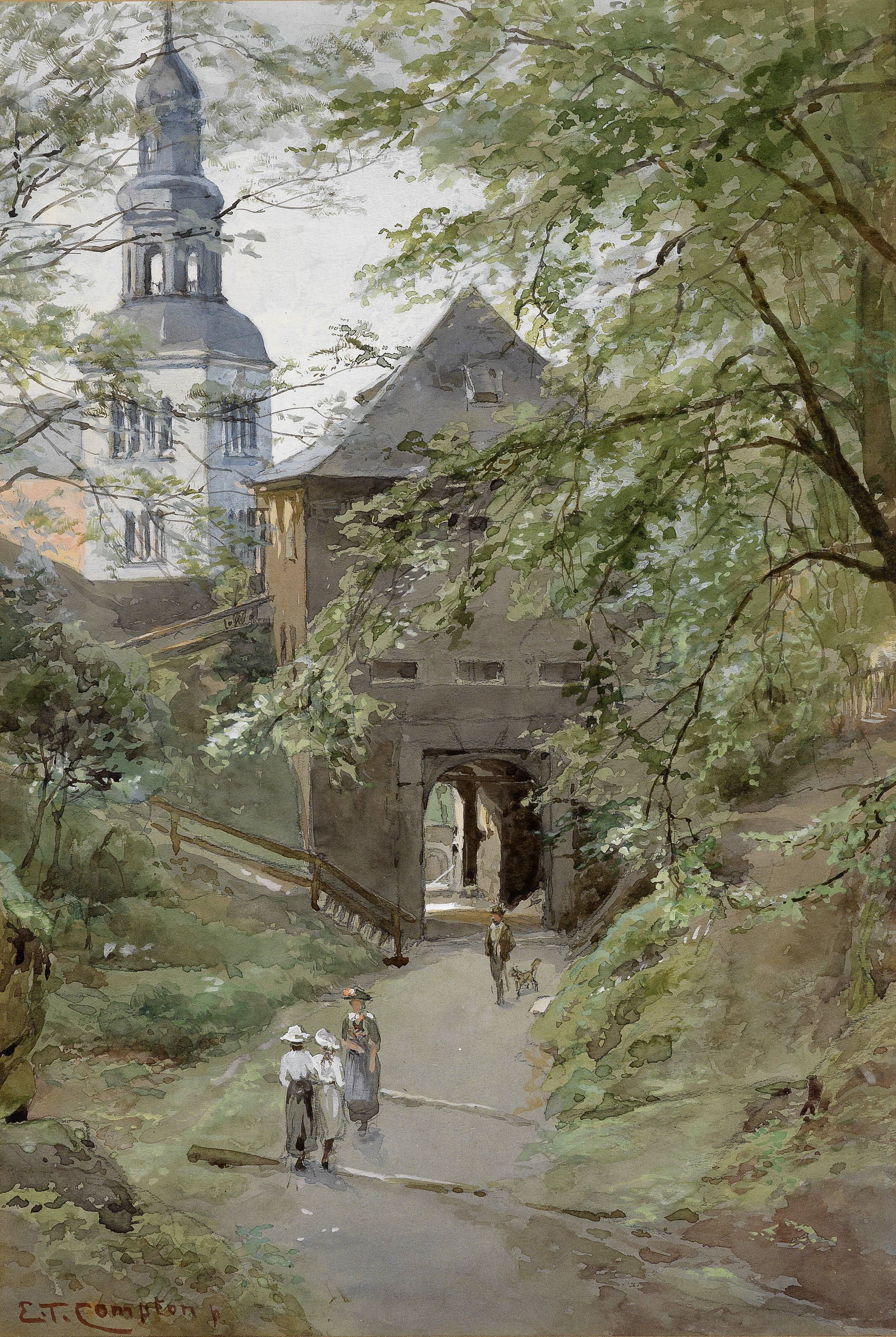 Painting:
 Whether you hope to be published traditionally or plan to go indie, you must know what the reading public is buying. You will probably write a book that is squarely set in your favorite genre.
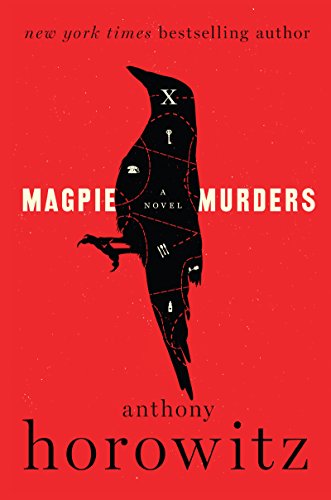 When editor Susan Ryeland is given the manuscript of Alan Conway’s latest novel, she has no reason to think it will be much different from any of his others. After working with the bestselling crime writer for years, she’s intimately familiar with his detective, Atticus Pünd, who solves mysteries disturbing sleepy English villages. An homage to queens of classic British crime such as Agatha Christie and Dorothy Sayers, Alan’s traditional formula has proved hugely successful. So successful that Susan must continue to put up with his troubling behavior if she wants to keep her job.
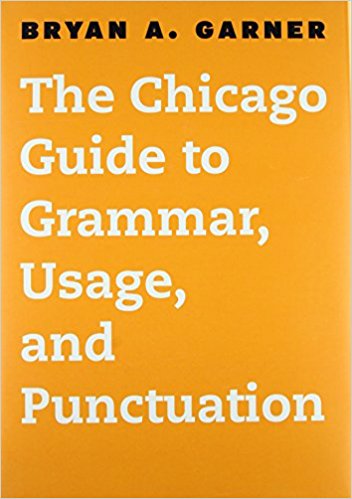 Now, let’s talk MECHANICS. The author of the Magpie Murders has worked as a journalist. He has taken the time to become educated in grammar and understands common industry standards.

 I know that world because I based the plants and topography on the Pacific Northwest, where I live. Other than the Escarpment, which is the visible scar left behind by the Sundering of the Worlds, the plants and geography are directly pulled from the forested hills and farmlands of Southern Puget Sound and Western Washington State.
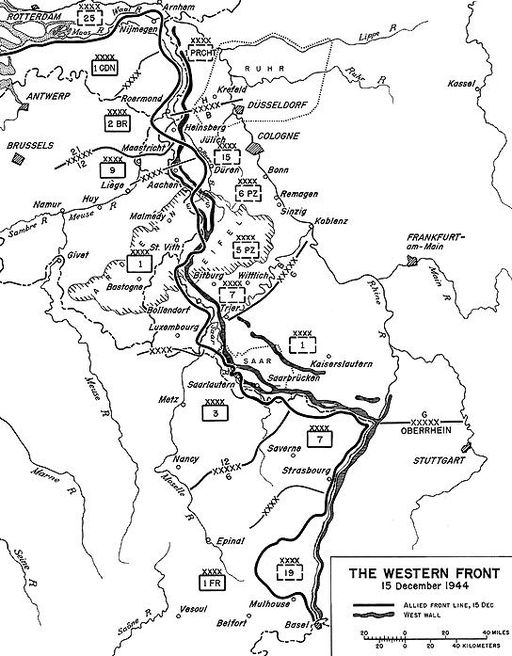
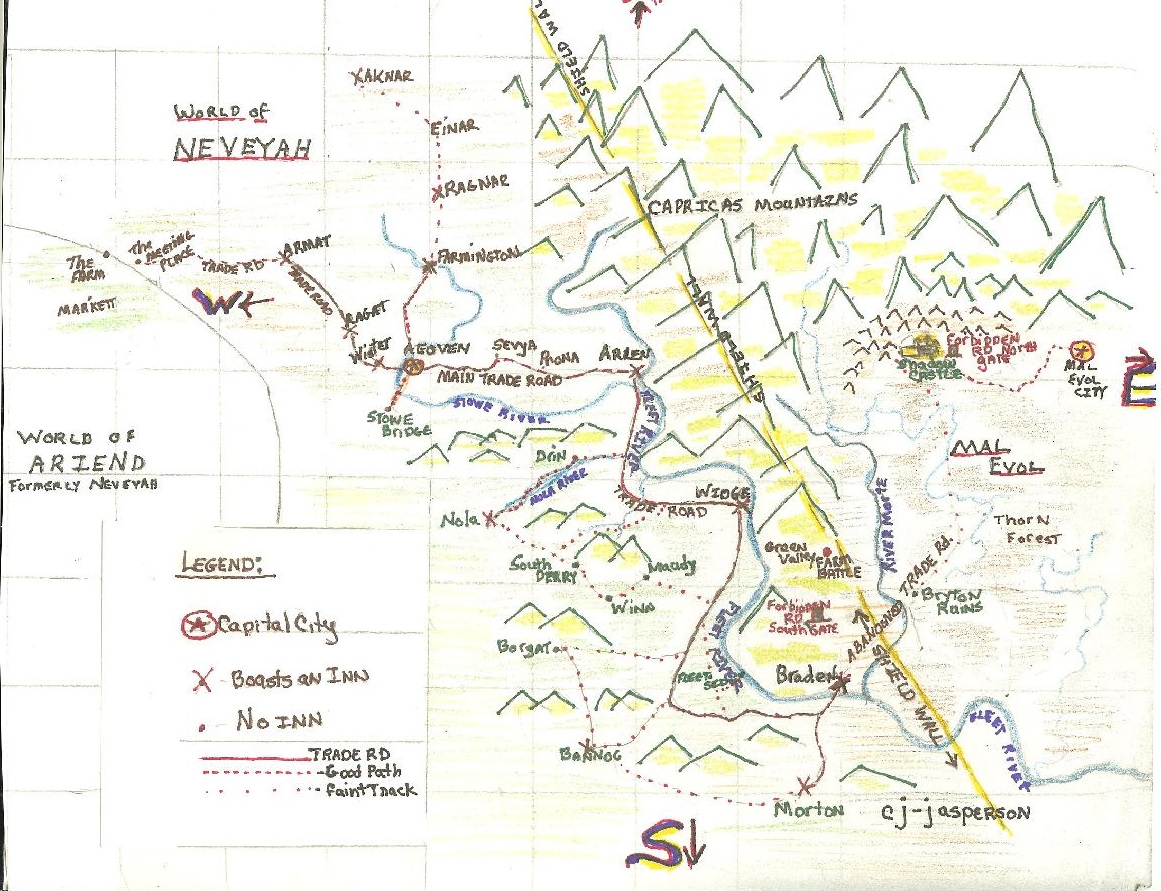
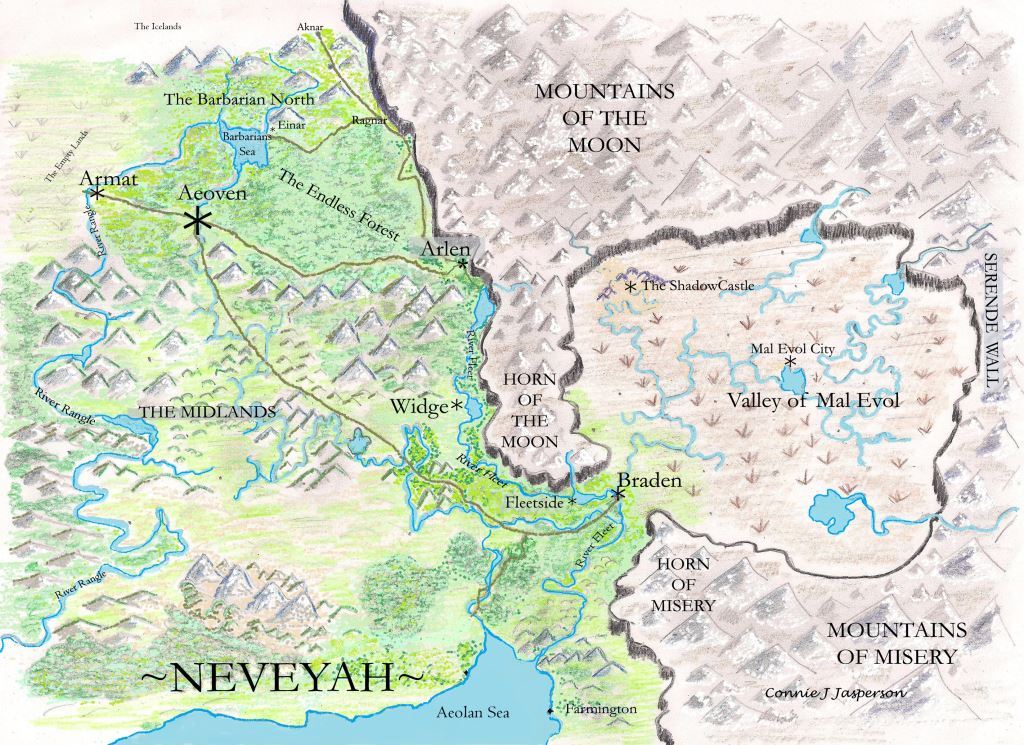
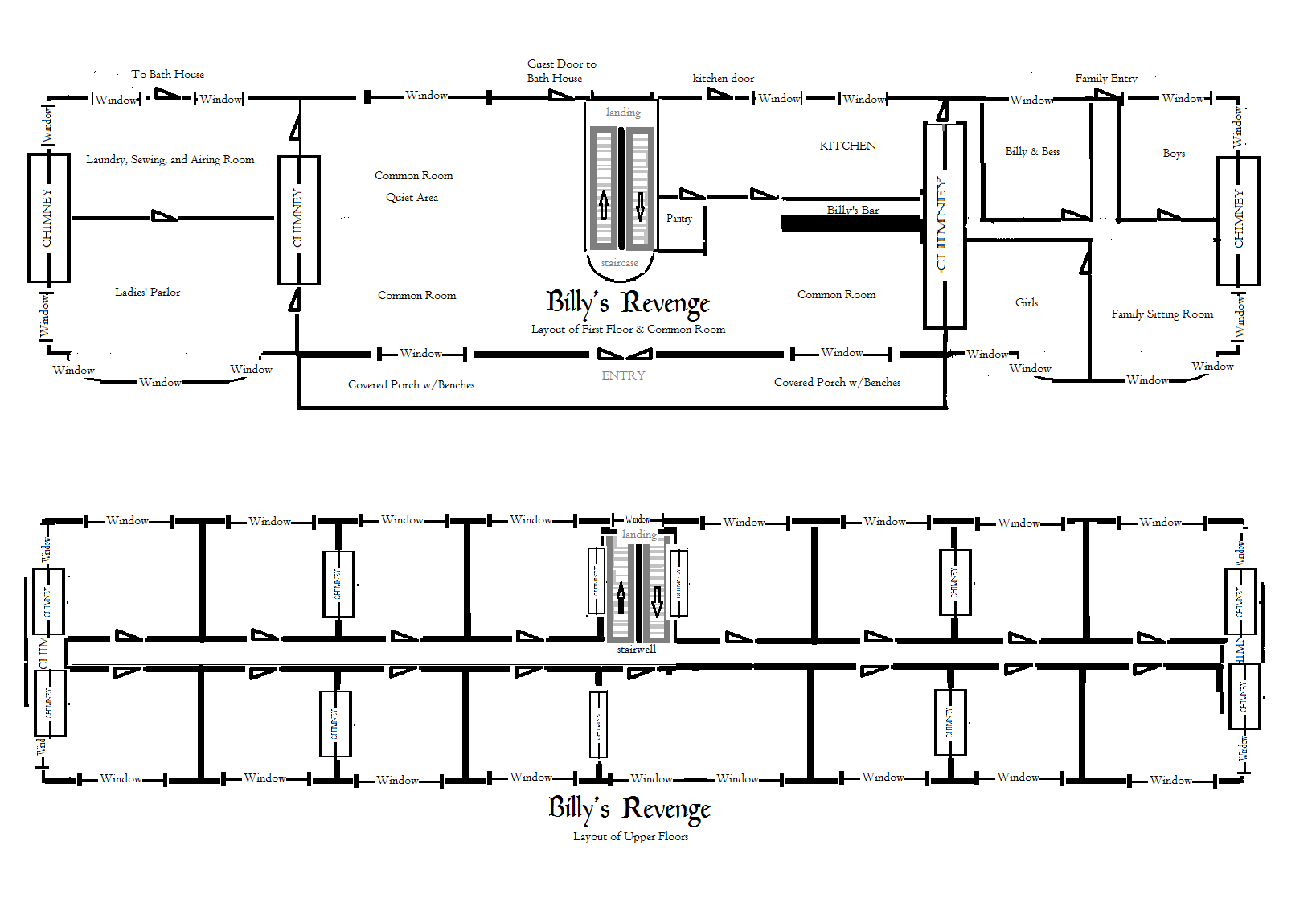 If your work is sci-fi, consider making a map of the place where the action happens. It could be a pencil-drawn floor-plan of a space station/ship or the line drawing of part of an alien world. I drew the floorplan of Billy’s Revenge for my reference, as most of the novel, Billy Ninefingers, takes place there.
 Authors of sci-fi must research and understand the
 Satisfying these conditions sets the stage for you to create the Science of Magic. This is an underlying, invisible layer of the world. By creating and following the arbitrary rules of this “science,” your story won’t contradict itself.
 Conflict forces the characters out of their comfortable environment. The roadblocks you put up force the protagonist to be creative. Through that creativity, your characters become stronger than they believe they are.
 If you design this now, on November 1st, you will have the framework to showcase your characters ambitions, the drive to acquire more personal power, and the lengths characters will go to in their efforts to gain an edge over their opponents. Everything will be in place for a free-wheeling dive deep into the consequences of your protagonist’s struggle.
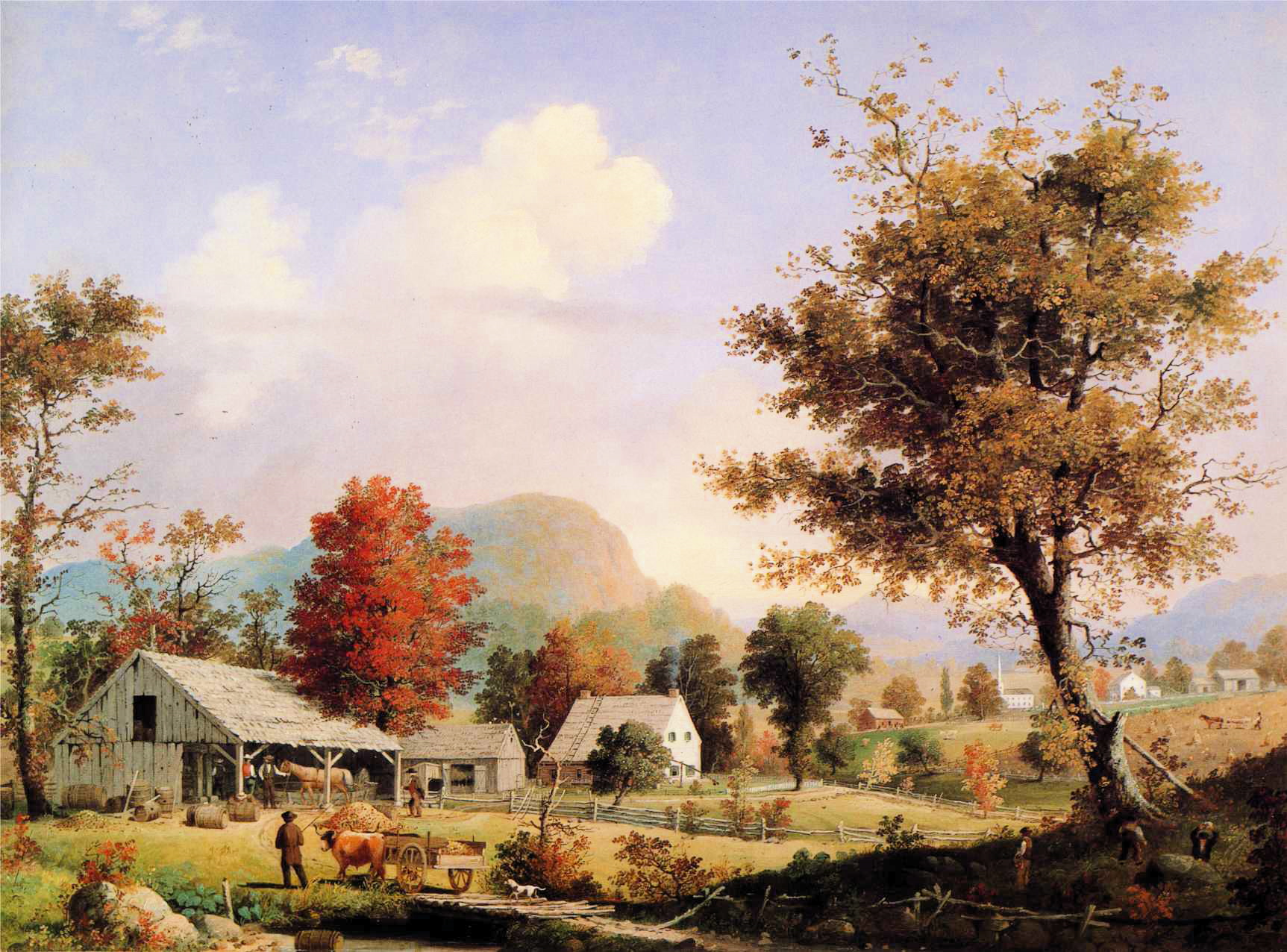 Cider Pressing by George Henry Durrie 1855
 We humans are tribal and like having an overarching power structure because someone has to be the leader, which isn’t a job most people want once they see what is involved. Being the leader means bearing the responsibility when things go wrong, usually more often than basking in the glory when it’s all good.
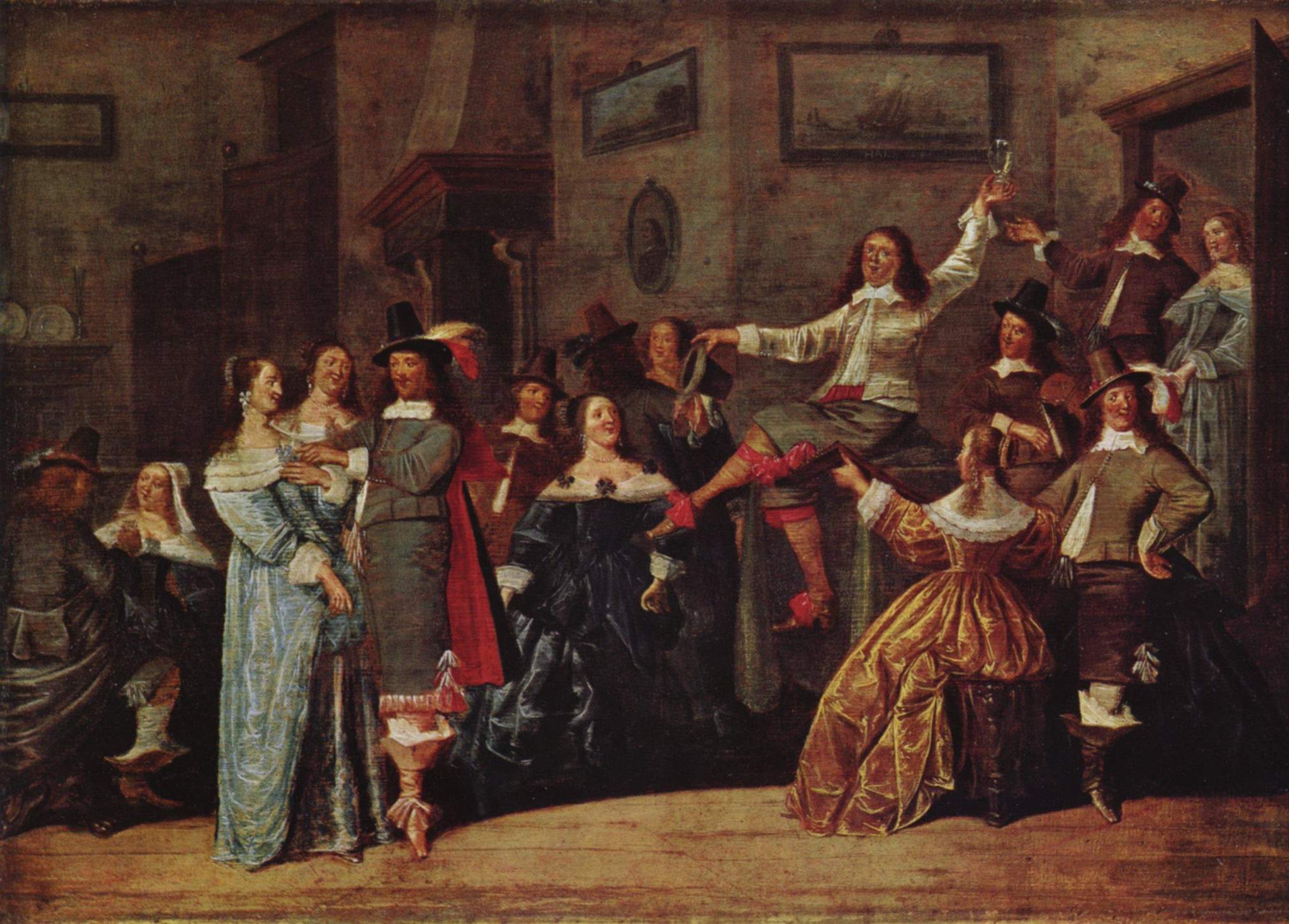 Society is always composed of many layers and classes. Below is a list of questions for you to consider when building your fantasy or sci-fi civilization. I admit it’s long, but please bear with me.
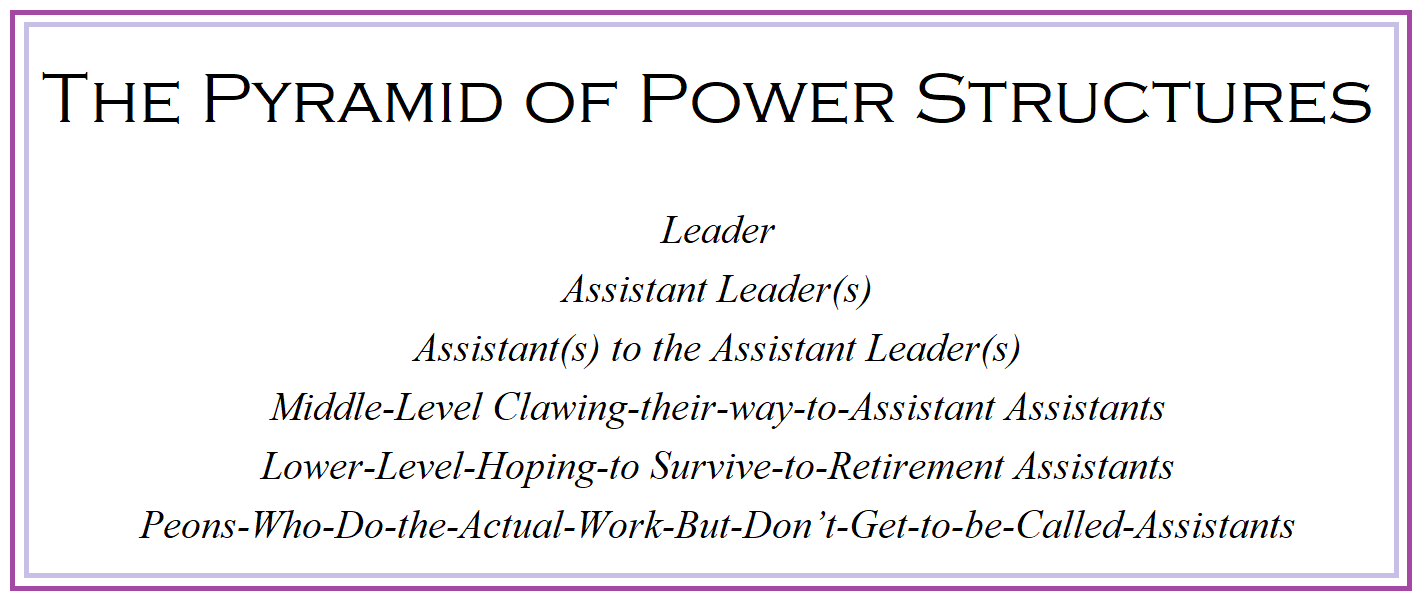
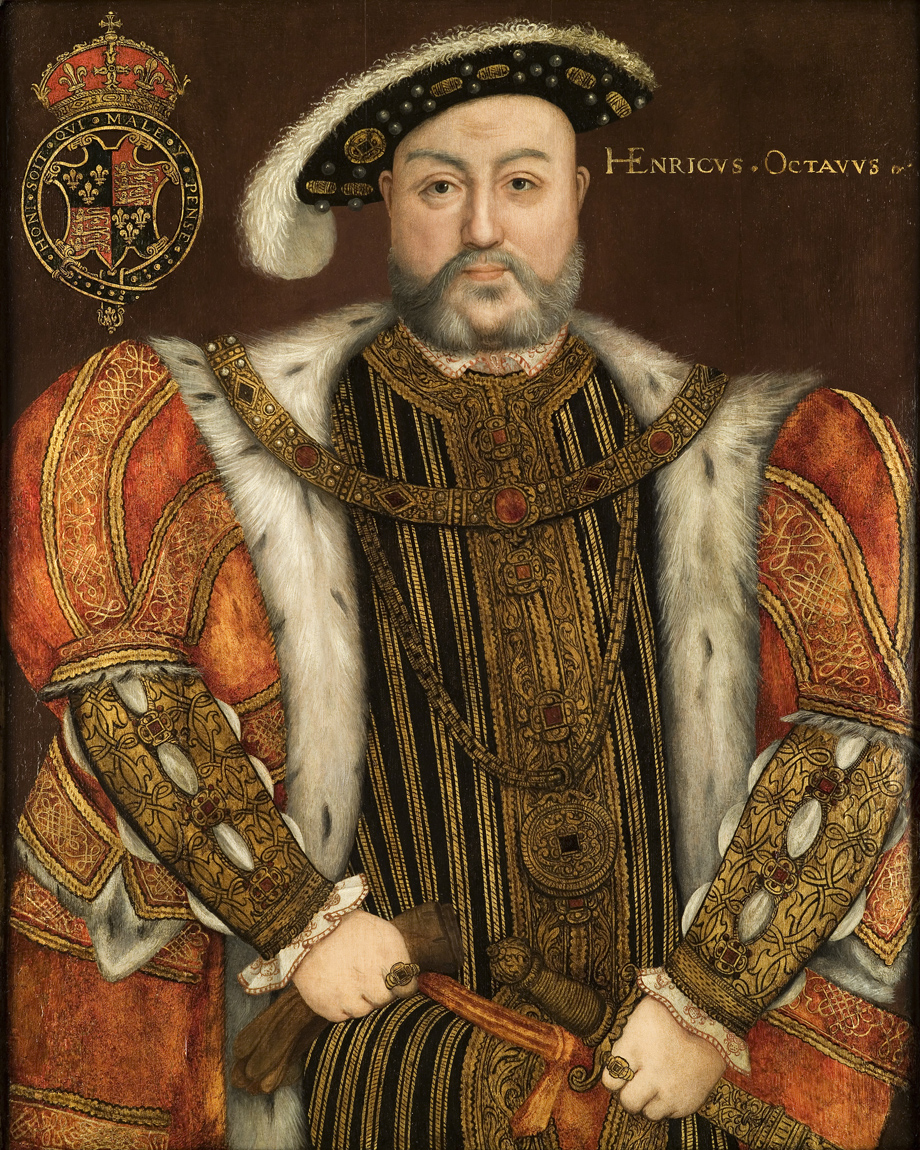 Government: There will be a government somewhere, even if it is just the local warlord. Someone is always in charge because it’s easier for the rest of us that way:
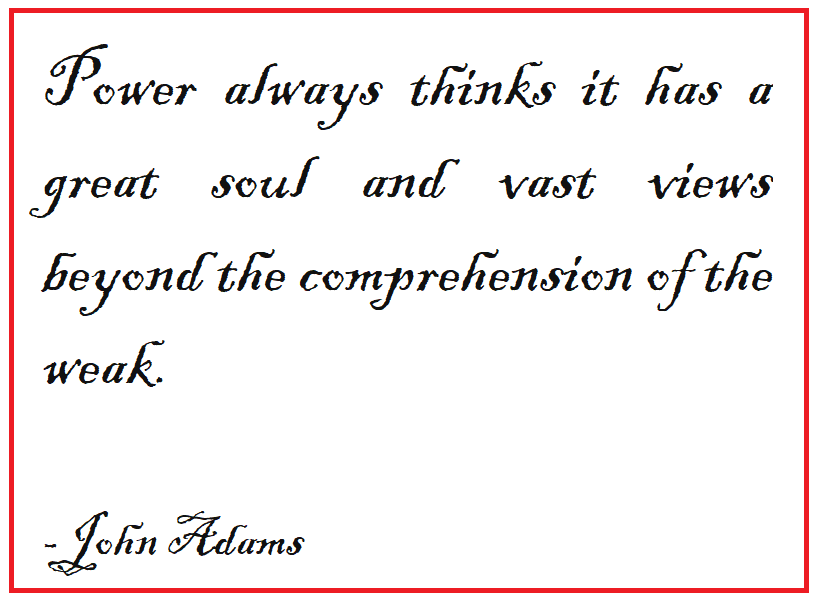 Power in the hands of only a few people offers many opportunities for mayhem—followers may inadvertently create a situation where the leader believes they are anointed by the Supreme Deity. Even better, they may become the God-Emperor/Empress.
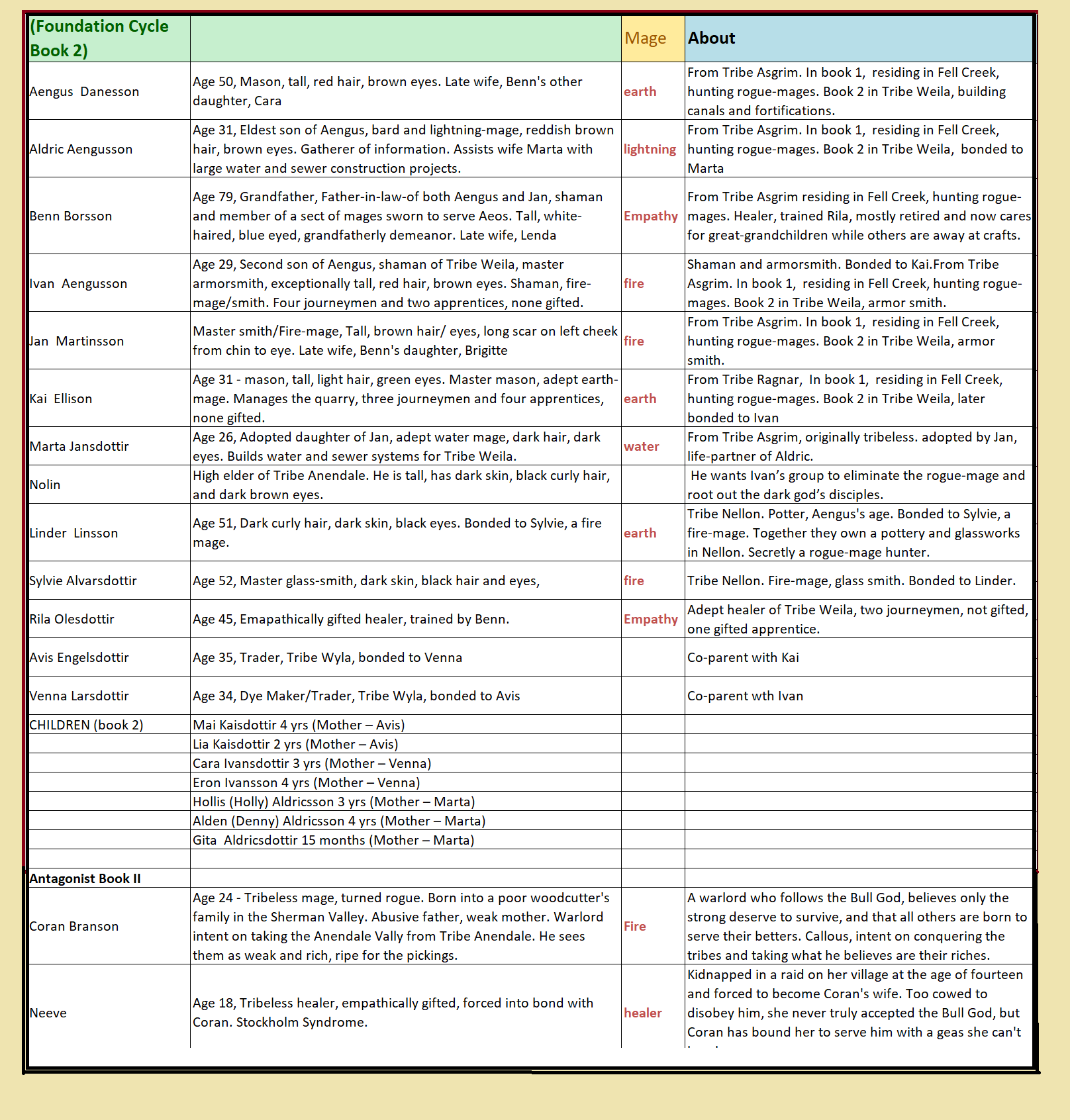 Every side character has hopes and wants something, so that will be noted.
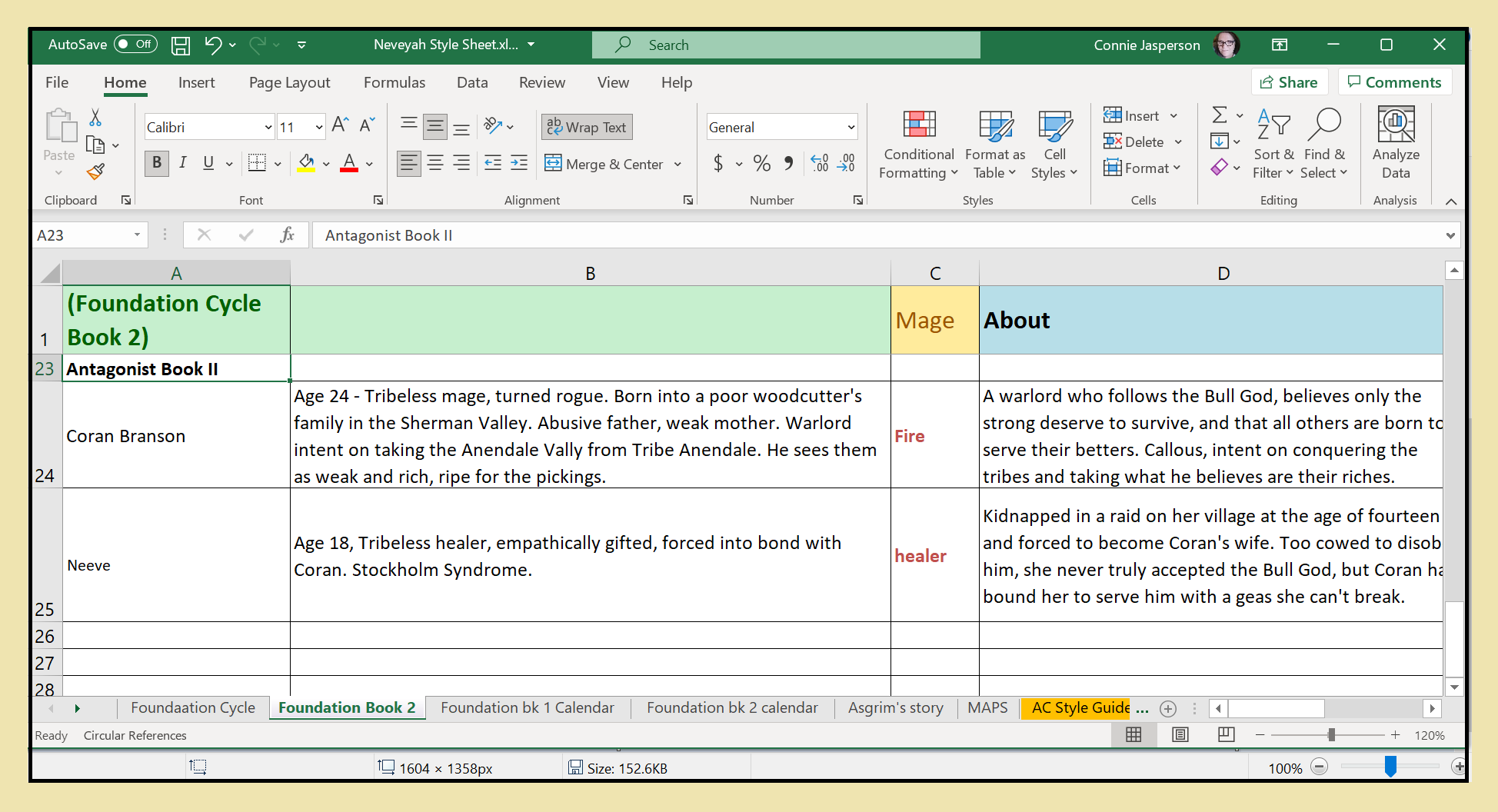 My antagonist will have trusted captains, who will carry out his orders. I just haven’t met them yet, and probably won’t until I begin plotting the antagonist’s arc of the story.


 Life in the Realm of Fantasy


