As I mentioned in my previous post, depth is a vast word, a sea of information created of layers. It is complex, intense, and profound. We use the arc of the opening scene to lure the reader, to hint at what lies hidden below. The scene opens, the first character(s) step onto the stage, the action rises and ebbs, and the reader wants to know more.
 Some scenes have no dialogue, are comprised of the actions that propel the plot forward. But often, conversations are the core of the passage, propelling the story onward to the launching point for the next act.
Dialogue is an opportunity to reveal who your characters are and hint at what lies beneath the surface they present to the world. Conversations must have a purpose and follow an arc: they open, disseminate information, and move toward a conclusion of some sort.
Dialogue that doesn’t reveal character and advance the story in some vital way is a waste of the reader’s time.
- We use dialogue to show the personalities of our characters.
- We use it to reveal secrets and create empathy.
- We use conversation to convey knowledge when the characters and the reader need it and reveal motivations.
First, we must identify what should be conveyed in our conversation. Who needs to know what? Why must they know it? How many words do you intend to devote to it? Be wary—conversations can get out of hand and become an info dump.
Info dumps don’t add depth. They add fluff.
Depth consists of many layers. It is a combination of story/plot information and character revelations. It is the underlying theme and the atmosphere of the world the characters inhabit. It is the mood created by the words you habitually use.
If you look in a thesaurus, you can see that most words in the English language have more than one shade of meaning depending on the context in which we use them. Your word choices are essential in showing a world of many shades of color.
Each word adds to or detracts from the feeling of atmosphere. Those choices are critical in conveying personality and creating a sense of empathy for our characters.
Conversations are opportunities to show depth as well as convey information. Your habits, how you form your phrases, and your choice of words establishes the tone.
 This pertains to the thoughts of your characters too.
We have mental conversations with ourselves in real life. Sometimes we even speak our thoughts aloud.
Researchers say that most of the time, our inner monologue concerns how we see ourselves. These thoughts are often in whole sentences and phrased negatively. And most telling of all, we aren’t usually aware of our inner thoughts when we have them.
However, an interior monologue is useful for revealing motives. What they think but don’t speak aloud tells the reader a lot about the character.
It shows who they think they are as well as how they perceive others.
Conflict keeps the protagonists from achieving their goals. In real life, our internal conflicts create greater roadblocks to success than any antagonist might present.
These tiny inner voices of self-destruction are crucial to creating relatable characters. They reveal the inner layers that make the character who they really are beneath the surface they show the world.
Sometimes, revealing a critical bit of backstory can only be accomplished through the protagonist’s thought processes or those of a companion.
A loud contingent at any gathering of authors will say thoughts should not be italicized. While I disagree with that stance, I do see their point.
As a reader, I dislike it when long strings of private thoughts are italicized. This is an accepted practice in the genres of Sci-fi, Fantasy, and YA novels, so readers of those genres expect to see thoughts presented in italics. However, we need to be aware of how overwhelming it is for a reader to be faced with a wall of words written in a leaning font.
If the author makes it clear that the character is having the conversation with themselves, italics aren’t needed.
It was, he thought, one of those rare days, where the sun shone benevolently upon mankind, a day when the constant wind was gentle, benign. Aloud he said, “Enjoy the sun while you can, my friend. The rain is eternal here.”
Dialogue, both spoken and interior, sets the scene and unveils the theme. Your word choices reveal characters and their secrets, their personalities.
Your word choices reveal you, the author. Through those words, we hear your voice.
So, let’s consider that voice. Voice is a combination of word choices and grammar. It is distinct to each author.
From the reader’s perspective, grammar/punctuation is to writing what gravity is to the universe. It holds everything together.
We obey traffic signals when driving to avoid getting into wrecks. In the same way, our written work must abide by specific fundamental rules, or it will be unreadable—a wreck.
This is especially important when it comes to dialogue. What is spoken must be easily distinguished from the ordinary narrative.
Overall, most readers don’t see minor grammar glitches in the narrative, which is good because we all make them. Even editors write crap and need editors. But readers do notice unprofessional writing, especially when it comes to how dialogue is punctuated.
Readers notice amateurish writing.
If you are new to writing and are unsure of how to punctuate conversations so that readers can understand your work, see my post from July 29, 2020: Four Rules for Writing Conversations. The post details four simple, easy-to-remember rules of punctuation, rules for keeping the conversations flowing and understandable.
 I have said this before, but it bears mentioning again: Never resort to writing foreign languages using Google Translate (or any other translation app). Also, please don’t go nuts writing out foreign accents. It’s frustrating for readers to try to untangle garbled dialogue. A word or two, used consistently, is all that is needed to convey foreignness.
Information dispensed gradually reveals the plot, unveils hidden layers. What your characters think and say are the reader’s window into them and their world.
Conversations pull the curtain back, revealing the characters’ innermost secrets and their story.
With every sentence, a prism of information illuminates who the characters believe they are and is passed from the author to the reader. It is a light, filtered through the characters, that colors the narrative with the shades and moods of the words you habitually choose.

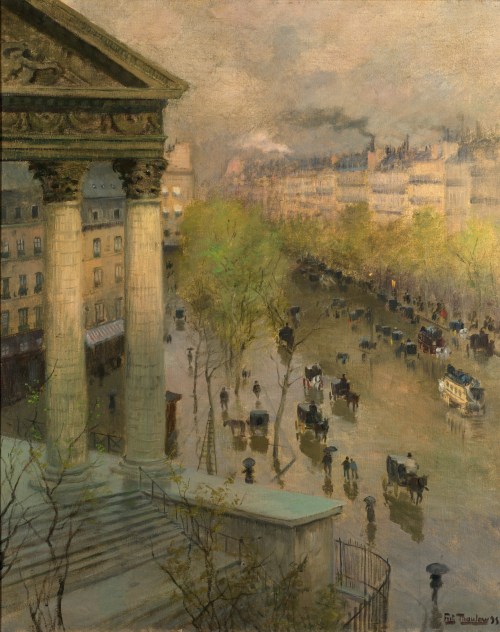 Title: Boulevard de la Madeleine in Paris by Frits Thaulow
 Authors work hard to create a strong, credible hero. In genre fiction, the hero’s story evolves in a setting of our devising and is defined by their struggle against an antagonist.
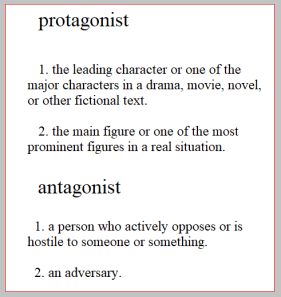 Kellan is a complicated character who believes he is the hero. His story begins as a member of the protagonist’s inner circle and ends tragically.
 In other stories, there is the nebulous antagonist—the faceless giant of corporate greed, characterized by one or two representatives, who may be portrayed as caricatures. In some
  This is an important distinction. Credible villains become evil for sympathetic reasons. They care intensely, obsessively about something, or someone. It is our job to make those deeply held justifications the driving force behind their story.
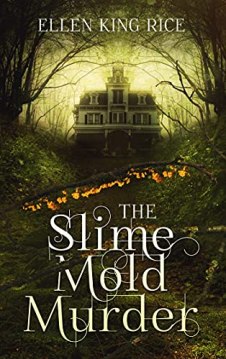 One of the best ways to learn about the craft of writing is to talk with other authors. We all have different ways of creating our work, so hearing how another author works always gives me new ideas.
 EKR: Mitchell and Mark are a gay couple, but I didn’t want to write them as caricatures. I spent a great deal of time trying out descriptions to come up with two men who are individuals in their own right but collectively a pair who would rattle the conservative county commissioner.
 CJJ:
CJJ:
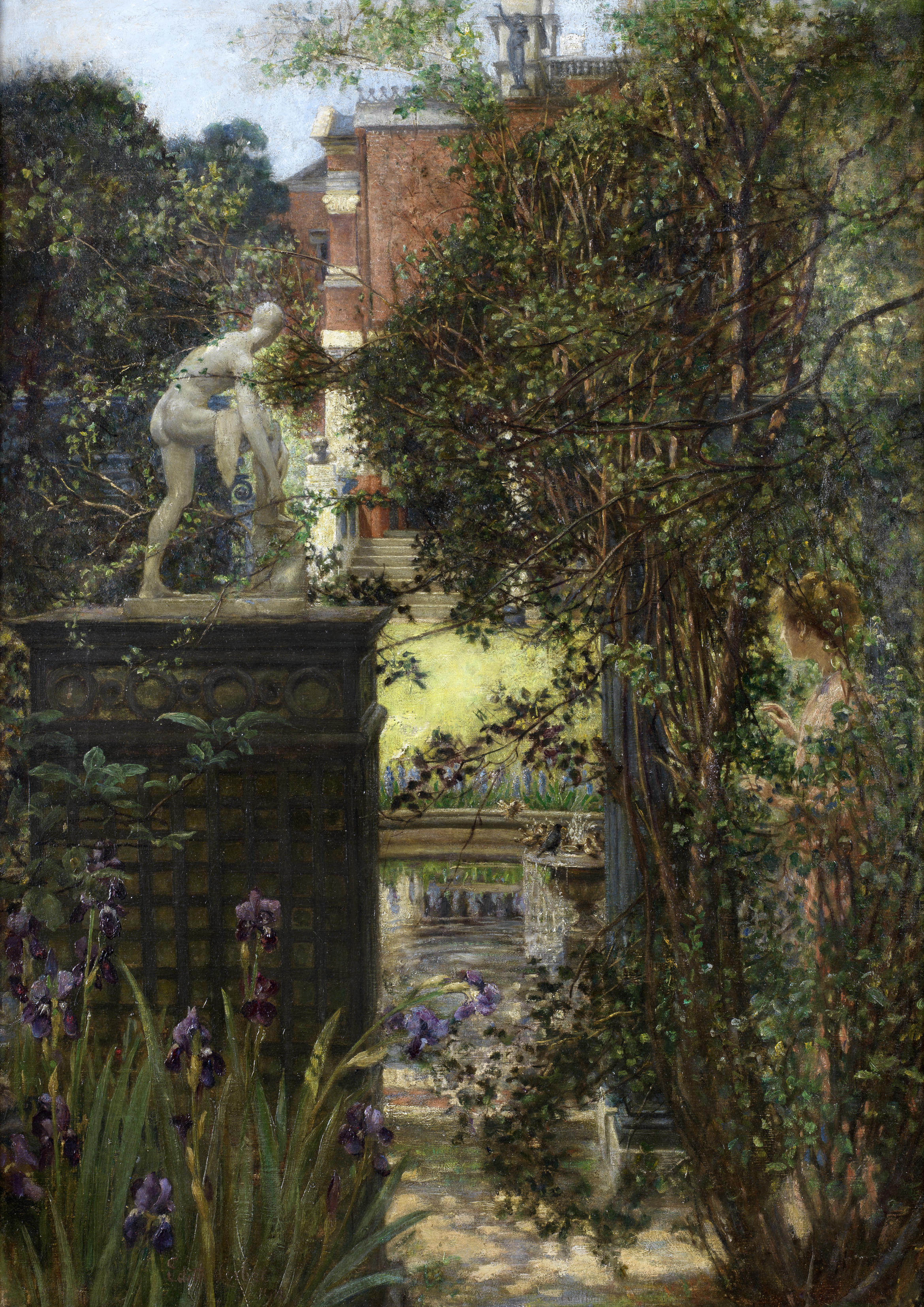 Title: A London Garden
 To achieve a sense of depth, we begin with simplicity. Each character’s sub-story must be built upon who these characters think they are.
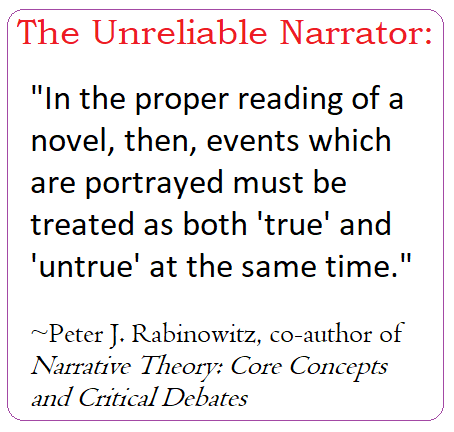 They might think one thing about themselves, but this verb is the truth.
 Knowing the verb (action word) and the noun (object of the action) that best represented my characters made writing
  Artist: Carl Randall (1975 – )
 STOP! If you value your reputation, you won’t rush to publish that mess just yet.
 Now you must set it aside, as you must gain a little distance from it to see it with a clear eye. This is where I seek an outside opinion on the strengths and weaknesses of my proto-novel. I am fortunate to have a local writing group of highly talented published authors. I also trade services with several editors. When the first draft of my manuscript is finished, I send it to a reader. While they are reading it, I work on something completely different.
 At this point, an amateur decides the beta reader missed the point and chooses to ignore their comments. Our unrealistic belief that our work is perfect as it falls from our minds is a failing that we must overcome if we want to engage readers.
 In my current work, the thoughts and motives of the characters are critical to the midpoint event and subsequent crisis of faith. Yes, who these people are, and their place in the story at the point where we meet them is crucial to the plot.
 Then there is the marketing of the finished product, but that is NOT my area strength, so I won’t offer any advice on that score.
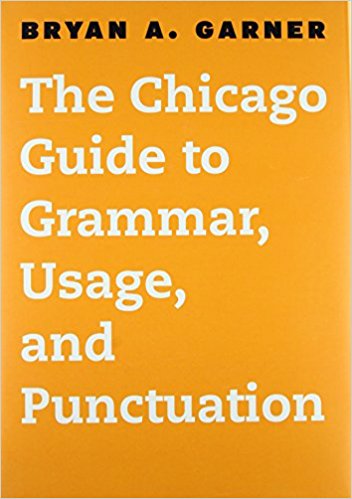 If you are writing in US English, I can highly recommend getting a copy of
 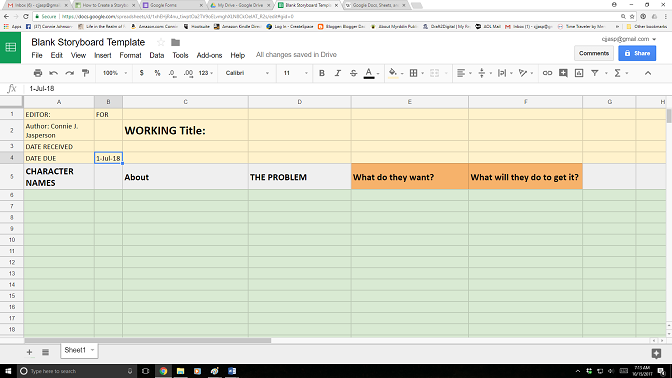 Creating a
  Write the basic story. Take your characters all the way from the beginning through the middle and see that they make it to the end. If you have completed the story and have it written from beginning to end, you can concentrate on the next level of the construction phase: adding depth.
 The Fairy Mab


 Life in the Realm of Fantasy
.jpg)

