Tag Archives: Art

Gratitude

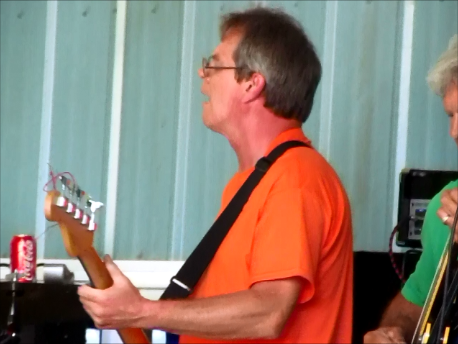
Billy Blackwell performing live at Wade's Place, Aug 24-2014

Billy Blackwell performing live at Wade’s Place, Aug 24-2014

Over the weekend we attended a large function where there was a live band. It consisted of five people, three of whom are very dear to me: my ex-husband, Darryl, on guitar, my younger brother Robert on bass, and my stepson, Billy (who is the child of my heart), on drums.

It never ceases to amaze me how much of an influence music has been in the life of my family, over many generations.

This tie binds us and has sometimes cut us apart, but in the end it always brings us back together.

Family is so much thicker than blood.  Gratitude is too.

Robert (Mad Dog) Johnson performing live at Wade's Place, Aug. 24, 2014

Robert (Mad Dog) Johnson performing live at Wade’s Place, Aug. 24, 2014

We are a close unit, bound by love and children.  Music is the common thread that runs through our lives–two horn players, one sax player, two drummers, three guitarists, three keyboardists–four working musicians and everyone else singing harmony–music is the core of our life, and a new generation is learning at their knees.

I loved this weekend.

The air held the peculiar quality of serenity that is unique to Black Lake-the lake of my childhood home.  The crowd loved  the music they played. Children ran wild and the food was fabulous–even the vegan found something delicious to enjoy!

Darryl Riffero performing live at Wade's Place, Aug. 24, 2014

Darryl Riffero performing live at Wade’s Place, Aug. 24, 2014

Seeing these three men, none of them blood related to each other, but all of them family and close as brothers, made me once again realize how much I have to be grateful for. Each has faced and overcome demons that would have killed a lesser man, and they are stronger for it.

Happiness and love of life fill their music, and it is beautiful to me.

My blessings are many, and I count them every day.


2 Comments

Filed under Adventure, blogging, Fantasy, Literature, Music, Publishing, Self Publishing, Uncategorized, writer, writing

Yes, but how do you really feel?

x - y chromosomesI love writing and I love my characters, but they are so stubborn about some things. Of course, many of them have ‘Y’ chromosomes, but still…. It’s frustrating because they don’t want to to talk about how they’re feeling.

Oh, for the love of Tolstoy–don’t they get it? I’m  a woman. I need you people to talk to me. Tell me what’s going on in your imaginary head.

It’s difficult to show the characters’ emotions and thought processes when it’s so much easier to just say he felt, or she was some emotion.  These thoughts and feelings are central to making our characters feel real. But describing them from a distance, as an author must do, may disconnect the reader from that character.

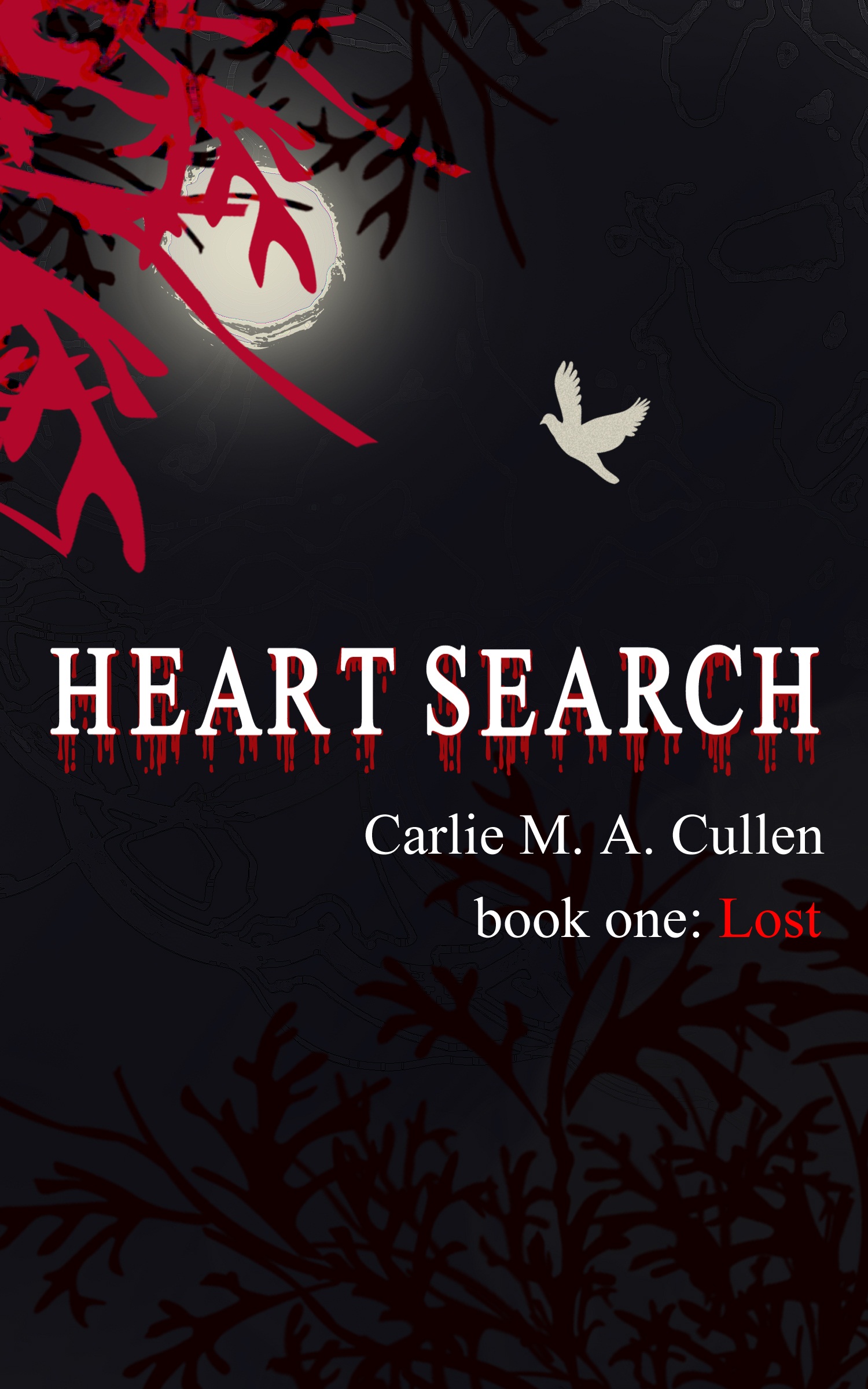
Sometimes, descriptions don’t allow the reader to experience the moment with the character. Instead, the author is telling them how the character feels.What we must ensure is that our readers remain immersed in the narrative, that no ‘speed-bumps’ come along to knock them out of it. Heart Search cover
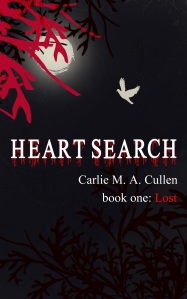
One of the best at this is Carlie M.A. Cullen, whose urban fantasy series Heart Search  featuring a coven of vampires is gaining in popularity. I think her books are so compelling because of her ability to draw a reader into the character without going over the top. So, how does she do it?

The opening line of chapter one of Heart Search Book 1, Lost reads like this: The sun, a ferocious golden orb, burnt into his skin as Joshua wandered aimlessly through the country park.

She could have just written The sun was hot and Joshua was killing time in a park.

But she didn’t, and the story is better for it–AND she showed you both the scene and Joshua’s mood in that one sentence.

So what can we learn from reading our favorite authors? We can see how they craft their tales, and we can learn those skills. Painters do this all the time, and we paint with words. 480px-Schmalz_galahad
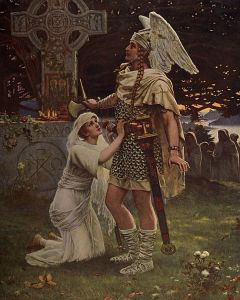
Let’s pretend we’re writing a fantasy novel. We can go over the top, like a painting by Herbert Gustave Schmalz, or we can find a happy medium between too much and too little. There is no need to sink into overly sentimental and exaggerated pathos in order to inject feeling into our work.

Here we have a character who is on the run from a creature of some sort. 1. He was afraid. He was terrified to look back.

Example one tells the reader how the character feels. We might write this in our first draft when we are just trying to get the story out of our heads. An unskilled writer would consider it just fine the way it is, as it expresses his thoughts perfectly.

However, it tells the reader how to feel, and readers really don’t like being told what to do.

2. He wiped the sweat from his brow with a trembling hand, fear from his narrow escape coursing through his veins. Heart pounding, he leaned against the wall, listening for any sounds that shouldn’t be there before chancing a glance around the corner.

Personally, I would read book number two over book number one, because it’s more interesting and makes me want to know more about this character and his problems. We need to use physical symptoms a character might experience combined with their actions, but  we need to describe them in such a way that it is a natural part of the scene.

John slid down the wall, sitting in the mud, his breaths coming in hard, ragged gasps. Something trickled down his cheek, and wiping it, his hand came away with blood.

Another example: Theodor_Hosemann_Weinstube_1858
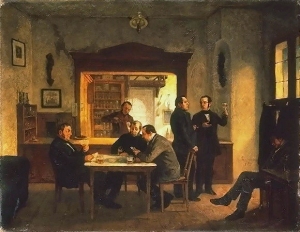
Lord Deccan’s fist hit the table. “Wine now, you miserable worm–or I’ll cut off your other ear!”

The one-eared innkeeper scuttled to the cellar. He quickly searched the shelves filled with dusty jars of cheap wine, settling at last on a vintage he thought might suffice.

Baldric’s guests normally drank from wooden tankards, but he knew that wouldn’t suit. There was a goblet, one he’d come by in a peculiar way, but it was a fine cup and would do well enough to stave off a tantrum of the lordly variety.

His shoulders hunched in anticipation of trouble, he approached the angry lord’s table. Setting the only goblet before the nobleman, he left the bottle and stepped away, bowing with feigned obeisance. Baldric had  survived  the  war with all but his left ear intact, and intended to remain that way.
Sir Paul McCartney, image from Rolling Stone MagazineWhat we are doing here is exactly like interpreting what our loved one is telling us, when he/she refuses to use their words. Seeing them sitting slouched in the chair, clicker in hand and numbly flipping through channels is a good indication of their mood. So we must picture the scene and describe it .

We must show the emotions as they are reflected by the physical cues our characters give us, but don’t tell them–a difficult trick to master but one we must all do if we want our work to engage the reader.

7 Comments

Filed under blogging, Fantasy, Humor, Publishing, Self Publishing, Uncategorized, WordPress, writer, writing

The Flâneur ~ the 4th POV

In a literary fiction seminar  I attended at a recent convention in Seattle, University of Washington  professor, Scott Driscoll, discussed  a fourth point of view I had heard of in college, that of the detached observer.  I had forgotten about it, and Driscoll gave it a name I’d never heard of: the Flâneur (idler, lounger, loiterer.) Many of you have heard of it as third-person objective or third-person dramatic. I see it as a completely separate way to show a story.

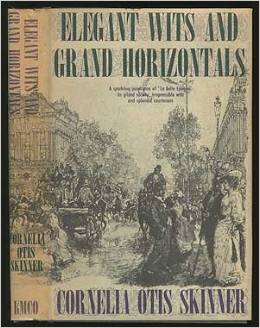
elegat wits and grand horizontalsWriting in 1962, Cornelia Otis Skinner said that there is no English equivalent of the term,  flâneur,  “just as there is no Anglo-Saxon counterpart of that essentially Gallic individual, the deliberately aimless pedestrian, unencumbered by any obligation or sense of urgency, who, being French and therefore frugal, wastes nothing, including his time which he spends with the leisurely discrimination of a gourmet, savoring the multiple flavors of his city”.

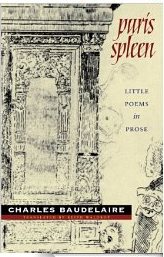
paris spleenThe French author, Charles  Baudelaire, characterized the flâneur as a “gentleman stroller of city streets.” He saw the flâneur as having a key role in understanding, participating in and portraying the city. Thus, in the narrative, a flâneur plays a double role by existing  as a present, but ignored, member of society who remains a detached observer of all that occurs within the story.

Having the option to use this point of view in the narrative of genre fiction opens up many possibilities for originality an author may not have considered:

  • he is NOT omniscient as in having complete or unlimited knowledge, awareness, or understanding of the fictional universe–he doesn’t know everything–but he does know what he sees.
  • he sees more than the individual characters do because his random travels take him all over town regularly, and he observes most of the tale as it unfolds.
  • Because he only knows what he sees, some information crucial to the resolution of the final events will be revealed to him at the last minute–a surprise to him too. When the last pieces of the puzzle are put together, his commentary summarizes the fall-out and final outcome of the characters involved.

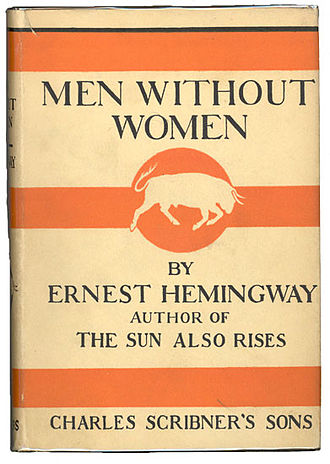
Men without WomenIt is a POV used in classic french modernist literature to describe the story of certain social scenes in the city, but I can see this as a useful way to relate the events on a space-station, or indeed in many traditional genre fiction social settings.

Now for the downside of using the flâneur as your vehicle to convey your narrative:

  • He is not reliable—he has his own personality, offering subtle judgments and unconscious opinions on the behavior of the characters. Therefore, just as in a first-person narrative, the reader cannot be sure he is telling the unbiased truth.
  • The narrator  tells the story without describing any of the character’s thoughts, opinions, or feelings; so the reader can only guess at character motivations, and must assume the objective observer truly is objective and has told the truth in that regard.
  • It separates the reader from the intimacy of the action and slows the pace down.
  • It could become voyeuristic, if one writes graphic love scenes. {eeew.}

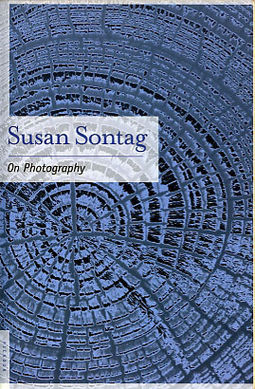
255px-On_PhotographyThe POV of a flâneur is also a vehicle used in in art, and in street photography.  Susan Sontag in her 1977 collection of essays, On Photographydescribes how, since the development of hand-held cameras in the early 20th century, the camera has become the tool of the flâneur:

The photographer is an armed version of the solitary walker reconnoitering, stalking, cruising the urban inferno, the voyeuristic stroller who discovers the city as a landscape of voluptuous extremes. Adept of the joys of watching, connoisseur of empathy, the flâneur finds the world “picturesque.”

Susan SontagOn Photography, pg. 55

I don’t see myself using this style of POV for an entire novel, but I can think of a thousand ways to use it in short-stories. Come November, when NaNoWriMo begins, I may give it a whirl, just for practice. Writing is a craft and I love finding different ways to express it. A fresh point of view to write from can only stretch my writing skills.

4 Comments

Filed under Blogger, Books, Fantasy, History, Humor, Literature, Publishing, Self Publishing, Uncategorized, WordPress, writer, writing

Pareidolia

Martian_face_vikingSo I was reading a rather badly crafted novel last night–one that was entirely forgettable other than this one word: pareidolia.  I tried to get my kindle to find the meaning, and it was unable to answer that question too.  But  Wikipedia, the fount of all knowledge, came to the rescue:

Pareidolia (/pærɨˈdliə/ parr-i-doh-lee-ə) is a psychological phenomenon involving a vague and random stimulus (often an image or sound) being perceived as significant, a form of apophenia. Common examples include seeing images of animals or faces in clouds, the man in the moon or the Moon rabbit, and hearing hidden messages on records when played in reverse.

The word comes from the Greek words para (παρά, “beside, alongside, instead”) in this context meaning something faulty, wrong, instead of; and the noun eidōlon (εἴδωλον “image, form, shape”) the diminutive of eidos. Pareidolia is a type of apophenia, seeing patterns in random data.

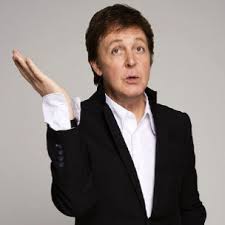
Sir Paul McCartney, image from Rolling Stone MagazineHuh. Who knew? Apparently people have been suffering from pareidolia  for thousands of years: seeing patterns in the stars and calling them constellations,  faces and images in clouds, and seeing the face of the Virgin Mary in the patterns on their french toast. They also hear the Beatles implying “Paul is dead” when you play their songs backwards.   The Rorschach inkblot test uses pareidolia in an attempt to gain insight into a person’s mental state.

330px-Francesco_Melzi_-_Portrait_of_Leonardo_-_WGA14795You aren’t crazy–you are extremely creative and able to visualize it pretty clearly. Even Leonardo Da Vinci understood the phenomenon–apparently he wrote of pareidolia as a device for painters, writing “if you look at any walls spotted with various stains or with a mixture of different kinds of stones, if you are about to invent some scene you will be able to see in it a resemblance to various different landscapes adorned with mountains, rivers, rocks, trees, plains, wide valleys, and various groups of hills. You will also be able to see divers combats and figures in quick movement, and strange expressions of faces, and outlandish costumes, and an infinite number of things which you can then reduce into separate and well conceived forms.”

Well, it’s a word I most likely won’t use, but there it is — pareidolia — a new word in my vocabulary.


10 Comments

Filed under Adventure, Battles, blogging, Books, Fantasy, History, mythology, Self Publishing, WordPress, writer, writing

How dining in Bedlam taught me to write dialogue

Days of Wine and Roses quote copyThe family I grew up in is a loud, all-talk-at-once kind of a family, with a lot of talkative members. Family gatherings are absolute bedlam–large, loud, full of life and great food, and long on opinions and ideas. We are comprised of musicians, artists, and authors, along with engineers and software developers.

Above all, we are avid gamers of all kinds, from old-school Super Mario, to Grid Autosport, to Final Fantasy X/X-2, to Halo, to Assassin’s Creed, to  Dark Souls 2, to Minecraft–and we love to talk, loudly and all at once, about everything we love. Somehow, we all manage to have our say and allow the others have theirs, but it’s like living in a blender at times.

We, and our friends, are loud and passionate and most people love it, but every now and then a visitor can’t handle the hullabaloo.  Sometimes, less outgoing girlfriends or boyfriends don’t get it, and the general din intimidates them.

In fact most people carry on conversations, where one person says something, and the  other one answers, and this goes on like a tennis match until everything has been said.

Huh. Who knew?

So, that is how we want to write our dialogue. We want it to sound natural.

Writers need to keep in mind that when people talk, they rarely follow any grammatical rules. Any English class that writers have taken will have stressed the importance of using proper grammar and punctuation in their writing. However, when we attempt to write dialogue, those same rules should be thrown out of the window. Many times people speak in broken sentences, with pauses, and even use incorrect words.

  1. Don’t overuse character names in dialogue. People don’t use each other’s names in every sentence they speak, because it sounds silly. (“Helen, your hair is lovely.” “Thank you, Ralph.” “Do you want to watch a movie, Helen? “Sure, Ralph, but stop touching my hair.”) When you do use character names in dialogue, use them early in order to indicate to whom the speaker is talking, and after that, be sparing with the monikers.
  2. Avoid writing dialogue that’s really an excuse for “speechifying” (I love that word ♥.)  Avoid giving your characters long paragraphs with lines and lines and lines of dialogue that is uninterrupted.  In real-life conversations, people usually alternate in conversation, and like my family, they often interrupt each other. It is your job to capture the rhythm of real speech–but don’t make it choppy.
  3. The dialogue of one character shouldn’t repeat what was said by the other, unless it is for emphasis in that one instance. “So Helen, what you are saying is, ‘don’t be repetitive.'” “Yes, Ralph, don’t repeat my every word.” “Don’t repeat your sentences.”
  4. DON’T explain your dialogue by adding too many descriptors, such as: John shouted angrily, or Garran commented sulkily. If the meaning is effectively conveyed in what your characters are doing as well as saying, adding these descriptors undermines the dialogue and disengages the reader. Try removing the explanation and see if the meaning is still clear. If it isn’t clear, it’s time to rewrite. By letting the dialogue speak for itself, by describing it less and showing it more, you make it more compelling.
  5. DON’T get creative with your attributions, or ‘dialogue tags’ as we call them: stick to John said (not said John, which sounds archaic in modern literature.) Unless you absolutely need a John screamed or Edwin uttered (which you pretty much never do) just say it and let the reader do the rest. Fancy synonyms for ‘said’ are usually unnecessary and distracting.
  6. And now for my pet peeve:  people do not smile, snort or smirk dialogue. I mean really–“That’s a lovely dress,” snorted Clara. (eeew. )  In fact, it is often best to do away with attributions altogether for a few exchanges every now and then, if:  A. you have only 2 speakers, and B. you have established who is speaking.
  7. Most readers hope authors will avoid trying to convey accent by altering spelling. It gets tiresome to read an author’s attempt to rewrite the dictionary to fit a cockney or an Irish accent, so use colloquialisms and speech patterns instead. That said, if the character is making a MINOR appearance, using an accent will give the reader feeling that they know that character, without resorting to an info dump.
  8. Feel free to break the rules of grammar if your character shows a blatant disregard for what’s correct. If he wants to say, “I seen that movie last week. It were a real dud,” let him.  That is a way to show the description of your characters.
  9. Miss a few beats. Beats are little bits of physical action inserted into dialogue: John fell quiet and stared out the window. Marta turned and walked out the door. Used sparingly, these pauses serve to punctuate the dialogue, to give the scene movement, and to maintain a strong mental picture in the absence of description. They’re best placed where there is a natural break in the dialogue, because they allow the reader to experience the same pause as the characters. Pauses are essential to good dialogue, but don’t overdo it. If your characters are rattling pans, slicing apples or staring out the window between every line of dialogue, the scene becomes about the action and not the dialogue, and the impact of the conversation can be lost entirely.
  10. Once in a while, it is okay to have your characters tell a story within the story, but do it as naturally as possible. Speaking as an older person, I admit that some older character will be just dying to tell the younger ones how it really was. Please don’t use that plot twist as a crutch to dump a chunk of boring background. No one in real life wants to hear an old duffer go on about the good old days at Bob’s Fish Cannery, even if Skyler Webbley did lose a finger that was never found and didn’t notice it until his shift was over when he discovered his driving gloves didn’t fit right. (Just sayin’.)

In regard to proper use of punctuation: it is important to follow the rules in the general narrative but punctuation has a different role in dialogue. There are times when it is used to create pauses in dialogue.

Oh, dear. What have I done? Breathe, Irene, breathe! Inhale…exhale…it will be fine–it’s dialogue, for the love of  Chatty Cathy…we want it to sound normal, not necessarily literate. (Oh, dear, she’s turning blue… . Line editor down! Quick! Someone fan her with the Chicago Manual of Style!)

Or you can properly punctuate your dialogue to your heart’s content.  It’s your book, and your style–you make the decision.

Anyway, to write natural dialogue, observe others around you, see how they talk, what they do with their bodies, and where they pause. These are what you know of them as people, and are what you want to convey in your writing.  What we want our dialogue to do is  give the reader a clear visual of the scene, the characters and their environment. A truly great book is clearly visualized in the mind of reader, so give those clues and hints, but let the reader see for themselves the beauty or horror you are describing though good dialogue and properly setting the scene.

VOS QUOTE


20 Comments

Filed under Battles, blogging, Books, Fantasy, Final Fantasy, Humor, Literature, Music, Publishing, Self Publishing, Uncategorized, writer, writing

Nurturing the Muse

photo ©Leah Reindl 2014 used by permission

photo ©Leah Reindl 2014 used by permission

I come from a family whose creative muse is frequently expressed in music or in art. Musicians and artists dot the landscape of the old family tree. So far as I know, other than my daughter Leah, I am the only one who writes novels, but it may be that I am the only one who ever had the time to spend on such an endeavor.

When I watch children at play, I see the creativity that all musicians and artists know, that wonderful sense of “Ah ha! This is fun!” that comes with making something that exists only to bring pleasure to those who hear or see it. I see this sense of “I can do it!” in all the children, but by the time they are teenagers, much of that joy in creativity has been trained out of them. I wonder why and how it happens.

When I was young and working at dead-end jobs, I would come home and while my children did their homework or played, I would write, draw, or play the guitar. It was selfish, yes–in that it gave me pleasure. But it was not selfish, as it didn’t take me out of their world, and was something we could share. It taught them that they could take the time to be creative.

If there is any advice I would give young parents, it is to be creative in the presence of your children. You go to work every day, and by that you are teaching them that one must earn a living, yes, but the reward of earning that living is a life of love and creativity.

Some people will say bitterly that their job has burned all their energy and creativity from them. I say this is not necessarily so–you must take the time and energy you expend on hating your circumstances, and convert it into something creative. It’s amazing how many people I know who tell me they aren’t creative, but they doodle the most amazing  little pictures on the handouts during those requisite boring meetings-to-nowhere that we all endure in Corporate America.

That is creativity trying to get out.

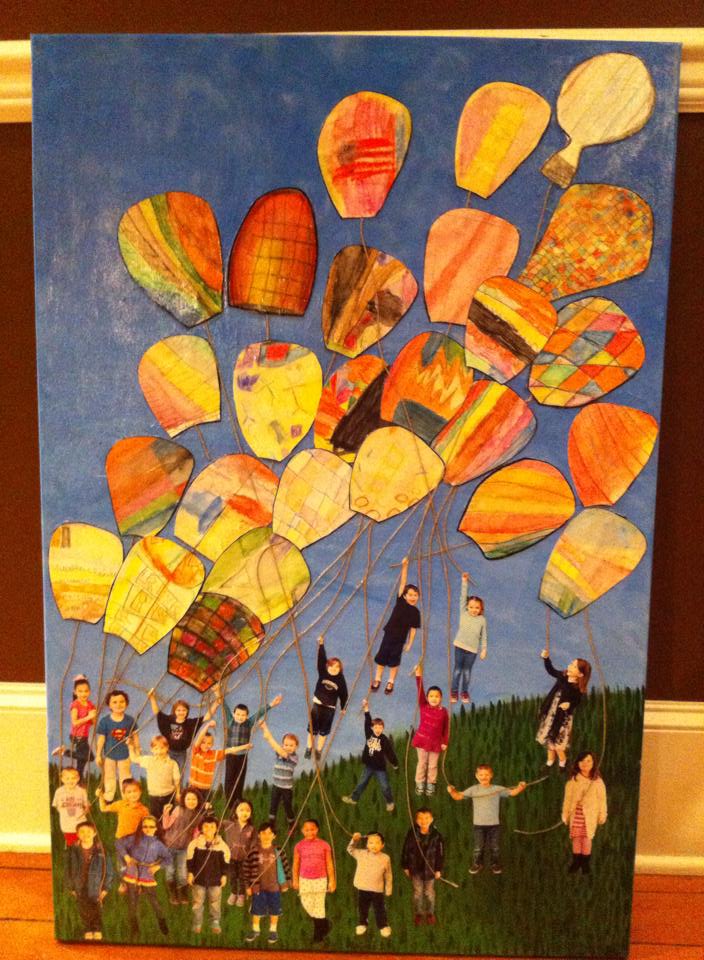
The reason children are so creative is that they don’t do it for other people, they are doing it solely for the fun of it. Get out the crayons and a blank sheet of paper for a child who hasn’t been to school yet, and watch what happens. Add old magazines, round-end scissors, and mix up some flour & water paste, and the possibilities are endless. But once that child gets into a social environment where he begins to feel less talented than the child next to him, he shuts that creativity down.

science of relationships dot comInside every adult at the water cooler is kindergartner with a picture to draw, a song to sing, or a story to tell. Somewhere along the line, they began to fear they weren’t good enough and put it aside. Soon they have an “I can’t do it” attitude, because they fear failure and embarrassment. They have forgotten the joy of making a good, creative mess. They don’t remember how they learned as much from the failures as they did from the successes.

Don’t let the fact you have no money stand in your way. It takes very little money to draw a picture, or to write a story. You don’t need an expensive computer program–all you need is a pencil and paper.  And music?  You don’t need to play an instrument to sing. If you always wanted music lessons but couldn’t afford them, a great way to learn is to join a community choir. It’s free, and takes a little time away from your TV, but it is a way to jumpstart your joy of making music.

Our children are all artistic and creative in the most amazing (to me) ways, and I think that is because I never stopped making art or music.  They all sing or play instruments, or create art. Our older son, Billy, and youngest daughter, Meg, are working musicians. Billy is a drummer in a band with my ex-husband and my brother. Meg is a young mother and a working musician with several mp3s to her credit. If you are curious, here is her Facebook page where you can hear her work: Meg is Singing.

Meg and Billy are both incredible musicians, playing the drums, the guitar, keyboards, and in Meg’s case, the flute. Music is their passion. Son Dan is a guitar virtuoso, but he plays for his own pleasure. He is an incredible sports photographer, and his work can be seen here: SpotKazu

Christy and Leah express their art in other ways. Christy is an engineer who deeply loves her craft, and brings her sense of beauty into her home, designing an environment that is both serene and filled with color. Leah is an artist, one of her pictures can be seen at the top of this page, and a hair-dresser. She loves her craft as much as Christy does hers. They go to work, and art is expressed in their daily lives, enriching the lives of their children.

This is why I am and have always been a happy person despite the bumps and hardships of life–I did what I had to do to put food on the table, but I played and sang and wrote poems and goofy stories in my free time. My children were my audience and my co-creators. My husband’s children were raised in the same sort of environment (he is a trumpet player and she is an actress) and all 5 of our kids are sheer genius to me. They far outstrip me with their talents and abilities, and with their drive and ambition.

Tower of Bones Trailer, Music by MEG

2 Comments

Filed under blogging, Books, Fantasy, Humor, Literature, Music, Publishing, Self Publishing, Spirituality, writer, writing

Little yurt in the desert

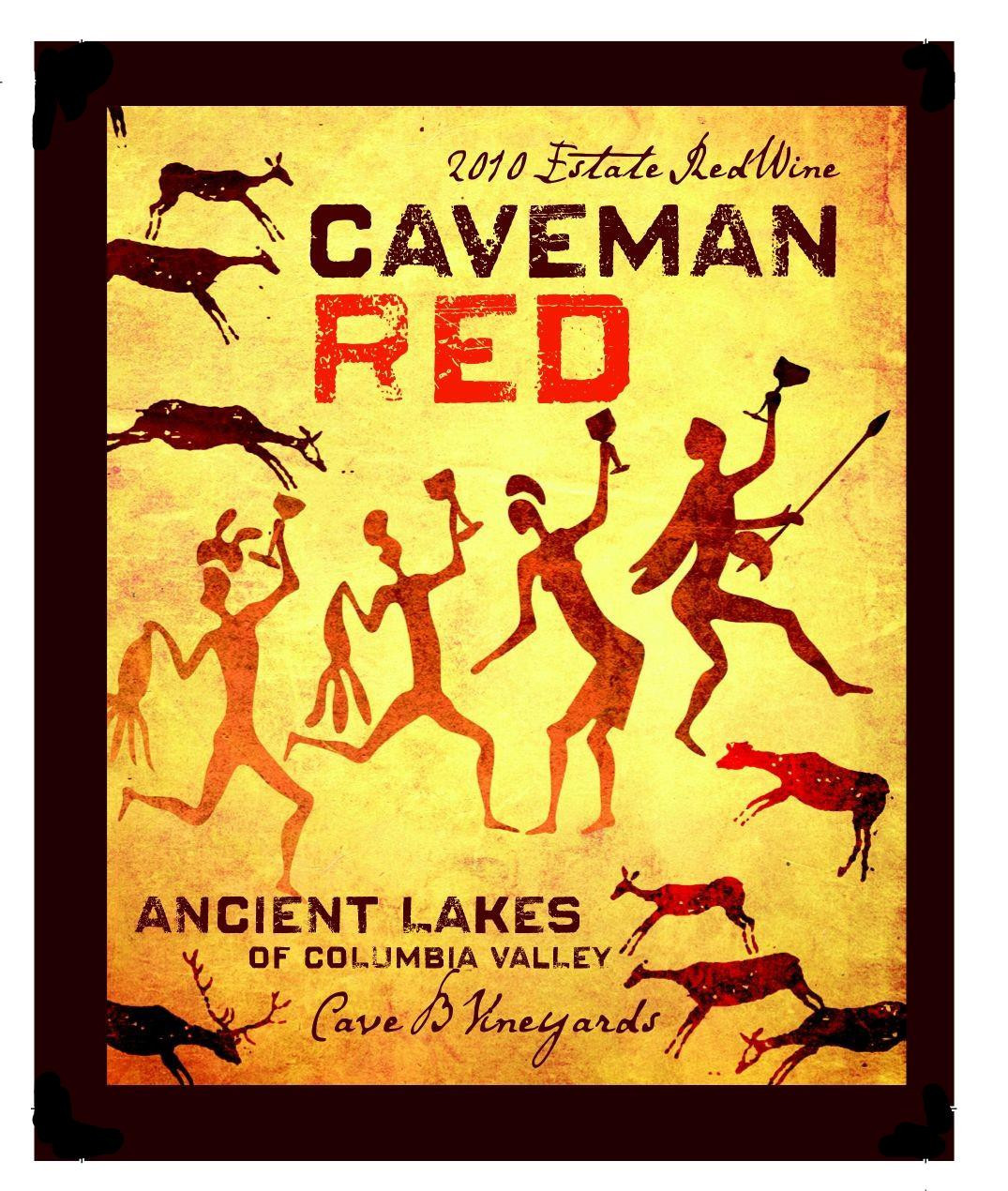
cavemanred_labelsforprint_cmyk4My friend Evonne is turning 60 this year. She’s not a girl to do things in a low-key sort of way, so she is partying all year. In an effort to keep the party rolling she booked a little mini vacation for 4 of us ladies at Cave B, on the east side of the Columbia River, near the town of Quincy, Washington. My dear friend Irene, my new friend Vaun, and I were more than happy to make the trip with her.

It was a beautiful, peaceful spa, and we had a great time. The scenery was amazing to us who live in the forest–to be in a desert environment is really unique.  Once you go over the Cascade Mountain Range, you are in another world.

Jones Wine logo-hmNow just so you know, Washington State is not your regular state in the US–we’re divided by far more than just a mountain range. I live in Western Washington, and Quincy is in Eastern Washington. While there are no armed guards at the border, hippy-liberal-Obama-loving westerners are encouraged to leave their money and go back home–quickly. Anyone from the West Side is automatically labeled as being ‘from Seattle’ which could mean you are a liberal, tree-hugging, atheist, gay communist. Since there are more people living on the West side than on the East, and the West is generally more Democrat than Republican, during election years there are frequent discussions about the Republican East side seceding from the West, but so far nothing official has occurred and like an unhappily married couple, we muddle along.

White Heron winery labelEven so, they welcomed us and treated us well. Since two of us are vegan and one is a militant, evangelical vegan, their suspicions as to our identities as West-siders were confirmed, but they were raised to be polite, and Jesus loves everyone, no matter how misguided. (Leave your money here, thank you.)

My friend is a woman who works hard and likes to treat herself to an occasional luxury, such as a spa-vacation. She expects a really good return for her money, and could be considered demanding, if you fail to measure up, but she is lavish with her business and cash if you meet the test.

Thorp Fruit StandWe stopped in Thorp at the historic fruit stand for cherries, and continued on to the Columbia Gorge. Despite a minor hiccup the first night, the chef managed to provide a vegan option both nights, and it was a merry adventure.

Over the course of the stay, we toured the tasting rooms at four vineyards: Cave B of course,which was the best value with 10 samples & a glass for $5.00.) I am a non-drinker, but was along as the designated driver. Evonne was in love with their late-harvest wine.

At Cave B, we stayed in yurts, which was really fun. Our last night there we sat out on the deck in front of our yurt and sipped champagne (not me–I sipped water) in the warmth of the desert evening. The sunsets over the Columbia Gorge are sheer beauty–there are no words to describe them. All in all, four ladies, four wineries and no hubbys to provide restraints–it was a rolling party.

Cave B Inn Yurt Village sideshow1


Comments Off on Little yurt in the desert

Filed under blogging, Books, Fantasy, Literature, Politics, Publishing, Self Publishing, writer, writing

The Eye of the Beholder

finalfantasy12_ps2box_usa_org_000boxart_160wSigh. I read a lot of indie books. I’ve said this before, but I read or at least crack open around 6 books a week. It never fails–just when I am really enjoying reading a book, something comes along to yank me out of it. Like an asteroid landing in the backyard or squirrels taunting the dog–it’s always some darned thing.

Unfortunate phrasings that yank me out of a book:

“She lay there staring with her creamy blue eyes, water pooling in the corners.”

“Her eyes were the same color as the deep purple velvet drapes.”

VAYNE final-fantasy-xii_305674Meh.  Enough about their eyes already. I don’t know about you, but I don’t want to be told what to think when I am reading a book. The fact is, what I consider beauty is not necessarily beautiful to someone else.   So how do you describe a character in such a way that the reader will find them as attractive as you want them to be?

I think a loose, general description will solve the problem, and give the reader the framework to build their mental image around.  In my TOWER OF BONES series, the men in Edwin’s family have this sort of cachet that makes them irresistible to all women. It is the Goddess Aeos’s way of ensuring that the girl she has selected for them  falls in love with them, and their bloodline is continued.

final-fantasy-guys-xii-basch_255851But what do they look like?  Well, they are blond, blue-eyed, and  well-built, muscular from working on their farm. To men they seem rather average, nothing spectacular. They aren’t the best looking man in town, so what is this charisma they seem to have?

To women, they are an irresistible banquet of masculine  pheromones.  This creates many opportunities for mayhem, and I have had a lot of fun with that  particular plot-line, especially in my current work in progress,  Mountains of the Moon.

For my other characters in various books–Christoph Berryman is dark, with short black hair and elfin features. Julian Lackland is blond, handsome, the image of the knight in shining armor. Huw the Bard is dark, blue-eyed with black curling hair. Friedr Freysson is tall, with long curling red hair and a beard. Aeolyn is small, with dark hair worn in plaits that she coils around her head like a crown.

Final-Fantasy-XII-Balthier-final-fantasy-12-3118596-540-1200This is as descriptive as I get, because I want the reader to imagine the characters’ beauty and magnetism in the way that is most appealing to them.

Because I am a romantic at heart, ALL my characters are exceedingly good-looking in their own different ways. I just don’t want to beat the reader over the head with my personal vision, other than the general description to cement them in place.

In many ways, my mental images of my characters are drawn from the many wonderful characters in the epic Final Fantasy series of games, which these images are also from. I love the fabulous art work that Square-Enix, the makers of these games put into their characters, making them a blend of the best of all we are as humans.  Since a great deal of my time has been spent playing these games, It stands to reason a certain amount of that kind of storytelling will creep into my work.

And this is the way it is for every author–your vision is definitely not what your readers see, and to force them to see what you do ruins the flow of the tale. A good general description, with hints or comments about their beauty or lack thereof is all that is needed. The reader’s mind will supply the rest.

Comments Off on The Eye of the Beholder

Filed under Books, Fantasy, Final Fantasy, Humor, Literature, Publishing, Romance, Uncategorized, writer, writing

The Wayward Plot

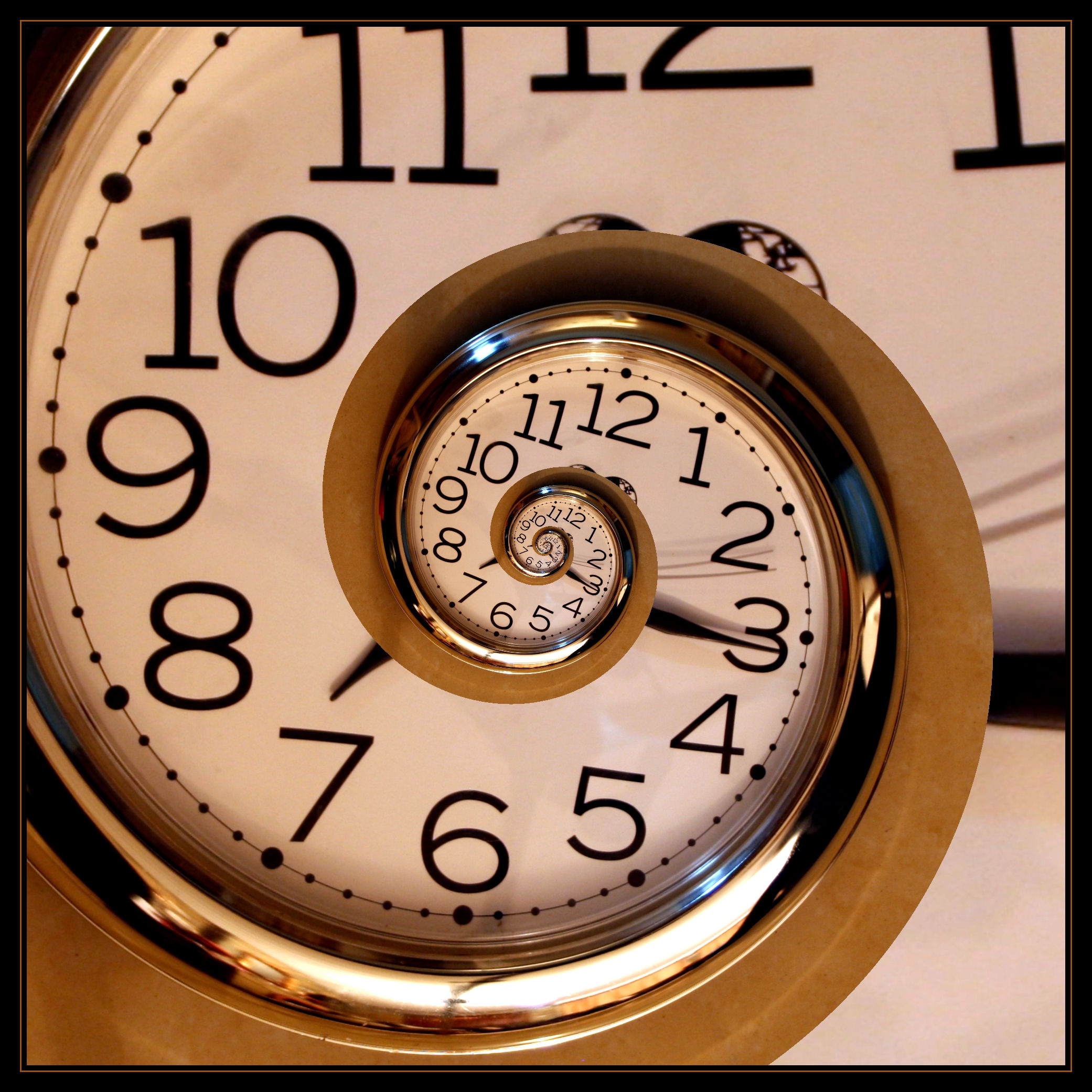
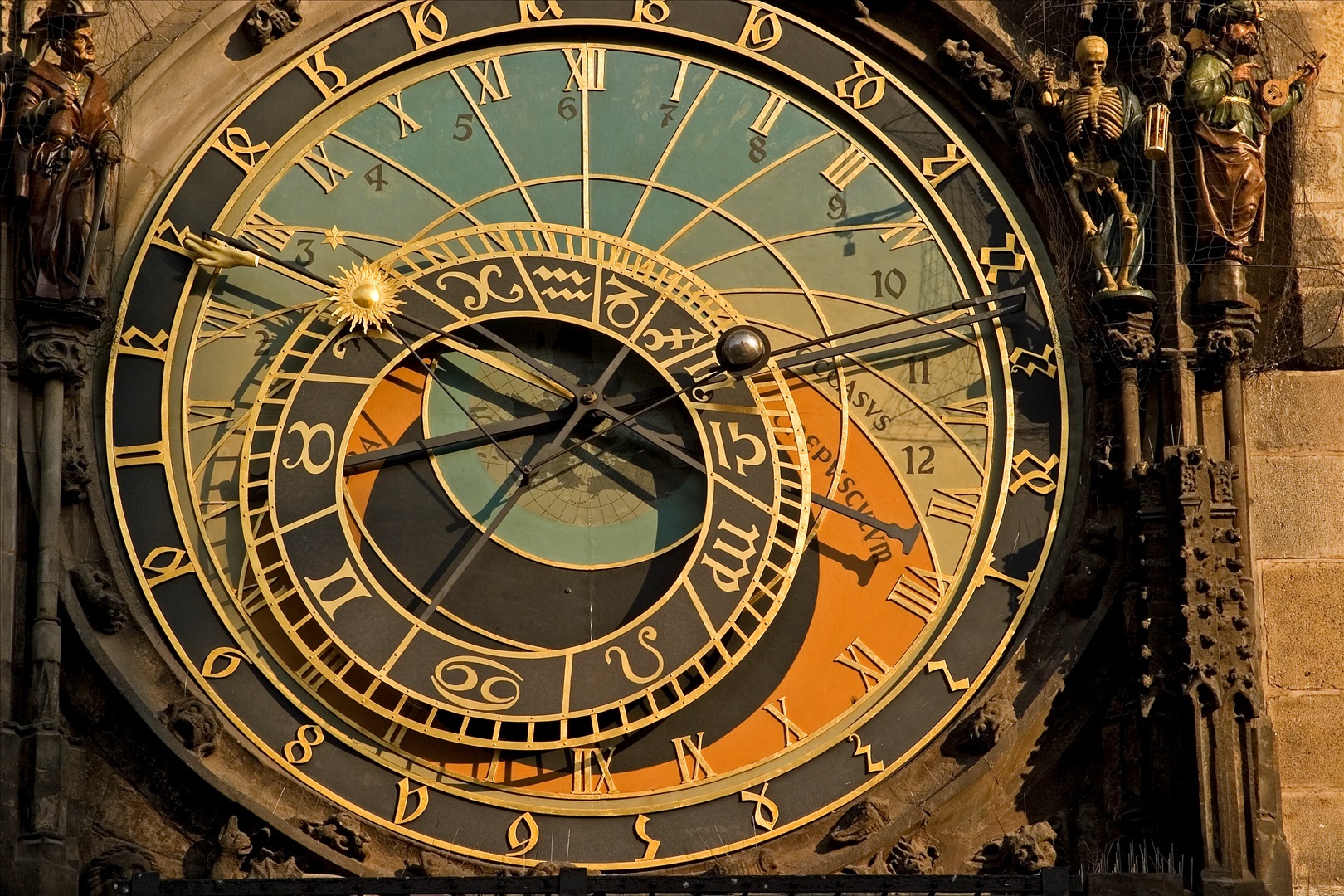
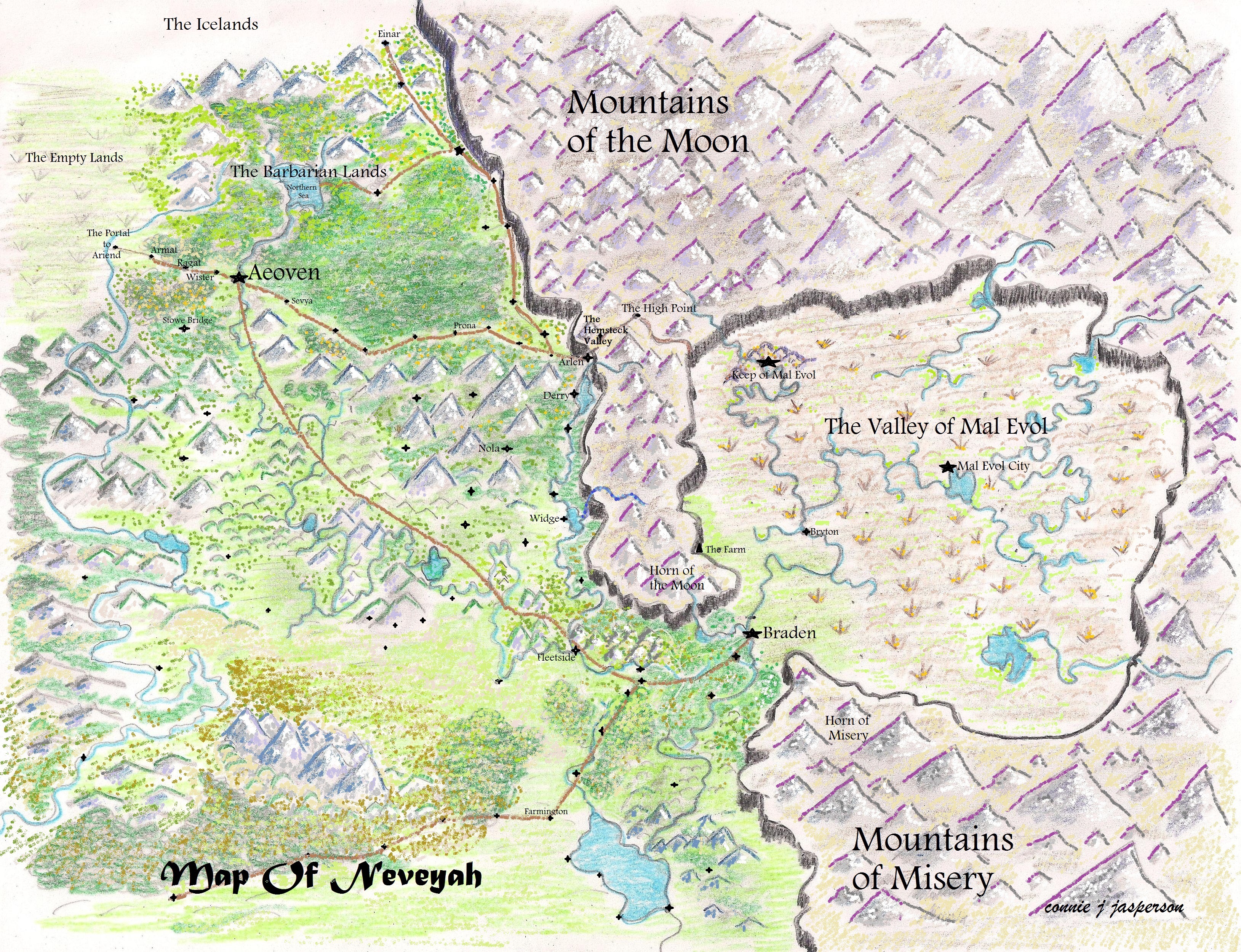
Eternal_clockIf you happen to be a character in a fantasy tale maps are awesome indicators of what direction you should probably point your horse, whenever you are off on a nice vacation in Hell.  However, the wise hero also carries a calendar,  and perhaps a pocket watch, since even the most absurd quests have a finite date of completion.

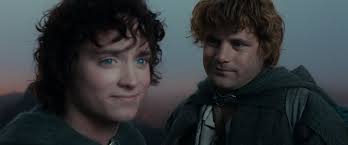
I’m not sure what would have happened if Frodo and Sam hadn’t arrived at the volcano in time to scorch Sauron’s plans, so to speak–and what if Gollum had not gotten the memo? Who would have leapt into the lava?

images“…After you, Samwise, old buddy, old friend….”

“…Ah….no Mr. Frodo…. Please, you go first….”

SO, even though maps and calendars as created by frail, elderly  authors are  NOT finite, and nothing is exact or engraved in stone, the wise author uses both when constructing the tale.  Sure in the end you don’t use exact dates, nor do you use exact miles–if you do, you won’t get it right and your editor will pick it to bits.

Remember, in fantasy, time  and distance are mushy, but it really helps to have some idea of when all the important bits are supposed to come together.

Prague-Astronomical_clock-Clock-Old_Town_Prague-Prague_Astronomical_Clock-originalEven in this modern world of the GPS and Atomic Clocks, each individual traveler arrives at their destination at a different time and by a different route. Take my family: My husband and I will have the family dinner scheduled for 1:00 on the given holiday, but family members will arrive at varying times up to 3:00, all from the same general area of the north, and all of them funneled down I-5.

So when you are constructing your story, the calendar helps keep you on track, so that an event that takes 2 months for the main character also takes that length of time for the supporting characters.

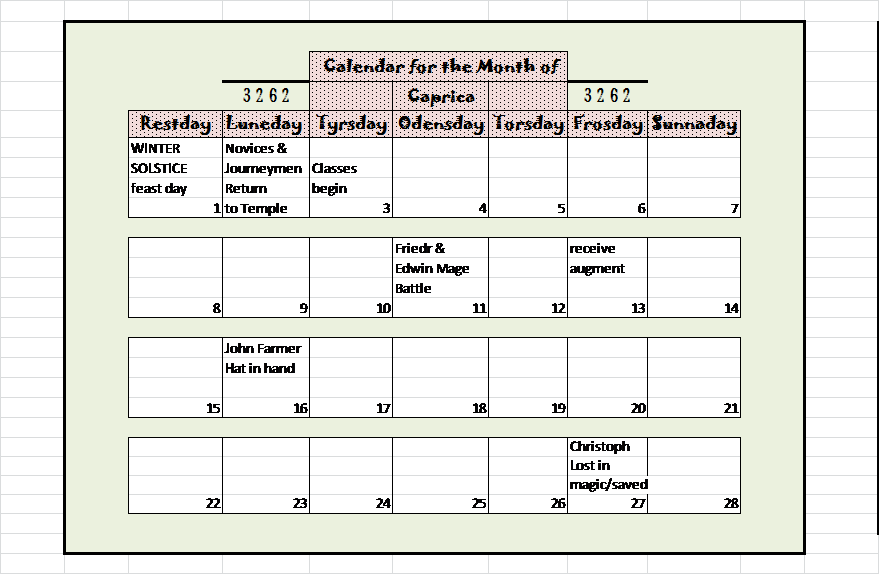
Calendar Capricas 3262 NeveyahFor my books set in Neveyah, I invented a 13 month lunar calendar, and labeled the months with names drawn from astrology. I named the days of the week using norse gods (don’t ask me why–it was years ago, and I was writing the basic outline of TOWER OF BONES  as the walk-though for an old-school RPG that never got built.) Since the book was not originally graphed out as a book, there are flaws inherent in this that I am dealing with to this day!

map of Neveyah relief 3-4-2013 001But those flaws are creating some awesome plot opportunities in Valley of Sorrows, the final book in the TOWER OF BONES series.  I just have to make sure I use the calendar to mesh events in the first half of the book with the events in FORBIDDEN ROAD, because John Farmer and Garran Andressson absolutely must be in Braden when Edwin, Friedr, and Zan arrive.

The second half of the book is pretty much structured, but the first half is giving me fits.  As Alison DeLuca, author of the steampunk Crown Phoenix Series frequently says, it’s like birthing a cement hippo.  Still, it is beginning to come together.

3 Comments

Filed under Adventure, Books, Fantasy, Literature, Uncategorized, writer

Wringing inspiration from a stone

Wrong-Way-Traffic-Sign-K-101-1Writing is sometimes a bit of a struggle. Some days you just have to force it, and if you get a thousand words, you’ve scored! It isn’t that I have lost my fire for this tale–on the contrary–I love these characters and their story incredibly.  I’m just at a spot where I am not sure how to proceed.

I’m building up to an important moment in the tale. I know what has to happen. I know who must be there and what they will do–I just can’t set the scene in my head. Gradually, one conversation at a time, it is taking shape.

When I see it in my head it is one thing.  When I see it on the screen, it’s another. Pulling this out of my head is worse than cleaning the refrigerator.

It’s amazing, the stuff that you find.

800px-Singapore_Road_Signs_-_Temporary_Sign_-_Detour.svgSo–I’ve come up with a plan.  I made the plan so that I would have something to do when I was not writing what I was trying to write. Making plans is really a good diversionary tactic for when you are avoiding doing something that you should be doing.

Like writing.

traffic-sign-reflective-10683So I work on business until my head hurts. Then I write a little. Then I do some things around the house but not too much–I don’t want my husband to think I’ve turned into a domestic diva or something. And then I write a little more.

Then I blog.

Then I write a little.  Then I read, which is a lot more fun than any of the above.

Then I get my behind back in the chair and force myself to write, even though I know whatever falls out of my head won’t remain in the book in this incarnation. It will be filtered through me, the betas and then the editors, so the point is to just get that idea out there onto the paper.

6a0120a85dcdae970b0120a86d6130970b-piWhy is it so stinking hard?.

It’s like having to work on Saturday, and hoping that when you get home your spouse or the kids will have done the dishes.

You know the house will be trashed, and the darlings will be starving despite the mountain of cereal bowls in the sink–and you know it will be your job to rush around like a freak solving the problem.

But when it’s done, and the first draft of your manuscript is finished, it’s so worth the effort.

3 Comments

Filed under Adventure, Battles, Books, Fantasy, Humor, Literature, Uncategorized, writer, writing