
In my previous post, Agency and Character Development, I briefly mentioned the importance of consequences. It is a word with many uses and connotations.
 Let’s look at both the meanings and synonyms for the word consequences.
Consequence (noun)
[kon-seh-kwens]
consequences (plural noun)
[1] The result or effect of an action or condition.
“Many programmers were laid off from work as a consequence of the failing economy.”
Synonyms:
Result, upshot, outcome, sequel, effect, reaction, repercussion, reverberations, ramification, end, end result, conclusion, termination, culmination.
[2] Importance or relevance.
“That’s of no consequence.”
Synonyms:
Importance, import, significance, account, moment, momentousness, substance, note, mark, prominence, value, weightiness, weight, concern, interest, gravity, seriousness.
[3] Social distinction. (Slightly dated usage. Its synonyms are more commonly used.)
“Adelaide Brown was a woman of consequence.”
Synonyms:
Fame, distinction, eminence, preeminence, prominence, repute, reputation, prestige, acclaim, celebrity, note, notability, mark, standing, stature, account, glory, illustriousness.
For today’s post, let’s consider agency and the importance of choice. How will the results of their decisions affect our characters’ lives? After all, a story isn’t interesting without a few self-inflicted complications.
Once again, we will go to J.R.R. Tolkien and look at Bilbo’s choices and his path to becoming the eccentric eleventy-one-year-old hobbit who vanishes (literally), leaving everything, including the One Ring, to Frodo.
 In the morning, after the unexpected (and unwanted) guests leave, he has two choices, to stay in the safety of Bag End, or hare off on a journey into the unknown. He chooses to run after the dwarves, and so begins the real story—how a respectable hobbit became a burglar and became a hero in the process.
The consequences of his decision will shape his entire life afterward. Where he was once a staid country squire, having inherited a comfortable income and existence, he is now expected to steal an important treasure from a dragon. At the outset, that particular job doesn’t seem real. He is beset by problems, one of which is his general unfitness for the task. He’s always been well-fed, never had to exert himself much, and suddenly, his opinions carry no weight.
Bilbo’s hidden sense of adventure emerges early when the company encounters a group of trolls. He is supposed to be a thief, so he is sent to investigate a strange fire in a forest. Reluctantly, he agrees. Upon reaching the blaze, he observes that it is a cookfire for a group of trolls.
Bilbo has reached a fork in the path of life. He must make a choice: the smart thing would be to turn around at that point and warn the dwarves. However, his ego feels the need to do something to prove his worth. “He was very much alarmed as well as disgusted; he wished himself a hundred miles away—yet somehow he could not go straight back to Thorin and Company empty-handed.” [1] Bilbo feels the need to impress the Dwarves and makes decisions he comes to regret.
In the process of nearly getting everyone eaten and having to be rescued by Gandalf, he discovers several historically important weapons. One of them is Sting, a blade that fits Bilbo perfectly as a sword.
At first, Sting has no name, a long knife that the hobbit Bilbo Baggins discovers in the cave of trolls. Gandalf and the dwarf Thorin also find their respective swords, Glamdring and Orcrist.
Although it is only a dagger, its length corresponds to a short sword for a creature the size of the hobbit. It turns out that, like the swords of Gandalf and Thorin, this dagger was forged by the elves of Gondolin in the First Age and possesses a magical property—it shines with a blue glow when orcs are close.
 The blade does not acquire its name until later in the adventure, after Bilbo, lost in the forest of Mirkwood, uses it to kill a giant spider and rescue the Dwarves. This is when Bilbo’s decisions become more thoughtful, and his courageous side begins to emerge.
Decisions and consequences shape Bilbo’s character and force his growth. His experiences and bad choices along the way have consequences that shape how he thinks. As the Dwarves continue to get into trouble, he makes plans for their rescue and considers what may or may not go wrong before implementing them. He doesn’t know it, but he thinks like a warrior instead of a staid country squire.
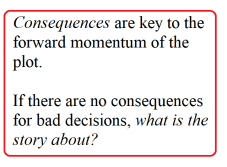
Consequences force the character arc. Sometimes the decisions our characters make as we are writing them surprise us. But if those decisions make the story too easy, they should be discarded.
We, as their creator, must take over, cut or rewrite those scenes, and force the story back on track.
Credits and Attributions:
[1] Quote from The Hobbit, or There and Back Again, by J.R.R. Tolkien, published 1937 by George Allen & Unwin, Ltd.
 This is an excellent time to look at the freedom we give our characters to act and react within the story. I have mentioned many times that I am a plotter. However, when I am in the process of writing the first draft of a novel, the characters sometimes take over. The plot veers far from what I had intended when I began writing it.
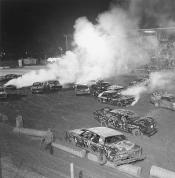 This happens because my work is character-driven, and sometimes, they’re like demolition derby drivers.
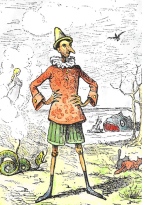 This is called giving your characters “agency.” Agency is an integral aspect of the craft of writing. It means that you allow your characters to make decisions that don’t necessarily follow the original plot outline. This gives them a chance to become real, the way
 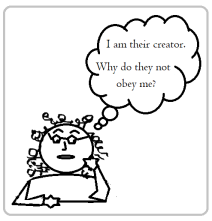 No matter how they respond, they will be placed in situations where they have no choice but to go forward. After all, I am their creator, the deity of their universe. I have an outline that predestines them to specific fates, and nothing they can do will stop that train.
 So, what do we need to have in place during the next seven days before the big event?
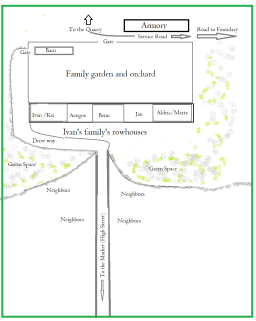 Environment: Ivan and Kai live in Weiland, Tribe Weila’s riverport and mining center. Ivan’s extended family has five rowhouses at the upper end of High Street. It’s a steep but easy walk to the market for his grandfather, who lives next door and watches the children while Ivan and Kai work. I drew a little map for my notes, so I know the layout of where everything is in regard to their home and businesses. It could change, but I have something to start with.
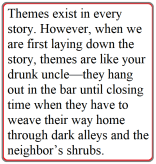 A common theme in fantasy is the juxtaposition of chaos and stability (or order). This subtheme will feature strongly in my novel. Good vs. evil is a
 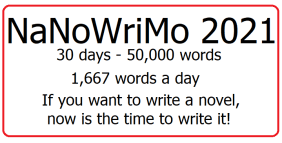 Writing is easier once it becomes a daily
  We have this perception that taking time for creativity is selfish, and that will be your biggest hurdle. Trust me, it is not asking too much of your family for you to have some time every day that is sacred and dedicated to writing.
 Write for five minutes here and ten minutes there all day long if that is all you can do. Every word counts toward your finished manuscript. I took my lunch to work and wrote during my lunch half-hour whenever possible. I also wrote on the bus when I didn’t own a car.
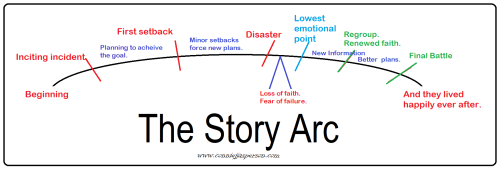
 Remember, what you are writing is a rough draft, so your story arc will be bumpy and uneven. It doesn’t have to be perfect, so don’t worry about making it so. The goal of NaNoWriMo is to get that first draft written in thirty days. So, every time you have fifteen minutes to spare, sit down and write as much as you can in that short length of time. Spew your story as fast as you can in those moments before you are pulled away. With six or seven short bursts of writing, you can really rack up the word count.
 But sometimes, when writing the first draft, we realize our manuscript has gone way off track and is no longer fun to write. That is where the storyboard and my loose outline become important.
 Every novel is different, has a different genesis, and emerges from the author’s mind with its own personality.
 Whether you hope to be published traditionally or plan to go indie, you must know what the reading public is buying. You will probably write a book that is squarely set in your favorite genre.
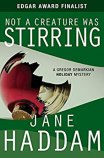
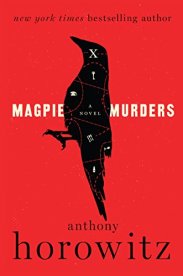 When editor Susan Ryeland is given the manuscript of Alan Conway’s latest novel, she has no reason to think it will be much different from any of his others. After working with the bestselling crime writer for years, she’s intimately familiar with his detective, Atticus Pünd, who solves mysteries disturbing sleepy English villages. An homage to queens of classic British crime such as Agatha Christie and Dorothy Sayers, Alan’s traditional formula has proved hugely successful. So successful that Susan must continue to put up with his troubling behavior if she wants to keep her job.
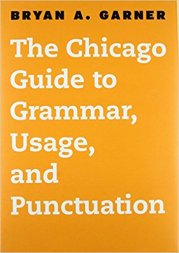 Now, let’s talk MECHANICS. The author of the Magpie Murders has worked as a journalist. He has taken the time to become educated in grammar and understands common industry standards.

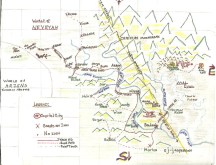
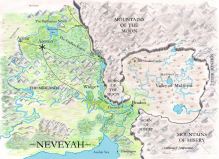
 I know that world because I based the plants and topography on the Pacific Northwest, where I live. Other than the Escarpment, which is the visible scar left behind by the Sundering of the Worlds, the plants and geography are directly pulled from the forested hills and farmlands of Southern Puget Sound and Western Washington State.
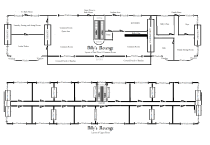 If your work is sci-fi, consider making a map of the place where the action happens. It could be a pencil-drawn floor-plan of a space station/ship or the line drawing of part of an alien world. I drew the floorplan of Billy’s Revenge for my reference, as most of the novel, Billy Ninefingers, takes place there.
 Open your
  Authors of sci-fi must research and understand the
  Satisfying these conditions sets the stage for you to create the Science of Magic. This is an underlying, invisible layer of the world. By creating and following the arbitrary rules of this “science,” your story won’t contradict itself.
 Conflict forces the characters out of their comfortable environment. The roadblocks you put up force the protagonist to be creative. Through that creativity, your characters become stronger than they believe they are.
 If you design this now, on November 1st, you will have the framework to showcase your characters ambitions, the drive to acquire more personal power, and the lengths characters will go to in their efforts to gain an edge over their opponents. Everything will be in place for a free-wheeling dive deep into the consequences of your protagonist’s struggle.
 We humans are tribal and like having an overarching power structure because someone has to be the leader, which isn’t a job most people want once they see what is involved. Being the leader means bearing the responsibility when things go wrong, usually more often than basking in the glory when it’s all good.
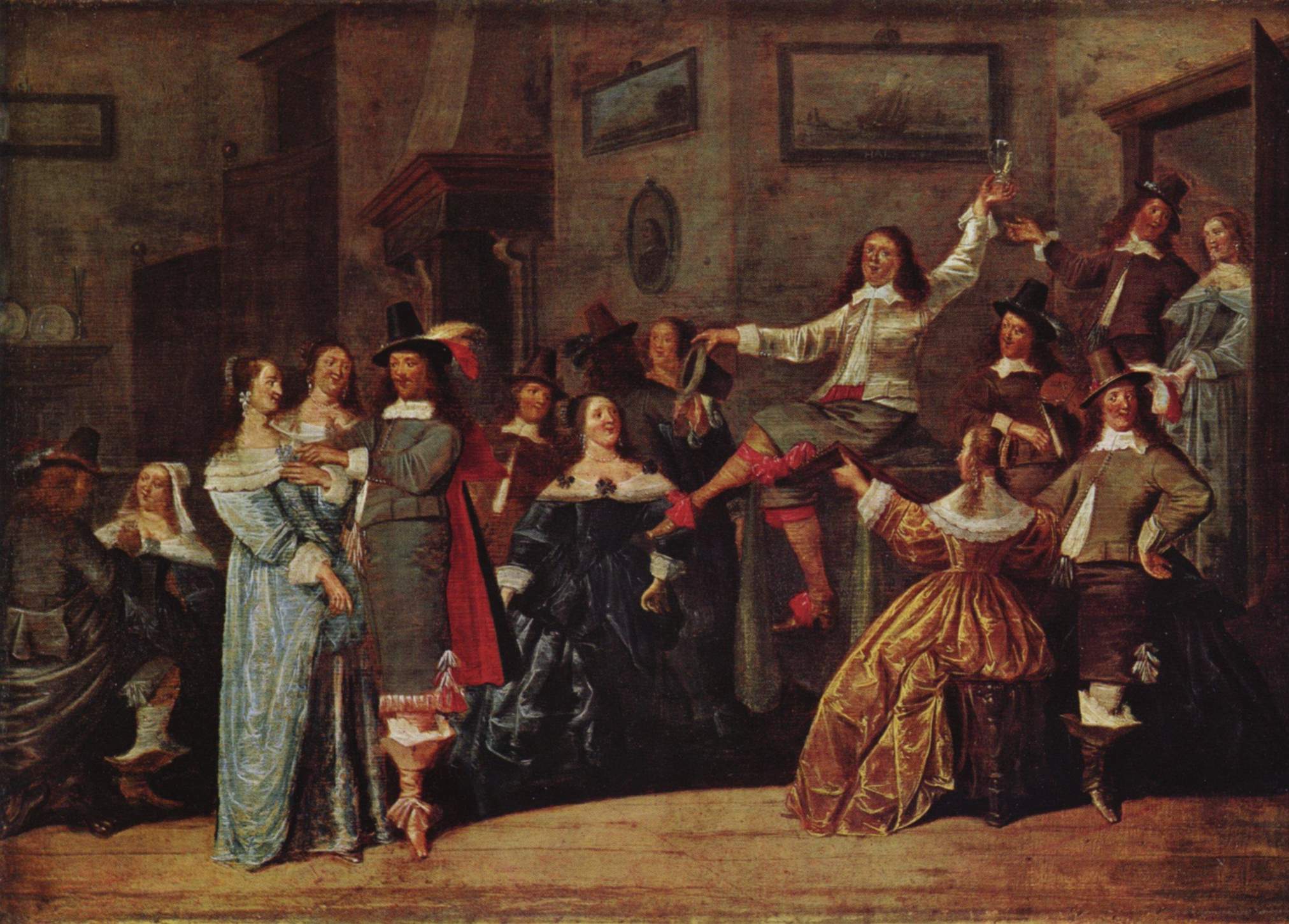 Society is always composed of many layers and classes. Below is a list of questions for you to consider when building your fantasy or sci-fi civilization. I admit it’s long, but please bear with me.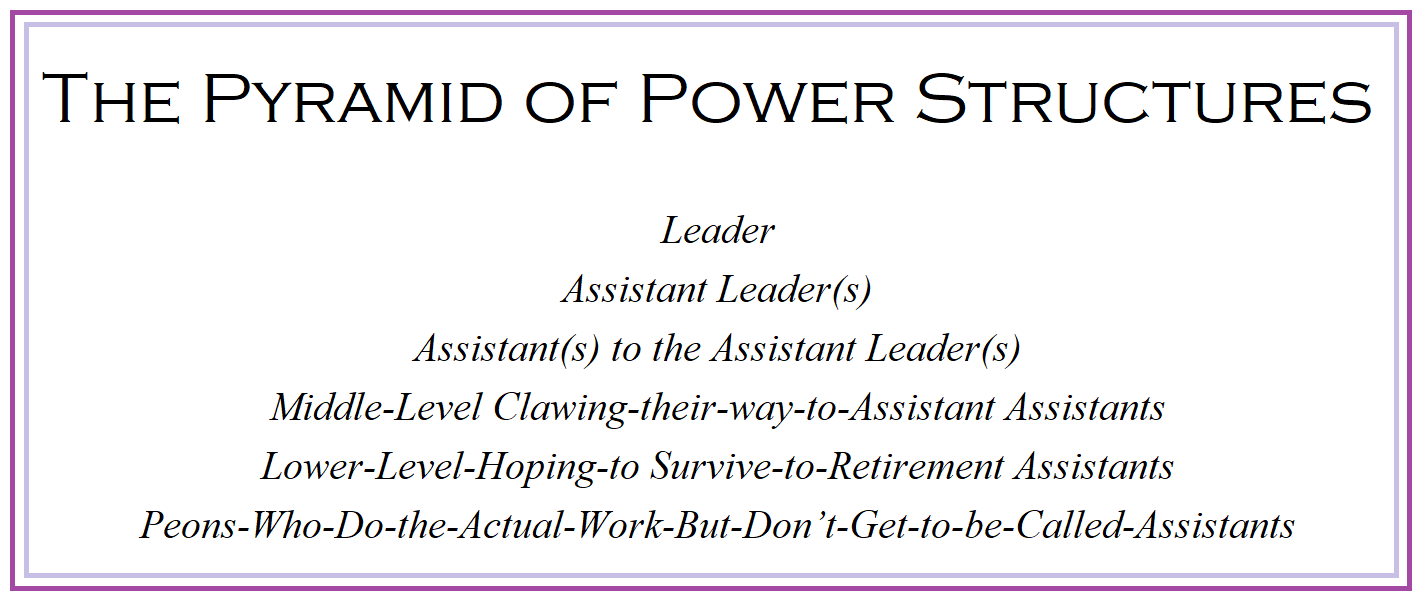
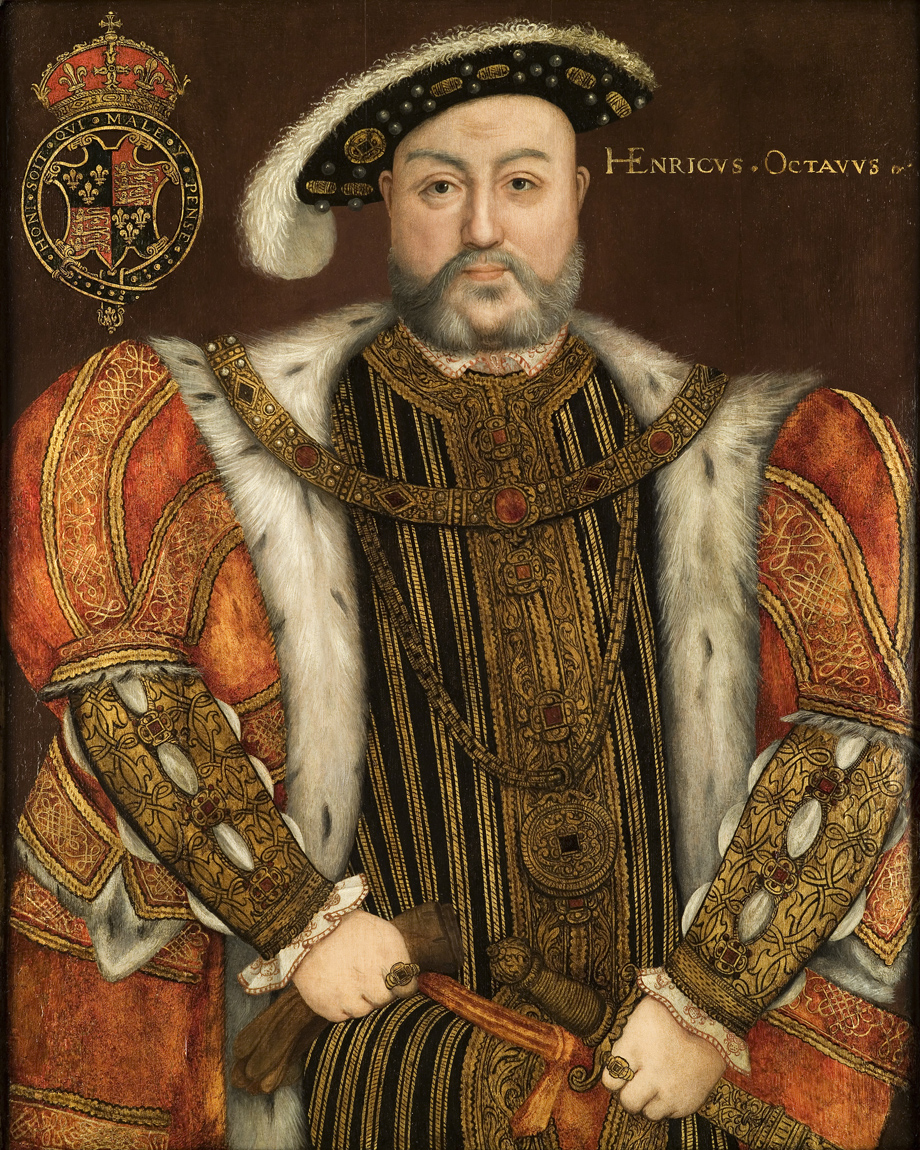 Government: There will be a government somewhere, even if it is just the local warlord. Someone is always in charge because it’s easier for the rest of us that way:
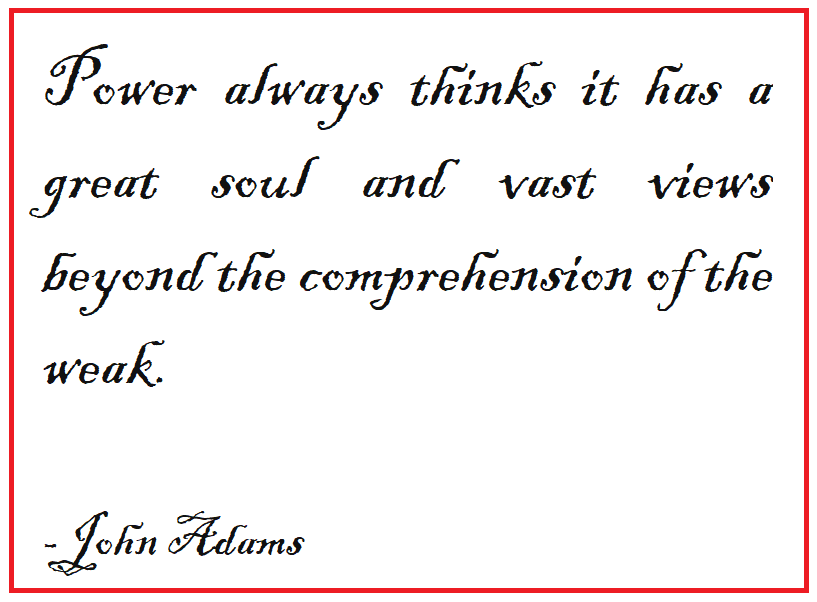 Power in the hands of only a few people offers many opportunities for mayhem—followers may inadvertently create a situation where the leader believes they are anointed by the Supreme Deity. Even better, they may become the God-Emperor/Empress.


 Life in the Realm of Fantasy
