
Worlds are comprised of plants, animals, and geology, which we touched upon in the first post of this series. But if intelligent life-forms are living on that world, there will also be societies.
 We humans are tribal and like having an overarching power structure because someone has to be the leader, which isn’t a job most people want once they see what is involved. Being the leader means bearing the responsibility when things go wrong, usually more often than basking in the glory when it’s all good.
Proving how tribal we are, all smaller segments within societies, from families to businesses, to churches, to governments – all have organized leadership structures, even if they aren’t formally described as such.
We will be pantsing it (writing stream-of-consciousness) for the month of November, which means we’ll be writing at least 1667 new words every day, connecting the events that we will be storyboarding later in this series. We won’t have time to think about logic once we begin writing the narrative, which is why we’re creating the storyboard.
If your society is set in modern suburbia, that culture and those values will affect your characters’ view of their world.
But perhaps you are writing a sci-fi or fantasy novel. To show a world logically and without contradictions, we must know how things work in the cities and towns, whether set in a medieval world or on a space station. Merchants, scientists, priests, soldiers, teachers, healers, thieves – each occupation has a place in the hierarchy and has its own chain of command.
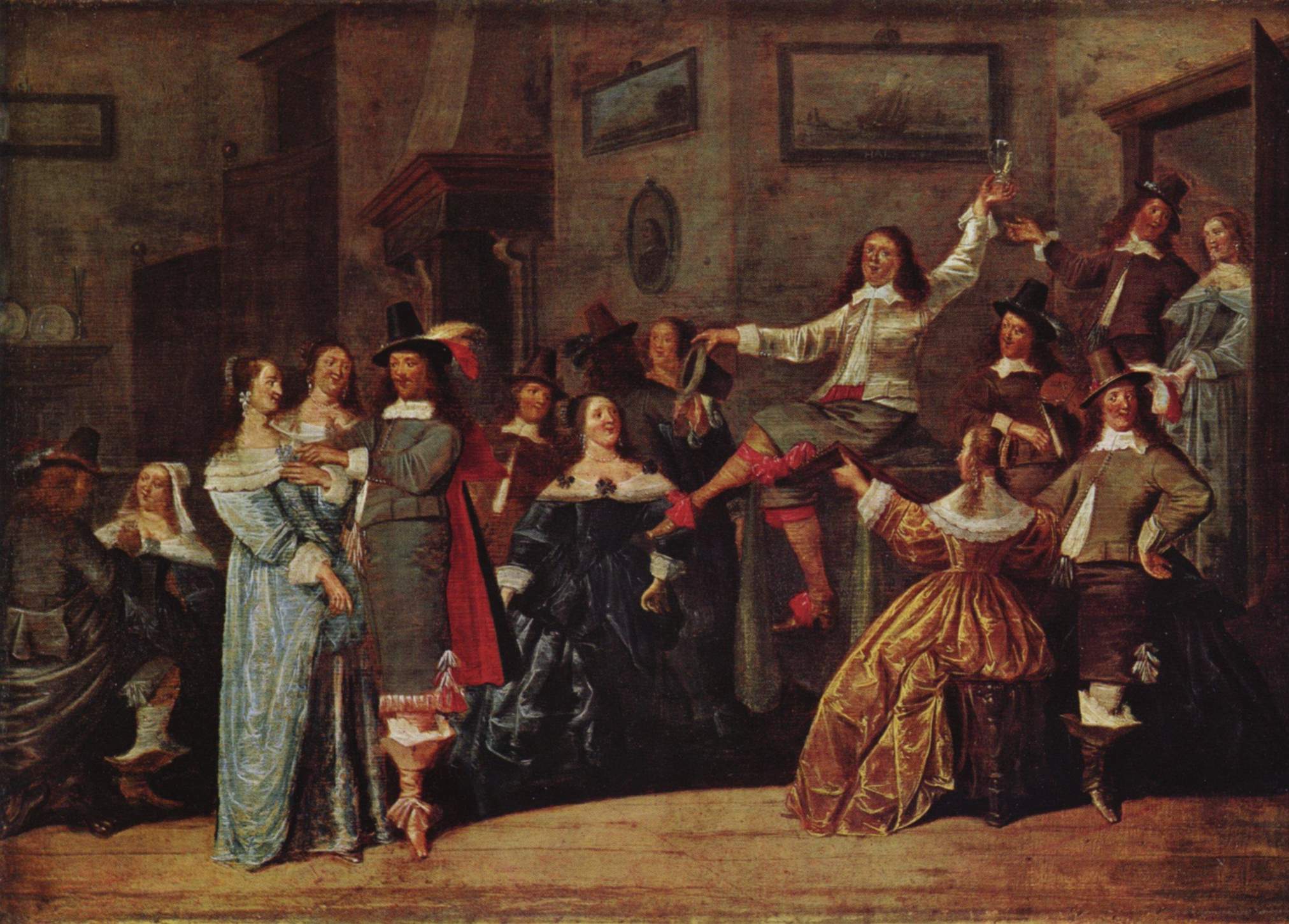 Society is always composed of many layers and classes. Below is a list of questions for you to consider when building your fantasy or sci-fi civilization. I admit it’s long, but please bear with me.
These are what I think of as “porch questions.” This is the stage where I sit on the back porch and consider the world my characters will inhabit. Going somewhere quiet and pondering these questions will make the culture your characters inhabit clearer in your mind.
How is your society divided? Who has the wealth? (Feel free to copy and paste the list to a page you can print out.)
- Is there a noble class?
- Is there a servant class?
- Is there a merchant class
- Is there a large middle class?
- Who makes up the most impoverished class?
- Who has the power, men, women—or is it a society based on mutual respect?
Ethics and Values: What constitutes morality and how do we treat each other?
- Is marriage required?
- How are women treated?
- How are men treated?
- How are the different races viewed?
- Is there a cisgender bias or is there acceptance of different gender identities?
- How are same-sex relationships viewed?
- How are unmarried sexual relationships seen in the eyes of society?
- How important is human life?
- How is murder punished?
- How are treachery, hypocrisy, envy, and avarice looked upon?
- What about drunkenness?
- How important is the truth?
- What constitutes immorality?
- How important is it to be seen as honest and trustworthy?
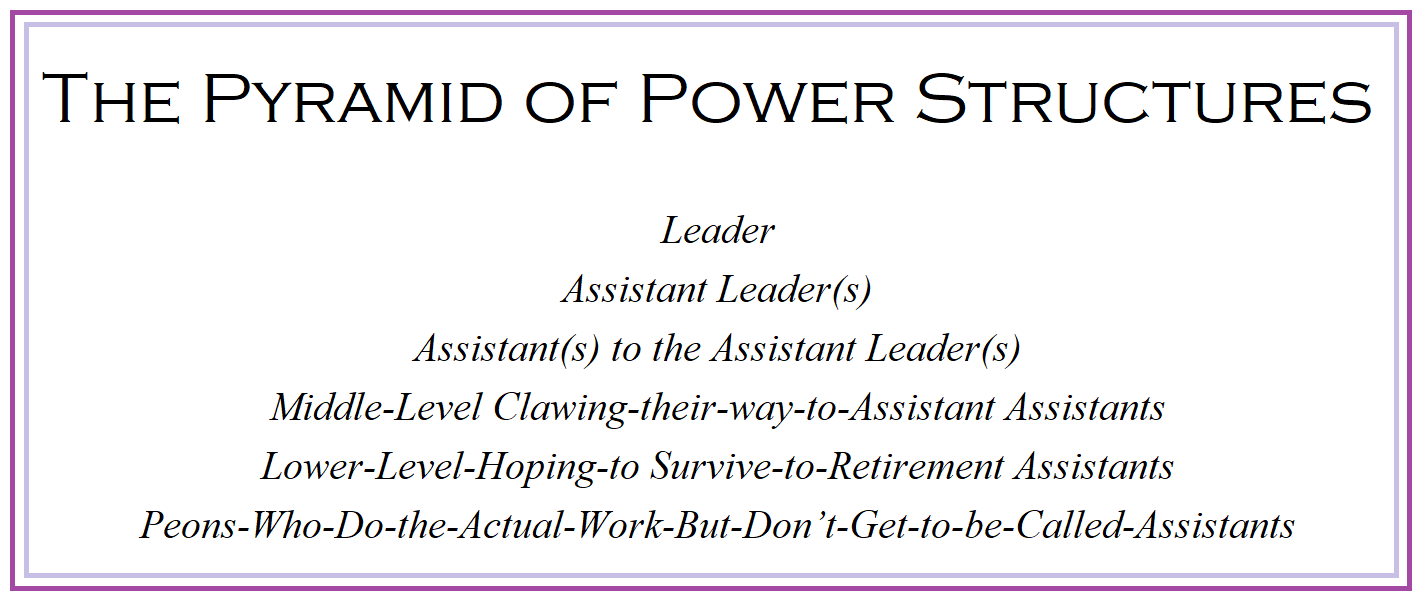
Power structures are the hierarchies that encompass the leaders, the people with the power. It is an overall system of restraint and control among selected members of a group. Think of it as a pyramid.
Religion rarely is a component of sci-fi but often figures prominently in fantasy work. In sci-fi, science and technology take the place of religion, with similar hierarchies and fanatics, just with different job titles.
Archbishop might be replaced with Head of Research and Development.
Cardinal or Pope might be replaced with General, Admiral, or CEO (Chief Executive Officer).
Level of Technology: What tools and amenities are available to them? What about transport?
- Hunter/Gatherers?
- Agrarian/farming?
- Greco-Roman metallurgy and technology?
- Medieval metallurgy and technology?
- Pre-industrial revolution or late Victorian?
- Modern-day?
- Or do they have a magic-based technology?
- How do we get around, and how do we transport goods? On foot, by horse & wagon, by train, or by space shuttle?
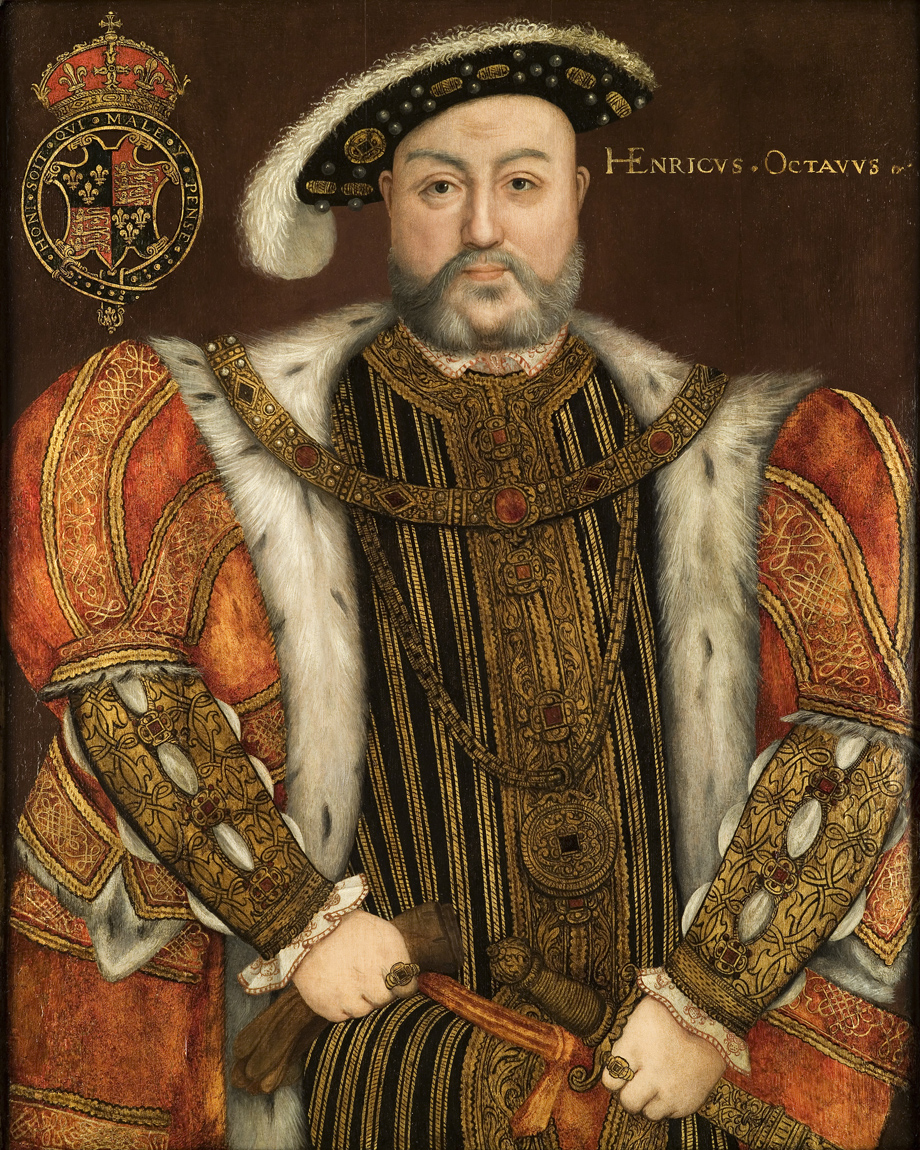 Government: There will be a government somewhere, even if it is just the local warlord. Someone is always in charge because it’s easier for the rest of us that way:
- Is it a monarchy, theocracy, or a democratic form of government?
- How does the government fund itself?
- How are taxes levied?
- Is it a feudal society?
- Is it a clan-based society?
- How does the government use and share the available wealth?
- How do the citizens view the government?
Crime and the Legal System: What constitutes criminal behavior, and how are criminals treated?
Foreign Relations: Does your country coexist well with its neighbors?
- If not, why? What causes the tension?
Waging War: This is another area where we have to ask what their level of technology is. It is critical for you, as the author, to understand what weapons your characters will bring to the front. You must also know what the enemy will be packing. Do the research and choose weaponry that fits your established level of technology.
- What kind of weaponry will they use?
- How are they trained?
- Who goes to battle? Men, women, or both?
- How does social status affect your ability to gain rank in the military?
A common trope in fantasy is magic, which brings up the need to train magic-gifted people. Authors use everything from dumb luck and experimentation to apprenticing to sorcerers, to training by religious orders, and in the case of Harry Potter, a school of some sort. (Never fear, we’re going to build believable magic and future-tech systems next week.)
In many real-world historical societies, the Church/Temple is the governing power. The head of the religion is the ruler, and the higher one rises within the religious organization, the more power one has. The same is true of both universities and research facilities.
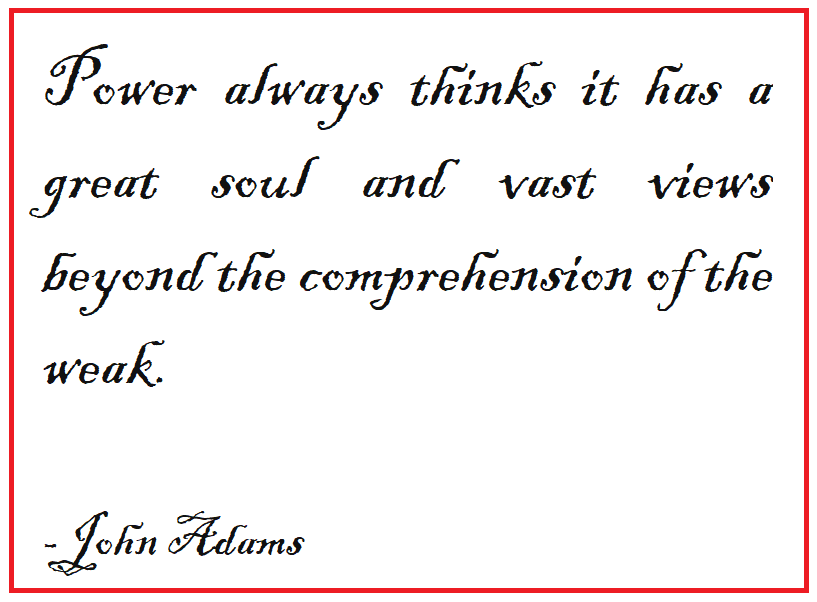 Power in the hands of only a few people offers many opportunities for mayhem—followers may inadvertently create a situation where the leader believes they are anointed by the Supreme Deity. Even better, they may become the God-Emperor/Empress.
The same sort of God-complex occurs among academicians and scientists. Some people are prone to excess when presented with the opportunity to become all-powerful.
If you were unsure what your plot was before you got to this stage, now you might have a real villain, one presented to you by your society.
SO, in your world, what sort of society do you envision? How will that culture shape your characters?
Up Next: Magic and Future-tech
#NaNoPrep series to date:
#NaNoPrep: part 1: What’s the Story?
#NaNoPrep, Setting: Creating the Big Picture
#NaNoPrep, Building Characters
#NaNoPrep, More Character Building
Credits and Attributions:
Image: The Merry Company, Wikimedia Commons contributors, “File:Dirck Hals 001.jpg,” Wikimedia Commons, the free media repository, https://commons.wikimedia.org/w/index.php?title=File:Dirck_Hals_001.jpg&oldid=549782256 (accessed September 13, 2021).
Image: Henry VIII of England, Wikimedia Commons contributors, “File:Portrait of King Henry VIII.jpg,” Wikimedia Commons, the free media repository, https://commons.wikimedia.org/w/index.php?title=File:Portrait_of_King_Henry_VIII.jpg&oldid=250517909 (accessed September 13, 2021).
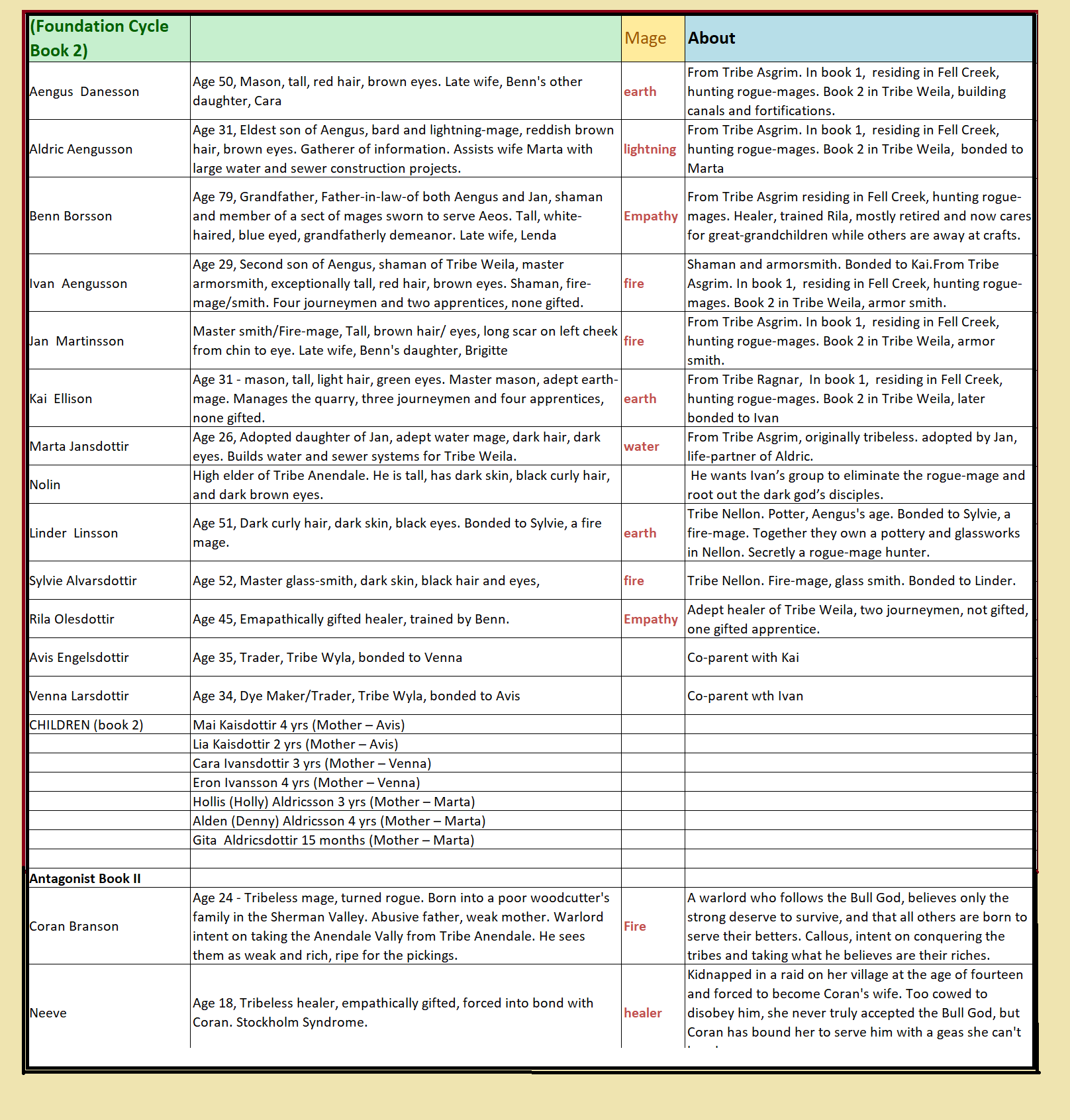 Every side character has hopes and wants something, so that will be noted.
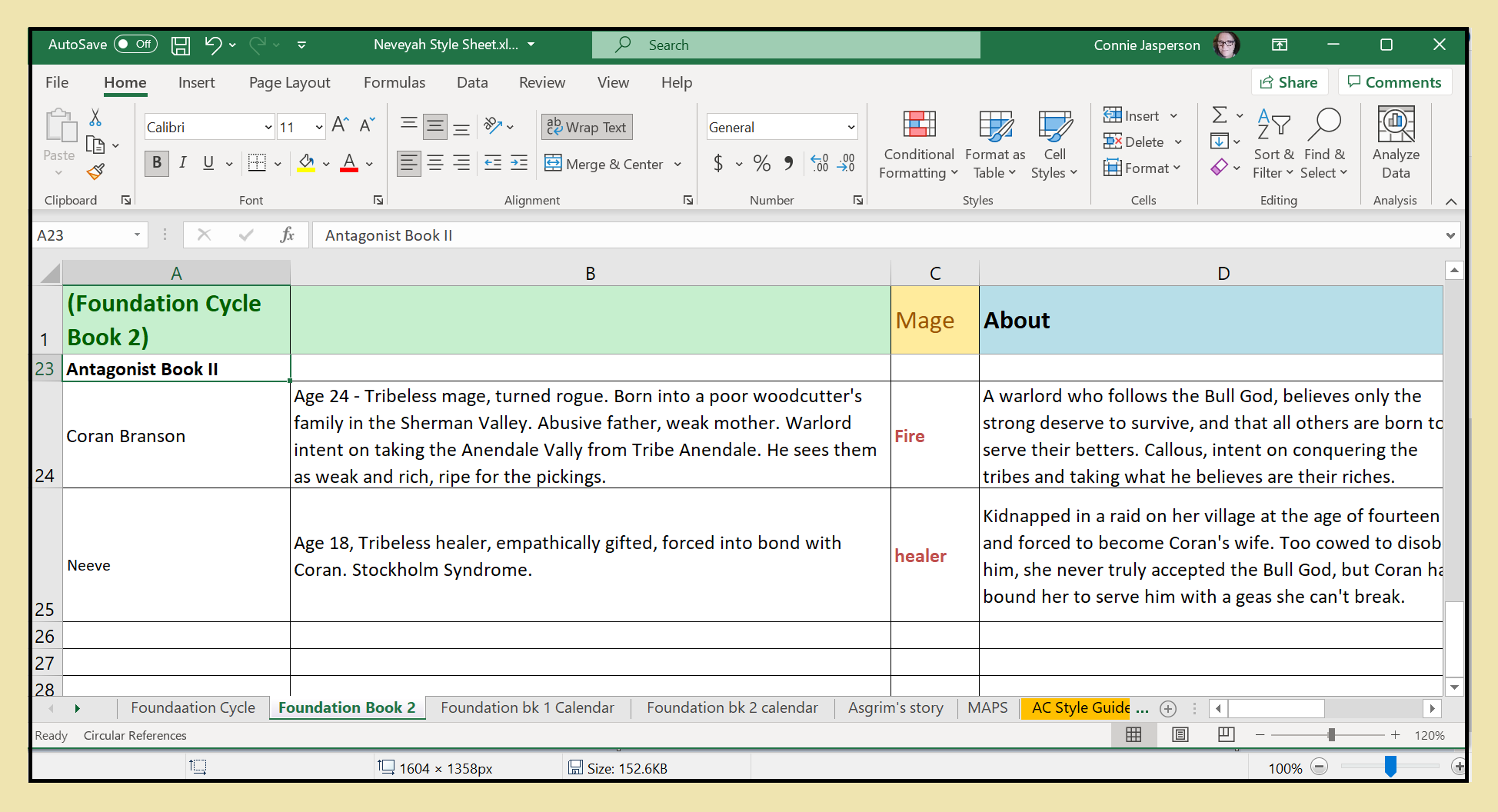 My antagonist will have trusted captains, who will carry out his orders. I just haven’t met them yet, and probably won’t until I begin plotting the antagonist’s arc of the story.
 Race: This is a post-apocalypse world. When the survivors were preparing to leave the catacombs, they divided into 50 tribes and blended the various races and ethnicities as evenly as possible to widen the gene pool. Everyone is of mixed-race heritage, regardless of outward coloring and appearance.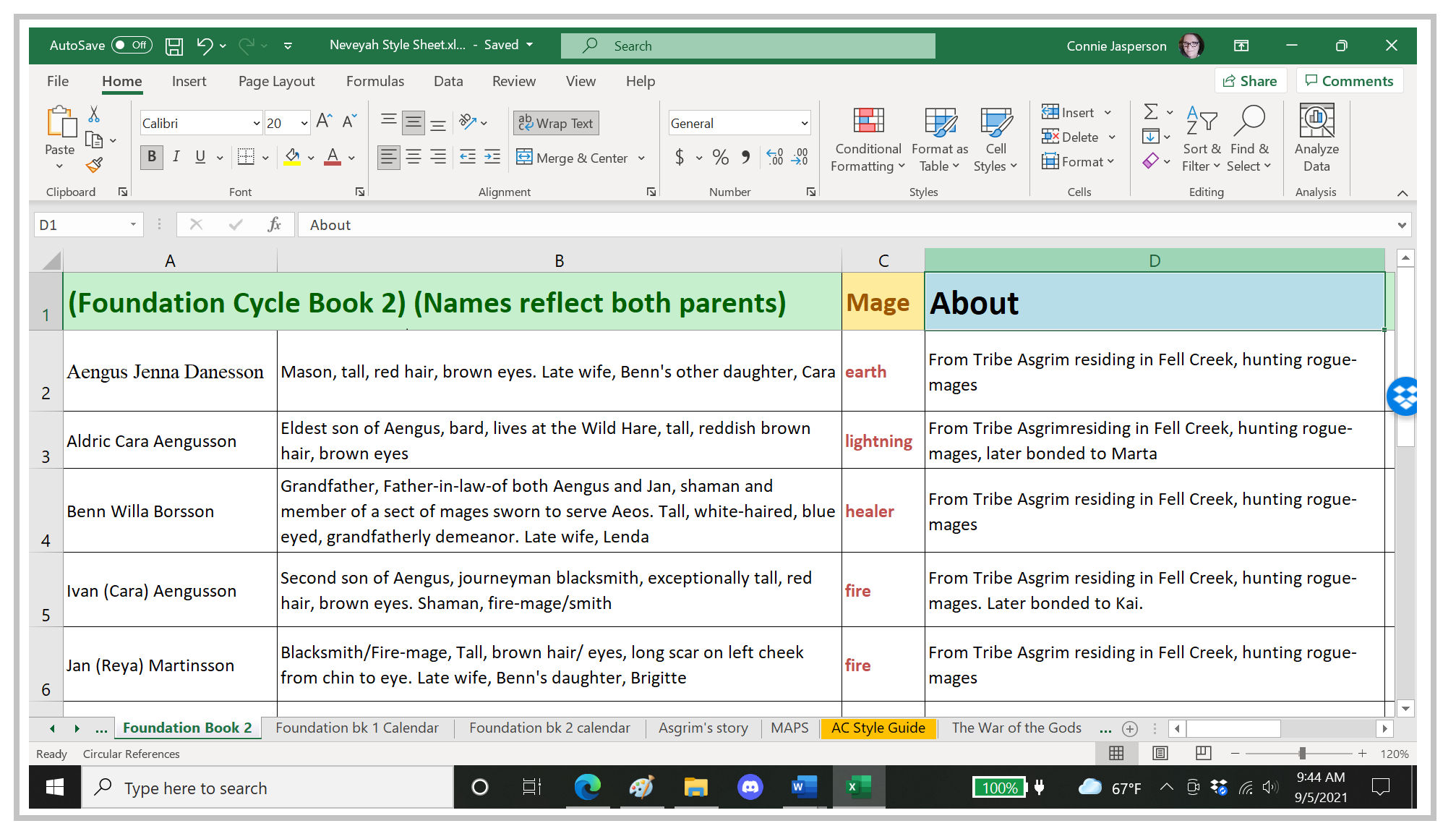
 Next up, we will look closer at our characters and see who their companions are. Some of Ivan’s companions are already established as they were featured in last year’s NaNoWriMo novel. Others are new, and I need to understand who they are and how they fit into Ivan’s story.
 I had no intention of writing book one either, but there it is. These characters won’t let go of me, so now I’m storyboarding a new plot.
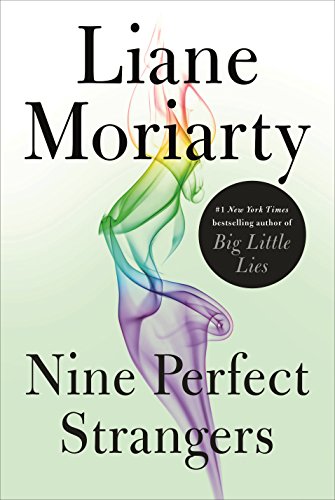 Several years ago, I read “
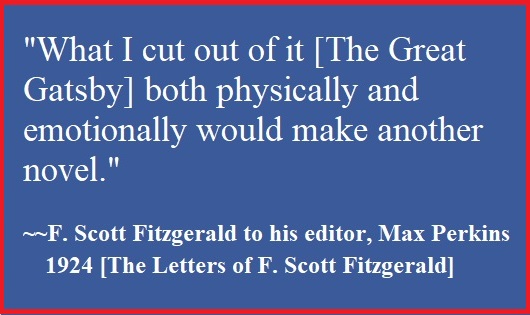
 I had a reaffirmation of sorts; the reassurance that no writer can follow every writing group rule and no book that does would be worth reading.
 Every successful writer has habits that are technical wrongs, habits that don’t fly when offered to a critique group. Yet, these patterns persist in their work over their career because they are part of that author’s creative process.
 This month of concentrated writing time is meant to help authors get the entire story down while the inspiration and ideas are flowing. At the end of the thirty days, you should have a novel-length story, hopefully with a complete story arc (beginning, middle, and end).
 First, we want to get to know who we’re writing about.
 Names say a lot about characters. If you give a character a name that begins with a hard consonant, the reader will subconsciously see them as stronger than one whose name begins with a soft sound. It’s a little thing but is something to consider when trying to convey personalities.
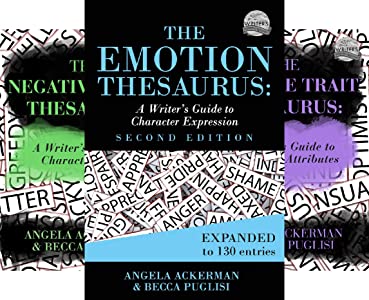 If you need ideas for showing a variety of emotions, I highly recommend the
  Kellan is a complicated character who believes he is the hero. His story begins as a member of the protagonist’s inner circle and ends tragically.
 In other stories, there is the nebulous antagonist—the faceless giant of corporate greed, characterized by one or two representatives, who may be portrayed as caricatures. In some
  This is an important distinction. Credible villains become evil for sympathetic reasons. They care intensely, obsessively about something, or someone. It is our job to make those deeply held justifications the driving force behind their story.
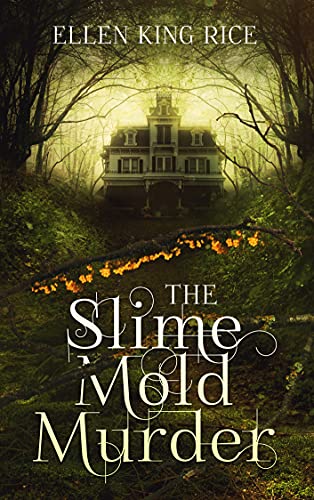 One of the best ways to learn about the craft of writing is to talk with other authors. We all have different ways of creating our work, so hearing how another author works always gives me new ideas.
 EKR: Mitchell and Mark are a gay couple, but I didn’t want to write them as caricatures. I spent a great deal of time trying out descriptions to come up with two men who are individuals in their own right but collectively a pair who would rattle the conservative county commissioner.
 CJJ:
CJJ: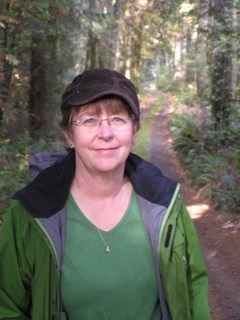
 They might think one thing about themselves, but this verb is the truth.
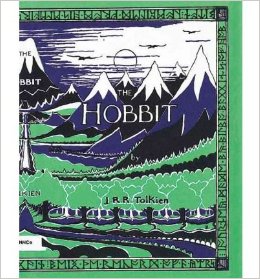 Bilbo resents both the intrusion and being made aware of how bored he is. Secretly, he fears going into the unknown and resists Gandalf’s insistence that he must go with the dwarves. However, at the last minute, Bilbo realizes that if he doesn’t go now, he will always wonder what would have happened if he had.
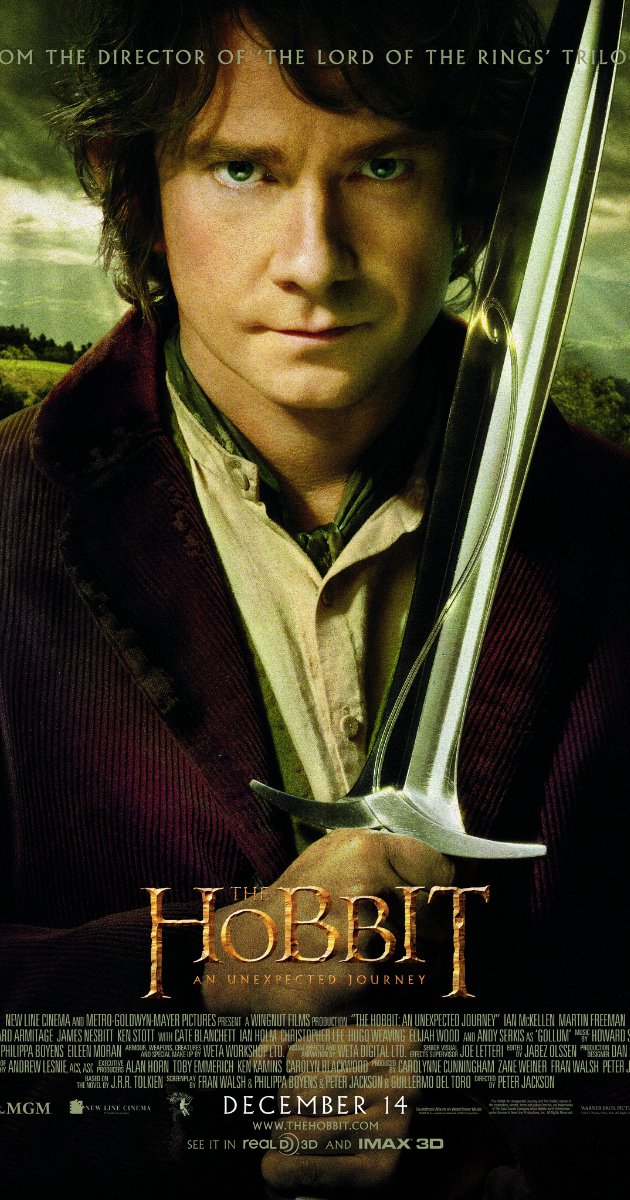 Over the next year, Bilbo experiences many things. Where once he was a little xenophobic and slightly disdainful of anything not of The Shire, he discovers that other cultures are as valuable as his, meeting people of different races whom he comes to love and trust. He experiences the loss of friends and gains compassion. By the time Bilbo returns to the Shire, he is a different person than he was when he ran out his front door without even a handkerchief.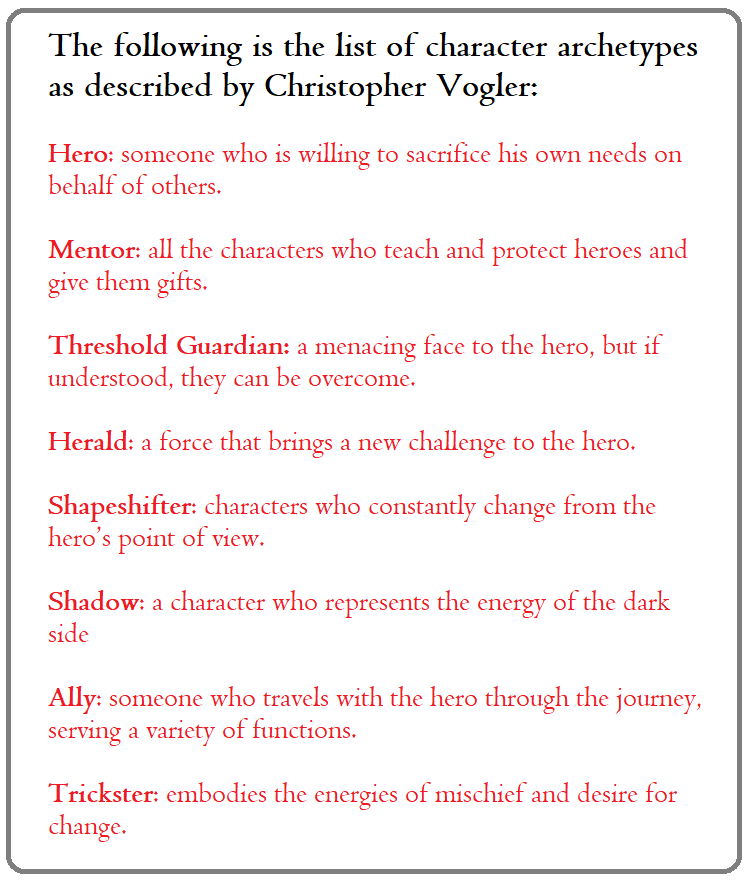
 The Writer’s Journey, Mythic Structure for Writers,
 One thing I do recommend is that you keep the number of allies limited. Too many named characters can lead to confusion in the reader.
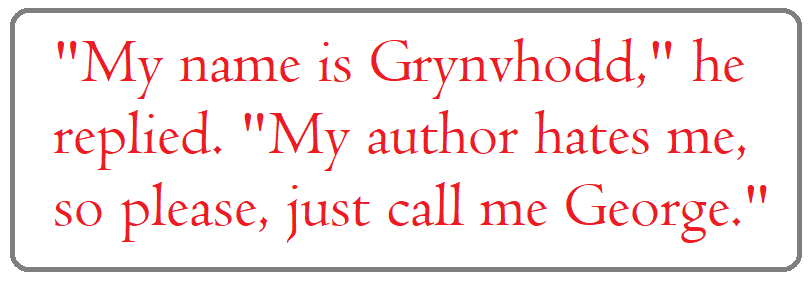 How easy is it to read, and how will that name be pronounced when it is read aloud?
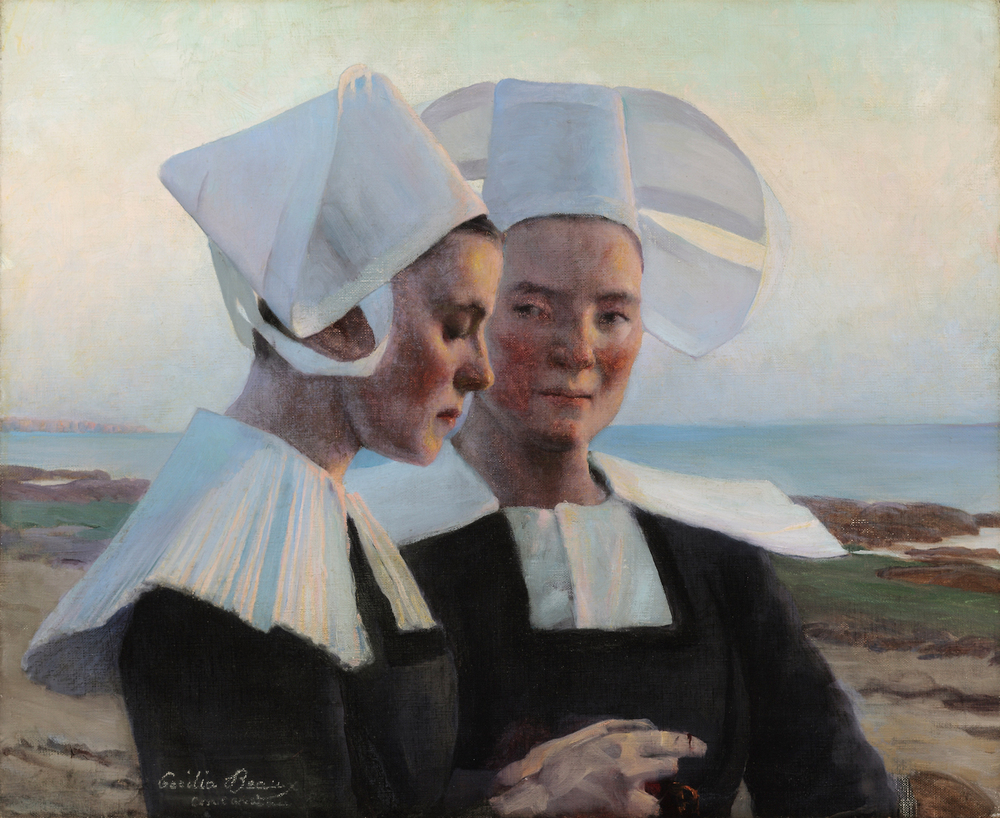 In real life, everyone has emotions and thoughts they conceal from others. Perhaps they are angry and afraid, or jealous, or any number of emotions we are embarrassed to acknowledge. Maybe they hope to gain something on a personal level—if so, what? Small hints revealing those unspoken motives are crucial to raising the tension in the narrative.
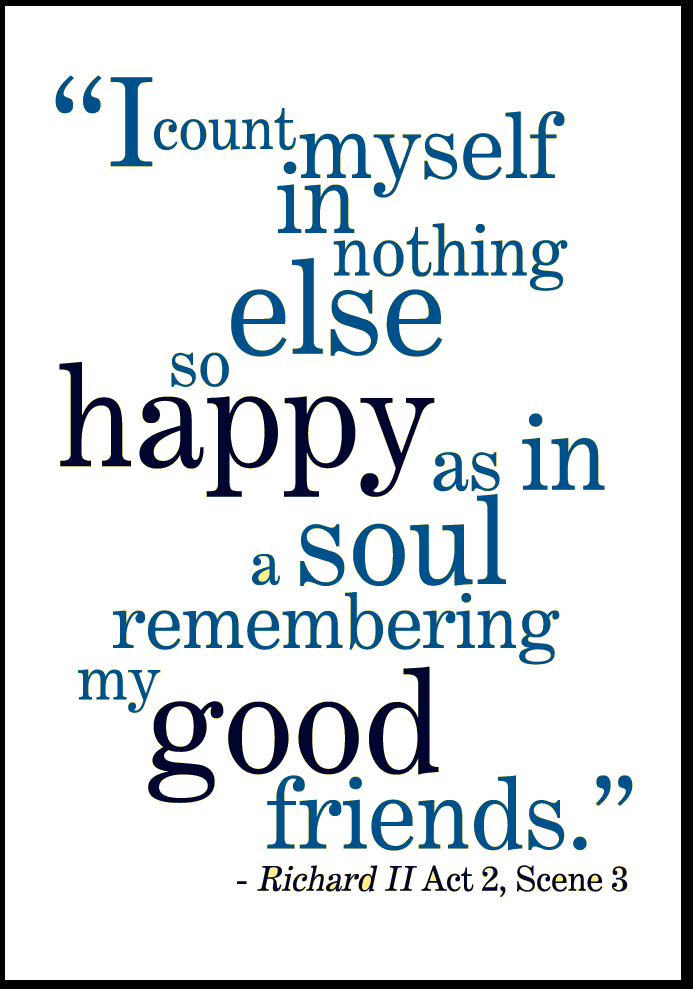 Dialogue gives shape to the story, turning what could be a wall of words into something personal. We meet and get to know our protagonists and the people they will travel with through the conversations they engage in.


