
There have been times when I wanted to write something but didn’t know what. These are the days when I reach a point where I have nothing useful to add to my still-unfinished novel.
 I am not the only person who experiences these moments of low creative energy. When this happens, I set the longer work aside and go rogue—I write poetry and drabbles and short stories.
And yes, cardinal sinner that I am—some of my poetry rhymes. I can’t help that I was raised on Lord Byron and W.B. Yeats.
There are times when I want to write but have no solid idea what the story could be. Maybe it’s this, or perhaps it’s that. Those are the days when I turn out short stories. For me, writing short stories is like shopping for clothes. I need to try them on to see what fits before I buy them.
 Maybe you are writing, but so far, you have written nothing novel or even novella-length. Perhaps you have been writing a little of this and a bit of that, and now you have a pile of disparate, exceptionally short fiction, and you don’t know what to do with it.
Two well-known and respected contests that I regularly submit work to are:
- The 100-word Microfiction Challenge — nycmidnight – opens April 19, 2024.
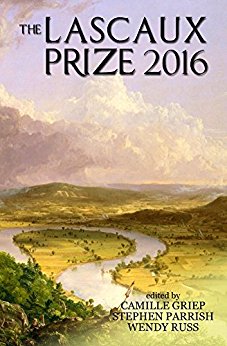
- The Lascaux Prize in Flash Fiction – 1,000 words or less, currently open, closes June 30, 2024.
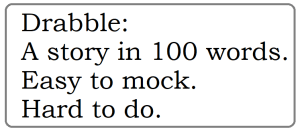
A drabble is a microfiction. It is exactly 100 words long.
Extremely short fiction must showcase the same essential components as a longer story:
- A setting
- One or more characters
- A conflict
- A resolution.
We have a lot of information to convey and only 100 words to do it. To that end, we must show our story to the reader the way an impressionist paints a picture.
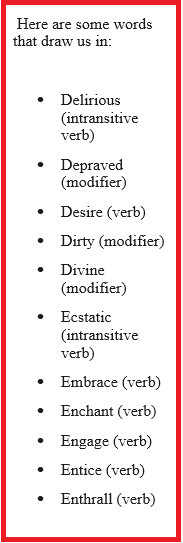
- We choose nouns and verbs with the most visual impact.
 Microfiction is the distilled soul of a novel. It has everything the reader needs to know about a singular moment in time. It tells that story and makes the reader wonder what happened next. Each short piece we write increases our ability to tell a story with minimal exposition.
For a longer post on how I write microfiction, see my post of January 31, 2024: Discipline and Micro Fiction #amwriting | Life in the Realm of Fantasy (conniejjasperson.com)
Here are two reliable platforms that list a wide variety of publications and contests with open calls:
Some magazines have open calls for short (well under 4,000 words is best) stories:
There are also opportunities for the visual arts as well as written work:
Submitting to contests is a different process than submitting to magazines and anthologies.
 When submitting to a publication, you send your work directly to the publisher. In return, you can expect to receive a communication from the senior editor, either a rejection or an acceptance.
Most rejections arrive in the form of impersonal emails or (rarely nowadays) letters: “We are not interested in this work at this time. Thank you, and keep writing.”
Contests are large, amorphous entities with a group of writers who have agreed to be readers. They judge submissions based on technical skills as well as creativity. Many contests must charge a fee for submissions.
I’ve said this before, but it bears mentioning again. You have wasted time and money if you don’t follow the prospective contest or publisher’s submission guidelines, which are clearly listed on the contest page or on their website.
We demonstrate our level of professionalism by strictly following submission guidelines. Editors at magazines and publishing houses receive hundreds of unsolicited works each week and have no time to deal with unedited, improperly formatted manuscripts.
Editors (or, in the big houses, their interns) look at the first page and immediately know what they are looking at. They reject the poorly written, unprofessional messes without further consideration.
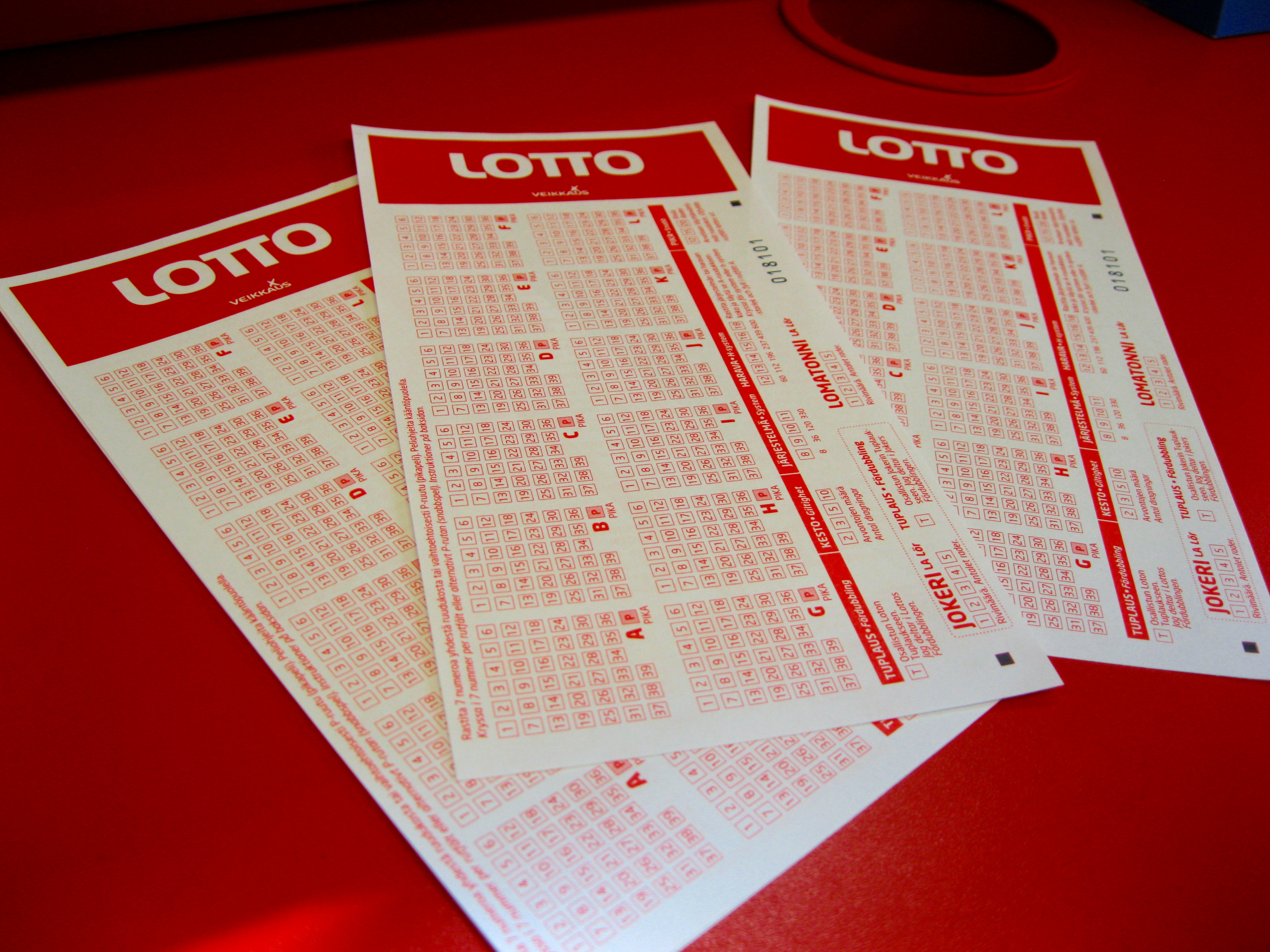 To wind this up—take another look at that backlog of short work. Edit it, read it aloud, and edit it again. Then, consider submitting that work to a contest or magazine. It’s good experience for indie writers, but more than that, you might hit the jackpot!
To paraphrase an old joke, “to win the lottery, you must first buy a ticket.” This is especially true if you want to be published.
Credits and Attributions:
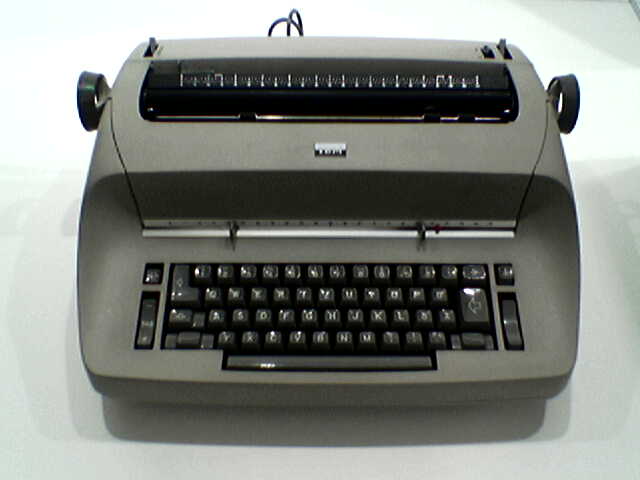
IBM Selectric, By Oliver Kurmis (Self-photographed) [CC BY 2.5 (http://creativecommons.org/licenses/by/2.5)%5D, via Wikimedia Commons, accessed Apr. 6, 2024.
Finnish Lottery Tickets, Wikimedia Commons contributors, “File:Veikkaus Lotto.jpg,” Wikimedia Commons, https://commons.wikimedia.org/w/index.php?title=File:Veikkaus_Lotto.jpg&oldid=632154033 (accessed April 6, 2024).
 The more frequently you write, the more confident you become. Spending a small amount of time writing every day is crucial. It develops discipline, and personal discipline is essential if you want to finish a writing project.
 Maybe you plan to write a novel “someday” but aren’t there yet. Writing random short scenes and vignettes helps develop that story without committing too much time and energy to the project. This is also a good way to create well-rounded characters.
 However,
 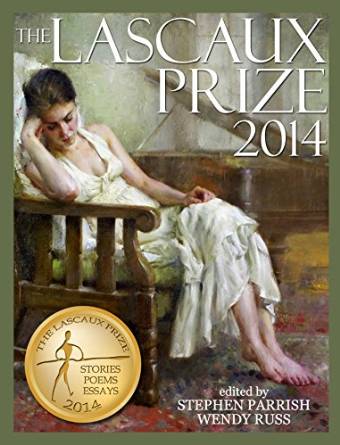 The Lascaux Review is one of the best contests around. It is exceptionally open to writers who are just beginning their journey. Their fee is reasonable, $15.00 in every category, and submissions are accepted through Submittable.
  A way to get a grip on these concepts is what I think of as literary mind-wandering. For me, these ramblings hold the seeds of short stories.
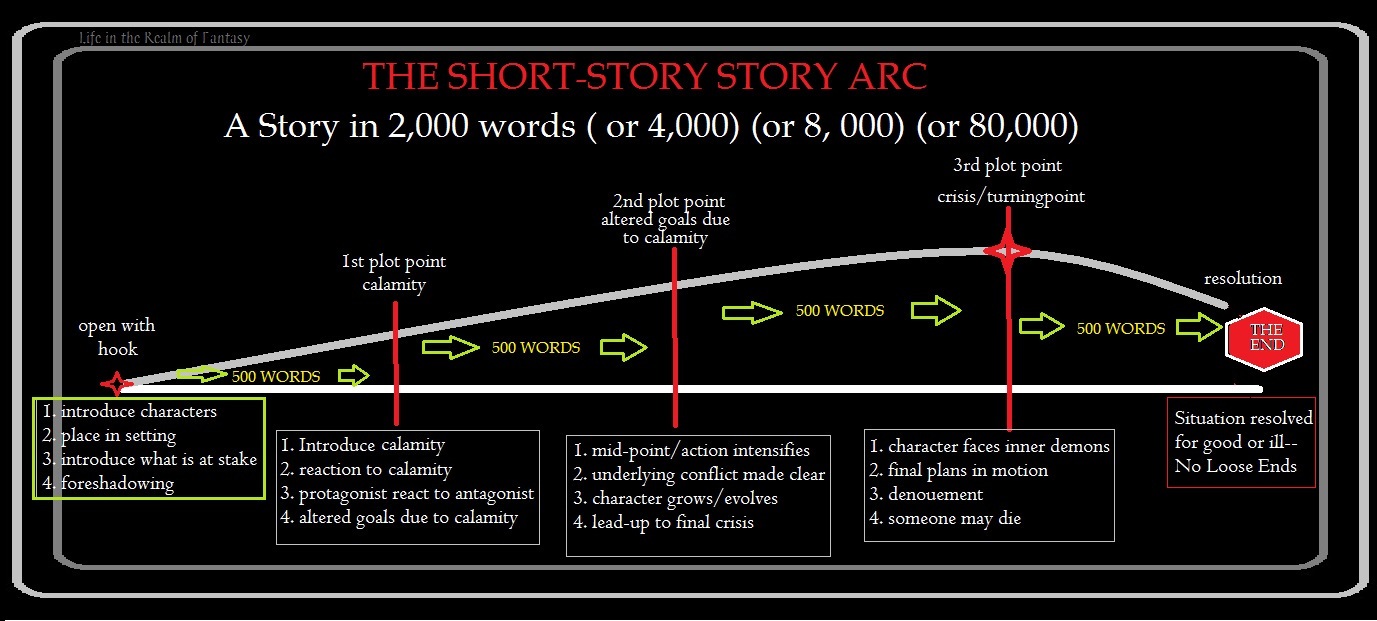
 I break down the word count to know how many words to devote to each act in the story arc. I allow around 25 words to open the story and set the scene. Then, I give myself about 50 – 60 for the heart of the story. That leaves me 10 – 25 words to conclude it.
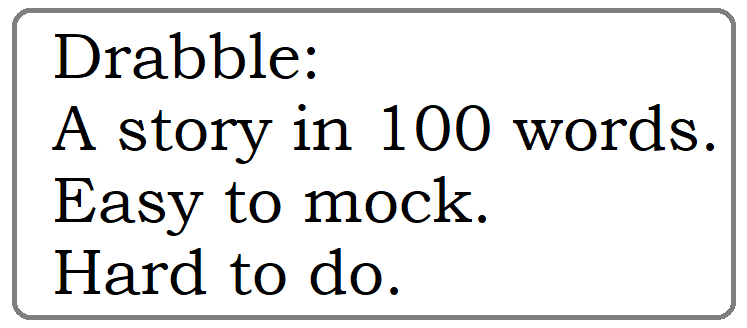 Extremely short fiction is the distilled essence of a novel. It contains everything the reader needs to know and makes them wonder what happened next.
 I have been busy on the domestic side of things and enjoying life as a Townie. Lovely Instacart delivers my groceries from any store I choose. If we have to be out after dark and it’s raining, I can’t see well, so Uber does the driving. We are living a life of luxury and grateful for it. I have a “passel” of grandbabies and great-grandbabies, so when I have nothing to write, I have needlework projects to keep me busy.
 And speaking of fancy, we had a chance to spend time with two great-grandbabies this weekend. The best part of being a grandma is when the little one starts crying or needs changing, someone else takes over, and grandma shuffles off to the kitchen to stir the soup and make another cup of tea. Yay for old age!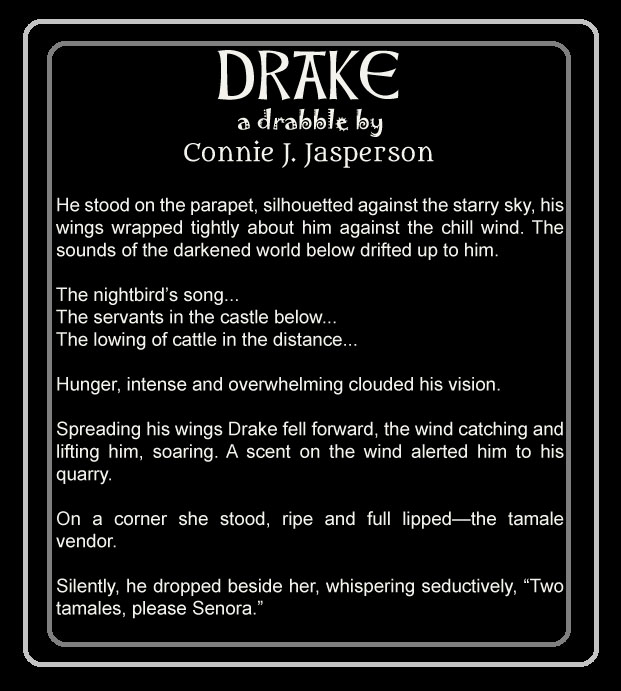
 Writing a drabble takes less time than writing a 3,000-word story or a 70,000-word novel, but all writing is a time commitment. When writing a drabble, you can expect to spend an hour or more getting it to fit within the 100-word constraint.
 I use a loose outline to break the arc of every story I write into acts, each with a specific word count. (I’ve included a graphic at the bottom of this post.)
 A prompt is a word or visual image that kick starts the story in your head. If you need an idea, go to
  does require plotting and rewriting the prose until the entire story is told in exactly 100 words. You should expect to spend an hour or so writing and then editing it to fit within the 100-word constraint.
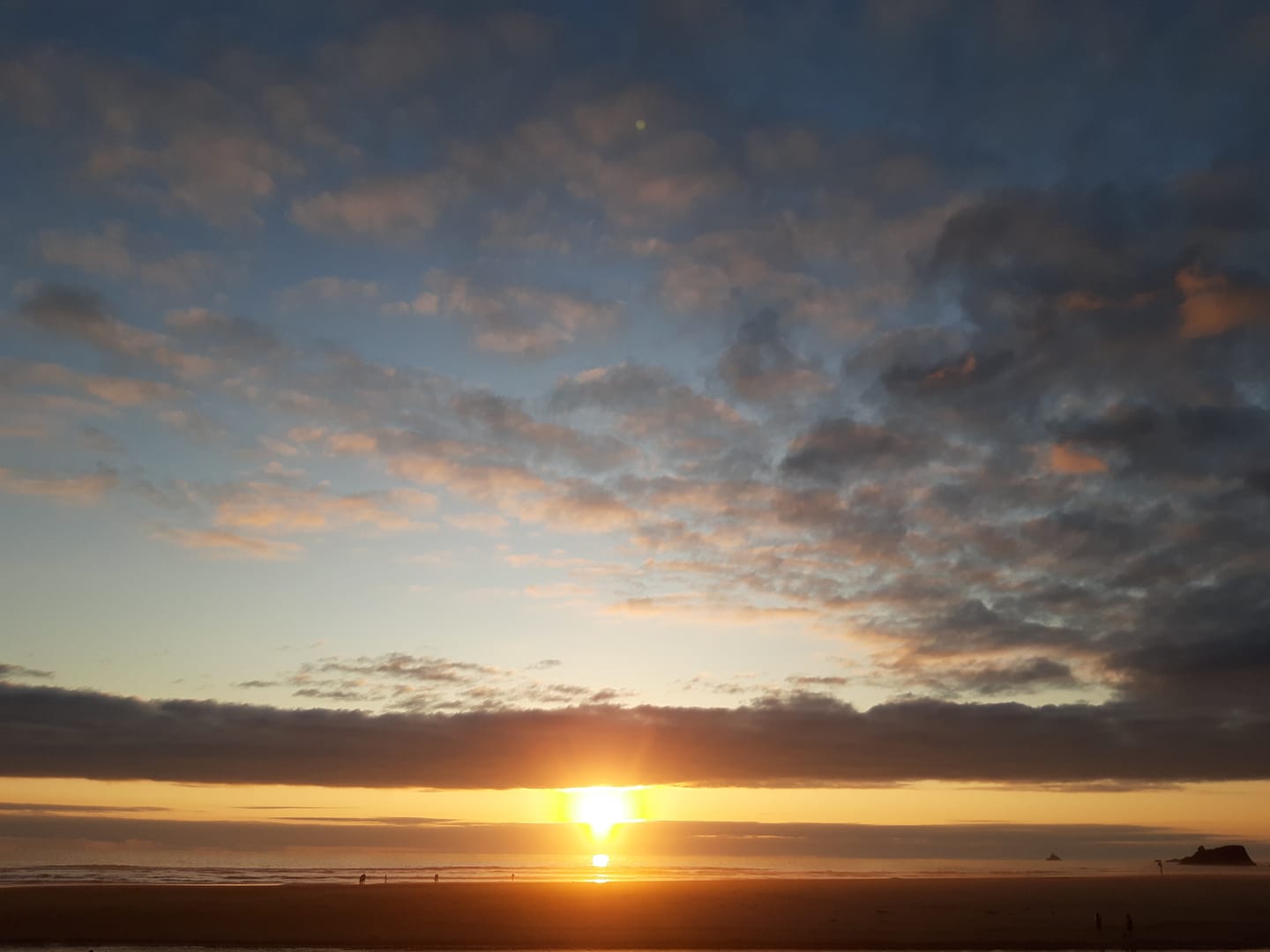 The above drabble is a 100-word romance and is an example I have used here before. It has a beginning (hook), a middle (the conflict), and a resolution. The opening shows our protagonist on the beach with someone for whom she cares deeply.





 Life in the Realm of Fantasy