
Today we’re continuing our NaNo Prep by imagining a world. These exercises will only take a few minutes unless you want to spend more time on them. They’re just a warmup, getting you thinking about your writing project. In our previous post, we asked ourselves who we think our characters might be. Now we ask, “Where do my characters live? How do they see their world?”
 Every world in which every story is set is imaginary. This is true whether it is a memoir, a cookbook, a math book, a sci-fi novel, a contemporary novel set in London, or an encyclopedia.
All written worlds exist only in our minds, even those non-fiction books detailing recent events.
The world you paint with words will be inhabited by the characters you create. I write fantasy, and I have three created worlds, peopled with characters I cherish and places where I feel at home.
But my created worlds didn’t begin that way. They emerged as the first draft of the first novel evolved. Each world started as an idea and grew in detail as the narrative unfolded in my imagination.
But what if you aren’t writing fantasy? Creating a fantasy or sci-fi world is exactly the same as detailing a historical time or a current event.
The difference is in documentation. While you can use Google Earth to visit a distant city, read documentation concerning a historical event, or view maps drawn by contemporaries, you must create the history and landscape of your fantasy world. With fiction, your preparatory world-building is the documentation.
 When writing our narrative, we want to avoid contradicting ourselves about our protagonist’s world. Keeping it all in your head is not a good idea, especially if you’re like me—too much data means I regularly have the eternal loading screen when trying to recall something. (I’ll never forget what’s-his-name.)
I recommend you create a file containing all your ideas regarding your fictional world, including the personnel files you are making. I learned to do that the hard way, so take my advice: write down your ideas, and update them with later changes.
I list all my background information in a separate Excel workbook for each book or series. You don’t have to go that far; you can use any kind of document, handwritten or digital. Many people make notes on their phones. You just need to document your ideas. If you want to get fancy, see my post, Ensuring Consistency: the Stylesheet.
Find images on the internet that are either historical or represent your ideas. Paintings and great photography inspire me and fire my imagination. Go to the internet and find maps.
If you are writing a fantasy or sci-fi novel, sketch a map. It doesn’t have to be pretty, but I recommend you use a pencil in case you need to rearrange it.
 Just like we do when creating our characters, we want to begin with a paragraph that might be the encyclopedia explanation of where the action takes place. I write fantasy, so here is the one paragraph I might start with:
The Citadel of Kyrano, a port city along the River Fleet. Its population is around five thousand, and its primary industry is wool production. Every industry in Kyrano supports the cloth trade in one way or another. The merchants’ council rules the citadel and a small armed militia keeps the peace and patrols the walls, repelling the occasional band of highwaymen.
I will ask myself several questions about Kyrano.
- What objects do the characters see in their immediate environment?
- When they step outside, what ambient sounds do they hear?
- What odors and scents do they encounter indoors and out?
- What objects do the characters interact with?
- What weapons does this society use for protection? (swords, guns, phasers, etc.)
- How important is religion?
- What are the layers of society, and where do my characters fit?
- Is the use of magic a part of my story? If so, who can use it, and what is the science of that magic? What are its limits?
- Are science and technology a part of my story? If so, who can use it, and what are its limits?
Keep your world-building document handy, or a notepad and pen. As you go about your life, observe the world around you and make notes of smells and sounds you can incorporate into your work. I spend a lot of time walking in my neighborhood, but my own backyard is a haven for birds and insects. If you plan to set your work in a fantasy or sci-fi world, what can you incorporate into it that is familiar, something the reader can identify with?
Write a paragraph or two about what you think your characters might see and hear in their environment. What do they smell? It’s been exceptionally warm and dry so far this autumn here in the Northwest. When I go outside, I smell smoke from distant wildfires. I see browning vegetation, falling leaves, and a militant spider colony attempting to annex my back porch.
An author takes an idea, translates it into words, and dares the reader to believe it. Successful fantasy and sci-fi authors take the world they see and reshape it just a little, just enough so it seems alien yet familiar.
Every novel requires world-building.
Make notes about possible places where events will occur, writing them down as they come to you. Remember, the setting for a contemporary novel requires the same thinking and the same imagining of place as a fantasy novel does.
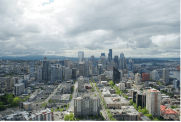 If I were to write a thriller set in the current Seattle of 2023, I’d want the reader to see the landscape as if they lived there. I would use the eternal gray of certain times of the year to underscore my dark themes.
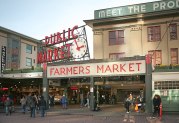
- I would have some action take place at Pike Place Market.
- Some action would happen on a ferry, or possibly at Fisherman’s Terminal.
- Perhaps some scenes would occur on one of the floating bridges, or even a houseboat.
- My characters would see the sunset tinting Mount Rainier a hazy shade of pink and occasionally glimpse the Olympic Mountains rising over Puget Sound.
- Lush greenery would be the backdrop, the set dressing.
In fact, world-building is nothing more than taking what we know and reshaping it into what might be and then dropping casual hints about it into the narrative. It is only the backdrop against which our characters live out their lives. But without that backdrop, the story unfolds on a barren stage.
 The internet has information about every kind of environment that exists on Earth. All we have to do is use it.
Google Earth is a good tool for contemporary world-building if you can’t travel to the place in person.
The websites of NASA and other international space agencies are bottomless wells of information about the environment of space and what we know about other worlds.
Over the next few months, it’s up to you who write fantasy and science fiction to take what we know and make that intuitive leap to what might be.
Those of you who write romance, or thrillers, or action adventures, cozy mysteries or any other kind of novel—you must also take what we know of this world and turn it into what might be.
Posts in this series:
#NaNoWriMo prep part 1: Deciding on the Project #amwriting
#NaNoWriMo prep part 2: Character Creation #amwriting
Credits and Attributions:
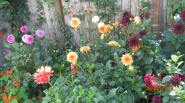
Pike Place Market, by Daniel Schwen, CC BY-SA 4.0 https://creativecommons.org/licenses/by-sa/4.0, via Wikimedia Commons. (Accessed October 10, 2022)
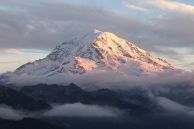
Mount Rainier Sunset and Clouds, US National Park Service, Public domain, via Wikimedia Commons (accessed October 10, 2022).
Downtown skyline in Seattle viewed from the w:Space Needle, by M.O. Stevens. Wikimedia Commons contributors, Wikimedia Commons, the free media repository, File:Downtown Seattle skyline from Space Needle May 2011.JPG – Wikimedia Commons (accessed October 10, 2022)
 Unfortunately, maps have fallen out of favor thanks to satellite technology and the GPS in our cell phones. Many people don’t know how to read a map.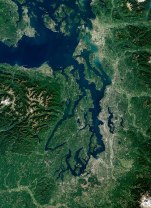
 If you are designing a fantasy world, you only need a pencil-drawn map. Place north at the top, east to the right, south to the bottom, and west to the left. Those are called
 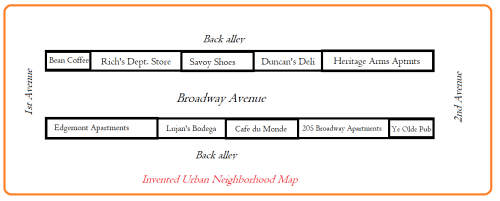 Use a pencil, so you can easily note whatever changes during revisions. Your map doesn’t have to be fancy. Lay it out like a standard map with north at the top, east on the right, south at the bottom, and west on the left.
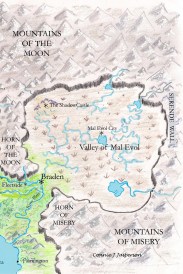 Many towns are situated on rivers. Water rarely flows uphill. While it may do so if pushed by the force of wave action or siphoning, water is a slave to gravity and chooses to flow downhill. When making your map, locate rivers between mountains and hills.
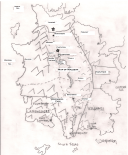 Maybe you aren’t artistic but will want a nice map later. In that case, a little scribbled map will enable a map artist to provide you with a beautiful and accurate product. An artist can give you a map containing the information readers need to enjoy your book.
 In my part of the world, the native forest trees I see in the world around me are mostly Douglas firs, western red cedars, hemlocks, big-leaf maples, alders, cottonwood, and ash. Because I am familiar with them, these are the trees I visualize when I set a story in a forest.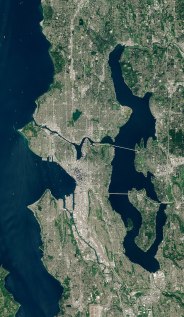
 Every fantasy world has a setting, and that environment has a climate. Certain climates limit the variety of foods available.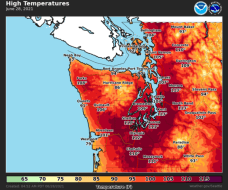
 We know from bitter experience that weather affects the food we produce and influences what is available in grocery stores. Abnormal heat waves across temperate states, category 4 hurricanes along the Atlantic seaboard and the Gulf of Mexico, and category 4 tornadoes down the center of the US and Canada, and even deep freezes in Texas and the deep south have been our lot in the last five years.
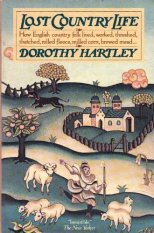 Once you have decided your historical era, terrain, and overall climate, research similar areas of the real world to see how weather affects their approach to agriculture and animal husbandry. Look into the past to discover ancient agricultural methods to see how low-tech cultures fed their large populations:
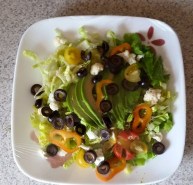 Also, if your story is set in a particular era, how plentiful was food at that time? Famines occurring all across Europe and Asia over the last two-thousand years are well documented. Egyptian, Incan, and Mayan history is also fairly well documented so do the research.
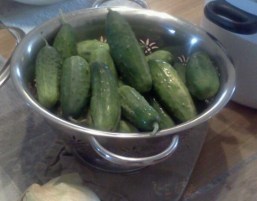 We have witnessed monumental changes since the turn of the millennium. We know California teeters on the edge of disaster, that a water shortage threatens the lives of millions, as well as one of the largest agriculture industries in the US.
 Time interests me because I mostly write fantasy, although I write contemporary short fiction and poetry. Fantasy, and all speculative fiction, relies heavily on worldbuilding, and managing time is a facet of that skill.
 HERE is where I confess my great regret: in 2008, a lunar calendar seemed like a good thing while creating my first world.
 In an even worse bout of predictability, I went with the names we currently use when I named the days, only I twisted them a bit and gave them the actual Norse god’s name. (The gods and goddesses of Neveyah are not Norse.)
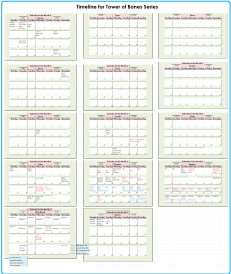
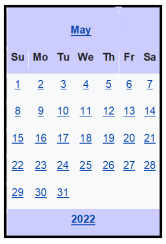 I LEARNED from my mistakes – the timeline for the Billy’s Revenge 3-book series, Huw the Bard, Billy Ninefingers, and Julian Lackland, uses the familiar calendar we use today.
 Why is this so? Let’s look at an example.
 So how is social class different from economic class? In some parts of the world, they are the same. In others, social class is inherited, and economic class is acquired.
 For instance, I grew up in a financially stable lower-middle-class family. But I never buy pre-distressed furniture, no matter how much the designers on TV love it. This is because, by the time my youngest child left home, all my hand-me-down furniture was distressed. I like my furniture to reflect my life—un-distressed.
 Several years ago, I read a fantasy book where the author clearly spent many hours on the food of her fantasy world and the various animals. She gave each kind of fruit, bird, or herd beast a different, usually unpronounceable, name in the language of her fantasy culture.
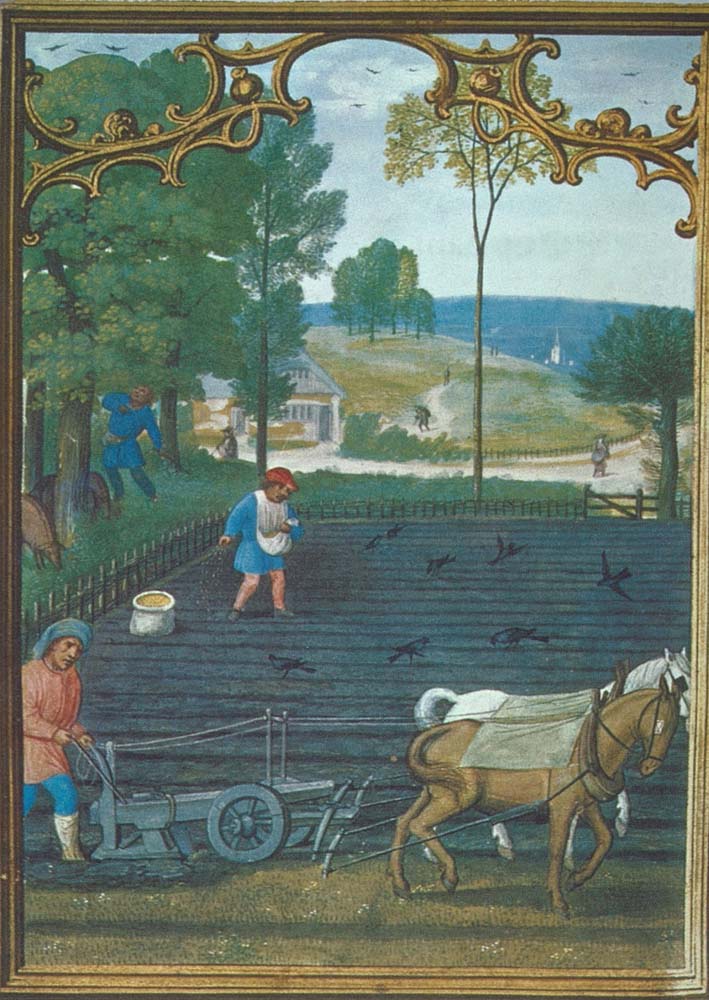 As many of you know, I have been vegan since 2012. However, during the 1980s, my second ex-husband and I raised sheep. Most of the meat we served in our home was raised on his family’s communal farm. Our chickens and rabbits roamed their yard and had good lives, and our family’s herd of twenty sheep was managed using simple, old-style farming methods.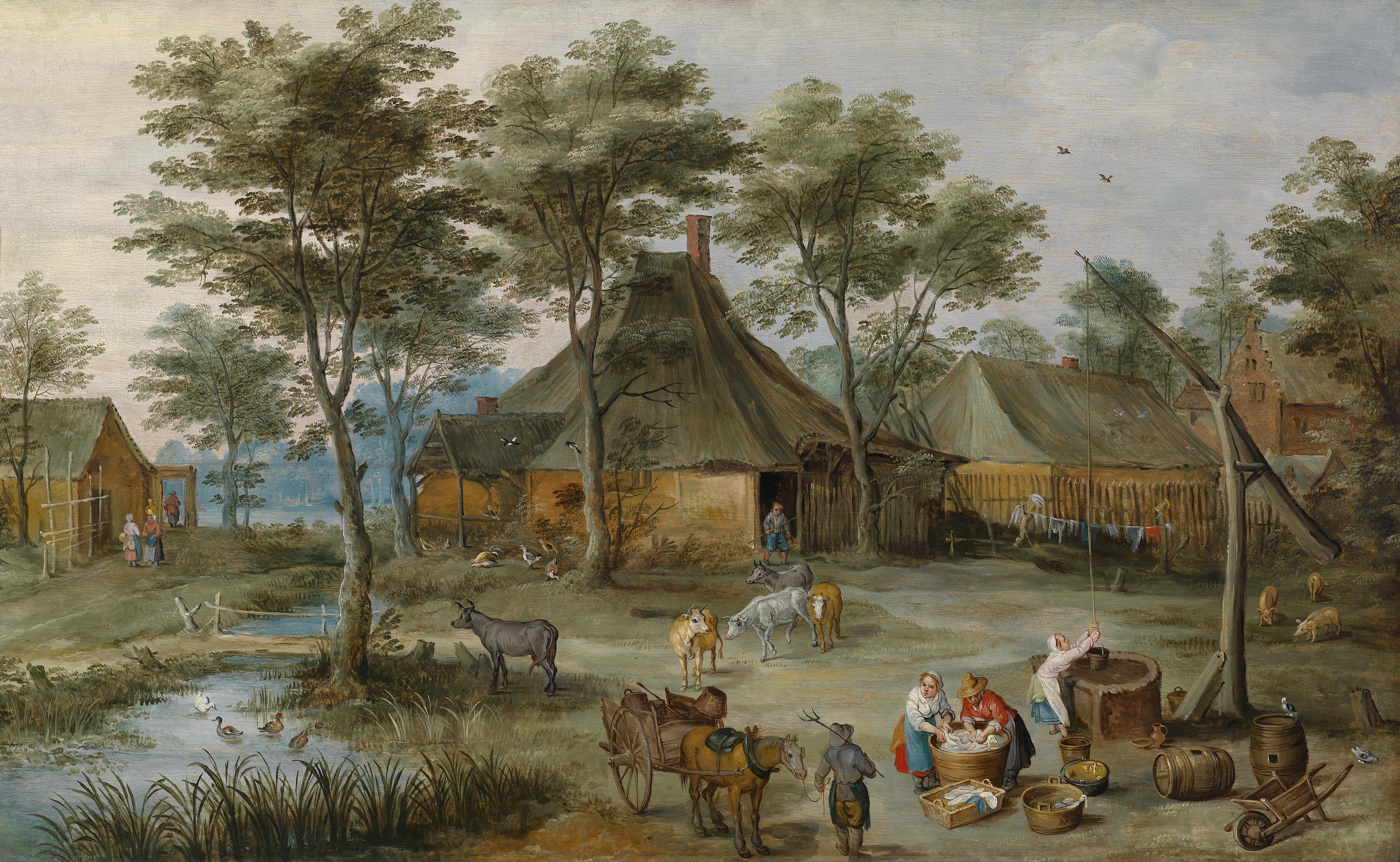
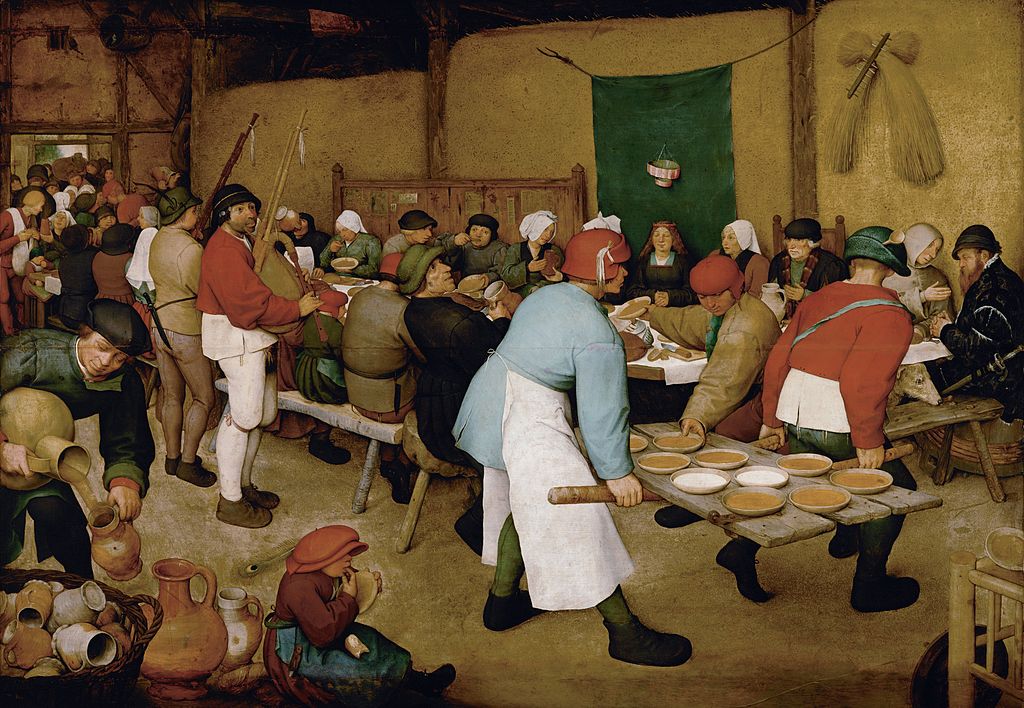
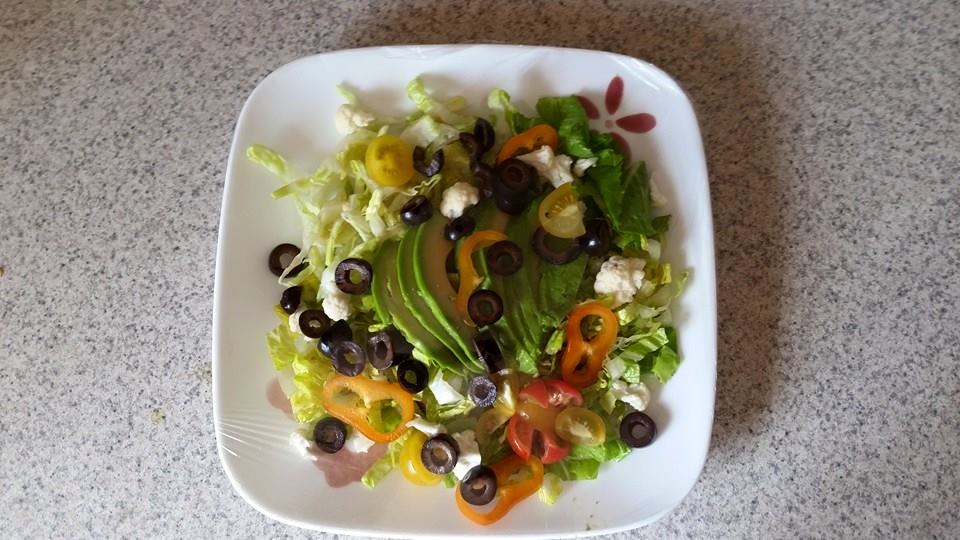 Knowing what to feed your people keeps you from introducing jarring components into your narrative. In
  Magic and the ability to wield it confers power. Magical creatures, elves, mythical races, mythological gods and demigods – these are some of the many natural and supernatural components of fantasy.
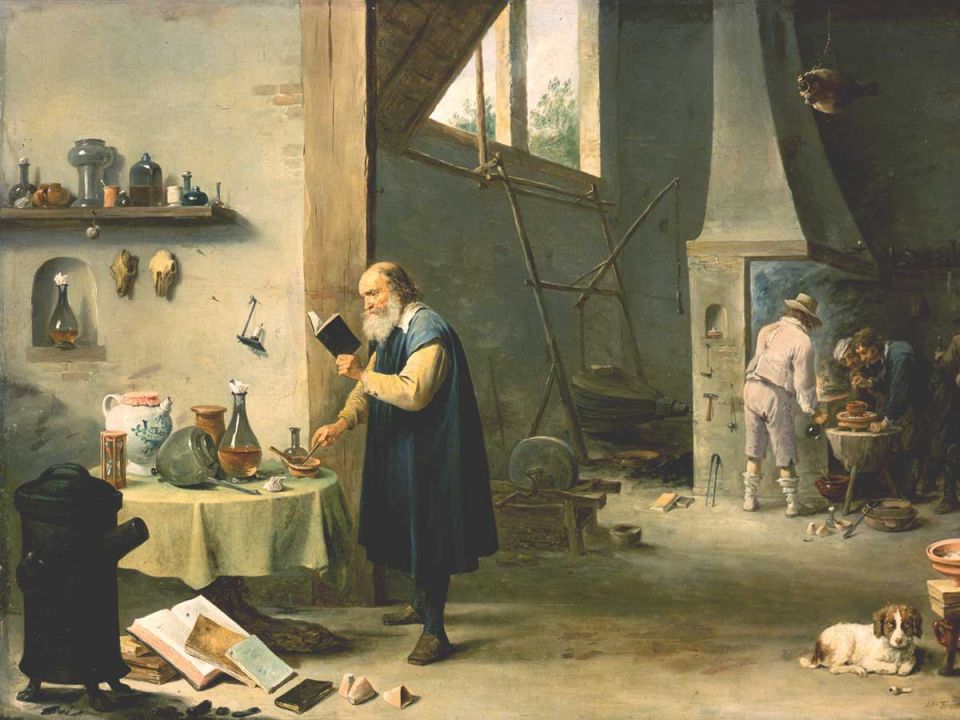 Authors of sci-fi must do the research and understand the
 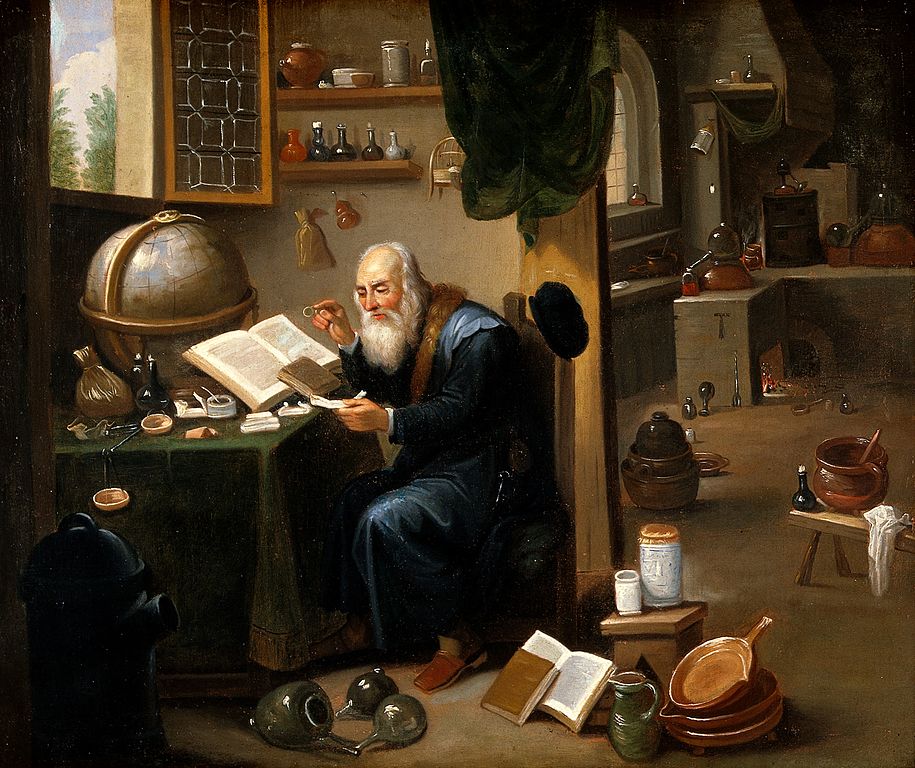 The following is my list of places where the rules of believable magic and technology converge in genre fiction:
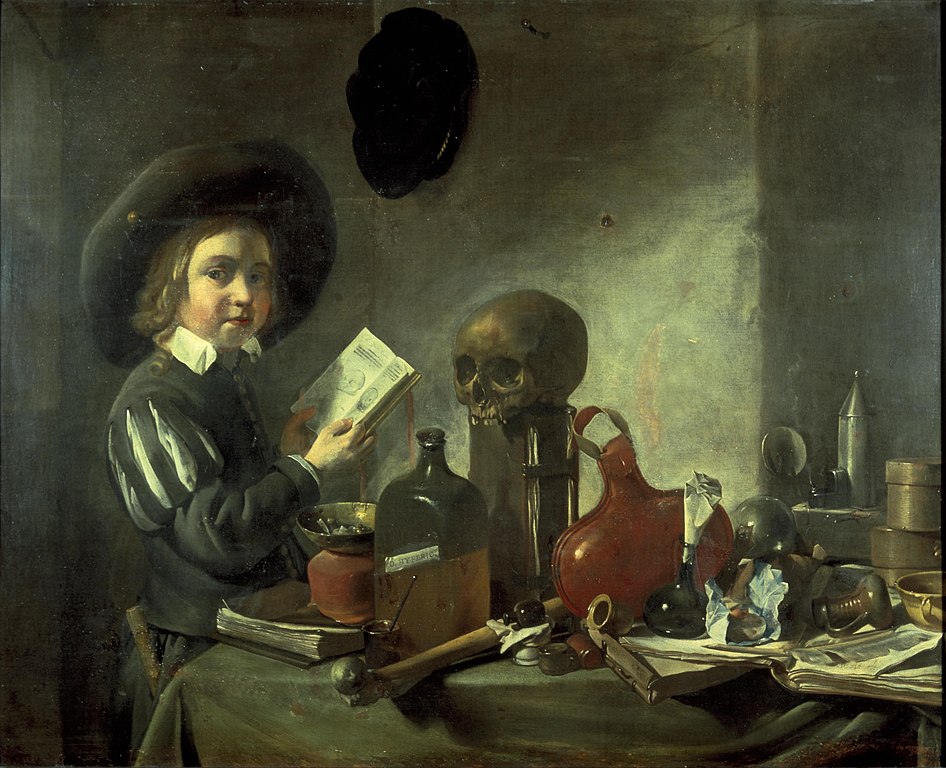 Science or magic is only an underpinning of the plot. They are foundational components of the backstory.
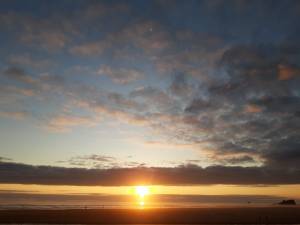
 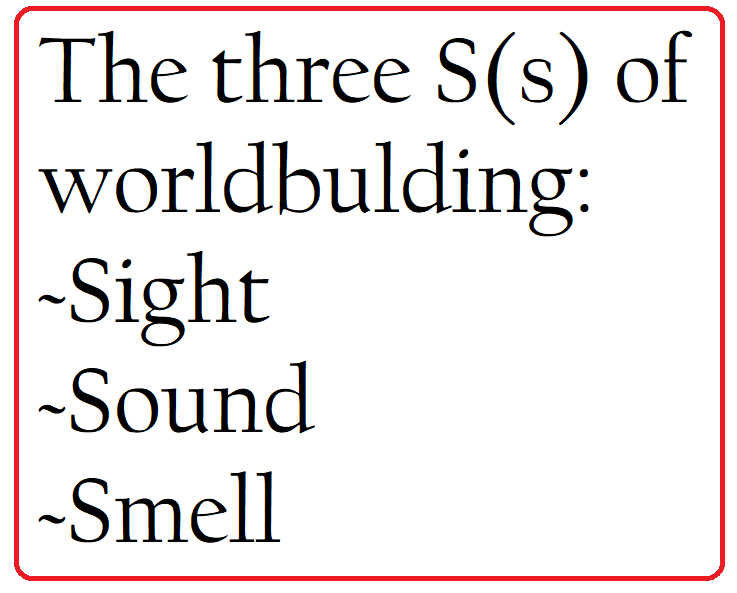 The “three S’s” of worldbuilding are critical: sights, sounds, and smells. Those sensory elements create what we know of the world. Taste rarely comes into it, except when showing an odor.
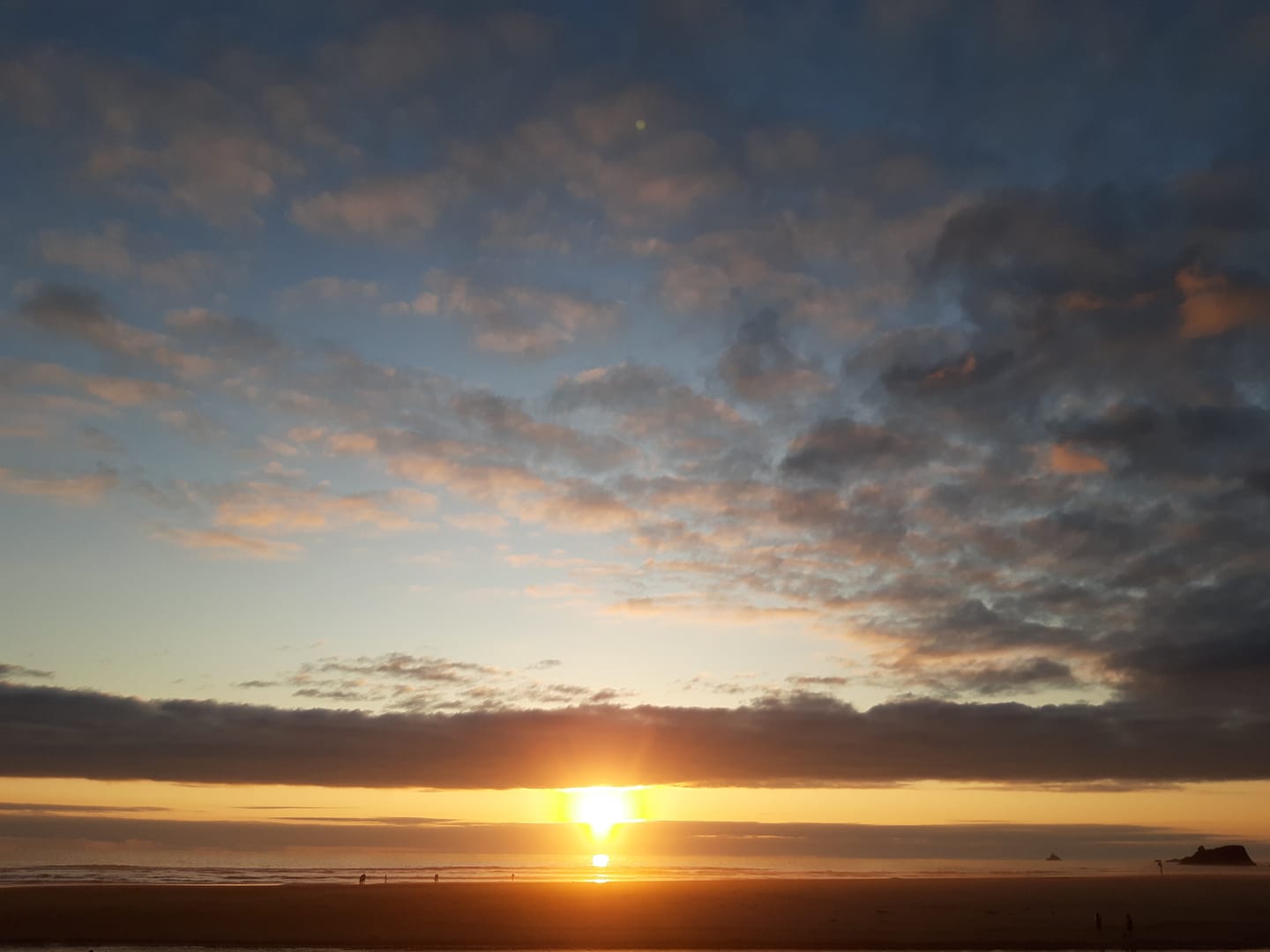 At this moment, inside your room and outside your door, you have all the elements you need to create an alien or alternate world.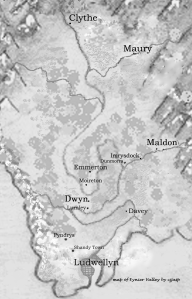






 Life in the Realm of Fantasy
.jpg&oldid=670161517)


