
Sometimes, one of the most difficult things for me when writing the first draft is getting the right narrative point of view. Usually, it unfolds naturally from the proper POV, but sometimes, it does not.
 Some stories work best with a first-person point of view, while others are too large and require an omniscient narrator.
I usually begin writing the story the way I see it in my mind’s eye, recording the events and conversations as if I were a witness.
But sometimes, I hit a wall – I can’t figure out how to show what I envision. It helps if I look at it from another perspective, a different narrative point of view. It’s surprising how the mood and direction of a story are altered when you view it through a different lens.
Every story is comprised of several narrative modes. Each is fundamental to the story.
A narrative point of view is the perspective, a “lens” (personal or impersonal) through which a story is communicated.
Narrative time is the grammatical placement of the story’s time frame in the past or the present, i.e., present tense (we go) or past tense (we went). We will talk about time in the next post.
Narrative voice is how a story is communicated. It is the author’s fingerprint. Next week, we will talk about voice and what that encompasses.
Other aspects of the story that are affected by the narrative mode:
- Action
- Description
- Dialogue
- Exposition,
- Thought and Internal dialogues
Today, I’m working on the narrative point of view in one of my ongoing projects. I am trying to decide who can tell the story most effectively, a protagonist, a sidekick, or an unseen witness.
In this story, I have more than one protagonist, so I used an omniscient point of view in the first draft. Each character’s thoughts and conversations are separated by hard chapter breaks. I make hard scene breaks when the narrative point of view changes because it’s easy to fall into head-hopping, which is a serious no-no.
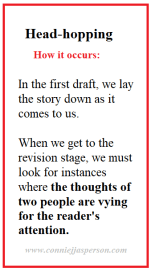 Head-hopping occurs when an author switches point-of-view characters within a single scene. It sometimes happens when using a third-person omniscient narrative because each character’s thoughts are open to the author.
The Third Person narrator has four main subsets. In writing, some people will use the words objective narrator (outside observer) and omniscient narrator (god view) to describe non-participant voices. This writer’s tool is like a good wrench: it can be used in several ways for our descriptive passages.
- The third person point of view provides the greatest flexibility. It’s the most commonly used narrative mode in literature.
- In the third person narrative mode, every character is referred to by the narrator as “he,” “she,” “it,” “they,” or other gender terms that best serve the story.
The third person omniscient narrative mode refers to a narrating voice that is not one of the participants. This narrator views and understands the thoughts and actions of all the characters involved in the story. This is an external godlike view.
I try to use a less expansive mode—third person limited. In this mode, the reader enters only one character’s mind. When I must change viewpoint characters, I start a new chapter and keep only to their POV for that entire section.
Third person limited differs from first person POV because while we see the thoughts and opinions of a single character, the author’s voice, not the character’s voice, is what you hear in the descriptive passages.
David remembered Selina’s instructions, but things had changed. He turned and dropped the gun into the nearest dumpster.
Some third-person omniscient modes are also classifiable as “third person subjective,” modes that switch between the thoughts, feelings, etc. of all the characters.
This mode is also referred to as close third person. At its narrowest and most personal, the story reads as though each viewpoint character is narrating it. Because it is always told in the third person, this is an omniscient mode.
Close third person is comparable to first-person in that it allows an in-depth revelation of the protagonists’ personalities but always uses third-person grammar. Remember what I said about head-hopping? This is the danger zone.
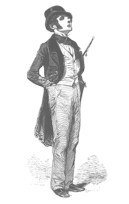
Paul Gavarni, Le Flâneur, 1842.
The final aspect of the third-person narrative mode is often the Flâneur (idler, lounger, loiterer.) This is traditionally a form of third-person point of view found in more literary pieces, but it can work when setting a scene.
Sometimes an outsider’s perspective is the right one. If you have had some advanced writing courses or studied theater, you have heard of it as third person objective or third person dramatic.
The flâneur is the nameless external observer, the interested bystander who reports what they see and overhear from the sidewalk, window, garden, or any public place where they commonly observe the protagonists. They are an unreliable narrator, as their biases color their observations. In some of the most famous novels told by the flâneur, the reader comes to care about the unnamed narrator because their prejudices and commentary about the protagonists are endearing.
On Saturday mornings, at seven o’clock, Wilson passed my gate, walking to the corner bakery. He bought a box of pastries, which he carefully held with both hands as he returned. I imagined he served them to his wife with coffee, his one thoughtful deed for the week.
This brings up the two terms, reliable narrator and unreliable narrator. The first-person narrator and the flâneur are unreliable narrators, as are all participant narrators/observers.
The first-person point of view is common and is told from one protagonist’s personal point of view. It employs “I-me-my-mine” in the protagonist’s speech, allowing the reader or audience to see the primary character’s opinions, thoughts, and feelings.
I like writing in the first-person point of view. The story is revealed through the thoughts and actions of the protagonist within their own story, as if they are telling it to me.
Although it will involve a lot of re-writing, my current story needs to be told by the protagonist. I’ve tried to write it from an omniscient POV, but it just won’t come together.
But there is one more narrative mode to look at:
The second-person point of view is commonly used in guidebooks, self-help books, do-it-yourself manuals, interactive fiction, role-playing games, gamebooks such as the Choose Your Own Adventure series, musical lyrics, and advertisements.
Second-person POV is where we guide the reader using “you” and “your” rather than other personal pronouns. It is rarely found in a novel or short story. However, it can be an effective mode when done right.
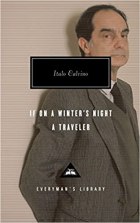 One example of a bestseller written in second person POV is If On a Winter’s Night a Traveler by the late Italo Calvino.
I have to say it is a brilliantly written book. I warn you, it is literary fiction written by an Italian author and translated from Italian to English. (It’s probably not everyone’s cup of tea. I’ve mentioned before that I am an Odd Duck when it comes to my reading material.)
Anyway, in second person POV, the reader sees the story unfold as if through their own eyes.
You think, “I could have changed that.” It doesn’t matter. Here you are, stumbling over the wreckage of your life.
When I am stuck trying to go forward in a first draft, I try changing the narrative mode. I am always amazed by how a story’s tone and direction are altered with each change of point of view.
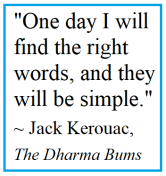 Even if you have an MFA degree, you could spend a lifetime learning the craft and never learn all there is to know about the subject. We join writing groups, buy books, and most importantly, read. We analyze what we have read and figure out what we liked or disliked about it. Then, we try to apply what we learned to our work.
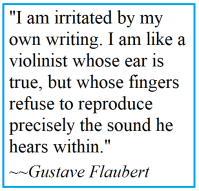 You have just spent the last year or more combing through your novel. This is another example of silly advice that doesn’t consider how complex and involved the process of getting a book written and published is. I love writing, but when you have been working on a story through five drafts, it can be hard to get excited about making one more trip through it, looking for typos.
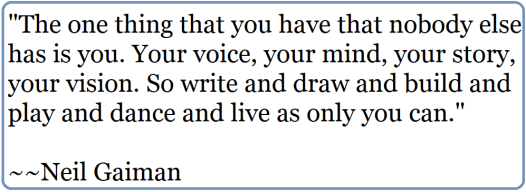 When we first embark on learning this craft, we latch onto handy, easy-to-remember mantras because we want to educate ourselves. Unless we’re fortunate enough to have a formal education in the art of writing, we who are just beginning must rely on the internet and handy self-help guides.
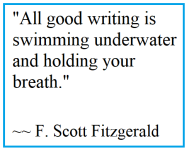 We can easily bludgeon our work to death in our effort to fit our square work into round holes. In the process of trying to obey all the rules, every bit of creativity is shaved off the corners. A great story with immense possibilities becomes boring and difficult to read. As an avid reader and reviewer, I see this all too often.
 However, I can always write a blog post—which is how I keep my writing muscles in “fighting form.”
 I’m always learning. While I love to talk about writing craft, I am a far better editor than a writer. Free-lance editing is like being a hired gardener—with a bit of work, a trim here, pulling a few weeds there, you enable an author’s creative vision to become real.
 In real life, nothing is certain. Adversity in life forges strength and understanding of other people’s challenges. Having the opportunity to make daily notes in a journal, to write poetry, blog posts, short stories, or novels is a luxury—one I am grateful for.
 However, (cue the danger theme music), once I have set it aside for a while, I will have to begin the revision process. That is when writing becomes work. This is the moment I discover the child of my heart isn’t perfect – my action scenes are a little … confusing.
 What motivated the action?
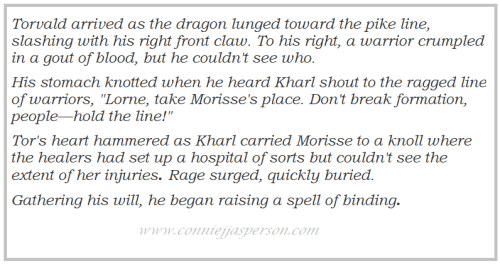
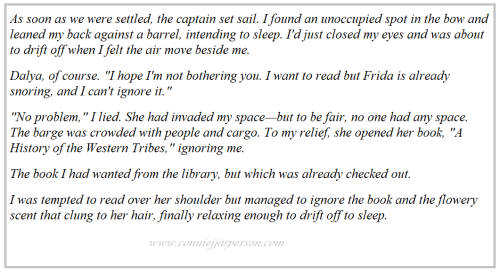
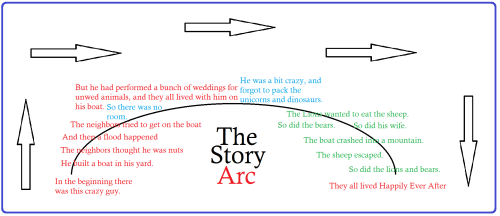
 We add the details when we begin the revision process. One of the elements we look for in our narrative is pacing, or how the story flows from the opening scene to the final pages.
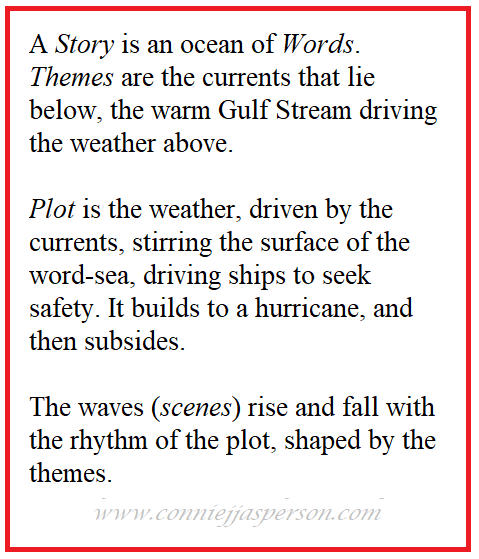 This string of scenes is like the ocean. It has a kind of rhythm, a wave action we call pacing. Pacing is created by the way an author links actions and events, stitching them together with quieter scenes: transitions.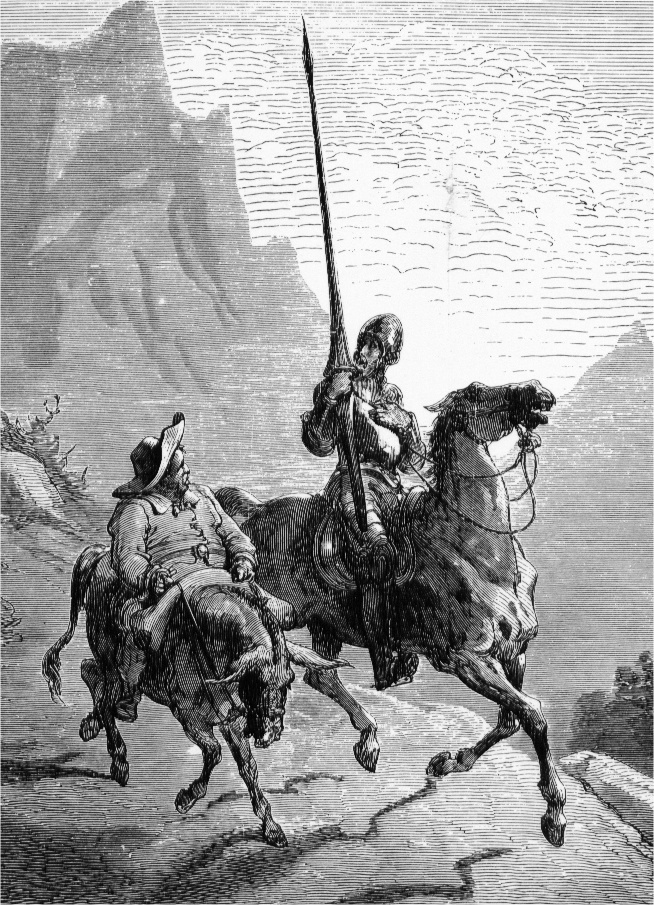
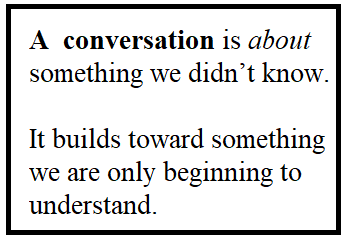 Internal monologues should humanize our characters and show them as clueless about their flaws and strengths. It should even show they are ignorant of their deepest fears and don’t know how to achieve their goals. With that said, we must avoid “head-hopping.” The best way to avoid confusion is to give a new chapter to each point-of-view character. Head-hopping occurs when an author describes the thoughts of two point-of-view characters within a single scene.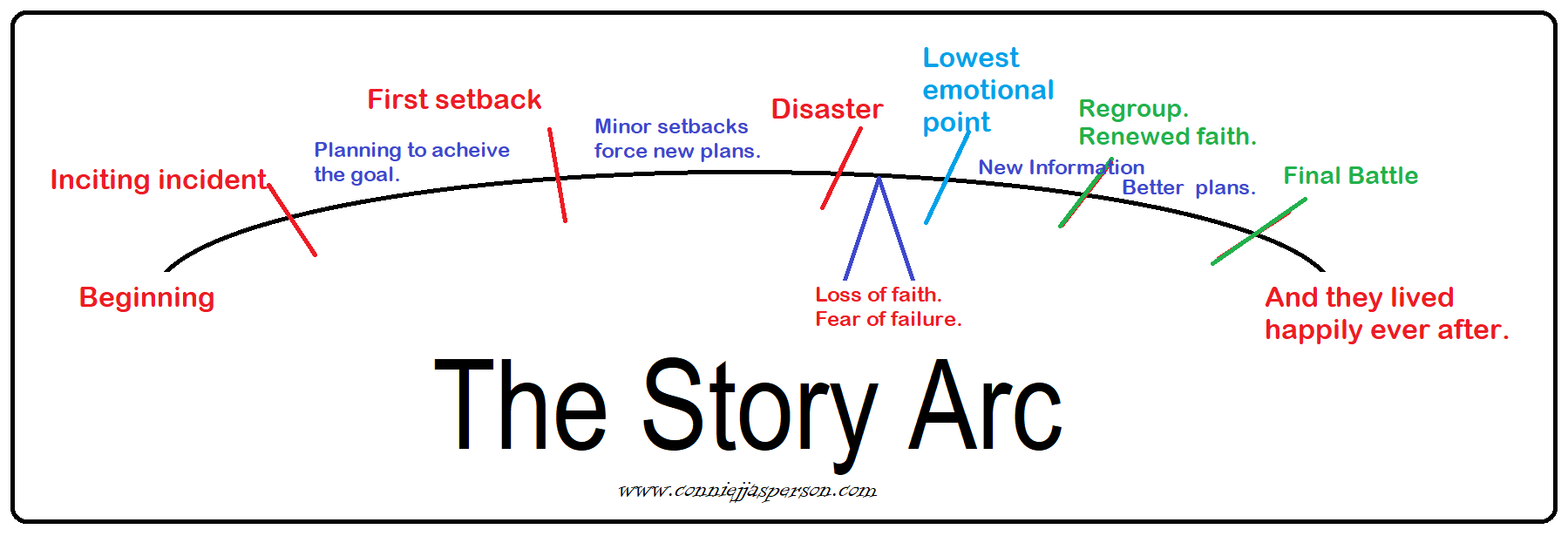
 They often detail an experience or event and how it shaped the author on a personal level. For those of us who wish to earn actual money from writing, the narrative essay appeals to a broader audience than short stories, so more magazine editors are looking for them.
 But just what is an essay in the first place? The primary purpose of an essay is to offer readers thought-provoking content. The narrative essay conveys our ideas in a palatable form, so writing this sort of piece requires authors to have some idea of the craft of writing.
 HOWEVER – if you want to be published by a reputable magazine, you must pay strict attention to grammar and editing.
 Don’t be discouraged by rejection. Rejection happens far more frequently than acceptance, so don’t let fear of rejection keep you from writing pieces you’re emotionally invested in.
 First of all, camp is relaxed, not an ordeal. You are only tied to the loose goals you set for yourself. You can choose any kind of project, whatever word count goal you feel comfortable with, and there is no pressure.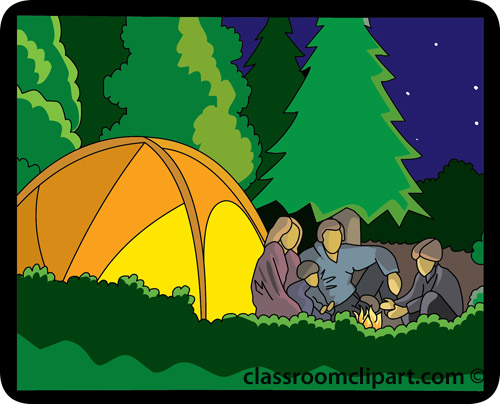
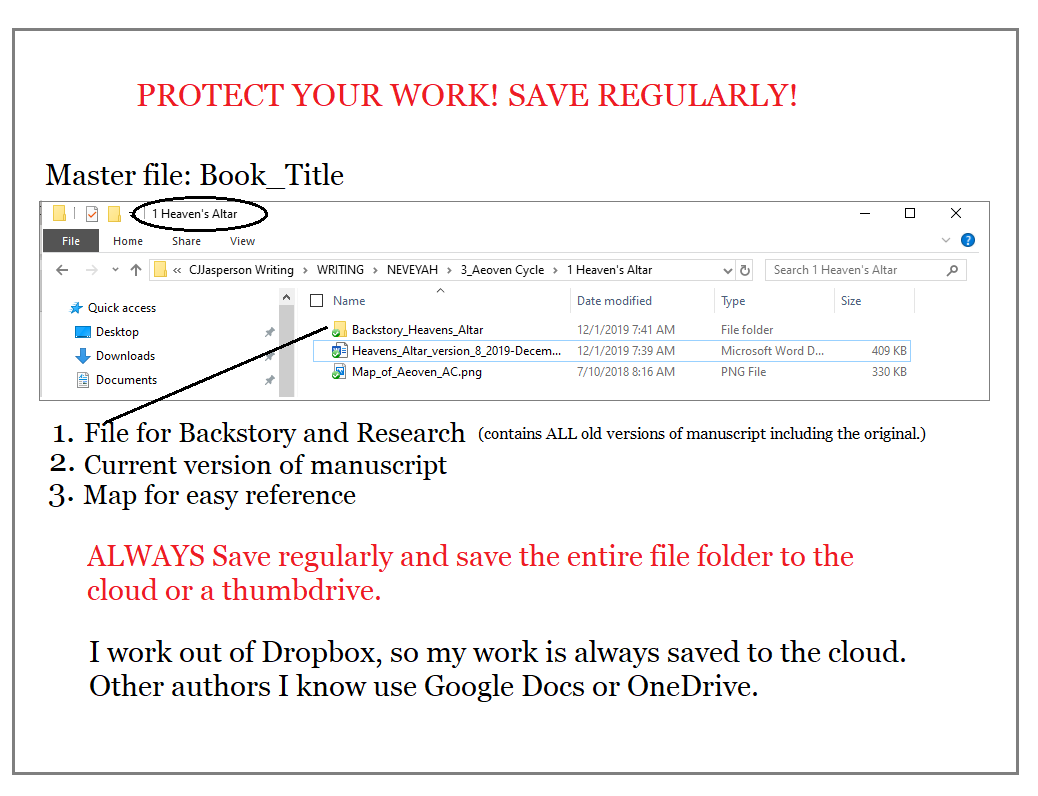 Even if you don’t have a title, name your manuscript with a good, descriptive working title, such as The_Vampire_Story. You can call it something else later.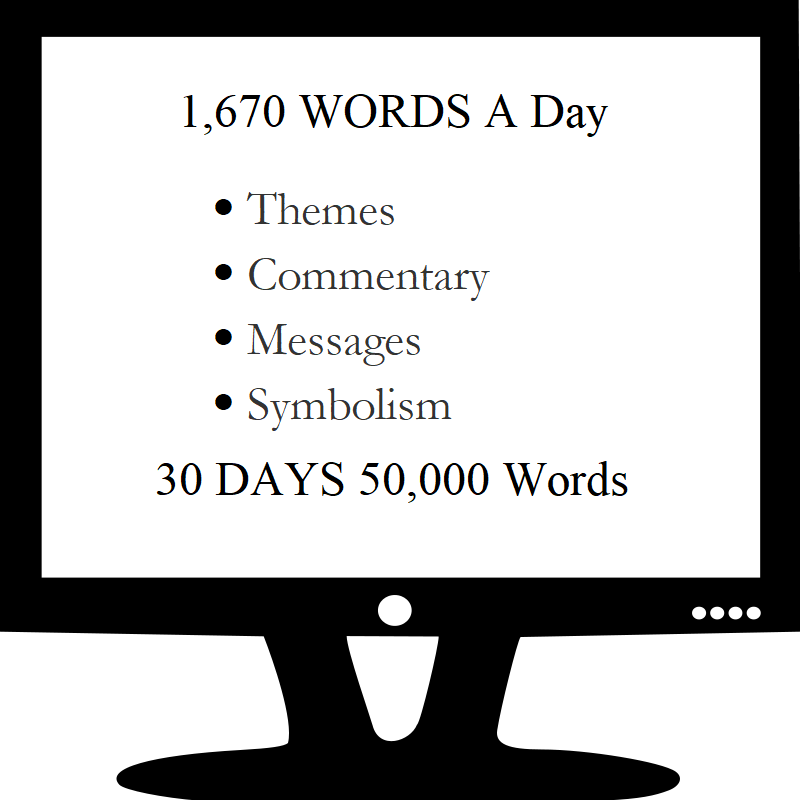
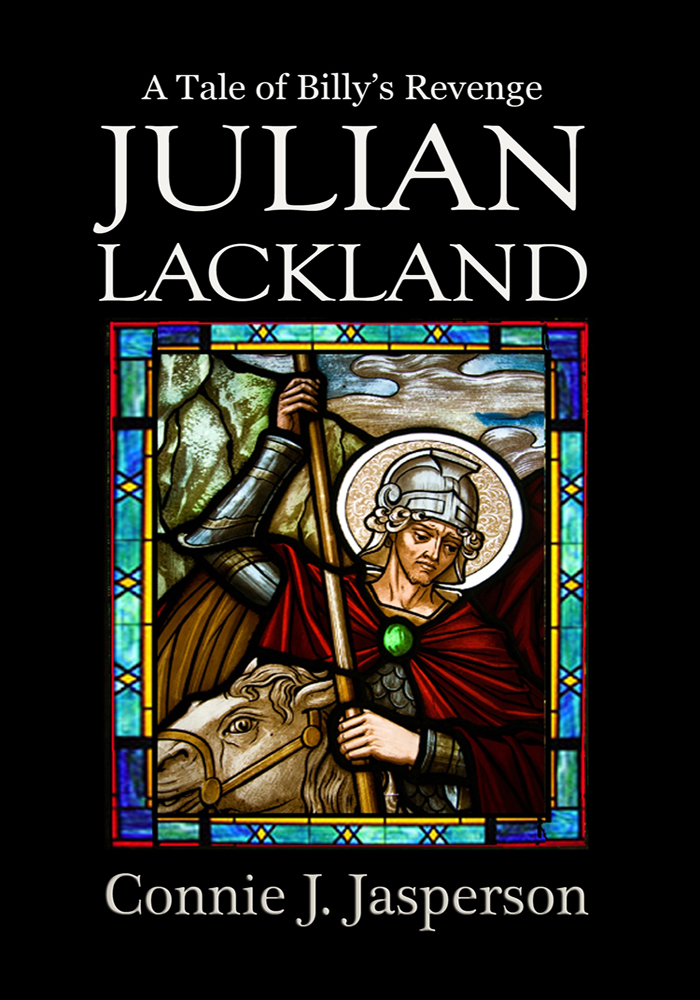 But that first book was a nightmare to edit and straighten out. It became three books, Huw the Bard, Billy Ninefingers, and Julian Lackland.
 Unfortunately, maps have fallen out of favor thanks to satellite technology and the GPS in our cell phones. Many people don’t know how to read a map.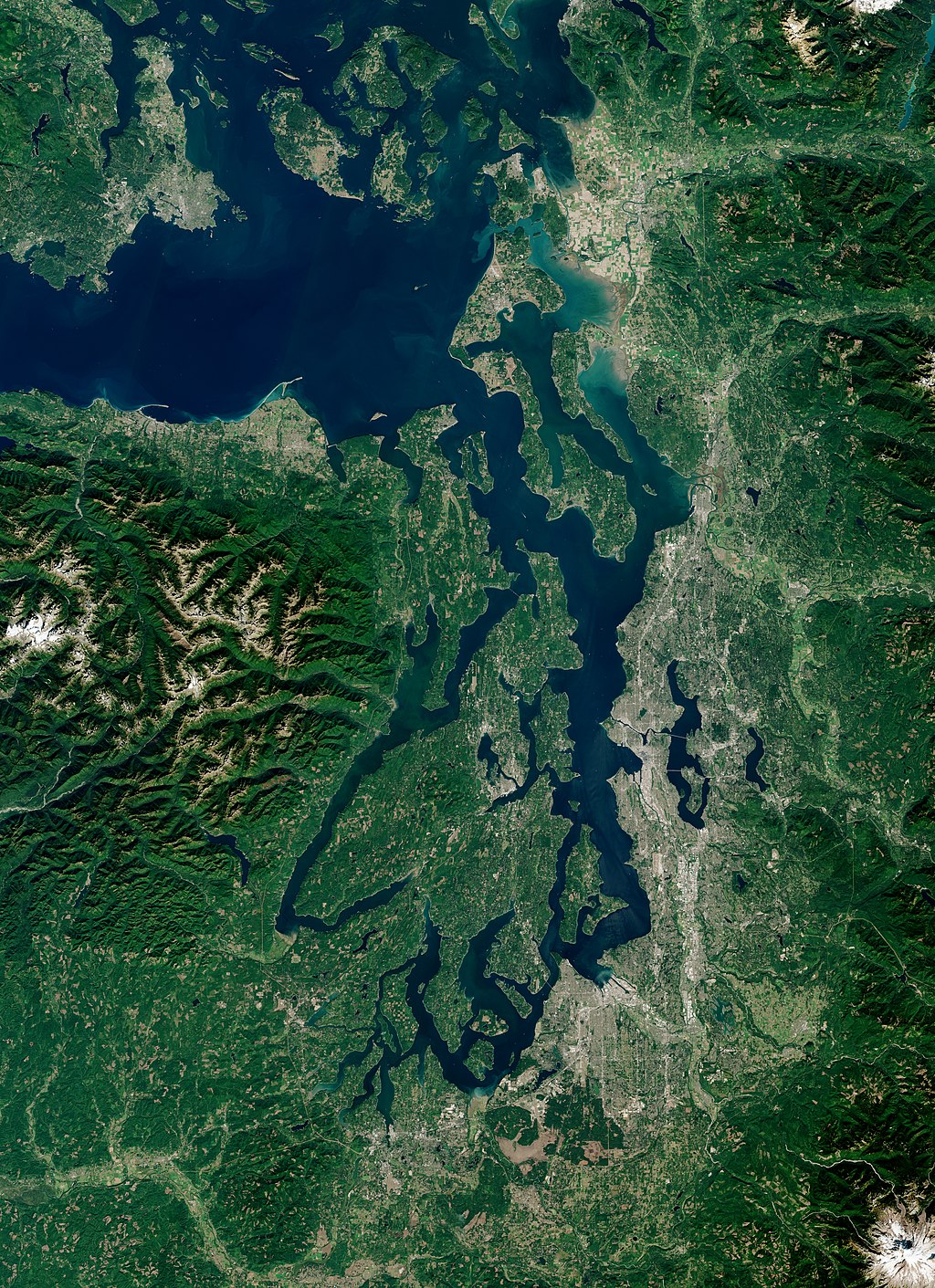
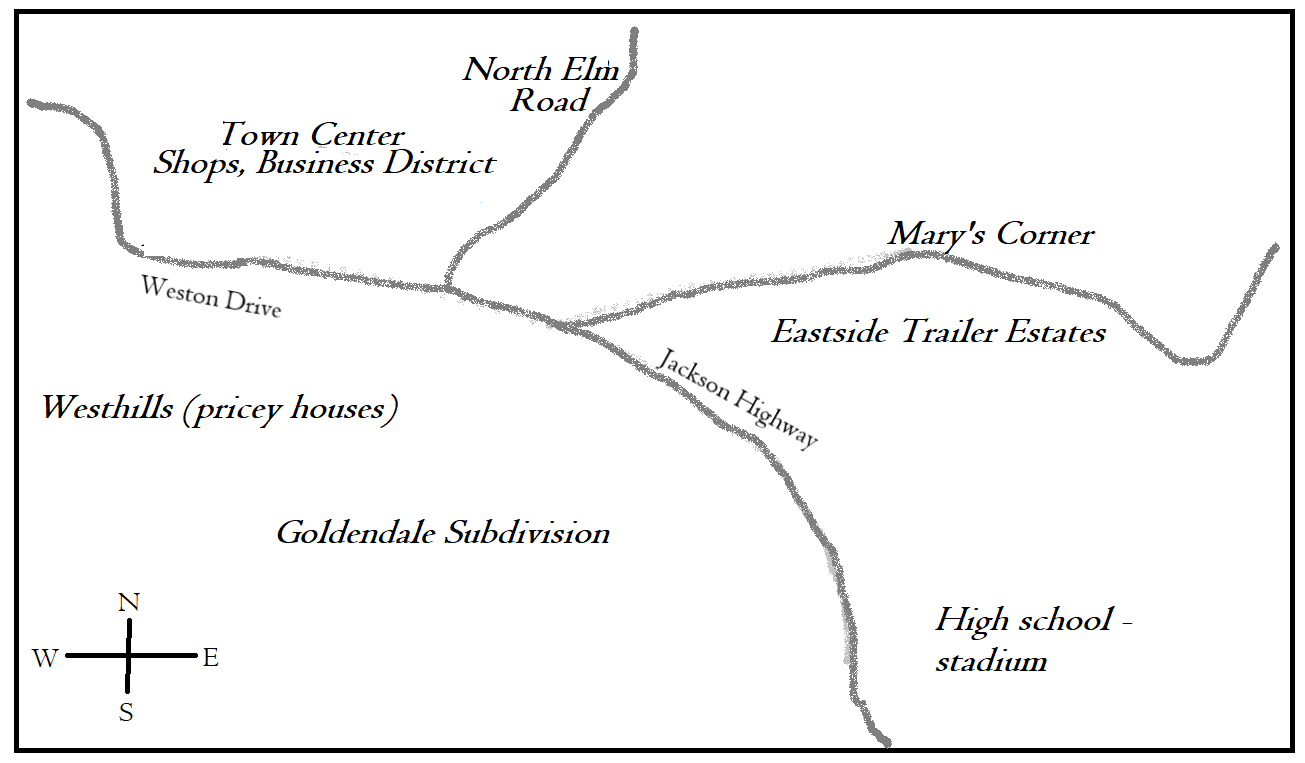 If you are designing a fantasy world, you only need a pencil-drawn map. Place north at the top, east to the right, south to the bottom, and west to the left. Those are called
 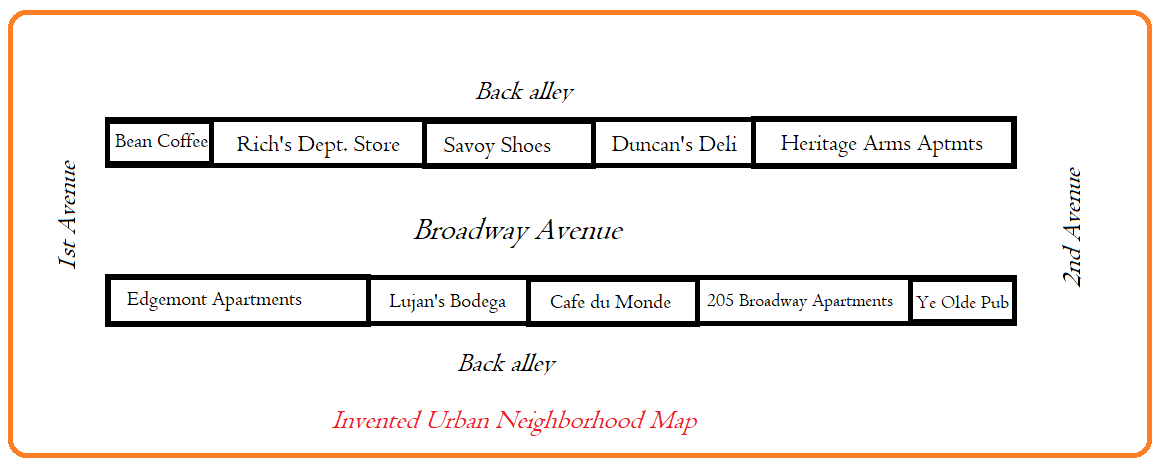 Use a pencil, so you can easily note whatever changes during revisions. Your map doesn’t have to be fancy. Lay it out like a standard map with north at the top, east on the right, south at the bottom, and west on the left.
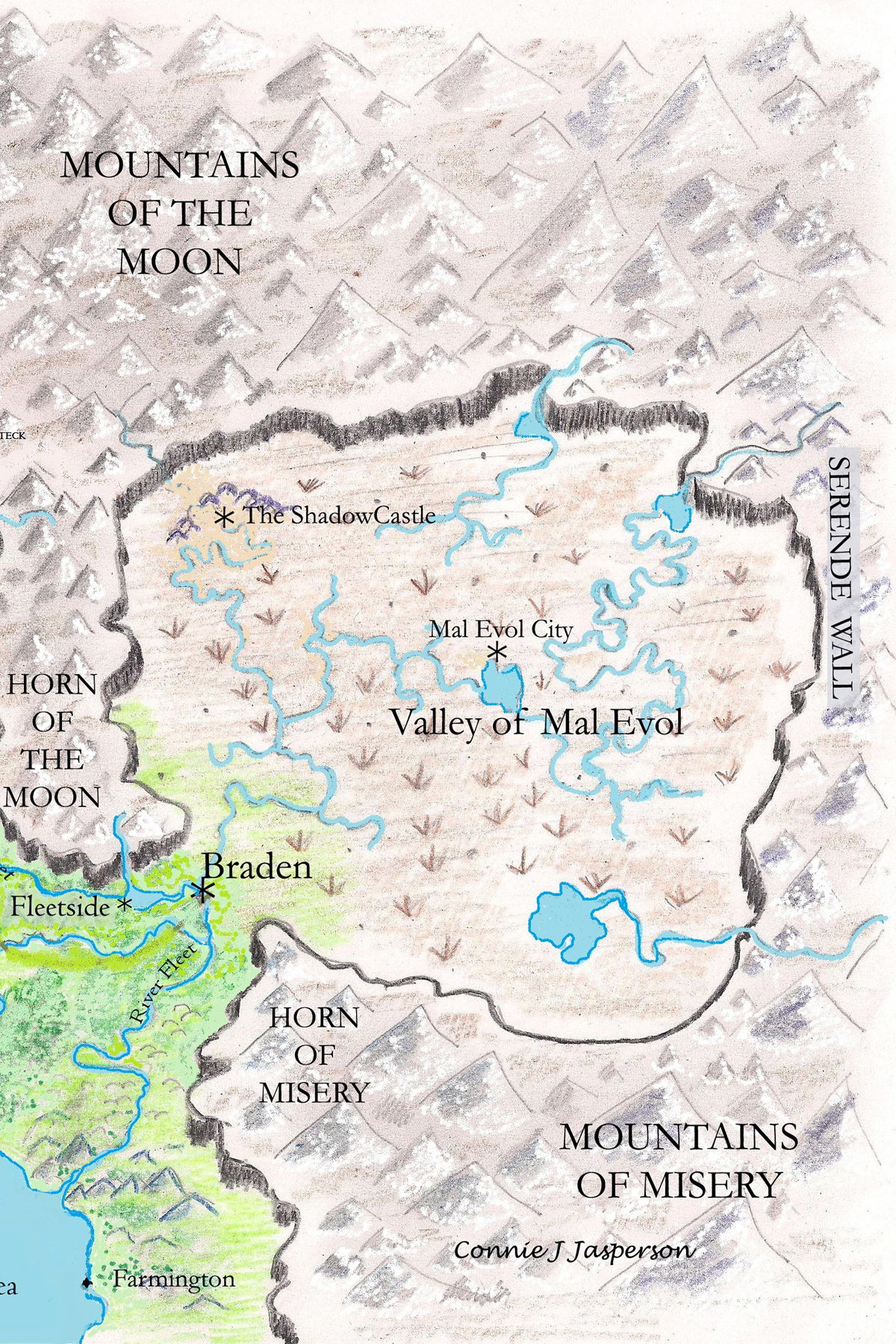 Many towns are situated on rivers. Water rarely flows uphill. While it may do so if pushed by the force of wave action or siphoning, water is a slave to gravity and chooses to flow downhill. When making your map, locate rivers between mountains and hills.
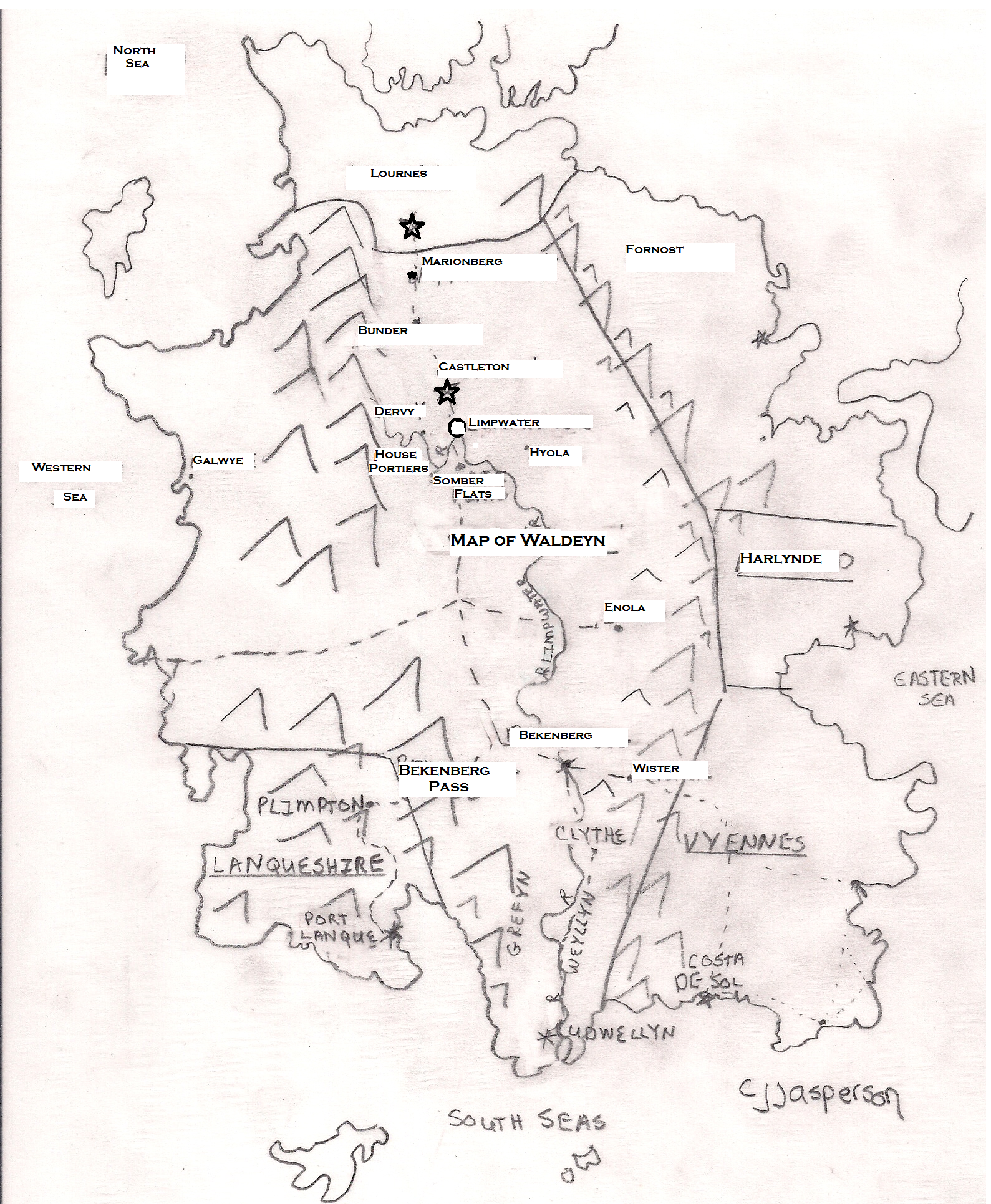 Maybe you aren’t artistic but will want a nice map later. In that case, a little scribbled map will enable a map artist to provide you with a beautiful and accurate product. An artist can give you a map containing the information readers need to enjoy your book.
 In my part of the world, the native forest trees I see in the world around me are mostly Douglas firs, western red cedars, hemlocks, big-leaf maples, alders, cottonwood, and ash. Because I am familiar with them, these are the trees I visualize when I set a story in a forest.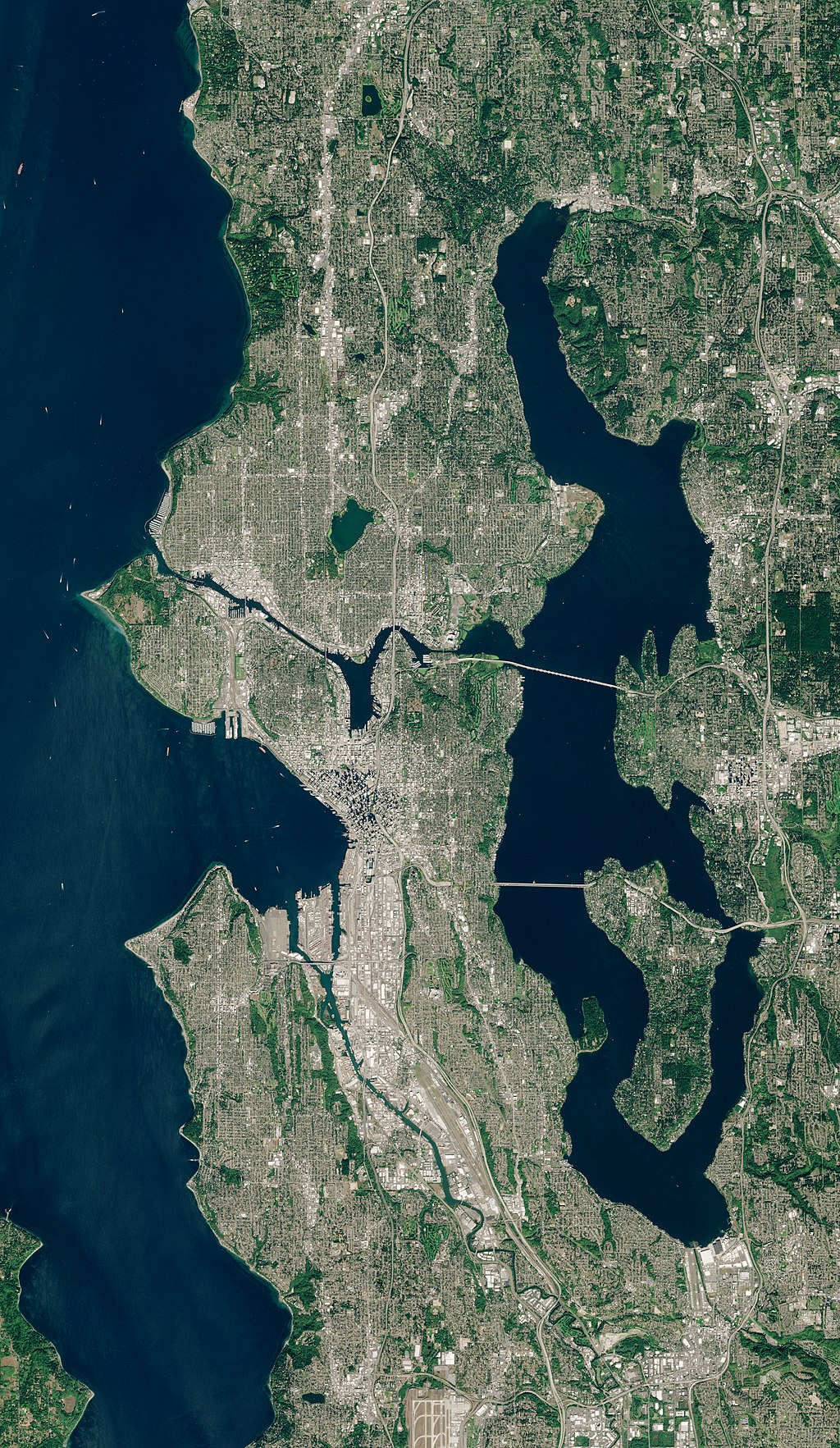
 Every fantasy world has a setting, and that environment has a climate. Certain climates limit the variety of foods available.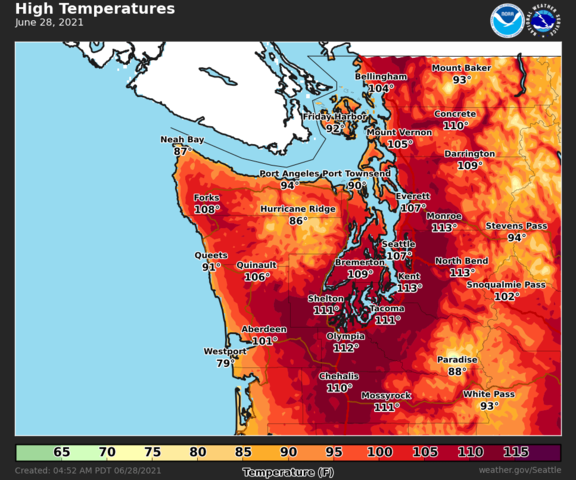
 We know from bitter experience that weather affects the food we produce and influences what is available in grocery stores. Abnormal heat waves across temperate states, category 4 hurricanes along the Atlantic seaboard and the Gulf of Mexico, and category 4 tornadoes down the center of the US and Canada, and even deep freezes in Texas and the deep south have been our lot in the last five years.
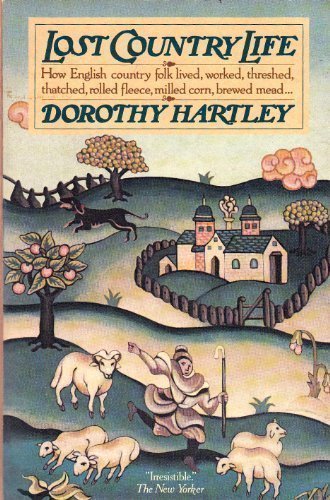 Once you have decided your historical era, terrain, and overall climate, research similar areas of the real world to see how weather affects their approach to agriculture and animal husbandry. Look into the past to discover ancient agricultural methods to see how low-tech cultures fed their large populations:
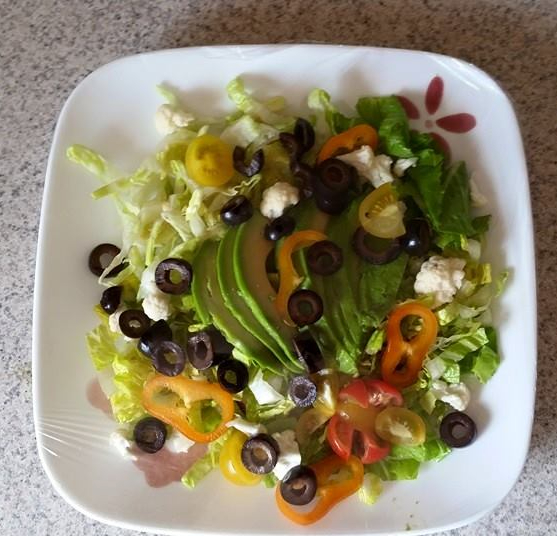 Also, if your story is set in a particular era, how plentiful was food at that time? Famines occurring all across Europe and Asia over the last two-thousand years are well documented. Egyptian, Incan, and Mayan history is also fairly well documented so do the research.
 We have witnessed monumental changes since the turn of the millennium. We know California teeters on the edge of disaster, that a water shortage threatens the lives of millions, as well as one of the largest agriculture industries in the US.
 Escape from Spiderhead is a science fiction story set in a prison. It is built around several themes. The central theme is crime and punishment, and Saunders grabs hold of this theme and runs with it.
 Saunders takes a deep dive into the theme of redemption in this tale. He didn’t take the expected path with his plot arc and didn’t opt for revenge by giving Abnesti the drug, which was the obvious choice.
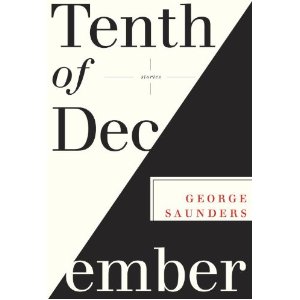 I will say now – the story and the movie are two different things. The film bears some resemblance to the story it is based on but – it is not that story. All writers should be aware that you no longer control the direction of your story when you sell the movie rights.


 Life in the Realm of Fantasy
.jpg&oldid=670161517)