
As NaNoWriMo winds down, I am preparing to face a manuscript full of wandering, garbled sentences. These are the products of my fingers not being able to keep up with my brain. I might know what that sentence means, but my editor won’t. My job in December is to be alert and watch for ambiguous phrasings.
 About garden-path sentences, via Wikipedia, the fount of all knowledge:
(The term) garden path refers to the saying “to be led down the garden path,” meaning to be deceived, tricked, or seduced.
After reading, the sentence seems ungrammatical and makes almost no sense, requiring rereading to fully understand its meaning after careful parsing.” [1]
In this case, confusion arises because we attempt to understand sentences as we are reading them. The “garden-path sentence” begins by taking you toward a particular destination. Midway through, it takes a turn for the bizarre.
There are two types of garden-path sentences. The first is a “local ambiguity,” meaning it can be cleared up easily with the addition of a word or punctuation, such as:
“The raft floated down the river sank.” Add one word to make it clear: “The raft that floated down the river sank.”
“We told the man the dog bit a medic could help him.” Add two words for clarity: “We told the man whom the dog bit that a medic could help him.”
Wikipedia offers this example: “The old train the young fight.” Adding a comma reads: “The old train, the young fight.” The addition of the comma makes sense of the words. One could also argue that the sentence means “The old train the young to fight.”
The other type of garden-path sentence is “globally ambiguous” because the meaning stays unclear no matter how many times you reread it when it is taken out of context.
A sentence should be understandable even when removed from its context. Wikipedia offers the sentence: “The cat was found by the shed by the gardener.”
 When I have asked a beta reader to read a section of my work, they sometimes flag a paragraph as unclear. It might make perfect sense to me, but if I am the only one who understands it, it’s time to tear that paragraph down to see if each sentence can stand on its own.
Sara’s missing cat was found by the shed by the gardener. Mittens was frightened and hungry but safe.
Let’s break that paragraph down sentence by sentence:
- Sara’s missing cat was found by the shed by the gardener.
- Mittens was frightened and hungry but safe.
The first sentence is passive and ambiguous, open to interpretation. Was the cat by the shed? Or was the shed by the gardener? Or were the cat and the gardener both next to the shed?
Once I’ve taken it out of context, it’s easy to see why the reader didn’t understand it.
Usually, a simple rewording to make my phrasing more active is all that is required.
The gardener found Sara’s cat near the shed. Mittens was frightened and hungry but safe.
Often, a new author has been criticized for using the relative pronoun ‘that’ too freely. Thin-skinned and bleeding profusely, they will go to any length to avoid using the word that, which can lead to awkwardly phrased sentences.
Relative pronouns have a fundamental place in English. While it’s easy to turn them into crutch words, they are essential words that make nouns specific.
- That dog bites, so watch out.
- Harry Potter was the boy who lived.
The way to resolve the garden-path sentence is to:
- Insert a relative pronoun (such as “that” or “who”) for clarity.
- Insert proper punctuation for clarity.
- Reword the sentence to make the prose active.
Readers want to read without bumps and hiccups. Anytime they have to stop and reread something, you risk losing them. Sentences that are ambiguous stop the eye, which throws the reader out of the story.
 I don’t want to introduce vagueness into my work. Just because I like what I wrote doesn’t mean it has to stay in the finished product. Maybe I don’t see that it’s confusing, but my friends who read my raw manuscripts will.
Every time I participate in NaNoWriMo and then take that manuscript through revisions, my first draft skills become a little stronger. I write stronger sentences in my first drafts and have to make fewer changes, which feels like a victory.
Credits and Attributions:
[1] Wikipedia contributors, “Garden-path sentence,” Wikipedia, The Free Encyclopedia, https://en.wikipedia.org/w/index.php?title=Garden-path_sentence&oldid=1053287156 (accessed November 28
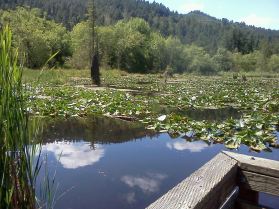 Strolling along, watching the birds and animals that make their homes there grounds me. When we leave, I feel spiritually rested, more rooted in the earth, stronger and at peace with myself. It is a serene place, a place of stillness and calm.
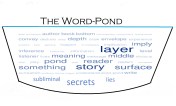 The components that form the visual layer appear to be the story. However, once a reader wades in, they discover unsuspected depths.
 The real story is how our characters interact and react to stresses within the overall framework of the environment and plot. Depth is found in the lessons the characters learn as they live through the events. Depth manifests in the changes of viewpoint and evolving differences in how they see themselves and the world.
 Who is the enemy, the true architect of that conflict? At this point, we may have a name, but who are they really?
 “God! You honestly believe I’m stupid.” Despite his anger, Beau kept his voice low. “There’s no reasoning with you. You’re convinced I’m besotted and Julian is barking mad. Get out of my way! I feel like hurting you.” He pushed past Huw, saying, “Go home, since you have so little faith in me.” He opened the door, intending to leave.
 In other stories, there is the nebulous antagonist. This could be the faceless behemoth of corporate greed, characterized by one or two representatives who may be portrayed as caricatures. In some
  A true villain is motivated, logical in their reasoning, and is utterly convinced of their moral high ground. They are creatures of emotion and have a backstory. As the author and their lawyer, you must know what their narrative is if you want to increase the risk for the protagonist.
 Andy Weir is genuinely a nice person and is the best example of an inadvertent teacher that I’ve ever seen. This interview is a brilliant seminar on how to research and plot a book. He writes hard sci-fi with a heart, but the principles of creation are the same for any genre.
 TED Talks
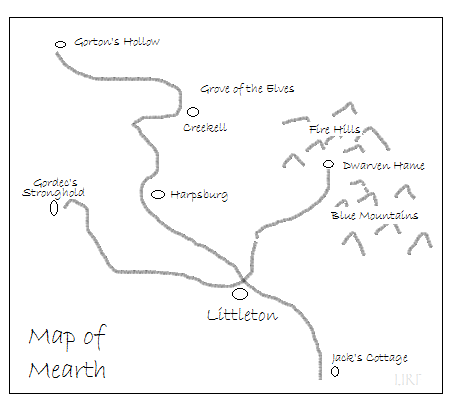 MAPS: If you are writing a story set in our real world, your characters will be traveling in places that exist in reality. You want to write the landmarks of a particular city as they should be, so bookmark
  Foreshadowing is integral to a well-plotted story.
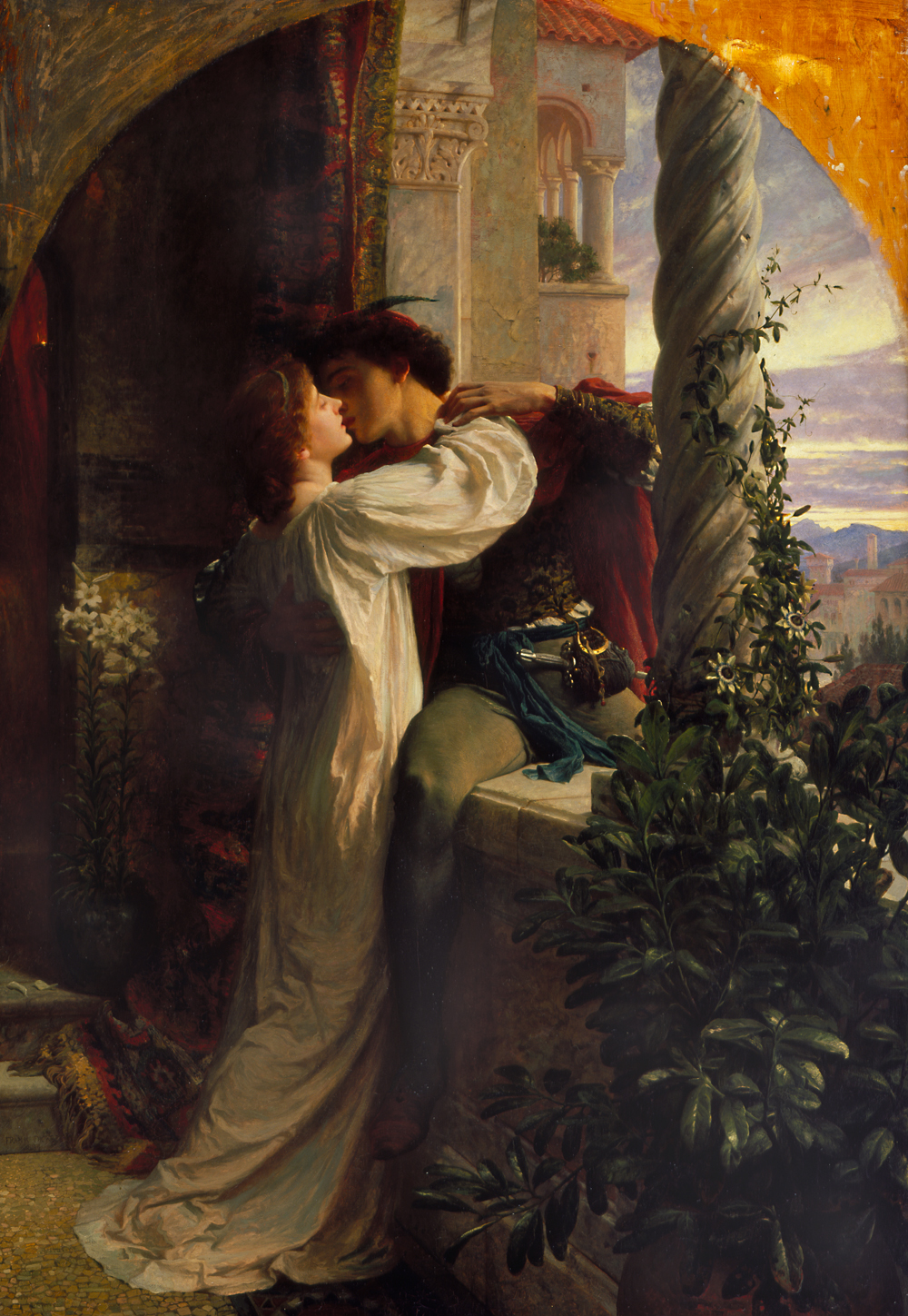 I often refer to the way that Shakespeare used both exposition and foreshadowing. In his works, more significant events are foreshadowed through the smaller events that precede them.
 In that moment, we see that Romeo is deeply aware that he has reached a point of no return.
 Once the first draft is a complete novel, I will step away from it for a few weeks and work on other projects. Then when I come back to it, I use the global search (find option) to look for each instance of ‘ly’ words and rewrite those sentences to make them active.
 Synonyms for ominous that we could use: baleful, dire, direful, foreboding, ill, ill-boding, inauspicious, menacing, portentous, sinister, threatening.
 If you are writing any kind of genre work, the best way to use your descriptors is to find the word that conveys the atmosphere you want with the most force. That word will help you visualize the scene and enable your ability to spew the story.
 Where was I? Oh, yes. Today (Wednesday) is the third day of NaNoWriMo2021. I am managing to get all the clerical work for my region done and keep a path cleared through my home. Monitoring the Discord channel for my region has been a bit distracting. However, I still have the time to get a respectable amount of work done on my new book.
 This method involves hopping around in the story arc, but it works for me. I have a master file already with the storyboard in it. Today, I began writing each scene as a short story, labeling the file with a title like FoR_pub_scene_at_Linniston (Fires of Redemption, pub scene at Linniston). The title tells me where this scene will fit in the story arc. Everything will go into the master file in my writing folder and be saved to Dropbox. I’m starting with this one, as it introduces everyone.
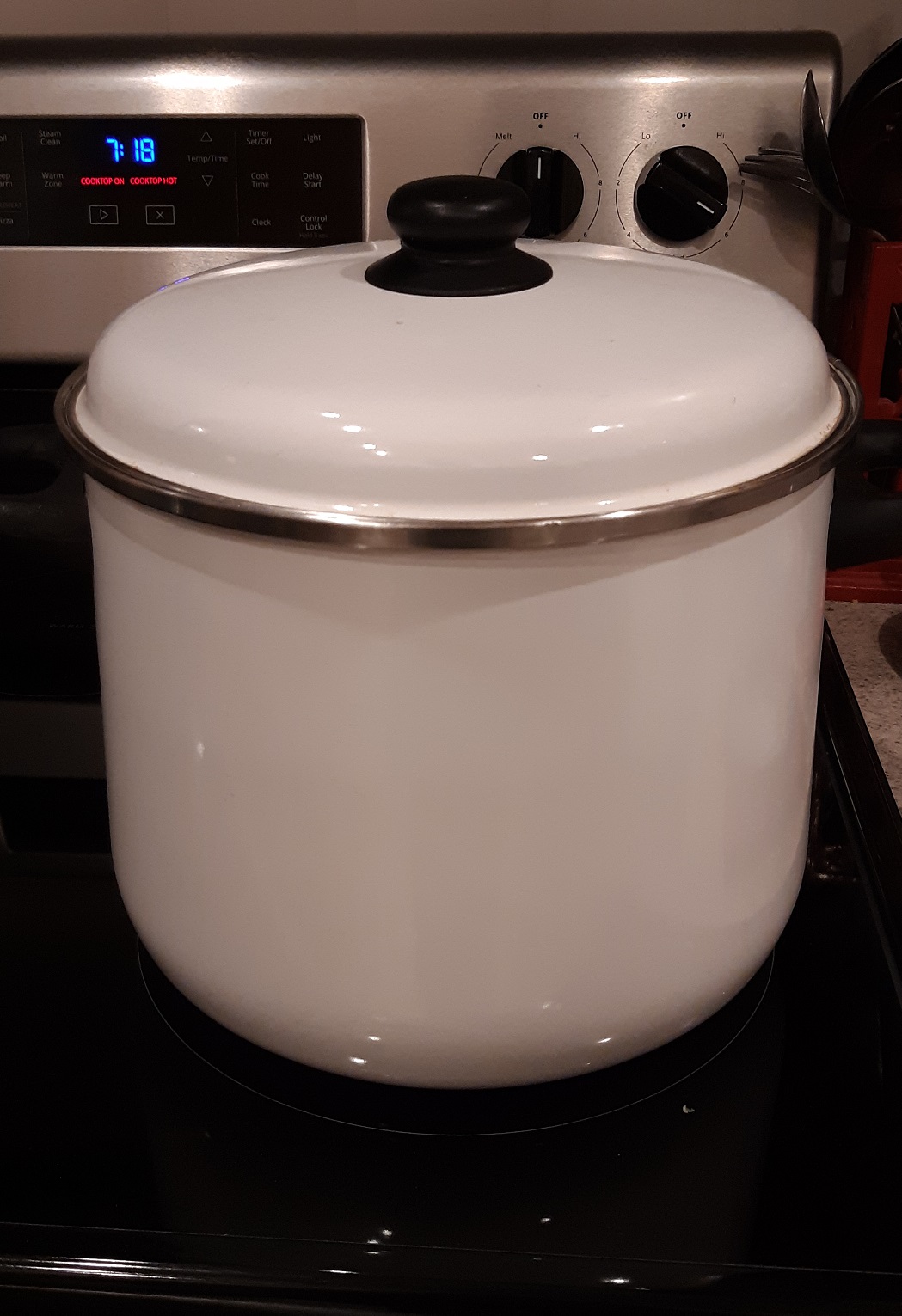 This will be one of the more challenging years for me, as life is throwing roadblocks in my path. A water pipe has broken beneath our master bedroom closet, and two weeks on, we are still waiting for a plumber. In the meantime, we have no hot water, but we do have cold still flowing, so we aren’t hurting too badly. I make hot water with the spaghetti boiler on my stove and feel glad we aren’t hauling it here from the creek.
 That was a week ago. We’ve been waiting for the plumber for two weeks, but a light is on the horizon. Hope looms, and an appointment for tomorrow has finally been confirmed.
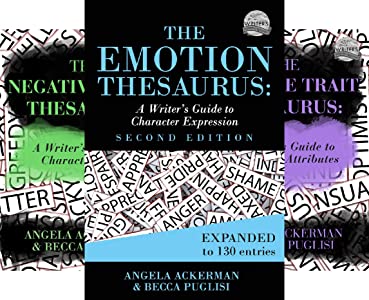 Some new authors seek out books about writing craft and attend seminars. They will join writing groups and develop the skills needed to take a story and make it a novel with a proper beginning, a great middle, and an incredible end.
 This is time-consuming, and you will feel as if you need a personal assistant to handle these things. I know several authors who rely on the services of
  So, what do we need to have in place during the next seven days before the big event?
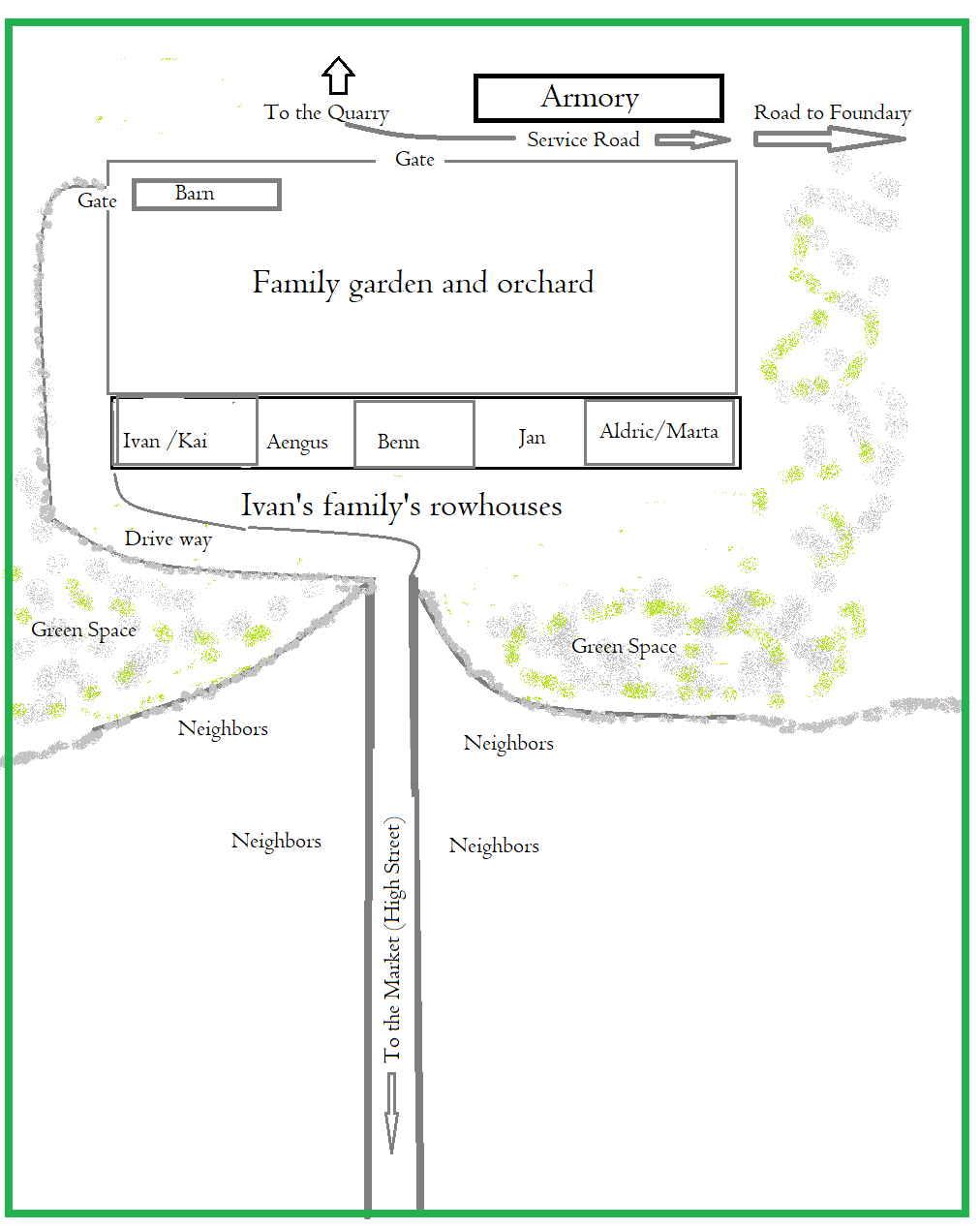 Environment: Ivan and Kai live in Weiland, Tribe Weila’s riverport and mining center. Ivan’s extended family has five rowhouses at the upper end of High Street. It’s a steep but easy walk to the market for his grandfather, who lives next door and watches the children while Ivan and Kai work. I drew a little map for my notes, so I know the layout of where everything is in regard to their home and businesses. It could change, but I have something to start with.
 A common theme in fantasy is the juxtaposition of chaos and stability (or order). This subtheme will feature strongly in my novel. Good vs. evil is a


 Life in the Realm of Fantasy