Tag Archives: writing

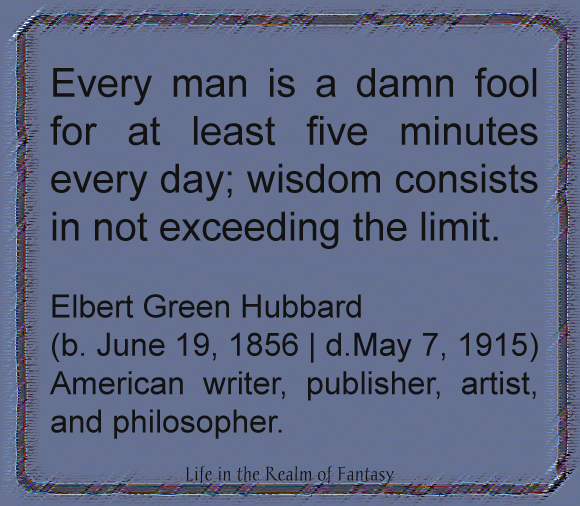
Is it damn fool, damnfool, or damned fool?

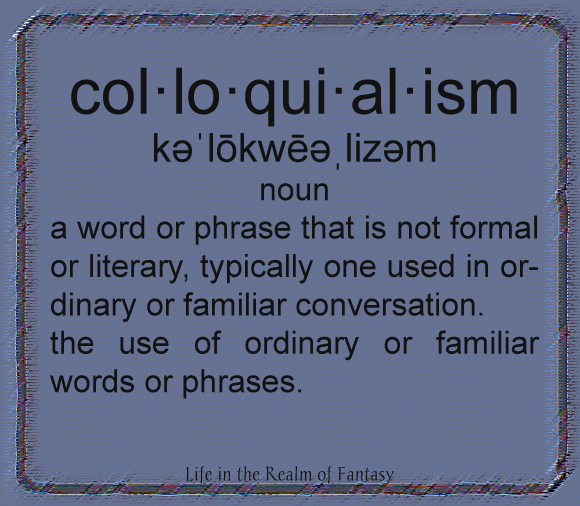
colloquialism memeOne of the more interesting things about being an editor is the amazing amount of time you spend stopping what you are doing and doing a little research. This is especially true if you are editing a piece that has a lot of colloquialisms in it.

Fortunately, some colloquialisms have made it into the Webster’s Dictionary, and the rest are out there on the internet somewhere.

Let’s consider the question of if we mean damn fool, damnfool, or damned fool:

According to the Urban Dictionary

  • A person who is extremely foolish. Their actions are not only irresponsible to themselves, but can possibly be harmful towards others.
  • If a guy tries and talk you out of using a condom, he is a damn fool. (You can’t make this stuff up–you have to go to the internet for it.)
  • Did you see that damned fool? He was swerving all over the road. (end quoted text)
And just for fun, lets see what Wiktionary has to say:
  • damn fool (adjective)
  • damnfool 
  1. (informal) Contemptibly foolish. (end quoted text)
He was a damned fool.
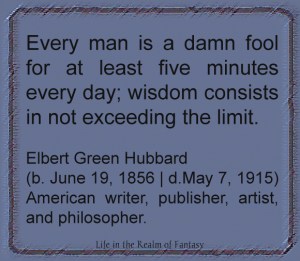
Ellbert Hubbard memeHow I see it:

  1. He was a damned fool. (I just cursed him to hell.)
  2. He was a damn fool. (He was contemptibly foolish)
  3. He did a damnfool thing. (He was contemptibly foolish and I will curse him to hell.)
Now this can be tricky if you are unsure which of these damnfool things the author meant, so this is where I insert a comment asking the author what kind of a damned fool she is writing about.
.
What other fun little “OMG I have to stop and look this up” things do I play with when I should be working?
  • I love looking up Pagan rituals, or indigenous peoples’ religious rituals.
  • I love anything to do with history, and exact dates.
  • Ooh! Ooh! Let me look it up on a map!
Yep–looking things up is part and parcel of the fun. I’m just not as keen on looking up where to properly place commas–the rules make my head hurt.
 .
So let’s talk commas and where to stick ’em, or better yet, where NOT to stick ’em. I found a wonderful website that has a handy-dandy list of comma don’ts phrased in simple language that did not make my eyes go numb: The Proper Care & Feeding of Commas
 .
chicago manual of styleImproperly installed commas can wreak havoc in a paragraph. This is because they are punctuation: “…the act or practice of inserting standardized marks or signs in written matter to clarify the meaning (of a sentence.)” (quoted from Google)
.
Commas are there to separate clauses and to make sentences understandable. Consistently used according to the accepted rules, commas make it so that every English-speaking reader understands what you have written. We don’t put them in to indicate to the reader where we pause or take a breatheveryone pauses and breathes differently and what makes sense to you will not make sense to someone else.
.
These are the same rules for everyone, which make our work understandable in Brisbane, Houston, London, Hong Kong or Seattle. But the rules in the Chicago Manual of Style (my go-to manual) are often ambiguously phrased and are hard to remember. SO, when checking on simple points, I love this website for a quick list of comma dos: Your Dictionary: Comma Rules
 .
Dialect and local sayings play a huge part in contemporary work–sometimes I get a piece that was written by a UK author.  Perhaps it is an Urban Fantasy and it will have all sorts of words I have never heard of: again, I go to Your Dictionary: Common UK Expressions. This  is also a problem with American dialects and local slangs–the internet is my friend! Texas-talk is “a whole nuther thang” and sometimes more difficult to follow than Cockney EnglishHowdy Get Rowdy
 .
It is an editor’s job to do a certain amount of research whenever a question arises in the manuscript to ensure his comments will help the author clarify ambiguous and hard-to-understand areas. Having fun surfing the internet looking up obscure and interesting facts is just one of the perks!
.
keep-calm-and-say-you-fool-you-damn-fool

2 Comments

Filed under Books, Fantasy, Humor, Literature, Publishing, Uncategorized, writer, writing

Crafting the narrative: the potty-mouthed vicar

Portrait of Vsevolod Mikhailovich Garshin by Ilya Repin

Portrait of Vsevolod Mikhailovich Garshin by Ilya Repin PD|100 via Wikimedia Commons

Look at poor Vsevolod Mikhailovich Garshin. The artist immortalized him at the unfortunate moment he realized he was faced with a gazillion hours of searching for overused words in his manuscript–and all of them in Russian.

Heh heh.

I wrote a post on this subject three years ago, but it’s time to  dust it off and play with it again. Overused words can be fun if done right:

Mark Twain said, “Substitute “damn” every time you’re inclined to write “very”; your editor will delete it and the writing will be just as it should be.”

Well now, we could have some fun with that!

Think of how often some beginning authors use the word very in their work:

“We are doing very well, thank you,” replied the vicar. “The weather is very nice, and the food  is very good.” 

Let’s do as Twain suggests and see what happens:

“We are doing damn well, thank you,” replied the vicar. “The weather is damn nice and the food is damn good.”

That was fun. The word ‘damn’ leaps out at you, because you don’t really expect it. I personally enjoyed replacing ‘very’ with ‘damn.’  But, hilarious though it is to give the vicar potty-mouth, in reality it’s unnecessary. Simply eliminating ‘very’ and not replacing it with anything goes a long way toward improving it:

“We are doing well, thank you,” replied the vicar. “The weather is nice and the food is good.”

Some times we repeat certain words and phrases for emphasis. This article is not about using repetition when crafting narrative. Instead, we are thinking about words that are overused, and which we can often do without.

In our rough drafts we overuse certain words because we are flying along and they are easy–they say what we want and we can keep on moving.

But in the second draft, we must look for them. Let take the word ‘very.’

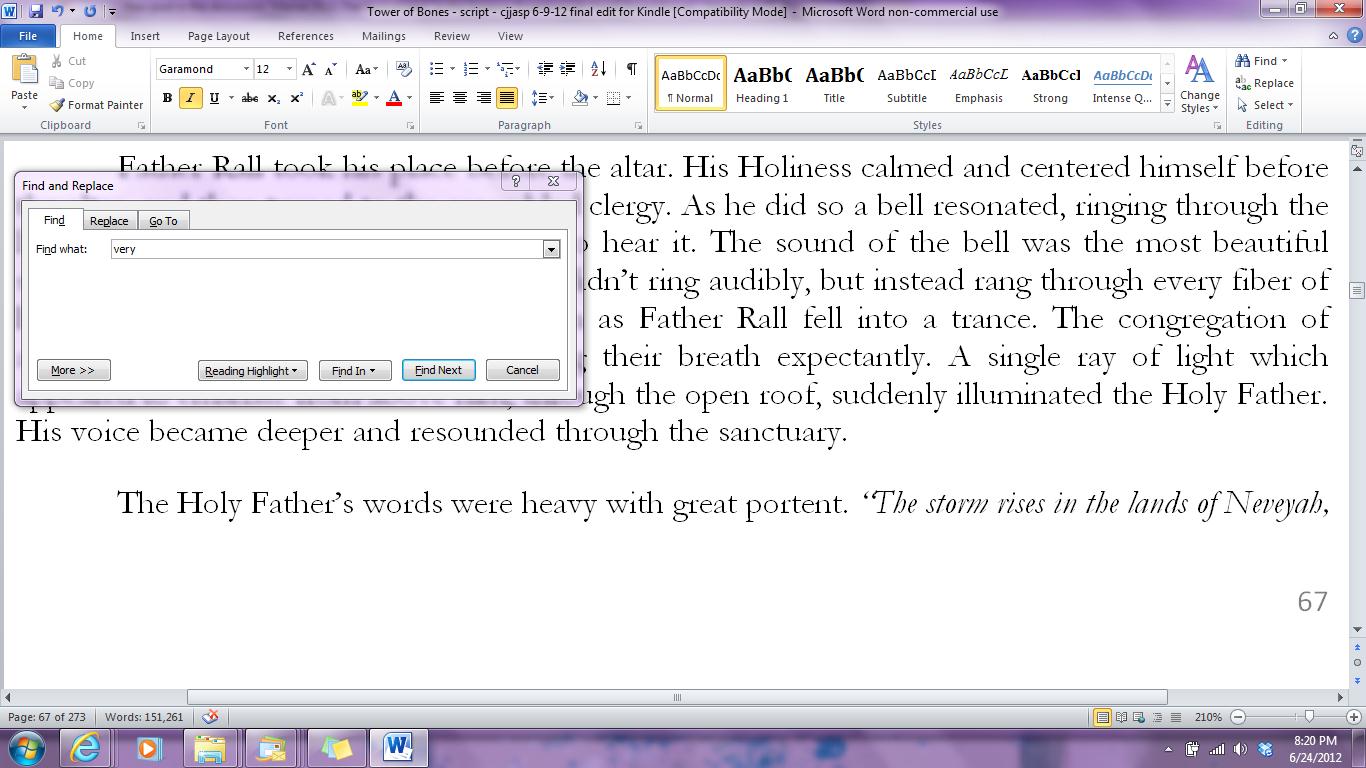
Once you are finished with your first draft, do what is called a global search – in Microsoft WORD you click on the ‘Home’ tab, and at the far right hand side click on ‘Find,’ OR press the ‘Ctrl’ key and the ‘F’ key at the same time.  This will open the ‘find and replace’ menu:

find graphics

In the ‘find and replace menu, type the word ‘very’ and click on ‘find next’.  The word ‘very’ will be highlighted in blue, and you can delete it.  I don’t recommend doing ‘replace all’ with any overused modifier, because you will create more problems than you can imagine!  Look at each individual instance of the word, and either delete it or change it to a stronger word.

Deleting them or changing to a stronger word will help you grow as writer.  You will begin to think about your sentences and stretch your vocabulary.

Next do the same with ‘that’ and ‘had.’ These are words  we all use too freely in our first draft, and until an editor pointed it out to me, I had no idea how they weakened my work. They are good words, used infrequently and only when another won’t do the job.

Here is a list of words that can appear with great frequency in your rough drafts, some of which are considered ‘tired.’ Some of these words can be made into contractions to eliminate wordiness. Some can be cut altogether, and some will need to stay. However, some of these words are ‘telling’ words, and we want to avoid that wherever possible. Look at each instance and make that decision.

  • about
  • am
  • are
  • bad
  • beautiful
  • big
  • could
  • did
  • fine
  • good
  • great
  • had
  • has
  • have
  • is
  • look
  • looked
  • nice
  • quite
  • seems
  • so
  • some
  • that
  • then
  • think
  • very
  • was
  • well
  • went

We all use these to excess in our rough draft, because we are laying the roadbed of the superhighway that is our book. The words we spew at this point are the framework we are going to build the true story around, the story that was in our heads, but that the rough draft doesn’t do justice to.

Historical_ThesaurusThis is where our thesaurus comes in handy. We need to express the thoughts our overused words evoke, but we don’t want to repeat them over and over. When a word seems to be cropping up with great frequency, try using the global search option. It will tell you how many instances of the word appears in your manuscript, and you might be surprised.

Highlight the word and right-click on it. A pop-up menu will appear. From that menu, choose ‘synonyms.’ Click on that, and a list of words with similar meanings will appear. If you need more than can be found in that list, click on ‘Thesaurus’ (at the bottom of the list) or google the word and add ‘synonyms’ to your search.

Consider my recent experience with gaped–a beta reader pointed out that I had my characters gaping at each other far too regularly. I had to go through it and have them stare, exchange glances, or simply look away. In several instances, I cut that sentence because it wasn’t really needed.

It can be difficult to see the words you have overused when it is your own work. But you can run your ms through a free, online  program like Word Count Tools and that will give you a heads up on how many times you have used each word.

2 Comments

Filed under Books, Literature, Publishing, Self Publishing, Uncategorized, writer, writing

How to format your manuscript for submission

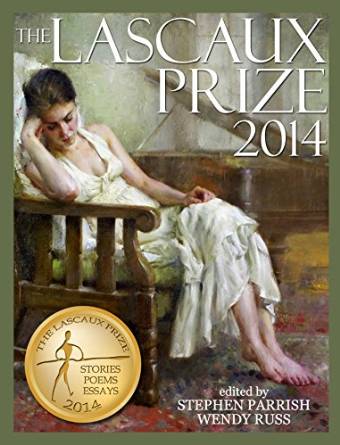
lasceax prizeThis post is a follow-up to the previous post on why indies need to write short stories. That article sparked some questions that I will answer to the best of my ability. All of this information was gleaned by searching the internet when I first wanted to know why my manuscripts were so regularly rejected.

First of all, a properly formatted manuscript shows that the author did her research and knows what the editor wants. That will help your ms make it past the first hurdle.

You will find that each publisher, magazine, or contest website will have a page or section called “Submission Guidelines.” That page is your friend, because within the words on that page will be the rules specific to that particular publication or contest:

  1. length of submissions in word count (Do not exceed or fudge this. Stay within their parameters.)
  2. how they want you to format your work for their best use.
  3. where to submit the work
  4. what dates submission will be open
  5. if it is a contest, fees will be listed there

If you are building a back-log of of short-fiction there are some short-cuts you can take to enable you to have submission-ready work that requires minimal adjustment to fit  various requirements. This is because most publishers use what is considered the industry standard, Shunn Manuscript Format. William Shunn didn’t invent this, but he made this knowledge available to all would-be authors via the internet.

First, if you are submitting this to a publisher that publishes hard-copy your manuscript should look typed, not typeset. If you are composing your manuscript on a computer, don’t succumb to the temptation to use fancy fonts. For hard-copy publishers use a Courier font. Every word processor and printer comes with Courier, so you have no excuse for not using it.

Use a 12-point Courier. This means it prints out at a pitch of ten characters per inch. Don’t use a 10- point Courier, which prints out at a pitch of twelve characters per inch. That is far too small and editors who have to read a lot of manuscripts won’t want to struggle to read yours and it will be summarily rejected.

On a side note, something I have learned through this publishing life is that in printing, point size refers to the height of the characters in a font; pitch refers to the width. This is critical knowledge, because the font that the publisher wants the ms submitted in is the only one that will make it past the first editor’s inbox.

If you are submitting this to a publisher that is publishing in an electronic format, they may require 12-point Times New Roman font. Times New Roman is easier on the eyes, when viewed on a monitor. As an editor I prefer submissions in Times New Roman, as I rarely work from hard copy.

The preferred font will be clearly stated in their submission guidelines.

IF YOU INTEND TO FORMAT YOUR MS FOR HARD-COPY SUBMISSION TO AN OLD-SCHOOL PUBLISHER:

  1. Set the margins for your document at 3cm (1 inch) on all four sides.
  2. Align to the left hand side only; the right hand side should remain jagged. (THIS IS CRITICAL)
  3. Use twelve point Courier in black type only. Times New Roman or Arial fonts may also be acceptable—check the submission guidelines of the magazine or anthology.
  4. Lines should be double spaced with no extra spaces between paragraphs. (THIS IS CRITICAL)
  5. Single space between sentences after periods. (this is also critical)
  6. Indent new paragraphs and each new section of dialogue, with the exception of a scene break paragraph.
  7. Indicate scene breaks by inserting a blank line and centering the hash sign (#) in the center of that line.
  8. Center a hash sign # one double-spaced blank line down at the end of the manuscript. Or simply write The End. This assures the reader that no pages are accidentally missing.
  9. Use underline for italicized words if you are using Courier font. If you are using Times New Roman you can use proper italics. (Again, check the submission guidelines)
  10. William Shunn says, “You should place a header in the upper-right corner of every page of your manuscript except the first. This header will consist of: the surname used in your byline, one important word from the title of your story, and the current page number. Do not place the header in the upper-left corner, because the typesetter will often have your manuscript clipped in that corner as he or she transcribes it and will not be able to see what the current page number is.” (end quoted text)

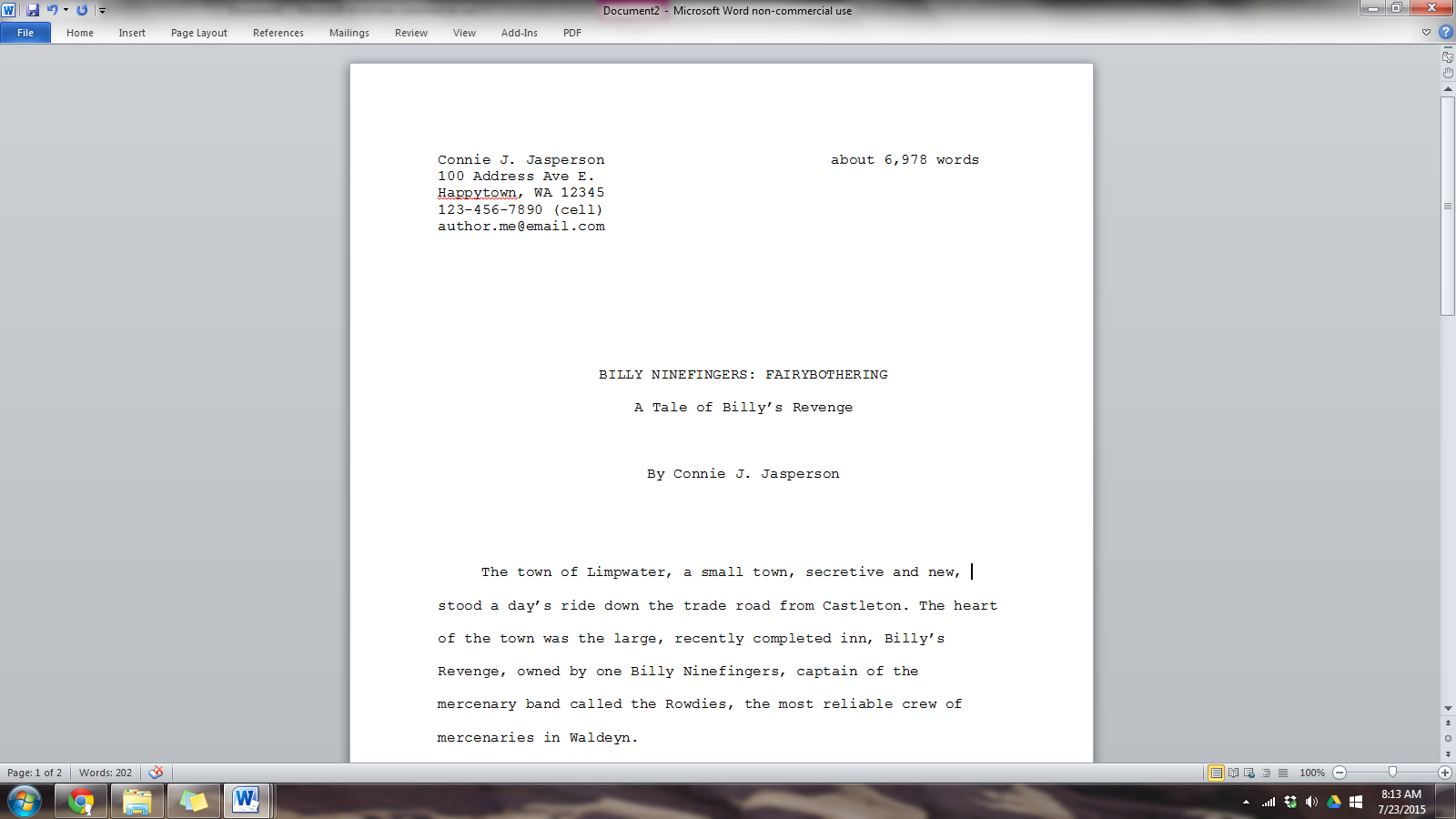
Your first page should include:

  1. The name of the work.
  2. The approximate word count, some will want it only to the nearest hundred.
  3. In the upper left, your contact details formatted in the same font and size as the manuscript font.

prnt scrn Fairybothering 1

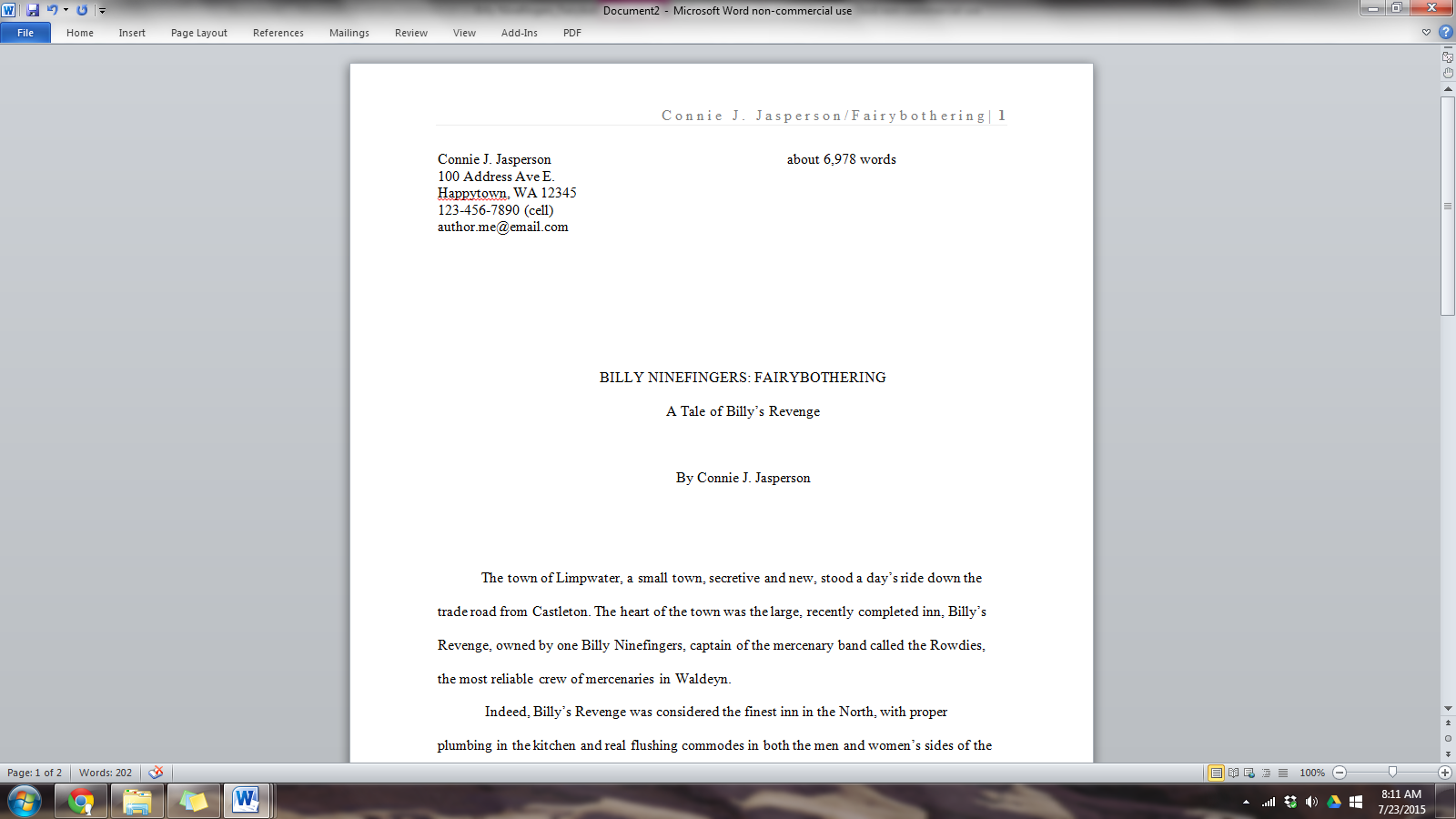
MANY contests and e-magazines want your manuscript formatted in a similar fashion, but may require a different font. Some will want the header on all pages, and some will want your full author name in the header:

prnt scrn Fairybothering 2

TO Format your header in MS WORD:

  1. Go to the Insert Tab and click on: page numbers>top of page
  2. From the drop down menu select plain number three (the upper right hand corner)
  3. Type your name and title just before the number
  4. Click on the body of your document and the header/page number is set, and will appear to gray out.

TO Format your ms so the page numbers start on page two: click on this link to go to this page at MS Office Help if you are using WORD 2007 or 2010. Later versions also have help pages there. The process is a little more involved, and I don’t want to fill this post up with that, so use the resource offered by Microsoft–that is how I learned. Most hard-copy manuscripts must be formatted this way, so learning how to do this is critical.

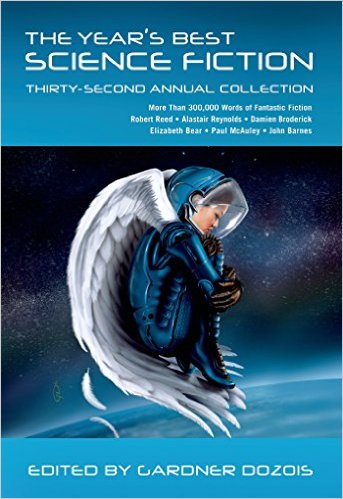
anthology sci fiWhen you submit your work to an anthology or contest, if your work is accepted you will receive a contract. That contract will have the terms of payment, conditions of use, and all the pertinent information you, as the author, will need to know. Most are simple, and don’t require a law degree to understand. If you receive a complicated contract, seek a literary agent or attorney for advice.

Also be aware that ALL contests  and magazines will want original work that has never been published before. Many anthologies, will too, unless they are promotional anthologies put out by publications showcasing the most popular stories they printed during the previous year. Often these collections are the editors’ favorites.

Most contracts will state that you can reuse or republish the work 3 months or 90 days after the date of their publication. When you do so, you must include on the copyright page a caveat stating that it was originally published in their anthology or magazine, and what issue/year.

1 Comment

Filed under Publishing, Self Publishing, writer, writing

Lay, lie, laid

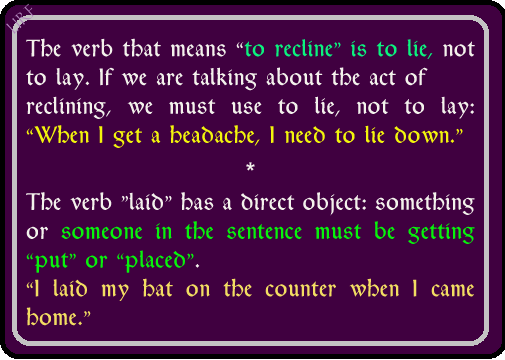
to lie means to restIs it to lay, to lie, or what? I want to get this right but these words can be a complicated morass of misery. It boils down to a simple concept: is it RECLINING  or was it PLACED THERE?

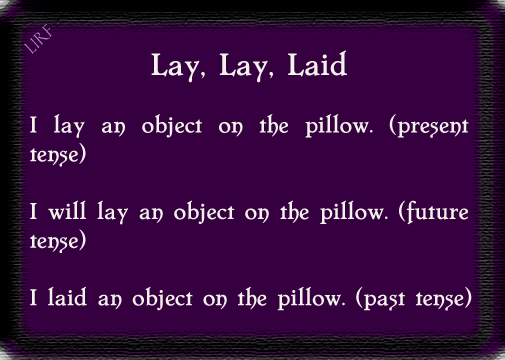
“Lay” is a verb meaning to put or place something somewhere. It has a direct object. Its principal parts are “lay,” “laid,” “laid,” and “laying.”

What the words refer to is the action: If you set it (object) there, it is laying there. Lay it there. Lay it on the pillow.

If it is resting or reclining, it is lying there. Lie down. Lying down. Lie down, Sally. (Clapton had it wrong? Say it isn’t so!)

The internet is your friend, and can teach you many things besides how to make cute kitty memes. Quote from the wonderful website Get it Write: The verbs to lie and to lay have very different meanings. Simply put, to lie means “to rest,” “to assume or be situated in a horizontal position,” and to lay means “to put or place.” (Of course, a second verb to lie, means “to deceive,” “to pass off false information as if it were the truth,” but here we are focusing on the meaning of to lie that gives writers the most grief.)

As another great resource, in his July 7th, 2015 post on this subject for Writers’ Digest,  Brian A. Klems gave us a useful chart:

Lay vs. Lie Chart


Infinitive    Definition         Present    Past    Past Participle    Present Participle


to lay      to put or place     lay(s)           laid     laid                     laying
something down

to lie     to rest or recline    lie(s)            lay      lain                     lying

“end of quoted text” 
Brian A. Klems is an awesome author and blogger. Check out his personal blog at The Life of Dad.

>>><<<

This is where things get tense: present, past and future.

A ring lay on the pillow. 

Lay, Lie, Laid

But I needed to rest:

LYING AS IN RESTING copy

So what this all boils down to is:

final comment lay laid

But just to confuse things:

A living body lies down and rests as is needed.

A dead body is cleaned up and laid out by other people,  if said corpse was important to them. However, after having been laid out, said corpse is lying in state to allow mourners to pay their respects.

5 Comments

Filed under Humor, Literature, Publishing, Uncategorized, writer, writing

Gearing up for #PNWA2015

House of Sand and Fog Andre Dubus III

I love conventions. Especially writer’s conventions, where the craft of writing is the central theme, so that is why I look forward to the PNWA convention every year. Two weeks from now, that is where I will be, along with fellow Myrddin Publishing Group editor and bff, Irene Roth Luvaul.

It is horribly expensive, but for me, it is so worth it.

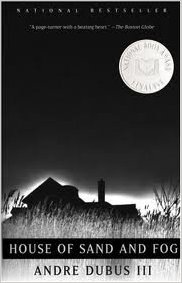
This year, Andre Dubus III will be the keynote speaker. While I frequently read literary fiction, I have to say I didn’t really enjoy his book, House of Sand and Fog, although it was excellently crafted. I found it exceedingly depressing, as I did most books touted by Oprah’s Book Club, which I generally don’t find to be much of a recommendation any more. Oprah is a wonderful lady, but her tastes in literature are far different than mine.

Let’s face it–I’m an escape-reader. I read to get away from the misery of the world, so while the story is thought-provoking, and worthy of every honor it has received, I didn’t enjoy it. I prefer happy endings.

But that doesn’t really matter–I want to hear what he has to say. I don’t care for George R.R. Martin‘s work either. But I love to hear George speak, and so I am looking forward to hearing what Andre Dubus III has to say.

SUPPORT YOUR LOCAL AUTHORSMy hubby took a vacation-day yesterday, giving himself a 4 day weekend to help me take my books 75 miles north to Bellevue. 3 hours each direction, inching along I-5 and I-405 in 90 degree heat–what fun!

This was so they can  be included in the PNWA July 16-19 convention’s Friday Autograph Party event. I’m pretty excited about that. My good friend, Lindsay Schopfer will also be signing books, as will 58 other authors.

I’ll be showcasing the World of Neveyah series, and Huw the Bard, so 4 books for the signing event. But all my books will be there.

Every attendee will receive an Ebook copy of Tales from the Dreamtime courtesy of Smashwords. I so wish I could give them each a copy of the audio book–Craig Allen’s narration is simply amazing.

I really enjoy the PNWA conference. A lot of people who are going the traditional route use it to pitch to agents and editors, but that doesn’t interest me. I am happy as an indie and have no plans to court a large publisher.

What I am interested in are the seminars on the craft of writing. Every year I come away from this event feeling completely inspired, and ready to write.

Friday morning Irene and I will attend the annual meeting. I do have some concerns which I have made a list of, and wish I lived closer to Seattle to be more of a volunteer. Living 75 miles away limits what I can do to help out, but I could do some virtual assisting, if there is an option for that.

Also, I will be attending seminars given by Scott Driscoll, Robert Dugoni, and Lindsay Schopfer.

creamy_wild_rice_and_mushroom_soup_recipe

creamy wild rice and mushroom soup w/coconut milk

All in all, I think it will be a fun event, and am planning my food ahead for it, as the vegan can never count on the kindness of strangers when it comes to food. The wise vegan author travels well-prepared to stay in a room with no microwave, in a hotel that is less than understanding about what constitutes a vegan meal.

I can honestly say I am NOT looking forward to the dinners, but will be well-able to provide for myself, and who needs food anyway–were gonna be talking books!

Comments Off on Gearing up for #PNWA2015

Filed under Literature, Publishing, writer

Phrasal verbs–minions of evil, or sometimes useful?

Book- onstruction-sign copyPhrasal verbs are usually two-or three-word phrases consisting of a verb plus an adverb, or a verb plus a preposition, or both. They are just another aspect of English vocabulary, and can be considered a form of compound verbs.  We use them all the time, but what, exactly, are they?

First, what is an adverb?

The term adverb is somewhat of a catchall word to describe many kinds of words having little in common other than the fact they don’t fit into any of the other available categories (noun, adjective, preposition, etc.) and they modify an action word—a verb.

The principal function of adverbs is to act as modifiers of verbs or verb phrases. An adverb used in this way gives information about the manner, place, time, frequency, certainty, or other circumstances of the activity denoted by the verb or verb phrase. Too many modifiers in your narrative and voila! Purple prose.

phrasal verbsThere are three main types of phrasal verb constructions depending upon whether the verb combines with a preposition, a particle, or both.

Wikipedia, the fount of all knowledge, has a good example of these three forms:

Verb + preposition (prepositional phrasal verbs)

  1. Who is looking after the kids? – after is a preposition that introduces the prepositional phrase after the kids.
  2. They picked on nobody. – on is a preposition that introduces the prepositional phrase on nobody.
  3. ran into an old friend. – into is a preposition that introduces the prepositional phrase into an old friend.
  4. She takes after her mother. – after is a preposition that introduces the prepositional phrase after her mother.
  5. Sam passes for a linguist. – for is a preposition that introduces the prepositional phrase for a linguist.
  6. You should stand by your friend. – by is a preposition that introduces the prepositional phrase by your friend.

Verb + particle (particle phrasal verbs)

  1. They brought that up twice. – up is a particle, not a preposition.
  2. You should think it over. – over is a particle, not a preposition.
  3. Why does he always dress down? – down is a particle, not a preposition.
  4. You should not give in so quickly. – in is a particle, not a preposition.
  5. Where do they want to hang out? – out is a particle, not a preposition.
  6. She handed it in. – in is a particle, not a preposition.

Verb + particle + preposition (particle-prepositional phrasal verbs)

  1. Who can put up with that? – up is a particle and with is a preposition.
  2. She is looking forward to a rest. – forward is a particle and to is a preposition.
  3. The other tanks were bearing down on my panther. – down is a particle and on is a preposition.
  4. They were really teeing off on me. – off is a particle and on is a preposition.
  5. We loaded up on Mountain Dew and chips. – up is a particle and on is a preposition
  6. Susan has been sitting in for me. – in is a particle and for is a preposition.

(end of quoted example, thank you Wikipedia)

We use phrasal verbs all the time in our daily speech and in our writing. However, whenever it’s possible we should look for simpler ways to phrase our thoughts when writing, unless we are writing conversations spoken in the local vernacular.

Why do I feel that way? The way I see them, phrasal verbs are  two-or-three words (an action word and modifiers) forming what can be considered a separate verb-unit with a specific meaning. In other words, they use more words than is really needed to express a thought:

  • Who is looking after (verb unit) the kids? == Who is watching the kids?
  • They brought that up (verb unit) twice. == They mentioned it twice.
  • Who can put up with (verb unit) that? == Who can endure that?

We use these phrasings because they sound natural to us—that is the way people in your area might speak. But when used too frequently in a written piece, phrasal verbs junk up the narrative. They subtly contribute to what we call “purple prose” because the overuse of them separates the reader from the story.

Unless you are writing poetry, simplicity is best, because you want to immerse your reader in the experience.

ok to write garbage quote c j cherryhWhen we are revising our first draft, and tightening our narrative we should be examining the prose for weak phrasing. Each time you come across phrasal verbs in your work, look at the sentence it occurs in as if it were an isolated incident and ask yourself if it needs to be there. Many times a phrasal verb really is  the only way to express what you are trying to say, but equally often a more concise way can be found.

Phrasal verbs have their places, but if you can simplify a thought and make the sentence stronger, do so.

2 Comments

Filed under Literature, Publishing, Uncategorized, writer, writing

Great Cover Ups

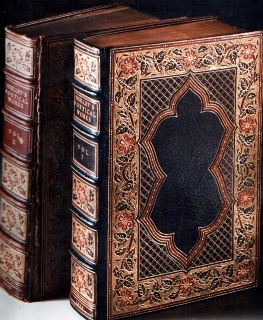
Old Restored booksBook covers. Remember when they were tooled, engraved leather, hand-made by monks? Yeah, me neither, but I do love good, well designed book covers.

We indies stress over them, and I suppose the Big 5 publishers do too, to a certain extent. But what, besides money and great designers who will make them for us, are elements that make a great book cover?

First up, in my opinion, a catchy cover has mystique. It expresses the central theme of the book, but it’s like a blurb–it can only capture one moment in time, so you have to choose what you will go for: mood, mystery, or great art.

Occam’s Razor (also known as Ockham’s Razor) comes into play here. According to iUniverse’s article on Cover Design Essentials, “…the essential theory is that unnecessary elements will decrease the overall efficiency and aesthetic appeal of a design. It can be a good indicator of why one design may succeed and another one will not. A good writer will spend hour after hour editing and re-editing their book, cutting words, paragraphs and so forth until it is “clean.” The cover designer’s method is not much different, other than it is a visual process rather than a written one.” 

In my own limited experience this is so true.  

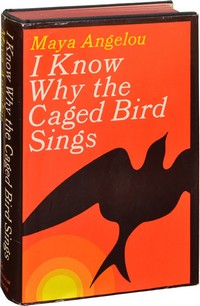
Caged_bird2Book covers have really evolved since my childhood. They used to be quite simple, with the art kept to a minimum. In the 1950’s and 60’s, book covers were stark, modern–and in my opinion, boring, such as Maya Angelou’s I Know Why the Caged Bird Sings.

My great problem is, I have always known what catches my eye, but not how to achieve it. So what are the simple, affordable elements of a good, catchy cover?

Again, iUniverse says (and I quote) good covers:

  1. Fall within the norms for your genre but visually stand out among other books.
  2. Appeal to readers and convince them to take a closer look at your book with a strong visual presence.
  3. Reflect the content of your book and expose readers to your writing style.
  4. Convince a potential reader to invest in a literary journey with your story.

Well, that is a hell of a lot to pack into a cover. And it’s hard to do! I am struggling with this aspect of being an indie. I am an artist, but until 2010 my work has been mostly in pastels and pencil. But I love Photoshop, and have been spending a lot of time designing covers and and learning how to make the graphics and the title a part of the art that captures the eye, but does not detract from the cover art.

I have been examining a lot of wonderful book covers, trying to define what it was about them that I liked so that my next book cover will be more true to what I want it to be. Being an old dog learning a new trick, I must learn from the masters.

So, here are only a few of my all-time favorite book covers, in no particular order:

Simple and to the point: The Martian, by Andy Weir tells us everything we need to know–this is going to be a hell of an adventure.

The MArtian Andy Weir

♦♦♦♦

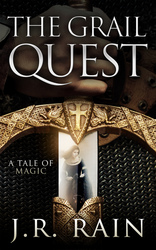
Grail Quest, by J.R. Rain, cover artist not credited–intriguing, and made me want to look inside.

Grail, JR Rain 2

♦♦♦♦

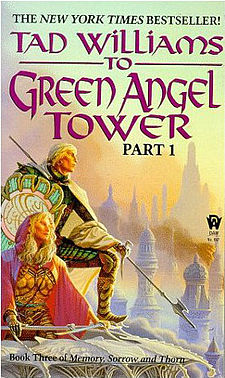
To Green Angel Tower, Tad Williams, as painted by the brilliant Michael Whelan–representing the mood, characters, and setting of the book, and visually stunning. I can’t replicate this sort of beauty, but I can admire it, nonetheless.

Green_Angel_Tower_P1

♦♦♦♦

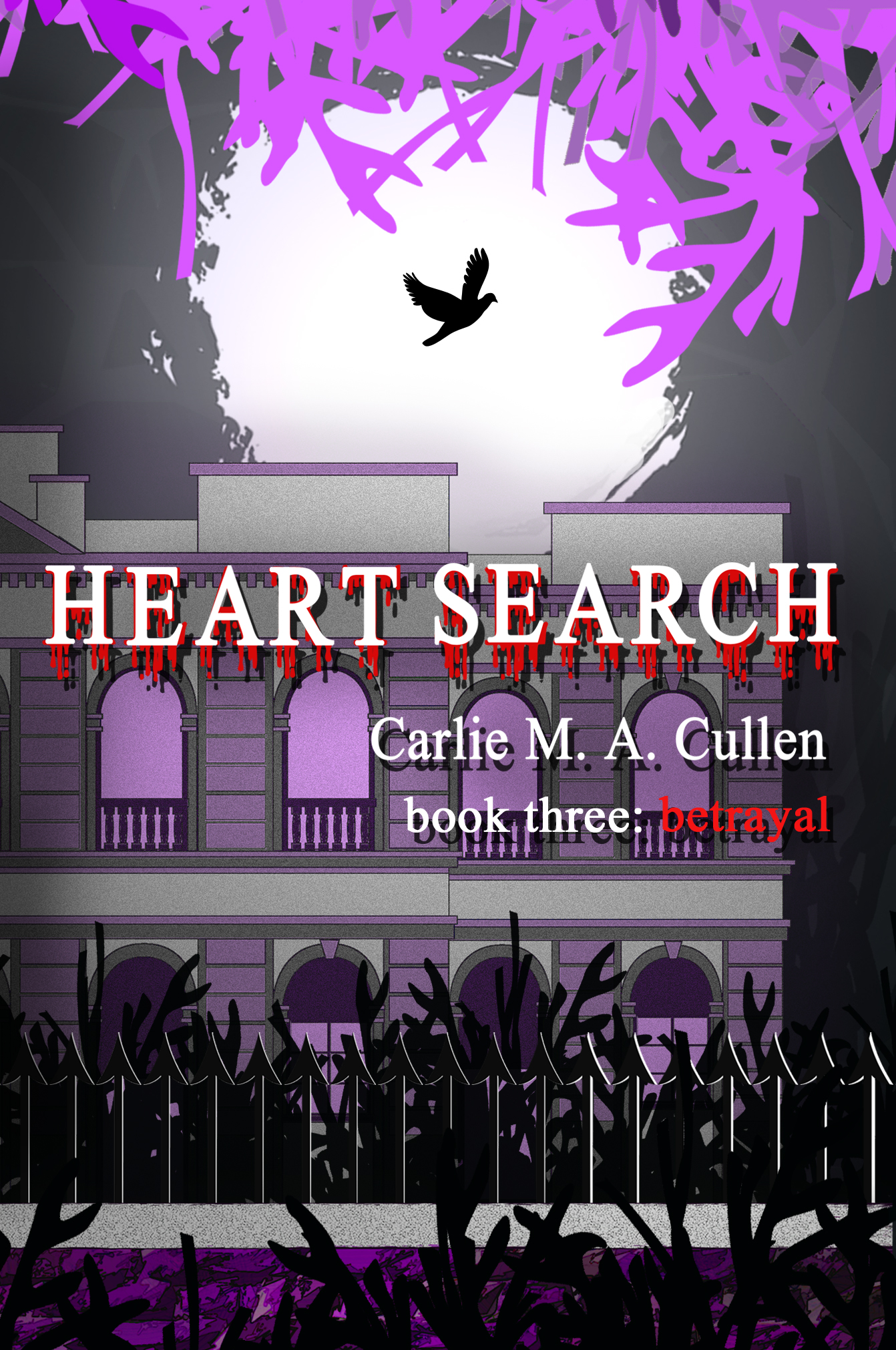
Heart Search book three: Betrayed, Carlie M.A. Cullen, cover by Nicole Antonia Carro. Completely speaks to what is inside the book–dark, mysterious, and a bit vampiric.

Betrayal front cover

♦♦♦♦

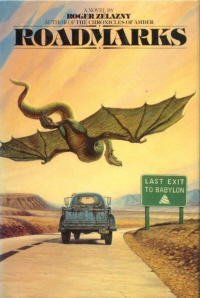
Roadmarks, Roger Zelazny, cover by the late Darrell K. Sweet. Simple, well-placed elements, promising a real roller-coaster ride inside.

Roadmarks_first

♦♦♦♦

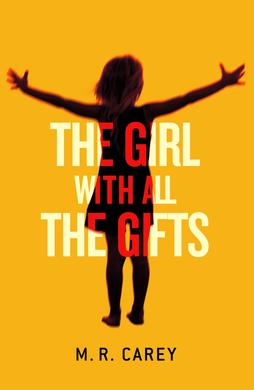
The Girl With All the Gifts, M.R. Carey–almost retro 1970s, yet intriguing. 

The_Girl_with_All_the_Gifts m.r. carey

♦♦♦♦

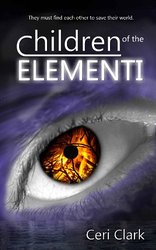
Children of the Elementi, Ceri Clark–this cover is a real winner, as much for the graphics as for the stunning yet simple art.

children of the  elementi

♦♦♦♦

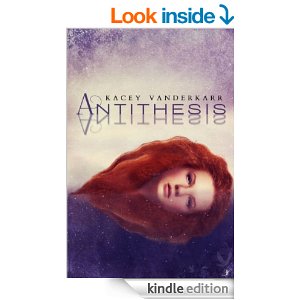
Antithesis, Kacey Vanderkarr — cover art by Najla Qamber.

Antithesis by Kacey Vanderkar

♦♦♦♦

For me, books that portray the features of the characters on the cover are a bit dicey. They never look the way I, as the reader, think they should. So, usually I find myself gravitating to the symbolic aspects of the cover and ignoring the artist’s conception of the characters. I want mystique, intrigue…the hint of danger and adventure. A book cover must flip the switch on my curiosity, make me wonder what is inside…and that particular trigger is subjective.

Each reader is lured by something different, which is what makes this aspect of indie publishing so difficult. However, I am beginning to understand what it is that I am looking for when I am drawn to a cover, so…I’ve been busy learning graphic design. I will be doing a cover reveal for my forthcoming book, Mountains of the Moon, a book based in the World of Neveyah, the same world as the as Tower of Bones series, and which is set to be released July 15, 2015.

My son, Dan, who is a graphic designer has really given me some pointers on this particular cover. I have been to “YouTube University,” and learned how to make vectors for this cover (I made two!) and I have learned several other unique little tricks of Photoshop. I have the layout finalized, and the graphics, and will be revealing it at the end of June.

6 Comments

Filed under Books, Humor, Literature, Publishing, writing

#Proofreading is not #editing

Epic Fails signWhile some people will dispute this, proofreading is not editing.

Proofreading is done after the final revisions have been made, and hopefully it is done by someone who has not seen the manuscript before. That way, they will see it through new eyes, and the small things in your otherwise perfect manuscripts will stand out.

Anita Campbell, in her May 28, 2015 guest post for the SBA’s Blog-Industry Word says: “The first step of effective proofreading is understanding that not every typo or issue is alike.  Each needs to be attacked in a different way.” While she is speaking of editing blogposts, and short works, that profoundly true of longer manuscripts.

Even though an editor has combed your manuscript and you have made thousands of corrections, both large and small, there may be places where the reader’s eye will stop. Words have been left out, punctuation is missing–any number of small, hard-to-detect things can occur even after the most thorough of edits.

After the final edit we go over our work with a fine-toothed comb, trying to proof it ourselves. We read it aloud, and we read it from the bottom up, but our eye sees what it expects to see. We catch many things, but we don’t catch it all.

This is where the third person in the process comes in–the proofreader.

First of all, proofreading is not editing. Editing is a process that I have discussed at length elsewhere, and is completed long before we get to the proofreading stage.

SO, at the outset, the proofreader must understand that no matter how tempting it may be, they have not been invited to edit the manuscript for content. That has already been done and done again. If they cannot refrain from asking for large revisions regarding your style and content, find another proofreader.

What The Proofreader Should Look For:

Spelling—misspelled words, and homophones (words that sound the same but are spelled differently). These are words that spell-checker may or may not catch, so a human eye is critical for this.

  • Wrong:  Bobby wint out the door, slamming the screen.
  • Right:  Bobby went out the door, slamming the screen.
  • Wrong: There cat escaped and he had to chase it
  • Right: Their cat escaped and he had to chase it.

Repeated words and cut-and-paste errors. These are insidious and damned difficult to spot, and spell-checker won’t find always them. Sometimes they seem like unusually garbled sentences.

  • Wrong: First of all, First of all, it is accepted practice to italicize thoughts.
  • WrongFirst of all, it is accepted practice to practice thoughts.
  • Wrong: First of all, it is accepted to ot  thoughts.
  • Right: First of all, it is accepted practice to italicize thoughts.

Missing closed quotes:

  • Wrong: “Doctor Mendel, you’re new to the area. What do you know about the dead man? asked Officer Shultz.
  • Right: “Doctor Mendel, you’re new to the area. What do you know about the dead man? asked Officer Shultz.

Numbers that are digits:

  • Wrong: There will be 3000 guests at the reception.
  • Right: There will be 300 guests at the reception.

Dropped and missing words:

  • Wrong: Within minutes the place was crawling with cops, and Officer Shultz was sitting at my kitchen table me gently while I made hot water for tea.
  • Right: Within minutes the place was crawling with cops, and Officer Shultz was sitting at my kitchen table grilling me gently, while I made hot water for tea.

keep clam and proofread

Each time you create a new passage in your already edited manuscript, you run the risk of creating another undetected error.

At some point your manuscript is done. You have been through the editing process, and the content and structure is as good as you can get it, but you need one last eye looking for small flaws. Before you upload that masterpiece to Kindle or wherever, do yourself a favor and have it proofread by an intelligent reader, who understands what you are asking them to do and who is willing to do only that.

11 Comments

Filed under Books, Humor, Literature, Publishing, Uncategorized, writer, writing

Beta Reading, or Editing–what’s the difference?

Book- onstruction-sign copyIndies rely heavily on what we refer to as beta readers to help shape their work and make it ready for editing. But in many forums, I’ve seen authors  use the term used interchangeably with editing, and the two are completely different.

And unfortunately, some indie published works are clear examples of work by authors who don’t realize the importance of working with an editor, although it is apparent that they have had assistance from beta-readers.

What is quite disappointing to me, is the many traditionally published works that seem to fall into the same lack-of-good-editing category, and I am at a loss as to why this is so.

So what is the difference between a beta reader and an editor?

Well, there is a HUGE difference.

Editing is a process, one where the editor goes over the manuscript line-by line, pointing out areas that need attention: awkward phrasings, grammatical errors, missing quote-marks or a myriad of things that make the manuscript unreadable. Sometimes, major structural issues will need to be addressed. It may take more than one trip through to straighten out all the kinks.

  1. In scholastic writing, editing involves looking at each sentence carefully, and making sure that it’s well designed and serves its purpose. In scholastic editing, every instance of grammatical dysfunction must be resolved.
  2. In novel writing, editing is a stage of the writing process in which a writer and editor work together to improve a draft by correcting errors and by making words and sentences clearer, more precise, and more effective. Weak sentences are made stronger, nonessential information is weeded out, and important points are clarified, while strict attention is paid to the overall story arc.
  3. The editor is not the author She can only suggest changes, but  ultimately all changes must be approved and implemented by the author.

Beta Reading is done by a reader. One hopes the reader is a person who reads and enjoys the genre that the book represents. Beta reading is meant to give the author a general view of  the overall strengths and weaknesses of his story.

The beta reader must ask himself:

  1. Were the characters likable?
  2. Where did the plot bog down and get boring?
  3. Were there any places that were confusing?
  4. What did the reader like? What did they dislike?
  5. What do they think will happen next?

beta read memeBeta Reading is not editing, and  the reader should not make comments that are editorial in nature. Those kinds of nit-picky comments are not helpful at this early stage, because the larger issues must be addressed before the fine-tuning can begin, and if you are beta reading for someone, the larger issues are what the author has asked you to look at.

This phase of the process should be done before you submit the manuscript to an editor, so that those areas of concern will be straightened out first.

Editors and other authors make terrible beta readers, because it is their nature to dismantle the manuscript and tell you how to fix it. That is not what you want at that early point–what you want is an idea of whether you are on the right track or not with your plot and your characters, and whether or not your story resonates with the reader.

Do your self a favor and try to find a reader who is not an author to be a first reader for you. Then hire a local, well-recommended editor that you can work with to guide you in making your manuscript readable, and enjoyable.

If you notice a few flaws in your ms but think no one else will notice, you’re wrong. Readers always notice the things that stop their eye.

In my own work I have discovered that if a passage seems flawed but I can’t identify what is wrong with it, my eye wants to skip it. But another person will see the flaw, and they will show me what is wrong there.

That tendency to see our own work as it should be and not how it is, is why we need editors.

1 Comment

Filed under Books, Literature, Publishing, writer, writing

More Disintegrating Eglish…Enlish…#language

gibberish-american businesses onlineThis weekend I happened to be out on Facebook. A friend of mine had a fun thread going, regarding the way English seems to sliding in a new direction. I find this interesting in same the way a cat finds a snake intriguing.

I want to play with it, but it may bite me.

I’ve said it before and I will say it again, English is the ever-disintegrating language. The very roots of English encourage this continual evolution.

Think about it–a bunch of smart guys in Victorian England applied the rules of a dead language, Latin, to an evolving language with completely different roots, Frisian, added a bunch of mish-mash words and usages invented by William Shakespeare, and called it “Grammar.”

We had a short discussion about words that either signify lazy speech habits or a shift in the language and came up with this short list, that is only the tip of the pox-ridden iceberg:

gibberish quoteSupposably…oh wait, did you mean supposedly?

Liberry…no sir you must go to the library for those books–the liberry can only give you hives.

Feberry...I hope you mean it will happen in February, because Feberry will never come.

Honestness...In all honesty I am not sure what to make of that one.

But my particular favorite is Prolly, which my granddaughters seem to think means Probably, but in all honestness, doesn’t.

It’s not a new problem. Jonathan Swift, writer and dean of St. Patrick’s Cathedral in Dublin, complained to Robert Harley, 1st Earl of Oxford and Earl Mortimer, in 1712: “Our Language is extremely imperfect. Its daily Improvements are by no means in proportion to its daily Corruptions; and the Pretenders to polish and refine it, have chiefly multiplied Abuses and Absurdities.” He went so far as to say, “In many Instances, it offends against every Part of Grammar.”

Well, that is prolly a little harsh.

English is like water–it shifts, it flows, it steals what it wants from every other language it comes across. That is what makes it so fun to play with. And also is what makes it so difficult to work with.


4 Comments

Filed under Humor, Literature, Publishing, writing