
We are now well into week one of November. Week one of a thirty-day writing challenge is the danger week. Once the first rush of creativity passes, many writers will give up. They experience a momentary lull in creativity and don’t have the tools to visualize what to write next.
 The well of inspiration runs dry and they quit. Many will never attempt to write again, although they will always consider themselves secretly a writer.
Rather than worrying about word count, I suggest setting a more reasonable goal. If you are new at this, I suggest a goal of writing at least one paragraph a day. Write something each day for thirty days, and you will be surprised at what you produce.
I have solutions for overcoming the roadblocks that daily life throws up. And believe me, when you are caregiver for a spouse with late-stage Parkinson’s, life tends to vomit roadblocks.
 The first one is one I developed when working in corporate America. Frequently, my best ideas came to me while I was at my job. If your employment isn’t a work-from-home job, using the note-taking app on your cellphone to take notes during business hours will be frowned upon. To work around that, keep a pocket-sized notebook and pen to write those ideas down as they come to you.
It’s old-school, but it worked because you don’t appear distracted or off-task.
Ideas come to me when I stop forcing my brain to work when it’s on its last legs. Strangely, cleaning and organizing my living space allows my mind to rest. Taking the time to wash dishes or clean the house helps reset my short-circuited creative mind.
But getting outside and walking helps even more. I suggest taking a notebook or dictating into your note-taking app.
Sometimes, we write an action scene that doesn’t advance a story. Arcs of action drive plots. Every reader knows this, and every writer tries to incorporate that knowledge into their work.
But some scenes don’t advance a story because they are examples of random mind wandering.
Don’t throw it out. Keep it and maybe you can use it in a different story. ALL writing is good for you, so set what doesn’t work for your current work aside. Keep on mind wandering and writing scenes.
Who knows what will grow from those seeds?

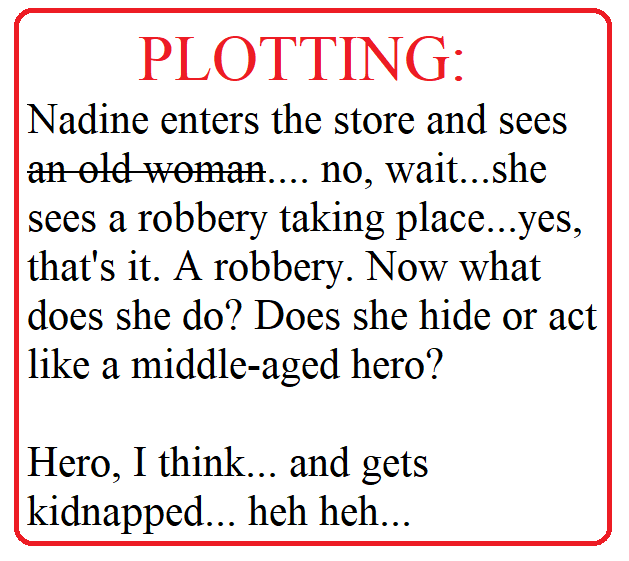
I go somewhere quiet and ask myself questions about the story I’m stalled on. I carry a notebook and make a list of the answers. I write an idea here and another there, and soon I have a plot.
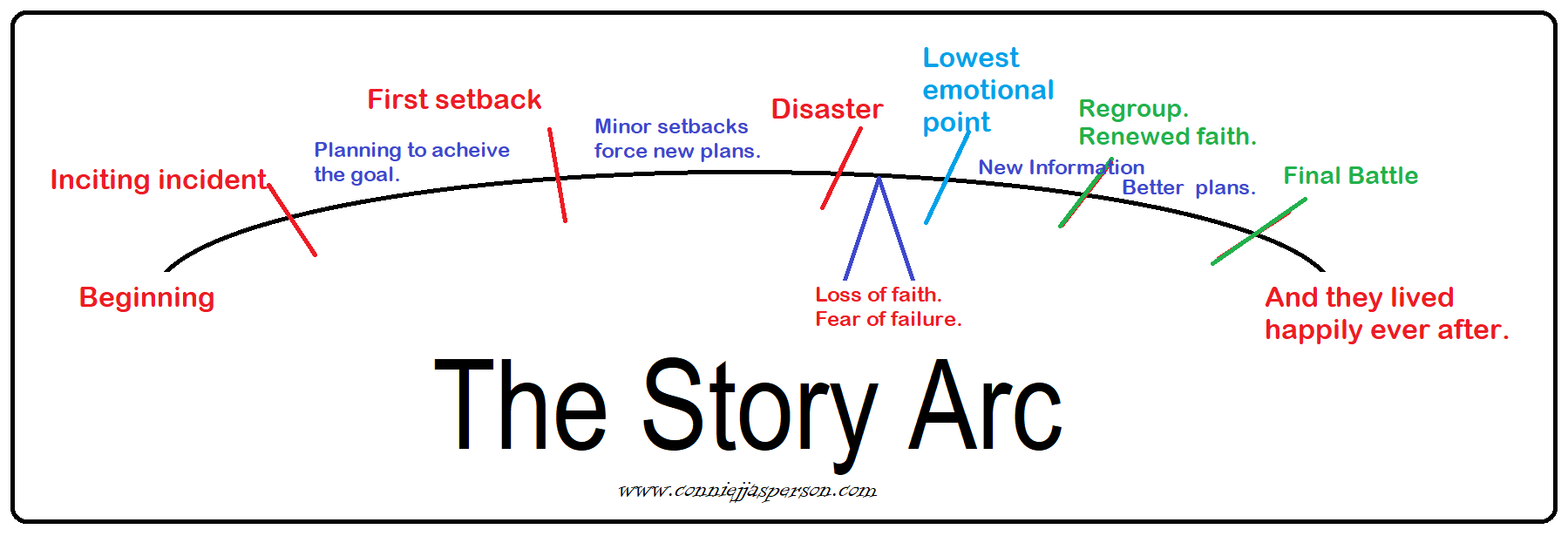
Novels begin a certain way: at the story’s outset, we find our protagonist and see them in their familiar surroundings. The inciting incident occurs once we have met them.
But maybe we don’t have any idea what sort of bad thing happens. Maybe we’re still doing character creation, and that is okay.
If you’re stuck, it sometimes helps to go back to the beginning and consider the following questions:
- What is the goal/objective? What do they want?
- Is that objective important enough to warrant risking everything to acquire it?
- What could the protagonist face that will challenge their moral values and sense of personal honor?
- How could this force the protagonist to become stronger?
- Who is the antagonist? What do they want, and what are they willing to do to achieve it?
- Does the enemy face ethical quandaries, too?
 Every obstacle we throw in the path to happiness for the protagonists and their opposition shapes the narrative’s direction and alters the characters’ personal growth arcs. As you clarify why the protagonist must struggle to achieve their goal, the words will come.
I write my ideas down and the broad outline of a story evolves.
- I keep my notes in an Excel workbook. It contains maps, calendars, and everything pertaining to any novel set in that world, keeping it in one easy-to-find place.
- When logic forces change to the plot, and it always does, I go to my storyboard and update my plot outline, calendar, or maps.
When your creative mind needs to rest, step away from the keyboard and do something different. I find that when I take a break to cook or clean out a corner, ideas for what to do next in my novel will occur to me. These little flashes of inspiration carry me a few chapters further into the story.
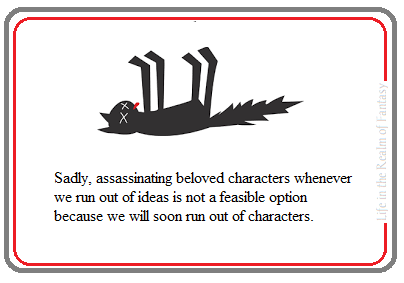 Finally, let’s talk about murder as a way to kickstart your inspiration. Some people recommend it but I suggest you don’t resort to suddenly killing off characters just to get your mind working. You may need that character later, so plan your deaths accordingly.
- Readers become angry with authors who casually kill off characters they have grown to like.
When a particular death is planned from the beginning, it is one thing. But developing characters is a lot of work. If you kill off someone with an important role, who or what will you replace them with?
Above all, relax. It’s November, a good month for writing. Write something every day, even if it is only a paragraph that has no relationship to anything else. The goal is to develop the habit of writing every day.
Perhaps you should write a haiku:
November writers
Inking worlds on paper.
Leaves fall, writers write.
Whatever you come up with, it will have to be better than that travesty!
To learn about the haiku and perhaps write one of your own, check out this website. It’s fun and it’s free! Haiku Checker – Check Haiku syllable and line counts!

 Logic is an area many first-time authors ignore because some magic or theoretical science they believe is original has captured their imagination. Taken individually, these ideas may be good, but if the author doesn’t thoroughly think it through, the reader won’t be able to suspend their disbelief.
 The writer of true science fiction must know the difference, especially when creating possible weapons. Superweapons and superpowers are science-based. Think
  Magic works best when the local population in that world accepts that it exists and has limitations. When you think about it, magic should only be possible if certain conditions have been met. It should follow a set of rules.
 Conflict forces the characters out of their comfortable environment. The roadblocks you put up force the protagonist to be creative. Through that creativity, your characters become stronger than they believe they are.
 However, neither science nor magic can support a poorly conceived novel. Science, the supernatural, and magic are just tropes, tools we use to help tell the story. Strong, charismatic characters, mighty struggles, and severe consequences for failure make a brilliant novel.
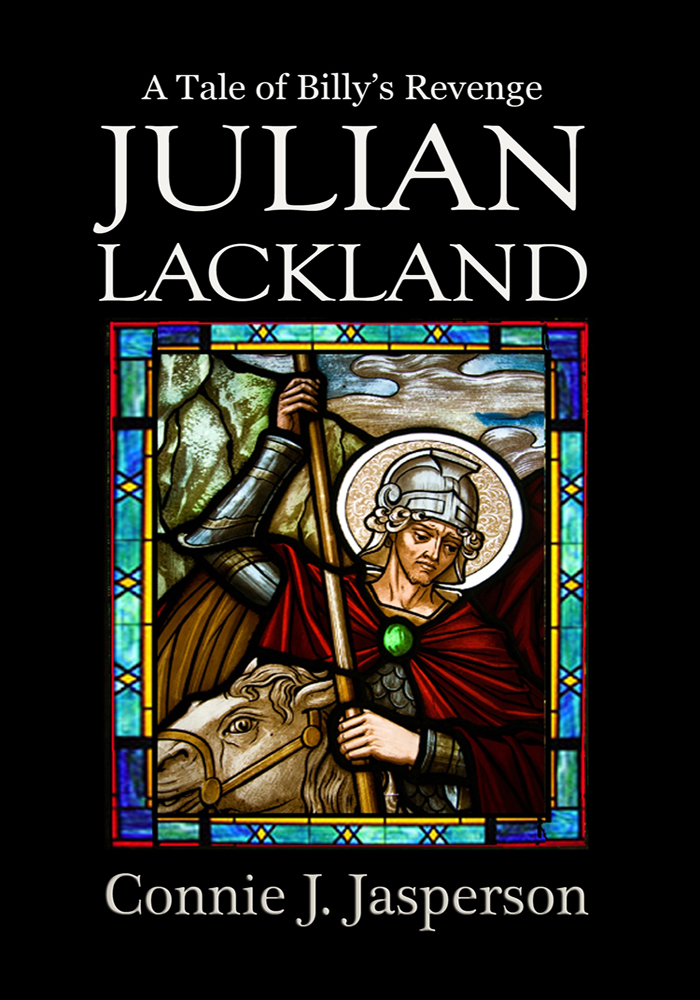 On October 28, 2010, I was scrambling, trying to find something I could write, but my thoughts kept returning to the old man’s story. The innkeeper had referred to him as the Great Knight, stupidly brave but harmlessly insane. Had he always been that way? Who had he been when he was young and strong? Who did he love? How did Julian end up alone if the three of them, Julian, Beau, and Mags, were madly in love with each other?
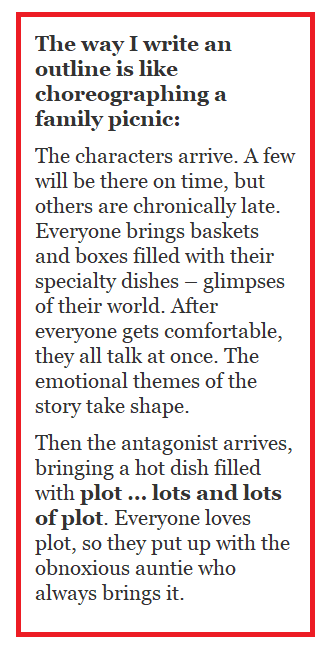 I suggest writing a short synopsis of the story as you see it now. This will be as useful as an outline but isn’t as detailed. It will allow you to riff on each idea as it comes to you and is a great way to develop the storyline.
 Fortunately for me, my writers’ group is made up of industry professionals, and one in particular,
  The protagonist will find this information out as the story progresses and only when they need to know it. With that knowledge, they will realize they’re doomed no matter what, but they’re filled with the determination that if they go down, they will take the enemy down, too.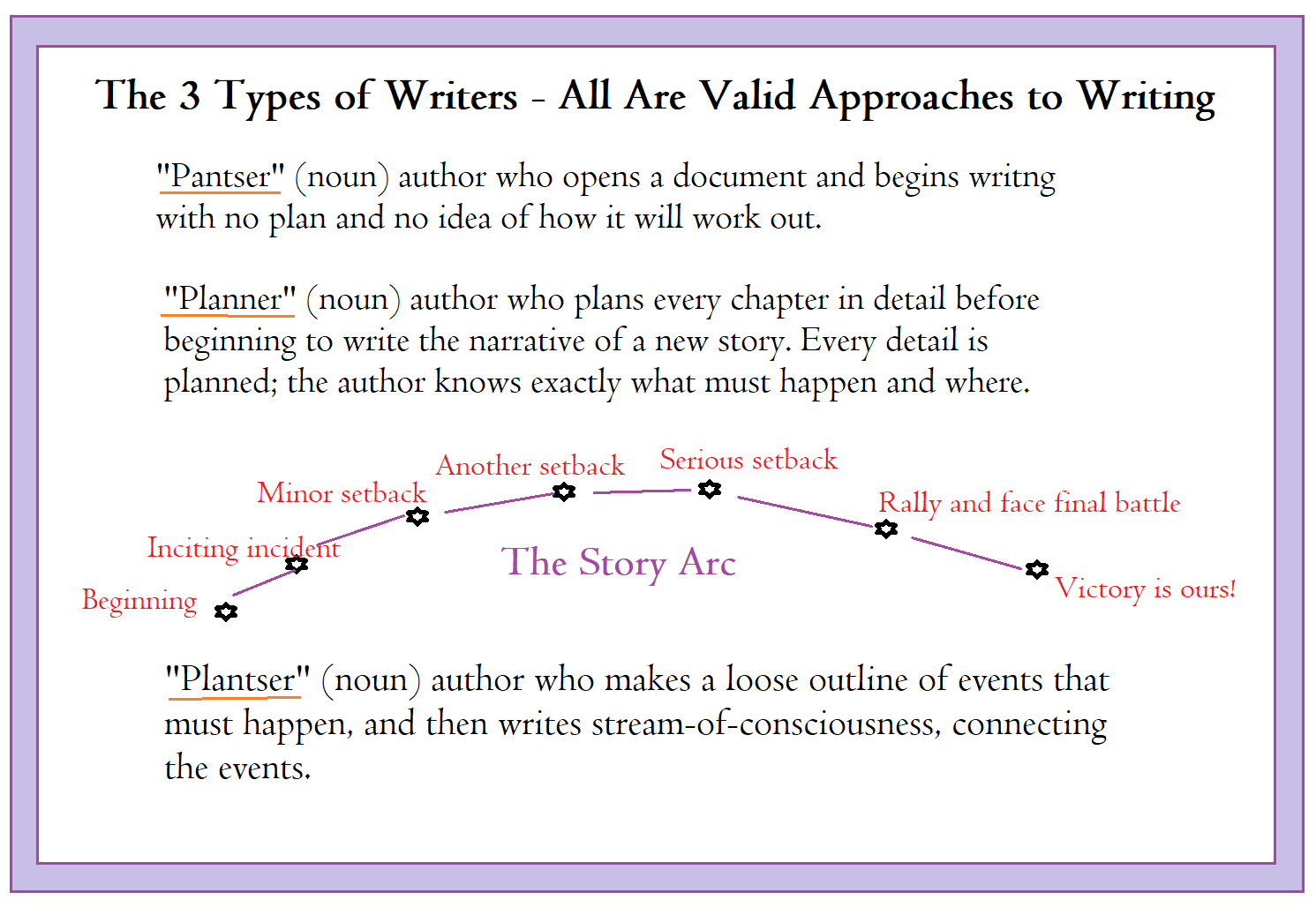
 I was a dedicated municipal liaison for the Olympia, Washington Region for twelve years and a regular financial donor, but I walked away after the organization’s implosion last November. I will get my 50,000 new words in November but will not sign up to participate through the NaNoWriMo website.
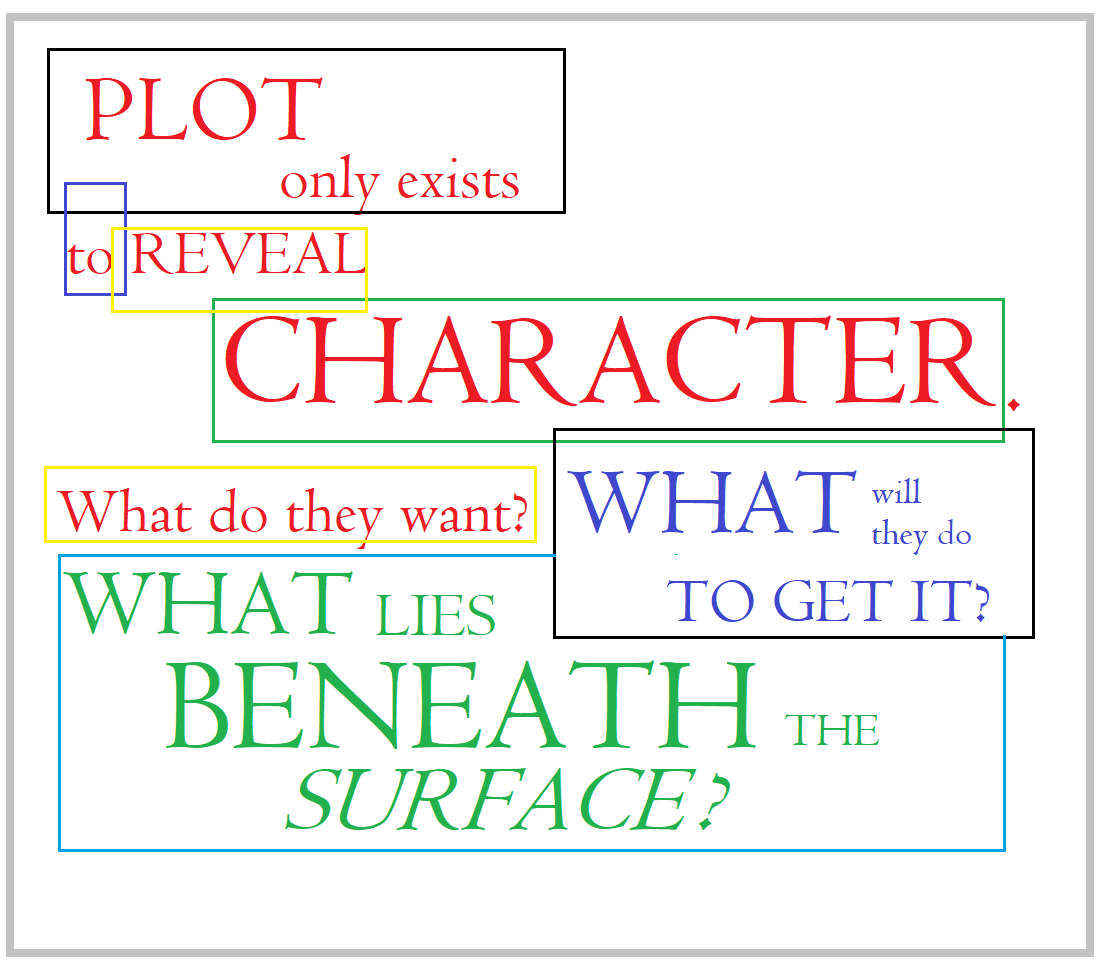 The answer to question number one kickstarts the plot: who are the players? Once I know the answer to this question, I can write, and write, and write … although most of what I write at that point will be background info. The answers to the other questions will emerge as I write the background blather.
 They share some of their story the way strangers on a long bus ride might. I see the surface image they present to the world, but they keep most of their secrets close and don’t reveal all the dirt. These mysteries will be pried from them over the course of writing the narrative’s first draft.
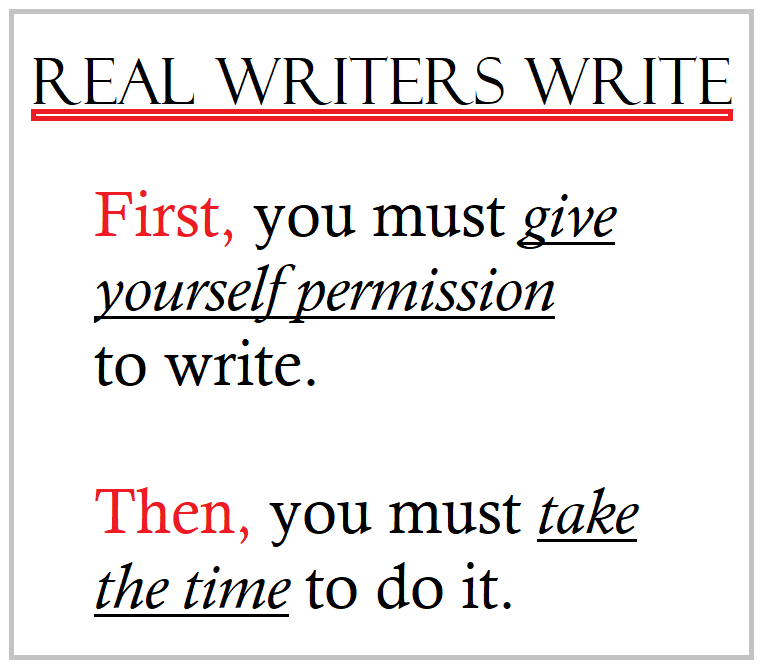 And what if you are writing poems or short stories? Graphic novels? We will also go into preparing to “speed-date your muse” when embarking on those aspects of writing.
 Setting: Does the setting feel real?
 Be prepared for it to come back with some detailed critical observations, which may seem harsh. Any criticism of our life’s work feels unfair to an author who is new at this. And to be truthful, some authors never learn how to put aside their egos.
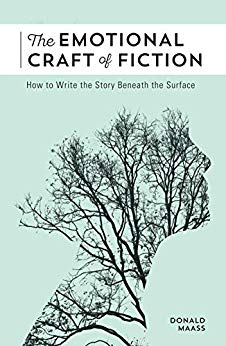 Worse, perhaps they were familiar with a featured component of the story, such as medicine or police procedures. The reader might have suggested we need to do more research and then rewrite what we thought was the perfect novel.
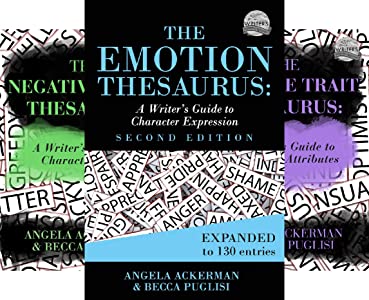 I went out and bought books on the craft of writing, and I am still buying books on the craft today. I will never stop learning and improving.
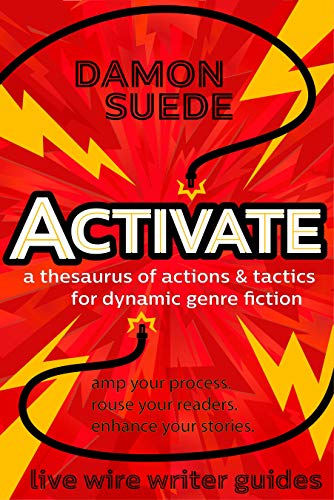 Learning the craft of writing is like learning any other trade, from cooking to carpentry. It takes work and effort to become a master.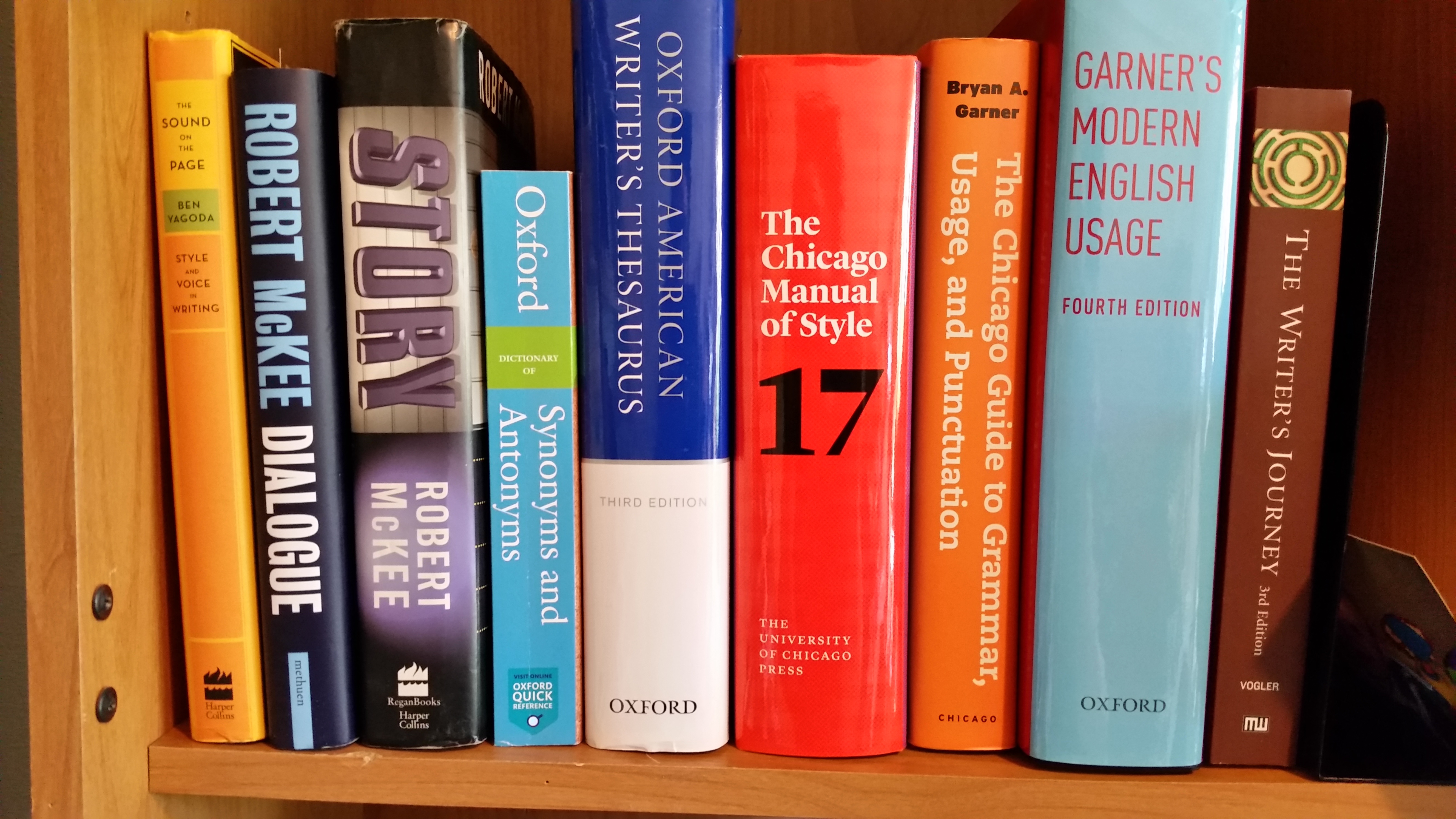
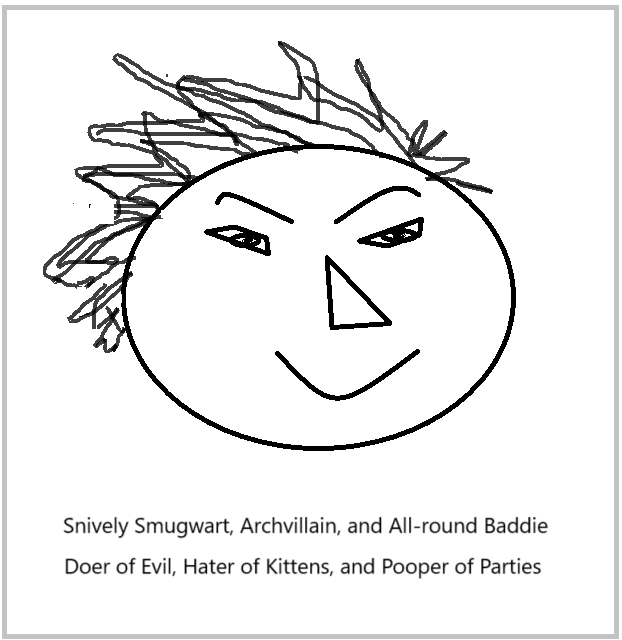 Who is the antagonist?
 Consider cogs: they are engineered to interlock with each other, and when they move close enough that one cog interlocks and turns another, they move other parts of the mechanism.
 Confrontations are chaotic. It’s our job to control that chaos and create a narrative with an ending that is as intense as our imaginations and logic can make it.
 This happens because my characters have agency and sometimes run amok. Thus, in the second draft, I examine the freedom I give my characters to introduce their own actions and reactions within the story.
 When the writing commences, the characters make choices and say things that surprise me. They can do this because I allow them agency.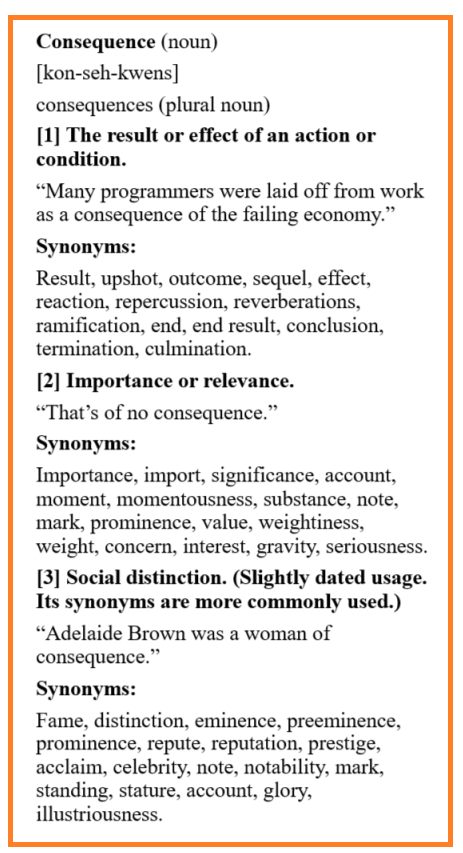
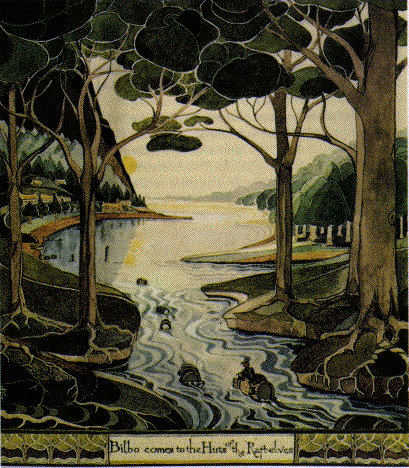
 Fortunately, they are rescued by Gandalf. While he is hiding, Bilbo discovers several historically important weapons. One of them is Sting, a blade that fits Bilbo perfectly as a sword. This is a positive consequence, as the blade is crucial to Bilbo’s story and later to Frodo’s story.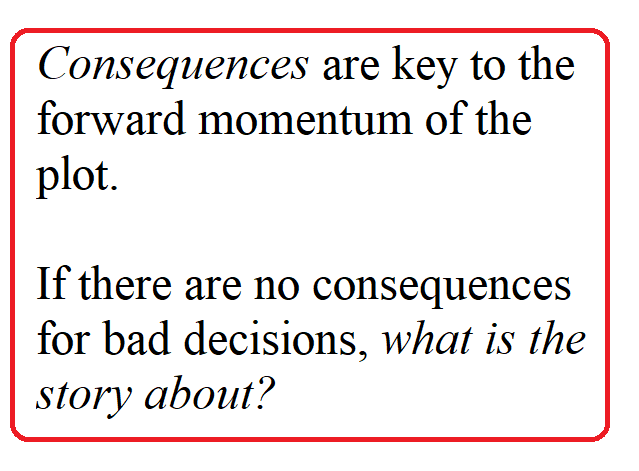
 It follows that certain words become a kind of mental shorthand, small packets of letters that contain a world of images and meaning for us. Code words are the author’s multi-tool—a compact tool that combines several individual functions in a single unit. One word, one packet of letters will serve many purposes and convey a myriad of mental images.
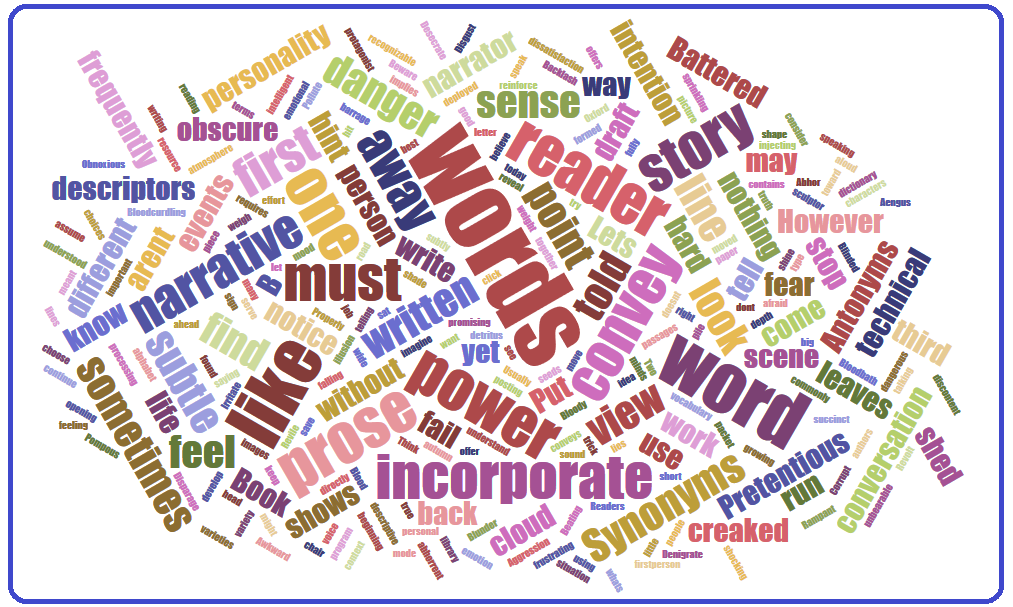 I want to avoid that sin in my work, but what are my code words? What words are being inadvertently overused as descriptors? A good way to discover this is to make a word cloud. The words that see the most screen time will be the largest.
  endured
 Sometimes, the only thing that works is the brief image of a smile. Nothing is more boring than reading a story where a person’s facial expressions take center stage. As a reader, I want to know what is happening inside our characters and can be put off by an exaggerated outward display.
 I was divorced from hubby number three in 1997, and oddly enough, things became much easier financially. I was able to get by with only one job, even while raising my last teenager. (See? Everyone has a soap opera life, even famously unknown authors.)
 Another arc takes the protagonist on a journey that can end several different ways, all of them taking our characters down a winding path with many choices, roads not taken. They also are altered by their experiences for good or ill.
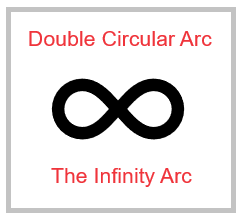 Knowing my intended word count helps me create a story, from drabbles to novels. For me, it works in stories with a traditional arc as well as those with a circular arc.
 In a circular narrative, the story begins at point A, takes the protagonist through life-changing events, and brings them home, ending where it started. The starting and ending points are the same, and the characters return home, but they are fundamentally changed by the story’s events.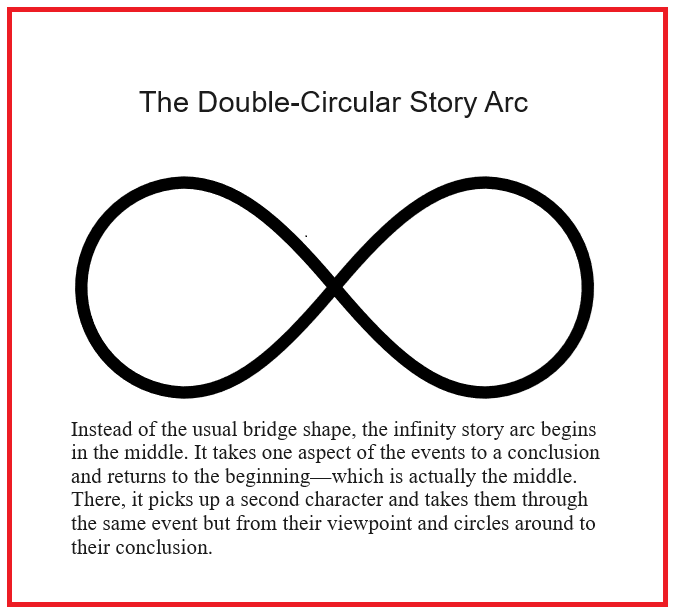
 Word choices are essential in showing a world and creating a believable atmosphere when limited to only a small word count. I had challenged myself to write a story that told both sides of a frightening encounter in 1000 words, give or take a few. I wanted to expand on the theme of dragons and use it to show two aspects of a place whose national symbol is the Red Dragon (Welsh: Y Ddraig Goch).


 Life in the Realm of Fantasy