
We are designing a fantasy story, and we are going to write it for us, writing as freely as we want. We’re writing like no one will ever read it but us, so it will be our story, flowing from our vision.
So far, we have created our protagonist and the initial antagonist and have an idea of what their quest is.
 We have discovered that our novel might be a Romantasy, as the enemies-to-lovers trope seems to be developing. Now, let’s look at the allies that help our characters as they each strive to fulfill their quest. These are the friends and supporters who enable them to achieve their goals.
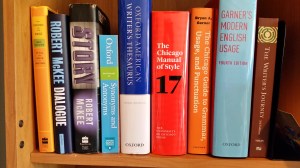
The Writer’s Journey, Mythic Structure for Writers, by Christopher Vogler, details the various traditional archetypes that form the basis of most characters in our modern mythology, or literary canon.
The following is the list of character archetypes as described by Vogler:
- Hero: someone who is willing to sacrifice his own needs on behalf of others.
- Mentor: all the characters who teach and protect heroes and give them necessary gifts.
- Threshold Guardian: a menacing face to the hero, but if understood, they can be overcome.
- Herald: a force that brings a new challenge to the hero.
- Shapeshifters: characters who constantly change from the hero’s point of view.
- Shadow: a character who represents the energy of the dark side.
- Ally: someone who travels with the hero through the journey, serving a variety of functions, including that of sacrificial lamb.
- Trickster: embodies the energies of mischief and desire for change.
Side characters are essential, especially characters with secrets because they are a mystery. Readers love to work out puzzles. However, the job of the supporting cast is to keep the attention focused on the protagonist and the antagonist and their quest.
 For that reason, I recommend keeping the number of allies limited. Too many named characters can lead to confusion in the reader. For the sake of simplicity, I am limiting the number of characters in each party to 3 trusted cohorts.
The quest is simple: Our protagonist and antagonist are co-regents of twelve-year-old King Edward. Both seek to keep him alive, but they have radically different ideas about his upbringing. Both believe the other is the cause of Edward’s wasting illness.’
At this point in the planning process, Edward is a MacGuffin, and if he has a personality, it will emerge as time goes on. So, how does Val’s party line up?
- First is the ally who is also the trickster. This character is as yet unnamed, but they are the core of Val’s spy network and will be fun to write. This ally will also serve as the sacrificial lamb, bringing pathos into the story.
- Val’s second in command fills the role of paladin, a common fantasy character trope. He is a trusted officer in the royal guards. He does not trust the spy, bringing friction and mutual distrust into play and offering opportunities for our spy to vent his humor at the paladin’s expense.
- Val’s third ally is a healer, a woman who was young King Edward’s nurse when he was a baby. She also has the role of mentor when wisdom is required.
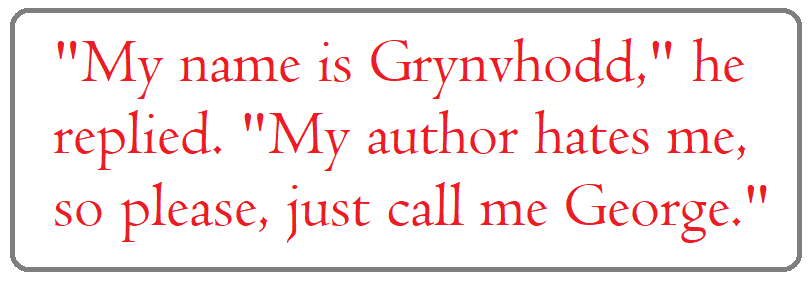
Our sidekicks are as yet unnamed, BUT we might have our novel made into an audiobook. Thus, we must consider ease of pronunciation when a name is read aloud.
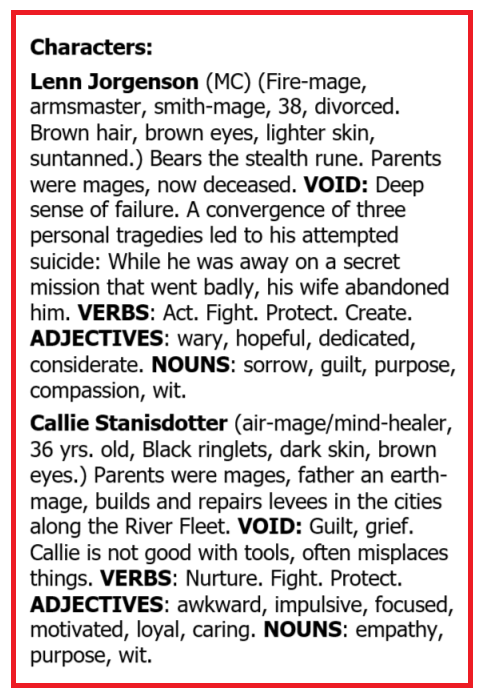
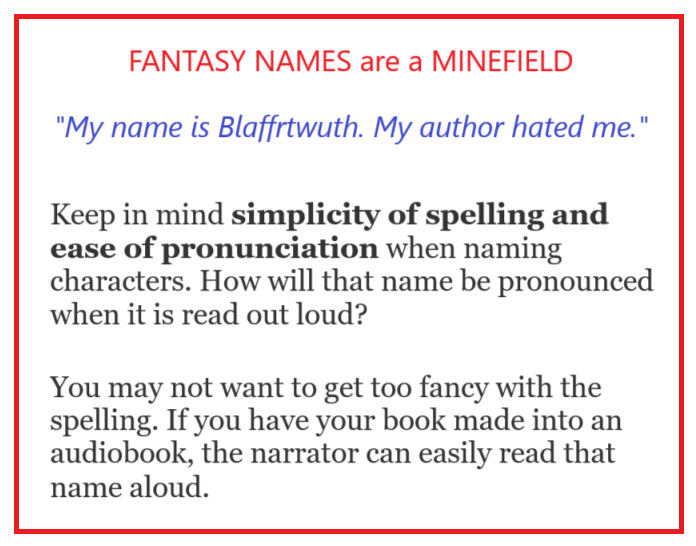 Every core character that the protagonists are surrounded by should project an unmistakable surface persona, characteristics that a reader will recognize as unique from the outset.
Kai Voss will also have three trusted allies.
- Kai’s much older (illegitimate) half-brother is also a sorcerer and has long served as Kai’s mentor. He is also the Shadow, the suave, worldly character who subtly brings the energy of the dark side.
- Two soldiers have sided with Kai, both firmly believing they are the salvation of the young king. One is the paladin, a man who believes in honor and loyalty to the king and the traditions that he believes in.
- One soldier has the role of herald and will be the sacrificial lamb when he uncovers an uncomfortable truth.
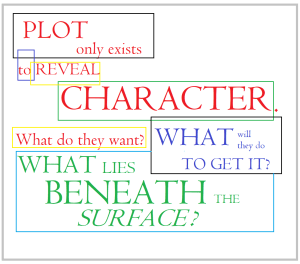
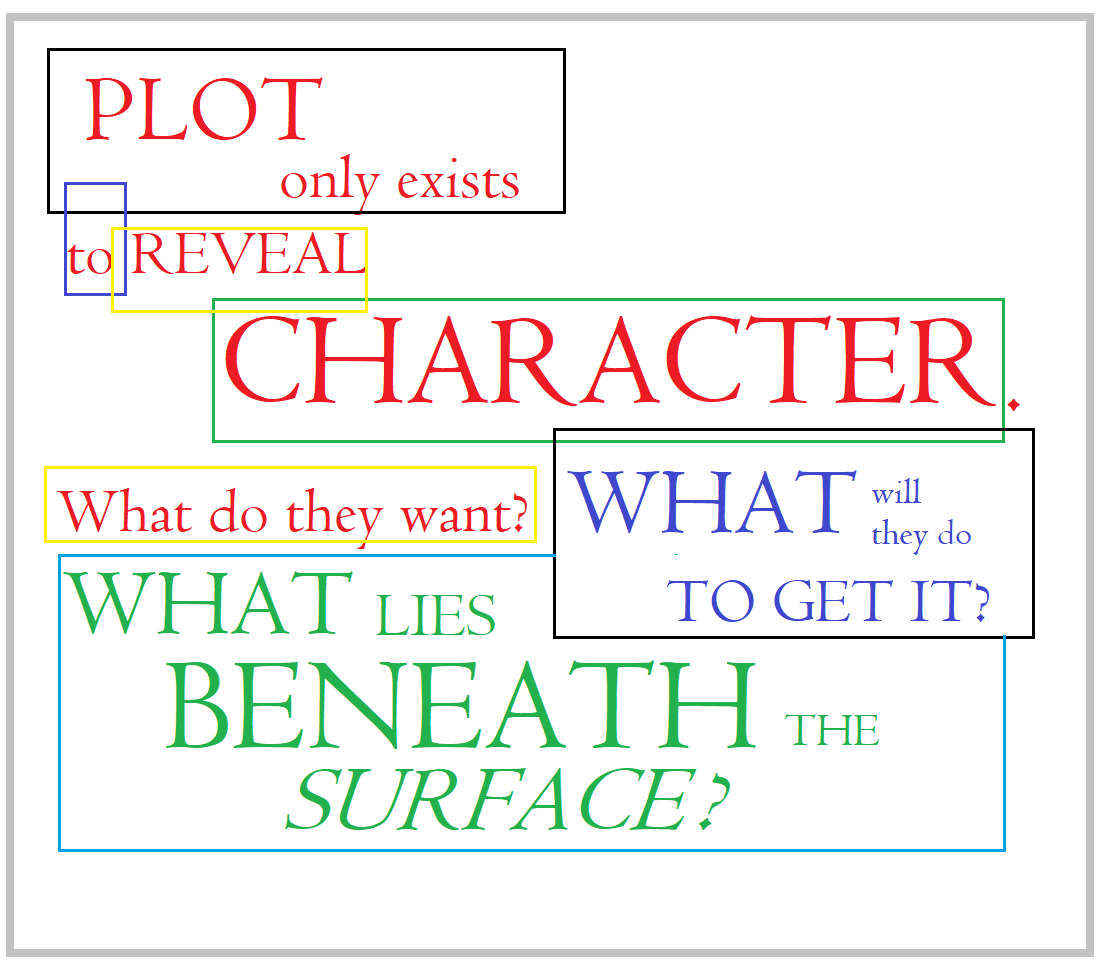
From the moment they enter the story, we should see glimpses of weaknesses and fears. We should see hints of the sorrows and guilts that lie beneath their exterior personas. These characters are not the protagonist, so their backstory must emerge as a side note, a justification for their inclusion in the core group.
Old friends have long histories, and the protagonist knows most of their secrets at the outset—but perhaps not all. Unspoken secrets will emerge only at critical points if and when they affect the protagonist or antagonist, and only if they provide the reader with information they must know.
If these friends are new to the protagonist, their stories should emerge in the form of information needed to complete the quest.
In real life, everyone has emotions and thoughts they conceal from others. Perhaps they are angry and afraid, or jealous, or any number of emotions we are embarrassed to acknowledge. Maybe they hope to gain something on a personal level. If so, what? Small hints revealing those unspoken motives are crucial to raising the tension in the narrative.
 As writers, our task is to ensure that each character’s individual story intersects smoothly and doesn’t jar the reader.
To do that, the motivations of the side characters must be clearly defined. You must know how the person thinks and reacts as an individual.
Ask yourself what deep desires push this character onward? Just as you have done with the hero of your story, ask yourself what the side characters’ moral boundaries are and what actions would be out of character for them?
- Write nothing that seems out of character unless there is a good, justified reason for that behavior or comment.
We want to create empathy in the reader for the group as a whole, but we want to keep the pace of the plot arc moving forward.
Certain plot tricks function well across all genres, from sci-fi to romance, no matter the setting. In most novels, one or more characters are “fish out of water” in that they are immediately thrust into an unfamiliar and possibly dangerous environment.
In our current manuscript, it is our antagonist, Kai Voss, who will be thrust into the unknown by a traitor acting on their secret agenda, and we will talk about that in our next installment.






 Nowadays, I am rarely able to do in-person events due to family constraints, but I used to do four events a year. However, I have some tips to help ease the path for you.
 The final thing you will need is a way of accepting money. I have a metal cash box, but you only need something to hold cash and some bills to make change with. A way to accept credit cards, something like
 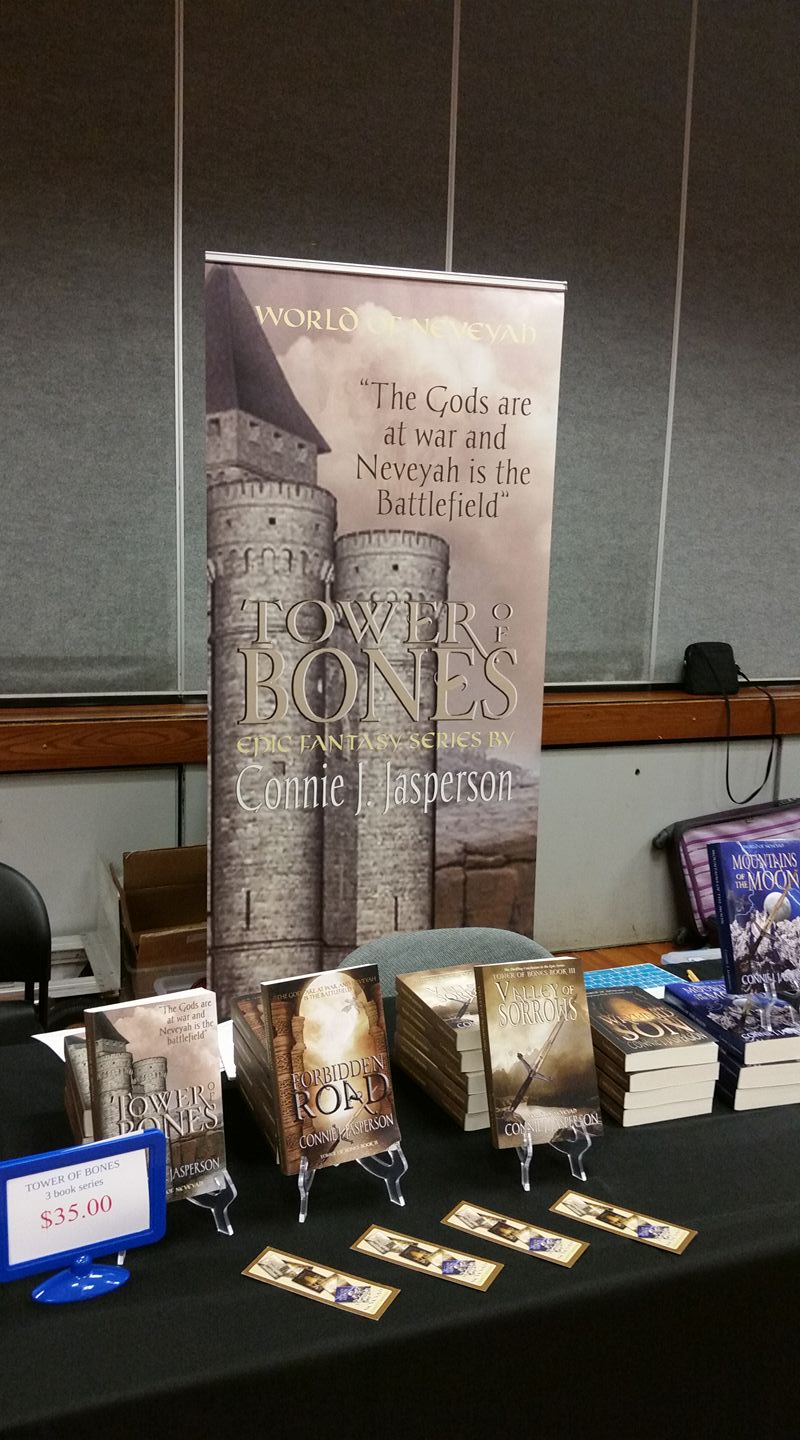 Investing in some large promotional graphics, such as a retractable banner, is a good idea. A large banner is a great visual to put behind your chair. A second banner for the front of the table looks professional but requires some fiddling with pins.
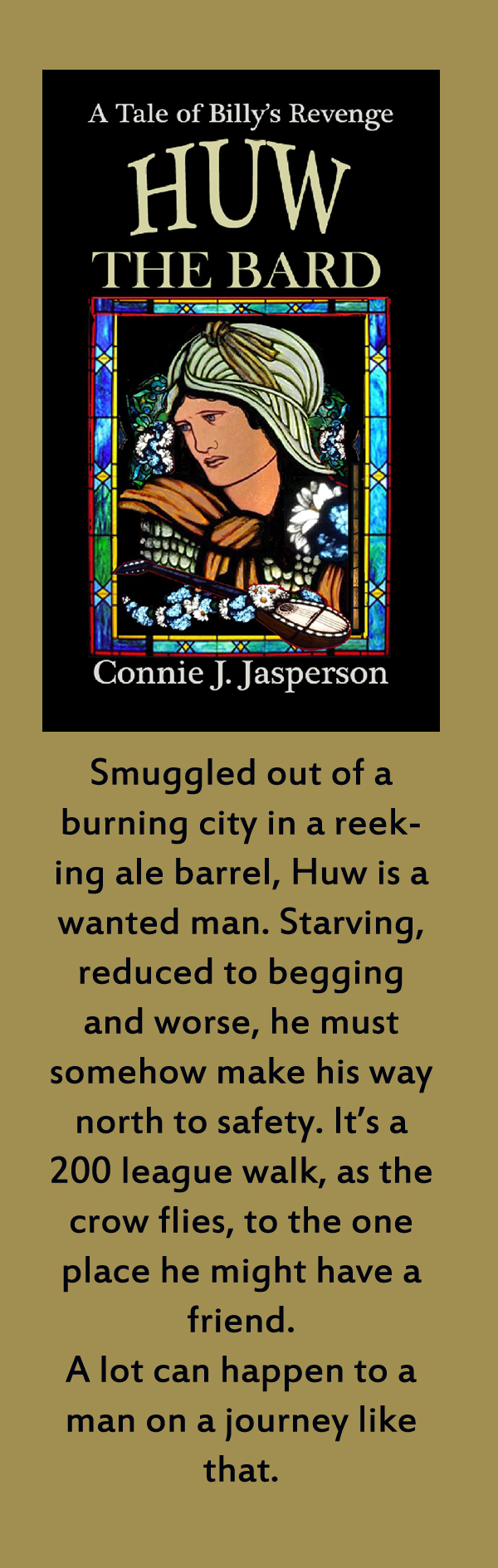 Make your display attractive, but I suggest you keep it simple. People will be able to see what you are selling, and the more fiddly things you add to your display, the longer setup and teardown will take. The shows and conferences I have attended offered plenty of time for this, but I’ve heard that some of the big-name conventions require you to be in or out in two hours or less.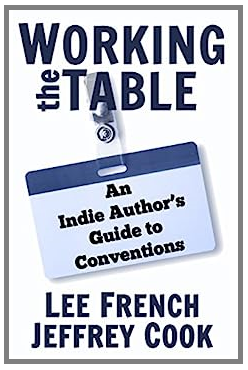
 Aaron’s interpretation of this classic is spot on. He has gotten all the voices just right, from kindly Fred down to Tiny Tim.
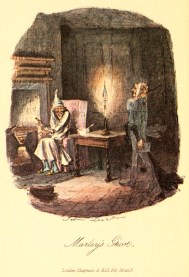 “Marley was dead, to begin with. There is no doubt whatever about that. The register of his burial was signed by the clergyman, the clerk, the undertaker, and the chief mourner. Scrooge signed it. And Scrooge’s name was good upon ‘Change for anything he chose to put his hand to. Old Marley was as dead as a doornail.”
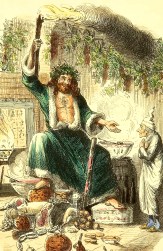 As I mentioned before, this book is only a novella. It was comprised of 66 handwritten pages. Some people think they aren’t “a real author” if they don’t write a 900-page doorstop, but Dickens proves them wrong.


 Life in the Realm of Fantasy