
I’ve mentioned before that I don’t review books I don’t like. So, without naming names, let’s talk about why some books are not on my review list.
 Passive phrasing: If you watch them in real life, people don’t “begin” to pick up that knife. They don’t “start” to walk away.
They reach for the knife. They take the knife from the drawer.
They walk away.
We’re thinking and writing the story as it falls from our heads. Because we get into storytelling mode, the dog begins to bark, and the neighbors start to complain. In real life, the dog barks, and the neighbors complain.
When you write with a passive voice, it’s easy to use too many quantifiers, such as “it was really big” or “it was incredibly awesome.” It becomes easy to “tell” the story instead of showing it: “Bob was mad.”
Then there is the opposite extreme, showing far too much.
Some authors have been told their prose is passive and are desperate to avoid that. But they have a lot of detail they want to convey, so they resort to clumsy lead-ins and awkward descriptions. This only announces that a lengthy exposition is forthcoming.
Please, don’t use a phrase like: “She felt her eyes roll over her host’s attire” and then follow it with a paragraph describing the host in microscopic detail. That unfortunately phrased sentence is one of the less obnoxious lines from a book I was unable to finish reading several years back. It stuck with me because the paragraph that followed it was so awful.
Nothing gives me the creeps more than a 250-word description of eyeballs independently rolling up and down and all over a purple velvet suit of dubious origin. I could see what the author was trying to say, but the host’s suit was the least of the travesties in that train wreck: most people’s eyeballs do not leap from their head and roll over anything.
Instead, they could have written the entire 250-word encounter this way: Vincent wore a suit of purple velvet, threadbare, and looking as if it came from his grandfather’s closet.
It’s a struggle sometimes, but we must try to slip descriptions into the narrative in less obvious ways.
Some authors swamp the reader with minute details: “Marge’s eyebrows drew together, her lips turned down, and her cheeks popped a dimple. Hate glared from her eyes.”
Some authors ruin the taste of their work with an avalanche of prettily written descriptors: “-ly” words.
Others may want to show their characters as human, so they have them natter on about nothing: “Remember when….” If the memory doesn’t pertain to the story or explain something about a character that has been a mystery, it doesn’t advance the plot. Rather than showing them as human, it pads the word count, stalls the momentum, and the reader stops reading.
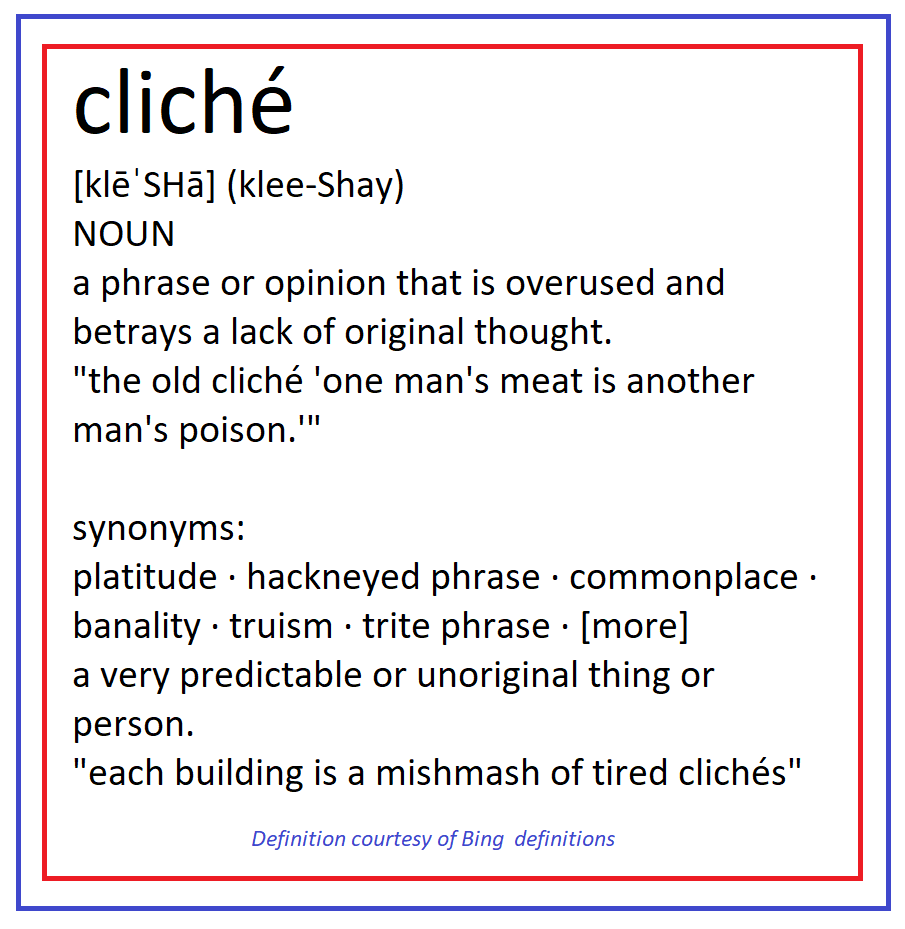 Use of clichés. Speaking as a reader, please don’t use the word alabaster to describe a woman’s skin. Make an effort to find a different way to describe her appearance. It’s an easy word that says smooth and pale, but it’s an overused word that has become cliché.
As a matter of reference, it’s not usually necessary to describe a character’s skin other than with broad generalizations because you want the reader to imagine them for themselves, and we all have different ideas of beauty.
Clichés and catchphrases will appear in the first drafts of our work, but they are signposts for the second draft. They tell us to spend some time finding a creative way to show a person or event.
Events that occur for no reason and take the story nowhere: I loved “The Hitchhiker’s Guide to the Galaxy” series of books written by the late Douglas Adams.
The books detail the adventures of Arthur Dent, a hapless Englishman traveling the galaxy in his pajamas. He and his friend are transported off the earth just in time to miss the destruction of the planet by the Vogons, a race of unpleasant and bureaucratic aliens, to make way for an intergalactic bypass.
Douglas Adams’ work is a little bit “out there,” but he understood that there must be a reason for the protagonist to leave his home wearing his pajamas and a robe. He used that opportunity to show the cozy, comfortable environment Arthur was about to be thrust out of.
Adams understood he first had to show Arthur in his happy home, and then his protagonist had to be quickly yanked out there and placed on that Vogon Constructor Ship.
For me as an author, the easiest part of writing is inadvertently slipping some clumsy bit of phrasing into my narrative, having an action scene go hilariously (and impossibly) wrong. I don’t usually notice the awkwardness until my editor points it out.
 As a reader, things will pull me out of the narrative, and I will probably stop reading at that point. Most of these issues are the result of lazy writing habits.
Research: Using real science requires research, which is time-consuming. Writing true history, writing medical dramas, and using police and military procedures involves effort. You must glean research from more sources than Wikipedia and old CSI episodes.
If you are writing historical fiction, you must read many books on your subject. Make notes as you read each, noting the book title, the author, and the page number where you found the info—you may need to know those things later. It’s work, but this is a job where you can’t skimp.
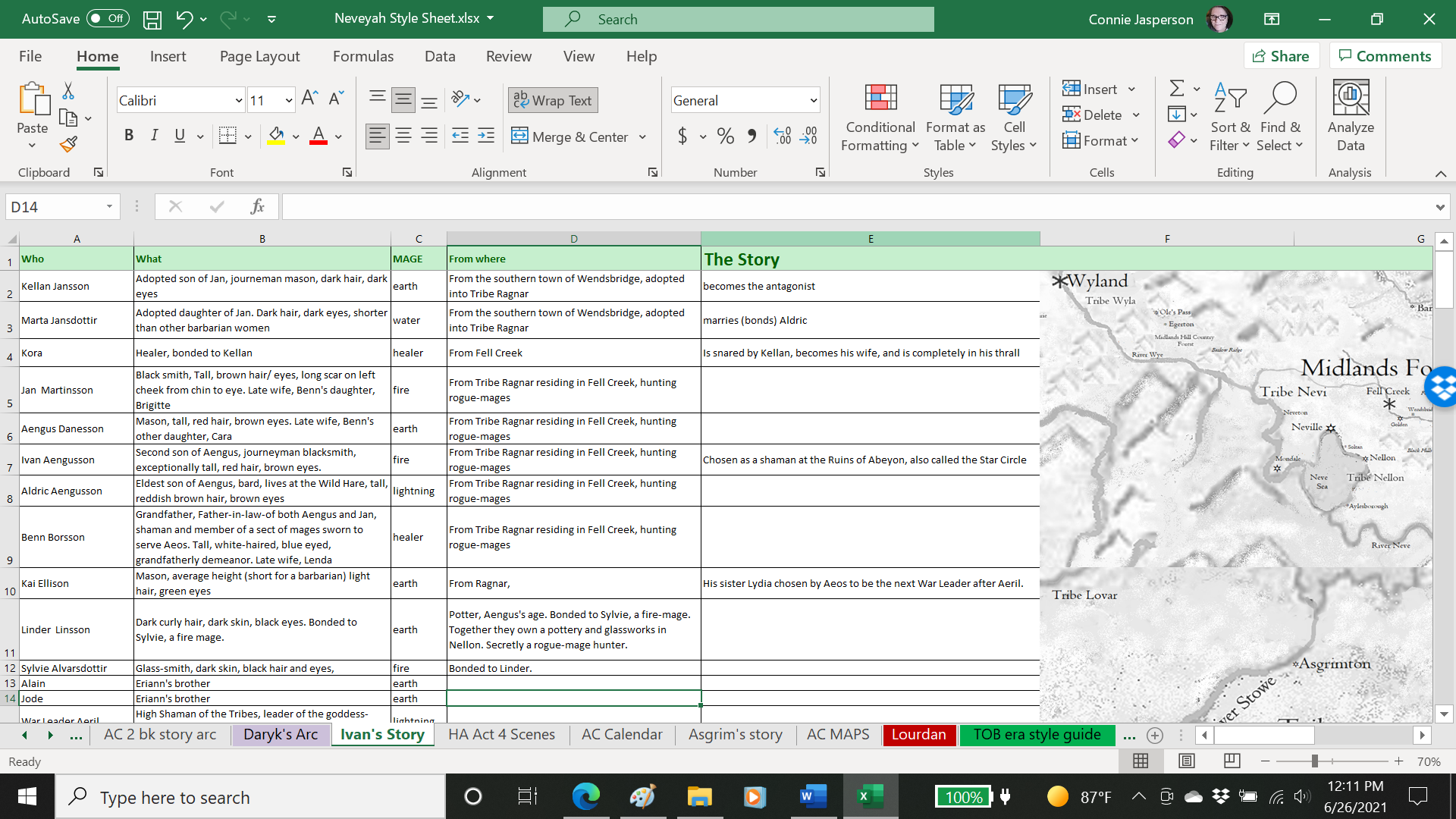
If you are writing speculative fiction, you will accumulate science or other background information in your world-building process. You will want to keep it organized, and this is where the style sheet or storyboard comes in handy.
What the style sheet/storyboard should cover:
- All names, created or not: Aeos, Aeolyn, Beryl, Carl, Edwin, etc.
- Real and created animal names: alligator, stinkbear, thunder-cow, waterdemon
- Created words that are hyphenated: fire-mage, thunder-cow
- All place names, real or created: Seattle, Chicago, Ragat, Wister, Sevya, Arlen, Neveyah
- Any research note you have accumulated.
See my post, Designing the story for more on how to make a storyboard or style sheet.
 Keep your notes/stylesheet in a clearly labeled file, and back them up on a thumb drive or file them in the cloud via Dropbox, OneDrive, or Google Docs. I use and work out of a file-saving service, so my files won’t be lost no matter what happens to my computer.
Turning those notes into your story is an integral part of the writing process.
Plagiarism – this is most important: never copy lines from another person’s work and pass them off as your own. That is plagiarism, and you never want to be accused of that. If you must quote someone verbatim in your book, contact their publisher and get their legal permission to do so, and credit them by using proper footnotes. If you do not receive written consent, do not use their work.
Keep this written permission on file with any other legal papers that pertain to that book.
An excellent article on this can be found here: Cite Unseen: 3 Bits for a Better Bibliography
 I think of stories as if they were ponds filled with words. A pond has layers, and so do good stories. I see the three layers of a story as:
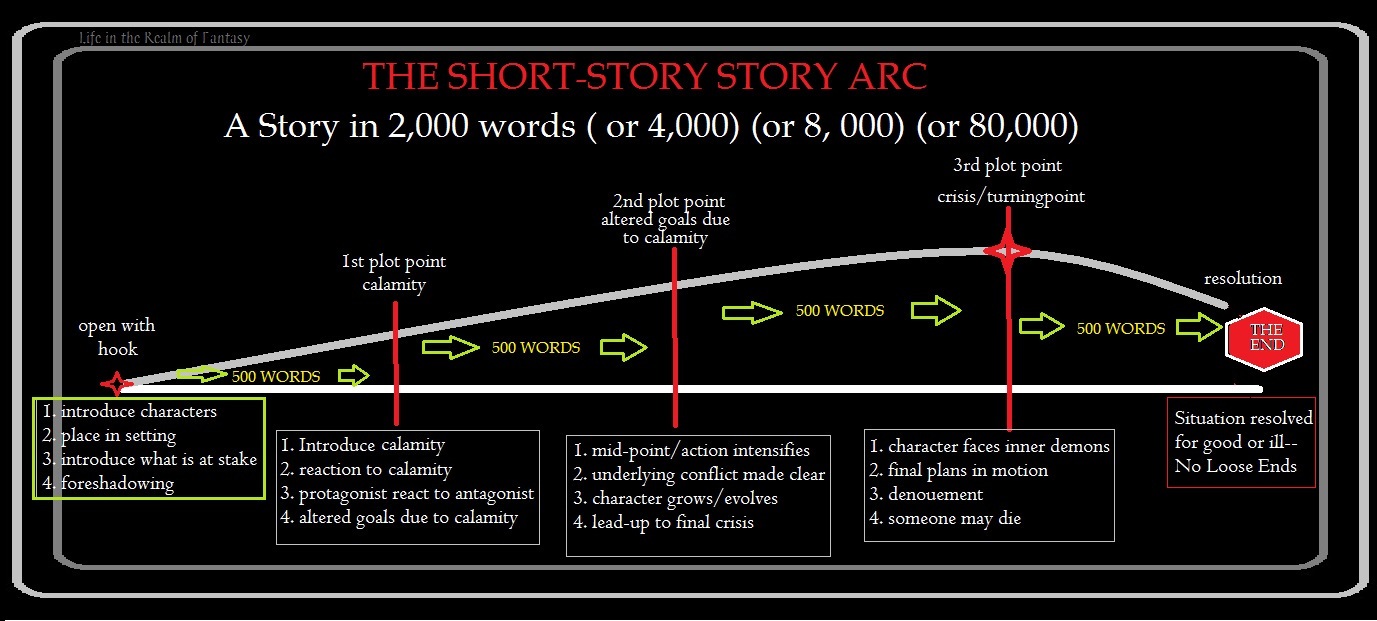 Act 1: the beginning: We show the setting, the protagonist, and the opening situation.
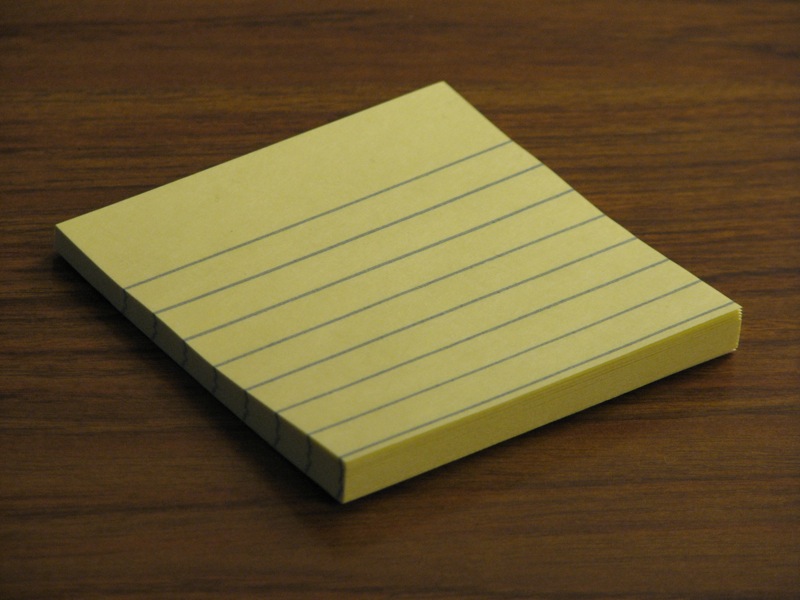 I have mentioned before that I use a spreadsheet program to outline my projects, but you can use a notebook or anything that works for you. You can do this by drawing columns on paper by hand or using post-it notes on a whiteboard or the wall. Some people use a dedicated writer’s program like Scrivener.
 We never really know how a story will go, even if we begin with a plan. The plan serves to keep us on track with length and to ensure the action doesn’t stall.
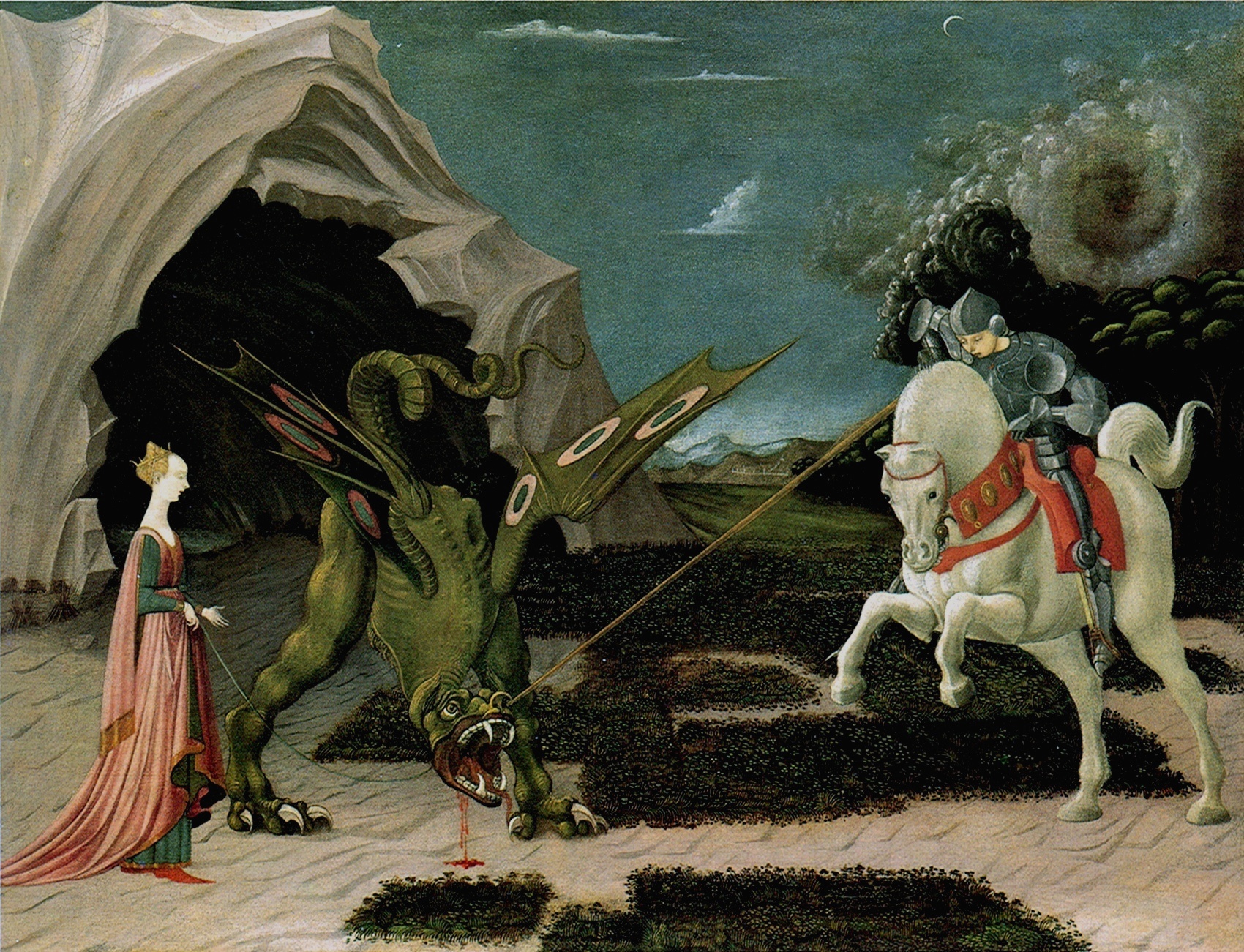 Artist: Paolo Uccello (1397–1475)
 New writers know the backstory is important. They sometimes feel it’s necessary to inform the reader by placing a wall of history at the novel’s beginning. It seems like logical thinking: “Before you can understand this, you need to know this.”
 Don’t give your characters long paragraphs with lines and lines and lines of uninterrupted dialogue or internal monologues. We don’t want our conversations to deteriorate into bloated exposition.
 I look at each conversation and assess how many words are devoted to each character’s statement and response. Then, when I come to a passage that is inching toward a monologue, I ask what can be cut that won’t affect the flow of the story or gut the logic of the plot?
 The trick is to understand that, while the first draft has many passages that shine, more of what we have written is only promising. The first draft contains the seeds of what we believe we have written. Like a sculptor, we must work to shave away the detritus and reveal the truth of the narrative.
 The best resource you can have in your personal library is a dictionary of synonyms and antonyms. Your word processing program may offer you some synonyms when you right click on a word. However, to develop a wide vocabulary of commonly understood words, you should try to find a book like the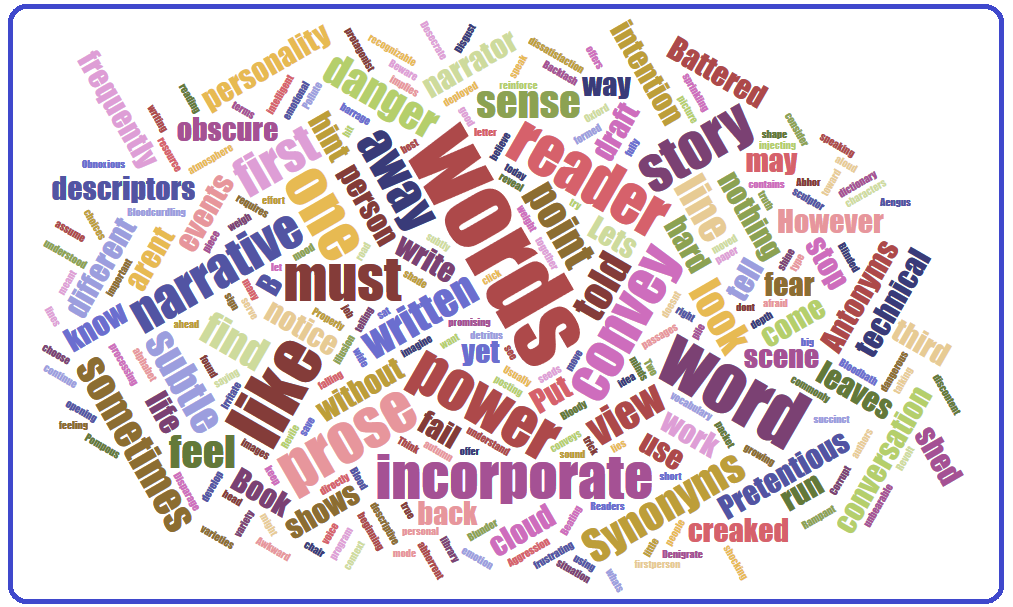
 Also, if you have been a reader of mine for a while, you know I rarely write reviews for books I don’t like, no matter how much I like the author because I hate hurting peoples’ feelings.
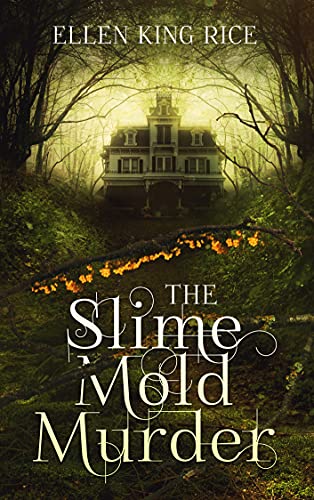 Dylan Kushner is a 19-year-old genius coping with absentee parents, financial insecurity, looming homelessness, and worry about paying for his last semester of school. He also lives with ADHD and
 My answer is simple. We write short stories and submit them to magazines, anthologies, and contests.
 If you have a story that was a contest winner, you may be able to sell it to the right publication.
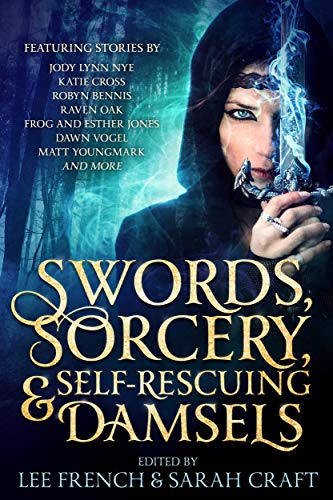 Anthologies will close on a specific date, or after a certain number of submissions have been received.
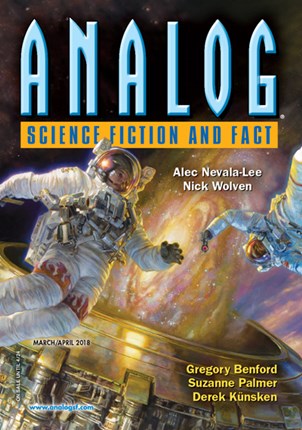 These steps demonstrate your level of professionalism. Editors at magazines, contests, and publishing houses have no time to deal with unedited, poorly formatted manuscripts. Their inboxes are full of well-written and properly formatted work, so they will reject the amateurs without further consideration.
 Title: Boulevard de la Madeleine in Paris by Frits Thaulow
 Authors work hard to create a strong, credible hero. In genre fiction, the hero’s story evolves in a setting of our devising and is defined by their struggle against an antagonist.
 Kellan is a complicated character who believes he is the hero. His story begins as a member of the protagonist’s inner circle and ends tragically.
 In other stories, there is the nebulous antagonist—the faceless giant of corporate greed, characterized by one or two representatives, who may be portrayed as caricatures. In some
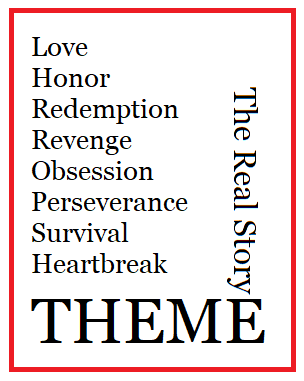
  This is an important distinction. Credible villains become evil for sympathetic reasons. They care intensely, obsessively about something, or someone. It is our job to make those deeply held justifications the driving force behind their story.


 Life in the Realm of Fantasy

.jpg)