
Now that we are in the midst of December, many people are reviewing what they wrote during NaNoWriMo and trying to put it in order. This is a good time to look at the function of the scene.
 Novels consist of a string of moments united by a common theme. These scenes combine to form a story when you put them together in the right order and link them with a plot featuring a compelling protagonist who must overcome adversity.
I see the scene as a story within a larger story, a moment with an arc of its own.
Scenes are the building blocks of the story. Small arcs of action form chapters, which form the larger arc of plot. They combine to form a cathedral-like structure: the novel.
If you ask a reader what makes a memorable story, they will tell you that the emotions it evoked are what they remember, and why they loved that novel.
Therefore, no scene can be wasted. Each moment of the story must have a function, or the story fails to hold the reader’s interest. I work to make each scene as emotionally powerful as I can without going overboard.
A few things a scene can show:
- Capitulation
- Catalyst
- Confrontation
- Contemplation/Reflection
- Decision
- Emotions
- Information
- Negotiation
- Resolution
- Revelation
- Turning Point
Make one or more of these functions the core of the scene, and you will have a compelling story.
Let’s return to a watershed chapter I’ve discussed before. In the Fellowship of the Ring, book one of J.R.R. Tolkien’s Lord of the Ring series, the longest chapter in the book details the Council of Elrond. The scene is set in Rivendell, Elrond’s remote mountain citadel.
The characters attending the Council have arrived there on separate errands. Each has different hopes for what would ultimately come from the meeting.
Despite their various agendas, each is ultimately concerned with the One Ring. Each has their own idea of how to use it to protect the people of Middle-earth from the depredations of Sauron, who is desperate to regain possession of it. This chapter is comprised of several scenes and serves more than one function.
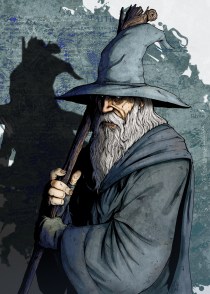
Gandalf the Grey, by Nidoart, CC BY-SA 3.0
Information/Revelation: The Council of Elrond conveys information to both the protagonists and the reader. It is a conversation scene, driven by the fact that each person in the meeting has knowledge the others need. Conversations are an excellent way to deploy required information.
Remember, plot points are driven by the characters who have vital knowledge.
The fact that some characters are working with limited information creates high emotional tension.
At the Council of Elrond, many things are discussed, and the history of the One Ring is explained. This is not done in an info dump; instead, each character offers a new piece of the puzzle at the moment the reader needs to know it.
The reader and the characters receive the information simultaneously at this point in the novel.
Confrontation: A scene comprised only of action can be confusing if it has no context. A properly placed confrontational conversation (an argument/dispute) gives the reader the context needed to understand the reason for the action.
At the Council of Elrond, long-simmering racial tensions between Gimli the Dwarf and Legolas the Elf surface. Each is possessed of a confrontational nature, and it isn’t clear whether they will be able to set aside their prejudice and work together or not.
Other conflicts are explored, and heated exchanges occur between Aragorn and Boromir.
Negotiation: What concessions will have to be made to achieve the final goal? These concessions must be negotiated. Tom Bombadil is mentioned as one who could safely take the ring to Mordor as it has no power over him. Gandalf feels he would simply lose the ring or give it away. He explains that Tom lives in his own reality and doesn’t see the conflict with Sauron as a problem.
Bilbo volunteers, but he is too old and frail. Others offer, but none are accepted as good candidates for the job of ring-bearer for one reason or another. Each reason that is provided for why these characters are deemed less than satisfactory by Gandalf and Elrond deploys information the reader needs.
Turning Point: After much discussion, many revelations, and bitter arguments, Frodo declares that he will go to Mordor and dispose of the ring, giving up his chance to live his remaining life in the comfort and safety of Rivendell. Sam emerges from his hiding place and demands to be allowed to accompany Frodo. This is the turning point of the story.
(The movie portrays this scene differently, with Pip and Merry hiding in the shadows. Also, in the book, the decision regarding who will accompany Frodo, other than Sam, is not made for several days, while the movie shortens it to one day.)
Within the story’s arc are smaller arcs of conflict and reflection, each created by scenes. The arc of the scene is like any other: it begins, rises to a peak, and ebbs, ending on a slightly higher point of the overall story arc than when it started.
The scene must reveal something new and push the story toward something unknown.

The One Ring, Peter J. Yost, CC BY-SA 4.0
We are also pushing the character arc with each scene, raising the stakes a little. Our protagonist grows and is shaped by receiving needed information through action and conversation, followed by reaction and regrouping. This allows the reader to experience the story as the protagonist does.
The reader can then reflect and absorb the information gained before moving on to the next scene.
I will continue this discussion in my next post, which will focus on transitioning from scene to scene. Transitions are vital as they affect pacing and keep the story moving forward.
Credits and Attributions:
Gandalf the Grey, by Nidoart, CC BY-SA 3.0 <https://creativecommons.org/licenses/by-sa/3.0>, via Wikimedia Commons (artwork by Nidoart nidoart.blogspot.fr)
Wikimedia Commons contributors, “File:GANDALF.jpg,” Wikimedia Commons, the free media repository, https://commons.wikimedia.org/w/index.php?title=File:GANDALF.jpg&oldid=608049709 (accessed December 12, 2021).
The One Ring, Peter J. Yost, CC BY-SA 4.0 <https://creativecommons.org/licenses/by-sa/4.0>, via Wikimedia Commons.
Wikimedia Commons contributors, “File:One Ring Blender Render.png,” Wikimedia Commons, the free media repository, https://commons.wikimedia.org/w/index.php?title=File:One_Ring_Blender_Render.png&oldid=575573354 (accessed December 12, 2021).
 In my last post, I talked about the good and bad aspects of two editing programs that I am familiar with, the things they do and don’t help us identify in our work. One more thing these wonderful programs can’t help us with is identifying bloated backstory.
 Look at the first scene of your manuscript. Ask yourself three questions.
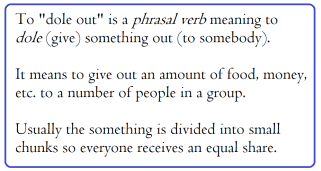 I look at each conversation and assess how many words are devoted to each character’s statement and response. Then, when I come to a passage that is inching toward a monologue, I ask myself, “what can be cut that won’t affect the flow of the story or gut the logic of the plot?”
 I do use Grammarly—but also, I don’t.
 Spellcheck doesn’t understand context, so if a word is misused but spelled correctly, it may not alert you to an obvious error.
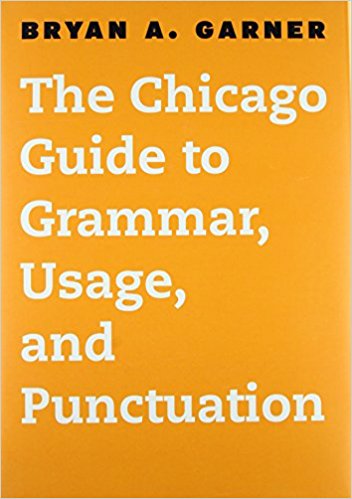 New writers should invest in the
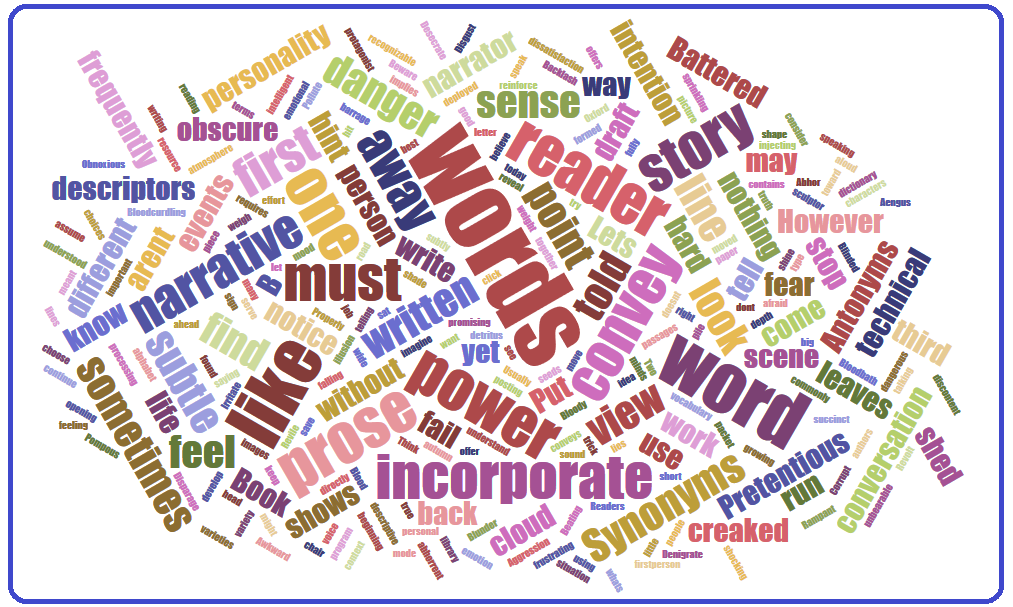
  Even editors must have their work seen by other eyes. My blog posts are proof of this as I am the only one who sees them before they are posted. Even though I write them in advance, go over them with two editing programs, and then look at them again before each post goes live, I still find silly errors two or three days later.
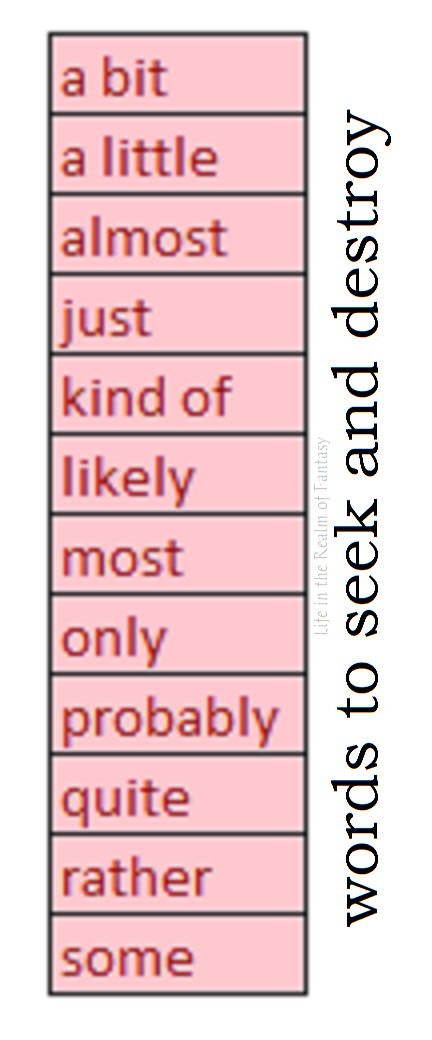
 If you have decided something is a “crutch word,” examine the context. Inadvertent repetitions of certain words are easy to eliminate once we see them with a fresh eye.
 From my earliest childhood, I always thought of myself as a writer. I just didn’t know how to write anything longer than a poem or a song in such a way that it was readable.
 One day in 1990, I stumbled upon a book offered in the
  Spend the money to go to conventions and attend seminars. You will learn so much about the craft of writing, the genre you write in, and the publishing industry as a whole—things you can only learn from other authors. I gained an extended professional network by joining The Pacific Northwest Writers Association and going to their conferences.
 Six: My final suggestion is this: even though you are writing that novel, keep writing short stories too.
 When I have asked a beta reader to read a section of my work, they sometimes flag a paragraph as unclear. It might make perfect sense to me, but if I am the only one who understands it, it’s time to tear that paragraph down to see if each sentence can stand on its own.
 I don’t want to introduce vagueness into my work. Just because I like what I wrote doesn’t mean it has to stay in the finished product. Maybe I don’t see that it’s confusing, but my friends who read my raw manuscripts will.
 Strolling along, watching the birds and animals that make their homes there grounds me. When we leave, I feel spiritually rested, more rooted in the earth, stronger and at peace with myself. It is a serene place, a place of stillness and calm.
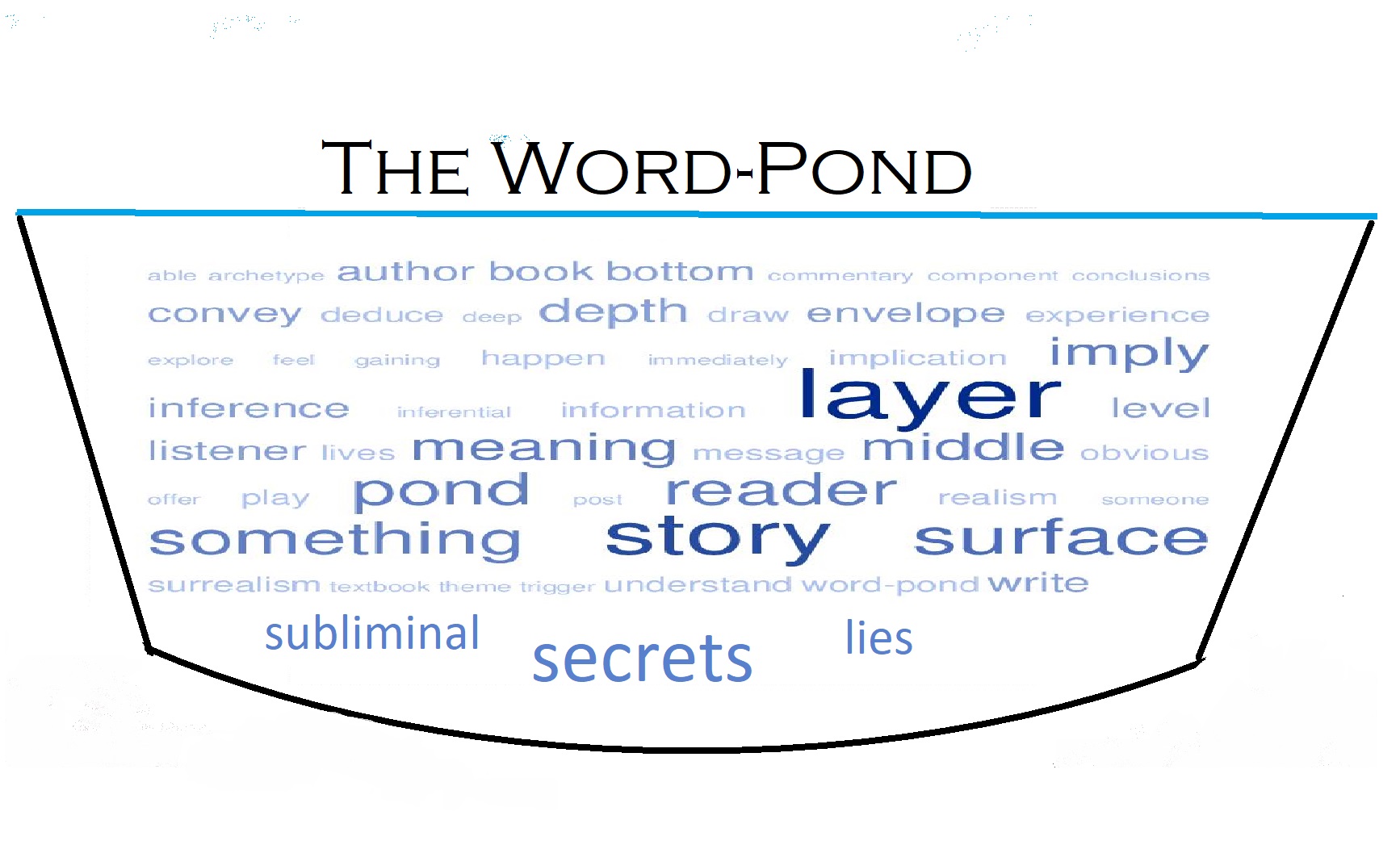 The components that form the visual layer appear to be the story. However, once a reader wades in, they discover unsuspected depths.
 The real story is how our characters interact and react to stresses within the overall framework of the environment and plot. Depth is found in the lessons the characters learn as they live through the events. Depth manifests in the changes of viewpoint and evolving differences in how they see themselves and the world.
 Who is the enemy, the true architect of that conflict? At this point, we may have a name, but who are they really?
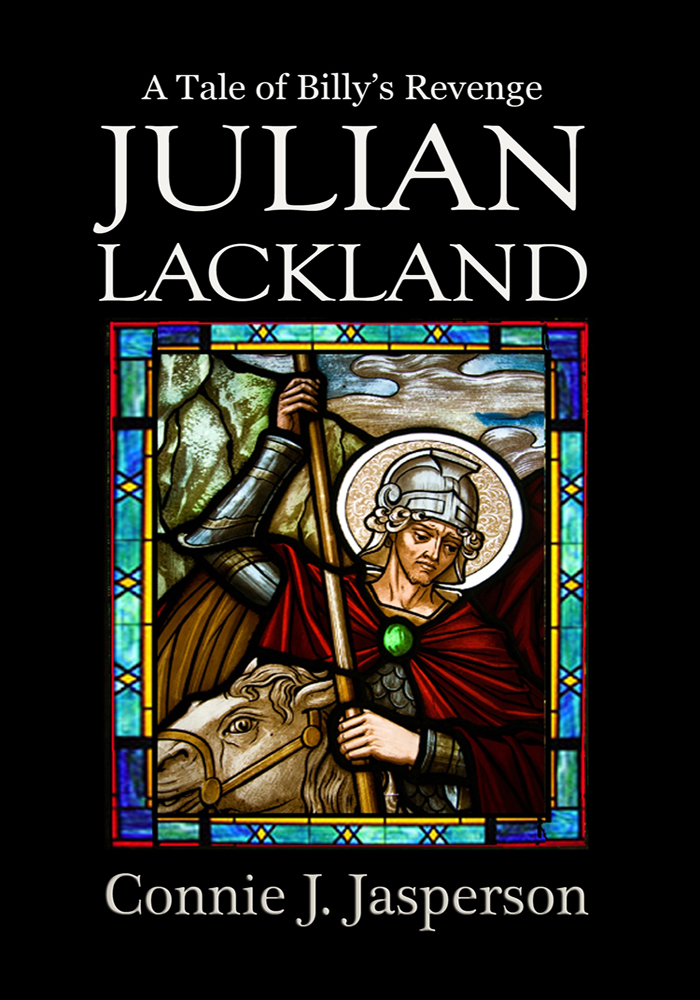 “God! You honestly believe I’m stupid.” Despite his anger, Beau kept his voice low. “There’s no reasoning with you. You’re convinced I’m besotted and Julian is barking mad. Get out of my way! I feel like hurting you.” He pushed past Huw, saying, “Go home, since you have so little faith in me.” He opened the door, intending to leave.
 In other stories, there is the nebulous antagonist. This could be the faceless behemoth of corporate greed, characterized by one or two representatives who may be portrayed as caricatures. In some
  A true villain is motivated, logical in their reasoning, and is utterly convinced of their moral high ground. They are creatures of emotion and have a backstory. As the author and their lawyer, you must know what their narrative is if you want to increase the risk for the protagonist.
 Andy Weir is genuinely a nice person and is the best example of an inadvertent teacher that I’ve ever seen. This interview is a brilliant seminar on how to research and plot a book. He writes hard sci-fi with a heart, but the principles of creation are the same for any genre.
 TED Talks
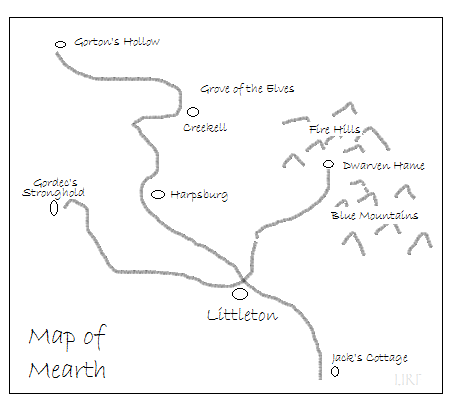 MAPS: If you are writing a story set in our real world, your characters will be traveling in places that exist in reality. You want to write the landmarks of a particular city as they should be, so bookmark
  Foreshadowing is integral to a well-plotted story.
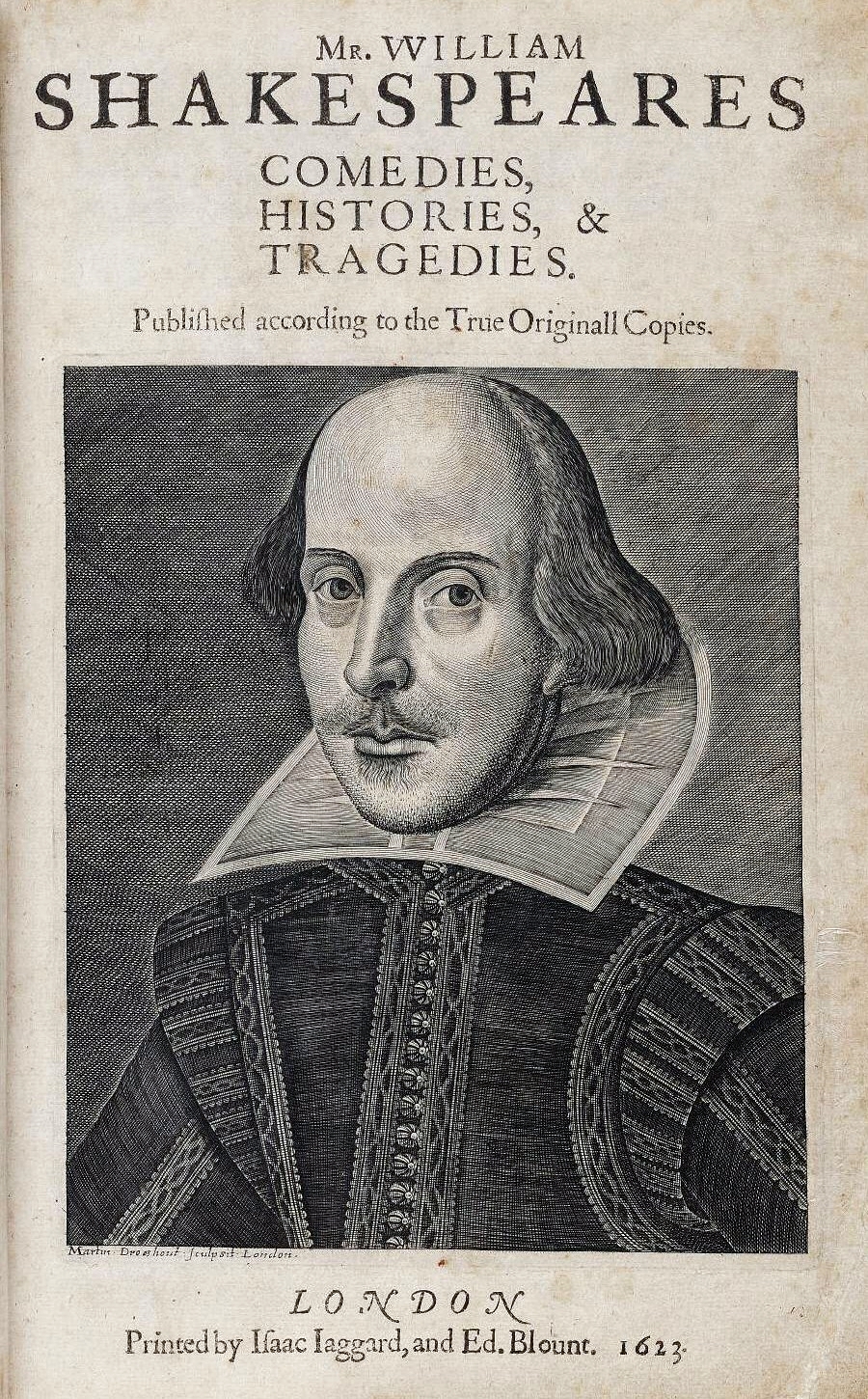
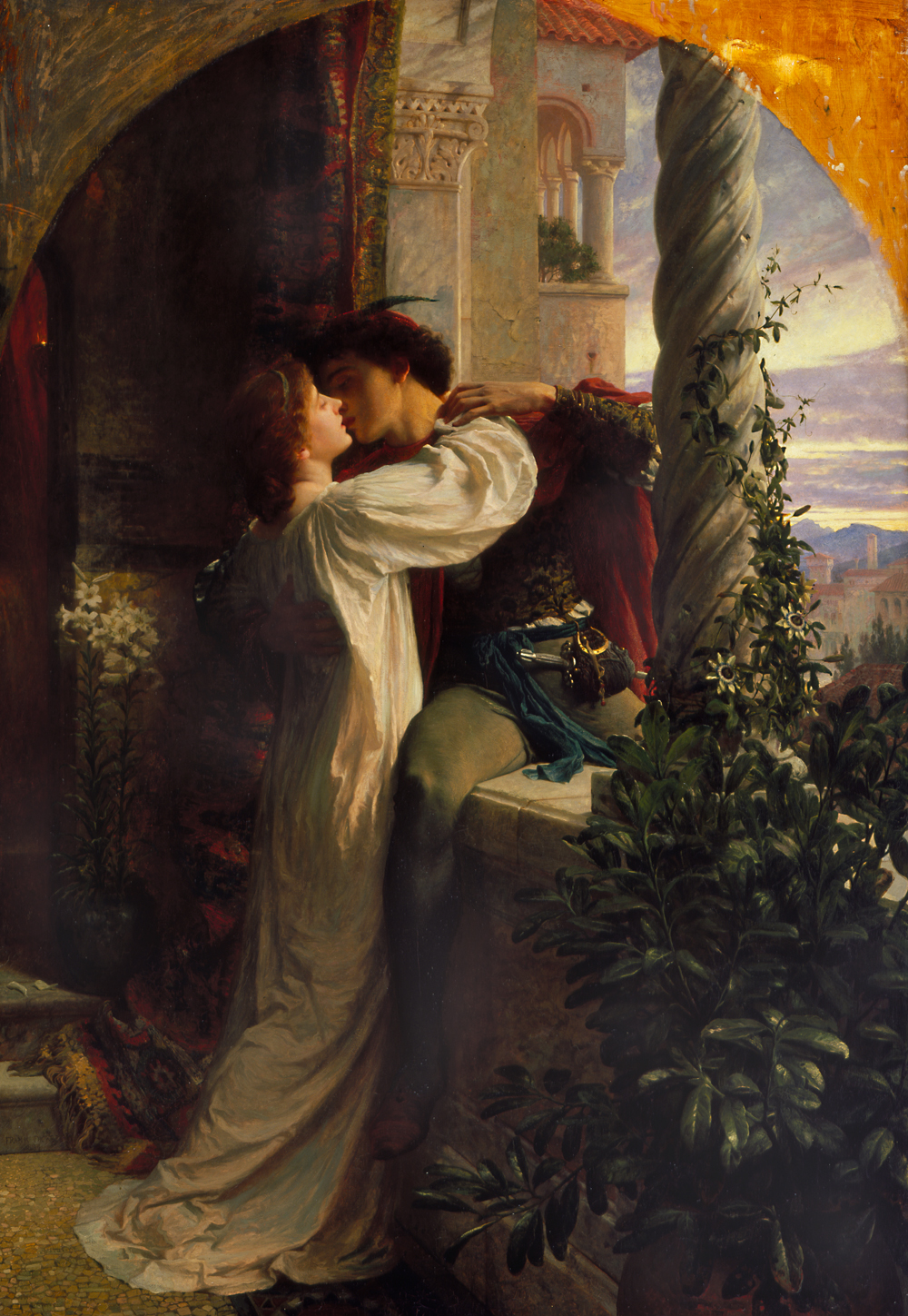 I often refer to the way that Shakespeare used both exposition and foreshadowing. In his works, more significant events are foreshadowed through the smaller events that precede them.
 In that moment, we see that Romeo is deeply aware that he has reached a point of no return.


 Life in the Realm of Fantasy


