
The indie writing community lost a gentle soul this last week with the sudden passing of Jeffrey Cook. A co-founder of Clockwork Dragon publishing, Jeff was a beloved fixture at all the major sci-fi/fantasy conventions. He could always be found working the Clockwork Dragon table with co-author and publisher Lee French.
 My sincerest condolences, along with those of the entire Northwest writing community, go out to Lee for the loss of such a good friend. Jeff was an integral part of both her business and her writing life.
I first came into contact with Jeff when I joined NIWA, the Northwest Independent Writers Association. Jeff wrote steampunk and fantasy. In collaboration with Lee French, he co-wrote superhero novels.
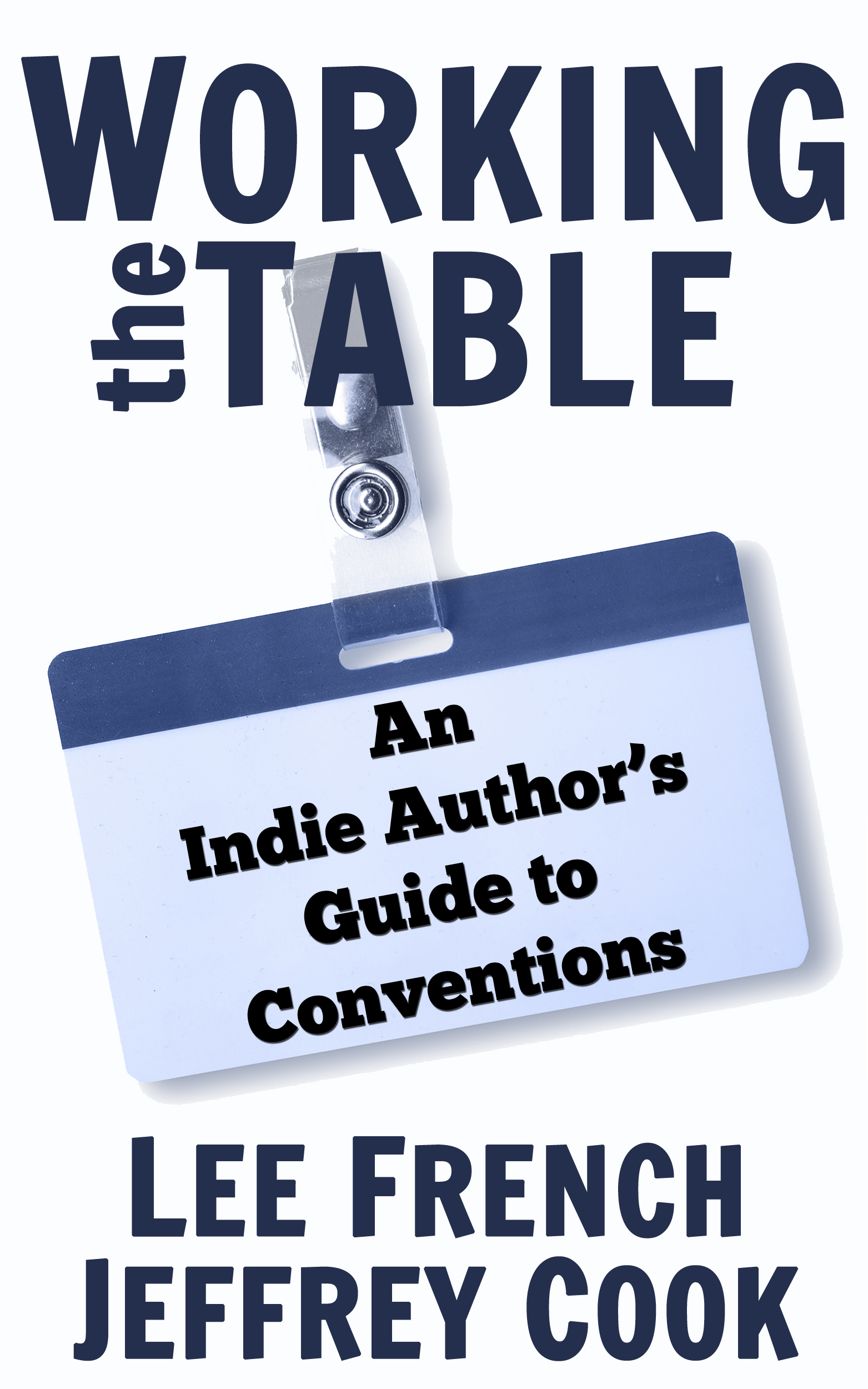
 Lee French and Jeffrey Cook co-authored the book, Working the Table: An Indie Author’s Guide to Conventions. If you are new to the world of conventions and bookstore signings, this book is for you. Their tips will help you successfully sell your books at conventions, which in turn leads to eBook and paperback sales through all the major online outlets.
Working the Table: An Indie Author’s Guide to Conventions
The Blurb:
Because books won’t sell themselves.
In these times when it’s easy to self-publish but hard to get
noticed, conventions offer a solid, feasible option for the
independent author to start on a path to financial sustainability.But becoming a professional denizen of the dealer’s room has
its challenges.In Working the Table, two veteran indie authors
spill their secrets to help you not only survive but thrive in
the book-event environment.
Also in the news, this last week saw the 101st anniversary of Ray Bradbury’s birth. The New York Times referred to Bradbury as the writer most responsible for bringing modern science fiction into the literary mainstream. Indeed, we who write any genre or subgenre of speculative fiction follow in his footsteps, imagining worlds as they might be, sometimes getting it wrong, but often getting it right.
Sci-fi writers, if you are curious about the metaverse and the role of Facebook, an article appeared on August 29, 2021, for the website WNP What’s New in Publishing, explaining what that is: Facebook and the metaverse: What you need to know.
 Earning a living is tough for an author, whether you go the indie or traditional route. Many writers have turned to podcasting as a way to keep food on the table. In the same edition of that ezine was an interesting piece on Apple and the mess it has made out of subscriptions, which are the bread and butter of the podcaster. How has Apple dropped so many subscription balls? The Media Roundup.
Publishers Weekly reports that unit sales of print books declined 1.3% in the week ended August 14, 2021, from the comparable week in 2020, at outlets that report to NPD BookScan.
So, it’s not just us indies; even the big kids are seeing a dip in print sales.
And finally, in the news, I direct you to Jane Freidman’s article, The Value of Book Distribution Is Often Misunderstood by Authors. She and her website have good information for us all.
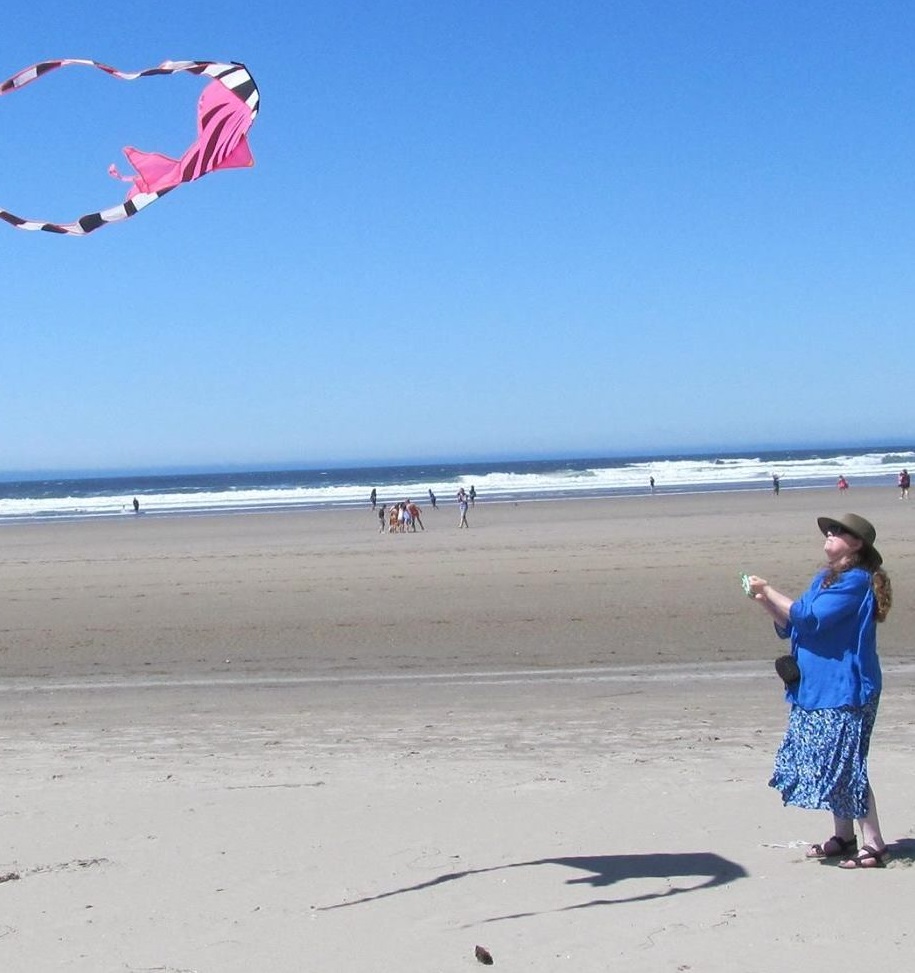
On the homefront, I’m in the process of unpacking our beach gear and doing laundry from our vacation. Also, we’re preparing for a visit from a granddaughter and her husband.
The Ruins of Abeyon, the novel I accidentally wrote during NaNoWriMo 2020, is ready to go to the editor for the final edit. She has a project in progress now, but Ruins is up next on her schedule.
 Work continues on the outline for a new novel, the sequel to Ruins, another novel that I hadn’t intended to write. Which makes sense, considering that Ruins sprang into existence on November 5th, shoved my other work aside, and consumed my attention for the next six months.
By November 30th, I had the basic story written and knew how it was going to end.
Even a month ago, I was convinced their story had ended.
But then my sister, who beta reads for me, said the thing and asked the question that always starts the craziness: “I love this novel. What happens next?”
 Such is NaNoWriMo—you never know what will happen during that month of madness and hilarity. I’ve been participating since 2010 and a Municipal Liaison since 2012, and every year is different. Some years I can only churn out short stories and poetry; other years, I’m cursed with novels.
So, now I am prepping the outline so I can hit the ground running on November first.
Also, progress is happening regarding my attempt to write a decent query. More work is required before I show this hinky mess to anyone, as queries are tricky. I’ve had success in writing them for short stories, and the basics are the same.
Fortunately, I have the support of a brilliant writing group, close friends and great authors who are happy to help me in all aspects of this process.

 We booked in January, so we got our favorite condo on the beach. Some years we don’t get it, but we always have fun. My sister-in-law and her husband are in a small house a bit further toward the other end of town. The daughter with the teenagers is staying in the neighboring town of Seaside, which is more oriented to teenagers and caters to their idea of fun.
 In September 1879, a third survey was ordered, this time headed by John Trewavas, whose experience included the
  Today we’re discussing how narrative time, or what we call tense, affects a reader’s perception of character development. In
  In the rewrite, we look for the code words that tell us the direction in which we want the narrative to go.
 Sometimes the only way you can get into a character’s head is to write them in the first-person present tense, which happened to me with Thorn Girl. I struggled with her story for nearly six months until a member of my writing group suggested changing the narrative tense and point of view.
 Today, we’re focusing on the narrative point of view, discussing who can tell the story most effectively, a protagonist, a sidekick, or an unseen witness.
 Some third-person omniscient modes are also classifiable as “third-person subjective,” modes that switch between the thoughts, feelings, etc. of all the characters.
 The flâneur is the nameless external observer, the interested bystander who reports what they see and overhear about a particular person’s story. They garner their information from the sidewalk, window, garden, or any public place where they commonly observe the protagonists. They are an unreliable narrator, as their biases color their observations. In many of the most famous novels told by the flâneur, the reader comes to care about the unnamed narrator because their prejudices and commentary about the protagonists are endearing.
 Second-person point of view is commonly used in guidebooks and self-help books. It’s also common for do-it-yourself manuals, interactive fiction, role-playing games, gamebooks such as the Choose Your Own Adventure series, musical lyrics, and advertisements.
 I had no intention of writing book one either, but there it is. These characters won’t let go of me, so now I’m storyboarding a new plot.
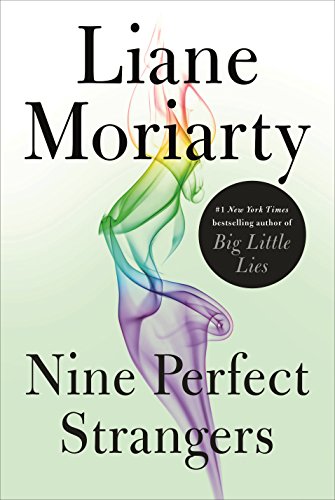 Several years ago, I read “
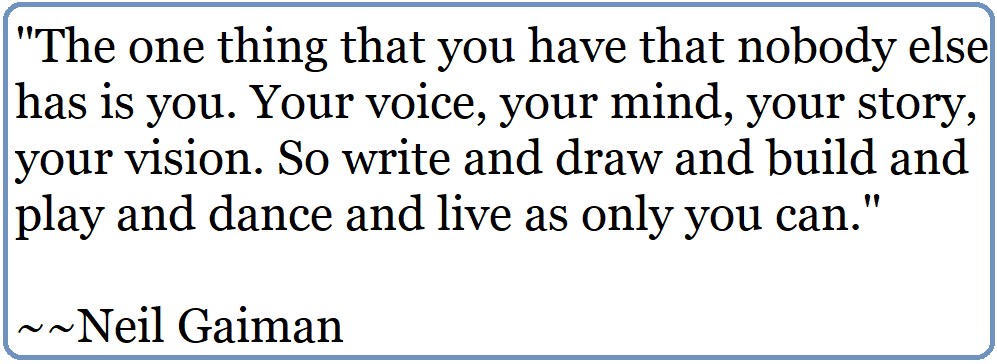 I had a reaffirmation of sorts; the reassurance that no writer can follow every writing group rule and no book that does would be worth reading.
 Every successful writer has habits that are technical wrongs, habits that don’t fly when offered to a critique group. Yet, these patterns persist in their work over their career because they are part of that author’s creative process.
 Happiness, anger, spite – all the emotions get a description. Eyebrows raise or draw together; foreheads crease and eyes twinkle; shoulders slump and hands tremble. Lips turn up, lips curve down, and eyes spark – and so on and so on.
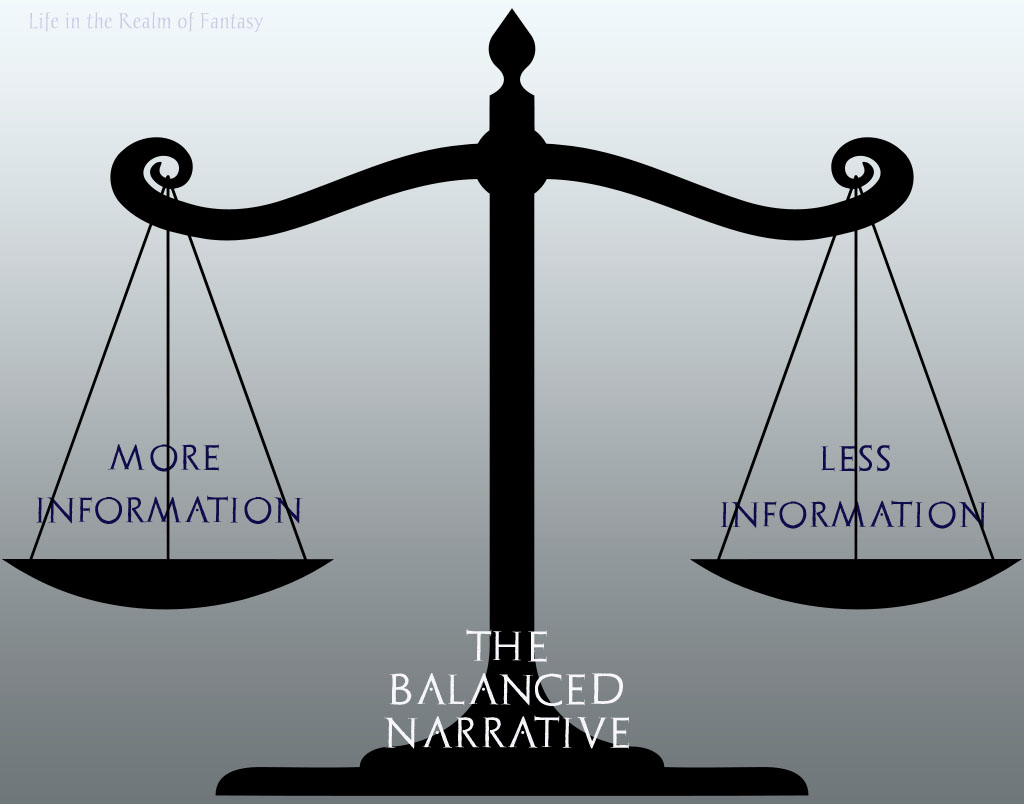 For me, the most challenging part of writing the final draft of any novel is balancing the visual indicators of emotion with the more profound, internal clues.
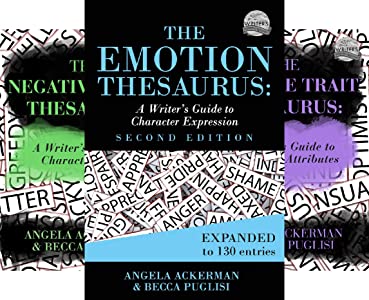 I have mentioned
  Open the thesaurus and find words that carry visual impact in your narrative, and you won’t have to resort to a great deal of description.
 The setting is a coffee shop.
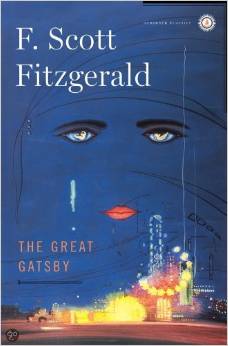 The discomfort of witnessing a marital squabble:
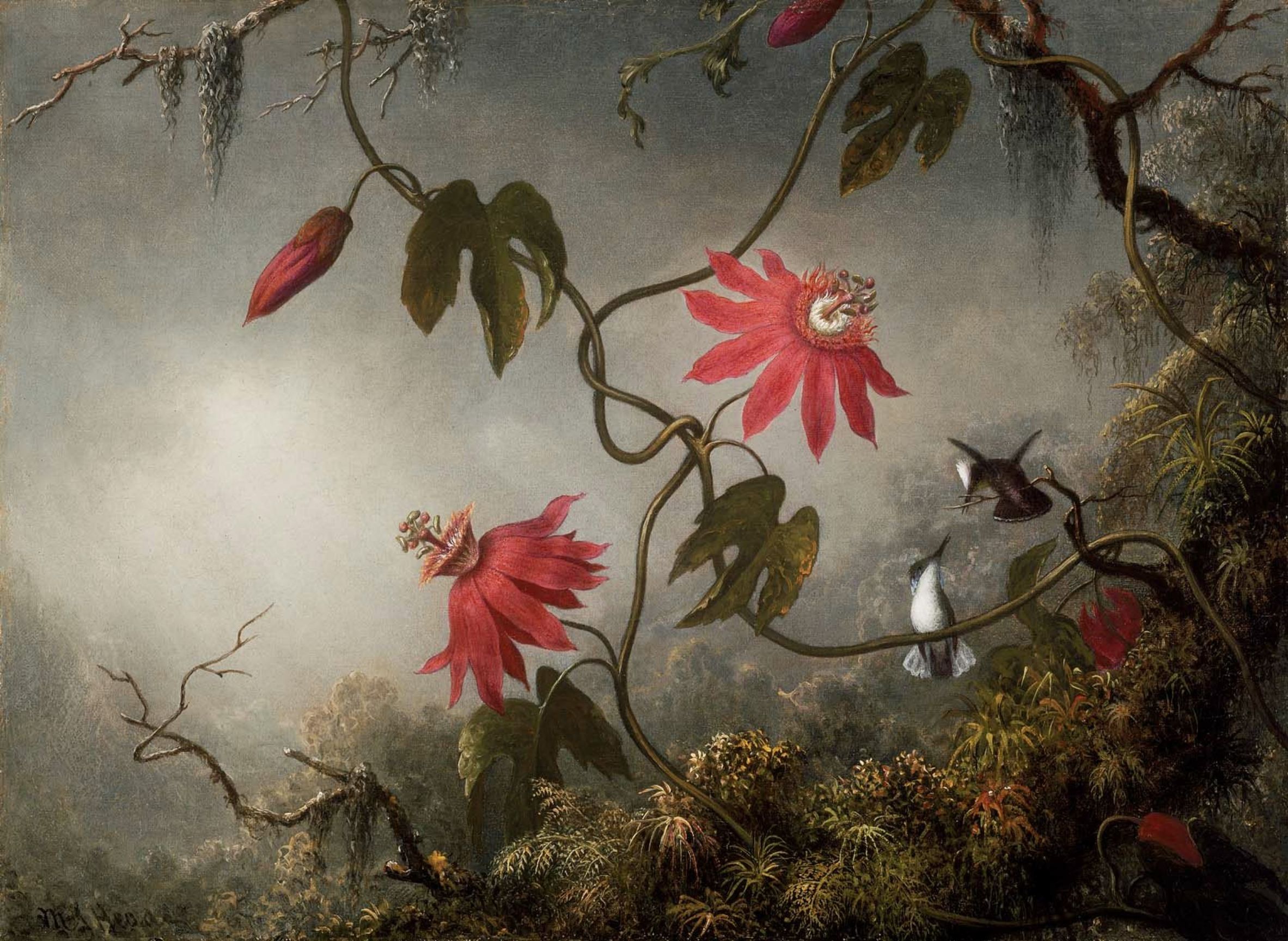 Artist: Martin Johnson Heade (1819–1904)
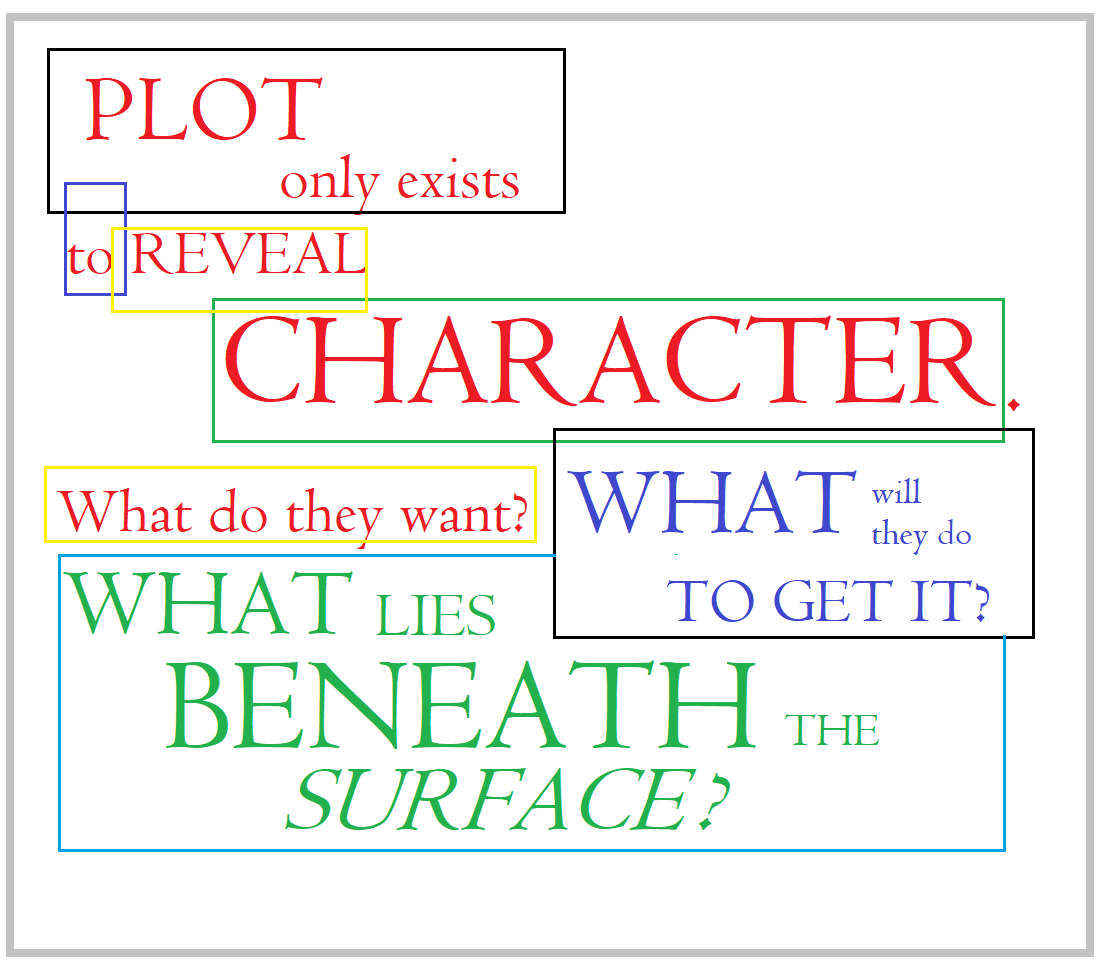
 Firing Chekhov’s gun brings us to motivation. I learned “the 5 W’s” of journalism when I was in grade school. Yes, back in the Stone Age they assumed 12-year-old children were considering their adult careers, and journalism was a respected path to aspire to. I don’t know if they still teach them, but they should.
 What motivates Anna?


 Life in the Realm of Fantasy