
Every year, I participate in NaNoWriMo (National Novel Writing Month). This happens in November and is thirty days of dedicated writing. Authors with an idea for a novel sit down and daily write at least 1,667 words of a first draft.
 This month of concentrated writing time is meant to help authors get the entire story down while the inspiration and ideas are flowing. At the end of the thirty days, you should have a novel-length story, hopefully with a complete story arc (beginning, middle, and end).
To succeed at completing a project with such an ambitious goal, you should spend some time planning your novel. To that end, I create a stylesheet for each project, a place to storyboard all my ideas.
I have mentioned before that I use a spreadsheet program to outline my projects, but you can use a notebook or anything that works for you. You can do this by drawing columns on paper by hand or using post-it notes on a whiteboard or the wall.
Some people use a dedicated writer’s program like Scrivener.
Everyone thinks differently, so there is no perfect way to create that fits everyone. I just happen to like working with Excel or Google Sheets.
I make this effort when the idea is first in my head. If I become lost or find myself floundering in the writing process, I can remind myself of the original concept of the story. The stylesheet is where I brainstorm ideas.
New authors spend a lot of time plotting the events of a novel, but sometimes neglect to flesh out their characters. Attention must be given to character development. The characters are the story, and the circumstances of the piece exist only to force growth upon them.
 First, we want to get to know who we’re writing about.
Who are these people, and why should I care about them? I have a fairly good idea of how my characters look. However, that image can drift as the first draft evolves, and brown eyes are suddenly green (yes, this did happen in one of my current works in progress).
But don’t get too detailed. Readers have their own image of beauty, so don’t force your idea of loveliness on them. General description and the reactions of other characters should convey how they look.
Once I know the basic plot, I make a page in my workbook with a bio of each character, a personnel file. Sometimes I include images of RPG characters or actors who most physically resemble them and who could play them well.
Professor Reina Jacobs
- Physical description: 5’8′, perceived-time age 55, real-time age 168. Works out daily. Has brown eyes, iron-gray hair worn in a short cut, not military short, but for ease of keeping it neat. Is a cyborg—left leg is a grafted prosthesis.
- Personality: Competitive, highly organized, ambitious, impatient, highly focused.
- Occupation: Colonel, Retired. Experienced 33 years as a Warbird Pilot in the Mirandan Space Corps. Forced into early retirement from the Corps due to prosthetic leg. Leading researcher in the field of biosomes – breeding and adapting plants able to thrive in alien environments. Not too keen on promoting plants that require radical adaptations, but a strong proponent of plants that can easily adapt without destroying the ecosystem.
- Hobbies: hopping up an anti-grav speedster in her garage. Loves flying low and too fast over dangerous ground.
Colonel Brandon Ladeaux, Ret.:
- Physical Description: Dark hair turning gray, brown eyes, 6’2, works out daily. Lean and muscular. Perceived-time age 57, real-time age 198.
- Personality: competitive, organized, slightly laid-back approach to life.
- Occupation: Shuttle pilot. Experienced 40 years as a Warbird Pilot in the Mirandan Space Corps.
- Hobbies: cooking, hanging around watching Reina work on her speedster. Also enjoys flying low and too fast over dangerous ground.
The personnel file is laid out this way:
Column A: Character Names. I list the important characters by name and the point where they enter the story.
Column B: About: What their role is, a note about that person or place, a brief description of who and what they are.
Column C: The Problem: What is the core conflict?
Column D: What do they want? What does each character desire?
Column E: What will they do to get it? How far will they go to achieve their desire?
 Names say a lot about characters. If you give a character a name that begins with a hard consonant, the reader will subconsciously see them as stronger than one whose name begins with a soft sound. It’s a little thing but is something to consider when trying to convey personalities.
Also, I’ve said this before, but with the growing popularity of audiobooks, my suggestion is to write names that are easy to pronounce. I learned that lesson when I was having a novella of three short stories, Tales from the Dreamtime, made into an audiobook. My reader was brilliant, and worked with my difficult fantasy names, but since that experience, I only write names my readers can easily pronounce.
A great story evolves when the antagonist and protagonist are powerful but not omnipotent. Both the antagonist and protagonist must have character arcs that show personal growth or inability to grow. For the antagonist to be realistic, this must be clearly shown, so they also get a personnel file.
When you begin writing the first chapters, the characters aren’t fully formed. They will evolve as a result of the experiences you write for them. Note these changes in your personnel file so that descriptions remain consistent.
I like stories featuring characters who are human. They make mistakes, cause themselves more trouble because they are untried and don’t know what they are doing.
The evolution of each character’s personal arc should parallel the events that form the story arc.
How do they handle setbacks? How do they handle success? How do they see their future when we meet them on page one? Has their view of the future changed by the time we arrive at the final page?
The characters must be changed by the events they experience. How you show their emotional state is critical because emotions engage readers. If you want your readers to feel the crisis, your characters must feel it and show their reactions to the reader.
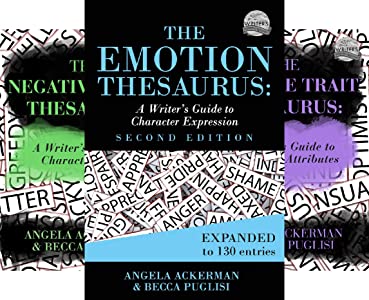 If you need ideas for showing a variety of emotions, I highly recommend the Writers Helping Writers Series of textbooks written by Angela Ackerman and Becca Puglisi.
But do us all a favor—show it briefly and move on. Don’t swamp us with detailed shoulder sagging, lips turning down, and face dropping all in one sentence.
We must contrast the relative security of the characters’ lives as they were in the opening paragraphs with the hazards of where they are now. Each person experiences uncertainty, fear, anger, and sense of loss differently. Those differences make them unique characters.
In a good story, bad things have happened, and the protagonists have to get creative and work hard to acquire or accomplish their desired goals.
How they overcome their doubts and make themselves stronger is what makes each character interesting. That internal and emotional journey is the real story.
The events, mighty as they may be, are only the catalysts of personal growth. Next in this series, Character development: Motivations.
 Magic and the ability to wield it confers power. Magical creatures, elves, mythical races, mythological gods and demigods – these are some of the many natural and supernatural components of fantasy.
 Authors of sci-fi must do the research and understand the
  The following is my list of places where the rules of believable magic and technology converge in genre fiction:
 Science or magic is only an underpinning of the plot. They are foundational components of the backstory.
  If you are writing a contemporary novel or historical work set in our real world, this is where you keep maps and maybe a link to Google Earth.
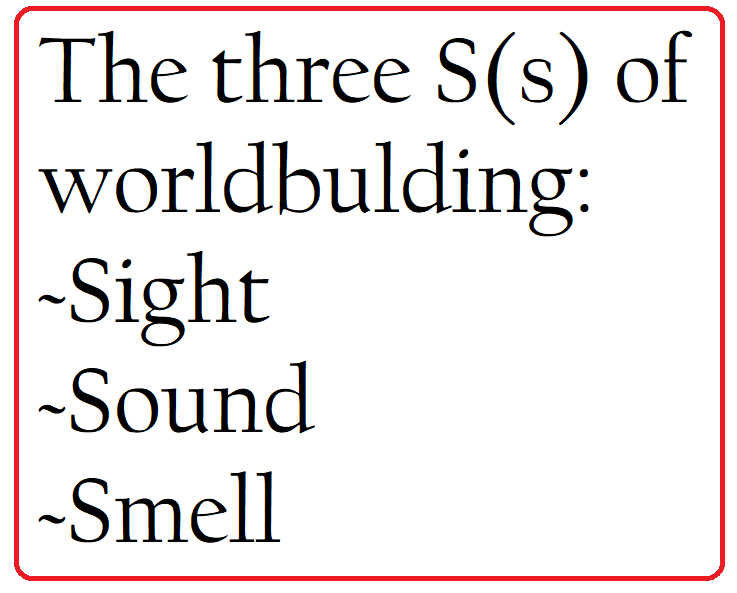 The “three S’s” of worldbuilding are critical: sights, sounds, and smells. Those sensory elements create what we know of the world. Taste rarely comes into it, except when showing an odor.
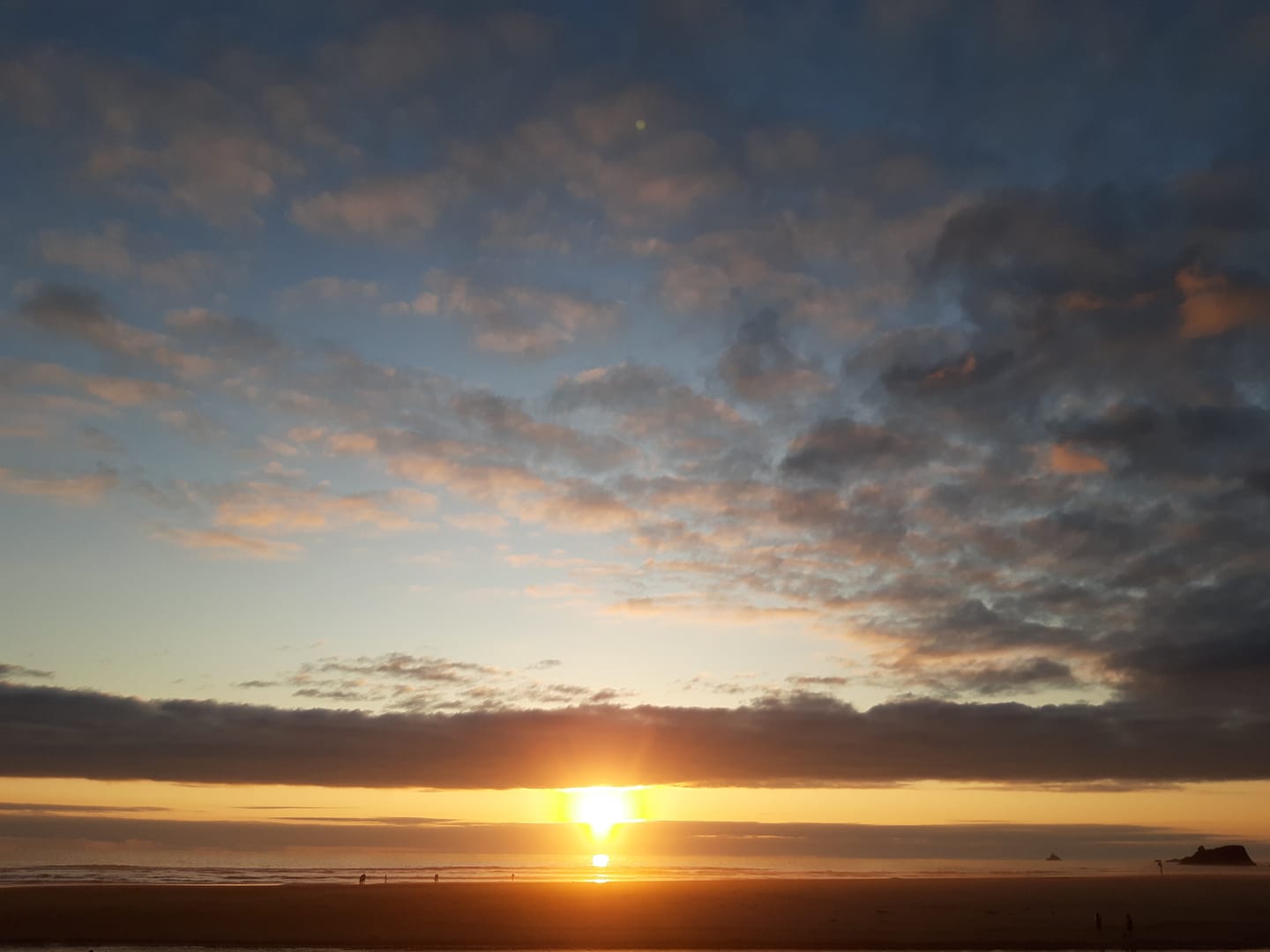 At this moment, inside your room and outside your door, you have all the elements you need to create an alien or alternate world.
 Some people use a program called Scrivener, which is not too expensive, but which I found quite frustrating. Nevertheless, I understand that it works well for many people, so it may be an investment to consider.
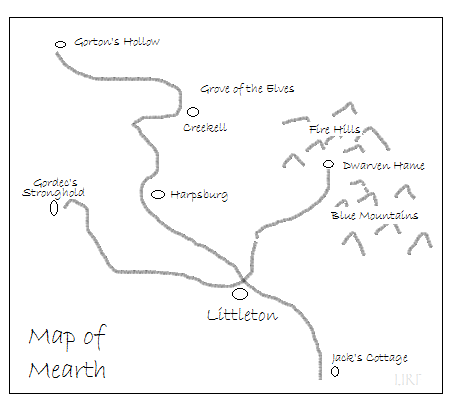 Maps are essential tools when you are building the world. Your map doesn’t have to be fancy. You need to know north, south, east, west, where rivers and forests are relative to towns, and locations of mountains.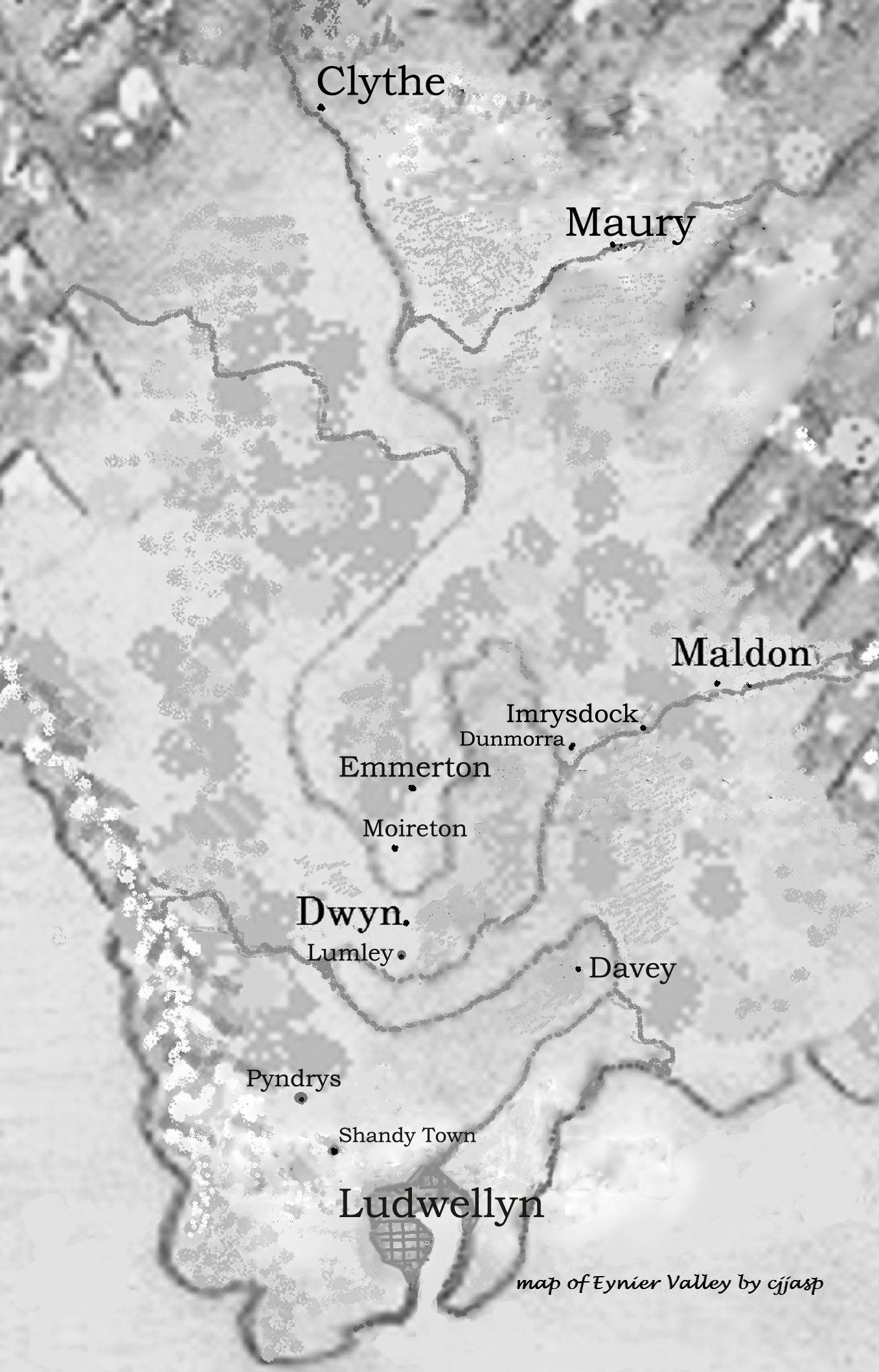
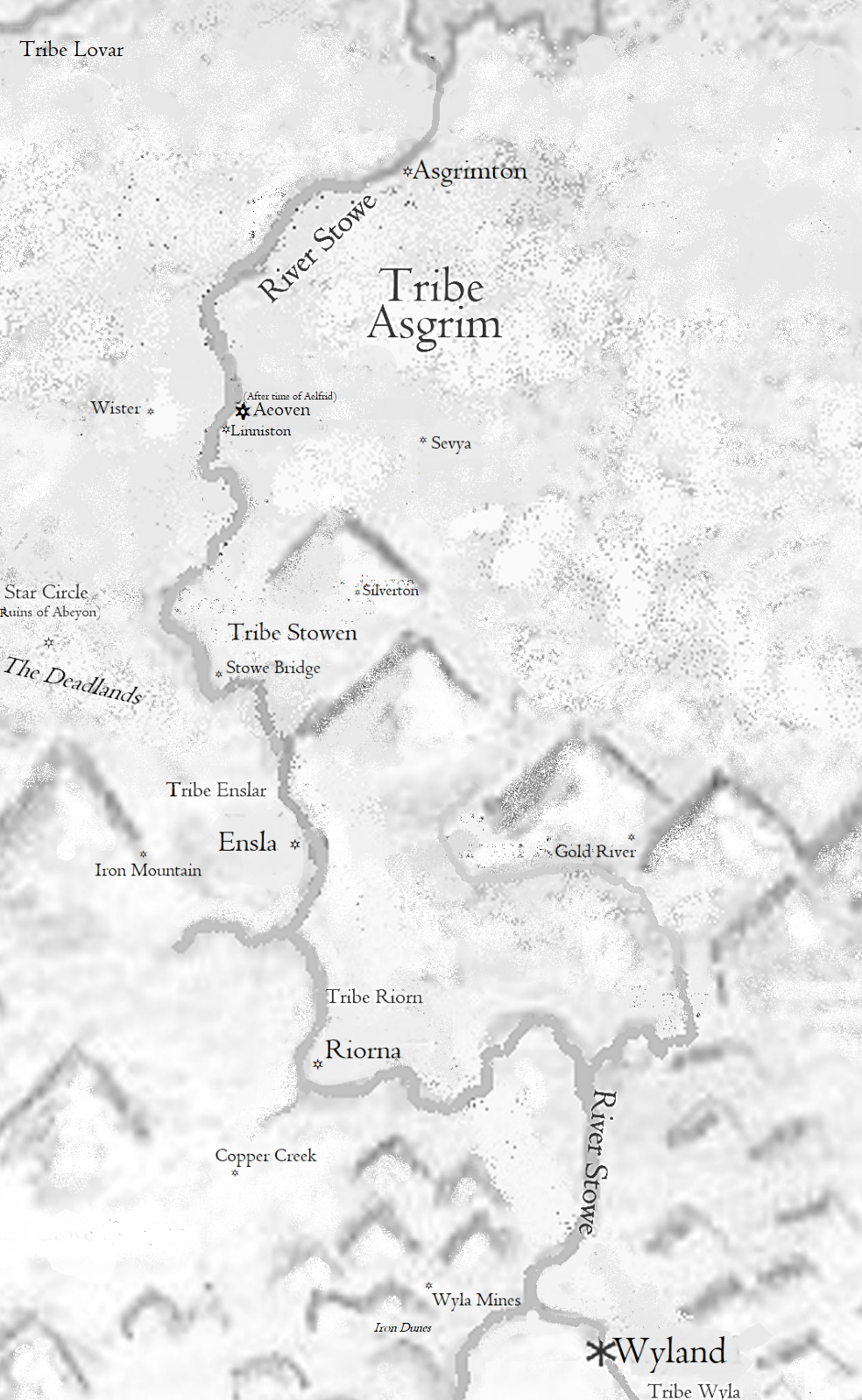 And we’ll just toss this out there – while you can drop a tall tree across a narrow creek, building bridges over rivers requires a certain amount of engineering. Cultures from the Stone Age on to modern times have had the skills needed to make bridges.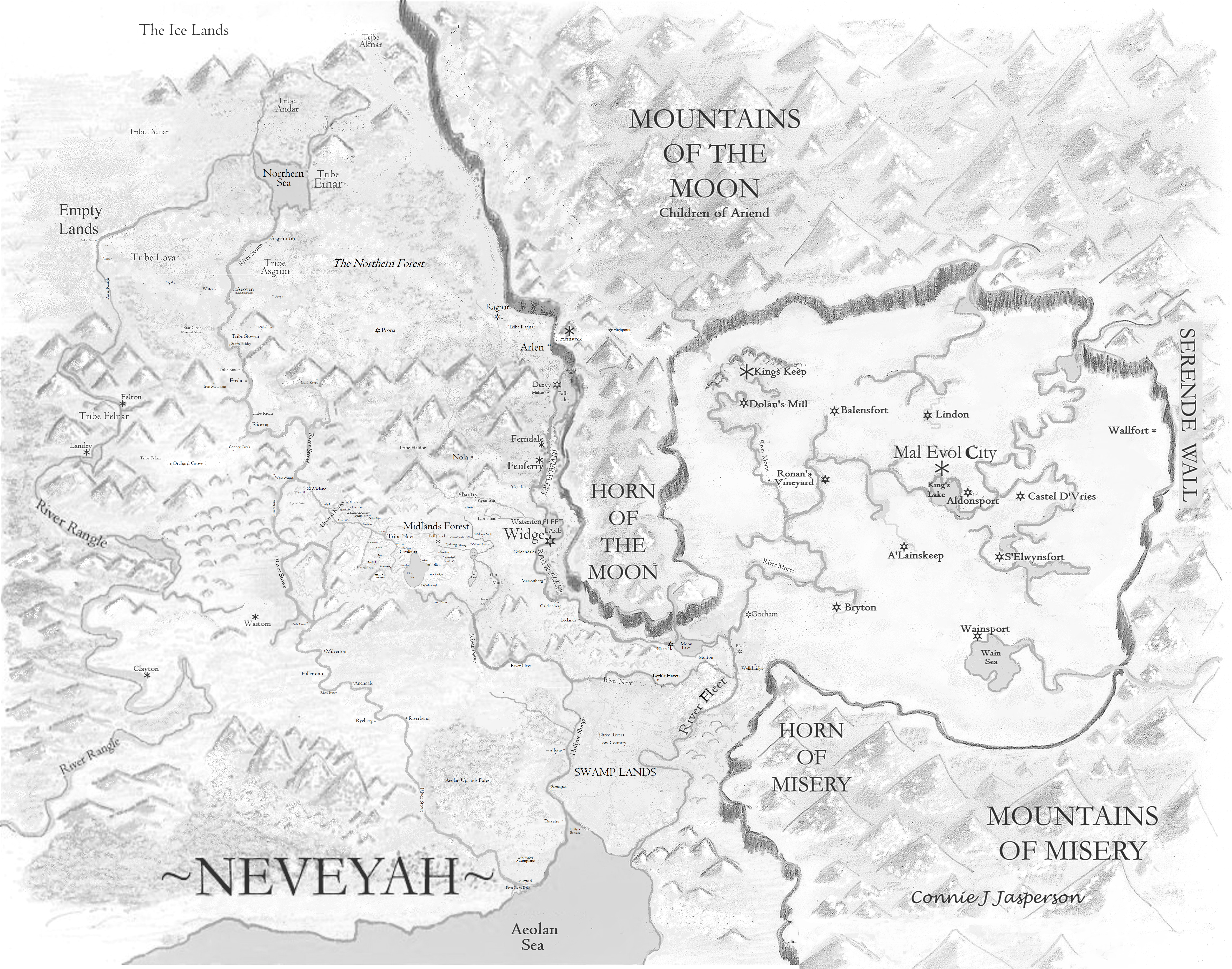
 On June 27th, within the space of days, we went from temperatures well below average, low to mid-60s, and pouring rain to suffering from temperatures well above 100 degrees—108 at my house, 111 at my sister’s house 10 miles away. We use Fahrenheit in the US, but for you in the UK and Europe, we topped out at around 44 degrees Celsius. For more on the week from H**l,
 Title: Dogs
 Many authors are just beginning their careers and trying to self-edit their NaNoWriMo manuscript. The problem is, they don’t know how to write a readable sentence or what constitutes a paragraph. If they are hoping to find an agent or self-publish, they have a big, ugly job ahead of them.
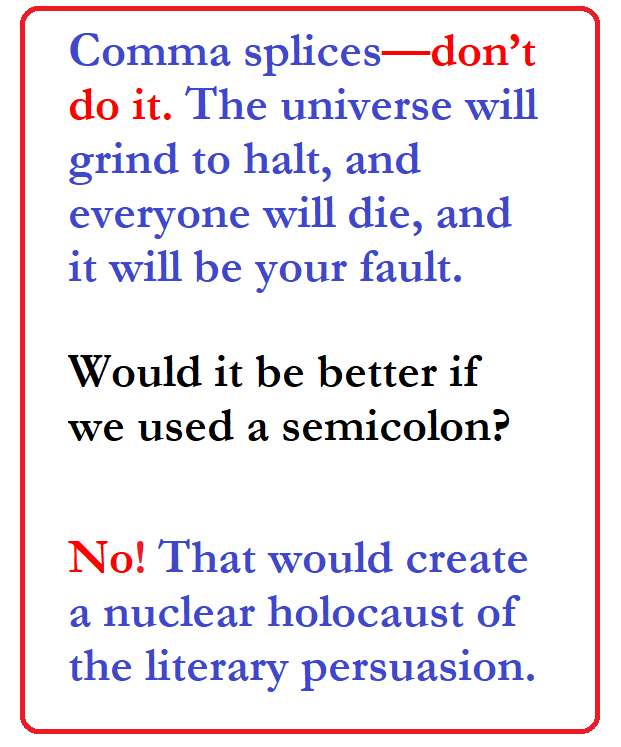 Comma Splice:
 I accept this Nebula award and thank my parents, Ralf and Maggie Jasperson, and Poseidon.
 Prose, plot, transitions, pacing, theme, characterization, dialogue, and mechanics (grammar/punctuation).
 I use this function rather than reading it aloud myself, as I tend to see and read aloud what I think should be there rather than what is.
 This phase is where I find my punctuation errors most often. I look for and correct punctuation and make notes for any other improvements that must be made. Usually, I cut entire sections, as they are riffs on ideas that have been presented before. Sometimes they are outright repetitions, which don’t leap out when viewed on the computer screen.
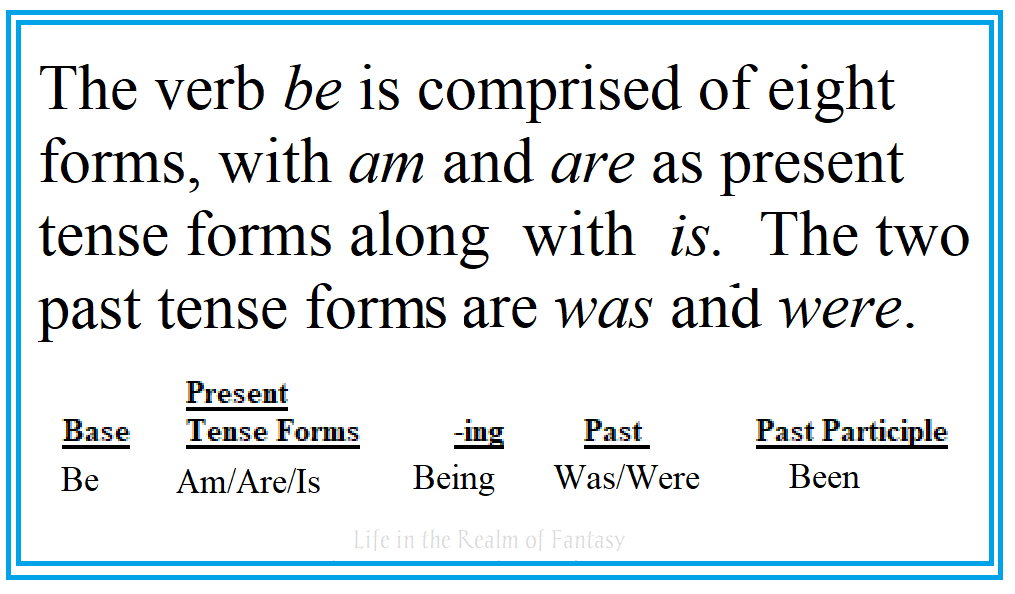 Passive phrasing does the job with little effort on the part of the author, which is why the first drafts of my work are littered with it. Active phrasing takes more effort because it involves visualizing a scene and showing it to the reader.
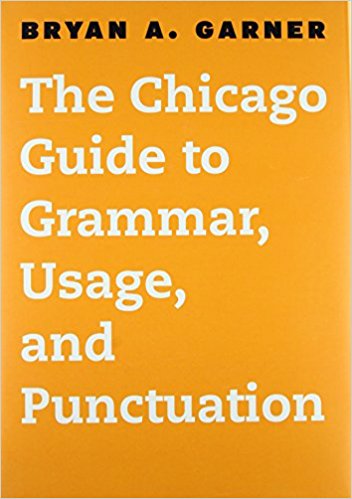 Use that money to invest in a book like the
  Passive phrasing: If you watch them in real life, people don’t “begin” to pick up that knife. They don’t “start” to walk away.
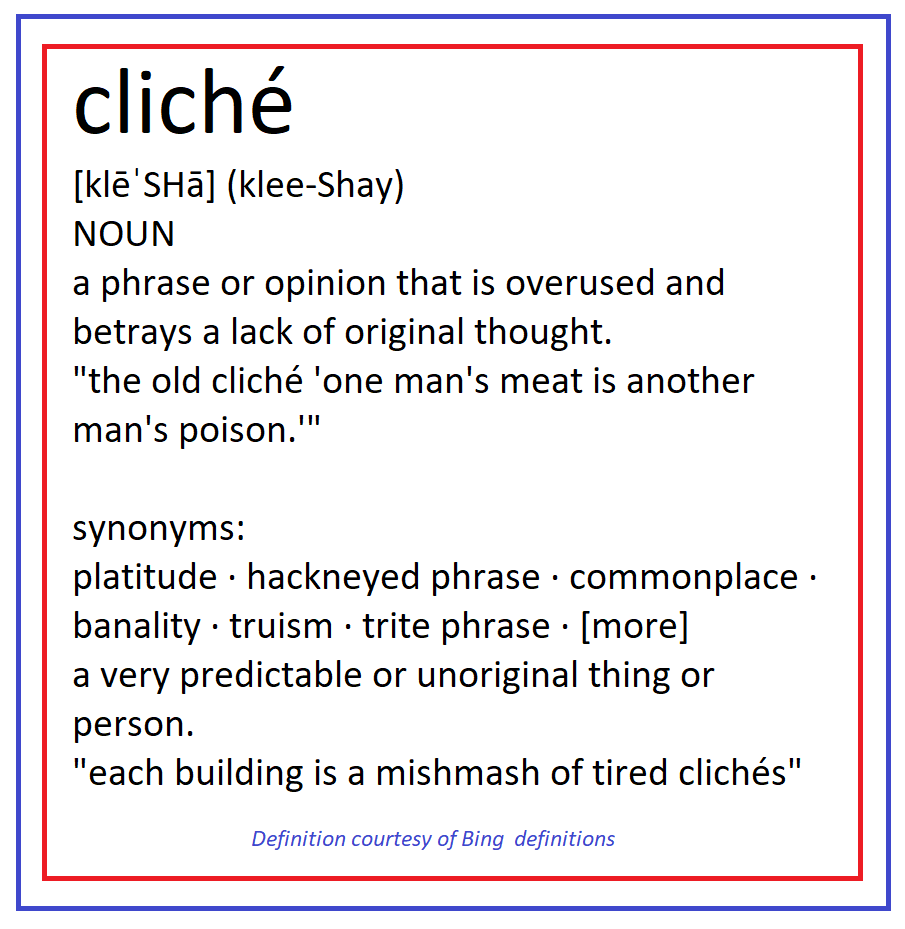 Use of clichés. Speaking as a reader, please don’t use the word alabaster to describe a woman’s skin. Make an effort to find a different way to describe her appearance. It’s an easy word that says smooth and pale, but it’s an overused word that has become cliché.
 Keep your notes/stylesheet in a clearly labeled file, and back them up on a thumb drive or file them in the cloud via Dropbox, OneDrive, or Google Docs. I use and work out of a file-saving service, so my files won’t be lost no matter what happens to my computer.
 I think of stories as if they were ponds filled with words. A pond has layers, and so do good stories. I see the three layers of a story as:
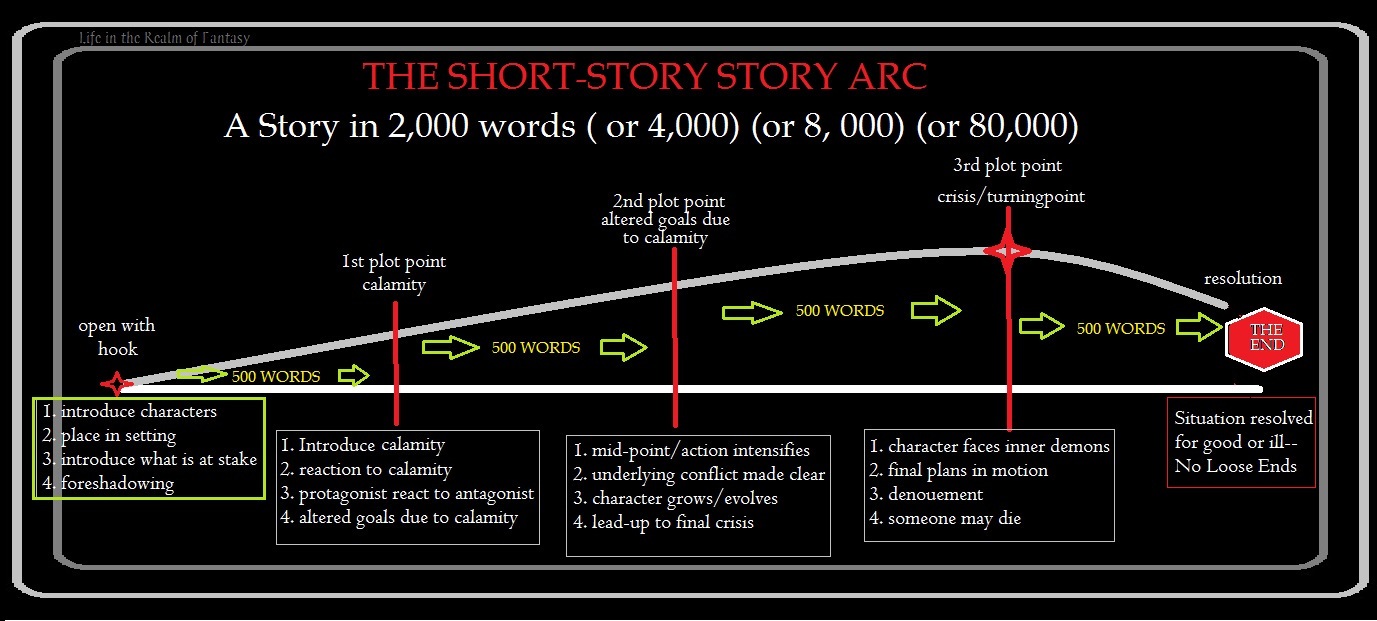 Act 1: the beginning: We show the setting, the protagonist, and the opening situation.
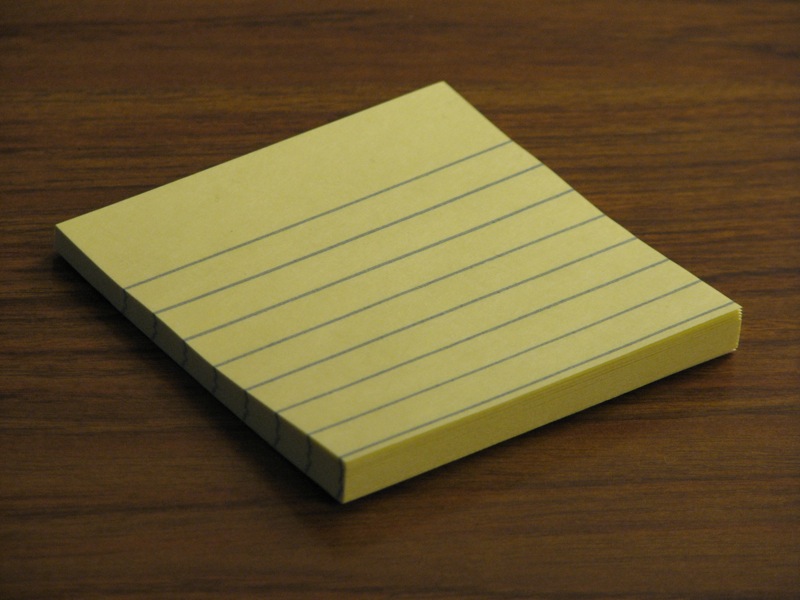 I have mentioned before that I use a spreadsheet program to outline my projects, but you can use a notebook or anything that works for you. You can do this by drawing columns on paper by hand or using post-it notes on a whiteboard or the wall. Some people use a dedicated writer’s program like Scrivener.
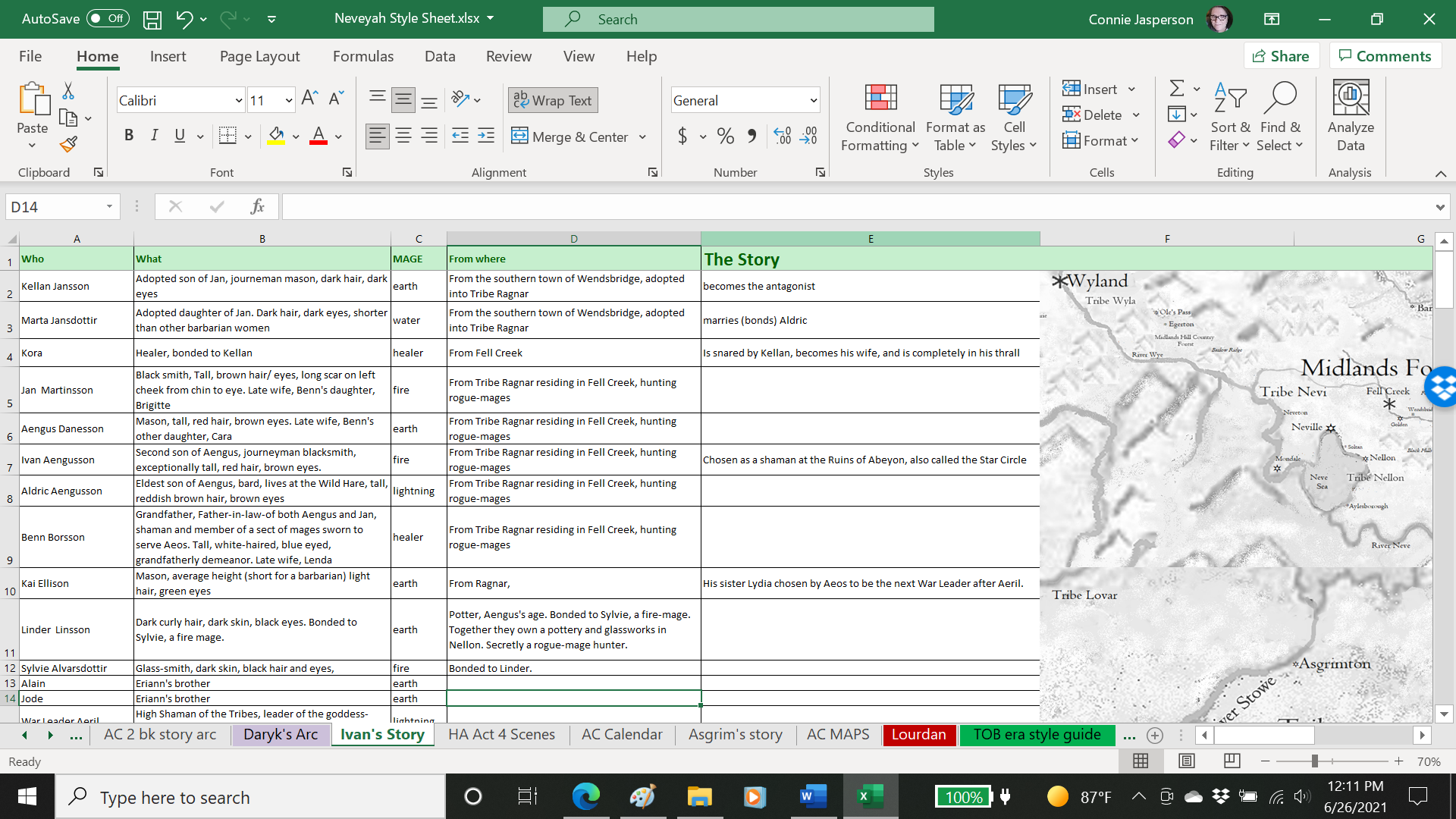 We never really know how a story will go, even if we begin with a plan. The plan serves to keep us on track with length and to ensure the action doesn’t stall.


 Life in the Realm of Fantasy


