
I have developed mad skills at carving out time for writing because I participate in NaNoWriMo every November. As a municipal liaison for the Olympia area, I must get a minimum of 1,667 new words written each day. I suggest to my fellow writers that they shoot for 1,670 to allow a little cushion in case the validator counts differently than their word processor.
I usually average 3,000 to 5,000 words per day, but writing is my job. When I was working in Corporate America, I managed 2,000 words per day.
 I do this by having my daily prompts all set out in advance in the outline. Then I set myself in front of my computer and wing it for at least two hours.
Some passages that emerge are good, and others, not so much. But it is an exercise in stream-of-consciousness writing at its most extreme. Some of my best literary work has been produced in its raw form during NaNoWriMo.
Preparation is the key for me. I apply project management skills developed during my years working in Corporate America.
The first step of project management is to Identify your Project Goals. Your story is your invention. You want to be able to sell that invention.
Some inventions take years. Others are complete and ready to market in a relatively short time. Regardless of your timeline, this is where project management skills come into play.
I use a phased (or staged) approach. This method breaks down and manages the work through a series of distinct steps to be completed.
- The Brilliant Idea. Make a note of that idea, so you don’t forget it.
- The Planning Phase, creating the storyboard. Some people don’t need this step, but you will see why this step is so crucial to ending with a novel that will be acceptable to an agent or can easily be Indie published.
- The Construction Phase begins on November 1st—connecting the dots and writing the first draft from beginning to the end in 30 days.
After this, we have several more steps to go through to end with a publishable book, but we won’t be concerned with them until January.
First, what are you going to write?
Identify your proposed book as either fiction or nonfiction.
- If it’s fiction, what’s the genre and subgenre?
- If nonfiction, what kind? Is it a memoir, a history, or a technical book?
 Lee French, my co-municipal liaison, has given us great advice over the years. One thing she starts us with is something writers usually don’t think of until they have to: genre and keywords.
If we wanted to search for your book on Amazon, what would we look for, and how would we find it? What genre are you writing? What keywords would we use to be directed to it?
But what are keywords, and why should you care? This question is important to consider at the outset because you need to know what market you are writing for, no matter if you are going with an agent or intend to go Indie.
Search engines use keywords to recognize what a website or web page features, their products, (or in the case of authors) the kind of book they have written. Amazon and all other book retailers are simply large search engines that want to sell your book.
It helps me direct my creative energy at the outset if I know what I will eventually want to sell. Thanks to Lee French, I know the genre of my next novel is epic fantasy. I also know a few keywords would be male protagonist, LGBTQ, magic, mysticism.
 Other things to consider are point of view and narrative tense. Who can tell the story most effectively, a protagonist, a sidekick, or an unseen witness? And will it be written in the 1st person, 2nd person, 3rd person limited, or 3rd person omniscient? What narrative time will the story be set in, the present or past tense?
Will you switch between multiple characters?
Sometimes, it takes more than one point of view character to tell the story. I have three strong characters, one of which is the antagonist. I always feel one should have a little sympathy for the devil, so seeing things from his point of view is valuable when trying to show the struggle.
Therefore, my project is in the 3rd-person limited, involves three POV characters, and has hard chapter breaks between each switch.
What is your story? Example: I’ll be writing a novel detailing a shaman’s struggle to keep his people safe from a rogue mage and his raiders.
To succeed in completing a project with such an ambitious goal, I storyboard all my ideas, making this effort when the idea first enters my head. If I become lost or find myself floundering in the writing process, I can come back to my original files and remind myself of the original concept of the story.
The storyboard for my ideas works this way:
First, I open a word document or an Excel workbook. You can use a program like Scrivener, or use a paper notebook and pencil, whatever makes you most comfortable.
My current novel is in an existing world that has an Excel workbook devoted to it.
This workbook has ten active spreadsheets. All my information is right there, from magic systems to the spelling of made-up words and what they mean.
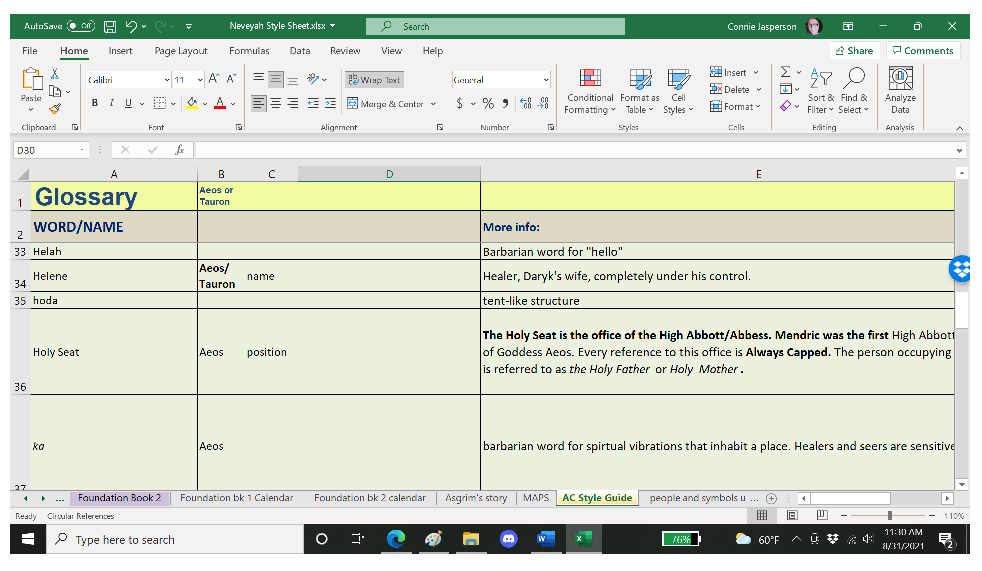 I always give the proto novel a working title that becomes the storyboard’s label. The book I am writing is set in the world of Neveyah, and so it belongs with the rest of the books set in that world. The workbook is labeled Neveyah.xls, and the spreadsheet that I will be working on will be labeled “Ivan’s Story II,” as I currently don’t have a title.
Over the next few weeks, we will identify and answer as many questions about our November novel as we can.
And some of what we think now will grow and change once we begin the actual writing because stories always do.
 Preplanning takes advantage of all the pertinent ideas I have at the outset and offers me a jumping-off point. Like a connect the dots game, I know how to write the story that happens between and because of each event. Having this knowledge helps me take the story to its conclusion, allowing me to have the full story arc written in thirty days.
That doesn’t mean the book is finished, not by any means. We have only completed the first draft and gotten the basic structure finished.
But as I said, we’ll deal with all that in January.
Next up, we will talk about setting, and get to know the place where your novel takes place.
 If you haven’t heard of this before, it’s a worldwide event that happens in November. Each year thousands of people in all parts of the world dedicate themselves to writing a 50,000-word narrative in only thirty days.
 The first roadblock happens when reality sets in and the writers realize that it is work.
 But by November 30th last year, 70 writers out of the 175 in our region had made it to the 50,000-word mark, 3 made it to above 80,000, and 1 exceeded 100,000 words.
 But I got side-tracked. On day 5, I thought about an artifact’s origin that has a role in my still-unfinished novel. 80,000 words later, that bunny trail had become a novel, The Ruins of Abeyon.
 Succeeding in writing even a short story gives many authors the confidence to continue. In their case, NaNoWriMo is about writing and completing a novel they had wanted to write for years, something that had been in the back of their minds for all their lives.
 Over the next few weeks, we will focus on laying the groundwork for our novels so that we will be ready and able to write when November comes. Much of what I will be discussing has emerged from our experience and comes from my co-ML Lee’s prep work as much as from mine.
 My parents also had bought
 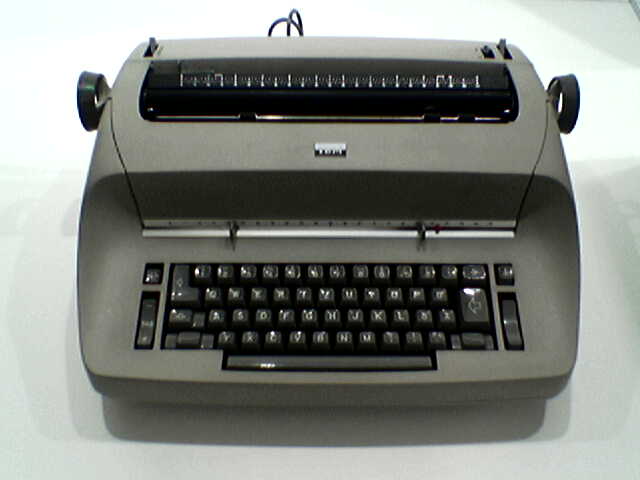 Then, in 1987, my father bought me a secondhand
 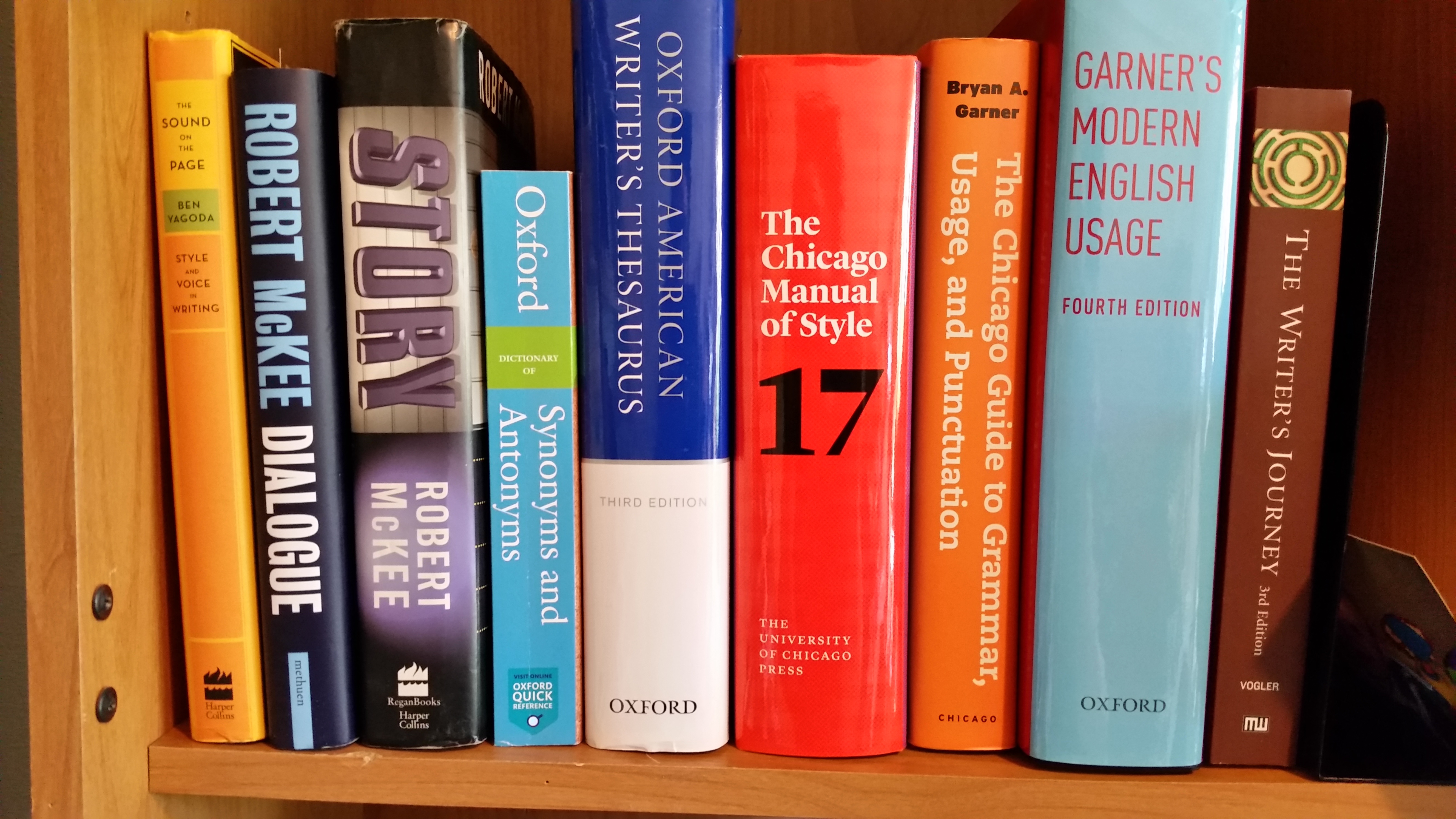 I’m proud to admit that my literary influences can be traced back to dragons, booze, elves,
  I shared what I wrote with other people and got feedback, some good, some bad. I learned from it all and kept trying. I bought books on the craft of writing.
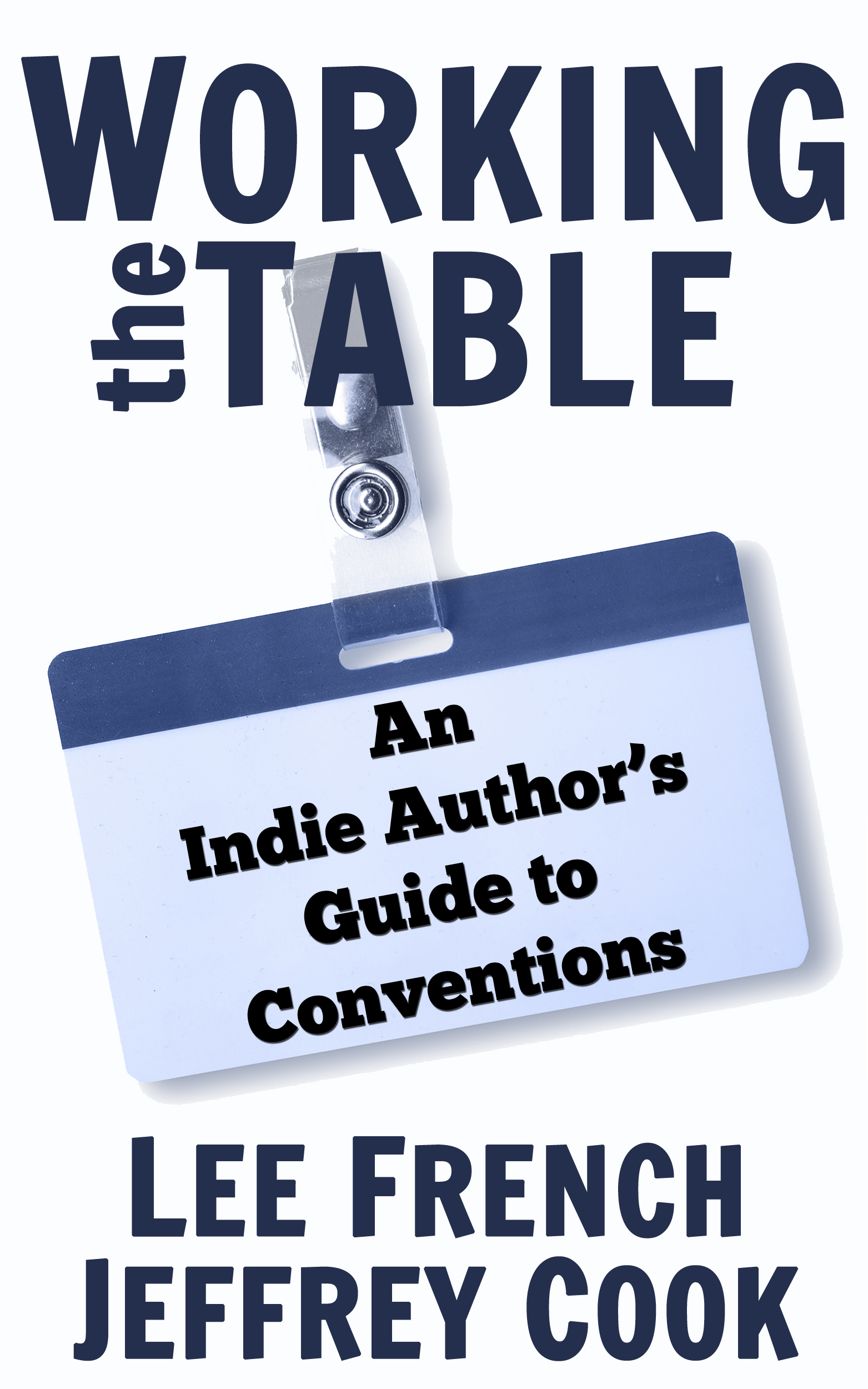
 Lee French and Jeffrey Cook co-authored the book,
  Earning a living is tough for an author, whether you go the indie or traditional route. Many writers have turned to
 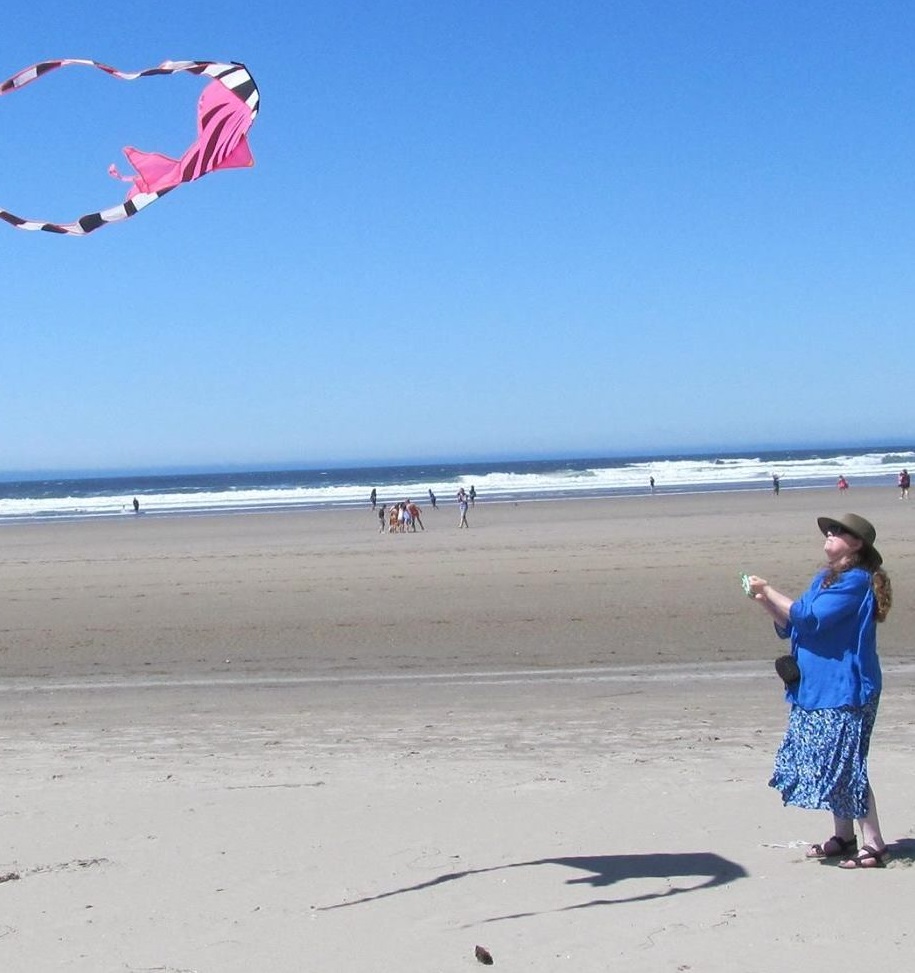 Such is NaNoWriMo—you never know what will happen during that month of madness and hilarity. I’ve been participating since 2010 and a Municipal Liaison since 2012, and every year is different. Some years I can only churn out short stories and poetry; other years, I’m cursed with novels.
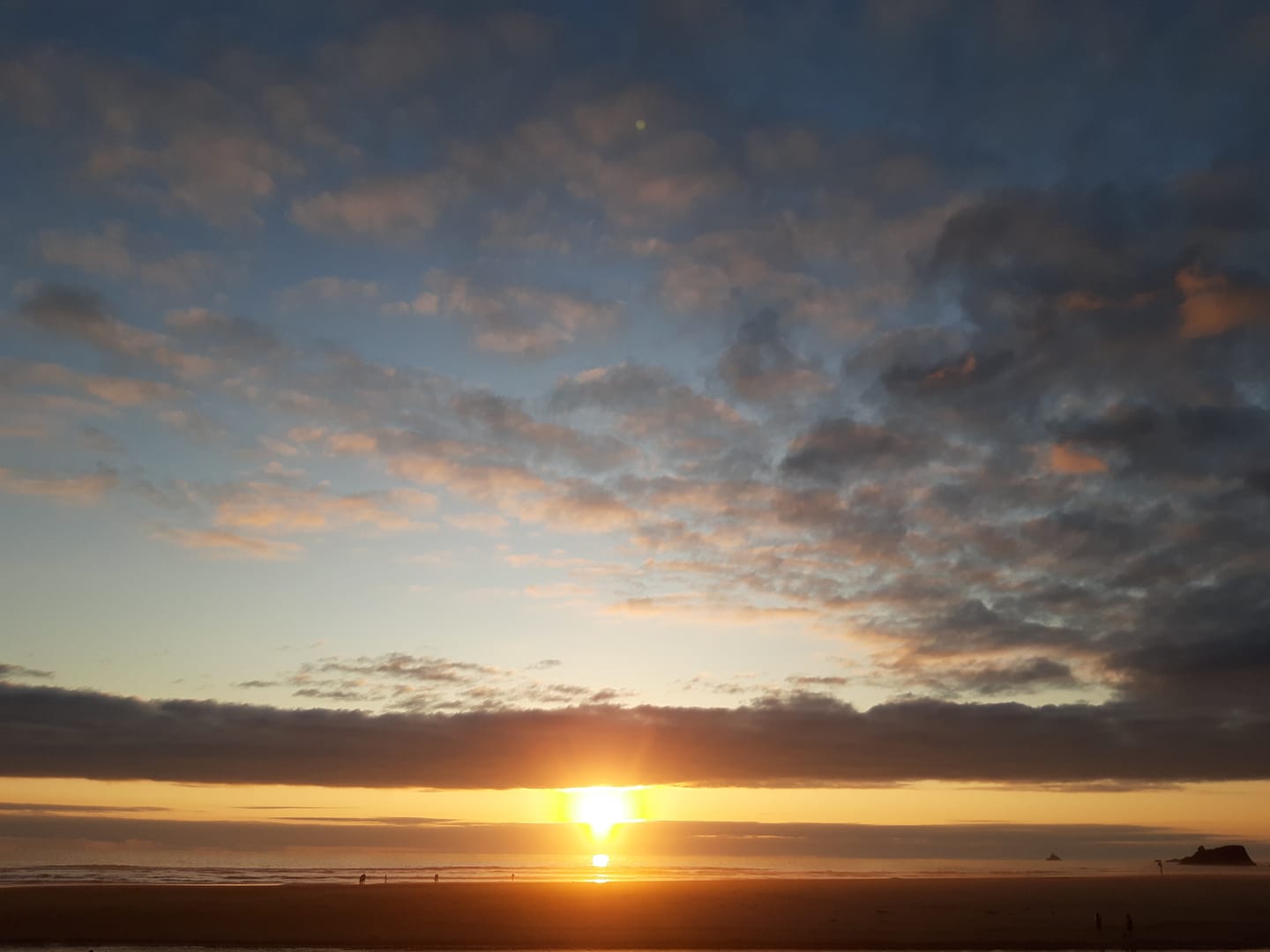 We booked in January, so we got our favorite condo on the beach. Some years we don’t get it, but we always have fun. My sister-in-law and her husband are in a small house a bit further toward the other end of town. The daughter with the teenagers is staying in the neighboring town of Seaside, which is more oriented to teenagers and caters to their idea of fun.
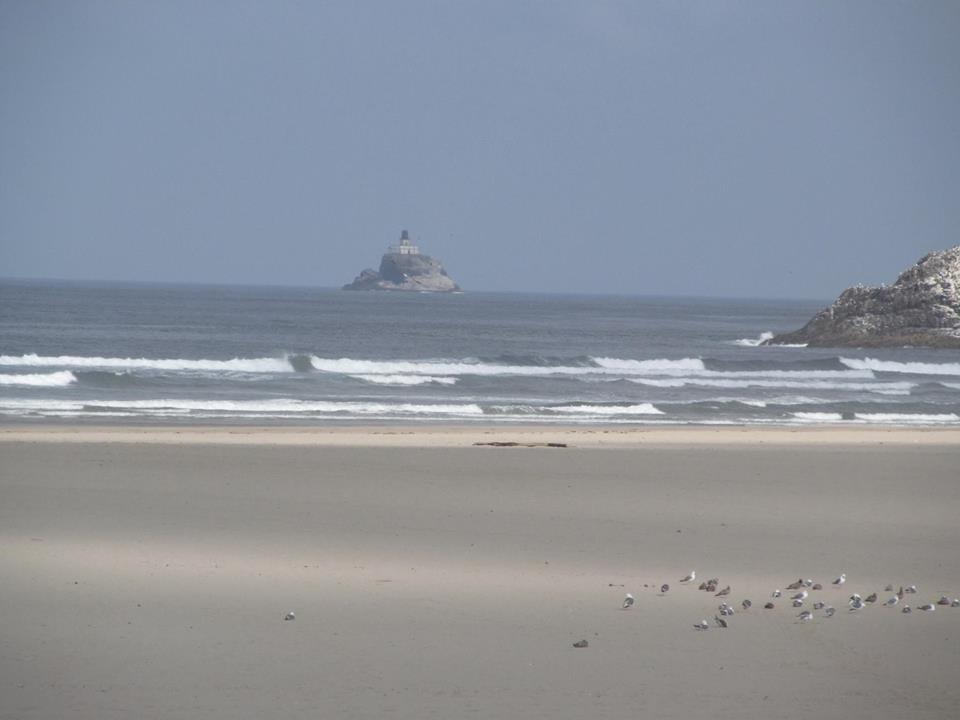 In September 1879, a third survey was ordered, this time headed by John Trewavas, whose experience included the
 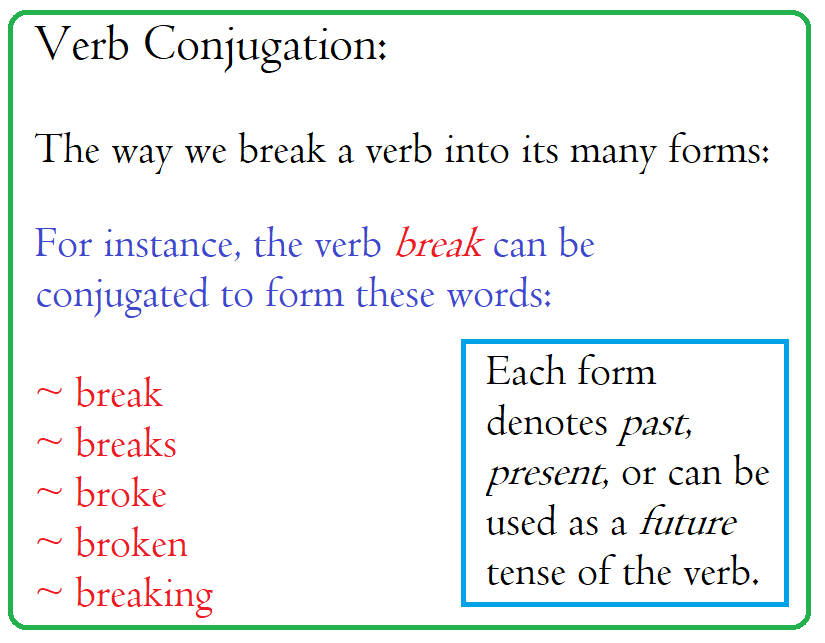 Today we’re discussing how narrative time, or what we call tense, affects a reader’s perception of character development. In
  In the rewrite, we look for the code words that tell us the direction in which we want the narrative to go.
 Sometimes the only way you can get into a character’s head is to write them in the first-person present tense, which happened to me with Thorn Girl. I struggled with her story for nearly six months until a member of my writing group suggested changing the narrative tense and point of view.
 Some third-person omniscient modes are also classifiable as “third-person subjective,” modes that switch between the thoughts, feelings, etc. of all the characters.
 The flâneur is the nameless external observer, the interested bystander who reports what they see and overhear about a particular person’s story. They garner their information from the sidewalk, window, garden, or any public place where they commonly observe the protagonists. They are an unreliable narrator, as their biases color their observations. In many of the most famous novels told by the flâneur, the reader comes to care about the unnamed narrator because their prejudices and commentary about the protagonists are endearing.
 Second-person point of view is commonly used in guidebooks and self-help books. It’s also common for do-it-yourself manuals, interactive fiction, role-playing games, gamebooks such as the Choose Your Own Adventure series, musical lyrics, and advertisements.
 I had no intention of writing book one either, but there it is. These characters won’t let go of me, so now I’m storyboarding a new plot.
 Several years ago, I read “
 I had a reaffirmation of sorts; the reassurance that no writer can follow every writing group rule and no book that does would be worth reading.
 Happiness, anger, spite – all the emotions get a description. Eyebrows raise or draw together; foreheads crease and eyes twinkle; shoulders slump and hands tremble. Lips turn up, lips curve down, and eyes spark – and so on and so on.
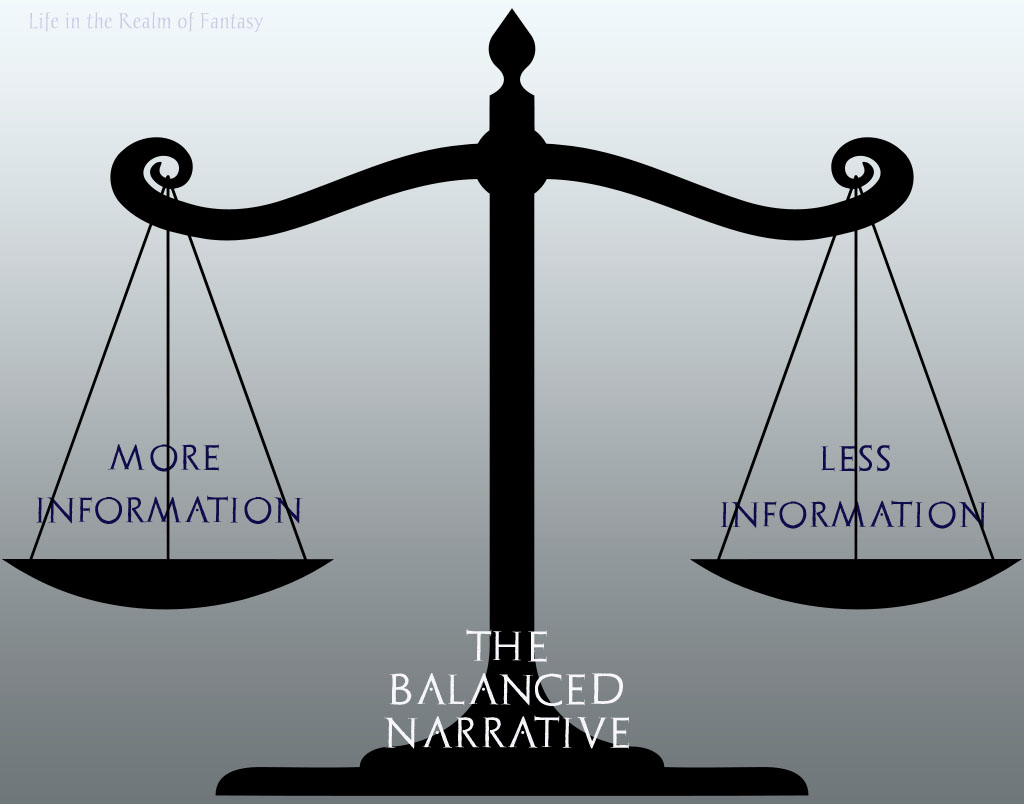 For me, the most challenging part of writing the final draft of any novel is balancing the visual indicators of emotion with the more profound, internal clues.
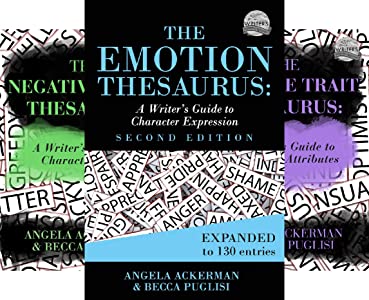 I have mentioned
  Open the thesaurus and find words that carry visual impact in your narrative, and you won’t have to resort to a great deal of description.
 The setting is a coffee shop.


