The Character Arc part 1 – Theme and Sub-theme #amwriting

I am drawn to books where the protagonist faces their personal demons and finds a hero within themselves. I love the story of someone who meets the unknown and finds the courage to do what they believe is morally right.
2WritingCraft_themeThis is a literary theme and is known as the hero’s journey. But it is only the overarching theme. For that hero’s main character arc to work, they need subthemes.

Subthemes are personal. In a movie score, a particular musical motif plays whenever a specific character enters the scene, and we feel their emotional state. When you discover a character’s void, the thing they lack, you have found the subtheme you need to expand on.

Here are three of the many themes that can help you shape a character’s arc of change:

  • Learning to live with grief.
  • Overcoming a lack of self-worth.
  • Moving beyond an unrequited romantic love.
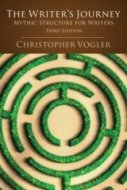
WritersjourneysmallWhat is the “hero’s journey” and why am I so fond of it?  Christopher Vogler broke it down for writers in his book, the Writer’s Journey. But what is essentially is is this:

The concept of the heroic journey was first introduced by the American mythologist, writer, and lecturer Joseph Campbell in The Hero with a Thousand Faces (published in 1949). In this ground-breaking work, he discusses the monomyth or the hero’s journey. He describes how this motif is the common template of a broad category of tales that involve

  1. a hero going on an adventure,
  2. and who, in a decisive crisis, wins a victory,
  3. and who then returns to his home, changed or transformed.

Take Tolkien’s masterpiece, The Hobbit:
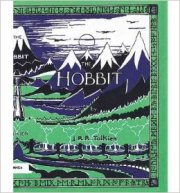
the hobbitWhen Bilbo Baggins fights the giant spiders, he also faces his own cowardice and is amazed that he could do such a thing. This is only the first step in his personal arc. As the story progresses, he discovers that he has courage, which has nothing to do with the invisibility conferred on him by the ring he found earlier. Bilbo has courage, and yes, he is afraid. But he is not afraid to be courageous.

This is a core concept of this book and is the central theme of the entire Lord of the Rings series.

The theme of courage is one I find important and admirable, and it emerges in my writing. Courage is a strength beyond the physical. We’re often filled with self-doubt about our ability to do what might be needed in an emergency.

What genre are you drawn to read? That is most likely the genre in which you will write.

Some novels are set against the backdrop of a political power struggle. Political corruption, terrorism, and warfare are common themes. The characters within these stories have personal themes, voids they must overcome to resolve the situation.

Some novels focus on developing romantic relationships. The characters must have personal themes, inner voices they must overcome, as well as the external forces keeping them apart. The romance novel’s conflict and climax are devoted to the overarching theme of growing love. These novels might feature subplots that do not specifically relate to the main characters’ romantic love but enable them to overcome their voids. They must become strong enough to overcome the roadblocks to their happily ever after.

Ulysses cover 3Other novels are entirely character-driven, focusing on the protagonist of the narrative. Much thought is given to how prose is crafted stylistically, using a wide vocabulary. These novels feature thoughtful, in-depth character studies of complex, often troubled, characters. The story is in their day-to-day dealings with these issues. Action is less important than introspection, and the setting frames the characters and their arcs of growth.

The character arc is vital even if we’re writing science fiction. Yes, we want to set our characters in a realistic future based solidly on adequate knowledge of real-world science. If we intend to write hard sci-fi, we need a good understanding of the scientific method, so our plot doesn’t evolve into fantasy. Science and technology are dominant themes, but our characters are what will keep the readers reading. They will have personal voids, so sub-themes such as morality and love will arise, and the setting is only the backdrop.
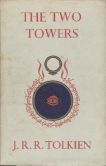
Lord_of_the_Rings_-_The_Two_Towers_bookLet’s look again at J.R.R. Tolkien’s LOTR series. Personal growth and the many forms heroism can take are central themes of his stories. While many side-quests take the different characters away from the physical journey of the One Ring, Tolkien never strayed from the concept of the hero’s journey. The arcs of each character, as they go through their adventures and meet and overcome their personal void, support the overall theme of heroism in the face of death.

Any person’s fundamental fears and insecurities can become a character’s sub-theme, the thread you can expand on to shape their relationships.

On the surface, the many genres of books look widely different. However, they all have one thing in common–they have protagonists and side characters. These people will all have to deal with and react to the book’s overarching theme, but each will have their own story and personal journey.

The world in which a narrative is set is like a picture frame. It is the environment against which the story’s themes play out. The characters are shaped by a force beyond their control—the author.

The central theme of your story emerges when you are laying down the first draft. If your inspiration seems to faint somewhere in the middle, it may be that you have lost track of what you initially imagined your story was about. The characters no longer know what they are fighting for. Was it love? Was it destiny? Was it the death of hope?
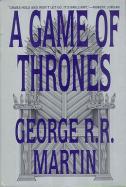
AGameOfThronesWhen we are constantly prodded to make our work focus on action and events, it becomes easy to forget that characters have an internal arc. They must grow for good or ill.

Ask yourself if the action has been inserted for its shock value. Or is this scene necessary to force change and growth on the protagonist and companions? How will their fundamental ethics and ideals be challenged by this event?

  • If there is no personal cost or benefit to the characters, there is no need for that scene.

Remember, just because an idea no longer works for this novel doesn’t mean it won’t work in another. You never know when you will need those ideas, so don’t throw them away—always keep the things you cut in a separate file.

I label that file “outtakes,” and believe me, it has come in handy when I need an idea to jump-start a new story.

In many ways, writing genre fiction can become a trap. Sometimes we are so busy plotting roadblocks for our protagonist and his nemesis that the action takes over, and the main theme becomes tenuous.

  • The action should force the character to change. If you absolutely must have that action, find a way for it to force growth on or otherwise affect the characters involved in it.

When we are deep in the creative process, it’s easy to forget that characters must evolve.
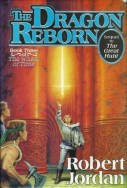
WoT03_TheDragonRebornI step away from my project for a week or two or even longer when stuck. When I come back to it, the characters and their journey is new again, inspiring me to finish their story. This is why I am a slow writer.

I write for a niche market–people like me. If I’ve learned nothing else over these last few years, it’s that as an indie, I have all the time in the world to get my work as right as I can make it.

Our next post will look at ways of discovering the personal void that initially holds our characters back, and how that void shapes them.
8 Comments

Filed under writing

#FineArtFriday: Sur la plage, les bains de mer by François d’Orléans

François_d'Orléans_-_Sur_la_plage,_les_bains_de_merArtist: François d’Orléans, prince de Joinville (1818-1900)
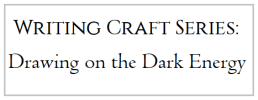
Title: Sur la plage, les bains de mer (English: On the beach sea bathing)

Medium: Watercolor

Date: before 1900

What I love about this painting:

I love the wild sense of humor shown in this portrayal of upper-class Victorian-era people on vacation beside the sea. In the background two young men are clowning around, one leaping over the back of the other. Everyone is having fun, except perhaps the woman being drenched by a bucket of water. So much action! It was a party, and François d’Orléans, Prince de Joinville recorded it with his own unique style.

About the Artist, via Wikipedia:

François d’Orléans, Prince de Joinville (14 August 1818 – 16 June 1900) was the third son of Louis PhilippeKing of the French, and his wife Maria Amalia of Naples and Sicily. An admiral of the French Navy, François was famous for bringing the remains of Napoleon from Saint Helena to France, as well as being a talented artist, with 35 known watercolours.

He married Princess Francisca of Brazil, daughter of Emperor Pedro I and sister of Emperor Pedro II. The dowry received by François upon the marriage became the Brazilian city of Joinville.

François and Francisca’s grandson Jean went on to become the Orléanist claimant to the extinct French throne, a claim passed on to his son, grandson and now great-grandson Jean, Count of Paris, current Orléanist claimant to the French crown.


Credits and Attributions:

Image: Sur la plage, les bains de mer  by François d’Orléans, prince de Joinville. Wikimedia Commons contributors, “File:François d’Orléans – Sur la plage, les bains de mer.jpg,” Wikimedia Commons, https://commons.wikimedia.org/w/index.php?title=File:Fran%C3%A7ois_d%27Orl%C3%A9ans_-_Sur_la_plage,_les_bains_de_mer.jpg&oldid=757902107 (accessed July 13, 2023).

Wikipedia contributors, “François d’Orléans, Prince of Joinville,” Wikipedia, The Free Encyclopedia, https://en.wikipedia.org/w/index.php?title=Fran%C3%A7ois_d%27Orl%C3%A9ans,_Prince_of_Joinville&oldid=1160992832 (accessed July 13, 2

4 Comments

Filed under #FineArtFriday, writing

Schadenfreude, Schrodinger’s Tea Cup, and Gallows Humor #amwriting

My teacup has a fundamental problem. I no sooner fill it up than it is empty. I feel this is a prime example of particle physics in action. I set the cup filled with hot tea on my desk, write a few words, and it is empty when I reach for it a short while later.

WritingCraft_Dark_EnergyIt’s a mystery. The cup is full, and then it is empty, a Schrodinger’s cup of tea, there and not there.
But I digress.

A few years ago, I reconnected with an old word, one regaining popularity in the English language: schadenfreude (shah-den-froid-deh). This word from our Germanic roots describes the experience of happiness or self-satisfaction that comes from witnessing or hearing about another person’s troubles, failures, or humiliation.

It’s a feeling we are all familiar with, as we often experience it on a personal level.

When the rude neighbor steps in the pile of dog doo her puppy left on the sidewalk (and which she chose not to clean up), we feel a little schadenfreude.

Schadenfreude is a complex emotion. Rather than feeling sympathy towards someone’s misfortune, we find a guilty pleasure in it. Writing a little hint of schadenfreude into our narrative makes our characters feel more natural.

Decent people don’t promote bullying or harassment as a positive thing. But in the written narrative, we do want to inspire that feeling of “payback” in the reader whenever a little instant karma temporarily halts the antagonist. It’s an uncharitable emotion, but it is natural.

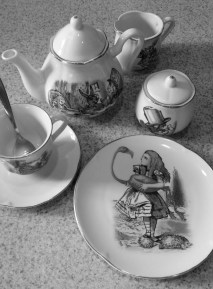
desaturated alice Tea setHumans are amused by things and incidents that violate the accepted way things should work and which do so in a non-threatening manner. We see the characters having difficulty in certain situations and find humor in the fact their dilemmas are so relatable.
When an author injects a little self-mocking humor into a narrative, the reader feels an extra burst of endorphins and keeps turning the pages. The way the characters react to these situations is what keeps me reading.

I love exchanges of snarky dialogue, mocking irreverence, and sarcasm. They liven up regrouping scenes and add interest to moments of transition from one scene to the next.

I am keenly aware that what appeals to me might not to you.

The truth is, humor is as much cultural as it is personal. The things we find hilarious vary widely from person to person. Sometimes the strangest things will crack me up, things another person sees no humor in.

Some people have an earthy sense of humor, while others are more cerebral. For me, the best comedy occurs when the conventional rules are undercut or warped by a glaring incongruity, something out of place, contrasted against the ordinary.

I have never liked slapstick as a visual comedy because I see it as a form of bullying, and I just can’t watch it. But in the narrative, putting your characters through a little ironic disaster now and then keeps a dark theme moving forward.

Gallows humor is more than merely mocking ill fortune. The tendency to find humor in a desperate or hopeless situation is a fundamental human emotion. When I was growing up, my family ran on “gallows humor” and still does, to a certain extent. We put the “fun” in dysfunctional.

This is why gallows humor finds its way into my work. We all need something to lighten up with now and then.

Humor in the narrative adds both depth and pathos to the characters. It humanizes them, and you don’t need to resort to an info dump to show their personality. Each character’s sense of humor (or lack thereof) demonstrates who they are and why we should care about them.

I can’t know what you find humorous, but I do know what makes me smile. I like snark and witty comments, a bit of banter back and forth in the face of impending trouble.

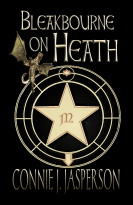
Bleakbourne front Cover medallion and dragon copyI like things that surprise me, situations that detour sharply from the expectations of normal. In Bleakbourne on Heath, I took this to an extreme with the characters of the two knights, Lancelyn and Galahad. I gave Lance a real problem – all magic rebounds from him. Only one person can remove that spell, Morgause, because she cursed him with it.
In a world of sorcerers and magic, that is a curse offering many opportunities for trouble. (Heh heh!)

I like putting my protagonists in situations where they must deal with embarrassment, do a dirty job, and learn they are merely human after all.

It adds a little fresh air at places where the character arcs could stagnate.

The act of writing humor occurs on an organic level, frequently arising during the first draft before the critical mind has a chance to iron it out. It falls out of my mind with the bare bones of the narrative.

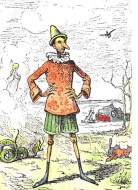
Enrico Mazzanti (1852-1910), Public domain, via Wikimedia CommonsI do have a cruel streak when it comes to my written characters. The ability to laugh at oneself and to learn from missteps is critical in real life. Admitting you are the architect of your own disaster and accepting your own human frailty is a major step to adulthood.
So, now that I have finished that rant, I shall refill my Schrodinger’s-brand teacup and relax on the balcony, daydreaming and watching the street below. Perhaps this time, I won’t lapse into a fugue state as I drink it.

8 Comments

Filed under writing

Morality and the Flawed Hero #amwriting

When we write a tale involving human beings, morality will likely enter it at some point. What is our responsibility as authors when it comes to telling our stories? I feel it’s important to write honest characters, no matter the genre.

depth-of-characterDo you write your heroes with few flaws, or do you portray them as “warts and all?” That becomes a matter of what you want to read.
Some people want cozy, comfy stories, written in such a way that a happy ending is assured. There is nothing wrong with that and there is a market for those stories.

For myself, I gravitate to tales written with guts and substance. Give me the Flawed Hero any day.

In Huw the Bard, I describe a murder committed in cold blood. I take you from the worst moment in Huw’s life and follow him as he journeys to a place and an act which, if you had asked him two months prior, he would have sworn he was incapable of committing. Sadly, this is not the lowest point in his tale. It is, however, the beginning of his journey into adulthood.

Does my writing the story of this terrible act mean I personally advocate revenge murders? Absolutely not.  I believe no human being has the right to take another’s life or harm anyone for any reason.

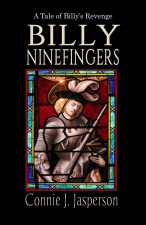
BNF Front Cover 1Still, I write stories about people who might have existed and have their own views of morality. In each tale, I try to get into the characters’ heads. I want to understand why they sometimes make terrible choices, acts that profoundly change their lives.
The Billy’s Revenge series is set in the world of Waldeyn. Billy Ninefingers appears as a character at the end of Huw the Bard and is the man the series is named after.

Having just inherited the captaincy of a mercenary band known as the Rowdies, Billy is on the verge of having everything he ever wanted. However, an unwarranted attack by a jealous rival captain seriously wounds him, destroying his ability to swing a sword. Desperate to hold on to his inheritance, Billy must build a new future for himself and the Rowdies despite his disability.

In keeping with the theme in this series, his tale explores how we justify our actions for good or ill and how his worst moments shape his life.

Toward the end of that book, Huw’s story converges with Billy’s, a small glimpse of the bard’s life as a mercenary. Some of my other favorite characters also appear in Billy’s tale of trouble and woe because his story and the Rowdies are intertwined.

Billy and Huw both came into existence thanks to the original draft of Julian Lackland. They were characters who had an immense influence on Lackland and who both deserved their own stories. All three men are heroes, and all three have done things they are not proud of.

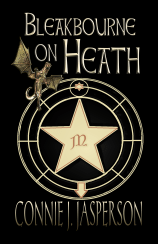
Bleakbourne front Cover medallion and dragon copyTo me, the flawed hero has much to offer us. In my most recently published book, a stand-alone novel called Bleakbourne on Heath, we meet Leryn, a young bard with a romantic view of life.
His two primary desires are simple, the sort of dreams any young person might have. As a bard, he wants to find and write the stories of Angland’s romantic and mysterious past, and he hopes to someday be married and settled down.

Unfortunately, being situated at the crossroads between the mortal realm and Hell, Bleakbourne isn’t as quiet and peaceful as he had hoped. Against his will, Leryn becomes involved with people he thought were only legends, discovering that being a hero is a lot less glamorous than it sounds.

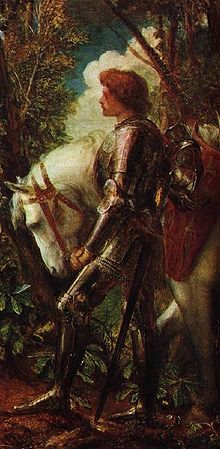
220px-Sir_Galahad_(Watts)

Sir Galahad by George Frederick Watts PD|100

One of my favorite characters in Bleakbourne is Lancelyn Reynfrey, Knight at Large. Lance believes in the purity of knighthood and the responsibility of a knight to serve and protect the humblest people. He is convinced he has no imperfections to cast a shadow on his worthiness.

Unfortunately, his relationship with a neighbor’s son led to his family hiring a matchmaker and marrying him off to a somewhat naïve sorceress. That didn’t go well, and when we meet Lance, he isn’t as white a knight as he wishes, although he is definitely not a black knight.

He’s more of a grayish knight, a man under a terrible curse and with vengeance in his heart.

However, Leryn the bard does meet a black-hearted knight, and while that encounter is not a high point in his week, it sets the plot in motion.

In real life, we all have areas of gray in our moral code, although we usually choose to ignore them. These areas of ethical ambiguity are what make the written character fascinating. Nothing is less intriguing to me than a perfect person doing perfect things in a perfect world.

I try to tell the best story I can, because I am writing for my own consumption–I am my target audience. This means sometimes I stretch the bounds of accepted morality. I sometimes look into the shadowed areas of human nature, not for the shock value but because the story demands it.

The fantasy genre is written for entertainment, and that is where my reading interests lie. So, when I write a story, I want to tap into the emotions of the moment, which means writing perfectly imperfect characters.

The story should take the reader on an emotional journey with the hero and the antagonist. Both must have goals, both must face setbacks, and both must work to overcome those hurdles.

Who are youThe difference between the antagonist and the hero is the amount of grayness in their moral compass. When does the gray area of morality begin edging toward genuinely dark? What are they not willing to do to achieve their goal?

Answering that question can take the story in a direction that surprises you. For me, those are the best moments as a writer, the days when I become fired up for my story and can’t stop thinking about it.

9 Comments

Filed under writing

#FineArtFriday: Wind, Waves, and the Monarch of the Beach

Today we are looking at a series of photographs taken over the space of several years. All but one are my own work.

The first image is a sunset shot of what I think of as the Monarch of the Beach, the God-Rock dominating the shores of Cannon Beach Oregon. I took it in 2021 from the south end of the long stretch of sand. I have always loved the silhouettes of the sea stacks against the sky.

sunset-cannonbeach-08192020LIRF

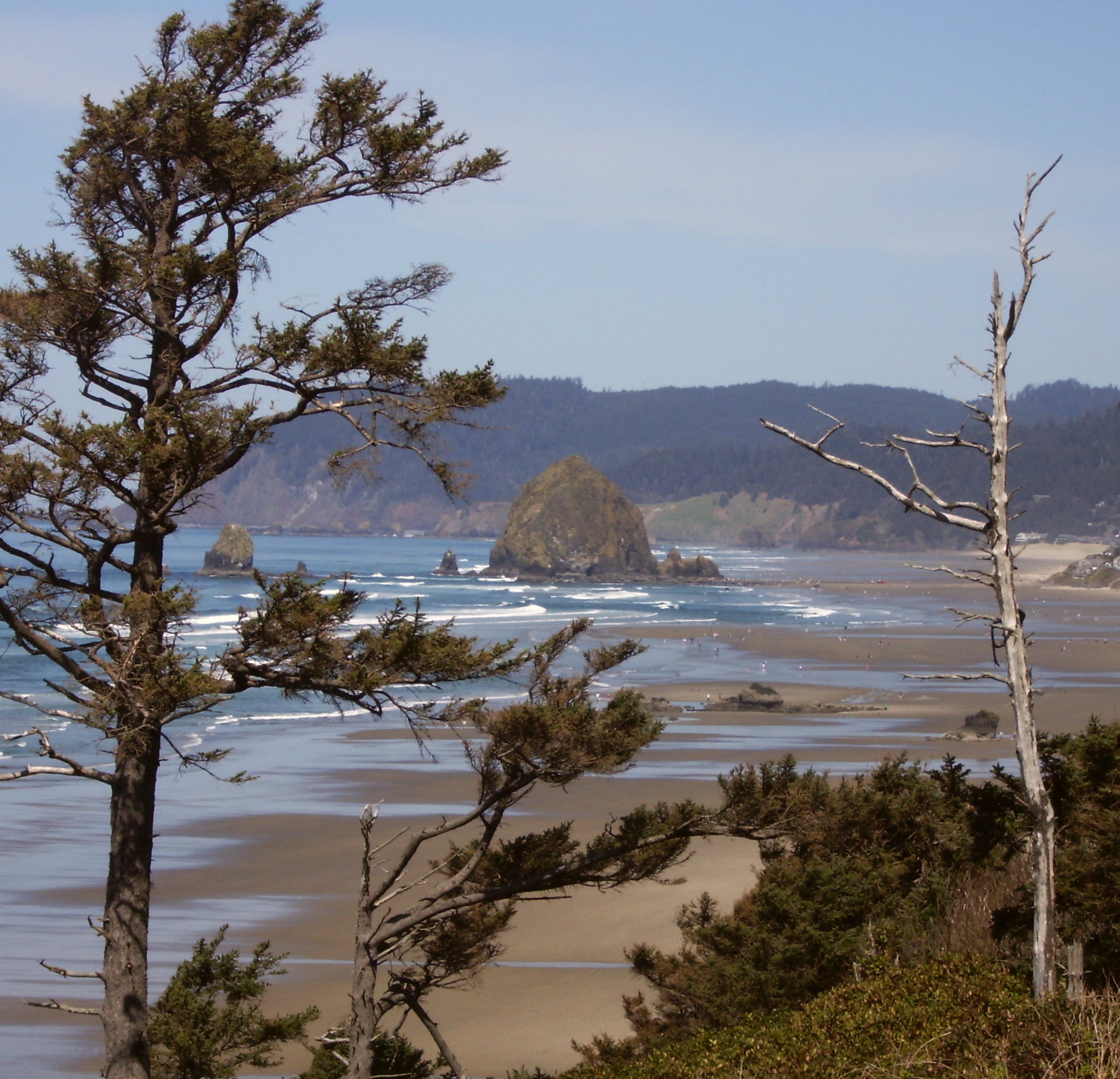
The following image, Haystack Rock, is not one of mine. It was shot and uploaded to Wikimedia Commons by Tiger635. They perfectly captured the sky, showing the amazing shade of blue with stratus clouds overhead and sea below. All the world converges on Haystack,the king rock, the monarch of the beach. The photographer did everything right to capture the beauty of this place.

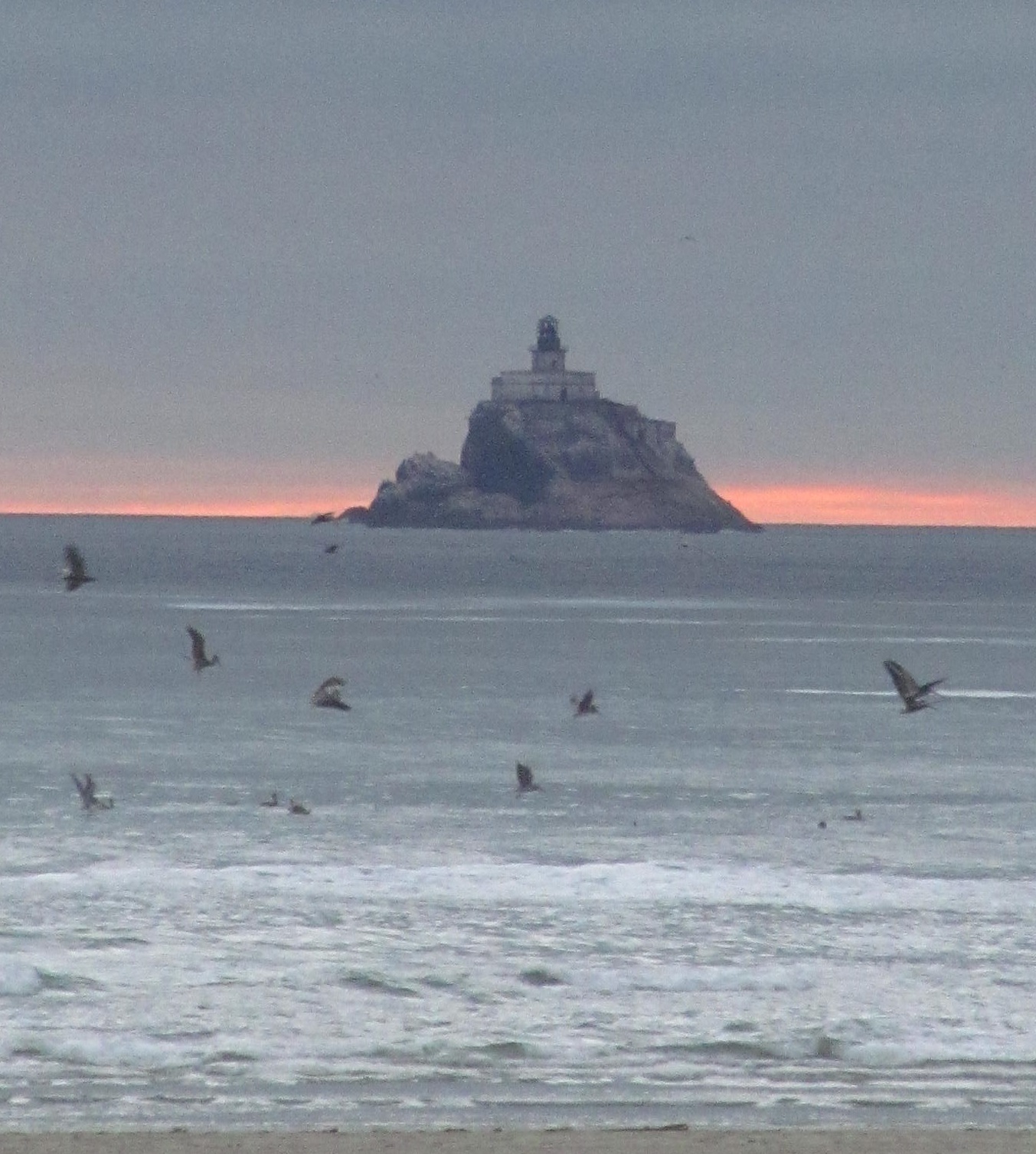
This year we are in the condo we like best and have a great view of Tillamook Head. When the fog lifts. I will see my favorite lighthouse, Tillamook Rock Light. I wanted to capture the pelicans and seagulls in flight, but the haze in 2020 made getting clear images difficult even with my cannon digital camera. But I managed to get this image with the aid of my tripod and a telephoto lens:

Terrible Tilly August 2022

The next image is one I shot in 2018, an unusually hot year, when we were plagued with massive wildfires here on the west coast of America. The sunsets that year were unbelievable.

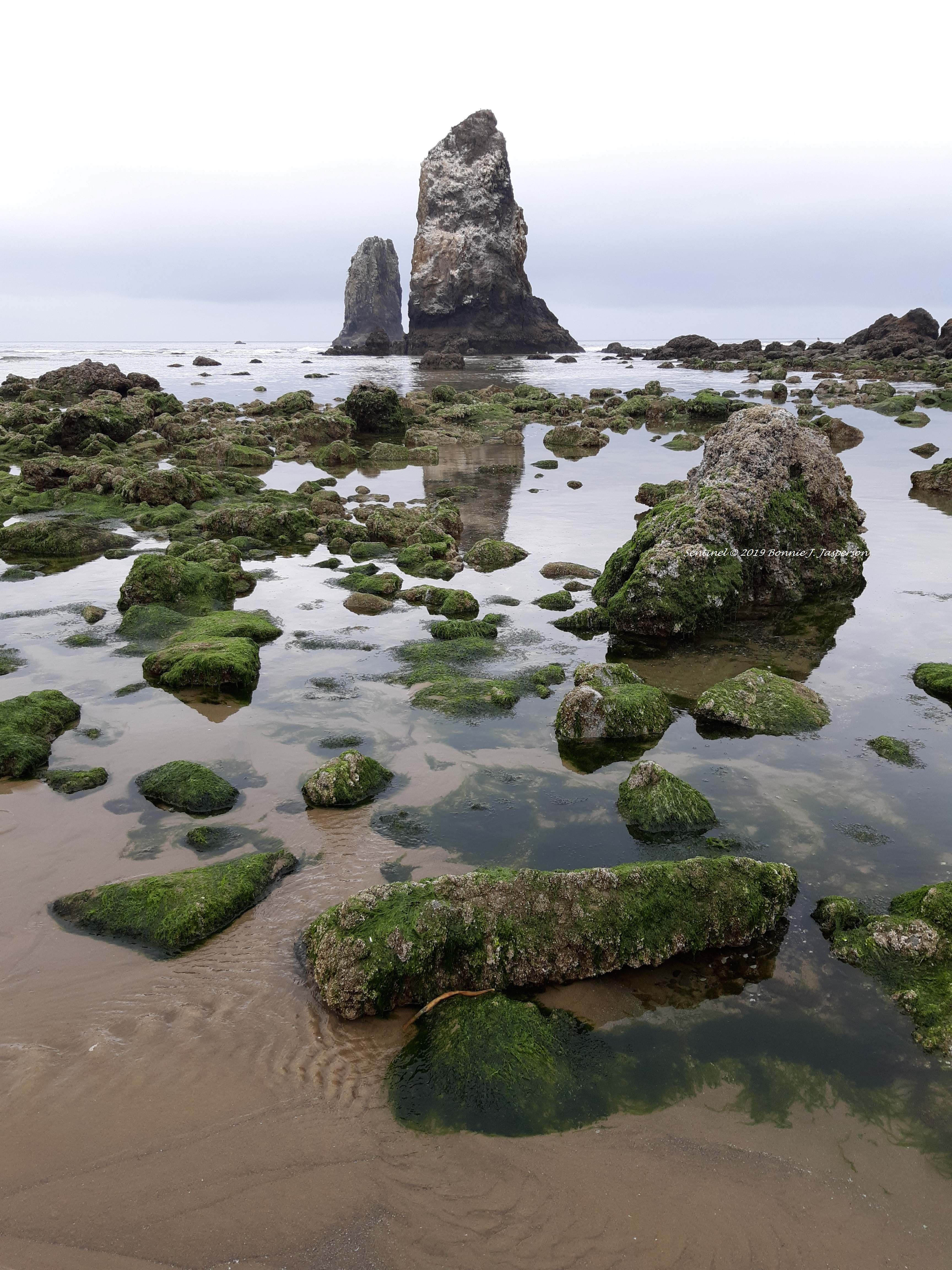
The following image is of the Needles, those acolyte sea stacks gathered around Haystack’s knees. They are slowly disintegrating, more and more every year.

I shot it at low tide on Monday August 5, 2019, with my cellphone. Little did I know that it would be the last image I would ever get of that particular sea-stack. The two final images were also shot on my cell phone.

The sky that year was a shade of gray that is impossible to describe. I particularly love the way the tidal pools came out in my photo, the green of the sea moss, and the reflection of the spires across the shallow sea.

Now that sea stack is only a low hump, not too different from any other lump of basalt cresting the waves in the shallows. Where once there were three, now there are only two and a half.

Haystack Rock and the Two Needles, 20 August 2020 © 2020 by Connie J. Jasperson, All Rights Reserved

Time eventually wears everything to sand. All these sea stacks, even the God Rock, will one day be gone, shattered to rubble and ground to sand, a testimony to the violence of the wild Northeast Pacific winters. That is the way life is, and I find it reflected in myself.

Cannon Beach july 06, 2023

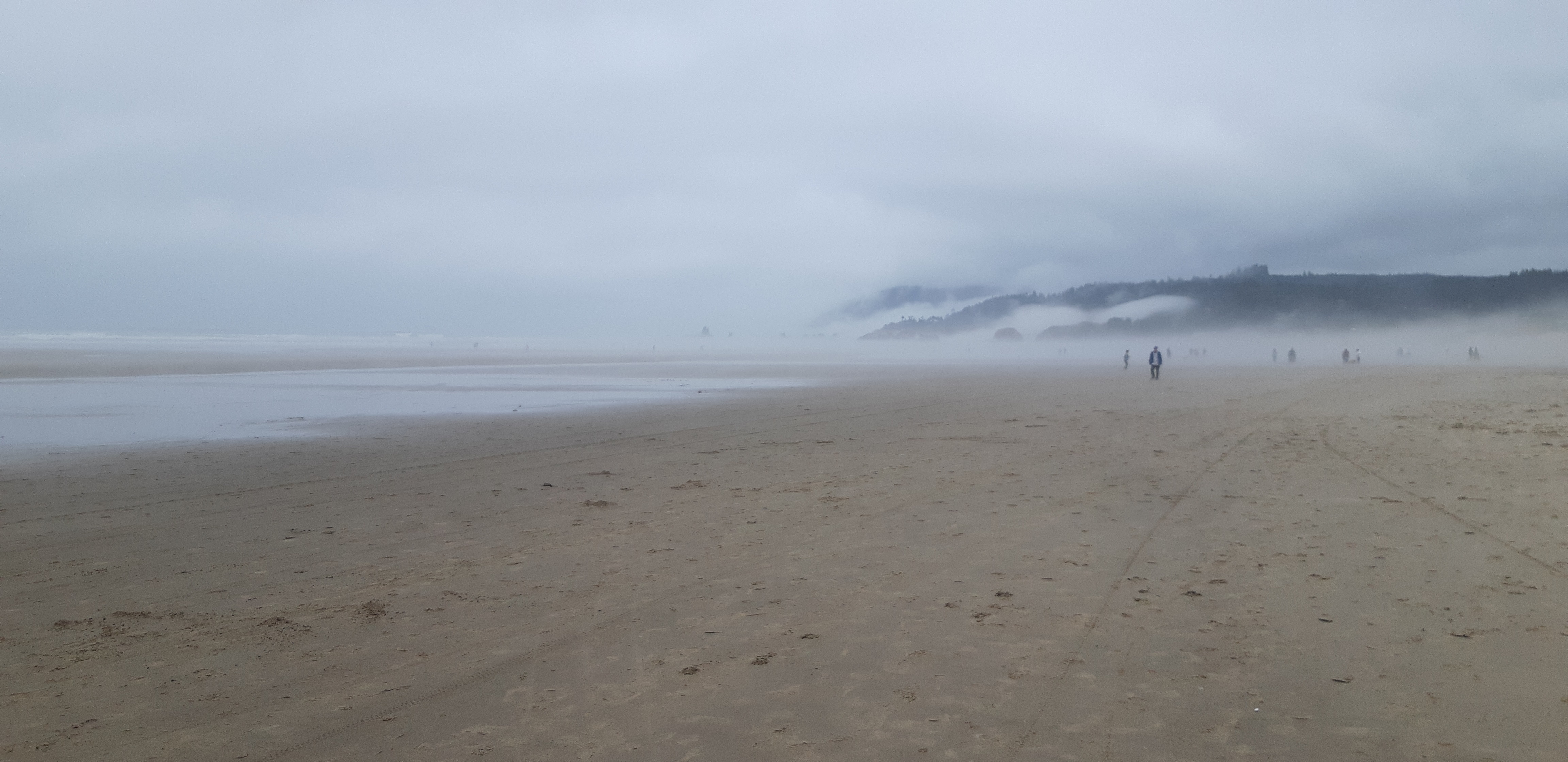
North View of Cannon Beach in the Fog July 06, 2023 © Connie J. Jasperson 2023

But no matter how fast our human lives change, pelicans, puffins, terns, seagulls, and rare wide-winged wanderers from far out to sea still come to nest on the Monarch of the Beach, Haystack Rock and his attendants.

Tidal pools change from day to day, but still they shelter starfish, anemones, and a multitude of other small creatures. These tiny water-worlds remind us that we are part of something larger, something deeper, a mysterious world far more bountiful than we who walk the land can know.

The sea is never the same. Untamed and dangerous one day, it is calm and serene the next.

The most important thing I’ve learned from my many walks among the tide pools at the foot of the Monarch is this: we humans are not islands—we are part of a world that extends below the surface and conceals secrets and lives we surface dwellers can only dimly imagine.

Above the eternal sea, on the strand below and around the God Rock, the Monarch of the Beach, my husband and I rediscover who we are, and we are made stronger.

The bonds my family forges each year in this place bind us together. These ties will always remain, no matter how far apart we are or how long we are separated, even after the Monarch of the Beach crumbles into the sea.


Credits and Attributions:

Haystack Rock, by Tiger635 [CC BY-SA 3.0 (https://creativecommons.org/licenses/by-sa/3.0)]

Tillamook Head at Sunset © Connie J. Jasperson 2018 All Rights Reserved

Sentinel, 05 August 2019 (One of the Needles, Cannon Beach) © 2019 by Connie J. Jasperson, All Rights Reserved (author’s own work).

Haystack Rock and the Two Needles, 20 August 2020 © 2020 by Connie J. Jasperson, All Rights Reserved (author’s own work).

Sunset at Haystack, 19 August 2020 © 2020 by Connie J. Jasperson, All Rights Reserved (author’s own work).

Sunset at Tillamook Head, 18 August 2020 by © Connie J. Jasperson 2023

North View of Cannon Beach in the Fog July 06, 2023 © Connie J. Jasperson 2023

6 Comments

Filed under writing

The beach holiday #amwriting

Today, my husband and I are making the three-hour drive to Cannon Beach, Oregon. This is the annual pilgrimage we look forward to all year long, the few days spent in paradise with our extended family.

Haystack_rock_from_south_beside_101_P2412Most years, we visit the brewery and each of the several coffee roasters and sit for long hours, enjoying both the view and la vita dolce. This year we plan to do more than window-shop in the numerous art galleries. We have a wall in our new apartment that needs art. Of course, we will spend time in the local bookstores.
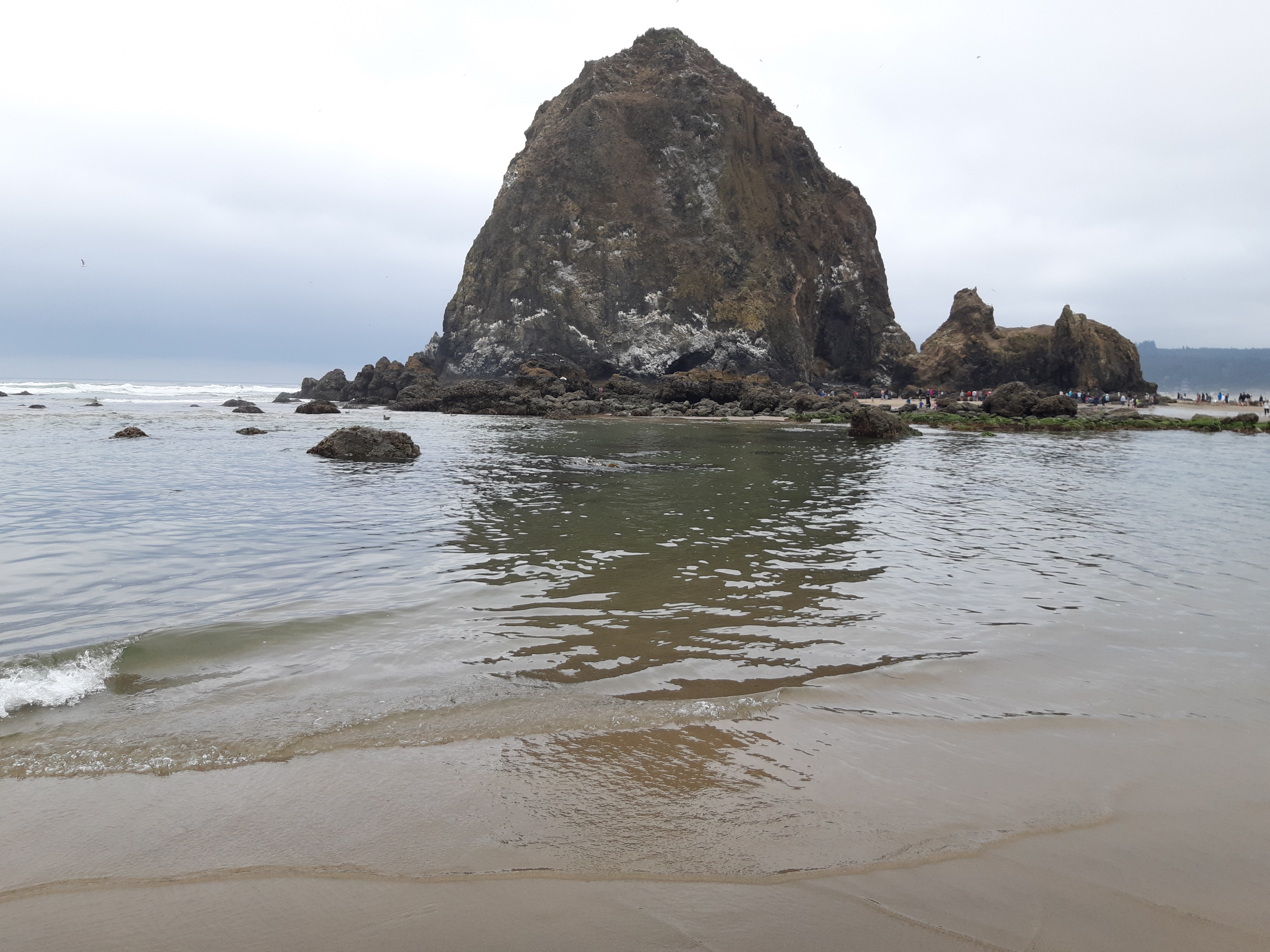
On Hemlock, the main street in town, tourists can find a fabulous wine shop, my all-time favorite bakery, and an old-fashioned candy factory—yum! We might go to a play at the Coaster Theater, and for sure, we will have at least one pizza night.

On years when we have grandchildren visiting, the most beloved store sits just around the corner from our condo – Geppetto’s. This small but magical place is every child’s favorite toy store. I can’t walk past it without stopping in. This store has a large stock of various board games and puzzles to keep everyone busy when the weather is more like fall than summer.

The weather is often cold and wet here, and while we hope for sunshine, we’re prepared for cold and rain. We who vacation on the coasts of Oregon and Washington expect at least one day of darkness, fog, or rain. After all, we are on the eastern rim of the Northern Pacific, and the weather blows in with all its force.

I love the view from the porch of our rented condo, a place we come back to year after year. Tillamook Head is just off to the north. Only a mile straight out to sea, Terrible Tilly rests atop a sea stack of basalt. She is the notorious Tillamook Rock Lighthouse, a stalwart beacon with a long history of strife and tragedy.

Although long closed to the public, she still stands proud, despite being battered and bruised. Her continued existence is a testament to the quality of construction, as Tilly is much stouter than the rock she was built upon.

About Terrible Tilly, from Wikipedia:

In September 1879, a third survey was ordered, this time headed by John Trewavas, whose experience included the Wolf Rock lighthouse in England. Trewavas was overtaken by large swells and was swept into the sea while attempting a landing, and his body was never recovered. His replacement, Charles A. Ballantyne, had a difficult assignment recruiting workers due to the widespread negative reaction to Trewavas’ death, and a general desire by the public to end the project. Ballantyne was eventually able to secure a group of quarrymen who knew nothing of the tragedy, and was able to resume work on the rock. Transportation to and from the rock involved the use of a derrick line attached with a breeches buoy, and in May 1880, they were able to completely blast the top of the rock to allow the construction of the lighthouse’s foundation.

Terrible Tilly August 2022On October 21, 1934, the original lens was destroyed by a large storm that also leveled parts of the tower railing and greatly damaged the landing platform. Winds had reached 109 miles per hour (175 km/h), launching boulders and debris into the tower, damaging the lantern room and destroying the lens. The derrick and phone lines were destroyed as well. After the storm subsided, communication with the lighthouse was severed until keeper Henry Jenkins built a makeshift radio from the damaged foghorn and telephone to alert officials.

The lighthouse was decommissioned in 1957 and replaced with a whistle buoy, having become the most expensive U.S. lighthouse to operate. During the next twenty years, the lighthouse changed ownership several times; in 1980 a group of realtors purchased the lighthouse and created the Eternity at Sea Columbarium, which opened in June of that year. After interring about 30 urns, the columbarium‘s license was revoked in 1999 by the Oregon Mortuary and Cemetery Board and was rejected upon reapplication in 2005.

Access to the lighthouse is severely limited, with a helicopter landing the only practical way to access the rock, and it is off-limits even to the owners during the seabird nesting season. The structure was listed on the National Register of Historic Places in 1981 and is part of the Oregon Islands National Wildlife Refuge. [1]

I will spend a lot of time on the porch, thinking, writing, and looking out to sea at my lighthouse friend. I know there will be at least two days of glorious skies, a shade of blue impossible to adequately describe.

Despite its name, the many moods of the Pacific Ocean are anything but peaceful. It is a wild, beautiful thing and is never the same two days running.  The waves crashing against the sea stacks at Tillamook Head and the cries of the sea birds combine with the wind, sounds that clear my mind, making it easier to picture what I want to write.

Over the years, I have taken some exceptional photographs of the many wonders along this stretch of Oregon’s coast. I have also taken a million others that were not so good, but they remind us why, like the sea birds we love so much, we return every year. The image of Haystack rock below is from Wikipedia.

Haystack_Rock_11AM_05_August_2019Each year I watch the everchanging weather as it blows in, imagining stories about the pelicans and other seabirds who hang out on the sandbar opposite our condo.
Greg and I are drawn to places near water, especially the ocean. This year, Parkinson’s won’t keep him from having a good time. We have a new beach walker with fat tires to help him get down to the waves. Since 2020, when he fell into the sea and was rescued by a group of women, he hasn’t been able to roam the beach.

When we see our avian friends returning to Haystack Rock and the other sea stacks along this beach, we are both stricken with wonder, the stark realization of our beautiful world. When our short vacation ends, we will carry that feeling of wonder home.

And when NaNoWriMo arrives in the dark, rainy depths of a Northwestern November, I will have this slice of summer to warm and inspire me.


Credits and Attributions:

Image: Tillamook Rock Lighthouse, © Connie J. Jasperson 2022

All other images used in this post are courtesy of Wikipedia. Wikipedia contributors, “Haystack Rock,” Wikipedia, The Free Encyclopedia, https://en.wikipedia.org/w/index.php?title=Haystack_Rock&oldid=1162829510 (accessed July 3, 2023).

[1] Wikipedia contributors, “Tillamook Rock Light,” Wikipedia, The Free Encyclopedia, https://en.wikipedia.org/w/index.php?title=Tillamook_Rock_Light&oldid=1140232117 (accessed July 3, 2023).

5 Comments

Filed under writing

Making effective revisions – avoiding repetition #amwriting

We who are indies know we should have our work edited, and most of us aren’t that good at self-editing. So, we find someone we can work with. But hiring an editor is expensive, so before we send our manuscript off, we should take the time to make it as clean as possible. It will greatly speed up the process if the editor doesn’t have to wade through a mess.

WritingCraft_self-editingOne of my favorite authors writes great storylines and creates wonderful characters. Unfortunately, the quality of his work has deteriorated over the last decade. It’s clear that he has succumbed to the pressure from his publisher, as he is putting out four or more books a year.
While I can write that many first drafts in one year, I could never make more than one book ready for a reader every two or three years. For that reason, I have manuscripts in various stages of completion and try to publish one a year. However, I often can’t keep to that schedule.

Taking the manuscript from the first draft to the finished product is a long and involved process. The author I mentioned above has his characters repeat what has already happened every time they meet someone new.

oopsThis frequently happens to me in a first draft, but whoever is editing for him is letting it slide, as it pads the word count, making his books novel-length. I suspect they don’t have time to do any significant revisions.

The Big Traditional Publishing Giants are just as tempted to rush a manuscript to publication as we indies are, and editing sometimes falls by the way. However, if an indie publishes work as poorly edited as what is being sold by the big publishers, the entire indie community looks bad.

Since the large publishing houses aren’t as concerned about their editing as we always thought they were, it’s up to us to find the flaws before we submit our work to them. This means you should prepare the manuscript as thoroughly as if you intended to publish it yourself.

ok to write garbage quote c j cherryhWhen we lay down the first draft, the story emerges from our imagination and falls onto the paper (or keyboard). Even with an outline, the story forms in our heads as we write it. While we think it is perfect as is, it probably isn’t.

The revision process is about far more than merely grammar and word placement. It is about ensuring the story arc doesn’t flat-line and that inadvertent repetition of entire ideas doesn’t bog it down.

Those who regularly read my blog know I frequently repeat an idea phrased a bit differently further down the post. My elderly brain seems determined to make that point, no matter what.

We all do this in our first drafts, and very few things are more “first draft” than a blog post.

Epic Fails meme2Inadvertent repetition causes the story arc to dip. It takes us backward rather than forward.  In my work, I have discovered that the second version of that idea is usually better than the first.

One way to minimize the number of flaws in your work is to print it out and read it aloud. Mark each place where you stumble or the passages don’t make sense with a highlighter.

You will find run-on sentences, spell-check errors, and many small things you don’t notice when it’s on the computer screen.

At this point, since you have already printed out each chapter, read it aloud, and highlighted what you stumbled over, you could take the time to go a little deeper into the revision process.

It’s already printed, so I don’t have to waste more ink or paper.

  • I turn to the last paragraph on each chapter’s last page.
  • Working my way forward with a yellow highlighter, I make notes in the margins.

Mardi_Gras_mask_cateyes_iconYou see things from a different angle when you start reading the chapter from the end and work your way toward the beginning. It’s amazing how many bloopers show up when you do this, even though you have already read it aloud. When you read it aloud you were going the direction you always go, the way you know so well. The mind tricks us, and we read what should be there instead of what is.
This admittedly involved process works for me because we don’t notice wonky grammar and mechanics as much when we see them on a computer screen.

Once I have printed out my manuscript chapter by chapter and finished going over it, I put the hand-corrected copy on a recipe stand beside my computer. I begin making revisions in a new file labeled with the date. The date in the file label tells me which is the most recent version of a manuscript.

BoH_revised_07-01-2023

(I never delete the old files because we never know when we might need something we have already written.)

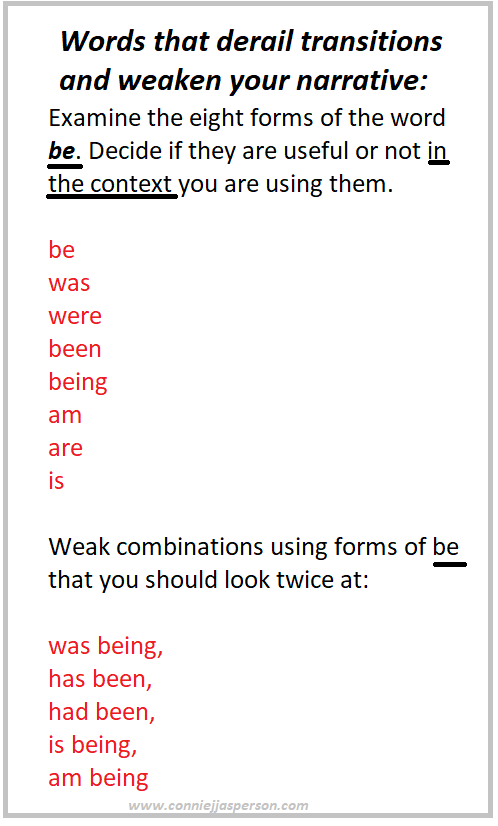
weak-words-when-used-in-transitonsHere are a few things that stand out when I do this:
  • Inadvertent shifts in the spelling of names for people and places, such as Moran becoming Muran. (Keeping a style sheet of how names and created words are spelled and doing a global search for each before publishing resolves that.)
  • Places where I have contradicted myself, such as a town being northof the main character’s location, but they travel south to get there. Making a simple hand-drawn map resolves the location problem (if I remember to look at it).
  • Punctuation errors and missing quotation marks also stand out when I see them printed.

My editor keeps me aware of inadvertent shifts in spelling. Years ago, she taught me to make a style sheet for each project.

The style sheet can take several forms. Even a simple handwritten list will do, as it’s only a visual guide to print out or keep minimized on my desktop until needed. I was a bookkeeper, so I use Excel to copy and paste every invented name, hyphenated word, or placename the first time they appear in my manuscript.

  • I sometimes forget to make a note of made-up words and usages when I am really into writing. (Oops.)

My editor takes my list of invented words and adds the ones I overlooked to it during her part of the process.

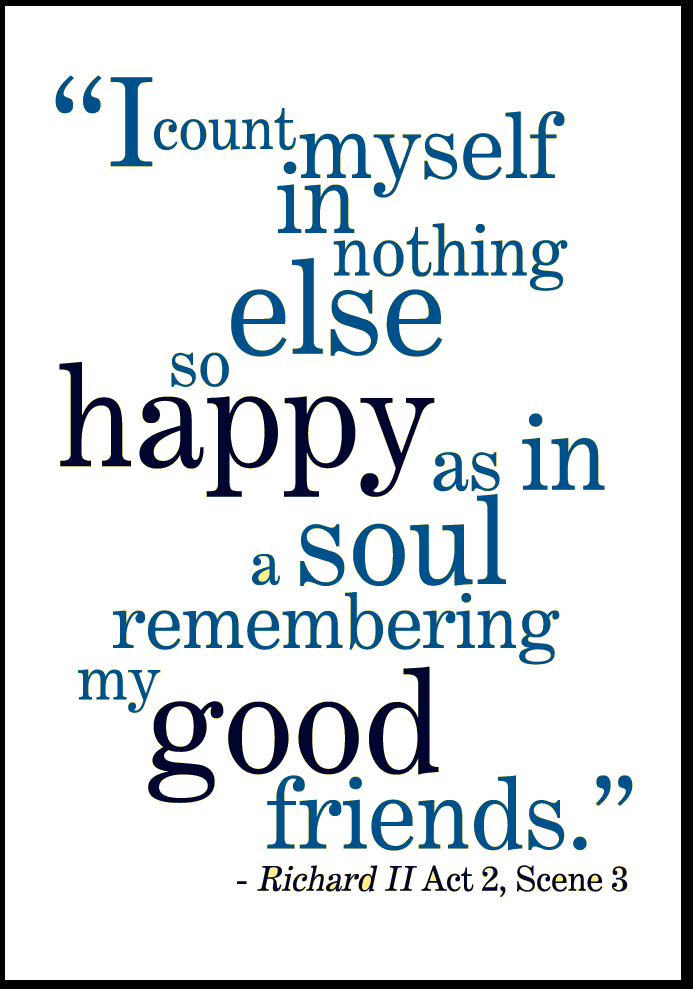
ICountMyself-FriendsIf you have the resource of a good writing group, you are a bit ahead of the game. I suggest you run each revised chapter by your group and listen to what they say. Some of what you hear won’t be useful, but much will be.
Many years ago, a friend who read my work gave me a list of weak words to watch for.

Another friend trained me out of using “that” as a crutch word—a word I use too often in my everyday speech.

Constructive criticism is a good thing.

I have discovered that the real work of writing a novel comes after I have written the story.

8 Comments

Filed under writing

#FineArtFriday: History Painting, Titus (with self portrait) by Rembrandt Harmenszoon van Rijn 1626 (revisited)

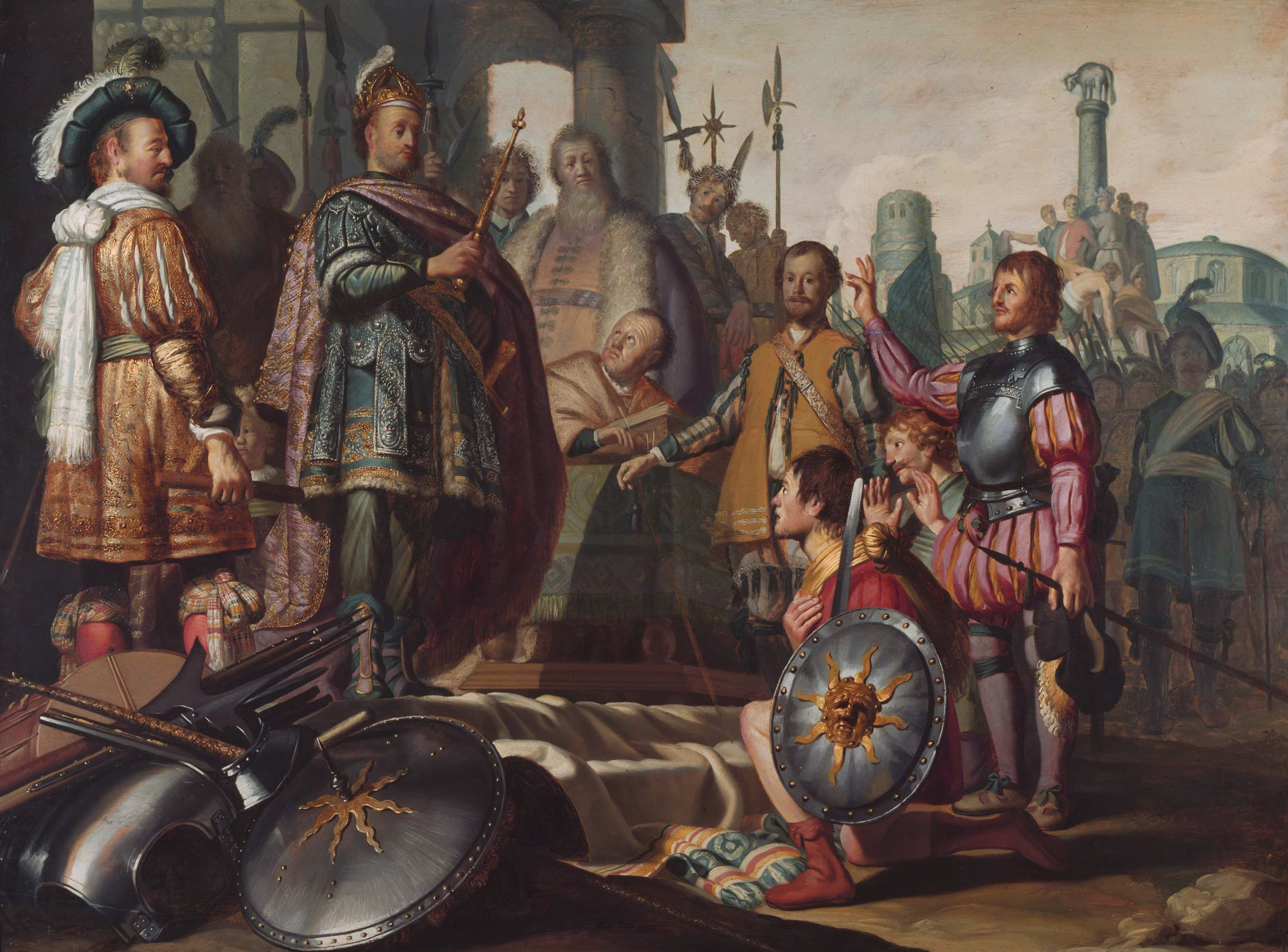
History Painting, Titus (with self portrait of Rembrandt) by Rembrandt Harmenszoon van Rijn 1626

  • Artist: Rembrandt  (1606–1669) Rembrandt Harmenszoon van Rijn
  • Title: Historical Scene.
  • Inscriptions: Monogram and date bottom right: RH 16[2]6
  • Object type: painting
  • Genre: history painting
  • Depicted people: Titus
  • Date: 1626
  • Medium: oil on oak panel
  • Dimensions: Height: 89.8 cm (35.3 in); Width: 121 cm (47.6 in)
  • Collection:   Museum De Lakenhal

What I love about this Painting:

This is one of Rembrandt’s earliest history paintings. The young artist went all out to compose and execute this painting. He scoured the city for props, and found old armor and weapons. Then he dressed the players richly in the finest garments of his own day, so as to befit a beloved and respected emperor.

Wikipedia says: Rembrandt’s portraits of his contemporaries, self-portraits, and illustrations of scenes from the Bible are regarded as his greatest creative triumphs. His self-portraits form a unique and intimate biography, in which the artist surveyed himself without vanity and with the utmost sincerity.

The level of detail in the weaponry and richly worked garments is remarkable, as are the faces and features of each of the players. Emperor Titus is portrayed as slightly larger than life, noble, wise, and kind.

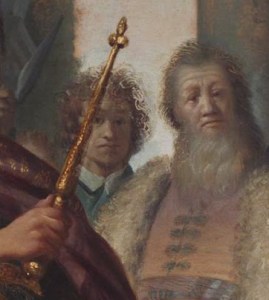
In the background, hidden by the scepter, we find Rembrandt himself, the witness who happened to come upon the scene and is looking on with wonder. Of the witnesses, he alone is shown dressed in the unadorned muted gray woolen clothing of a common man.

We know Rembrandt was well educated in history, and admired the Emperor Titus greatly, as he named his only surviving son after him.

About the Roman Emperor Titus, the Subject of this Painting (via Wikipedia):

Vespasian died of an infection on 23 June 79 AD, and was immediately succeeded by his son Titus. As Pharaoh of Egypt, Titus adopted the titulary Autokrator Titos Kaisaros Hununefer Benermerut (“Emperor Titus Caesar, the perfect and popular youth”). Because of his many (alleged) vices, many Romans feared that he would be another Nero. Against these expectations, however, Titus proved to be an effective Emperor and was well loved by the population, who praised him highly when they found that he possessed the greatest virtues instead of vices.

One of his first acts as Emperor was to order a halt to trials based on treason charges, which had long plagued the principate. The law of treason, or law of majestas, was originally intended to prosecute those who had corruptly “impaired the people and majesty of Rome” by any revolutionary action. Under Augustus, however, this custom had been revived and applied to cover slander and libel as well. This led to numerous trials and executions under TiberiusCaligula, and Nero, and the formation of networks of informers (Delators), which terrorized Rome’s political system for decades.

Titus put an end to this practice, against himself or anyone else, declaring:

“It is impossible for me to be insulted or abused in any way. For I do naught that deserves censure, and I care not for what is reported falsely. As for the emperors who are dead and gone, they will avenge themselves in case anyone does them a wrong, if in very truth they are demigods and possess any power.”

Consequently, no senators were put to death during his reign; he thus kept to his promise that he would assume the office of Pontifex Maximus “for the purpose of keeping his hands unstained.” The informants were publicly punished and banished from the city. Titus further prevented abuses by making it unlawful for a person to be tried under different laws for the same offense.  Finally, when Berenice returned to Rome, he sent her away.

As Emperor he became known for his generosity, and Suetonius states that upon realizing he had brought no benefit to anyone during a whole day, Titus remarked, “Friends, I have lost a day.”


Credits and Attributions:

History Painting, Titus (with self portrait of Rembrandt) by Rembrandt Harmenszoon van Rijn 1626

Wikipedia contributors, “Titus,” Wikipedia, The Free Encyclopedia,  https://en.wikipedia.org/w/index.php?title=Titus&oldid=950453618 (accessed April 24, 2020).

Wikimedia Commons contributors, “File:Rembrandt Historical Painting 1626 (Detail, with self-portrait).jpg,” Wikimedia Commons, the free media repository, https://commons.wikimedia.org/w/index.php?title=File:Rembrandt_Historical_Painting_1626_(Detail,_with_self-portrait).jpg&oldid=369318658 (accessed April 24, 2020).

Comments Off on #FineArtFriday: History Painting, Titus (with self portrait) by Rembrandt Harmenszoon van Rijn 1626 (revisited)

Filed under #FineArtFriday

Beta Reading versus Editing #amwriting

Beta Reading is the first look at a manuscript by someone other than the author. It’s best when the reader is (1) a person who reads for pleasure and can gently express what they think about a story or novel and (2) a person who enjoys the genre of that particular story.

beta-reading-vs-editing-LIRF02232021I am fortunate to have excellent friends willing to do this for me. Their suggestions are thoughtful and spot-on.
This first reading by an unbiased eye is meant to give the author a view of their story’s overall strengths and weaknesses. This phase should be done before you submit the manuscript to an editor.

oopsIn my work, the suggestions offered by the beta reader (first reader) guide and speed up the revision process. My editor can focus on doing her job without being distracted by significant issues that should have been caught early on.

If you agree to read a raw manuscript for another author, remember that it has NOT been edited. Beta Reading is not editing, and the reader should not make comments that are editorial in nature. Those kinds of nit-picky comments are not helpful at this early stage because the larger issues must be addressed before the fine-tuning can begin.

This phase of the process should be done before you submit the manuscript to an editor, ensuring those areas of concern will be straightened out first.

This manuscript is the child of the author’s soul. Be sure to make positive comments along the way, and never be chastising or accusatory. Always phrase your suggestions in a non-threatening manner.

What significant issues must be addressed in the first stage of the revision process? If you are asked to beta read for a fellow author, ask yourself these questions about the overall manuscript:

How does it open? Did the opening hook you? As you read, is there an arc to each scene that keeps you turning the page? Make notes of any places that are confusing.

Setting: Does the setting feel real? Did the author create a sense of time, mood, and atmosphere? Is world-building an essential part of the story?

TRUST YOUR READERCharacters: Is the point of view character (protagonist) clear? Did you understand what they were feeling?  Were they likable? Did you identify with and care about them? Were there various character types, or did they all seem the same? Were their emotions and motivations clear and relatable?

Dialogue: Did the dialogue and internal narratives advance the plot? Did they illuminate the tension, conflict, and suspense? Were the conversations and thoughts distinct to each character, or did they all sound alike?

Pacing: How did the momentum feel? Where did the plot bog down and get boring? Do the characters face a struggle worth writing about, and if so, did the pacing keep you engaged?

Does the ending surprise and satisfy you? What do you think might happen next?

What about grammar and mechanics? At this point, you can comment on whether or not the author has a basic understanding of grammar and industry practices that suit their genre.

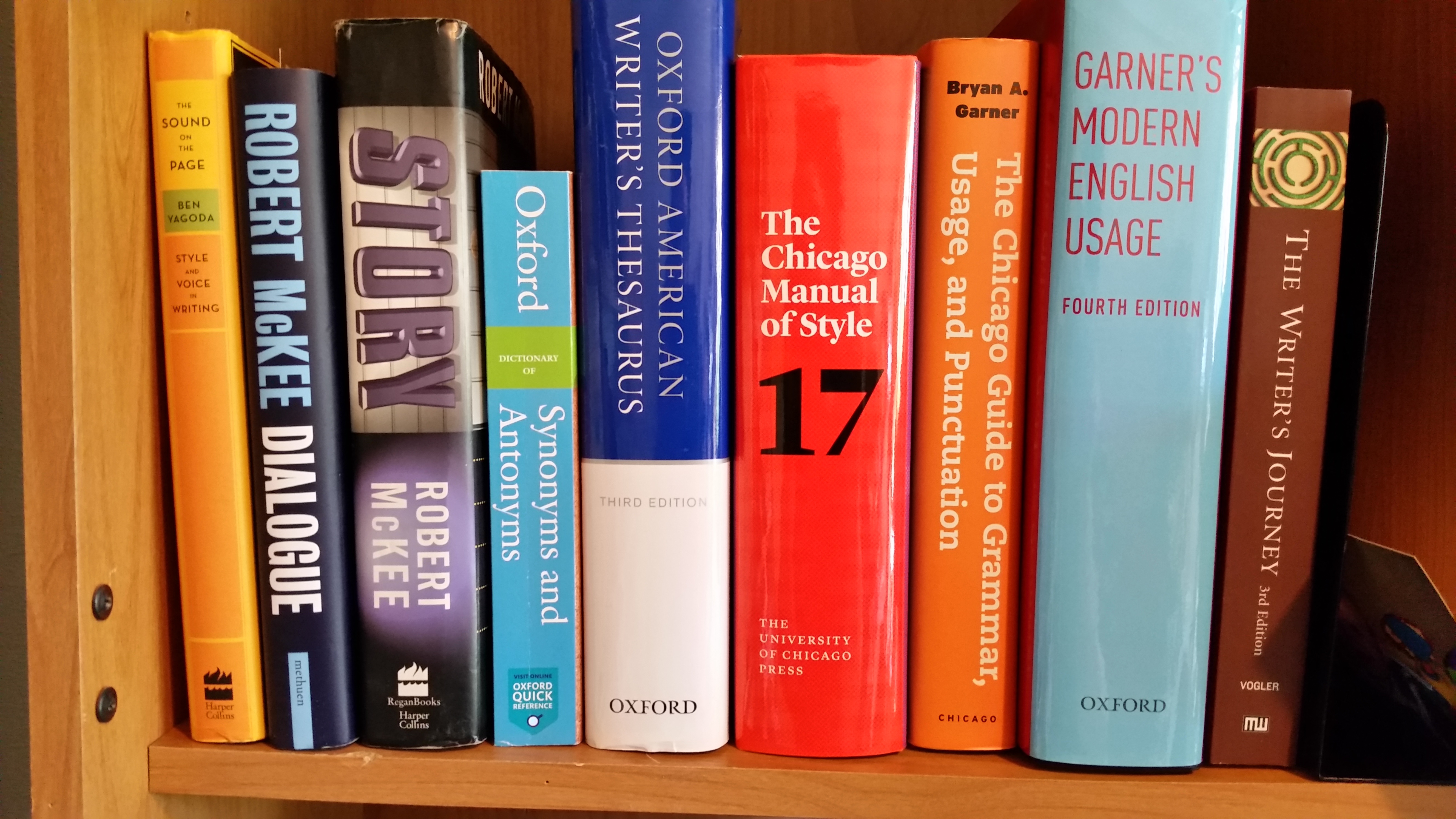
Be gentle! Phrase your suggestions with kindness. If the author’s work shows they don’t understand industry grammar and basic punctuation standards, suggest they get a style guide such as the Chicago Guide to Grammar, Usage, and Punctuation. Or, if you feel up to it, offer to help them learn a few basics.

I know how difficult sharing your just-completed first draft with anyone is. For that reason, being the first reader of another author’s work is a privilege I don’t take lightly.

So, we now know that beta reading is not editing. We now know the first reader makes general suggestions to help the author achieve their goals when revising.

to err is human to edit divineEditing is a process unto itself and is the final stage of making revisions. The editor goes over the manuscript line-by-line, pointing out areas that need attention: awkward phrasings, grammatical errors, missing quotation marks—many things that make the manuscript unreadable. Sometimes, major structural issues will need to be addressed. Straightening out all the kinks may take more than one trip through a manuscript.
There are different kinds of editing, as the various branches of literature have requirements that are unique to them:

In academic writing, editing involves looking at each sentence carefully and ensuring it’s well-designed and serves its purpose. In scholastic editing, every grammatical error must be resolved, making words and sentences more straightforward, precise, and effective. Weak phrasings are strengthened, nonessential information is weeded out, and important points are clarified.

In novel writing, editing is a stage in which a writer and editor work together to improve a draft by ensuring usages are consistent. The editor does not try to change an author’s voice but does point out errors. If an author’s style breaks convention, the editor ensures it is flouted consistently from page one to the end of the manuscript. At the same time, strict attention is paid to the overall story arc.

ok to write garbage quote c j cherryhAn editor is not the author. They can only suggest remedies, but ultimately all changes must be approved and implemented by the author.

Be careful when you ask a person to read your manuscript. Some people cannot see the flowers among the weeds and will be blunt and dismissive in their criticism. That is not what you want at that early point. You want an idea of whether you are on the right track with your plot and characters and if your basic storyline resonates with the reader.

Do yourself a favor. Try to find a reader who understands what you are asking of them. You want someone who enjoys beta reading.

When you have made the revisions your first reader suggested and feel your book is ready, hire a local, well-recommended editor. You need someone you can work with, a person who wants to help you make your manuscript ready for publication.

You might wonder why you need an editor when you’ve already spent months fine-tuning it. The fact is, no matter how many times we go over our work, our eyes will skip over some things. We are too familiar with our work and see it as it should be, not as it is.

Editors_bookself_25May2018A reader won’t be familiar with it and will notice what we have overlooked.
In my own work, a passage sometimes seems flawed. But I can’t identify what is wrong with it, and my eye wants to skip it. But another person will see the flaw, and they will show me what is wrong there.

That tendency to see our writing ‘as it should be and not how it is’ is why we need other eyes on our work. Our eyes might trick us, but another reader will see it clearly.

Next week, we’ll talk about the final draft and the process I use to make my manuscript ready for my editor.

8 Comments

Filed under writing

Mind-wandering and the Creative Process #amwriting

Mind-wandering … daydreaming … sitting around, and doing nothing, thereby annoying family members with agendas of their own. It’s an activity that is looked down upon because it represents idleness in a society that demands productivity. We have a culture that celebrates doing, achieving, producing, and succeeding.

My Writing LifeWhen observed by others, a person who is daydreaming appears lazy. Mind-wandering has no obvious purpose, but it is critical for creativity. Every groundbreaking discovery in science, every great invention we enjoy today—all were inspired by ideas that came to a person while thinking about something else or when they were mind-wandering.
Taking the time to sit and think about nothing in particular has everything to do with the nature and genesis of storytelling.

The ability to explain the world through stories and allegory emerges strongly in some people. Many are naturally able to form and express a story, even when discretion would be better. I can create a string of BS like no one else at the drop of a hat:

256px-Skillet_cornbread_(cropped)My oldest daughter, looking at our dinner, a casserole of beans with cornbread baked on top like a cobbler: “What the heck is that?”

Me, ever the smartass: “It’s stewed Yeti in gravy with a sweet cornbread topping. Try it. I think you’ll like it.”

Daughter: “Why can’t we have normal food, like normal people?” Takes a bite. “Mom. This tastes like the beans we had last night, except you added cornbread. You said the beans were jackalope nuggets.”

Me: “Did I say that? Sorry. I meant Yeti. I get the two confused.”

Daughter: “I’ll just have salad.”

Me: “Great choice. I made the ranch dressing with …”

Daughter: “Oh, God. Here it comes.”

Me: “… lion’s milk, since we’re out of buttermilk.”

Other people need the subliminal prompting of an image to spark their creativity. If you’ve visited here at Life in the Realm of Fantasy on a Friday, you know how much I love looking at and talking about art.

I’m not educated as an art historian, and I hope I don’t come off as pretending to be one. But I love the paintings of great artists because they tell a story. I like to research great art and the artists who created it. I love to share the images I come across and hopefully give others like me access to see the art that humanity is capable of, good and bad.

gear-brain-clip-art-smallPerception is in the eye of the beholder. Observation and thought are seeds that inspire extrapolation, leading the viewer to come away with new ideas. When I see the story captured in a single scene by an artist, my mind always surmises more than the painting shows. I see the picture as depicting the middle of the story and imagine what came before and what happened next. Unintentionally, I put a personal spin on my interpretation, and ideas are born. I don’t mean to, but everyone does.

Wikipedia tells us this about that: In mathematicsextrapolation is a type of estimation, beyond the original observation range, of the value of a variable on the basis of its relationship with another variable. It is similar to interpolation, which produces estimates between known observations, but extrapolation is subject to greater uncertainty and a higher risk of producing meaningless results. [1]

In real life, extrapolation is the act of an idea emerging from an idea, creating a chain of ideas that coalesce and form an assumption. That assumption generates more ideas, and the “thought party” roars on. This is how great novels begin.

 Anthony Jack, a cognitive scientist at Case Western Reserve University in Ohio, says, “How we daydream and think depends on the brain’s structure. …(That) structure is constantly changing in small ways—as we learn new things the connections between nerve cells change.” (Read “Beyond the Brain” in National Geographic magazine.) [2]

We have long known that creative people are often guilty of mind-wandering. Researchers have shown that daydreaming makes you more creative. The mental conversation occurs when the daydreaming mind cycles through different parts of the brain and taps into the subconscious mind, bringing up information we had but were unaware of. The daydreaming mind connects bits of information we’ve never considered in that particular way.

According to a study published in the Proceedings of the National Academy of Sciences, a wandering mind can impart a distinct cognitive advantage. [3]

mindwanderingLIRF02212023This means that daydreaming is actually good for you. It boosts the brain, making our thought process more effective. Letting the mind wander allows a kind of ‘default neural network’ to engage when our brain is at wakeful rest, as in meditation, rather than actively focusing on the outside world. When we daydream, our brains can process tasks more effectively.
This is good to know because, as an author, I spend an astounding amount of time daydreaming, and I would hate to be simply wasting time!

Meditating on a tone, a pattern, or an image is a time-honored means of expanding one’s mind. Meditating or daydreaming turns off parts of your brain. Our brain has an analytic part that makes reasoned decisions and an empathetic part that allows us to relate to others.

Researchers have found when a person daydreams, their mind naturally cycles through different modes of thinking, analytic and empathetic. During this time, your brain’s rational and sympathetic parts tend to turn each other off, which is why this habit is crucial to creativity.

Creative people are often guilty of mind-wandering, but researchers have shown that daydreaming makes you more creative.

magicYou could be watching the birds, as my husband and I often do. Or maybe you’re perusing the display in a local art gallery or listening to music. I love all genres of music, but for writing I often find inspiration in powerhouse classical pieces such as Orff’s cantata, Carmina Burana, or Nobuo Uematsu‘s soundtracks to the Final Fantasy game franchise.

Whatever you choose to meditate on doesn’t matter. The act of mind-wandering generates ideas.

Let your mind wander. That feeling of stress will lessen, and soon, you may have an idea for a novel, a painting, or music.


Credits and Attributions:

Cornbread, Zankopedia, CC BY-SA 3.0 Wikimedia Commons contributors, “File:Skillet cornbread (cropped).jpg,” Wikimedia Commons, https://commons.wikimedia.org/w/index.php?title=File:Skillet_cornbread_(cropped).jpg&oldid=449104554 (accessed June 24, 2023).

[1] Wikipedia contributors, “Extrapolation,” Wikipedia, The Free Encyclopedia, https://en.wikipedia.org/w/index.php?title=Extrapolation&oldid=1144519982 (accessed June 24, 2023).

[2] Beyond the Brain by James Shreeve, Cognitive Function Article, Neuroscience Information, Mapping Brain Facts — National Geographic Copyright © 1996-2015 National Geographic SocietyCopyright © 2015-2023 National Geographic Partners, LLC. All rights reserved (accessed June 24, 2023)

[3] Where do our minds wander? Brain waves can point the way (medicalxpress.com) by Yasmin Anwar, University of California – Berkeley (accessed June 24, 2023)

7 Comments

Filed under writing